

As the Wheel of the Year turns into the heart of autumn, many nature based spiritual practitioners find themselves at a pivotal moment of reflection and renewal. Samhain, celebrated on October 31st – November 2nd (in the Northern Hemisphere), marks the end of the harvest season and the decent towards winter’s darkness—a time when the veil between the worlds of the living and the dead is considered to be at its thinnest—sometimes called the Witches’ New Year.
It’s an ideal time to set intentions and embark on new spiritual journeys, as the past sowing, growing, and harvest seasons have provided us with lessons we can use to inform the next cycle. One of the most powerful ways to mark this transition is by committing to a “Year and a Day” practice: a devotional tradition that’s rooted in Pagan spirituality, which itself signifies a full cycle of learning, growth, and transformation.
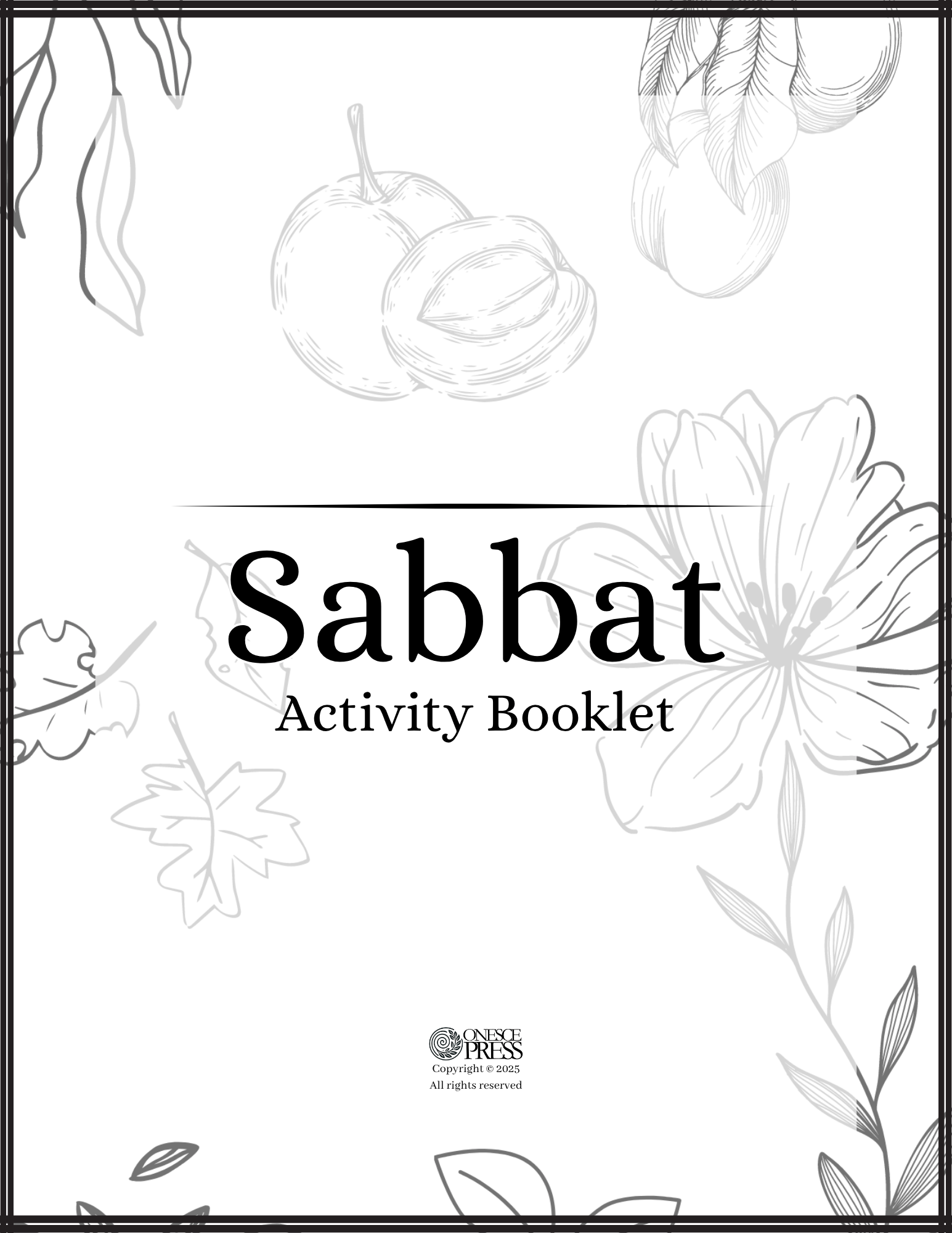
Sabbat Activity Booklet
Get your free copy of this printable PDF, designed to help you explore any of the Pagan Sabbats!
Let’s explore how this practice bridges ancient tradition and modern devotion. We’ll examine the origins of the Year and a Day tradition, its connection to Samhain and the Witches’ New Year, as well as the deeper meaning behind dedicating oneself to a full cycle of learning and transformation. We will also consider some practical ways to design a personal Year and a Day commitment that honors both historical roots and our own individual spiritual growth journeys.

Origins of the Year and a Day Tradition
The phrase “a year and a day” first appeared in medieval common law, where it denoted a defined and complete period of time used for establishing rights, obligations, or freedoms. In England and other parts of Europe, this duration was recognized as a standard measure of legal certainty, considered long enough to demonstrate consistency, endurance, or intent. For instance, under feudal law, a serf who escaped and remained unclaimed for a year and a day was considered legally free. Similarly, property claims, inheritance disputes, or criminal accusations often used this time frame to determine resolution or ownership. Historical legal texts such as Bracton’s De Legibus et Consuetudinibus Angliae and later commentaries by Sir Edward Coke reference the period as a marker of transition from temporary to permanent status, illustrating how it symbolized completion and legitimacy in medieval jurisprudence.
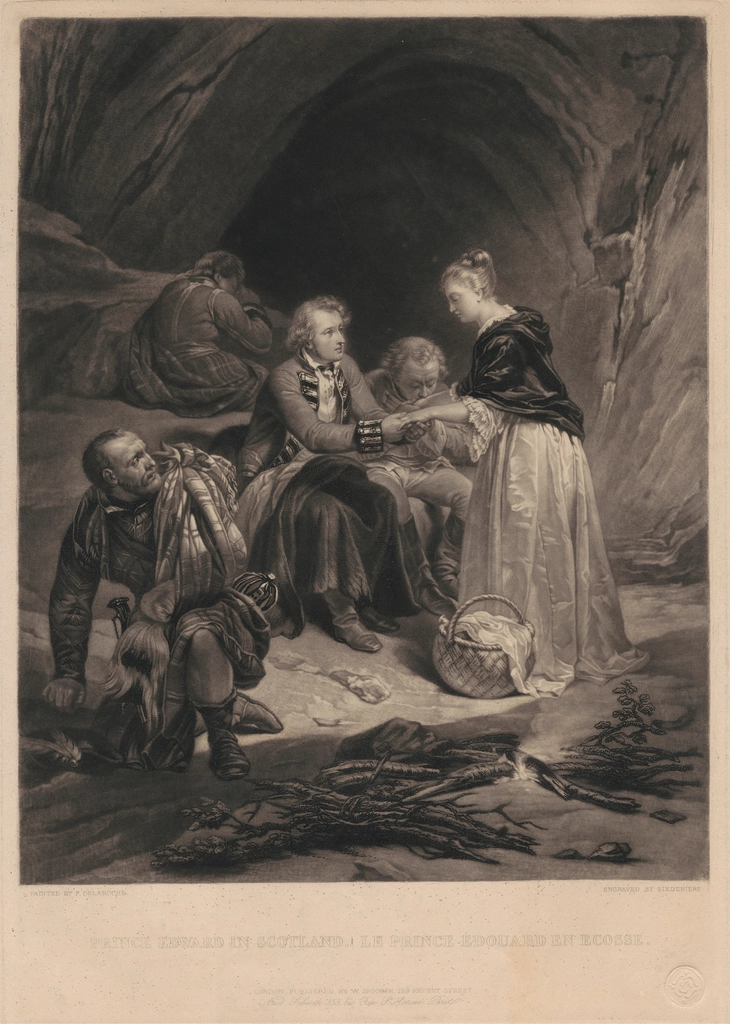
Beyond its legal use, the concept also appears in Celtic and Scottish cultural traditions, where it carried both social and spiritual significance. In pre-modern Scotland, several mythos about a “year and a day” were included in literature, for the duration of a handfasting (illuding to it as a form of trial marriage/betrothal in which a couple pledged themselves to one another for that time before deciding whether to formalize the union). This practice reflected an idyllic desire for both practicality and sacred symbolism: the couple experienced a full turn of the seasons together, testing compatibility and commitment within the natural cycle. The Book of Common Order and various 16th–17th century Scottish parish records also note these arrangements, demonstrating how the period served as both temporal measure and ritual threshold that honored both human intention and nature’s rhythm.
The motif of a “year and a day” also weaves through European folklore and mythology, where it signifies the archetypal span of transformation, trial, or fulfillment. Many medieval tales—including Sir Gawain and the Green Knight and various Celtic and Norse legends—use the phrase to represent the time required to complete a quest, break a curse, or fulfill a vow. In these stories, the duration carries symbolic weight: it encompasses a full solar cycle plus one day, implying that true transformation requires not only endurance through all seasons but also a step beyond the ordinary measure of time. All together, this layered legal, cultural, and mythic heritage reveals why many modern spiritual practitioners have adopted the “Year and a Day” as a framework for spiritual devotion: it marks a period long enough for genuine growth—or just beyond enough—invoking the sacred.

The Significance of Samhain
Samhain is referred to as the Witches’ New Year because it marks both an ending and a beginning. As the final harvest festival, it signifies the close of the agricultural year and the start of winter’s introspective, transformative phase. The energy of Samhain is one of both death and rebirth, making it a powerful time to reflect on the past year’s lessons, release old patterns or burdens, and plant the seeds for new growth in the year ahead.
Beginning a Year and a Day commitment at Samhain aligns personal practice with one of the oldest and most symbolically potent thresholds in the agrarian calendar. Historically, Samhain marked the division between the light and dark halves of the year, a time recognized by Celtic communities as a communal turning point when livestock were brought in, harvests completed, and the old year ritually laid to rest. This transition carried both practical and spiritual weight: it acknowledged the necessity of death and rest as precursors to renewal.
For modern practitioners, beginning a devotional cycle at this time mirrors these ancient rhythms, inviting us to release what no longer serves while also setting intentions for the year ahead. By aligning our spiritual journey with nature’s own cycles of retreat and regeneration, we root our growth in the same enduring wisdom that guided our ancestors.
Furthermore, the thinning of the veil at this time of year allows for deeper reflection and connection with the spiritual realms, making it easier to access inner wisdom, ancestral guidance, and the support of spirit guides or deities. By starting a Year and a Day practice at Samhain, practitioners can harness this powerful energy to set meaningful intentions before they embark on their next journey of spiritual growth. This Sabbat’s energies of descent, reflection, and renewal provide the ideal foundation for long-term devotion, inviting practitioners to journey inward during the darker months and emerge with new insight as the light returns.

Understanding the Cycle: Why a Year & a Day?
Often, in nature-based spirituality, time is viewed as cyclical rather than linear. The natural world moves through cycles of birth, growth, death, and rebirth perpetually, as it waxes and wanes through the seasons, year after year. These patterns are reflected in the Wheel of the Year, which marks the changing seasons and the spiritual lessons they bring. A Year and a Day practice reflects this cyclical understanding of time, allowing for a full immersion in the process of growth and transformation throughout the journey.

Each of the eight Sabbats, or quarter and cross-quarter points in the solar cycle, presents a distinct phase in the natural and spiritual rhythm of life, including: initiation, cultivation, challenge, harvest, and rest. By journeying through them consciously, a Year and a Day practitioner experiences the ebb and flow of commitment as a living reflection of Earth’s wisdom. During a complete Year & a Day cycle, the Sabbats offer these guiding energies (the dates below are for the Northern Hemisphere and they would be opposite in the Southern Hemisphere, e.i.: Samhain on May 1st and Beltane on Oct. 31st, etc.):
- Samhain (October 31 – November 1): The threshold and beginning; where death, release, and reflection prepare the soul for renewal. A time to set intentions and dedicate oneself to the journey ahead.
- Yule (Winter Solstice, ~December 21st): The dark’s depth and the first spark of returning light remind us that even in stillness, new life stirs. Devotion here takes the form of patience, faith, and quiet study.
- Imbolc (February 1–2): The first signs of awakening bring clarity and inspiration. This is a time to rekindle motivation, refine goals, and reaffirm commitment as light strengthens.
- Ostara (Spring Equinox, ~March 20th-23rd): Balance and renewal unfold as day equals night. Growth quickens; practitioners begin to see progress and are invited to nurture consistency and harmony in practice.
- Beltane (May 1): Fertility, passion, and creativity surge. Energy peaks, and devotion expresses through joyful action, community connection, or bold steps toward mastery.
- Litha (Summer Solstice, ~June 21st): The height of light and accomplishment celebrates vitality and achievement. It is time to practice gratitude and humility, recognizing how far the journey has come.
- Lughnasadh (August 1): The first harvest invites reflection on what efforts have borne fruit and what must be refined. Practitioners learn discernment by choosing what to sustain and what to release.
- Mabon (Autumn Equinox, ~September 20th-23rd): Balance returns as light wanes. This is a time for integration: harvesting wisdom, giving thanks, and preparing inwardly for the descent that leads back to Samhain.
The journey through these Sabbats is not a straight line of achievement but a spiral path of trial, insight, and renewal, reflecting how genuine devotion evolves in harmony with the shifting energies of the natural world. The “and a day” extends beyond the turning of the seasons to represent its integration and closure, as well as readiness for the next spiral of growth. This extra day also serves as a sacred acknowledgment that truly, the journey continues beyond the immediate cycle, representing a step toward mastery, devotion, or greater spiritual understanding.
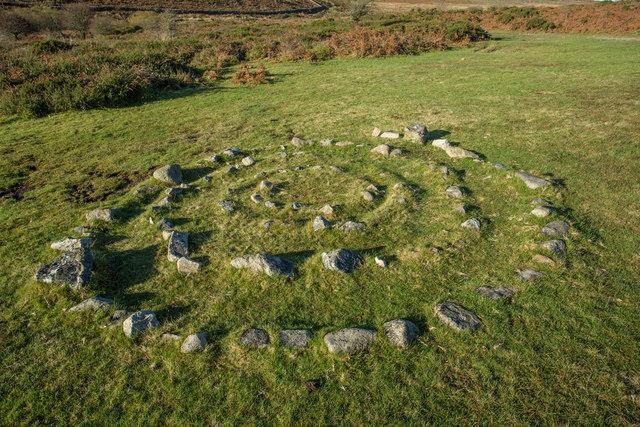
The completion of one full year, plus the extra day, is more than just the passage of time. It holds space for both discovery and integration of all the learning, wisdom, and spiritual development that a full cycle provides. It is believed that within the course of a full year, a practitioner will have experienced the energies and lessons of each season, as well as the highs and lows of life’s cycles. Therefore, this approach encourages a deep, sustained engagement with personal growth and allows time for application, reflection, integration, and ongoing transformation.

Choosing a Devotional Practice
A Year and a Day practice can be highly personalized, allowing each individual to choose a devotional habit that resonates with their unique spiritual path and goals. Whether we are seeking to deepen our connection with a particular deity, improve our skills in a specific magickal discipline, or focus on self-care and mindfulness, the options for a Year and a Day commitment are vast. Here are some examples:
Daily Meditation or Ritual Practice
Committing to a daily meditation or ritual practice can help us cultivate mindfulness, spiritual awareness, and a resilient sense of groundedness. Whether you meditate in silence, perform a brief ritual each morning, or spend time in nature reflecting on your connection to the elements, this type of practice can bring more peace and balance to your daily life.
Learning or Deepening Knowledge

A Year and a Day practice can be an ideal opportunity to focus on learning or deepening our knowledge in a specific area of spirituality or magick. This might include studying herbalism, astrology, Tarot, energy work, or any other discipline that interests us. By dedicating some time each day to learning and practicing our chosen skill, we will experience significant growth over the course of the year.
Gratitude or Mindfulness Practice
Gratitude and mindfulness are powerful tools for personal and spiritual growth. A Year and a Day practice of gratitude could involve journaling each day about what you are thankful for, while a mindfulness practice might focus on being present in each moment and cultivating awareness of your thoughts, emotions, and surroundings.
Nurturing Spiritual Connections
If you feel called to develop a deeper relationship with a specific deity, spirit, or ancestor, a Year and a Day practice offers a structured way to build that connection. This might involve daily prayers, offerings, or rituals dedicated to your chosen entity, as well as spending time studying their mythology, stories, or history.
Self-Care or Personal Healing
A Year and a Day practice can also be focused on self-care and healing. This can be particularly powerful if we are recovering from a difficult period in our life or seeking to nurture our physical, emotional, or spiritual well-being. This could include practices such as daily energy healing, yoga, journaling, or creative expression.
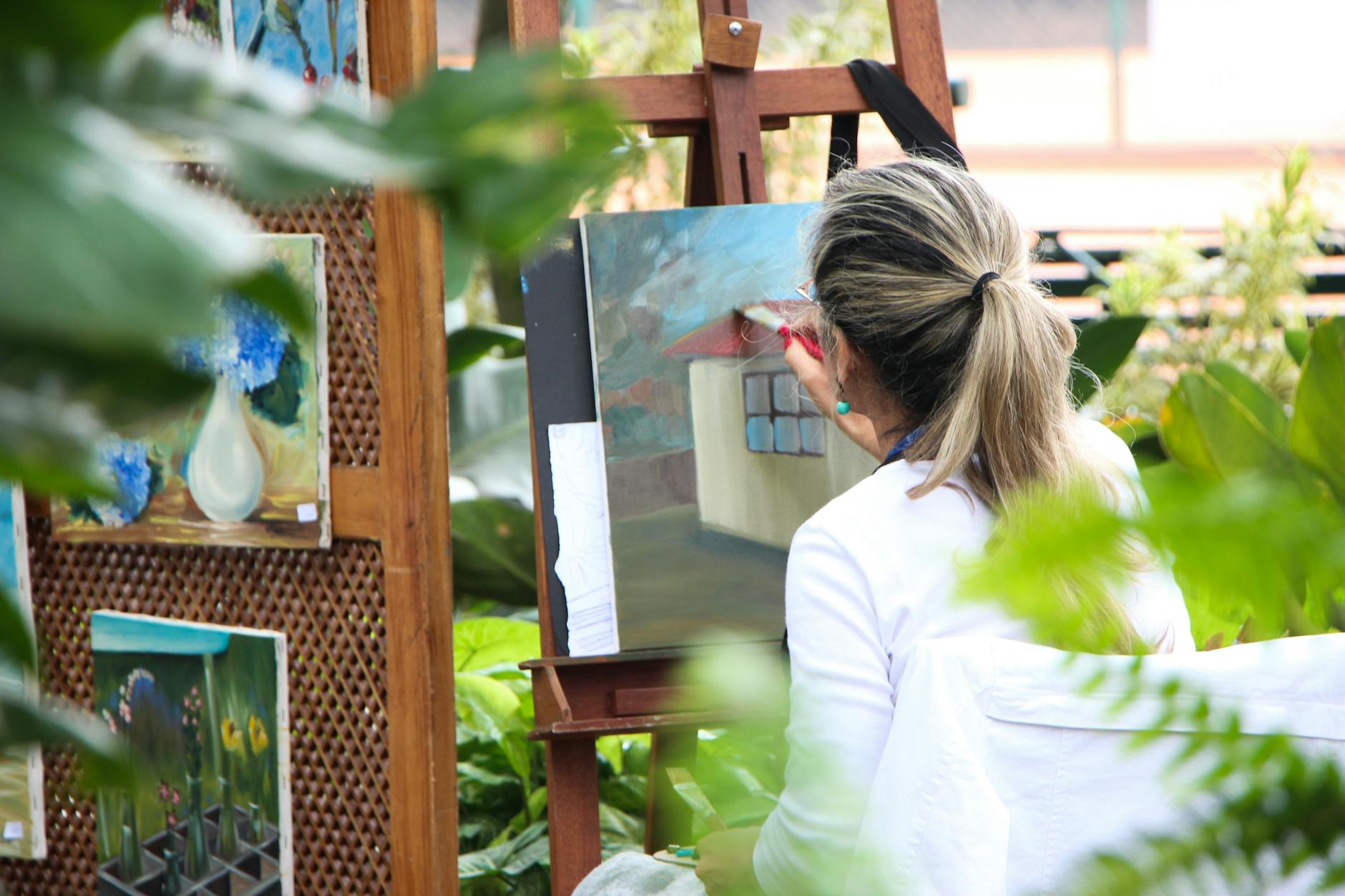
Integrating Devotion into Daily Life
One of the most important aspects of a Year and a Day commitment is integrating the chosen practice into daily life. The intention is not just to learn or grow for a short period of time, but to fully embody the lessons and insights gained over the course of the year. By dedicating time to our practice each day, we ultimately create a sense of discipline and consistency, which helps to deepen our spiritual commitment and internalize the wisdom we receive long-term.
That being said, it is important to approach our Year and a Day practice with patience and flexibility. Start off slow and easy, letting the practice build towards your ideal over time. Some days may be more challenging than others, and it is natural to experience periods of doubt, frustration, or fatigue. However, the key is to remain committed, even when the journey feels difficult or we miss a day here or there. By embracing the full cycle of the year—including its challenges—we will emerge with a deeper understanding of ourselves, our spiritual paths, and the cyclical nature of growth.

The extra day at the end of the practice is a great opportunity for reflection and integration of the entire journey. As you reach the final day of your commitment, take time to look back on your journey, acknowledging the ways in which you have grown, the lessons you have learned, and the transformation you have experienced. This day is not just the end of the cycle, but a moment of completion that will also inform our continuation, where the wisdom we have gained can be fully integrated into our lives moving forward. It’s also an opportunity to begin our next devotional cycle with the full awareness of the past cycle’s lessons.

Conclusion: Staring a Year and a Day Devotional Practice at Samhain Supports Holistic Growth
Committing to a Year and a Day practice is more than adopting a habit or routine, it’s entering into a spiritual commitment with nature, time, and oneself. This ancient measure invites us to engage fully with one complete cycle of Earth’s turning. Throughout, we learn that true devotion is not about perfection but presence; returning to the practice, again and again, with honesty and care. The year teaches endurance; the extra day reminds us to pause, to integrate, and to recognize the sacred seed of beginning at the center of every completion.
As we walk this spiral path, the Year and a Day commitment becomes a mirror for the cycles within us. The process of daily dedication reveals how growth unfolds through both light and shadow. Challenges become initiations and rest becomes renewal. Over time, we begin to embody the wisdom that every act of devotion, no matter how small, contributes to our transformation. This understanding nurtures both spiritual resilience and practical mindfulness, grounding our mystical aspirations in lived experience.
Sabbat Activity Booklet
Get your free copy of this printable PDF, designed to help you explore any of the Pagan Sabbats!
Now, as the Witches’ New Year approaches, the invitation is simple yet profound: begin. Let Samhain mark the threshold of your next great cycle, making it a year of curiosity, courage, and conscious evolution. Choose a practice that resonates with your spirit, honors your own rhythms, and reveals your true capacity for growth. Then, allow the turning seasons to guide you, the lunar phases to remind you, and the passing days to shape you into a fuller expression of who you are becoming. Truly, in embracing a Year and a Day devotional practice, we do not just measure time—we sanctify it—transforming ordinary days into a journey of spiritual growth.
Thank you for joining us here on Onescence! If you enjoyed this article, please consider supporting our free, online periodical by purchasing one of our products through Onesce Press. Given your interest in personal transformation and spiritual growth, perhaps you would benefit from:
Meditation Practice
LOGBOOK FEATURES:
- Your companion on a 366-Day adventure in devotion and commitment.
- Developed with the Year and a Day framework to challenge and inspire.
- Simple and straightforward logging with space for key intentions and reflections.
- Enjoy the benefits of tracking your progress and the details of your practice in one place.
You can also get your copy on Amazon. Don’t wait, take your practice to the next level:
