

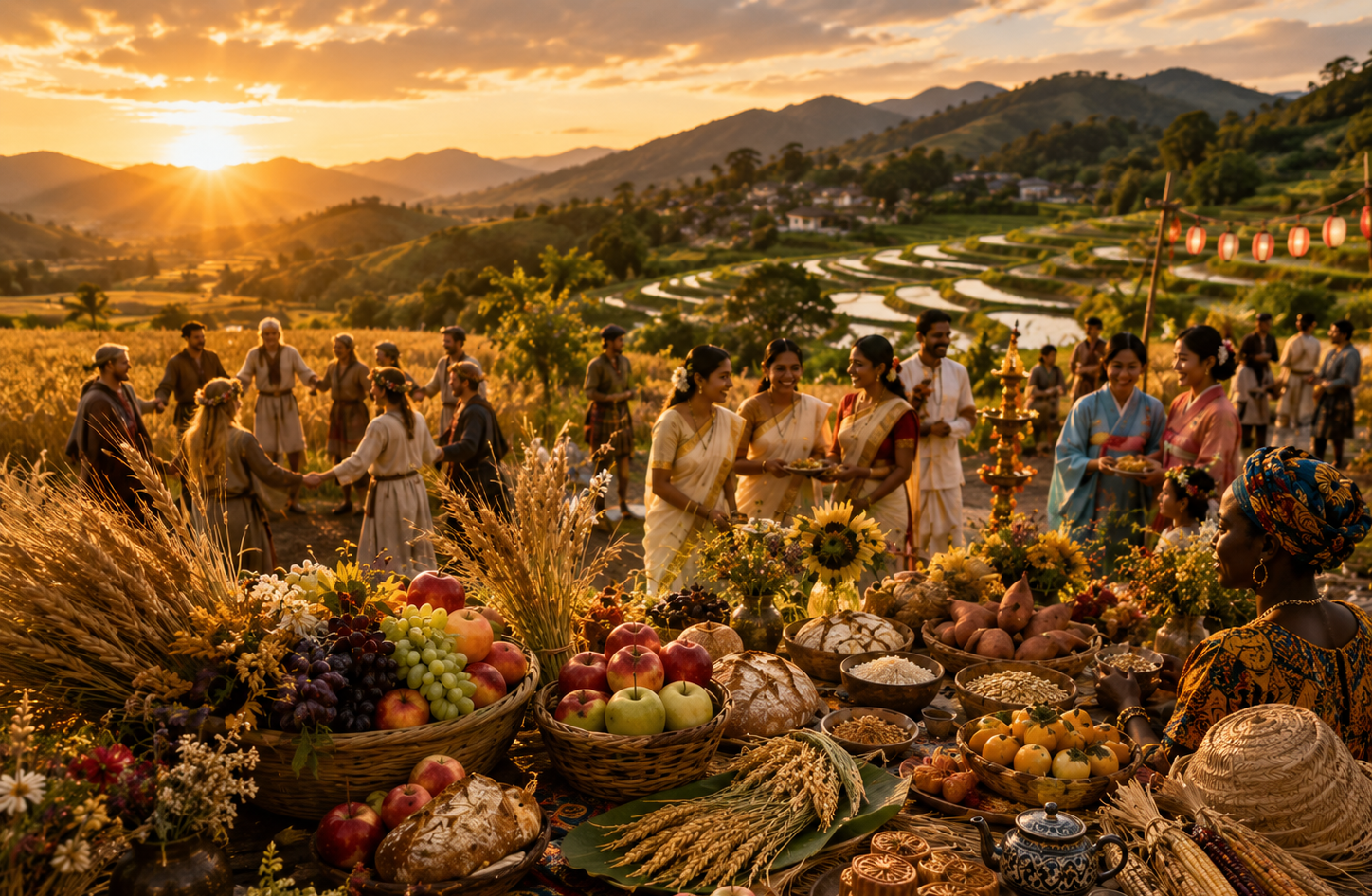
As the summer sun ripens fields and fruit alike, we find ourselves at the threshold of something timeless: the first harvest, when the earth begins to offer back the fruits of our shared labor. Across cultures and continents, this moment has long inspired seasonal traditions that bring people together in gratitude, celebration, and awe. Whether celebrating in the hills of ancient Ireland or the rice fields of Asia, communities have paused to give thanks, share abundance, and mark the sacred turning of the seasons.
In the Celtic world, this time is known as Lughnasadh. This celebration is rooted in myth and agriculture, memory and offering. However, Lughnasadh is far from the only expression of this sacred seasonal shift. From abundance festivals like India’s Onam to the loaves of Christian Lammas and the moonlit gatherings of East Asia, the first harvest has always called humanity to celebrate Earth’s abundance with reverence and joy.
Sabbat Activity Booklet
Get your free copy of this printable PDF, designed to help you explore any of the Pagan Sabbats!
Let’s explore the deep ancestral roots of Lughnasadh and the diverse expressions of first harvest celebrations around the world. As we widen the lens beyond one tradition, we begin to see a shared rhythm that connects us all to the land, to each other, and to the cycles of life that nourish more than just our bodies.

Lughnasadh: Celtic First Harvest Festival
For ancient Celtics, the first harvest was more than a marker of agricultural success, it was also a sacred turning point in the seasonal cycle. Lughnasadh, traditionally celebrated around August 1st, honored this pivotal moment when the first grains were gathered, the fruits of early summer were ripe, and communities came together in reverence for nature’s abundance.
Named for the sun god Lugh, Lughnasadh carries mythological significance rooted in themes of sacrifice, remembrance, and gratitude. According to legend, Lugh established the festival in memory of his foster mother, Tailtiu, who cleared the land for cultivation and died from her efforts. To honor her, he convened great assemblies known as Áenach Tailteann, where people gathered for ritual games, storytelling, feasting, and trade. These celebrations were deeply spiritual expressions of respect for the land, ancestors, and the fruits of human labor.

Lughnasadh traditions reflected the social and spiritual values of Celtic life. Hilltop gatherings, often held at sacred sites, became spaces for communal celebration and ceremony. Ritual games tested strength, skill, and artistry, while fires were lit to represent the waning power of the sun and to bless the gathered crops. Offerings of bread and the first harvest grains were made to the gods, and handfasting ceremonies often took place as symbolic unions mirrored the fertility of the earth.
Though the world has changed, the essence of celebrating the harvest during Lughnasadh remains relevant. Many modern Pagans and earth-based spiritual practitioners continue to mark this Sabbat as a time of gratitude, reflection, and community. Whether through baking sacred bread, crafting corn dollies, or hosting seasonal feasts, the spirit of this abundance festival endures.
Lughnasadh invites us to remember that we are participants in the ongoing cycle of sowing, tending, reaping, and resting. In honoring this seasonal tradition, we also honor the interconnected web of life that sustains us all, allowing ourselves to pause and express our gratitude for what is ripening in our lives, both within and all around us.

Lammas: Christian First Fruits Festival
While Lughnasadh emerged from Celtic Pagan roots, a parallel observance took shape in early Christian Britain known as Lammas, short for “Loaf-Mass.” Celebrated on August 1st, Lammas marked the first harvest of wheat and the offering of freshly baked loaves to the church in gratitude for the season’s abundance. These loaves were often blessed and used in community rituals, symbolizing both divine provision and the sacredness of the land’s yield.
Like many seasonal traditions, Lammas reflects the merging of pre-Christian agricultural rites with evolving Christian practice. Though the spiritual framing shifted, the heart of the celebration remained rooted in gratitude and reverence for the earth’s gifts. Bringing the first fruits to the altar was a way of acknowledging that all sustenance came not only from the soil, but from the blessings of the divine.
Lammas was not merely symbolic, incorporating aspects that were practical, timely, and deeply communal. The celebration of the harvest through bread emphasized sharing, humility, and the miracle of transformation: seed to grain, grain to flour, flour to nourishment. In many regions, Lammas also served as a time for fairs, festivals, and communal gatherings, echoing the more ancient abundance festivals of the Celtic world.
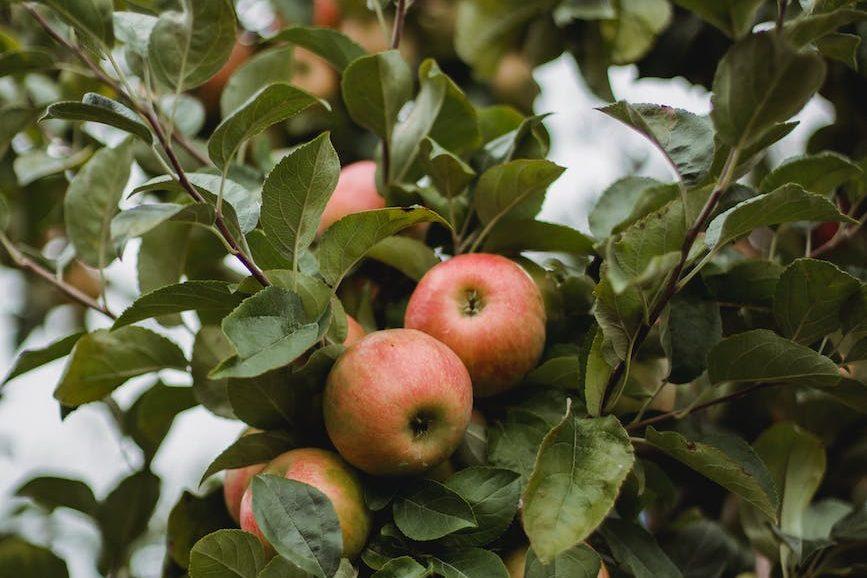
Early Christianity wasn’t alone in honoring the first fruits of the land either. In Jewish tradition, similar offerings were made during harvest festivals like Shavuot and Sukkot, where the first yield of crops was brought to the Temple in thanksgiving. These practices served not only to celebrate the harvest, but to reinforce a spiritual relationship with nature’s rhythms and the divine forces believed to guide them.
In modern times, Lammas is still celebrated by many within Pagan and Christian communities alike. Whether through baking a symbolic loaf, blessing a meal, or reflecting on the rewards of personal growth, Lammas offers an opportunity to participate in an ancient human impulse: to give thanks, to gather, and to honor the sacred exchange between earth and spirit.
Abundance Festivals Across Continents
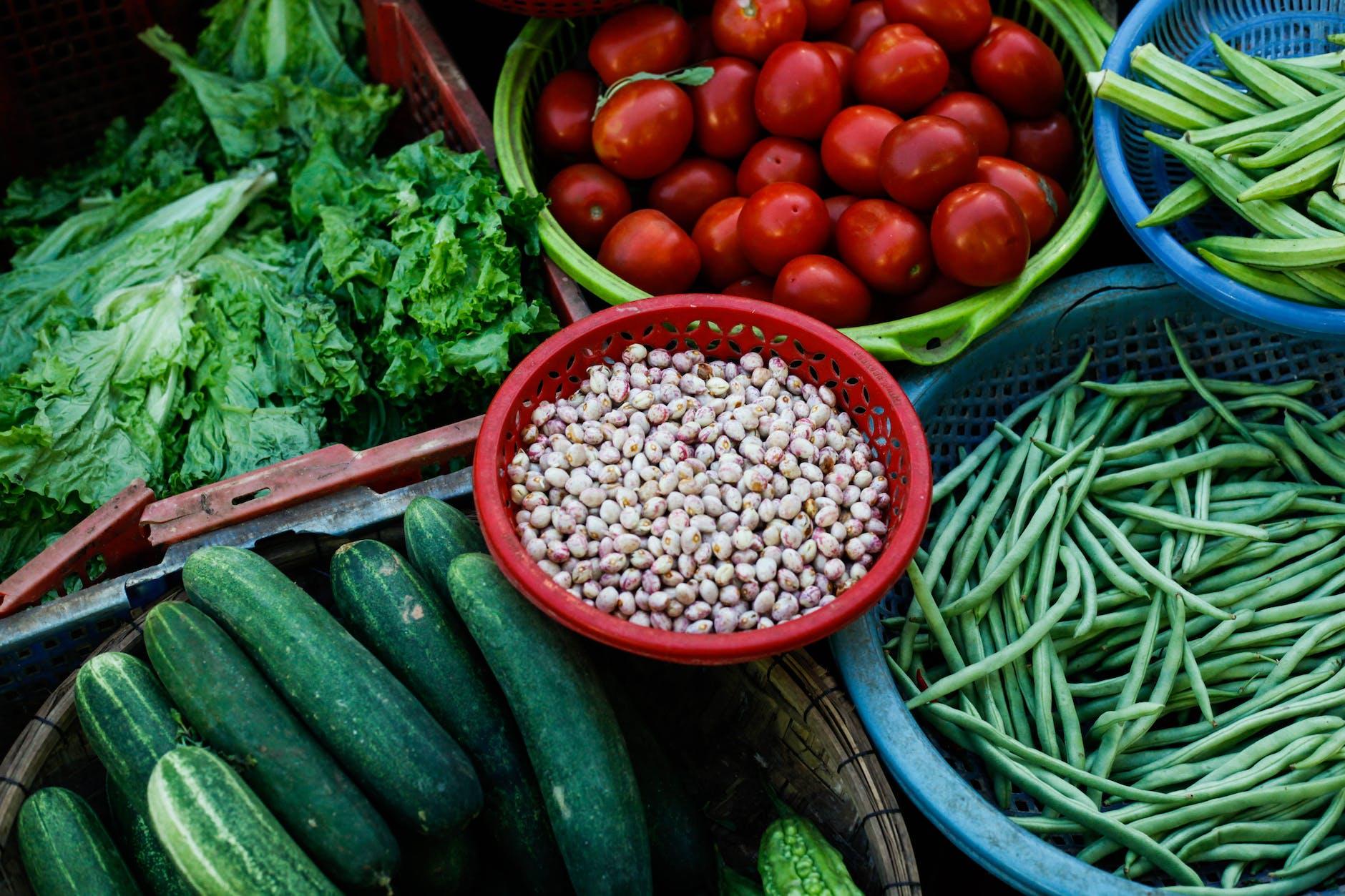
While Lughnasadh and Lammas mark the first harvest in European tradition, cultures across the world have long held their own abundance festivals to honor the earth’s bounty. Despite vast differences in climate, crops, and mythology, these celebrations share common threads: gratitude, gathering, and the deep human desire to live in harmony with nature’s rhythms.
In India, the festival of Onam welcomes the first harvest of rice in the southern state of Kerala. Rich with symbolism and storytelling, Onam is a ten-day celebration that honors the legendary King Mahabali and the fertility of the land. Families celebrate the harvest with elaborate feasts called Onasadya, decorate their homes with floral designs known as pookalams, and engage in dance, music, and boat races that bring entire communities together in joyful unity.
In China, the Mid-Autumn Festival (or Moon Festival) occurs slightly later in the year but carries the same spirit of seasonal gratitude. Families gather to share mooncakes and admire the full moon, a symbol of unity and abundance. The festival honors Chang’e, the moon goddess, and reflects the cyclical beauty of harvest and homecoming, reminding celebrants to cherish seasonal traditions and reflect on the fruits of their personal and collective labor.

Across West Africa, particularly in Ghana and Nigeria, Yam Festivals mark the first harvest of this staple crop. Ceremonies often begin with a symbolic offering of yams to the ancestors and spiritual protectors, acknowledging their role in securing a successful season. Dancing, drumming, and sharing meals follow as expressions of a cultural value that places community and gratitude at the heart of life’s cycles.
In Japan, the imperial Niiname-sai ceremony has ancient roots in Shinto tradition. Each year, the emperor offers freshly harvested rice to the deities in a solemn ritual, affirming the sacred relationship between the people, the land, and the divine. Though not widely observed by the public today, it remains a powerful reflection of Japan’s agricultural heritage and spiritual reverence for nature.
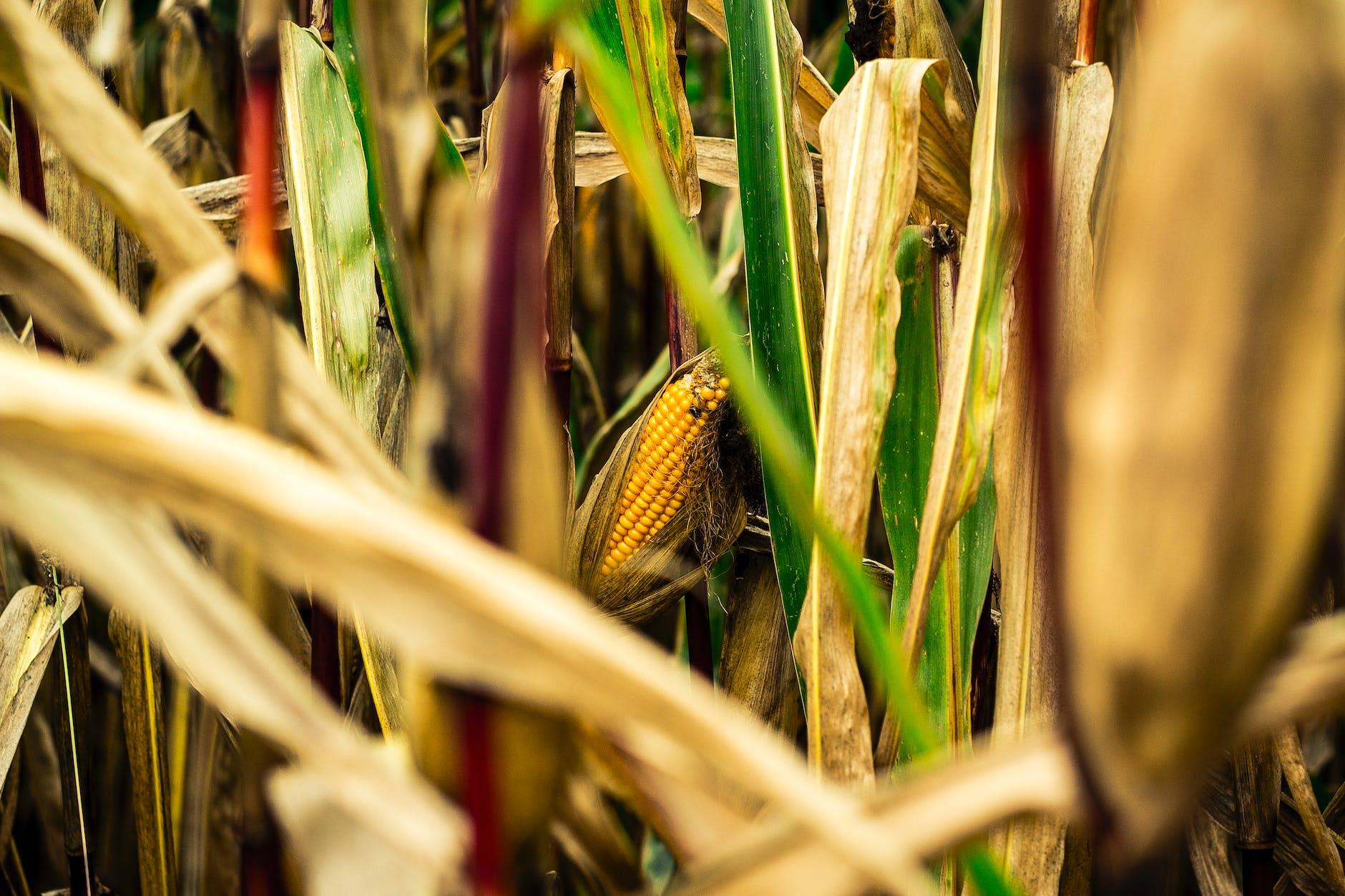
In Indigenous cultures of North America, such as the Cherokee and Cree nations, Green Corn Ceremonies signal the beginning of the corn harvest. These seasonal traditions involve purification rituals, fasting, dancing, and communal feasts. They serve not only to celebrate the harvest but to renew spiritual and social balance within the tribe.
These global abundance festivals offer a powerful reminder: while the languages, legends, and rituals may differ, the call to honor the first harvest is universal. Each tradition reflects a deep understanding that the earth provides not only food, but meaning, connection, and cause for celebration.

Common Threads in These Celebrations
Across time and geography, the human impulse to honor the first harvest has given rise to countless abundance festivals. Each is rooted in its own culture, yet they all echo shared, human values. Whether we’re exploring the Celtic origins of Lughnasadh, the lunar feasting of the Mid-Autumn Festival, or the drumbeats of a Yam Celebration, we find striking parallels in how people choose to mark this sacred seasonal shift.
The most consistent thread is gratitude for food, survival, beauty, and the cycles that sustain life. In nearly every tradition, the harvest is framed not as entitlement, but as blessing. Communities give thanks to gods, ancestors, spirits, or the land itself, recognizing that abundance is something to be received with reverence.
Seasonal traditions around the first harvest also emphasize community and connection. Whether gathered around bonfires, long tables, temples, or fields, people come together to feast, sing, and share. These gatherings reaffirm a sense of belonging: to each other, to place, and to something greater than ourselves. It is in these moments of celebration that the invisible threads of kinship and culture are most visible.

Many abundance festivals also incorporate storytelling, dance, symbolic rituals, or other creative expressions of collective memory. These ceremonies help encode seasonal wisdom: when to plant, when to reap, how to honor the gifts of the earth, and how to live in harmony with it all. Through repetition, these rituals become anchors that remind us of our place in the great cycle of life.
To celebrate the harvest is also to embrace the balance of effort and surrender. These festivals honor the labor that makes the harvest possible, while also acknowledging what remains outside human control (sunlight, rain, time, and divine mystery). In this way, the first harvest becomes not only a celebration of abundance but an act of humility and hope.
Whether through baking a sacred loaf for Lammas or preparing offerings beneath the moon in a faraway land, we are reminded that these seasonal markers carry universal messages. They teach us how to pause, how to give thanks, and how to recognize that life’s most essential truths are often rooted in the soil beneath our feet.
Lughnasadh in the Modern World
Though centuries have passed since ancient tribes gathered on hilltops to honor the first harvest, the spirit of Lughnasadh is alive and well. In today’s world, many of us are no longer bound to the rhythms of the land in the same way our ancestors were, but the need to slow down, reflect, and give thanks remains as vital as ever.
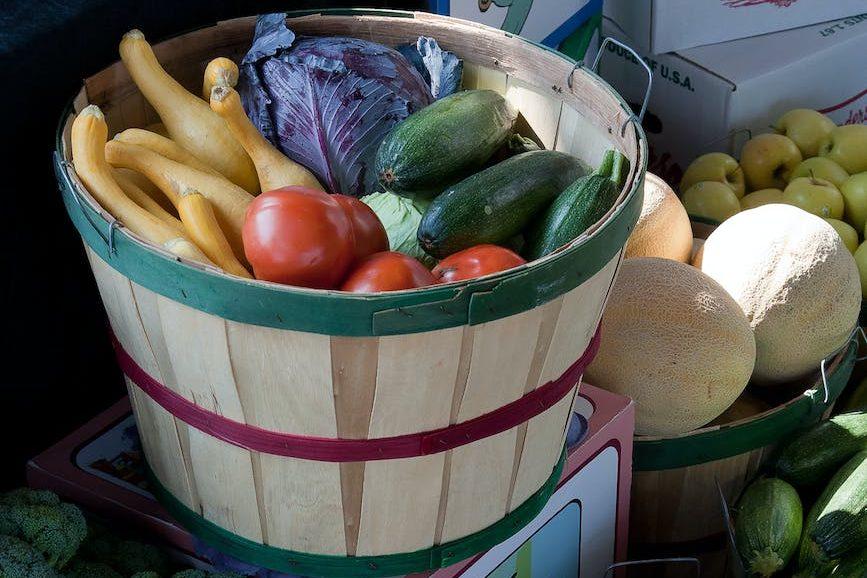
Modern practitioners of Paganism, Wicca, Druidry, and other earth-honoring paths observe Lughnasadh as a sacred turning point on the Wheel of the Year. For some, this involves traditional rites: baking bread from seasonal grain, lighting bonfires, crafting corn dollies, or offering prayers to deities associated with the harvest. For others, it may look like sharing a locally sourced meal, tending a garden, or gathering with friends to celebrate the harvest in ways that feel personal and meaningful.
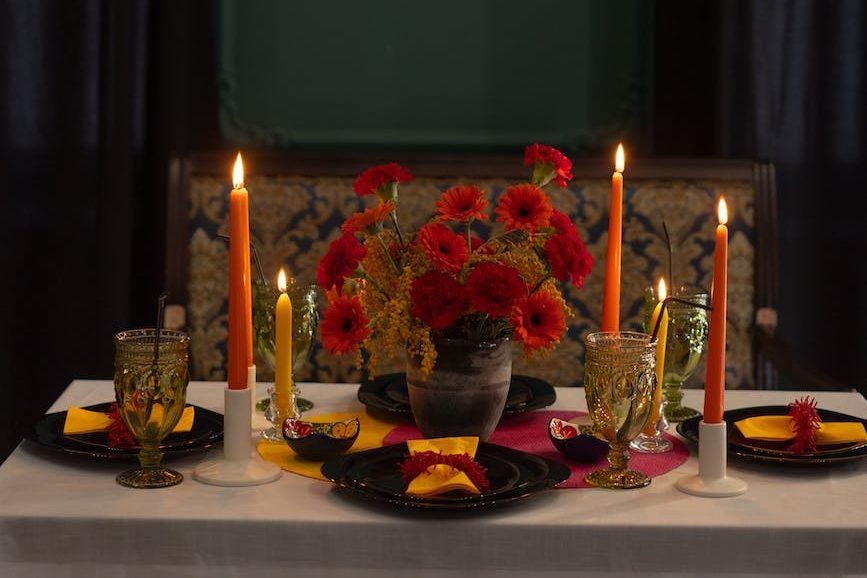
Incorporating seasonal traditions into modern life doesn’t require a formal altar or a rural setting. Many choose to mark Lughnasadh with small but intentional acts: creating a harvest altar with fresh produce and flowers, reflecting on what they’ve sown and reaped in their personal lives, or participating in community events that honor the abundance of nature. These practices help us reconnect to a rhythm often lost in fast-paced, digitally driven environments.
There is also a growing movement to celebrate abundance festivals in ways that align with contemporary values. Eco-conscious offerings, sustainability-focused gatherings, and charitable acts—like donating fresh food or volunteering—reflect a modern understanding of abundance as something to be shared, not stored. In this way, Lughnasadh becomes a time not only to celebrate, but to give back.
In reconnecting with the first harvest, we remember that abundance is as much emotional, spiritual, and communal as it is material. Lughnasadh offers us the chance to pause and ask: What have I cultivated? What am I ready to honor and share? As we learn to adapt ancient seasonal traditions for modern life, we ensure that the wisdom of the ancients endures, but also tap into timeless meaning, grounding, and joy.
Adopting First Harvest Traditions
Even if we’re not harvesting grain from a sun-drenched field, the arrival of the first harvest still speaks to something deep within us. It’s an invitation to pause, reflect, and reconnect with the rhythms that quietly shape our days. Whether through ancient rites or modern rituals, we can all find meaningful ways to bring the spirit of Lughnasadh and other abundance festivals into our lives.
Start by noticing what you’re harvesting, both literally and symbolically. Perhaps it’s tomatoes from a balcony garden, a creative project finally coming to fruition, or a personal insight after a season of growth. These moments of ripening are worth honoring. You might bake a loaf of bread with intention, light a candle in gratitude, or host a small gathering with seasonal foods to celebrate the harvest in your own unique way.
If you’re drawn to seasonal traditions, consider creating a simple harvest altar with symbols of late summer: grains, fruits, sunflowers, and earthy colors. Add a handwritten note reflecting on what you’re grateful for or hopeful about in the coming season. This quiet act of devotion can help you align with the steady wisdom of nature’s cycles, even amid modern distractions.

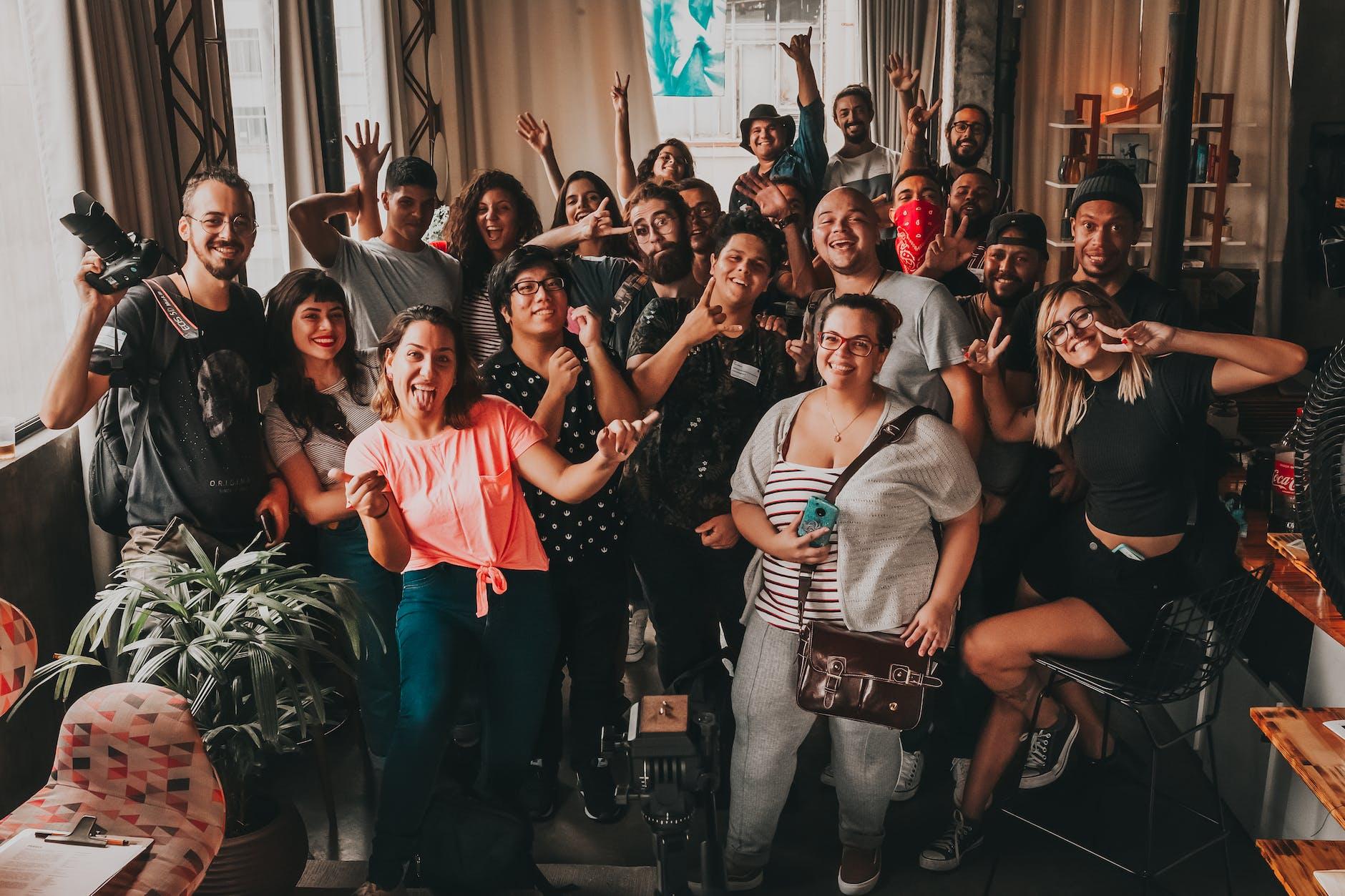
For those raising children or seeking community, first harvest celebrations can become opportunities to share values like gratitude, reciprocity, and interconnection. Storytelling, nature walks, crafting corn dollies, or volunteering at a local garden or food pantry are all beautiful ways to embody the generous spirit of the season.
You don’t need to follow one specific tradition to engage meaningfully. The essence of Lughnasadh and other abundance festivals is universal: we give thanks for what we’ve been given, we honor the work it took to get here, and we celebrate the harvest—even as it is only just starting to take form.
In choosing to honor the first harvest in ways that feel authentic to us, we create living rituals from these ancient traditions. We develop our own abundance festivals, choosing activities that nourish our bodies, deepen our awareness, and remind us to return to a sense of belonging. These sacred pauses are here for us to remember that we are all truly rooted in the earth, aligned with the season, and guided by gratitude.
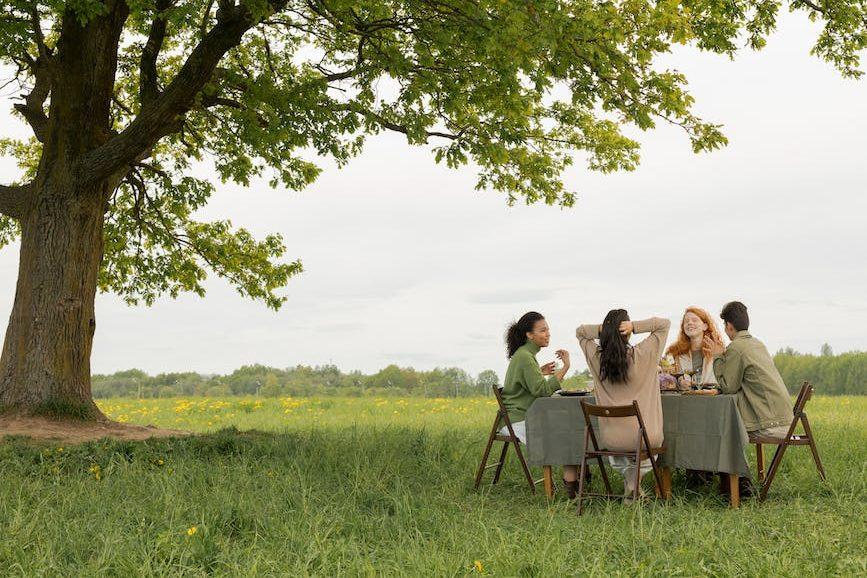
First Harvest is a Universal Celebration of Abundance and Gratitude
The first harvest is more than a seasonal checkpoint, as truly, it offers us a sacred pause in the Wheel of the Year. Whether through the fires of Lughnasadh, the floral carpets of Onam, or the moonlit gatherings of Mid-Autumn, humanity has always found ways to honor the earth’s generosity. These seasonal traditions remind us to celebrate what we’ve gathered and reflect on what it means to belong to something greater than ourselves.
In reconnecting with the spirit of abundance festivals, we’re invited to return to what matters most: gratitude, community, and the rhythm of life unfolding around and within us. As we adapt these ancient practices for modern life, we help keep their wisdom alive, weaving old threads into new expressions that nourish both soul and soil.
Sabbat Activity Booklet
Get your free copy of this printable PDF, designed to help you explore any of the Pagan Sabbats!
So, whether you bake a loaf, build an altar, share a meal, or simply take a quiet moment to say thank you, let this season be full of grounded joy. May we each find meaningful ways to celebrate the first harvest, carry forward the gifts of the season, and walk through the cycles of change with open hearts. Blessed Lughnasadh, may your harvest be abundant in every way!
Thank you for joining us here on Onescence! If you enjoyed this article, you can help support this free periodical by becoming an Insider Member or purchasing one of our products through Onesce Press. Given your interest in transformation and personal sovereignty, perhaps you would benefit from:
Authentic Routines
WORKBOOK FEATURES:
- Identify your long-term goals so you can develop routines that bring you closer to their fulfillment every day.
- Discover your own unique energy cycle and begin working with your personal flow, rather than against it.
- Utilize modifiers in order to remain consistent, even when “life happens.”
- Experiment with your routines using a flexible and strategic tracking system that will allow you to understand your behavior and make necessary adjustments easily.
- And so much more…
You can also get your copy on Amazon. Don’t wait, start taking daily steps towards your long-term goals!
