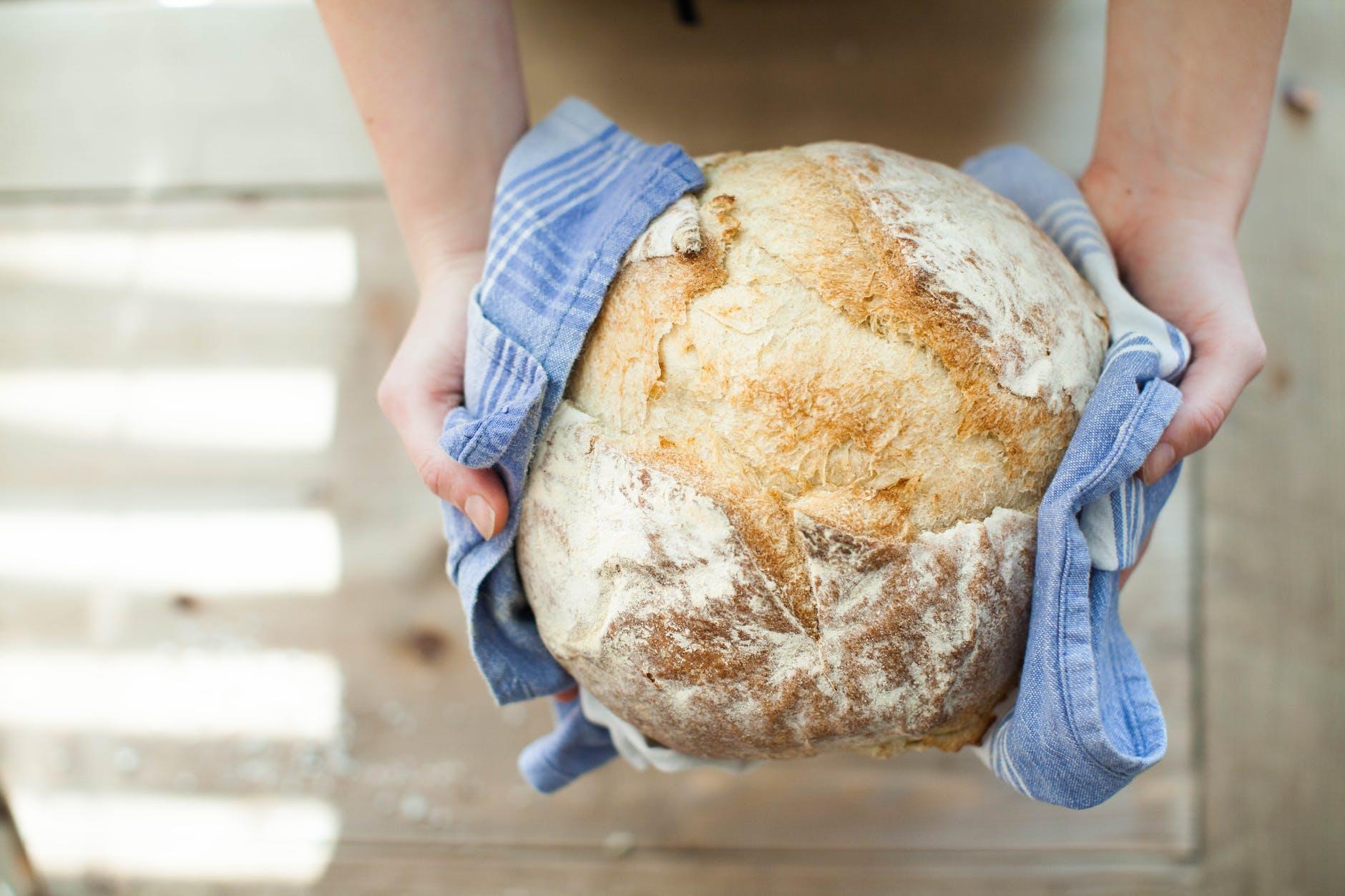
There’s something timeless about the act of baking bread. Perhaps it’s the feeling of our hands in the dough, the scent of grain rising with warmth, or the ancient alchemy of simple ingredients transforming into nourishment… And when we bake Lammas bread for Lughnasadh, this act becomes much more than an everyday task. It transforms into a sacred offering for the first harvest Sabbat.
Celebrated as the first of the three harvest festivals in the Wheel of the Year, Lammas honors the ripening of grain and the gratitude that comes with the season’s first yield. The word “Lammas” itself means “loaf mass,” a nod to the ancient tradition of baking bread as a symbol of thanksgiving and sacred reciprocity. In Celtic lore, Lughnasadh is a festival dedicated to Lugh, the radiant sun god, who sacrifices his strength for the harvest to ripen.
Sabbat Activity Booklet
Get your free copy of this printable PDF, designed to help you explore any of the Pagan Sabbats!
By baking Lammas bread, we carry this ancient gratitude into our homes and kitchens. We participate in a lineage of honoring the earth’s abundance, by not only eating, but by actually creating something nourishing with our own intention, care, and presence. This isn’t just about enjoying some bread. This is about aligning with the energy of the harvest, and anchoring our gratitude in something we can smell, touch, taste, and share.
This recipe is an invitation to slow down, connect with the season, and infuse every fold and rise with our reverence. Lammas bread is an offering, an affirmation, and a delicious way to celebrate the fullness already unfolding in our lives this harvest season.

Preparing to Bake with Intention
Before flour touches the bowl or oven warms the air, it helps to center ourselves in the energy of the season. Lammas is a celebration of harvest season’s first fruits and a way to express our gratitude for the earliest rewards of our efforts, both literal and symbolic. With this in mind, baking our Lammas bread becomes an act of conscious alignment, transforming time in the kitchen into sacred ritual.
Set Your Intentions
Begin by reflecting on what you’re harvesting in your own life. What growth has come to fruition? What have your efforts begun to yield emotionally, spiritually, creatively, or materially? Setting a simple intention before baking helps transform this process into more than a recipe. You might also whisper a prayer of gratitude, light a candle on your kitchen counter, or place a few stalks of wheat, sunflowers, or dried herbs nearby to honor the generosity of the season.

Intention Ideas:
- Gratitude for abundance you’ve already received
- Releasing attachment to outcome and trusting the cycles of life
- Blessing future harvests with faith and joy
- Offering nourishment to your community or ancestors
Gather Ingredients & Tools
Keep in mind that each ingredient carries symbolic weight: flour represents harvest, yeast symbolizes both life-force and transformation, salt carries the meaning of both preservation and wisdom, and honey or maple syrup adds layers of sweetness and blessing. Use the best ingredients available to you and treat each as a sacred element in this seasonal ritual.
Necessary Tools:
- Large mixing bowl
- Small bowl (for activating the yeast)
- Wooden spoon or dough hook
- Clean surface or stand mixer for kneading
- Damp cloths for covering dough during rises
- Parchment-lined baking sheet
With your intentions grounded and your tools gathered, you’re ready to begin this celebration of Lammas. Let your preparation be slow and reverent. The magic of the first harvest lies in its invitation to notice what’s already growing and to offer it your presence in return.

Lammas Bread Recipe
This Lammas bread recipe invites you to slow down and infuse each step with presence and intention. As you move through the process, treat it as both a physical and spiritual offering. This process is a co-creation of your hands and the earth’s bounty.
Ingredients:
- 3 cups all-purpose flour
- 1 packet active dry yeast (approx. 2 ¼ tsp)
- 1 teaspoon salt
- 1 cup warm water (about 110°F/45°C)
- 2 tablespoons honey or maple syrup
- 2 tablespoons olive oil
- ½ cup grains or seeds (like oats, sunflower seeds, or flaxseeds) for topping
Directions:
Step 1: Activate the Yeast
In a small bowl, combine the warm water and honey (or maple syrup). Gently stir, then sprinkle the yeast over the surface. Let it rest for 5–10 minutes until it becomes frothy, with tiny bubbles throughout. As it activates, reflect on what’s stirring within you. What’s ready to rise in your life?

Step 2: Prepare the Dough
In a large mixing bowl, whisk together the flour and salt. Slowly pour in the yeast mixture and add the olive oil. Mix with a wooden spoon or your hands until a rough dough begins to form. This is the moment where all the elements unite and a great time for reflections on all that harvest season offers.
Step 3: Knead the Dough
Transfer the dough to a lightly floured surface and knead for 8–10 minutes, or until smooth and elastic. You can also use a stand mixer with a dough hook. As you press and fold, focus on your Lammas intentions. What are you anchoring into form? Let the motion of your hands become a representation of the blessings you are mixing into your life this season.

Step 4: First Rise
Place the dough in a greased bowl, cover with a damp cloth, and let it rise in a warm, draft-free place for 1 to 1.5 hours. As the dough doubles in size, embrace the process as a mirror and trust that your own inner harvest is also expanding. Let this time be a sacred pause for contemplation.
Step 5: Shape the Loaf
Once the dough has risen, punch it down gently to release air. Shape it into a round loaf, braid it, or form it into a spiral—whatever feels meaningful to you. You might also consider scoring the top with symbols of the sun, grain, or a personal sigil. When finished, place the shaped loaf onto a parchment-lined baking sheet.
Step 6: Second Rise
Cover the shaped dough with a damp cloth and allow it to rise for another 30–45 minutes. Use this time to preheat your oven to 375°F (190°C).
Step 7: Final Touches
Just before baking, brush the top of your loaf lightly with water and sprinkle your chosen seeds or grains. These are symbols of the harvest’s nourishment, fertility, and generosity.

Step 8: Baking
Place your loaf in the preheated oven and bake for 30–35 minutes, or until the crust is golden and the bread sounds hollow when tapped underneath. As it bakes, let the aroma fill your space with a sense of reverence.
Step 9: Cool and Enjoy
Transfer your bread to a cooling rack and let it rest before slicing. Take this time to admire it or perhaps speak a harvest blessing aloud. Then enjoy, whether alone in quiet reflection or shared among friends and family, as a sacred act of gratitude and connection.
From grain to loaf, you’ve created something tangible from intention—something that honors both the earth’s gifts and your role as co-creator in the cycle of harvest. Let each bite be a reminder: you are part of the rhythm, and your efforts are already becoming abundance.

Enjoying the Bread with Gratitude
Your Lammas bread is more than food, it’s an offering. The act of enjoying or sharing it completes this ritual of co-creation. Just as ancient communities feasted in honor of the changing seasons, we can use this baking ritual as a pause for gratitude and celebration.
Create a Moment of Reverence
Before slicing, place your bread on a wooden board or seasonal altar. Adorn the space with sunflowers, wheat stalks, herbs, stones gathered from nature, or other symbols of the season. Speak a blessing, prayer, or simply hold a moment of silence. For example, you might say something like:
“With this bread, I honor the earth’s abundance, the work of my hands, and the harvests seen and unseen. Blessed be this offering, and all it represents.”
Taking Time to Enjoy the Loaf

- Solo Ritual: Enjoy a slice mindfully, perhaps with local honey, fresh butter, or jam. Let each bite be a meditation on what you’ve grown, released, or received this season.
- Communal Feast: Invite loved ones to share in the bread, offering a toast or blessing together. Encourage everyone to speak one thing they’re grateful for or harvesting in their life.
- Outdoor Celebration: Take your Lammas bread to a park or wild space. Share it with the land by leaving a small piece as an offering to the spirits of the place, ancestors, or nature itself.
Gratitude Practice
As you eat, allow your awareness to linger on the moment. Savor the texture, the scent, and the warmth. Give thanks for the food and the journey it represents. Acknowledge all that you’ve sown, survived, tended, and now begin to reap.
Whether this bread feeds your body, your spirit, or your loved ones, may it also nourish your connection to the cycles of the earth and the abundance already moving through your life. Let it remind you: harvest is not only about results, but also reverence, presence, and the joy of receiving.
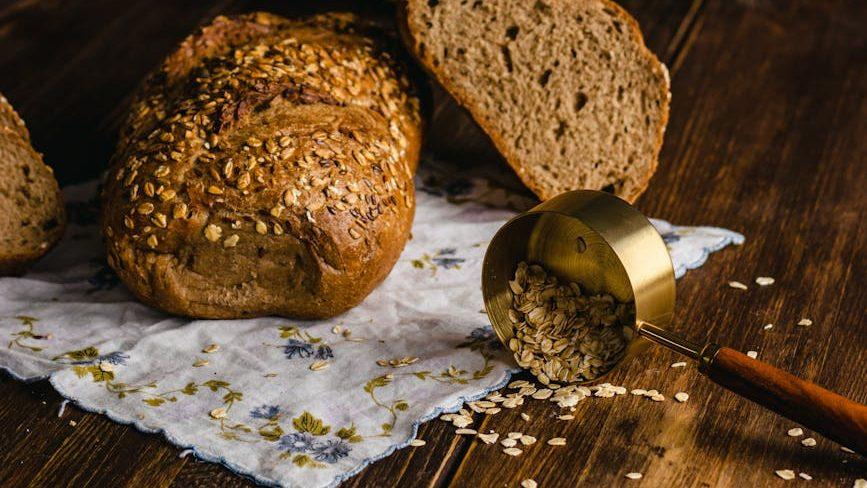
Lammas Bread is a Wonderful Way to Begin this Season of Abundance & Gratitude
Baking Lammas bread is a delightful way to celebrate the first harvest and embrace the bountiful spirit of the season. The warm and inviting aroma, the texture of the grains, and the symbolism of the ingredients all come together with our intentions to make this bread something special. More than a seasonal recipe, it’s an act of sacred remembrance. With each rise, knead, and slice, we embody the ancient rhythm of sowing and reaping.
As the wheel turns toward the fullness of harvest, this simple loaf becomes a symbol of everything we’ve cultivated, both within ourselves and in the world around us. It’s an act of honoring both effort and grace. A way to say: thank you for what has come, and I am ready for what’s still to grow.
Sabbat Activity Booklet
Get your free copy of this printable PDF, designed to help you explore any of the Pagan Sabbats!
So, as you savor your Lammas bread, may you taste more than flour and grain. May you taste fulfillment, presence, and possibility. May it nourish your body, your spirit, and remind you that every small act of appreciation is a seed for future abundance. Blessed Lammas, may your harvest be bountiful and your heart full!
Thank you for joining us here on Onescence! If you enjoyed this article, you can help support this periodical by becoming an Onesce Insider or purchasing one of our products through Onesce Press. Given your interest in transformation and personal sovereignty, perhaps you would benefit from:
Moon Cycle Journey

JOURNAL FEATURES:
- Learn about the rhythms of the lunar cycle and how to apply them to your own journey.
- Explore your cycle goals, developing and working with your own authentic intentions.
- Discover the power of personal feedback for enhancing and sustaining progress.
- Utilize daily/nightly journal prompts that are designed to bring out your best.
- Experiment with simple ritual ideas and when to employ them throughout the cycle.
- And so much more…
You can also get your copy on Amazon and begin your journey with the next moon cycle!