

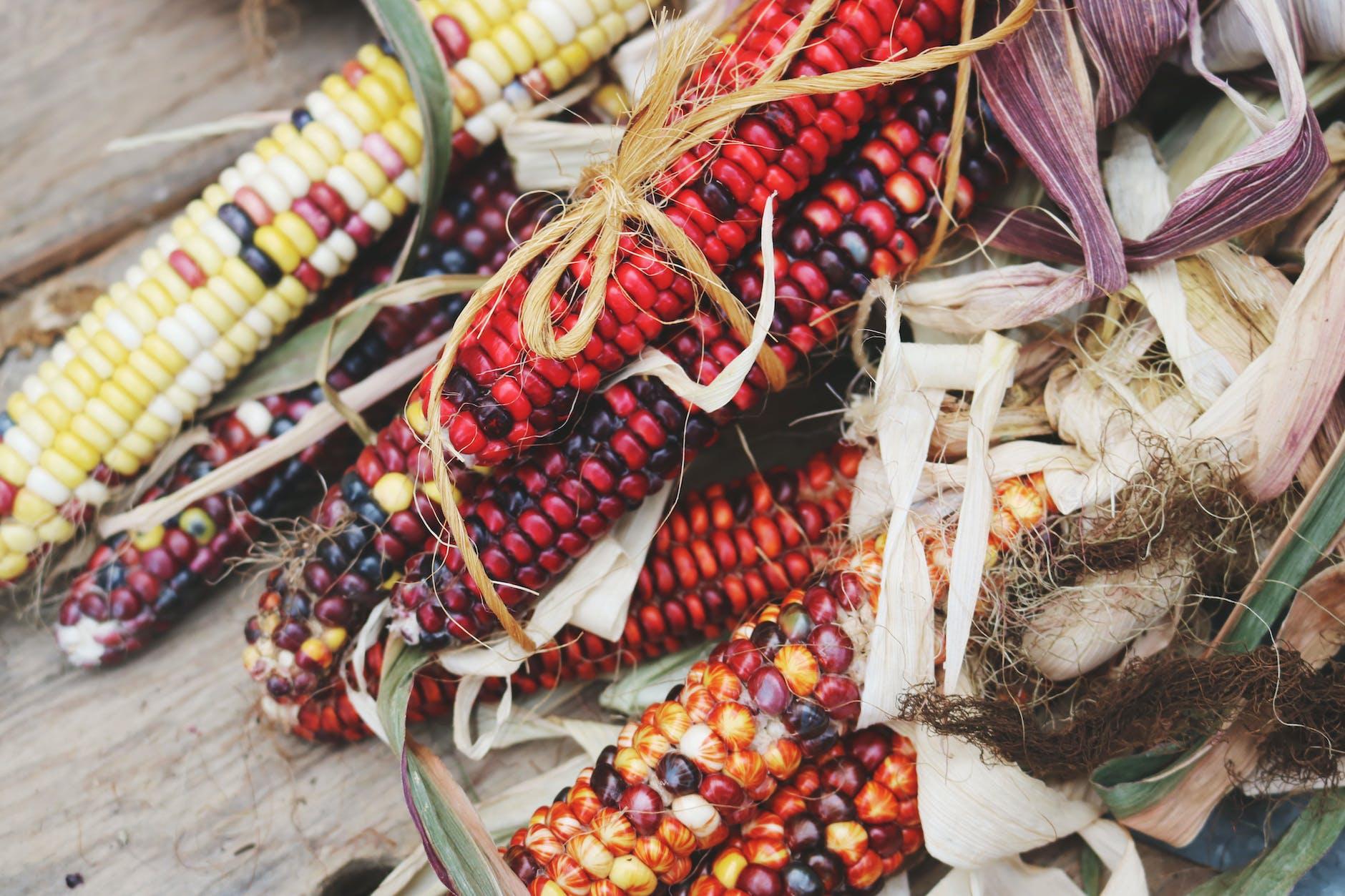
There’s a special kind of joy that comes from working with our hands, especially when we’re crafting something rooted in tradition, beauty, and intention. As the first golden hints of harvest appear and the sun begins its slow descent, the Lughnasadh or Lammas Sabbat invites us to pause and celebrate what the earth has begun to yield. One of the most delightful ways to do that? Crafting your own corn dolly.
These woven figures, made from humble corn husks or straw, are more than seasonal décor. They’re vessels of ancient wisdom, symbols of the grain goddess, and protectors of the harvest spirit. In folklore across Europe, corn dollies were crafted with love and reverence to honor the land’s abundance and to carry its blessings into the colder seasons ahead.
Sabbat Activity Booklet
Get your free copy of this printable PDF, designed to help you explore any of the Pagan Sabbats!
Today, making a corn dolly is a chance to connect with those timeless rhythms. It’s an invitation to get creative, to slow down, and to weave our own gratitude into something tangible. Whether you craft one for your altar, gift it to a friend, or simply enjoy the meditative process, this ritual is filled with meaning and magick. So, let’s gather our husks, bring our intentions, and shape the spirit of the harvest into something beautiful!

Preparing Intentionally
Before you even begin crafting your corn dolly, take your time to treat the gathering of your supplies and clarifying of your intentions as part of the ritual itself. Just as the harvest is gathered with care and gratitude, we can approach every part of our craft with reverence, recognizing that each piece holds symbolic value and seasonal energy.
Keep in mind, the corn dolly is more than a seasonal ornament, and can act as a symbolic vessel or expression of our gratitude and hopes for the harvest season. By setting clear intentions as we work, we imbue our creations with meaning and energetic purpose. Each knot tied, husk wrapped, and ribbon added becomes a blessing woven in by hand and with heart.
Sourcing with Seasonal Awareness

If possible, choose natural, biodegradable materials. Corn husks and raffia are already earth-friendly, but consider using twine made from hemp or cotton and foraging small items like wildflowers or herbs to adorn your dolly. Let the materials reflect your connection to the land around you.
You might collect husks from corn you’ve cooked in recent summer meals, or choose herbs that are currently in bloom in your garden. Aligning your materials with your local environment not only enhances the energy of your dolly but also strengthens your connection to the specific landscape you inhabit.
Preparing Your Space
Set aside a clean, comfortable space to work. You may wish to light a candle, play calming music, or bring in a few natural items—like stones, sunflowers, small grains, or a bowl of water—to create a mini Lughnasadh altar beside you. As you lay out your materials, take a breath and set an intention, perhaps to craft with gratitude, presence, and joy.
Even as you begin preparing, invite yourself into a space of presence. This is where the magick begins: with our attention. You’re not just gathering supplies, you’re gathering the energy of the season. Let that awareness guide every step that follows.

Choosing Your Intentions
Your intentions for your Lammas corn husk doll can be simple or layered. You might craft your dolly as a guardian of the home, a symbol of abundance, or a token of gratitude to the land. Or you may wish to focus on a specific harvest you’re nurturing in your own life, like a creative project, emotional healing, new relationship, or your spiritual growth. Whatever feels aligned, let that energy guide the process from beginning to end.
Possible Intentions:
- “Bless the abundance I’ve gathered and the seeds I continue to plant.”
- “I honor the cycles of effort and reward, and I welcome the fruits of my labor.”
- “This is a symbol of gratitude for the land, the sun, and all that sustains me.”
- “May my loved ones be blessed through this season of growth and release.”
- “As the grain is cut and gathered, I gather the lessons of my journey with joy.”
You can let your intentions be spoken, whispered, or simply felt. The corn dolly will hold it for you, quietly and lovingly, all season long.

Corn Dolly Lughnasadh Craft
Crafting a corn dolly is a joyful and tactile way to honor the harvest, blending creativity with sacred symbolism. As you move through each step, allow yourself to slow down and stay present. There’s no need for perfection or stress, what matters is the attention and intention you bring to this work of your hands.
Materials:
- Dried Corn Husks (can be found at craft stores or you can dry your own)
- Scissors
- Twine or thin string
- Raffia or straw (for decoration, hair, or extra structure)
- Ribbon, dried flowers, or other decorative elements (optional but delightful)
Directions:

Step 1: Soften the Corn Husks
Begin by soaking your dried corn husks in warm water for 10–15 minutes, or until they become pliable and easy to work with. Once softened, gently pat them dry with a towel. As they soak, you might reflect on the ways you’re softening or opening in your own life this season.
Step 2: Create the Core Bundle
Take 3 to 4 husks and stack them, overlapping slightly at the wider ends. Fold the bundle in half crosswise so the pointed ends face downward. This folded section becomes the dolly’s head and body. Tie a piece of twine just below the folded top to shape the head. This is the core of your dolly—pause here and anchor your intentions before moving on.
Step 3: Craft the Arms
Select another husk, tear it lengthwise if needed, and roll it tightly into a small tube. Then, tie each end with twine to form hands. Slide this arm bundle between the body husks just beneath the head and secure it with another piece of twine to hold it in place. Adjust the position so the arms are even.
Step 4: Form the Waist & Legs
Below the arms, gather the husks and tie them at the waist. If you want a skirted dolly, fan the husks below this point and trim the ends evenly. For a dolly with legs, divide the husks into two even sections and tie each with twine at the bottom to form feet. Either option is beautiful, let your intuition or preferences guide the form.

Step 5: Add Finishing Touches
Use raffia, thin husk strips, or natural fibers to create hair by tying strands around the top of the head. Trim and style as desired. You may also choose to decorate your dolly with ribbons, dried flowers, beads, or herbs. Each embellishment can represent a personal prayer, blessing, or aspect of your harvest if you wish.
Step 6: Bless and Complete
Hold your finished corn dolly in both hands. Speak your intentions aloud, offer a breath of gratitude, or simply admire it in silence. Your dolly is now a sacred symbol of the season, a handmade guardian of your harvest intentions, and a celebration of the earth’s bounty for this Lughnasadh Sabbat.

Displaying, Using, & Retiring the Dolly
Once your corn dolly is complete, it becomes a sacred object: part talisman, part seasonal symbol, and part artistic expression. Where and how you display it can infuse your space with a deeper connection to the harvest and serve as a living reminder of the intentions you’ve set.
Displaying it Seasonally
Place your corn dolly on your altar, mantle, or any central space in your home where it can be seen and appreciated throughout the harvest season. You might surround it with symbols like sunflowers, grains, apples, candles, or herbs in order to create a small Lammas shrine. If you work with the Wheel of the Year, it can remain a part of your harvest altar through Mabon, or even into Samhain as a symbol of what you’re honoring and preserving.
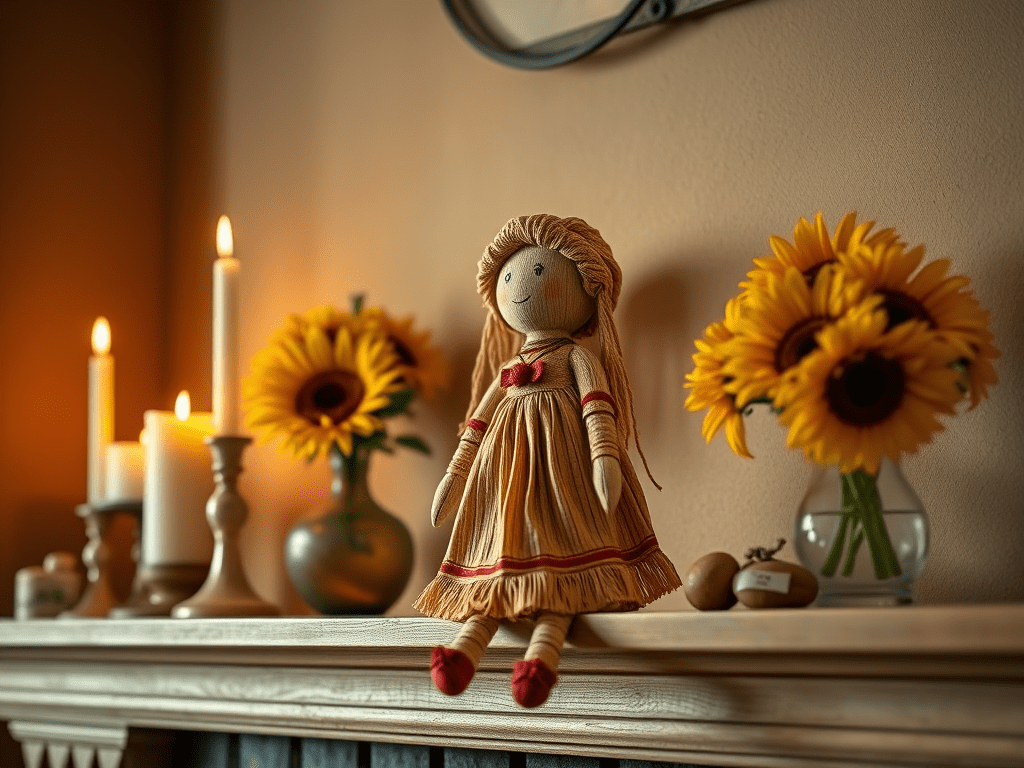
Some practitioners craft a new dolly each year and place the previous year’s dolly in a special box or container, treating it as a keeper of past blessings and growth. Others allow the dolly to serve as a guardian for a specific space—like a garden, kitchen, or sacred room—even well beyond the harvest season.
Using the Dolly in Ritual
Your corn dolly can also be part of a larger Lughnasadh ritual or ceremony. You might write your intentions on a slip of paper and tie it to its waist, use it as the centerpiece for a gratitude feast, or carry it during a harvest walk or nature offering. If you’re working with others, each person can make a dolly to share their own unique harvest blessing.
You can also return to your dolly throughout the season. Sit with it during meditation, offer it fresh flowers or grains, or simply use it as a gentle reminder to occasionally speak aloud your harvest intentions. In these ways, this craft can become a touchpoint for continued presence, reflection, and thanksgiving.
Retiring the Dolly
At the close of the harvest season, traditionally around Mabon or Samhain, many choose to put their corn dolly away for safekeeping through the winter. The dolly then reemerges the following spring to be ceremonially released during Imbolc, symbolizing letting go of the old to make way for the new. This can be done by respectfully burning it in a fire ceremony, composting it, or returning it to the earth with a final blessing of gratitude.

Whatever path you choose, let it be intentional. Your corn dolly carries the story of your season and honoring its full cycle completes the ritual with grace. In every stage—creation, presence, and release—your corn dolly invites you to live more seasonally, more symbolically, and more soulfully.

Crafting Your Own Corn Dolly is a Great Way to Weave Magick into the Summer Harvest
By creating a Lammas corn husk doll, we do more than make something beautiful, we participate in an ancient dance of gratitude, creativity, and connection. With each husk folded and each knot tied, we honor the earth’s abundance and our role within its sacred cycles.
This simple harvest ritual reminds us that our hands are powerful vessels for intention. Through them, we can shape our crafts, our prayers, our blessings, and the stories we choose to carry forward. Whether your corn dolly rests on your altar, watches over your home, or eventually returns to the soil in a ceremonial goodbye, let it serve as a symbol of all you’re harvesting within and for yourself this season.
Sabbat Activity Booklet
Get your free copy of this printable PDF, designed to help you explore any of the Pagan Sabbats!
As this first harvest opens the doorway into the golden light of late summer, may your heart feel full, your spirit nourished, and your path enriched by the magick you’ve made with your own two hands. Blessed Lughnasadh, may your harvest be both bountiful and bright!
Thank you for joining us here on Onescence! If you enjoyed this article, you can help support this online periodical by becoming an Onesce Insider or purchasing one of our products through Onesce Press. Given your interest in transformation and personal sovereignty, perhaps you would benefit from:
Sustainable Habits

WORKBOOK FEATURES:
- Learn how habits work so you can master them.
- Explore your goals and develop a plan that suits you authentically, bringing you more fulfillment.
- Discover the best way to overcome unwanted habits.
- Apply progressive strategies so that your habits can grow with you over time.
- Experiment with a variety of flexible habit tracking systems that will reinforce their development.
- And so much more…
You can also find your copy on Amazon. Start taking sustainable steps towards the life of your dreams!