In a world that often feels fast-paced and rigid, nature’s rhythms remind us that life is not linear. Truly, it is cyclical: a continuous dance of birth, growth, decay, and rebirth. The Wheel of the Year, a Pagan framework that marks eight Sabbats or holy days throughout the seasons, offers a beautiful blueprint for embracing this natural flow. Each Sabbat invites us to pause, reflect, and realign ourselves with the changing energies of the earth; encouraging ongoing adaptability, spiritual growth, and personal transformation all year long.
This practice of living seasonally, attuned to nature’s rhythms, presents an opportunity to not only embrace nature’s ongoing changes, but to thrive through them by cultivating response-ability in both our spiritual and personal lives. As we’ve recently crossed the threshold of Mabon, the Autumn Equinox here in the Northern Hemisphere, we find ourselves in the middle of the harvest season. It’s a time for preparation, reflection, and gratitude. With the “Witches’ New Year” (celebrated at Samhain and commonly known as Halloween) fast approaching, the importance of looking ahead to the next cycle becomes even more pronounced.
Sabbat Activity Booklet
Get your free copy of this printable PDF, designed to help you explore any of the Pagan Sabbats!
Let’s explore the Wheel of the Year further, including each of the eight Sabbats and their unique considerations. We’ll consider how attuning to the subtle changes of the natural world can enhance our appreciation, help us generate more satisfaction, and continually offer guidance for our own growth journeys. We will discover how, regardless of where we find ourselves in this seasonal cycle, the refreshing novelty of greater awareness of and increased alignment with nature is always available to us.
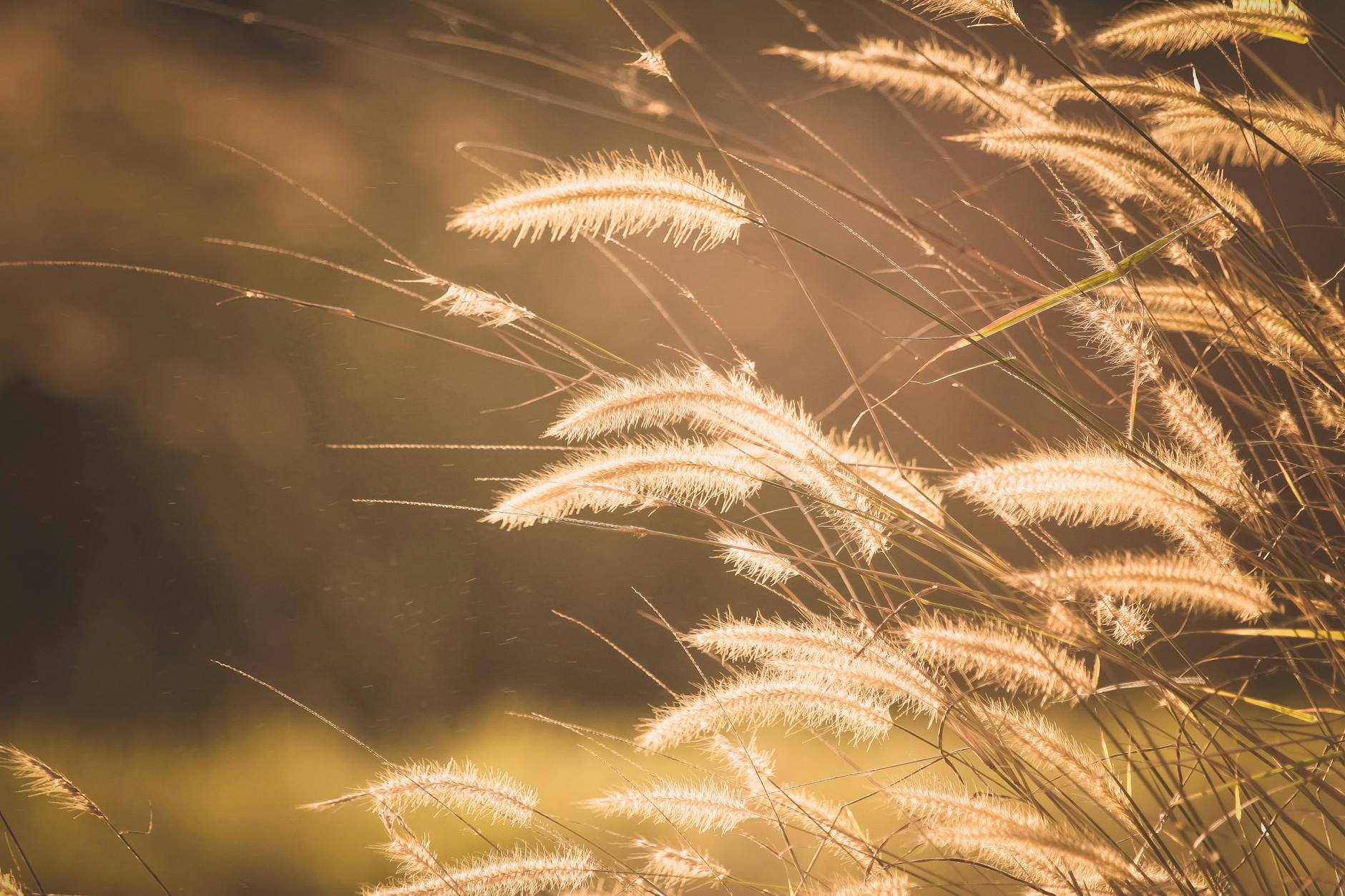
Embracing the Cyclical Flow of Time
The Wheel of the Year is a relatively new system, but was developed in the mid-20th century to organize ancient understandings of the solar cycle for neopagans. Composed of eight Sabbats, it accounts for quarter-days and cross-quarter days of the sun’s apparent path (known as the ecliptic) across our sky in the Northern Hemisphere. The quarter days (Yule, Ostara, Litha, and Mabon) each represent their own world-wide solar phenomena, known as solstices and equinoxes. The cross-quarter days (Samhain, Imbolc, Beltane, and Lammas) mark the mid-point between these astronomical events, but can also be traced back to ancient Celtic “fire festivals” or other traditional, seasonal observances as well.

These Sabbats offer a unique lens through which nature-based spiritual practitioners can view the passage of time. Rather than understanding progress in a linear fashion, as is common with the Gregorian calendar, the Wheel of the Year seeks to reflect the natural, ongoing, and cyclical flow of life. From this perspective, each Sabbat provides an opportunity to continually reflect on our own growth throughout the year as well. This allows for a more gradual and natural approach to change, since instead of abrupt transitions or rigid deadlines, the Wheel encourages us to embrace the continuous ebb and flow of seasons—both within and without.
For example, the autumn season includes both Mabon and Samhain. Since agrarian societies would traditionally use this time for harvesting crops and preparing for winter, these Sabbats are considered harvest festivals, marking this season as a time for gratitude, reflection, and planning for the next cycle. Since most of us have long been separated from the traditions of gathering crops, harvest has come to represent reflection on the year’s bounty and lessons learned. In this way, it’s still considered an important time that offers us the opportunity to consider both what to take forward with us into the new cycle and what to leave behind. This forward-thinking approach, rooted in the cycles of nature and human history, provides a sense of clarity and purpose as the Wheel turns towards the darkness of winter.
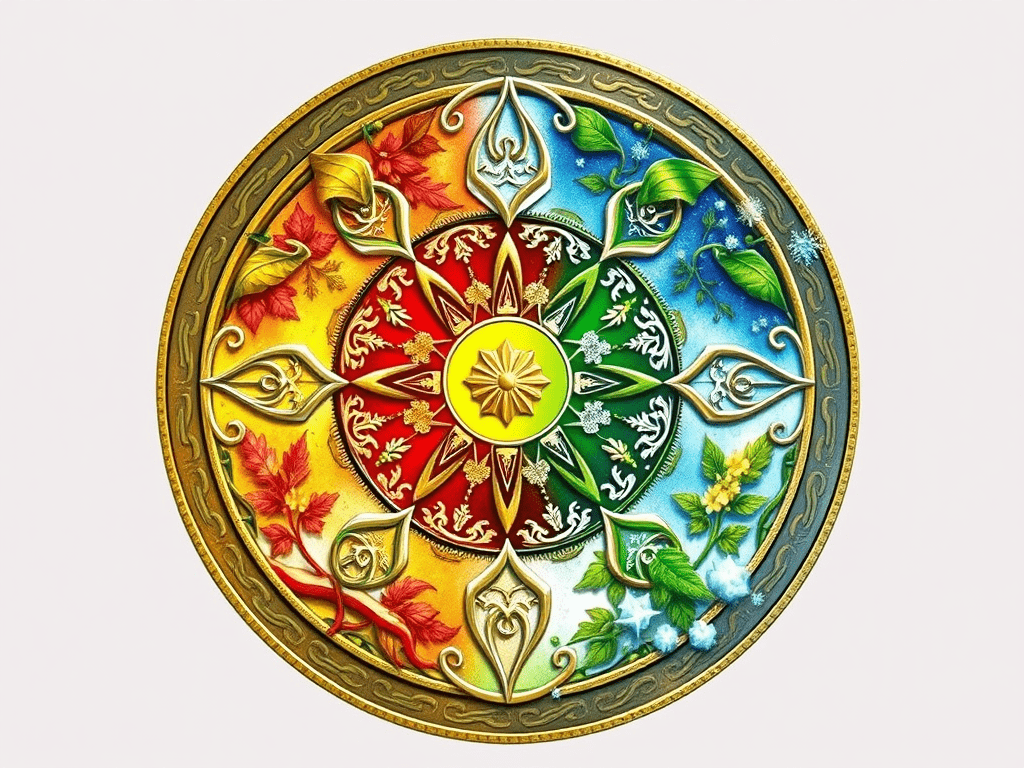
Sabbats & the Cycles of Growth
Each Sabbat carries its own unique energy and message, teaching us how to grow, adapt, and transform with the seasons. As we mentioned, the Sabbats are grouped into two categories: Quarter Days (Solar Sabbats), which mark the solstices and equinoxes, and are directly linked to the sun’s position in our sky; and Cross-Quarter Days (Fire Festivals), which fall roughly halfway between the solstices and equinoxes, often carrying deep connections to agricultural cycles, seasonal transitions, and ancient festivals.
Let’s take a closer look at each of the different Sabbats to explore the unique ways that they encourage us to embrace change. Please note, if you are in the Southern Hemisphere you can still use the Wheel, but the Sabbats will need to be swapped with their opposite (i.e. Samhain becomes Beltane, Mabon becomes Ostara, etc.).
Samhain (October 31st – November 1st)
Sometimes referred to as the “Witches’ New Year,” Samhain marks the end of the harvest and thus the beginning of a new cycle. It is a time of introspection, reflection, and ancestor veneration, as the veil between worlds is believed to be thin. In these ways, Samhain encourages us to honor endings and prepare for new beginnings, reminding us that death and rebirth are two sides of the same coin. As the earth enters its dormant phase, we too are called to release what no longer serves us and start considering our intentions for the year ahead.
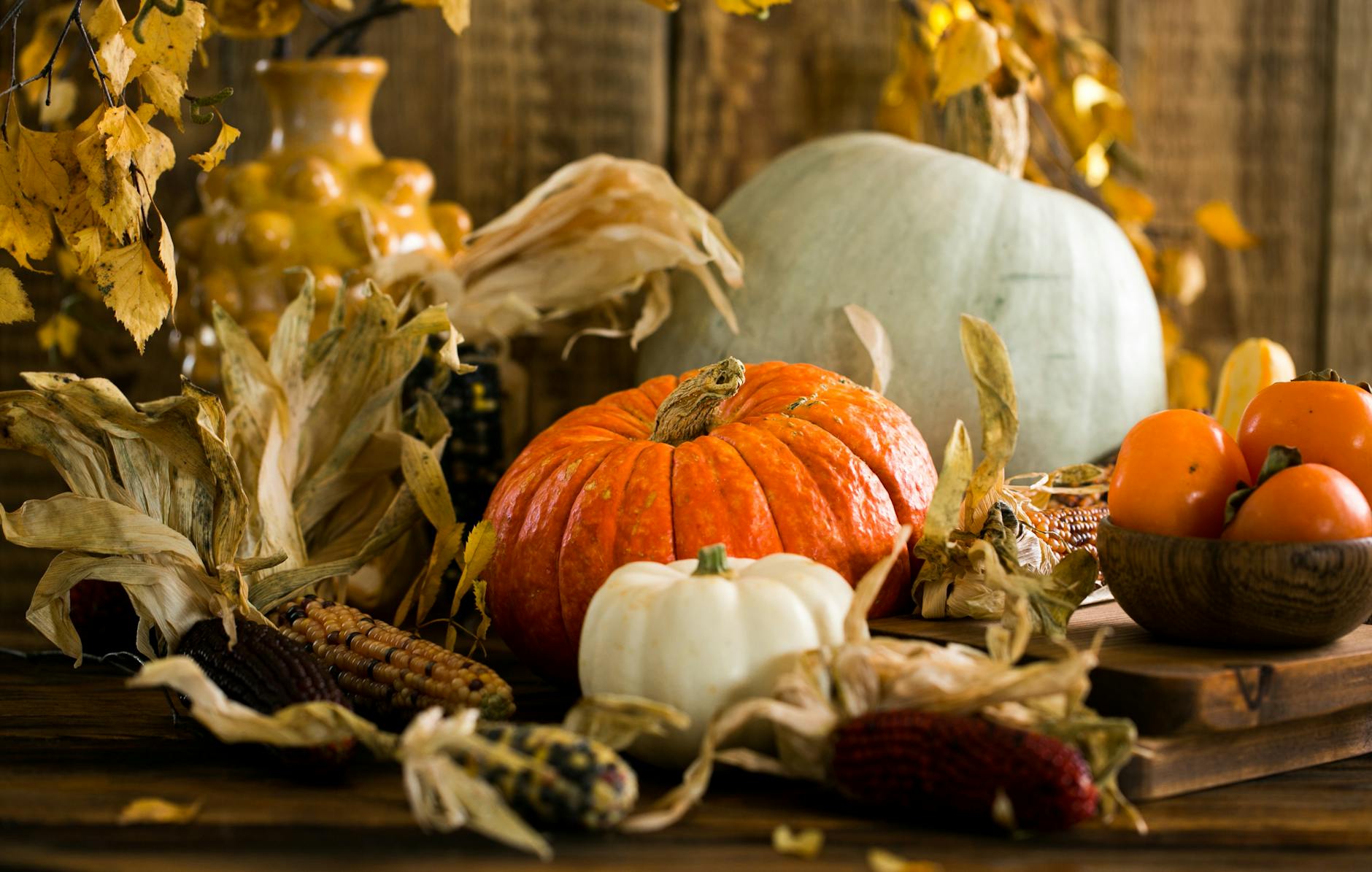
Yule (Winter Solstice, December 21st)
Yule celebrates the rebirth of the sun after the longest night of the year. Marking the passing of Winter Solstice, it is a time of hope and renewal, as the days gradually become longer. Many ancients would traditionally light fires and candles to welcome the returning light, symbolizing the slow return of growth and warmth. Yule teaches us that even in the darkest times, there is always the promise of light and new beginnings. It encourages us to embrace the stillness of winter while also preparing for the growth that will follow.
Imbolc (February 1st – 2nd)
As winter loosens its grip, Imbolc marks the first signs of spring. Associated with the goddess Brigid, Imbolc is a time of purification, renewal, and new beginnings. It is a time to clear away the old and make space for the new, making it perfect for “spring cleaning.” The seeds of intention we planted at Samhain begin to stir beneath the surface, and we are reminded that growth is on the horizon. Imbolc teaches us the value of patience and preparation, as we nurture the potential within ourselves and our lives.
Ostara (Spring Equinox, March 20th – 23rd)

Ostara, the Spring Equinox, celebrates the balance of light and dark as day and night are equal. It is a time of fertility, growth, and new beginnings, as nature is awakening from its winter slumber. This Sabbat encourages us to embrace balance in our lives and to begin nurturing the seeds of our desires for the year ahead. Just as the earth bursts forth with new life, we are invited to take bold steps toward our goals and dreams.
Beltane (May 1st)
Beltane is a celebration of fertility, passion, and abundance. As the earth reaches its peak of blooming vitality, we are called to fully embrace the growth and energy of the season. This fire festival encourages us to celebrate life, love, and creativity, and to step into our power. Beltane teaches us the importance of fully engaging with the present moment and seizing opportunities for growth and joy.
Litha (Summer Solstice, June 20th – 23rd)
The Summer Solstice, or Litha, marks the longest day of the year and the height of the sun’s power. It is a time of celebration, abundance, and gratitude. As the sun reaches its peak, we celebrate the culmination of our efforts and the manifestation of our intentions. Litha reminds us to be grateful for what we have achieved and to continue nurturing the seeds we’ve planted. It also teaches us that while we celebrate abundance, we must prepare for the inevitable decline as the days begin to shorten following this climax.
Lammas (August 1st)
Lammas, also known as Lughnasadh, marks the summer harvest and centers on gratitude for the earth’s bounty. It is a time to reflect on the fruits of our labor and to give thanks for the abundance in our lives. This Sabbat encourages us to pause and celebrate what we have accomplished, while also preparing for the harvest season ahead. Lammas teaches us that growth is a continuous process, and that each cycle brings opportunities for learning, gratitude, and renewal.

Mabon (Autumn Equinox, September 20th – 23rd)
Mabon, the Autumn Equinox, is a time of balance as day and night are of equal length yet again. It is the second harvest festival, and like Lammas, it is a time to give thanks for the earth’s abundance. Mabon encourages us to reflect on the year’s journey, to celebrate our successes, and to prepare for the final harvest at Samhain. As we approach the Witches’ New Year, Mabon offers an opportunity to take stock of all we have learned throughout the previous cycle and to begin thinking about the next.
Truly, this rolling, organic progression of earth-based holy days is a beautiful representation of the cyclical harmony found in nature. By attuning ourselves with regular reflection, gratitude, and awareness throughout the year, we give ourselves the gift of presence. We are inspired to greater spaciousness, enabling ourselves to hold more variety in our experiences: from rest to action, harmony to exaltation, and intention to fulfillment. All of these themes are especially pronounced at Samhain, when we are called to take into consideration both the last and the next cycle simultaneously, ensuring that every year flows from the next with the same level of nourishment and care as the Sabbats do.

Preparing for the Witches’ New Year
As we have recently crossed the threshold of Mabon, we find ourselves at a pivotal point in the Wheel of the Year. The harvest season is in full swing, and just as our ancestors gathered the last of their crops, we too are called to gather the lessons and experiences of the past year. Mabon offered us pause to reflect on our personal harvest: What were our intentions this year? What have we achieved so far? What have we learned? What still needs to be done?

Looking ahead to Samhain, especially as the Witches’ New Year, we are reminded that this is not only a time of endings but also one of new beginnings. As the earth prepares for its winter slumber, we are also invited to prepare ourselves for more rest, reflection, and introspection. It’s in the quiet stillness that the seeds of our intentions will begin to germinate for the coming year. This cyclical approach to time, rooted in the natural world, offers a more gradual and intentional transition than the abrupt start of the Gregorian New Year.
For agrarian societies, it was important to look ahead during the harvest season because it allowed them to prepare for both the challenges and opportunities of the coming year. By reflecting on the past and setting intentions for the future, they could enter the new cycle with clarity and purpose. This approach teaches us the value of reflection and foresight, reminding us that each ending is also a new beginning.
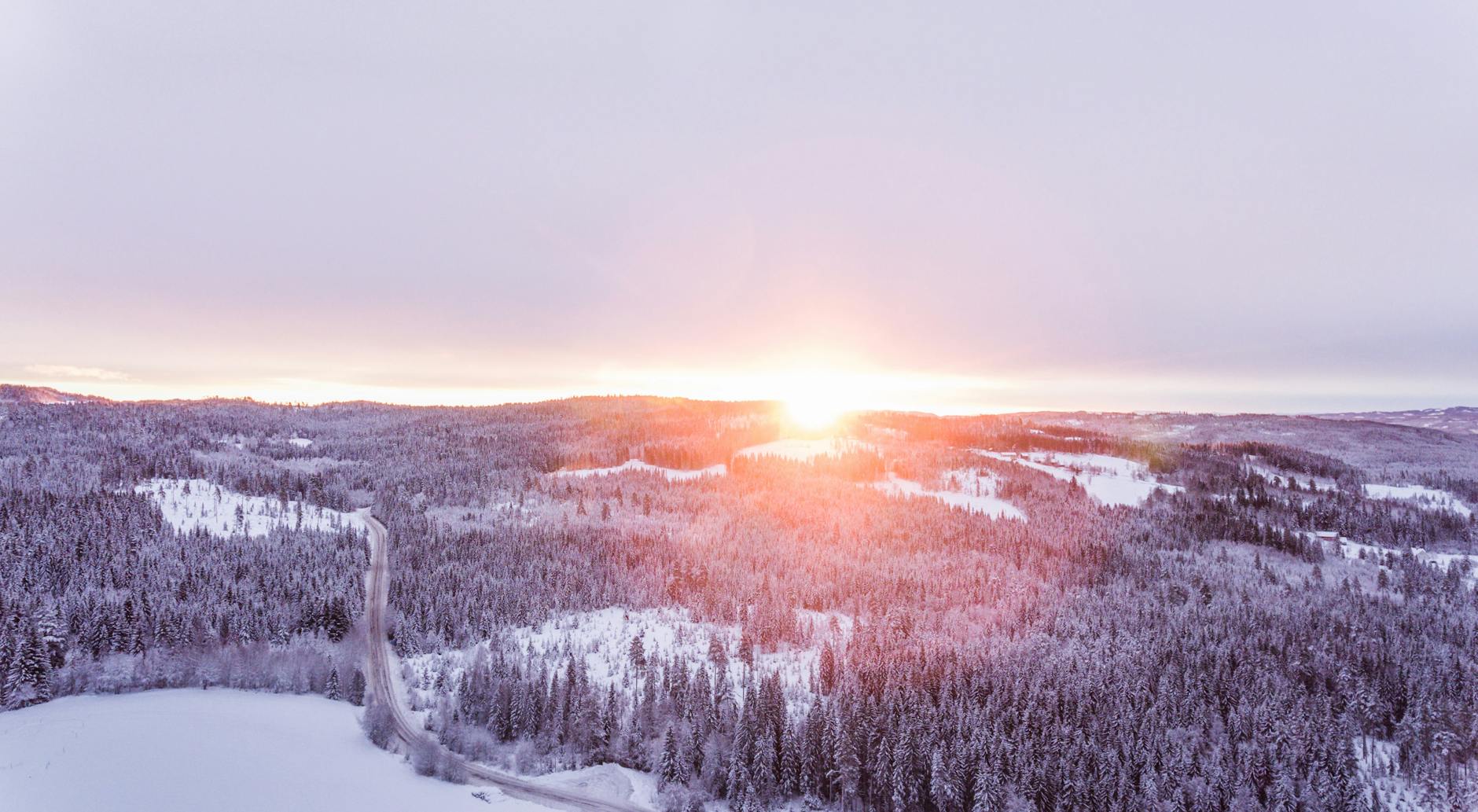
The Benefits of Seasonal Alignment
Living in alignment with the Wheel of the Year offers numerous benefits, both spiritually and personally. By attuning ourselves to the natural rhythms of the earth, we become more aware of the changes happening within and around us. This heightened awareness fosters a deeper connection to nature and a greater appreciation for the cycles of life.
One of the key advantages of living seasonally is the ability to embrace change and adaptability. Each Sabbat offers a unique opportunity to reflect on where we are in our journey and to adjust our course as needed. By flowing with the seasons, we can create routines and rituals that provide both structure and flexibility, allowing for refreshment and novelty throughout the year.

Additionally, living seasonally encourages us to slow down and appreciate the present moment. In a world that often prioritizes speed and efficiency, the Wheel of the Year reminds us that growth takes time and that each season has its own value. By honoring the cycles of nature, we learn to honor the cycles within ourselves, recognizing that periods of rest and reflection are just as important as moments of action and growth.

The Importance of Adaptability
Adaptability is a key element of growth. Just as nature is constantly changing, so are we. The Wheel of the Year teaches us to embrace this ongoing change, as well as how to flow with it rather than resist it. Each Sabbat offers an opportunity to reflect on how we have grown, as well as make adjustments as needed. By embracing change in this way, as something progressive and nurturing, we learn to navigate life’s challenges with more grace and resilience.

For our own personal development, adaptability allows us to remain open to new opportunities and approach life with more curiosity and flexibility. Rather than clinging to rigid goals or expectations, we learn to move with the tides of life, trusting that each season brings its own lessons and rewards. This opens us up to more presence, satisfaction, and appreciation all along our journey, teaching us how to embrace every stage of growth rather than suspend our joy for fleeting moments of achievement.
Though the temptation to heed manufactured urgency and rush through our days-weeks-months-years is increasingly prevalent, and although modern validation seems to favor endless busyness and hustle, nature remains a consistent reminder of what balance and fulfilment really look like. Through her own adaptations as seasonal fluctuations, she teaches us that there is value in depth, variety, and novelty. Truly, by realigning with our own natural rhythms, we give ourselves the opportunity to live fuller, richer, and more harmonious lives.
Embracing Change Throughout the Year
As we approach Samhain and the Witches’ New Year, beginning to look ahead and prepare for the next solar cycle, we can start to create a more seasonally aligned life with some simple practices. Here are some practical ways to embrace change and growth all throughout the coming year:
- Reflect Regularly: Set aside time at each Sabbat or season to reflect on your personal growth and spiritual journey. Perhaps you might ask yourself: What have I learned? What changes have I experienced? How can I continue to evolve? What are my hopes and goals moving forward?
- Set Intentions: Use the energy of each Sabbat or season to set clear intentions for the coming weeks or months. Whether it’s planting seeds at Ostara or releasing old habits at Samhain, aligning your intentions with the cycles of nature can help you stay grounded and focused.
- Stay Flexible: Life is full of unexpected changes. By staying flexible and open to new possibilities, you can navigate challenges with ease and embrace opportunities for growth.
- Create Seasonal Rituals: Incorporate seasonal rituals into your spiritual practice to stay connected to the Wheel of the Year. Whether it’s lighting candles at Yule or making a gratitude list at Mabon, these rituals can help you stay attuned to the cycles of nature.
- Honor Rest and Reflection: Just like the earth rests in winter, we also need periods of rest and reflection. Don’t be afraid to slow down and take time for introspection, especially as we approach Samhain.
Regardless of how you choose to integrate more cyclical awareness into your life, the key is to be open to learn more about yourself in both the ebbs and flows. It’s this kind of personal understanding that ultimately helps us align with the fulfillment we desire. By taking our time back, and learning to invest in the entirety of our human experience, we give ourselves the gift of a life that’s uniquely ours. Nature can help us learn through her own unapologetic fullness, but you may find other ways to nurture your own rhythms too, and those are just as valid.

Conclusion: Attuning to Nature’s Rhythms Can Provide More Balance & Satisfaction
The Wheel of the Year offers a powerful framework for embracing change, growth, and adaptability. Inspired by communities past and the wisdom of nature, it also takes into account how human concerns of modern life might be better integrated. Truly, by aligning ourselves with the natural rhythms of the earth and allowing ourselves more variety in our lives, we can navigate life’s transitions with more grace and purpose.
As we prepare for Samhain and the coming winter season, we’re invited to take time to reflect on our journey, to celebrate our successes, and to set intentions for the cycle ahead. Through the wisdom of the Sabbats, we are reminded that growth is a continuous process, and that each season brings its own opportunities for transformation. We can embrace the opportunities of the current season with more presence and appreciation, knowing that soon enough the tides will change once again, bringing with them fresh perspectives and renewed possibilities.
Sabbat Activity Booklet
Get your free copy of this printable PDF, designed to help you explore any of the Pagan Sabbats!
Of course, every tradition once started with observation and inspiration. Often, the greatest benefit available to us from any sort of celebration or threshold is the opportunity to do just that. So, whether you embrace the richness of traditions past, or use these frameworks to create something entirely new, may your life become evermore authentic, satisfying, and truly fulfilling to you.
Thank you for joining us here on Onescence! If you enjoyed this article, please consider supporting our free, online periodical by purchasing one of our products through Onesce Press. Given your interest in natural cycles, perhaps you would benefit from:
Moon Cycle Journey

JOURNAL FEATURES:
- Learn about the rhythms of the lunar cycle and how to apply them to your own journey.
- Explore your cycle goals, developing and working with your own authentic intentions.
- Discover the power of personal feedback for enhancing and sustaining progress.
- Utilize daily/nightly journal prompts that are designed to bring out your best.
- Experiment with simple ritual ideas and when to employ them throughout the cycle.
- And so much more…
You can also get your copy on Amazon and begin your journey with the next moon cycle!