

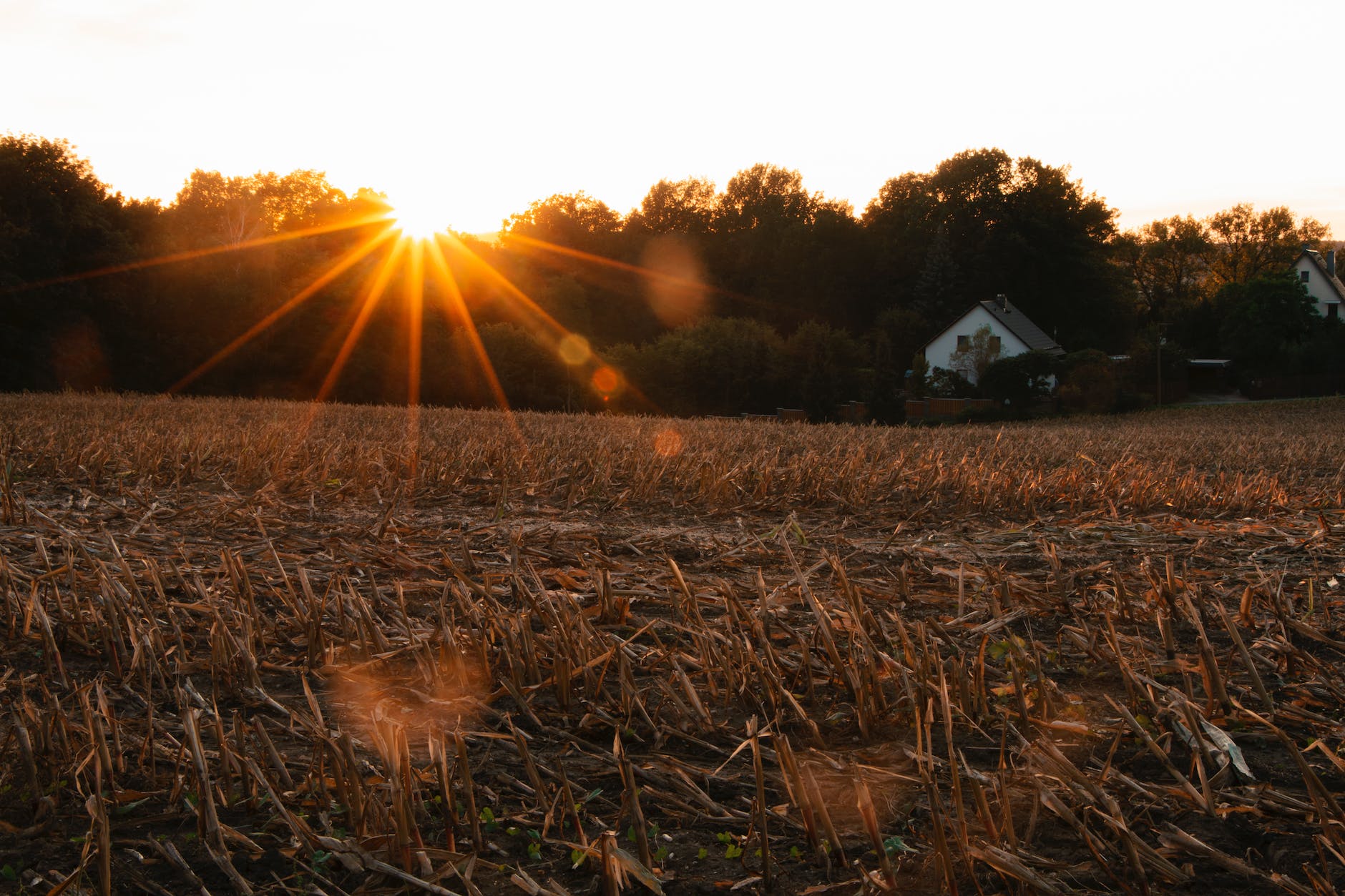
As the sun crosses the celestial midpoint during the Autumn Equinox, we step into the sacred threshold of Mabon: a harvest celebration that invites us to pause, reflect, and receive. With the earth beginning to adorn itself in golds, ambers, and deep burgundies, this turning of the Wheel of the Year is more than seasonal change—it is a spiritual opening. Mabon reminds us to notice life’s balance, to honor cycles of effort and reward, and to gather around the table in gratitude.
Historically observed as the second harvest festival, Mabon calls us to engage in both gratitude and reflection. Whether through the enjoyment and sharing of traditional seasonal foods, or through quiet moments of reflection, this Sabbat encourages us to reconnect with the rhythm of the land and take stock of our progress. It’s an opportunity to integrate lessons into our body, mind, spirit, and community as we savor the gifts of the harvest.
Sabbat Activity Booklet
Get your free copy of this printable PDF, designed to help you explore any of the Pagan Sabbats!
Let’s explore the roots, rituals, and relevance of Mabon, rediscovering how ancient reverence for the harvest, balance, and reflection can guide us back into more seasonal meaning, presence, and peace. We’ll also consider some other harvest traditions from around the world and the deeper, spiritual significance of this Sabbat in order to give ourselves enough understanding to truly make our observances our own.

Mabon’s Pagan & Mythic Roots
Long before Mabon became a popularized name within modern Paganism, the Autumn Equinox stood as a sacred turning point in ancient agricultural societies. It marked the second harvest, a time when communities gathered for a feast ritual to give thanks for the abundance of the fields and to prepare for the darker, leaner months ahead. Rooted in the rhythms of the earth, these traditions were both deeply practical and profoundly spiritual—honoring not only what had been reaped, but also what must be released.
The term “Mabon” was later introduced by Aidan Kelly in the 1970s, drawing inspiration from Welsh mythology. Mabon ap Modron, “Son of the Mother,” is a divine youth figure associated with the cycle of death and rebirth. Taken from his mother shortly after birth and later rescued by King Arthur’s men, Mabon’s story speaks to themes of descent, transformation, and eventual return. In the context of the Autumn Equinox, his tale becomes a metaphor for the sun’s descent into darkness, the return to the womb of the earth, and the promise of eventual renewal.

Yet even before this naming, the spirit of Mabon lived through the cultural memory of equinoctial observances. Celtic, Druidic, and other agrarian European traditions all held space for this moment of balance, when light and dark shared the sky equally, and where both gratitude for the harvest and trust in the seasons to come were essential. These celebrations included seasonal food offerings, altars of gathered fruits and grains, and often, the weaving of symbolic figures like the corn dolly as an embodiment of the harvest spirit and a promise to plant again.
Truly, Mabon’s mythic and seasonal roots are deeply entwined. Through the lens of the Wheel of the Year, this Sabbat is not just a historical nod to the past, but an ongoing opportunity to honor the cycles of nature, appreciate the mystery of transformation, and acknowledge the sacredness of harvest with reverence and joy.

Mabon & the Wheel of the Year
Mabon holds a sacred place on the Wheel of the Year as the moment of the Autumn Equinox, one of only two points in the solar cycle when day and night meet as equals. This fleeting balance reminds us that harmony is not a static state, but a threshold between opposites. It’s a time to pause, reflect, and realign. In this way, it acts as the gateway into the waning half of the year, where darkness slowly returns and nature begins to draw inward.
Positioned directly opposite Ostara, the Spring Equinox, Mabon mirrors its energy in reverse. While Ostara calls us to emerge, to plant, and to grow, Mabon invites us to harvest, to reflect, and to release. It’s also the pivotal midpoint between the fiery abundance of Lammas and the shadowed veil of Samhain, representing a liminal moment when we’re called into sacred reflection. As the leaves fall and the winds shift, we’re reminded that nature teaches through contrast: light only reveals its fullness when we’ve known the dark.

This turn on the Wheel is also deeply entwined with seasonal food and the practice of sacred eating. The harvest celebration at Mabon is not simply about sustenance, but about reverence, marking the end of a cycle of labor and the beginning of spiritual preparation. In many traditional feast rituals, what is consumed is offered first to spirit, then shared in community. Through this emphasis on appreciation and awareness, every apple sliced, every squash roasted, and every cider poured becomes a symbol of the season’s blessings.
For those walking nature’s cyclical path, Mabon is another invitation to step into conscious rhythm with the earth. It encourages us to honor not just what we’ve achieved or gathered, but also what we must surrender to move forward. In doing so, we deepen our alignment with the Wheel of the Year and the sacred intelligence woven through all of life’s transitions.

Global Celebrations of Gratitude
Though Mabon is rooted in the Pagan Wheel of the Year, the spirit of seasonal gratitude is echoed across cultures and continents. From East to West, human beings have long marked the harvest season with rituals of thanksgiving, storytelling, and shared meals.
In Korea, the Chuseok festival unfolds around the same time as Mabon. Families return to their ancestral homes to pay respects through a feast ritual known as charye, which includes seasonal food like rice cakes (songpyeon) and freshly harvested fruits. These offerings honor the cycles of life and the spirits of those who came before, a reflection of both ancestral devotion and connection.

Sukkot, the Jewish Festival of Booths, also celebrates the bounty of the land with ritual meals. Participants eat in temporary outdoor structures called sukkahs, adorned with branches and autumnal produce. The meals served—often simple, seasonal, and joyful—are acts of remembrance, evoking the journey through the wilderness and the fragility of life. Here, sacred eating becomes an embodied practice of humility, hope, and communal reflection.
Across the African continent, many regions host autumnal harvest celebrations such as Homowo in Ghana, a “hooting at hunger” festival that commemorates resilience through hardship. Families prepare traditional stews and maize-based dishes, blessing the food before it is distributed and shared. Like Mabon, these feasts emphasize the relationship between survival, gratitude, and the honoring of natural cycles.
Whether expressed through cider and corn dollies or rice cakes and stews, harvest celebrations remind us that gratitude is a universal language. When we eat with intention, offer thanks for the fruits of the earth, and gather in celebration, we are participating in a timeless tradition of sacred balance: honoring both what has been and what will come.

Lessons of the Autumn Equinox
As the sun crosses the celestial equator and day and night find perfect equilibrium, the Autumn Equinox offers more than a seasonal shift, revealing a time for sacred reflection and gratitude. Mabon, nestled in this pause between light and dark, serves as an invitation to seek inner balance just as the outer world tips toward winter’s long shadow. Spiritually, this turning point reminds us that balance is not a static state, but a continual rebalancing—a dynamic act of ongoing awareness and intention.
Like the harvest itself, the spiritual themes of Mabon are both tender and transformative. We are asked to reflect on the fruits of our labor, not only what we’ve gathered, but how we’ve grown. In honoring the abundance around us, we’re also called to acknowledge what we must release. Trees shed their leaves not in defeat, but in faith that their roots hold enough wisdom to carry them through until they unfurl with new growth again. Likewise, we’re invited to let go of what is no longer serving us, trusting that there is strength in surrender and grace in rest.

Sacred eating and other rituals during this time act as vessels of embodiment and intention. As we prepare seasonal food with care, we can reflect on the interplay of nourishment and gratitude. Each ingredient harvested, cooked, and shared becomes a gesture of reverence—for the earth, for our communities, and for the cycles that sustain us. Likewise, creating a decorative symbol to represent these themes, like a harvest wreath, can serve to remind us of the inherent balance that’s found within nature’s ever-renewing seasons. Whether celebrated alone or with others, these purposeful acts of awareness help ground us in the mystery of being: that in every ending lives the seed of a new beginning.

Conclusion: Honoring the Balance & Abundance of Nature is Both Universal & Timeless
As the Autumn Equinox settles into balance, Mabon offers us more than folklore or seasonal tradition, inviting our conscious participation in the rhythms that sustain life. This time of equal light and dark can remind us that our human journeys are inseparable from the cycles of nature. By honoring sacred balance, and recognizing the abundance it allows, we begin to live in greater harmony with the earth—rooted in awareness, attuned to change, and devoted to wholeness.
Through ancient myths and global harvest celebrations, we find that Mabon’s essence is shared across time and culture: a timeless call to gratitude, to release, and to presence. Whether we celebrate with ritual foods, ancestral stories, or simple moments of reflection, the practices we engage in mindfully become portals into deeper connection with ourselves, our communities, and the wider world. Each act, however small, can become a gesture of reverence that echoes the celebrations of those who celebrated before us and an offering to those who will follow.
Sabbat Activity Booklet
Get your free copy of this printable PDF, designed to help you explore any of the Pagan Sabbats!
So, as we walk this liminal path between seasons, let’s remember the ancient magick of sacred eating, the power of intentional celebration, and the grace that can emerge when we listen closely to the land. May your Mabon be rooted in meaning, inspired by balance, and illuminated by the golden light of gratitude. The Wheel turns, and with it, we are invited to live more fully within the great circle of life yet again. Happy Mabon and blessed be!
Thank you for joining us here on Onescence! If you enjoyed this article, please consider supporting our free, online periodical by purchasing one of our products through Onesce Press. Given your interest in natural cycles and ritual, perhaps you would benefit from:
Moon Cycle Journey

JOURNAL FEATURES:
- Learn about the rhythms of the lunar cycle and how to apply them to your own journey.
- Explore your cycle goals, developing and working with your own authentic intentions.
- Discover the power of personal feedback for enhancing and sustaining progress.
- Utilize daily/nightly journal prompts that are designed to bring out your best.
- Experiment with simple ritual ideas and when to employ them throughout the cycle.
- And so much more…
You can also get your copy on Amazon and begin your journey with the next moon cycle!