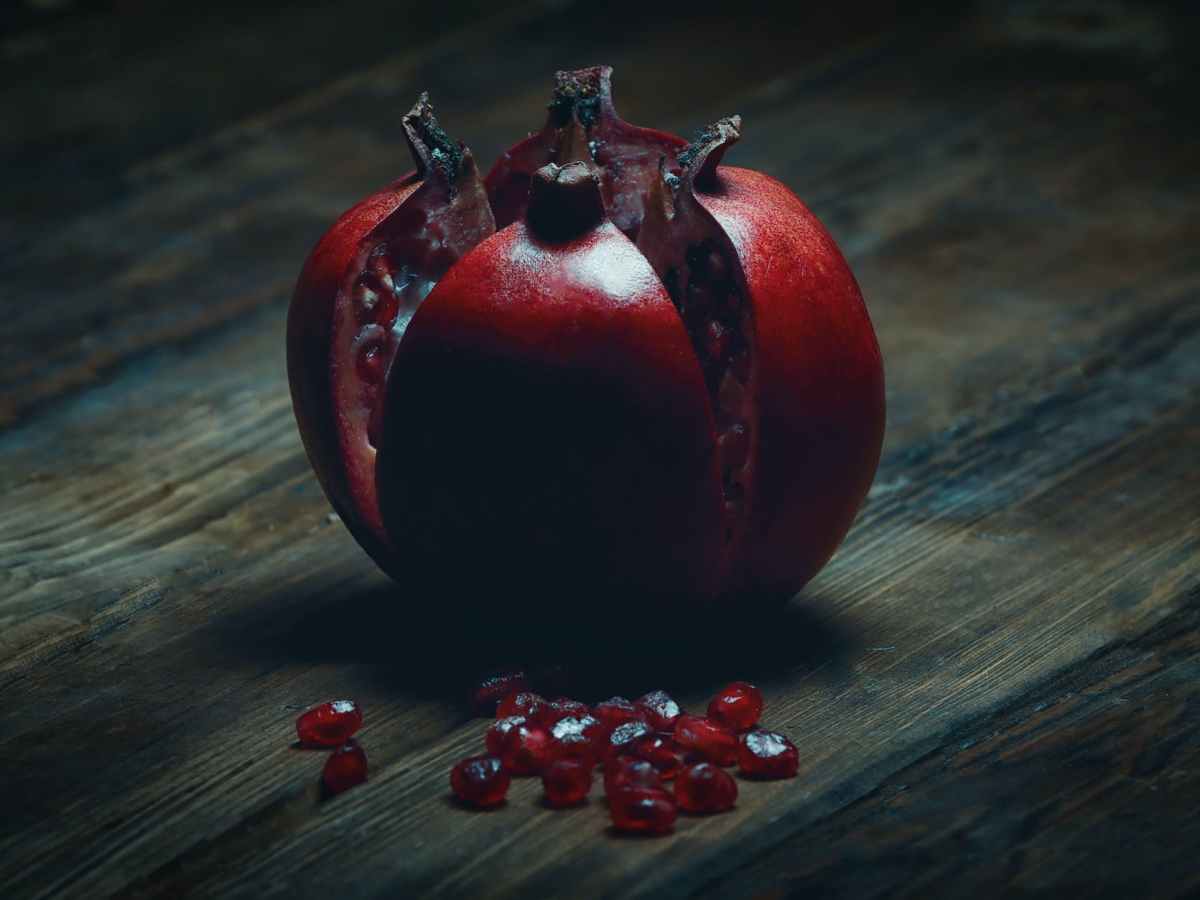
The Mabon celebration marks a sacred point of balance—the Autumn Equinox—when day and night share equal space before the descent into the darker half of the year begins. It’s a time to gather and give thanks, to reflect on what we’ve grown, and to honor the cycles that sustain us. In many traditions, this moment of equilibrium invites us into deeper connection with the land, our ancestors, and the rhythms of nature. Whether through ritual, feasting, or quiet reflection, Mabon calls us home to ourselves and our sacred work.
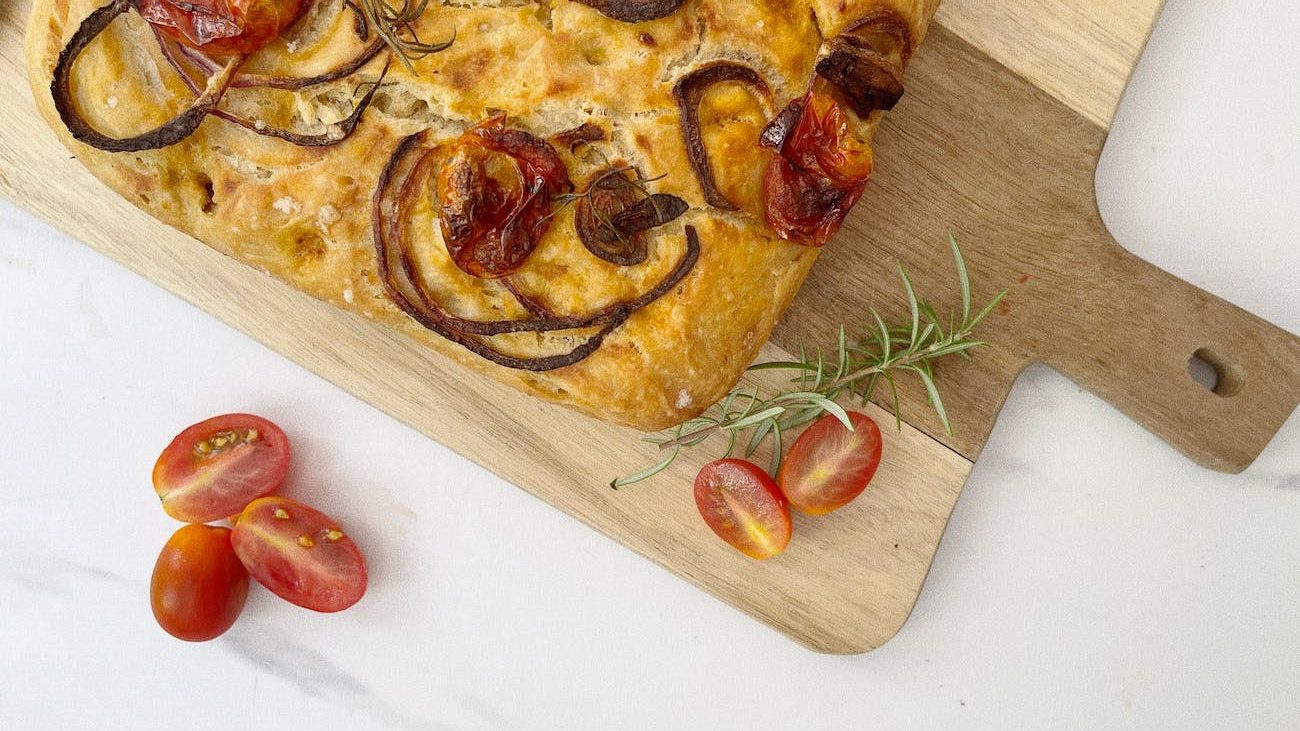
Among the most timeless expressions of gratitude is the act of baking bread. Across cultures and centuries, bread has held symbolic weight as an offering, a blessing, a means of sustenance, and a celebration of abundance. As part of your Autumn Equinox rituals, baking this Herb and Produce Focaccia becomes about more than food, acting as a ritual its own right. Each ingredient carries meaning, each step serves as an act of devotion, and each bite is a delicious reminder of the harvest.
Sabbat Activity Booklet
Get your free copy of this printable PDF, designed to help you explore any of the Pagan Sabbats!
This harvest bread recipe invites us to participate in a tradition that blends ancestral wisdom with modern creativity. Using seasonal produce, fresh herbs, and symbolic intention, this Mabon-inspired focaccia can serve as a centerpiece for your sabbat feast, a gift for loved ones, or a heartfelt offering for your altar. It’s a celebration of the turning wheel, a flavorful act of gratitude, and a delicious way to align with the essence of the season.

Bread & the Autumn Equinox
Long before modern sabbat celebrations, the act of breaking bread held deep sacred significance across countless cultures. As one of humanity’s oldest culinary creations, bread has always been more than nourishment. It’s a symbol of life, community, and communion with the divine. In ancient harvest traditions, grain was revered as the body of the earth itself, and baking became a sacred rite—transforming raw abundance into shareable sustenance through fire and care.
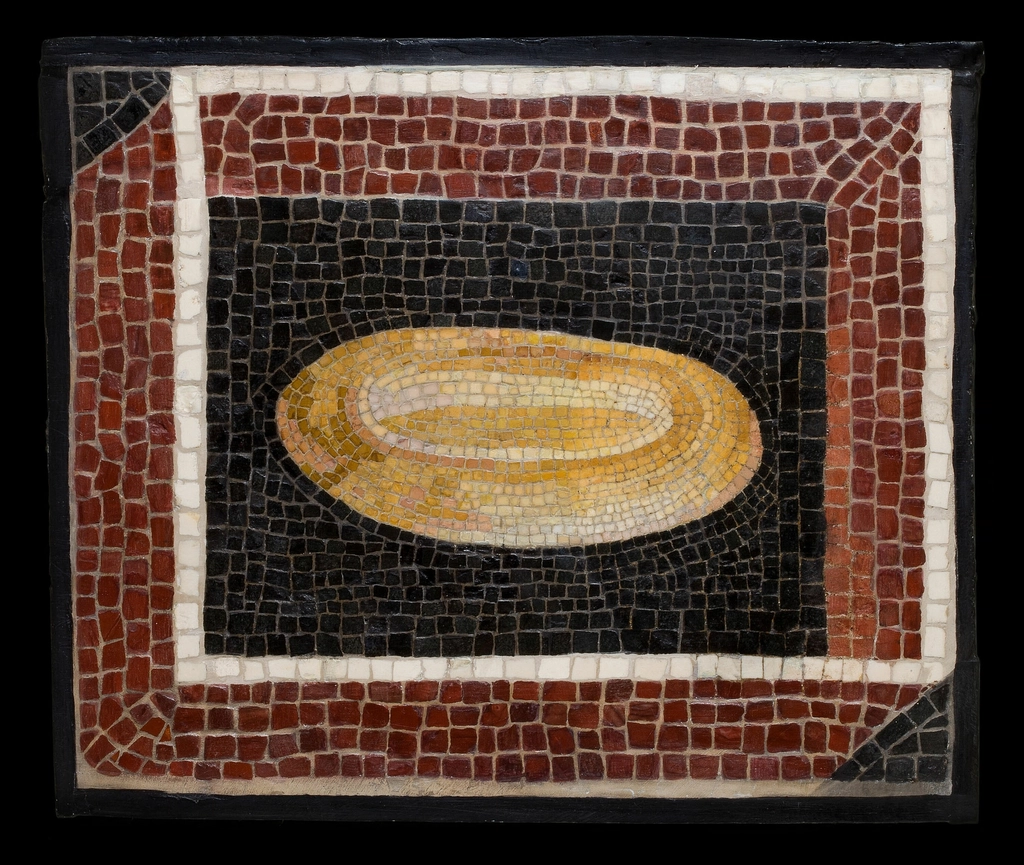
During the Autumn Equinox, many agrarian societies paused to honor Earth’s generosity. As light and dark stood in balance, people gathered to offer thanks for the grain harvest, preparing loaves for feasting, family, and the gods. In Celtic lands, Lammas and Mabon were both associated with grain rites, while in ancient Rome, offerings of spelt and emmer wheat were made to Ceres, goddess of agriculture. Truly, grains and bread have long been considered more than food, acting as sacred offerings, as well as embodying the cycle of life-death-rebirth.
Bringing these ancient threads into our modern Mabon celebration helps us reclaim the deeper meaning behind our meals. Baking a harvest bread becomes a ritual act of gratitude and intention, linking us to the land, to our ancestors, and to the sacred pulse of seasonal time. Whether we knead by hand or use modern tools, the spirit remains: we are shaping sustenance with reverence, marking the equinox not only with symbolism, but with something real, tangible, and deliciously alive.

Gathering Ingredients with Intention
Every Mabon celebration invites us to connect with the season’s gifts, and what better way to honor the harvest than by baking with care, purpose, and symbolic meaning? Choosing ingredients for your harvest loaf isn’t just about flavor or tradition, it’s an opportunity to attune your baking to the spiritual essence of the equinox. Each element can represent an intention, a blessing, or a prayer that’s mixed into the dough with reverence and love.
Start with a base grain that speaks to your own ancestry or local land. Whole wheat, rye, spelt, or oat flours all carry deep ancestral connections and earthy energy. These grains have nourished generations and ground us in our shared agricultural lineage. You might also consider adding some cornmeal or barley for sweetness and texture, and both are historically tied to seasonal harvests and bring warm, golden tones that mirror the changing leaves.
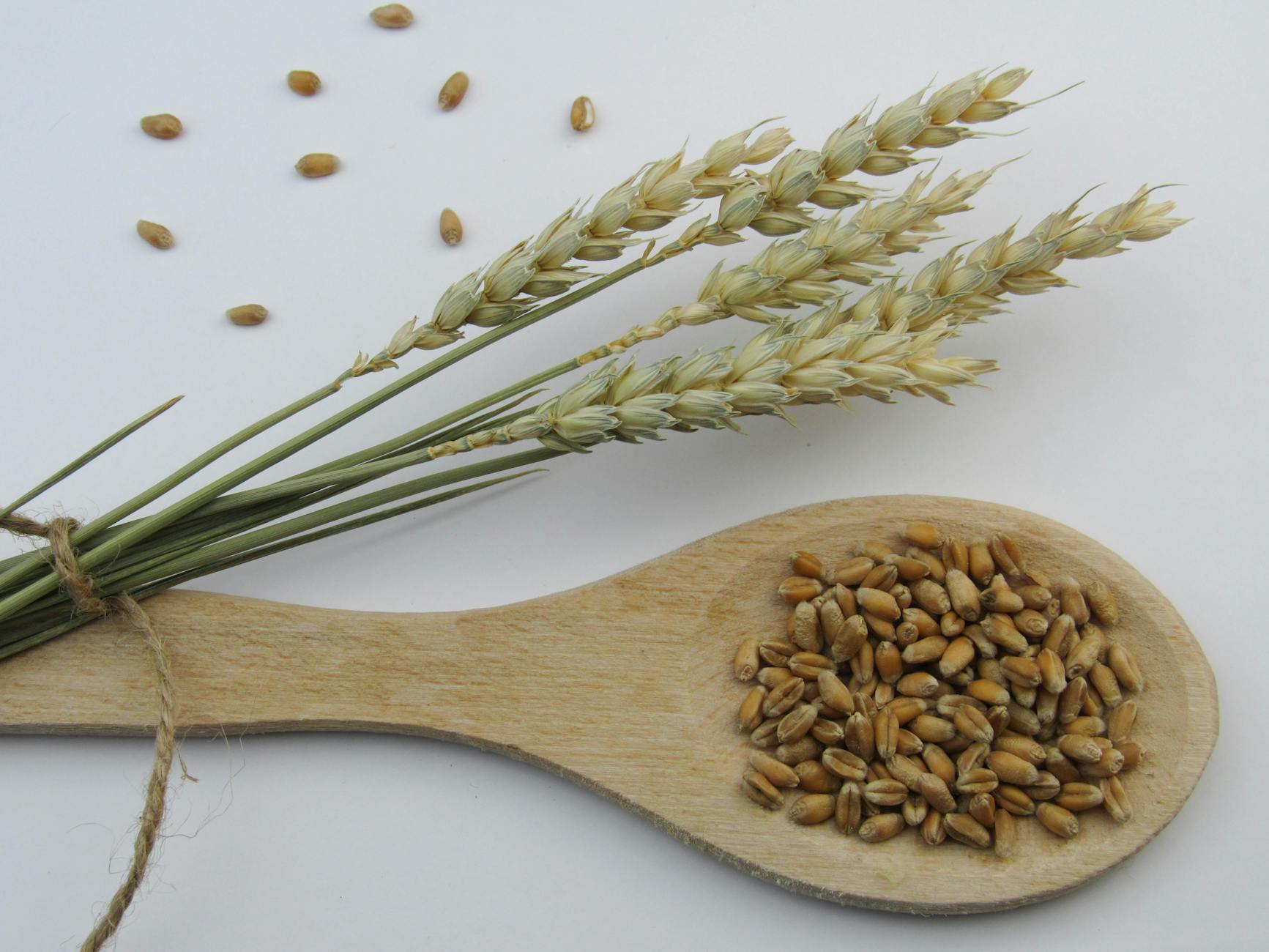
Beyond the basics, this is where ritual baking becomes deeply personal. Add-ins like sunflower seeds (for solar strength), dried fruits (to sweeten the path ahead), or fresh herbs (for protection and peace) can help transform your loaf into a unique, sacred offering. Honey or maple syrup adds the gentle touch of nature’s sweetness, while seasonal produce—such as grated apple, pumpkin, or squash—can bring the bounty of your region into the mix.
Let your ingredient choices reflect not just the season, but your gratitude, your hopes, and your connection to the natural world. Baking can easily become a ceremony, as each stir and fold offers us a moment of possible intention. Simply remember: what your creating isn’t just bread; it’s a reflection of your own spiritual harvest.
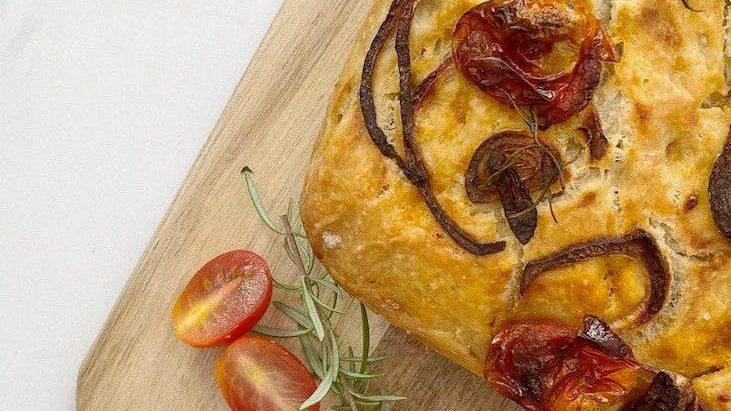
Herb & Produce Focaccia Recipe
A harvest bread to honor Mabon’s abundance and gather with gratitude around the table.
This golden, garden-studded focaccia is a delicious sensory offering of the harvest season. Earthy herbs and produce come together in a simple recipe that invites mindfulness and magick with every step of the baking process. Whether shared at a gathering or savored in solitude, this bread allows us to embody the spirit of the harvest.
Ingredients
(Serves 6–8)
For the Dough:

- 4 cups all-purpose or bread flour of your choice
- 1 ½ tsp fine sea salt
- 2 ¼ tsp (1 packet) active dry yeast
- 1 ¾ cups warm water (around 100°F)
- ¼ cup extra virgin olive oil (plus more for the bowl and baking)
For the Topping:
- Fresh herbs (e.g., rosemary, thyme, or sage)
- Sliced produce (e.g., cherry tomatoes, red onion, bell pepper, zucchini, or apple)
- Flaky sea salt for sprinkling
Instructions
1.) Begin with Intention
Before beginning, take a moment to ground yourself. Breathe deeply. Perhaps it feels appropriate to light a candle or speak a blessing over your ingredients. Let this process become more than baking, turning it into an act of devotion with your presence and intention.
2.) Make the Dough
In a large bowl, whisk together the warm water and yeast. Let it sit for 5–10 minutes until bubbly. Then, add in the flour and salt, stirring until a shaggy dough forms. Finally, mix in the olive oil. The dough will be sticky—this is perfect.

3.) Rise and Rest
Transfer the dough to a lightly oiled bowl, cover with a damp cloth, and let it rise in a warm place for 1–2 hours, or until it has doubled in size. As the dough rises, you might reflect on what you’re harvesting in your life and what abundance you’re ready to receive this season.
4.) Shape the Focaccia
Generously oil a baking sheet or 9×13-inch pan. Gently stretch the dough into the pan with oiled fingers. Then, let it rest for 15–20 minutes more.
5.) Decorate with the Season’s Bounty
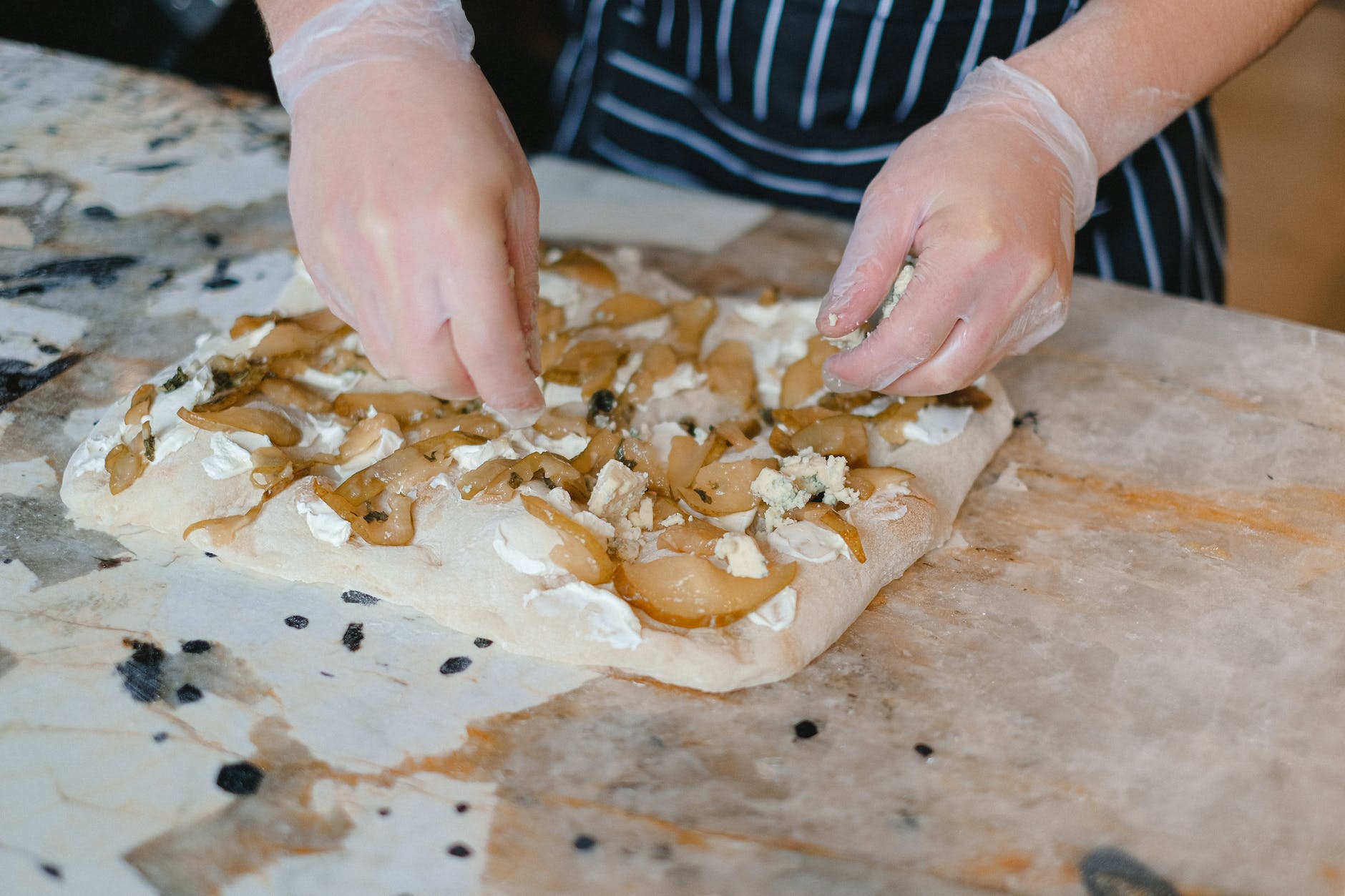
Preheat the oven to 425°F (220°C). Use your fingertips to dimple the dough all over, whispering intentions into each press if you wish. Then, arrange your herbs and produce on top like a garden mosaic. Finally, drizzle with more olive oil and finish with a pinch of flaky salt.
6.) Bake and Bless
Bake for 20–25 minutes, or until golden and fragrant. Once it’s finished, let the focaccia cool slightly before serving. This is a great time to bless it aloud or silently with gratitude for the harvest—both physical and spiritual.
7.) Serve or Offer
Enjoy the bread warm, tearing it apart by hand, and share in community or savor in solitude. You may also wish to leave a small piece outside or on your altar as an offering to nature or your ancestors in honor of the Mabon celebration.

Ritual Eating: Devotion & Connection
Ritual eating during a Mabon celebration invites us to slow down, give thanks, and experience food as a bridge between nourishment and spirit. Whether you’re gathered with loved ones or enjoying your harvest alone, each bite offers an opportunity to connect to the land, the season, and your own inner rhythm.
Start with presence. Before eating, pause to acknowledge the journey your food has taken: from seed to soil, germination to fruiting, and harvest to hearth. You might express gratitude silently, speak an offering aloud, or hold your hands over the food with intention. These small acts root us in the moment, turning a meal into a sacred exchange.

If you’re with others, invite reflection by sharing stories, blessings, or intentions for the autumn season. If you’re alone, allow your senses to guide you into deeper awareness by noticing the colors, textures, and scents. Feel the warmth of the bread in your hands, the way herbs release their fragrance as you tear a piece, the textures and flavors of it in your mouth. Eating mindfully like this is its own form of devotion, making each sensation an offering of gratitude and each bite intentional.
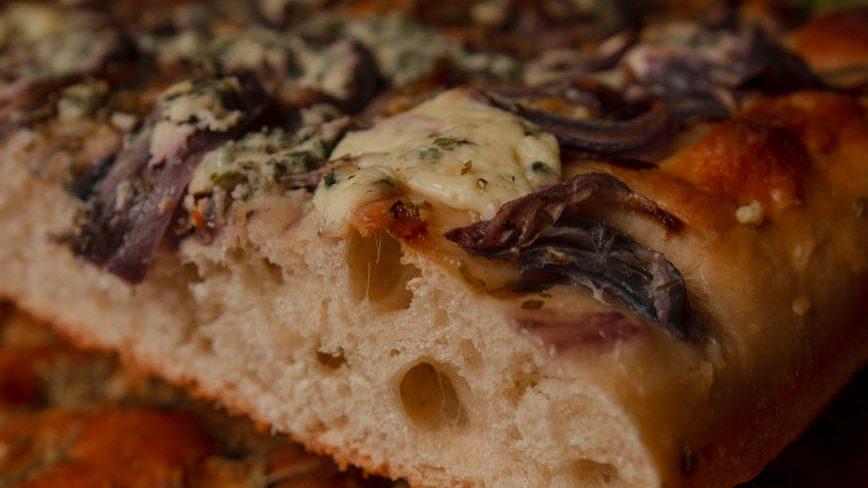
Conclusion: This Delicious Focaccia Reminds Us That Harvest Is A Season of Savoring
As the wheel turns and the light begins to wane, our Mabon celebration becomes a sacred pause and an invitation to honor the abundance that sustains us. The Autumn Equinox, with its perfect balance of day and night, reminds us to look inward as well as outward. It’s an opportunity to notice not only what we’ve grown, but also how we’ve grown. During this reflective time, we gather the harvest not just from our gardens, but from our intentions, efforts, and inner transformations.
Celebrating Mabon is more than marking a seasonal milestone, it’s a conscious choice to participate in the rhythm of life with reverence. Whether we weave wreaths from dried herbs, share nourishing food with community, or simply light a candle in solitude, our practices carry meaning far beyond the surface level. Each gesture, no matter how simple, reconnects us to ancestral wisdom, to Earth’s generous cycles, and to deeper truths within ourselves.
Sabbat Activity Booklet
Get your free copy of this printable PDF, designed to help you explore any of the Pagan Sabbats!
May this Mabon celebration open the way for more presence, gratitude, and gentle release. Let us bless the fullness of the season while making space for rest and integration. As we walk the liminal path between light and shadow, let us do so with grace—rooted in what we’ve cultivated, open to what’s to come, and devoted to living in harmony with the sacred turning of the year.
Thank you for joining us here on Onescence! If you enjoyed this article, please consider supporting our free, online periodical by purchasing one of our products through Onesce Press. Given your interest in rituals and natural cycles, perhaps you would benefit from:
Moon Cycle Journey
JOURNAL FEATURES:
- Learn about the rhythms of the lunar cycle and how to apply them to your own journey.
- Explore your cycle goals, developing and working with your own authentic intentions.
- Discover the power of personal feedback for enhancing and sustaining progress.
- Utilize daily/nightly journal prompts that are designed to bring out your best.
- Experiment with simple ritual ideas and when to employ them throughout the cycle.
- And so much more…
Get your copy now and begin your journey with the next moon cycle!
Insiders:
*For Full Download Instructions, Visit Your Member Benefits Portal
