

In our fast-paced world, wellness can sometimes feel like another goal to chase rather than a natural state to nurture. Between busy schedules, screens, and endless obligations, it’s easy to disconnect from our bodies and lose touch with the simple joys of presence. Yet deep down, many of us long for a way to feel more balanced and whole. Thankfully, this holistic wellbeing is possible, even without overhauling our entire lives. Simple tools, like mindful eating and movement, can help us to bring more fulfillment to what we’re already doing.
Mindfulness offers a gentle path back to ourselves, and it often begins with the smallest of shifts: a more conscious bite of food, a more intentional step forward, or a deeper inhale. When we approach eating and movement mindfully, we begin to reclaim our relationship with our own wellbeing. Rather than focusing on control, judgment, or productivity, we return to the body’s innate wisdom. This simple awareness invites us to notice the textures, the rhythms, and the quiet messages that our lives are always offering.
Meditation Practice
Take your practice to the next level, & the next… With a Year and a Day commitment.

Let’s explore how mindful eating, movement, and other simple techniques can support holistic wellness in practical, accessible ways. Whether we’re seeking more energy, emotional balance, or simply a deeper sense of connection to life, these practices can help. We don’t even need special tools or extra hours, just the willingness to slow down, tune in, and meet ourselves within our experiences.

Mindful Eating for Deep Satisfaction
Imagine sitting down to a warm bowl of nourishing soup. You pause before lifting your spoon, letting the steam rise and noticing its earthy aroma. As you take your first bite, you feel the smoothness of the broth, the texture of each vegetable, and the subtle blend of herbs blooming on your tongue. You hear the quiet clink of your spoon against the bowl, and the steady rhythm of your breath between bites. The warmth of the soup spreads through your chest, grounding you in comfort. With each slow chew, you become more aware of how the food feels in your body (not just as sustenance, but as a moment of care). This is the heart of mindful eating: allowing a simple meal to become a full-body experience of presence, appreciation, and inner nourishment.
This mindfulness practice is about reclaiming how we relate to food. In a culture that often encourages fast meals, multitasking, and guilt-driven choices, mindfulness brings us back to the present moment and into the full sensory experience of nourishment. Rather than rushing through meals or eating on autopilot, we’re invited to slow down, engage our senses, and build a more intentional relationship with what we consume.

This might look like taking a breath before the first bite, noticing the colors and textures on the plate, or chewing slowly enough to truly taste each flavor. Before a snack, we might ask ourselves, “Am I hungry, or am I bored?” And during meals we can simply check in with how the food feels in our bodies as we eat. Over time, these small acts of awareness help us become more attuned to our hunger and fullness cues, reduce emotional eating patterns, and even find more joy in everyday meals.
Mindful eating also allows us to experience more gratitude, for the food itself, as well as for all the hands that helped bring it to our table. Whether we’re eating a home-cooked meal, something quick from the store, or fresh produce from a local market, bringing awareness to the process of nourishment helps us shift from consumption to connection. Overall, it’s a powerful way to practice self-respect and presence.

Mindful Movement for Enhanced Vitality
You step outside and feel the soft give of the earth beneath your feet. The sun filters through the leaves, casting patterns that dance on your skin. As you begin to move (walking, stretching, or swaying) you notice the rhythm of your breath syncing with your steps. The air brushes across your face, cool and clean, and the gentle strain in your muscles reminds you that you’re alive, present, capable. Each movement becomes a meditation. You’re not rushed, not judging, and simply feeling your entire experience. You’re not pushing to achieve anything; you’re just being with your body, exactly as it is. This is mindful movement: an invitation to come home to yourself through sensation.
Any physical activity done with intention and awareness easily becomes a mindfulness practice, as it shifts our focus from performance or productivity to connection and participation. Whether it’s a slow yoga flow, a stroll through the neighborhood, or dancing freely in the living room, the goal is to inhabit the body more fully and experience presence in motion.

Because it doesn’t require any special tools, settings, or fitness levels, mindful movement is highly accessible. It can be as simple as stretching your arms overhead when you wake up, noticing the way your spine lengthens. Or it can be stepping away from your screen to roll your shoulders, walk outside, and breathe deeply. These small, conscious actions accumulate, building a deeper trust in your body and anchoring you in the moment.
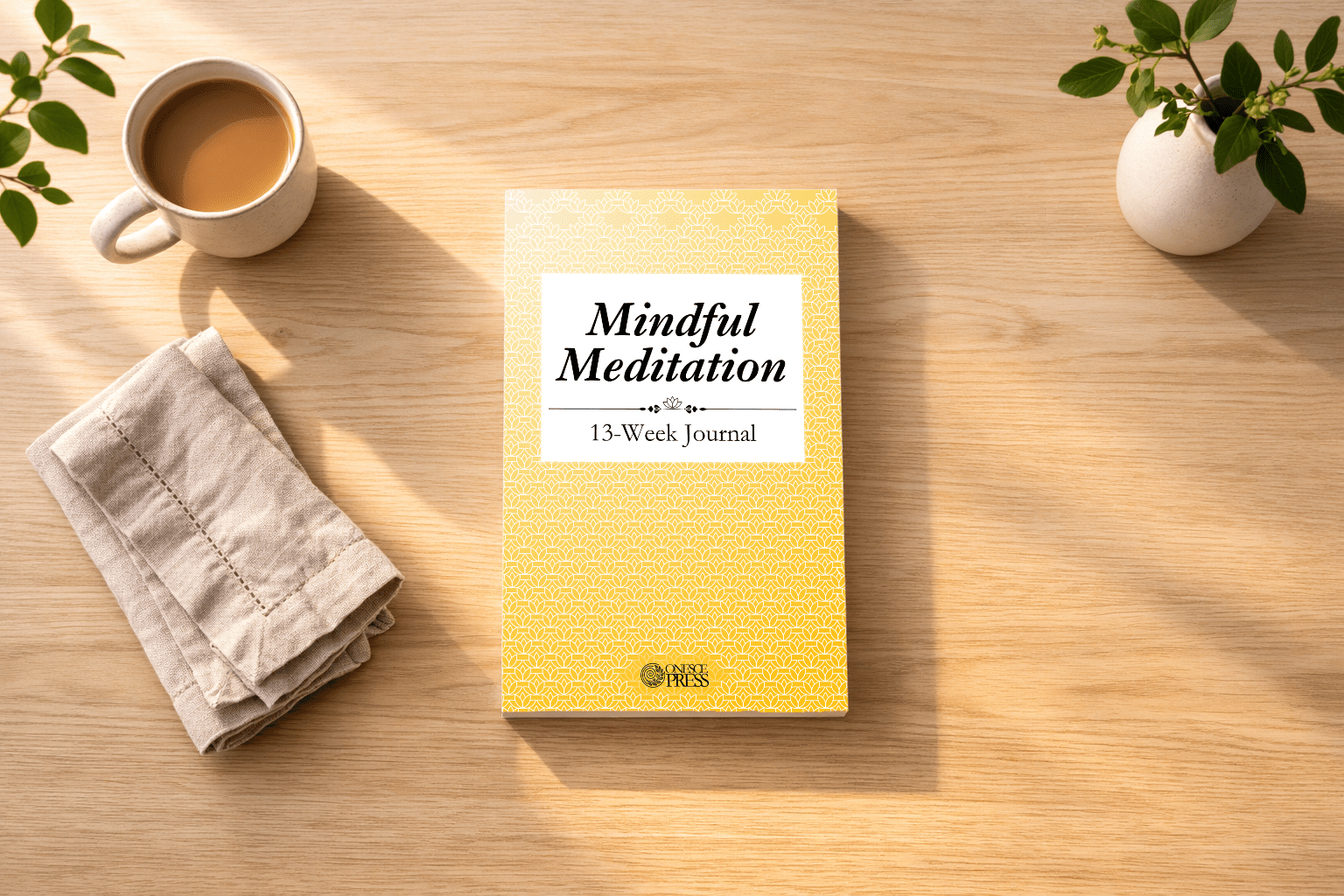
Mindful Meditation
Quiet your “monkey mind,” record your experiences, & deepen your practice.
The benefits go far beyond physical wellness. Practicing mindful movement consistently helps reduce stress, increase energy, improve coordination, and cultivate emotional balance. It softens tension and rewires the way we relate to effort, turning exercise from something we “have to do” into something we genuinely enjoy. Over time, this shift fosters gratitude, self-respect, and a more harmonious relationship between mind and body.

Holistic Wellness as a Way of Life
Mindfulness isn’t limited to meals or movement, it’s a way of living that invites us to meet each moment with greater intention and awareness, regardless of the activities we’re engaged in. When we begin practicing mindfulness through eating or physical activity, we open a doorway to presence in every part of life. Washing dishes, driving to work, having a conversation, or simply taking a breath can all become sacred opportunities to reconnect with ourselves. This isn’t about doing more, it’s about being more present in what we’re already doing.
Simple pauses create profound impact. Taking just a few conscious breaths before opening our inbox or stepping outside to feel the sun on our skin can reset our nervous system and soften our mental chatter. These small moments of reconnection begin to stack up, creating a spacious inner environment where stress, urgency, and disconnection lose their grip. Even on the busiest days, mindfulness offers us a way to reclaim a sense of calm, purpose, and control—not by changing our lives, but by changing how we live them.

As mindfulness becomes more integrated, our relationships naturally shift too. We start listening more deeply, responding more thoughtfully, and extending more grace to others and ourselves. We notice when our reactions are coming from habit or hurt, and we find space to choose a new way. The result is a life lived more deliberately: not on autopilot, but with presence and possibility. Mindfulness makes our inner world more hospitable, which ripples outward in how we show up for others.
Ultimately, a mindful life isn’t one without challenges, but one in which we feel more equipped to meet them with steadiness and care. The goal is more presence, not perfection. When cultivated gently and consistently, this personal awareness becomes the foundation for a more balanced, empowered, and fulfilling life. Mindfulness is how we remember that we are here, now, and that here and now is enough.

The Power of Nature & Restorative Stillness
Imagine stepping outside and being wrapped in the hush of morning air. You notice the light shifting through leaves, the warmth of sun on your skin, and the soft rustle of birds nearby. In these moments, something inside of us slows down. Nature doesn’t ask us to be anything but present. It becomes a mirror for our own rhythms; a space where we can breathe more deeply, listen more clearly, and remember we’re part of something greater. These moments of stillness are potent with restoration.
Integrating time in nature into our wellness routines doesn’t have to be complicated. It could be a short walk in the neighborhood, sitting under a tree during lunch, or opening a window to let the breeze in while we breathe with intention. Whether we’re surrounded by vast wilderness or a single potted plant, the act of tuning in to the natural world grounds us in the present moment. Nature welcomes us without judgment. It gives us permission to slow down, soften, and just be.

Stillness is another way we can honor our lives with relaxation and rest. True, in a culture that glorifies productivity, making space for stillness can feel radical; however, rest is not a luxury, it’s a requirement for holistic wellness. Moments of stillness, whether found in meditation, quiet reflection, or simply lying on the ground and watching the clouds, give our bodies and minds a chance to reset. This kind of rest doesn’t just replenish our energy, it nurtures our nervous system and renews our emotional balance.
Meditation Practice
Take your practice to the next level, & the next… With a Year and a Day commitment.
By cultivating mindfulness through nature and stillness, we access a wisdom that arises from surrendering. These kinds of practices remind us that healing often happens when we allow space for it to occur. In the quiet, in the natural world, and in ourselves, we can find a refuge of return rather than escape.

Embracing Mindfulness in Relationships
Mindfulness is something we can bring with us into every conversation, every gesture, and every connection. When we apply mindfulness to our relationships, something beautiful unfolds. We become more present, more curious, and more compassionate. Picture a moment when someone you love is speaking, and instead of thinking about your reply or your to-do list, you’re simply listening—really listening. Their words land more softly. Their presence deepens… And so does yours.
This kind of mindful relating doesn’t require perfection, instead, it thrives in authenticity. Practicing mindful presence in our interactions with others means showing up with our whole selves, without rushing or needing to fix anything. It invites us to pause before reacting, to soften our judgments, and to see others with fresh eyes. We begin to notice our own emotional patterns (when we shut down, when we lean in, when we project) and with that awareness, we create space for more conscious choice.

One of the simplest ways to start is through mindful or “active listening.” That means setting down distractions and focusing entirely on the person in front of us. We find that we can tune into more than just their words, noticing their tone, expressions, and energy. In doing so, we give them the gift of being fully seen and heard. Whether it’s a short exchange or a deep dialogue, our mindful attention becomes an offering of love and connection.
As we embrace mindfulness in our relationships, we naturally cultivate more empathy, emotional safety, and grace. Over time, our connections become more supportive and nourishing. We discover that, even when not everyone agrees, everyone can feel honored. In this way, mindfulness becomes a way of being. It begins transforming ordinary moments into sacred exchanges, inviting us all into deeper presence with one another.

Conclusion: Mindfulness Invites Us to Embody Wellness, One Moment of Presence at a Time
True wellness is waiting to be discovered in the everyday moments we choose to meet with presence. When we slow down enough to savor a bite of food, breathe through a stretch, or listen deeply to a friend, we invite mindfulness into the very fabric of our lives. These small, intentional choices add up, creating a foundation of self-awareness and self-care that supports us through every season.
By approaching eating as an act of connection, movement as an expression of joy, and stillness as sacred ground for presence, we begin to experience wellness in a holistic and embodied way. We don’t just think about being healthy, we feel it, we live it. It becomes easier to release ourselves from the limitations of control or perfection, and we more readily return to ourselves with compassion and curiosity.
This is the heart of holistic wellbeing: a willingness to notice, a desire to connect, and a practice of being with what is. As we explore mindfulness in all its forms—whether in stillness or motion, solitude or togetherness—we create a life that feels more rooted, resilient, and whole. All that’s required is the present, where our wellness is already unfolding, one moment at a time.
Mindful Meditation
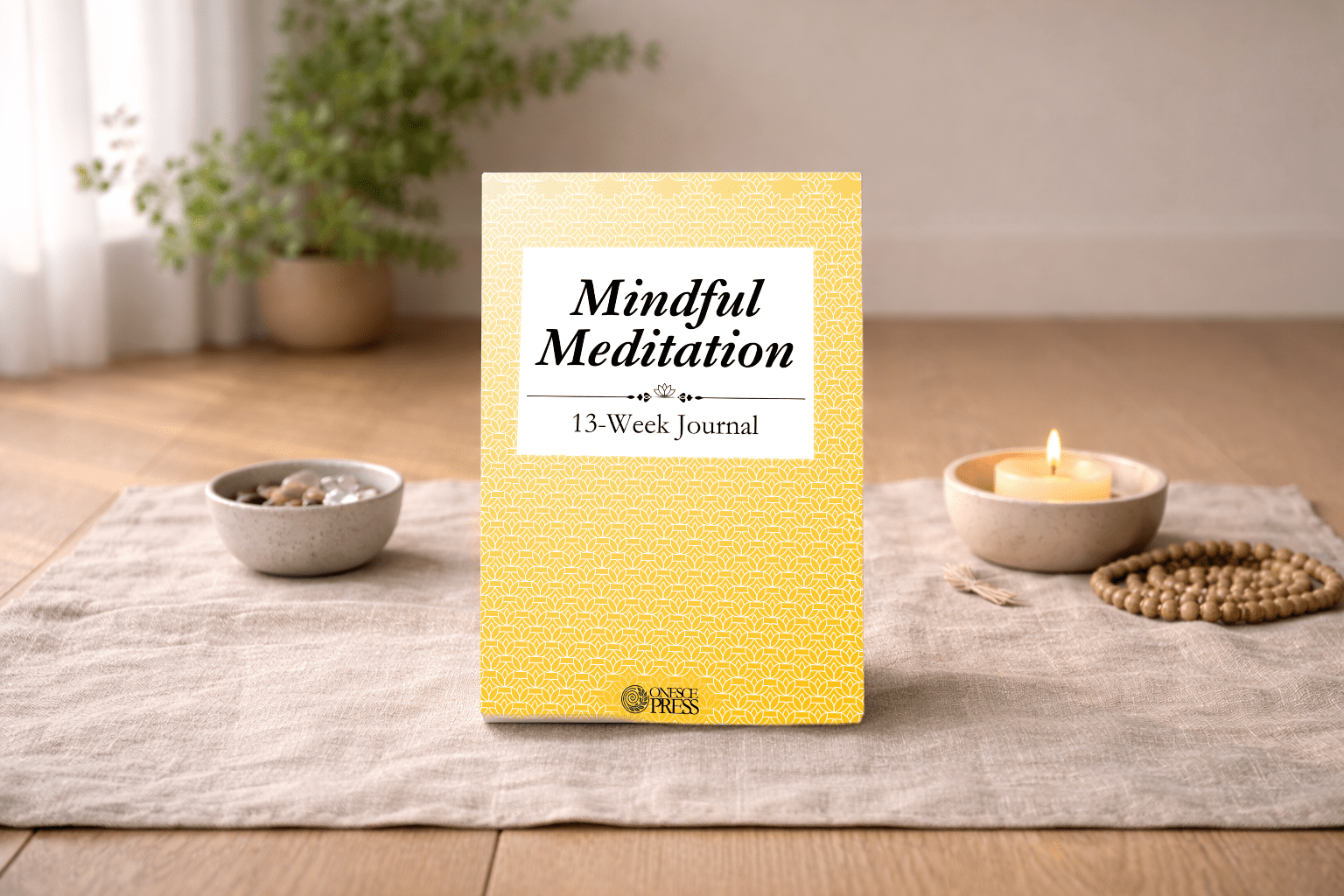
JOURNAL FEATURES:
- Your companion on a 13-Week journey of discovery and personal growth.
- Soothe the “monkey mind” and record details about your meditation experiences.
- Honor responsibilities and distractions, then tap into what your subconscious is doing.
- Watch your new devotional practice grow organically as you give yourself the grace to show up, just as you are.
Give yourself the gift of more mindfulness. You can also find this journal on Amazon!