


We often extend compassion so easily to others, offering understanding when a friend struggles or grace when a loved one makes a mistake. Yet, when it comes to ourselves, that same kindness can feel out of reach. Instead, we use harsh self-talk, unrealistic expectations, and the belief that we must always be doing more to badger ourselves—often relentlessly. However, mindful self-compassion invites us to change that.
This type of mindfulness doesn’t ask us to ignore our pain or sugarcoat our struggles, but it will teach us how to treat ourselves with care, even as it requires us to stay present with what’s real. Through practical techniques and gentle awareness, we begin to soften the voice of self-judgment and make space for emotional healing. We start to remember that it’s okay to be imperfect, to have needs, and to take up space.
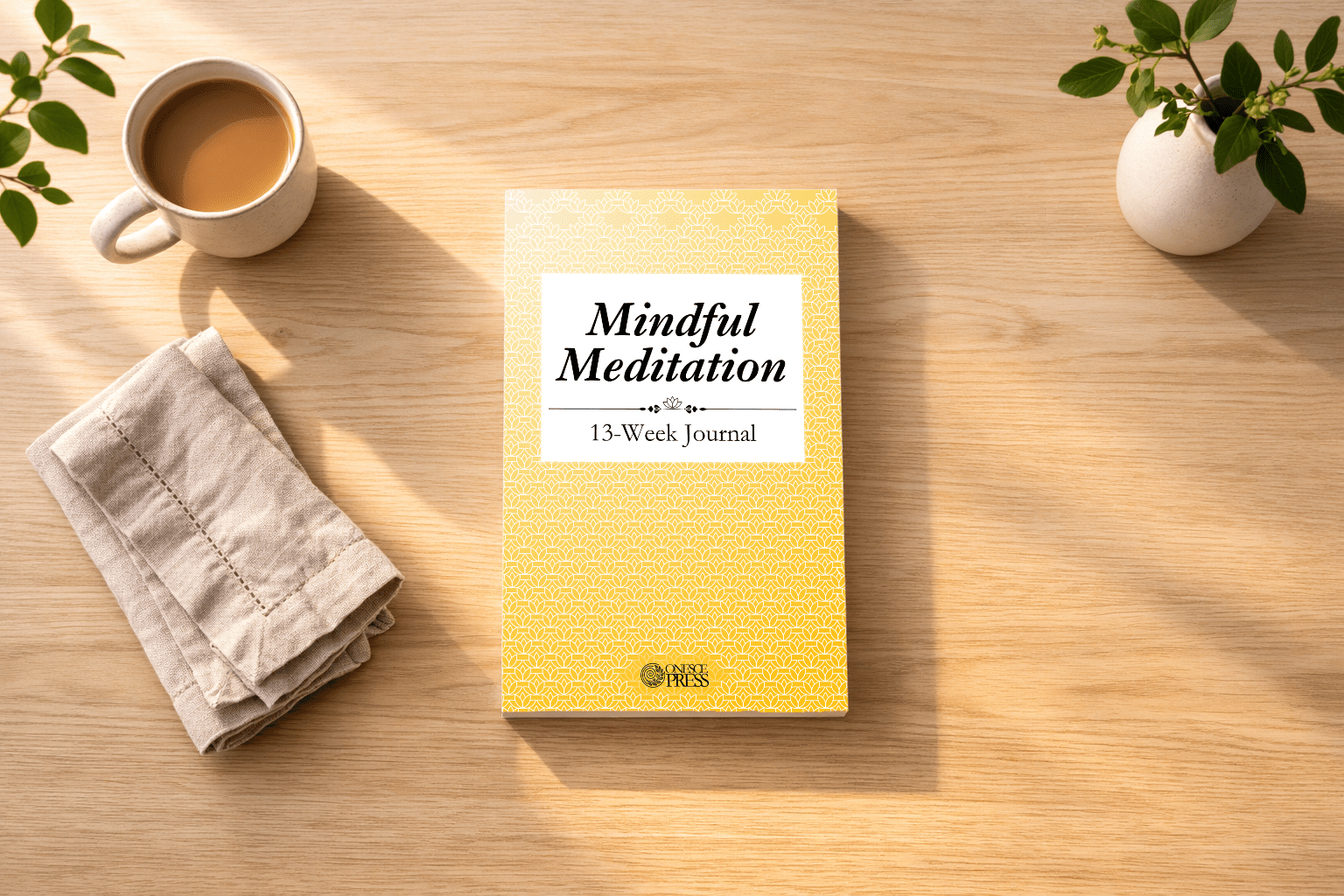
Mindful Meditation
Quiet your “monkey mind,” record your experiences, & deepen your practice.
Let’s explore what mindful self-compassion really means, why it’s essential for our wellbeing, and how daily mindfulness can support us in developing greater personal awareness, self-care, and emotional resilience. We’ll also consider why giving ourselves this grace is about integrity, not indulgence, by considering how self-compassion can be a path towards living more honestly.

What Is Mindful Self-Compassion?
Mindful self-compassion is the practice of meeting ourselves with the same presence and kindness we so often offer to others. It begins with awareness—pausing long enough to notice how we’re feeling, what we’re thinking, and what we might need in the moment—and from there, it deepens into care through a willingness to respond to that awareness with gentleness rather than judgment.
Mindfulness asks us to be present. It requires that we observe our inner world without trying to change it, avoid it, or over-identify with it. Self-compassion adds the warmth. Together, they create a healing space within us where it’s safe to feel, safe to be, and safe to begin again.

This practice doesn’t mean we ignore our flaws or avoid responsibility. It asks us to approach ourselves with honesty and care, even when we’re struggling. Engaging in mindful self-compassion means that we acknowledge our pain, without making it our identity. In these ways, it encourages us to remember that our worth is never diminished by our challenges.
Mindful self-compassion supports personal awareness by helping us see ourselves clearly, not through the lens of perfectionism or performance, but through the eyes of truth and tenderness. With this clarity, we can make aligned choices, set healthier boundaries, and move forward with more emotional integrity. It offers us a quiet, transformative kind of strength, which grows naturally as we learn to stay present with ourselves, no matter what.

The Healing Power of Self-Compassion
Self-compassion is so much more than just a comforting idea, it’s a powerful force for emotional healing. When we begin to meet our inner experiences with kindness rather than criticism, something profound happens: we create the safety needed to feel, process, and release what we’ve been holding onto.
Daily mindfulness helps us notice the habits of self-judgment that often run in the background of our lives. It shines a gentle light on the moments we tighten, rush, or push ourselves past the point of exhaustion. With awareness, we can pause. With compassion, we can choose a new response.
Studies have shown that self-compassion reduces anxiety, improves emotional resilience, and increases our capacity to cope with stress and failure. Yet, even beyond the research, the real healing happens in the everyday moments: when we speak to ourselves with understanding, allow space for imperfections, or offer ourselves rest without guilt.

This practice softens the inner pressure to “get it right” and makes room for a more honest, supportive relationship with ourselves. Over time, this inner shift changes the way we show up in every area of life. We begin to treat our needs as valid, our pain as worthy of care, and our growth as a gentle unfolding rather than a race.
Self-compassion means that rather than “power through” or avoid challenges, we meet them from a place of steadiness. This type of mindfulness practice is rooted in self-trust, held by presence, and guided by the grace we choose to offer ourselves, again and again.

Daily Mindfulness Practices for Self-Care
Caring for ourselves doesn’t always require big changes, sometimes it’s the quiet, repeated choices that make the deepest impact. Daily mindfulness invites us to slow down, tune in, and tend to our inner world with intention. When we pair that presence with compassion, self-care becomes more of a relationship than a routine.
Here are a few mindfulness practices that gently support both self-compassion and everyday wellbeing:
Mindful Breathing
Taking a few conscious breaths throughout the day helps us come back to center. Try placing your hand on your heart or belly and simply noticing the inhale and exhale. Even just a minute of this soft attention can ground the body and calm the mind—offering a moment of real care in the middle of whatever else is happening.
Loving-Kindness Meditation
This heart-centered practice helps us soften the inner critic and nurture a more supportive tone toward ourselves. Begin with simple phrases, like: “May I be safe. May I be kind to myself. May I accept myself as I am.” With repetition, these words become an inner resource—especially in moments of difficulty or doubt.
Body Scan Meditation
By gently scanning through the body from head to toe, we practice listening inwardly. Notice areas of tension, fatigue, or sensation. Not to fix anything, but simply to acknowledge what’s there. With time, this practice builds trust between you and your body, reminding you that your needs and feelings are valid.

Reflective Journaling
Writing with presence and curiosity gives space for your inner world to unfold. Try asking simple questions, like: “What do I need today?” “How am I feeling right now?” or “What am I learning about myself?” When we use it to listen rather than fix, and to witness rather than judge, journaling becomes an act of compassionate self-care.
These daily mindfulness practices don’t have to be long or perfect. What matters is the intention to pause and reconnect. Over time, these small, consistent gestures of self-compassion form the foundation for a more empowered way of being.

Everyday Opportunities for Self-Compassion
Mindful self-compassion isn’t confined to a meditation cushion or journal page, in fact, it comes alive in the rhythm of daily life. Some of the most powerful opportunities for this type of self-care happen in the small, ordinary moments we often rush through. When we bring awareness to those moments, we open space to meet ourselves with kindness exactly as we are.
Meditation Practice
Take your practice to the next level, & the next… With a Year and a Day commitment.

Washing dishes can become a grounding ritual when we feel the warmth of the water and breathe through each motion. A walk around the block becomes more than exercise when we notice the sensation of our feet on the ground or the texture of the air. Even sipping tea can turn into a mindful check-in, try using this time to ask yourself: “Am I present?” or “Am I tending to my needs?”

These moments offer the chance to nurture more calm in our lives, even as they teach us to notice our inner dialogue. When we catch ourselves spiraling into criticism or overwhelm, we can pause, take a breath, and choose gentleness. That is self-care—meeting ourselves with more trust, more compassion, and more presence
You might even try saying something silently like, “This is hard, and I’m doing the best I can.” Or maybe you place your hand over your heart for a moment of physical reassurance. Regardless of what feels most intuitive and natural to you, simple acts like these interrupt automatic patterns of self-judgement and begin to rewire how we relate to ourselves.
Bringing mindfulness into daily life doesn’t mean getting it right all the time. It means being willing to show up. It’s the practice of noticing, naturally followed by the space to offer ourselves more grace. Over time, these choices create a kind of internal safety; moreover, that makes self-care not just something we do, but something we are.

Creating Your Self-Compassion Practice
There’s no perfect way to begin, all that matters is that you begin gently, honestly, and with a willingness to meet yourself wherever you are. Mindful self-compassion isn’t about achieving some fixed state of peace; however, it is about developing the capacity to stay present with yourself, especially when things feel messy or hard.
Start small. Try: a few conscious breaths in the morning, a short body scan before sleep, or a single kind phrase repeated silently when you notice your inner critic speaking up. These quiet practices create subtle shifts, which over time become lasting change.
If you’re already familiar with daily mindfulness, you might explore layering in more intentional self-care. This could be journaling with the intention of offering understanding to yourself, or practicing loving-kindness when you’re struggling instead of waiting to “feel better” first. Let your practice grow with you, changing as your needs and insights evolve.

For many, consistency is the hardest part. It can help to build small rituals around the practice, like: lighting a candle to focus attention, sitting in the same chair to signal it’s time to meditate, or even simply using a cellphone reminder. These anchors can help make mindfulness feel more accessible and familiar, even on days when we’re tired or distracted.
Mindful Meditation
Quiet your “monkey mind,” record your experiences, & deepen your practice.
Ultimately, if we miss a day—or several—that’s just another opportunity to practice offering ourselves grace. That return to compassion is the essential practice. The act of returning without shame, and beginning again, is its own proclamation that we are choosing care, presence, and a more compassionate relationship with ourselves.

Conclusion: Mindful Self-Compassion is the Art of Returning to Ourselves
In a world that often pushes us to perform, prove, and push through, mindful self-compassion reminds us that we are already enough, that we don’t have to earn rest, and that we don’t need to justify softness. This type of mindfulness practice is the gentle proclamation that we are allowed to meet ourselves with kindness—especially in the moments when it feels hardest to do so.
Daily mindfulness practices of all types can support self-care, deepen personal awareness, and offer emotional healing. Through accessible tools like breathwork, body scans, reflection, and heart-centered intention, our everyday routines become opportunities to pause, notice, and extend grace. We don’t need to wait until life feels less chaotic to begin, because this work can always meet us right where we are.
Mindful self-compassion is about returning—again and again—to presence, to breath, and to care. It’s a method for learning to stay with ourselves when things feel uncertain, helping us to soften when we want to shut down, and offers us understanding where judgment once lived. This is how healing can take place without the necessity of an instantaneous transformation: within quiet, simple moments of truth and tenderness.
Meditation Practice
LOGBOOK FEATURES:
- Your companion on a 366-Day adventure in devotion and commitment.
- Developed with the Year and a Day framework to challenge and inspire.
- Simple and straightforward logging with space for key intentions and reflections.
- Enjoy the benefits of tracking your progress and the details of your practice in one place.
You can also get your copy on Amazon. Don’t wait, take your practice to the next level: