

Duration: 14 minutes
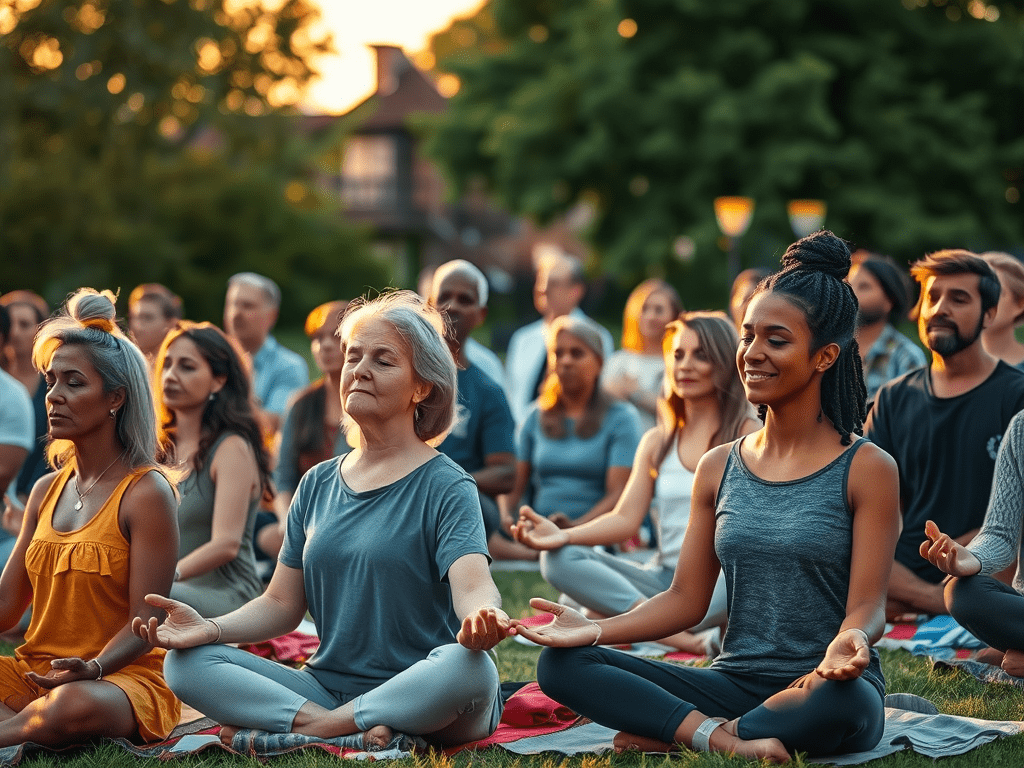
Despite meditation’s rise in popularity, many of us still wonder: what exactly is meditation—and am I doing it wrong? As mindfulness makes its way into wellness trends, mental health routines, and even corporate programs, the need to have common meditation myths debunked grows too. Many have heard that meditation requires a clear mind, that it’s only for monks or yogis, or that it takes hours of quiet each day to see any real meditation benefits—sound familiar?
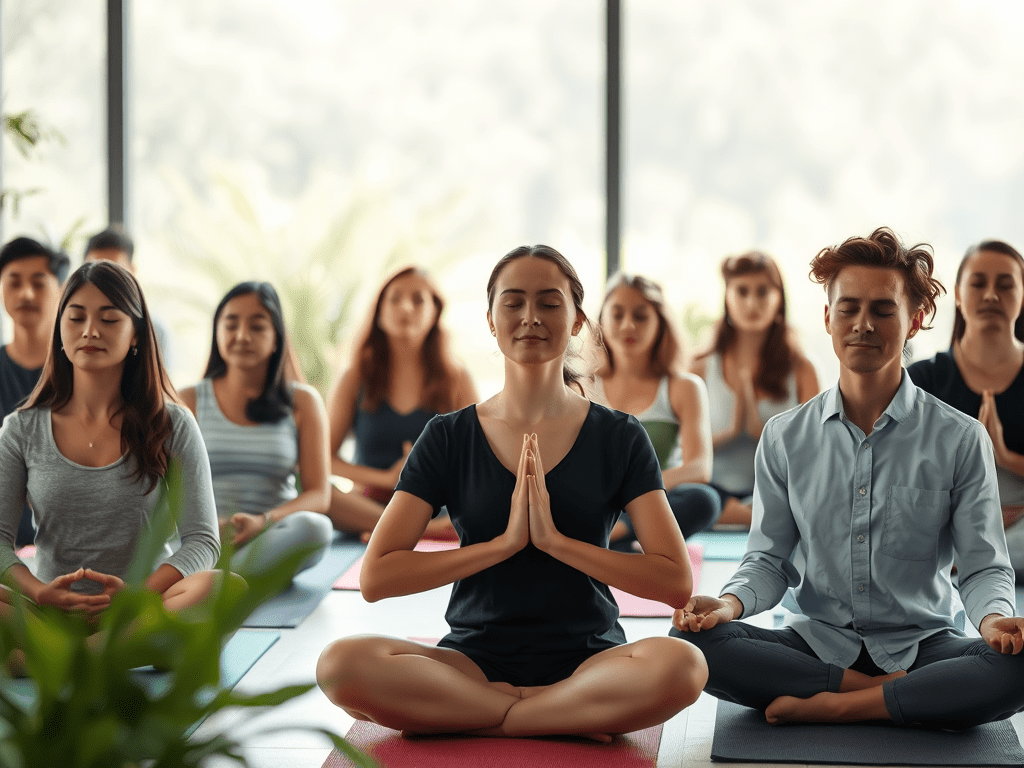
These kinds of assumptions not only distort the truth but often discourage people from ever beginning a practice. That’s why it’s time to explore meditation facts vs myths, debunk the misconceptions, and redefine what meditation can be—on your own terms. Whether you’re curious, skeptical, or already dabbling in meditation, this article is here to help you distinguish truth from assumption.
Let’s explore the most common meditation misconceptions and discover how simple shifts in our perspectives can unlock the diverse meditation benefits we’ve all heard so much about. We’ll also consider actual meditation requirements, giving ourselves the understanding that can bring confidence to our practice.

Myth #1: “Meditation Requires a Clear Mind”
This is arguably the most persistent and discouraging meditation myth out there—the idea that to meditate properly, we must empty our minds of all thoughts. It’s a misconception that has stopped countless beginners in their tracks, leaving them convinced they’ve “failed” at meditation before they’ve truly begun.
The truth?
Meditation doesn’t require a clear mind—it requires a willing one.
At its core, meditation is not about eliminating thought. It’s about learning to observe it. Our minds think—just as lungs breathe and hearts beat. Expecting perfect mental stillness is not only unrealistic, it’s unnecessary. In fact, noticing thoughts and gently returning your attention (often to your breath or body) is the actual practice.

This is a key insight in mindfulness-based stress reduction (MBSR) and other meditation programs that are grounded in research. According to research, even beginners who meditated for as little as 15 minutes a day experienced improved mental clarity and reduced anxiety—not because their minds were silent, but because they learned how to relate to their thoughts differently.
Think of it this way: thoughts are not obstacles, they’re invitations to return. Each time we notice ourselves wandering and bring our attention back, we build strength—just like lifting a weight strengthens a muscle. This is how meditation works. It’s not about perfection, it’s about practice.
What Meditation Actually Requires:
- A few moments of stillness or mindful attention.
- Curiosity (rather than control).
- A gentle willingness to observe (not a need to suppress).
So, if you’ve ever thought “I can’t meditate because I can’t shut my brain off,” congratulations—you’re already halfway there. That noticing? That return? That’s the work. That’s the benefit.
Myth #2: “Meditation Is a Religious Practice”
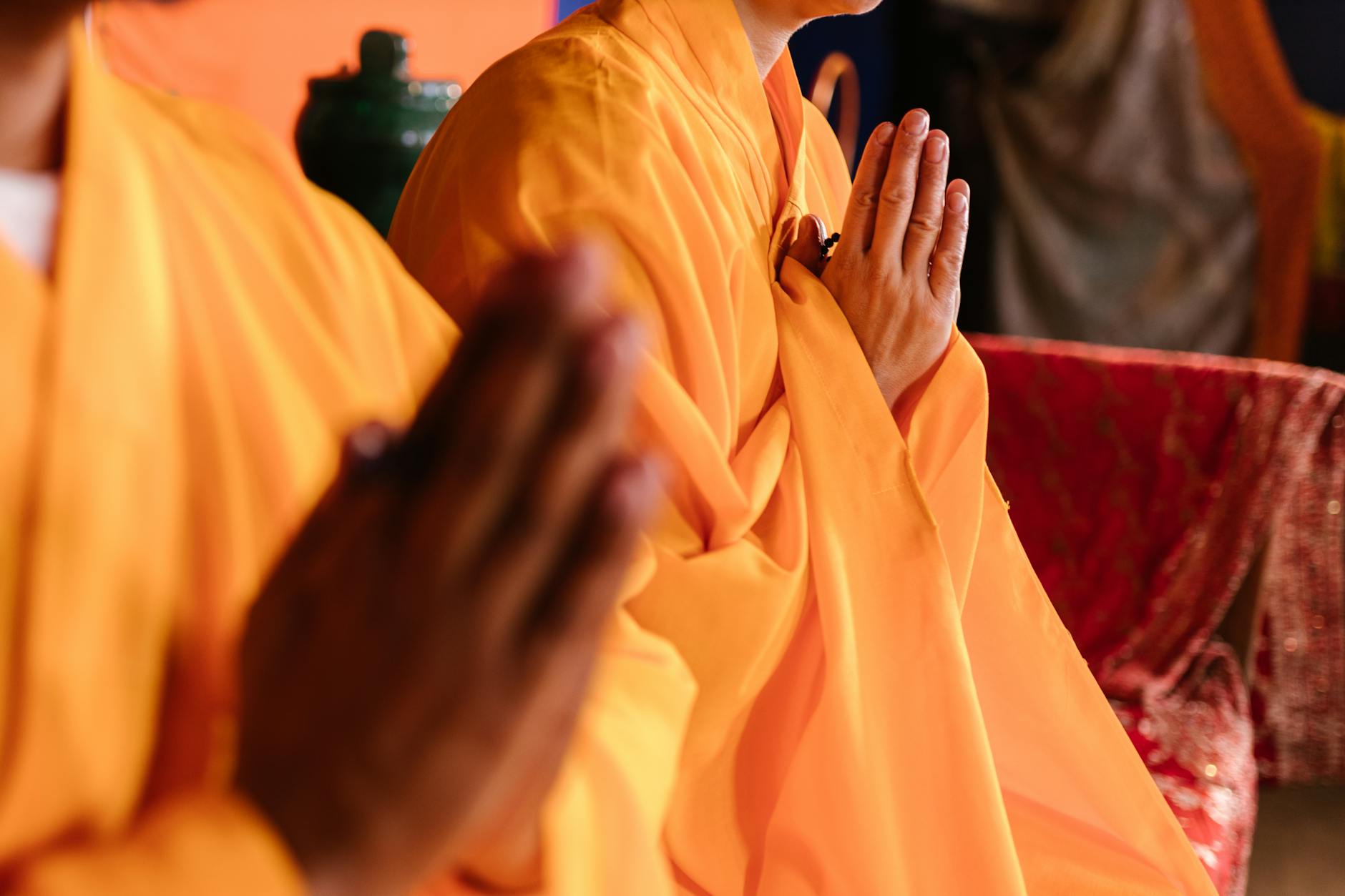
Another common misconception about meditation is that it’s inherently religious—reserved for monks, gurus, or people following a spiritual path. While meditation has deep roots in traditions like Buddhism, Hinduism, and Taoism, assuming it’s only a religious practice is like saying movement is only for dancers.
The truth?
Meditation is a human practice, not a religious one.
Many of the most effective and widely studied meditation techniques have been adapted for secular, science-based use. Programs like Mindfulness-Based Stress Reduction (MBSR) and Mindfulness-Based Cognitive Therapy (MBCT) have helped thousands manage anxiety, chronic pain, and depression—without invoking any spiritual or religious framework.

In fact, meditation has been practiced in many forms across cultures and belief systems—including Christian centering prayer, Islamic dhikr, Jewish hitbodedut, and Indigenous breath and awareness rituals. It isn’t the belief system that defines meditation—it’s the act of intentional attention.

Meditation Practice
Take your practice to the next level, & the next… With a Year and a Day commitment.
What Meditation Actually Requires:
- Presence and attention (not doctrine or dogma).
- A simple anchor like breath, sound, or sensation.
- Consistency (not conversion).
You don’t need to chant in Sanskrit, light incense, or sit cross-legged for an hour to meditate. You only need to show up with intention. If you choose to make your meditation spiritual, that’s your path. If you choose to keep it practical, scientific, or stress-relieving, that’s equally valid.
The takeaway? Meditation is for everyone. No robes, rituals, or belief systems required.
Myth #3: “Meditation Takes Too Much Time”
In our fast-paced world, the idea of sitting still for extended periods can feel unrealistic—or even indulgent. One of the most limiting meditation myths is the belief that meaningful practice requires a big time commitment. Whether it’s a vision of a monk meditating for hours or a social media influencer’s hour-long morning routine, the message is the same: if you don’t have lots of time, why bother?
The truth?
Meditation doesn’t require time—it requires intention.
Studies have shown that even brief periods of mindfulness—just two to five minutes per day—can begin to shift the brain and nervous system. Research has found that short, consistent mindfulness practices produced measurable improvements in stress reduction, emotional regulation, and mental clarity.
The real barrier isn’t time—it’s the belief that a short practice “doesn’t count.” However, every mindful breath, every conscious pause, every moment of awareness is actually cumulative.
What Meditation Actually Requires:

- Just a few minutes of attention each day.
- Integration into what you’re already doing (e.g., mindful walking, breathing while waiting, or taking 60 seconds to pause before a meal).
- A shift in mindset from perfection to presence.
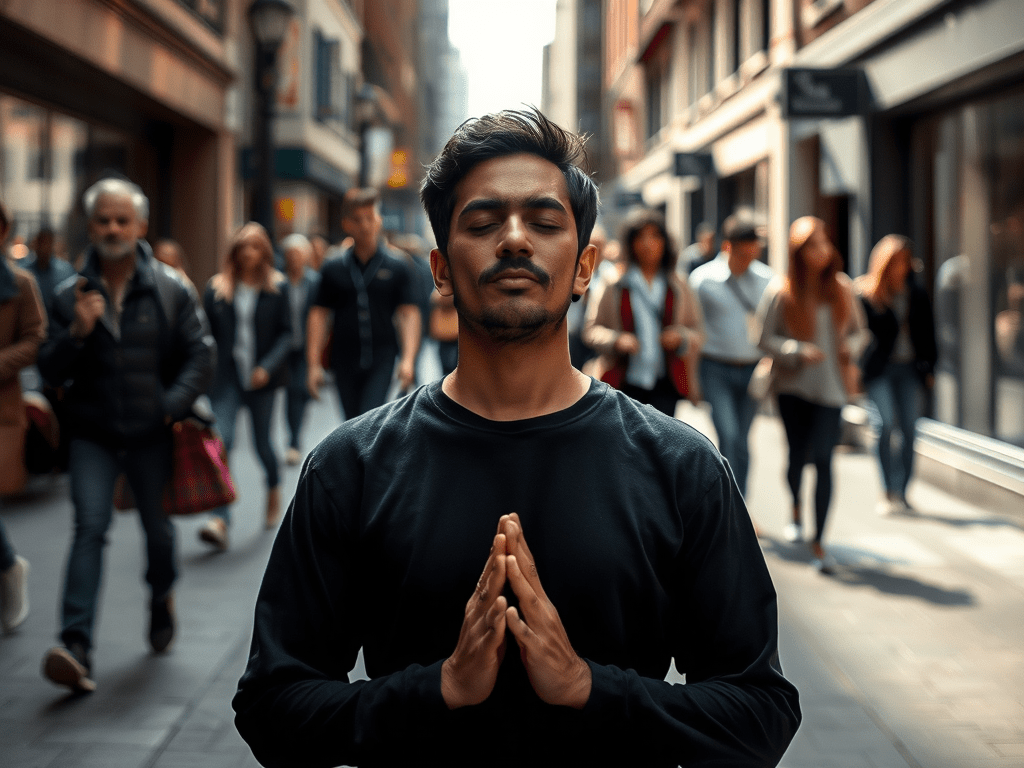
This means your daily practice can be a one-minute breath check-in before a meeting, a two-minute pause during your commute, or five quiet minutes after your evening shower. These are valid, impactful, and accessible forms of meditation.
The benefit isn’t from how long we meditate—it’s from how consistently we show up.
Myth #4: “You Need a Special Space or Tools”
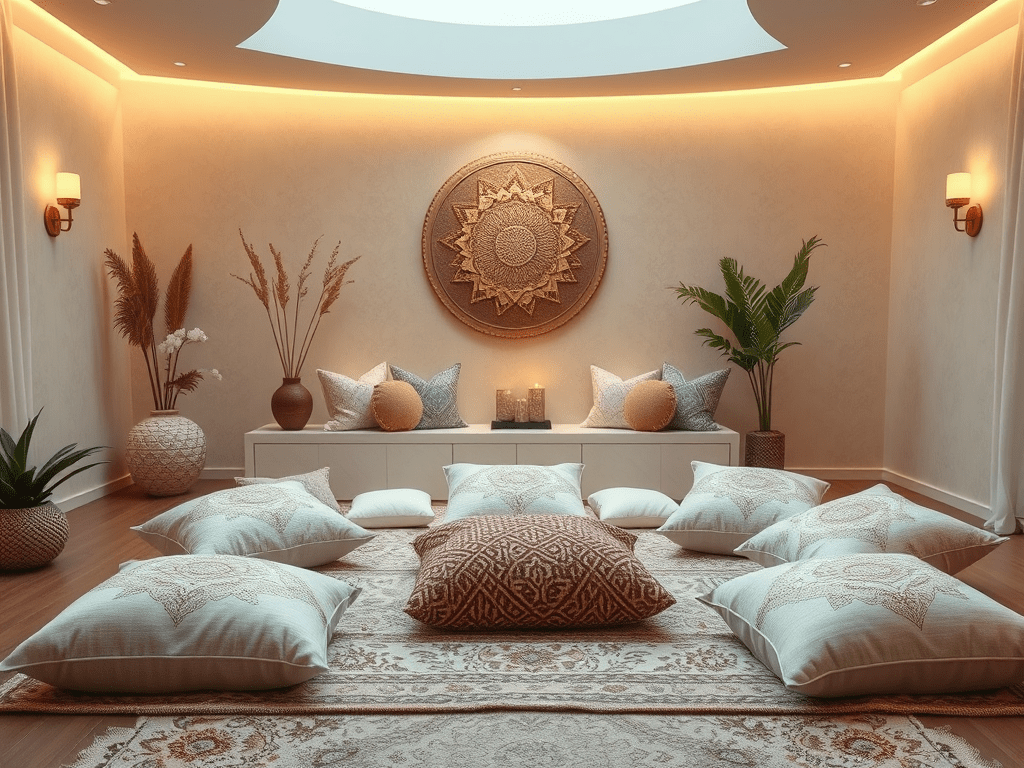
Many people picture meditation taking place in serene, candlelit rooms filled with cushions, incense, or sacred objects. And while that setup can enhance a practice, it also contributes to one of the more subtle misconceptions about meditation: the idea that you need the right space, tools, or aesthetic to do it “properly.”
The truth?
Meditation doesn’t require a special environment—only presence.
While calming surroundings can support your practice, they are not a prerequisite. In fact, one of the greatest strengths of meditation is its adaptability. You can meditate on a crowded train, in your parked car, at your work desk, or while lying in bed. You don’t need cushions, candles, or a yoga mat—just your breath and a moment of attention.

This flexibility is what makes meditation so empowering. It meets you where you are. Whether you’re on a mountaintop retreat or in a noisy kitchen, the benefits of meditation are just as real and accessible.
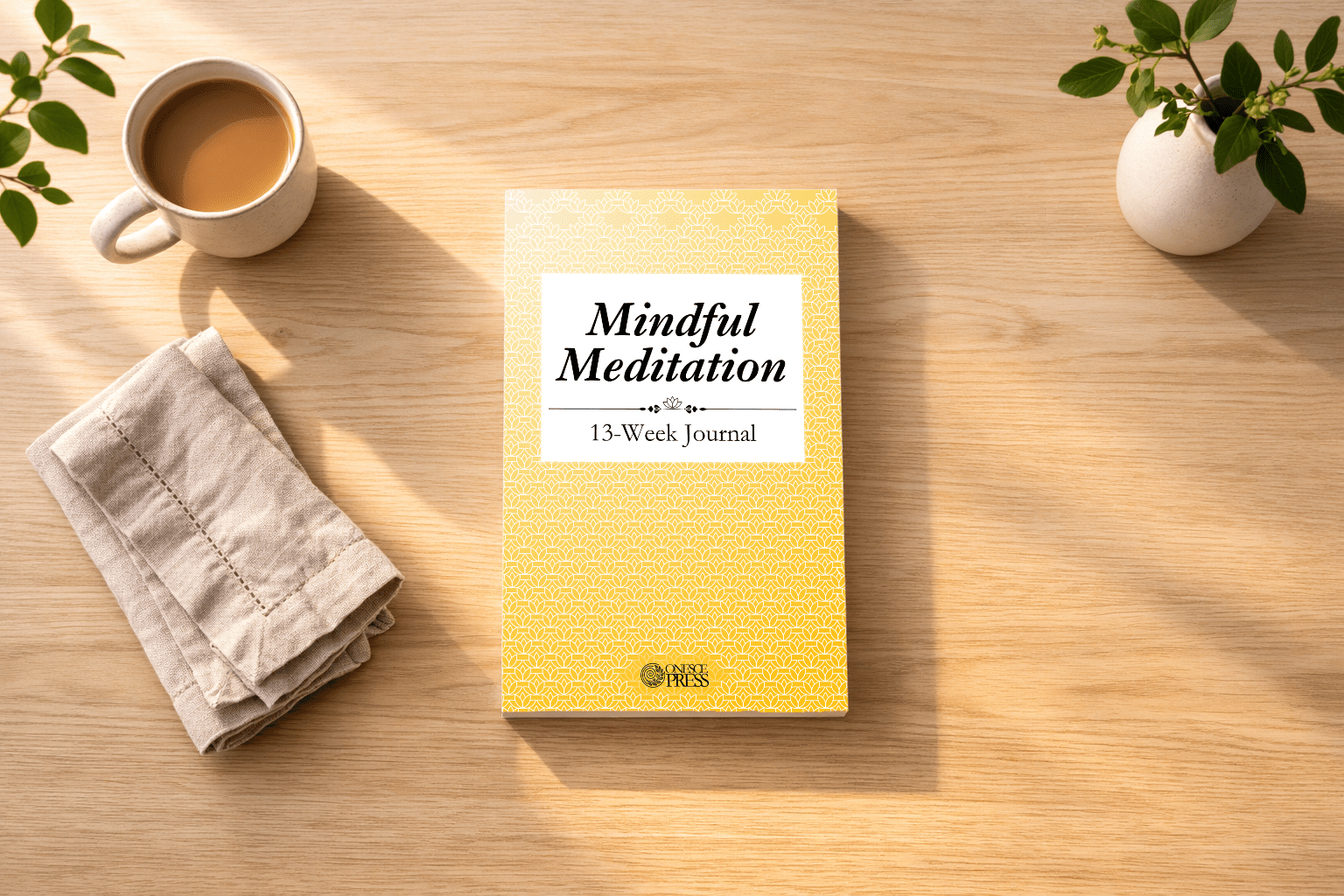
Mindful Meditation
Quiet your “monkey mind,” record your experiences, & deepen your practice.
What Meditation Actually Requires:
- A few moments—wherever you happen to be.
- Willingness to pause and become aware.
- A shift in focus (not furniture).
If anything, learning to meditate without ideal conditions strengthens your ability to carry mindfulness into everyday life. The goal isn’t to escape reality but to bring presence into it.
So go ahead—leave the incense behind. Your ordinary moments are already sacred enough.

Myth #5: “You Have to Feel Calm to Meditate”
A quiet mind. A peaceful room. A calm heart. These are often the images associated with meditation—and they’re beautiful ideals. However, they’ve also fueled a deeply limiting meditation myth: that you must already feel calm before you can begin. It’s like thinking you need to be fit before going to the gym.
The truth?
You don’t need to feel calm to meditate. You meditate to find calm.
Meditation is a process, not a performance. It offers a space where all emotions—stress, anxiety, frustration, grief, excitement—are welcome. In fact, these heightened states are some of the best times to meditate. That’s when the practice becomes most useful, offering grounding and clarity in the middle of life’s emotional storms.

Research shows that meditation improves emotional regulation by helping us recognize our feelings without being overwhelmed by them. It strengthens the prefrontal cortex (the center of decision-making and regulation) and reduces activity in the amygdala (the center of fear and reactivity).
What Meditation Actually Requires:
- Acceptance of how you feel in the moment.
- Willingness to sit with discomfort (without needing to change it).
- Trust that calm may come after (not before).
If you’re feeling restless, irritated, or overwhelmed, don’t wait for those emotions to pass. That’s your signal, not a stop sign. Sit down. Breathe. Begin exactly where you are.
Meditation is not the reward for feeling at peace—it’s the doorway to it.

Myth #6: “Meditation Leads to Instant Results”
In a culture obsessed with quick fixes and instant gratification, it’s easy to expect meditation to deliver immediate calm, insight, or transformation. After all, it looks simple enough—just sit, breathe, and feel better… Right? Not quite. What’s worse is that this myth can be especially disheartening for beginners who don’t feel radically different after a few sessions.
The truth?
Meditation isn’t a switch we flip—it’s medicine, and like any healing practice, its effects are compounding.
Studies have shown that even short-term meditation can reduce stress and improve focus, but the most profound changes—greater emotional resilience, inner peace, and self-awareness—emerge over time with consistent practice. According to neuroscientific research, structural brain changes linked to meditation begin to appear after several weeks of daily or near-daily practice.

Just as a single workout won’t transform your body overnight, one meditation session isn’t likely to dissolve all your stress or unlock enlightenment. But the more you return to the practice, the more your mind begins to rewire itself toward balance, presence, and peace.
Meditation Practice
Take your practice to the next level, & the next… With a Year and a Day commitment.
What Meditation Actually Requires:
- Patience and consistency (not performance).
- A willingness to show up (without expectation).
- Trust that subtle shifts will happen over time.
Progress in meditation often looks quiet. You may not feel anything dramatic—but maybe you respond with more patience in traffic, or breathe through a moment that used to overwhelm you. That is the result. That is the benefit.
It’s okay to let go of the need for instant transformation. Meditation is a slow, steady unveiling of clarity—and it’s worth every moment you give it.

Conclusion: Meditation Myths Debunked Means Benefits Unlocked
Meditation has been practiced for thousands of years, but in today’s world, it often arrives wrapped in misunderstanding. From the belief that you must clear your mind, feel instantly calm, or devote hours in a silent retreat, these common meditation myths can discourage us before we even start. However, the truth is simple—and freeing.
You don’t need a special space. You don’t need to feel a certain way. You don’t need to believe in a specific tradition, or wait until you “have more time.” You only need to begin.
Mindful Meditation
Quiet your “monkey mind,” record your experiences, & deepen your practice.
Meditation is not about perfection. It’s not about escaping reality or silencing your thoughts. It’s about returning—again and again—to the present moment with compassion and curiosity. It’s about creating space for your breath, your awareness, and your truth. Even a few minutes a day can offer profound, proven meditation benefits that ripple through every area of your life.
Breathe in. Breathe out. That was your first step—repeat it until you find the spaciousness to discover what the next one looks like for you. Enjoy the journey, and blessed be!