


Duration: 9 minutes
What if devotion could be the key to uniting personal growth and spiritual awakening into one cohesive journey? More than discipline or habit, devotion represents a focused commitment that aligns actions with higher purpose, serving as a catalyst for profound transformation.
Devotion’s power lies in its ability to integrate self-improvement practices with spiritual exploration, offering a pathway to a harmonious and meaningful life. Let’s look into the philosophy of devotion, some practical strategies for building a devotional lifestyle, and the profound psychological and spiritual impacts it can have on our lives.

The Philosophy of Devotion
Defining Devotion
Devotion, at its essence, is an intentional and focused commitment. Across cultures, it has been seen as a transformative force, bridging the mundane and the divine. For instance:
- In Hindu philosophy, bhakti emphasizes devotion as a path to enlightenment through love and surrender.
- Stoicism views devotion as commitment to virtue, cultivating tranquility through alignment with natural laws (Meditations by Marcus Aurelius).
- Modern psychology recognizes devotion as intrinsic motivation, a key element of Self-Determination Theory, which emphasizes autonomy, competence, and relatedness.
These frameworks illustrate devotion as more than religious fervor—it is a disciplined yet heartfelt alignment with values, purpose, and self-transcendence.
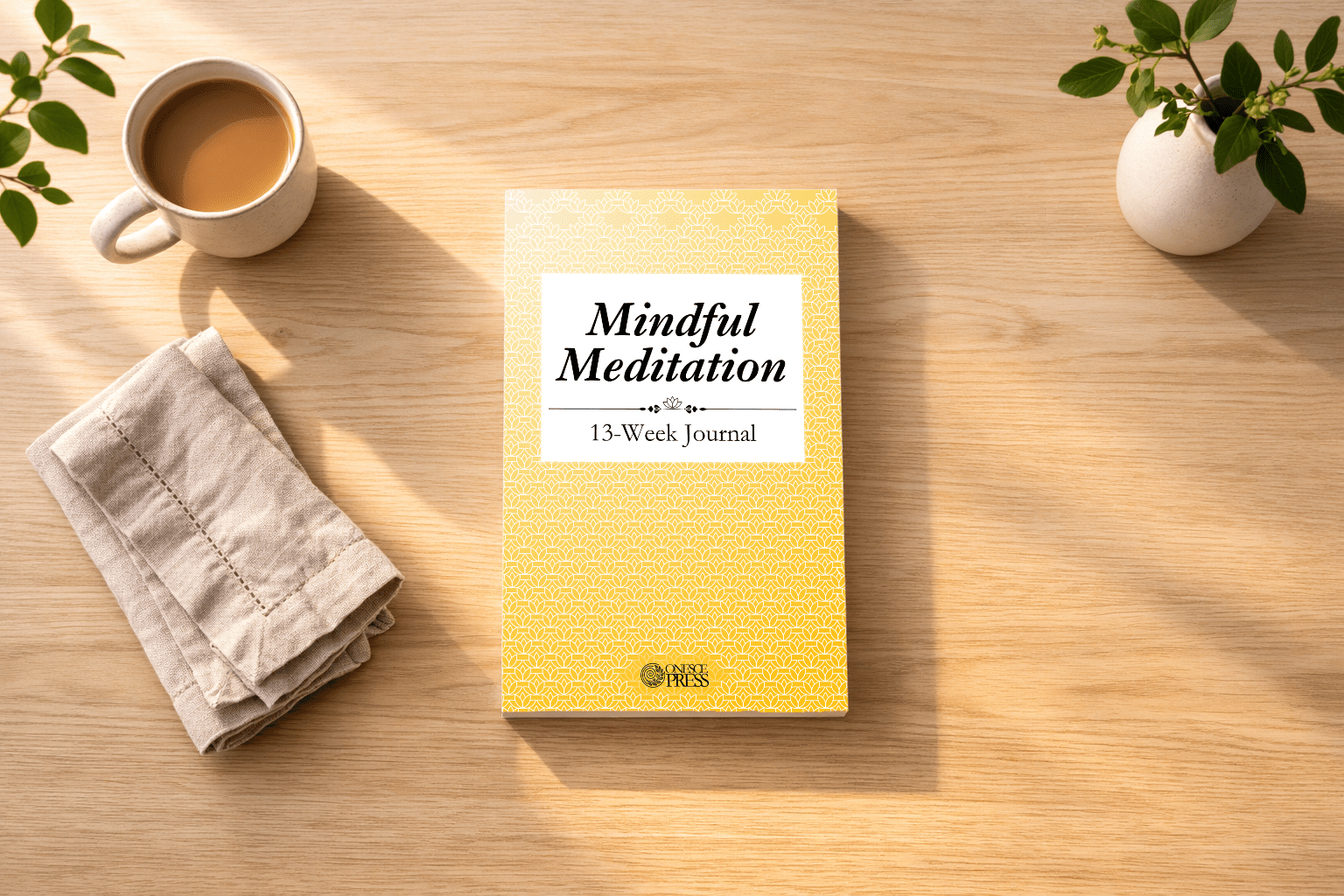
Mindful Meditation
Quiet your “monkey mind,” record your experiences, & deepen your practice.
Devotion as a Transformative Force
Devotion operates as a bridge between self-improvement and spirituality by integrating inner development with outward practice. It unites the pursuit of personal excellence with a connection to higher ideals, fostering transformation.
Imagine devotion as a thread weaving diverse practices—such as journaling, intuition, and meditation—into a tapestry of purpose. The components will change based on one’s own interests and gifts, but the application of commitment towards them in meaningful and purpose-filled ways is the devotional framework of a deeply fulfilling life.
Aligning Devotion with Purpose
The power of devotion lies in its alignment with personal values and higher goals. This alignment ensures that actions, even mundane ones, contribute to a greater sense of purpose.
What higher purpose are you devoted to? How do your daily actions reflect this commitment?

Integrating Devotion into Daily Life
Creating a Devotional Lifestyle
To build a cohesive devotional lifestyle, blend practices that align with your own personal and spiritual goals. There are countless options, and only you can know what’s right for you. Be willing to experiment if you’re unsure, and remember, just because something might be challenging doesn’t mean it can’t also be fulfilling.
Often, deep satisfaction comes with effort, application, and progress. Here are a few examples of introductory devotional practices you can try:
- Journaling: Provides clarity, tracks growth, and uncovers inner truths.
- Intuition: Acts as a compass for decisions, especially in spiritual contexts.
- Habits: Reflect priorities through actions (e.g. gratitude rituals or meditation).

Sustainable Habits
Support for your journey of transformation, from planning through to integration:
Examples from Diverse Traditions
Many spiritual traditions exemplify devotion as a lifestyle:
- Hindu puja: Daily rituals that honor deities and foster mindfulness.
- Christian Contemplations: Prayer, scripture reading, and journaling to deepen faith.
- Indigenous Ceremonies: Devotion to nature through seasonal celebrations and rituals.
These practices also highlight how devotion can transcend individual actions, transforming them into expressions of alignment with higher ideals, communities, and spiritual beliefs.
Tools for Devotional Practice
Practical tools can make devotion more tangible and accessible. Consider some of the following ideas:
- Journaling Prompts:
- “How have my actions today reflected my devotion to growth?”
- “What lessons is my intuition revealing about my spiritual journey?”
- Habit Tracking: Monitor consistency to strengthen alignment.
- Symbols and Rituals: Incorporate acts like lighting a candle to begin a devotional practice, or offering gratitude to end the practice. Signifiers like these can also be space holders to make any activity a devotional one, cueing your awareness for intention and purpose.

The Impact of Devotion
Personal Growth Through Devotion
Devotion fosters resilience, discipline, and self-awareness. Through consistent practices, it:
- Builds emotional regulation by providing a stable framework for reflection.
- Encourages self-compassion and perseverance during challenges.
- Journaling (specifically) can reveal limiting beliefs, enabling reframing and growth.
- Mindfulness practices—integral to many devotional frameworks—enhance self-awareness and emotional well-being.
Spiritual Awakening Through Devotion
Devotion deepens spiritual connection by fostering surrender and alignment with universal energy or divine presence. This process encourages letting go of ego-driven goals and creates space for transcendent experiences and insights.
Examples of these effects can be seen in Stoic surrender to the divine order and Eastern philosophies’ focus on relinquishing control to achieve harmony. Furthermore, research in Transpersonal Psychology links devotion to experiences of self-transcendence and connection to the greater whole.
Meditation Practice
Take your practice to the next level, & the next… With a Year and a Day commitment.

Developing a Devotional Lifestyle
Starting Small
Begin your devotional practice with manageable commitments. Choose one practice (e.g. journaling or meditation) to dedicate some time to daily. Set achievable goals and celebrate small wins.
Perhaps simply start your days with an affirmation or intention. You can also ask yourself: “What one practice can I commit to as an act of devotion today?“
Cultivating Resilience and Adaptability
Life’s challenges can disrupt routines, but devotion helps us to maintain our focus long-term. Remember to embrace progress over perfection.
We can always adapt practices to fit our current circumstances too. For example, transition from structured meditation to mindful walking when time is limited or the season is more favorable for one or the other.

Celebrating Growth and Spiritual Progress
Regular reflection reinforces commitment and highlights our progress. Whether you maintain a gratitude journal to document milestones, or keep a Year and a Day logbook for your meditation practice, looking back over these records can help you to see how far you’ve come.
Reflect on growth by revisiting past entries or practices. Look for patterns and explore how you overcame setbacks. Ask yourself: “How has my devotion shaped my personal and spiritual journey?“
Conclusion: Devotion Acts as a Bridge Between Practical Development and Meaningful Growth
Devotion is more than a practice—it is a bridge that unites personal growth with spiritual development. By integrating disciplines such as journaling, intuition, and habits into a cohesive lifestyle, devotion transforms ordinary actions into meaningful expressions of alignment with higher ideals.
Take the first step today! Identify one practice you can devote yourself to and begin weaving your personal growth and spiritual journey into a unified whole. Reflect often, adapt as needed, and let devotion guide your transformation.