


Duration: 9 minutes
What if devotion isn’t just a spiritual concept? What if it could be a transformative framework for your entire life?
Imagine waking up each day with a clear sense of purpose, where even the smallest actions feel aligned with your values and aspirations. This is the potential of devotion—a focused commitment to what truly matters.
Devotion is often misunderstood as blind adherence to rituals or dogmas. However, at its core, it’s an intentional practice of aligning our thoughts, actions, and emotions with a higher purpose—whether that’s personal growth, service to others, or spiritual connection. Truly, by cultivating devotion, we can bridge the gap between personal development practices and spiritual fulfillment—creating a life imbued with meaning and authenticity.
Let’s explore how devotion serves as a bridge between inner growth and outward action. We’ll also look at some practical ways to integrate devotion into our daily lives and create a holistic framework for our personal transformation and purpose.

The Philosophy of Devotion
What is Devotion?
Devotion has been a cornerstone of spiritual traditions and philosophies throughout history. In Hinduism, for example, bhakti yoga emphasizes love and devotion as paths to enlightenment. Similarly, Stoic philosophers like Marcus Aurelius wrote about devotion to higher ideals, such as virtue and justice, as essential to a meaningful life.
At its essence, devotion is about intentional focus. It’s not about rigid adherence, but rather an ongoing commitment to aligning with what you value most. This reframing shifts devotion from obligation to empowerment.

Why Devotion Matters
Devotion matters because of how it can create alignment in our lives. When our actions reflect our values, we experience greater clarity and fulfillment. Research supports this: a study published in the Journal of Positive Psychology found that individuals who live in alignment with their core values report higher levels of happiness and purpose.
Devotion also fosters consistency. By committing to devotional practices, we develop the discipline needed to grow and evolve. This consistency, in turn, builds resilience and self-trust—key components of both personal and spiritual growth.
What aspects of your life currently feel aligned with devotion? What areas could benefit from greater intention?

Bridging Personal Growth and Spiritual Development
Connecting the Inner and Outer Worlds
Devotion transforms individual practices like journaling, habits, and intuition into cohesive, holistic experiences. For example, journaling can become more than just self-reflection when approached as a devotional act. Writing with the intention to honor your thoughts and emotions deepens self-awareness and spiritual connection.
Similarly, habits that align with your values—such as morning meditation or evening gratitude rituals—become sacred routines that reflect your commitment to growth. Even intuition, often seen as mysterious, can be cultivated as an act of devotion to your inner wisdom.
Sustainable Habits
Support for your journey of transformation, from planning through to integration:

Devotion as an Act of Self-Trust
At its core, devotion fosters trust—in yourself, in your abilities, and in the larger process of life. By committing to practices that nurture growth, you demonstrate faith in your potential and purpose.
Metaphorically, devotion is a bridge connecting the self to a larger, meaningful whole. It’s the thread that weaves together your inner world and external actions, creating harmony between who you are and who you aspire to be.
What does devotion to your growth look like in action? Do you have practices that serve as a guiding light in your life?

Common Devotional Practices
Journaling for Devotion
Journaling is a powerful tool for cultivating devotion. Techniques like gratitude journaling, intention setting, and reflective journaling help you track growth and align daily actions with spiritual values. For instance, gratitude journaling improves overall well-being by fostering positive emotions and resilience.
Practical Tips:
- Start each day by journaling three intentions that reflect your values.
- End the day with reflections on how your actions aligned with those intentions.
- Use prompts such as, “What am I devoted to today?” or “How did I honor my purpose today?”

Moon Cycle Journey
Enhance your life with lunar wisdom, attuning to the rhythms of nature.
Habits as Sacred Rituals
Habits are the building blocks of a devotional life. When framed as rituals, they take on deeper significance. For example, making your morning coffee can become a mindful practice of gratitude for nourishment and energy.
Habit-Stacking Examples:
- Pair brushing your teeth with a morning affirmation: “Today, I am devoted to living with purpose.”
- Combine daily exercise with a mantra or prayer.
- End your evening with a gratitude ritual before bed.

Trusting and Honoring Intuition
Devotion to intuition involves recognizing and acting on inner guidance. Exercises like daily intuitive check-ins or small “leaps of faith” aligned with intuitive insights can strengthen this connection.
Practical Exercises:
- Spend five minutes each morning meditating on a question or intention.
- Write down intuitive thoughts or feelings that arise and reflect on their meaning.
Authentic Routines
Take regular, inspired, & adaptable steps towards your long-term goals!

Devotion as a Framework for Purpose
From Routine to Ritual
Devotion turns mundane routines into meaningful rituals. Cleaning your home becomes an offering to peace and harmony. Cooking transforms into an act of self-care and nourishment.
More Ideas:
- Light a candle before starting your workday as a symbol of focus and intention.
- Practice mindful walking by dedicating each step to gratitude.
Aligning Goals with Devotion
Devotion can help clarify and prioritize meaningful goals. By aligning your ambitions with your values, you ensure that your efforts contribute to a fulfilling life.
What life goals align with your deepest values? How can devotion help you move toward them?

Devotion and Community
Devotion extends beyond the self to create meaningful connections with others. Acts of service, shared rituals, and communal practices strengthen bonds and foster a sense of belonging. For example, we could create a family gratitude jar where everyone writes something they’re thankful for each week, then share these reflections together at the end of the month.
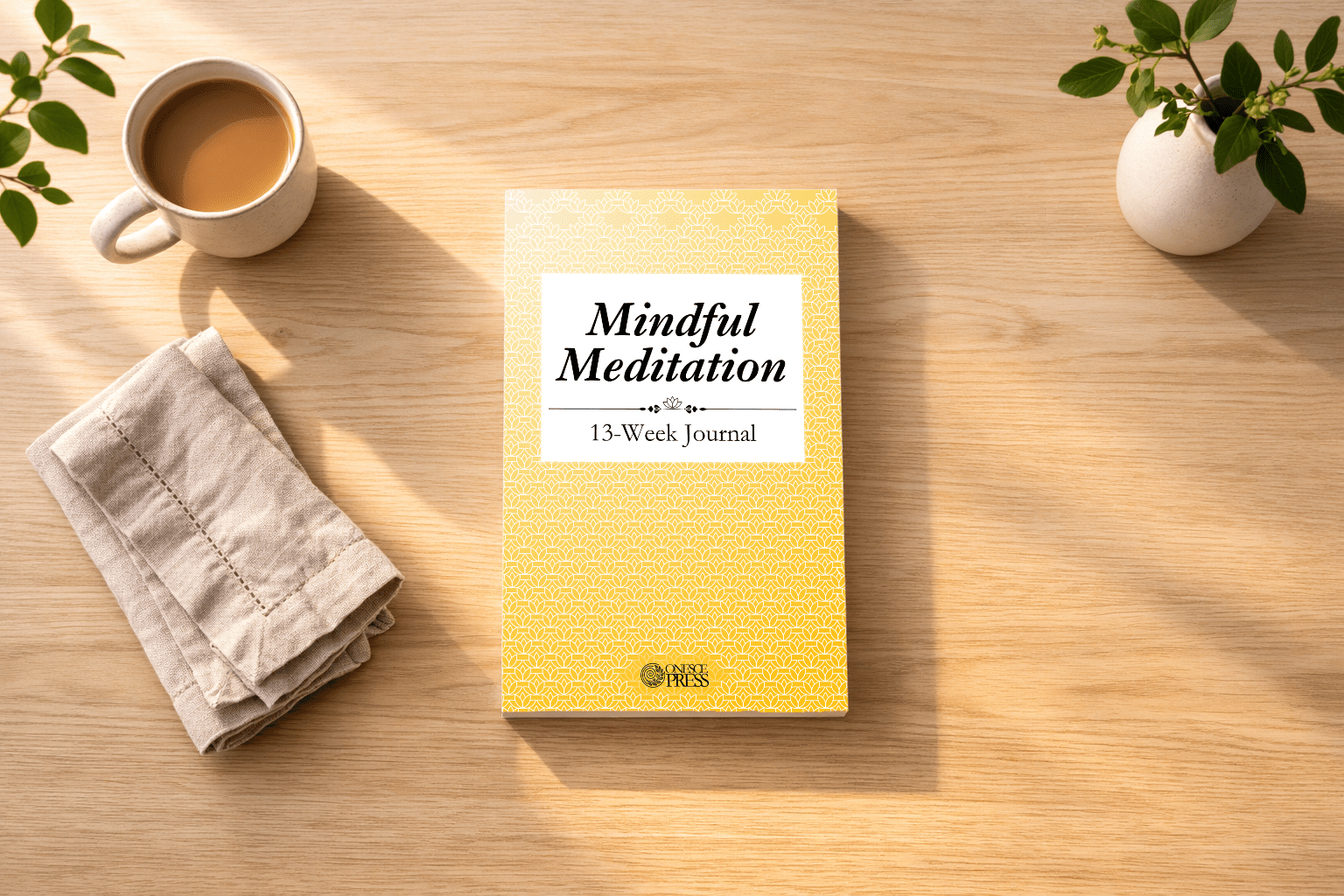
Mindful Meditation
Quiet your “monkey mind,” record your experiences, & deepen your practice.
Integrating Devotion Into Daily Life
Living a Devotional Life
Weaving devotion into daily life involves small but intentional actions. These practices cultivate a sense of presence and purpose in everything you do.
Practical Tips:
- Start your day with a moment of silence or prayer.
- Use affirmations to set the tone for your interactions and responsibilities.
- Practice mindful eating by appreciating the nourishment your food provides.
The Feedback Loop of Devotion
Devotion creates a positive feedback loop. The more you engage with devotional practices, the more clarity, purpose, and self-worth you cultivate. This, in turn, motivates deeper commitment, creating a cycle of continuous growth.

Conclusion: A Life Rooted in Devotion has Boundless Benefits
Devotion is more than a spiritual practice; it’s a way to infuse your entire life with meaning and purpose. By aligning your actions with your values and cultivating consistency, devotion becomes a transformative force.
Take your next step towards a more devotional life today! Choose one area of your life and ask, “How can I approach this with devotion?”
Whether through journaling, intuitive practices, or sacred habits, devotion offers a path to authentic growth and fulfillment. May we all experience the profound fulfillment of a life rooted in devotion.