


Duration: 15 minutes
Stress is part of life, but it doesn’t have to define our experiences. Even when the world feels heavy or overwhelming, we can find a sense of peace and power within ourselves. Meditation is one practice that offers us that path. It’s not about escaping reality or striving for perfection, but rather, it teaches us how to meet each moment with more presence. In this way, it’s a tool for creating space between reaction and response, reminding us that we are more capable of handling stress than we might think.
Meditation Practice
Take your practice to the next level, & the next… With a Year and a Day commitment.

At its core, meditation is a return to ourselves. A return to the breath, to the body, and to what really matters. Through consistent practice, we learn how to release tension, restore balance, and cultivate the kind of emotional resilience that carries us through life’s challenges with grace and confidence. More than a technique for relaxation, it’s a framework for growth, healing, and empowered living.
Let’s explore how meditation can reduce stress, support emotional resilience, and help us build more balance in our lives from the inside out. We’ll look at practices that are easy to integrate, tools that offer immediate relief, and mindset shifts that open the door to lasting change. Whether you’re brand new to meditation or looking to deepen your relationship with it, this journey is one you can begin right now.

Meditation for Stress Relief Works
Stress affects more than just our mood, influencing how we think, how we breathe, how we move, and how we connect. Meditation gives us a way to interrupt that stress cycle by guiding the mind and body back into balance. It helps regulate the nervous system, lowers stress hormones, and increases our capacity to stay centered—even when life feels anything but calm.
Meditation for stress relief can take many forms. A structured practice might involve sitting quietly for ten minutes, focusing on the breath, repeating an affirmation, or visualizing a calming scene. These rituals create a safe and steady container where tension can unwind and clarity can return.

The benefits of meditation aren’t limited to quiet rooms or perfect conditions either. Mindfulness techniques, like a few deep breaths before a difficult conversation or pausing to notice the sensations in your body during a stressful moment, are just as impactful. These tools teach us that relief doesn’t always require a full retreat. Sometimes, a simple shift in awareness is all we need to come back into balance.
With regular practice, we begin to recognize our patterns and access a deeper sense of agency. We feel less reactive, more grounded, and more capable of facing life with intention rather than urgency. Meditation doesn’t remove stress from our lives, but it does change our relationship to it, and that shift can change everything.

Find Inner Calm with Mindfulness
True calm isn’t about avoiding life’s challenges, it’s about building the emotional balance to be able to meet them with clarity and resilience. Meditation trains us in that balance. Through simple techniques that reconnect us with the breath, body, and heart, we learn how to quiet the noise and settle into ourselves. With practice, this resilience cascades out into every area of our lives, even when the world around us feels turbulent.
One of the most accessible ways to begin this training is with mindful breathing. By gently focusing on the inhale and exhale—without trying to change or control it—we anchor ourselves in the present moment. This alone can signal safety to the nervous system and ease both mental and physical tension.
Body scan meditation is another powerful technique. By slowly bringing awareness to each area of the body, from head to toe, we invite both presence and release. As we notice areas of tightness or fatigue without judgment, we allow relaxation to naturally unfold within us.
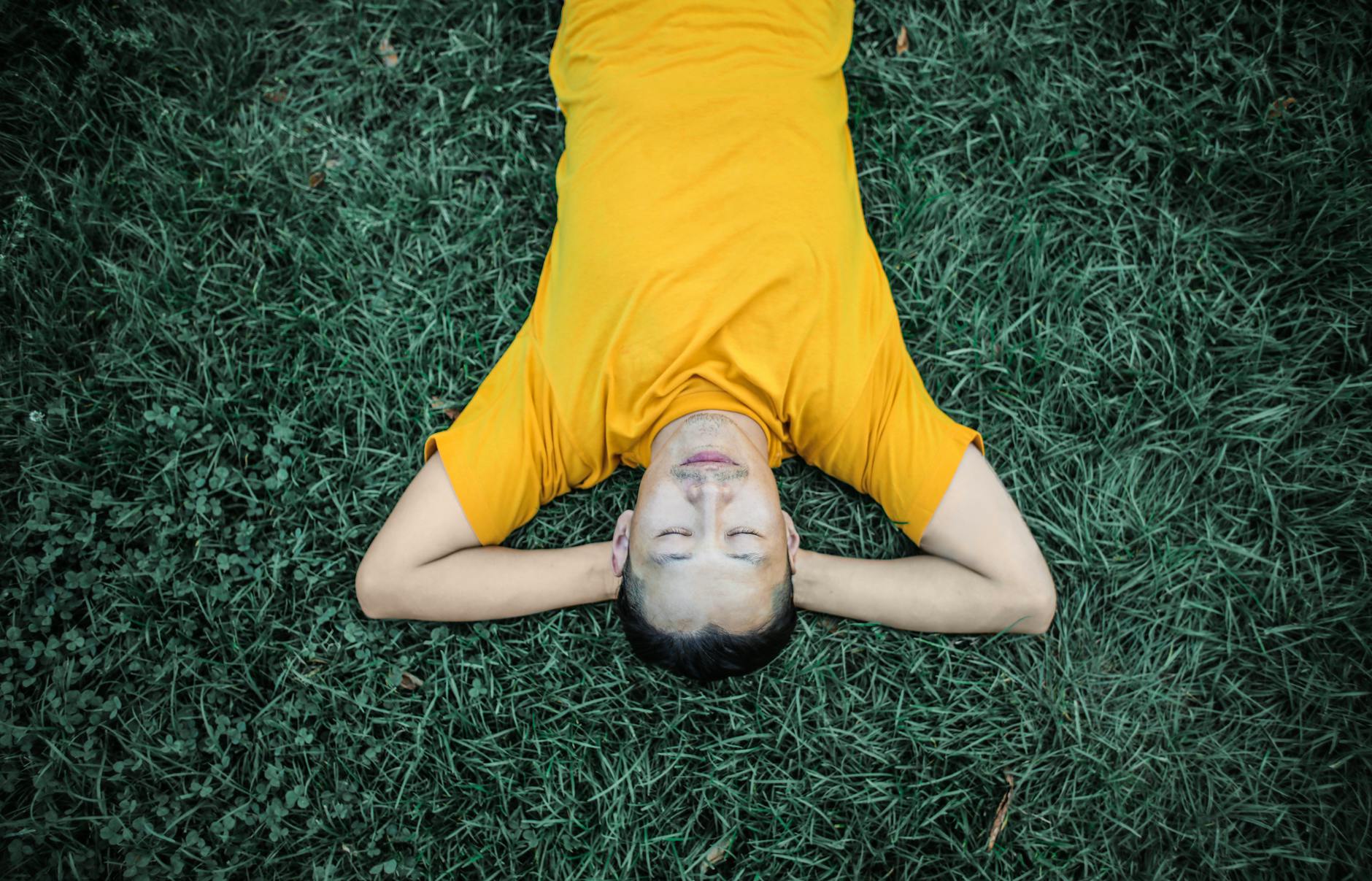
Loving-kindness meditation helps us move beyond stress by softening into compassion. In this practice, we silently repeat phrases of goodwill, first to ourselves and then to others. Phrases like “May I be safe, may I be well, may I be at ease,” offer emotional nourishment and foster connection, dissolving stress at its source.
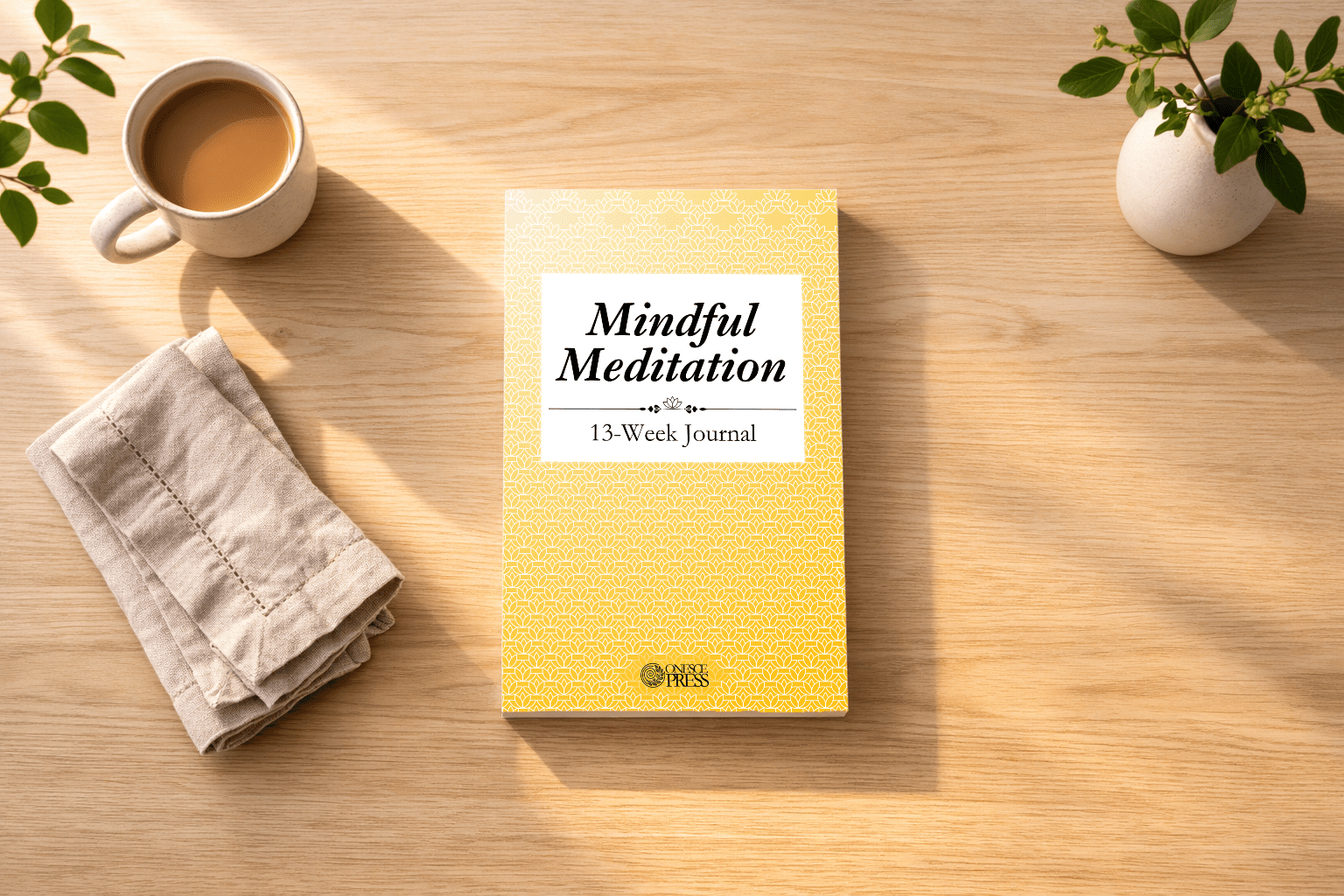
Mindful Meditation
Quiet your “monkey mind,” record your experiences, & deepen your practice.
Even small moments of intentional gratitude can restore calm. Pausing to reflect on one thing that we’re thankful for, however simple, helps shift the emotional landscape. Gratitude reorients the mind from pressure to presence, from depletion to renewal.
These practices don’t require perfection or long stretches of time. They simply ask for our attention. With every breath we take on purpose, we begin to remember: peace is found by listening more closely to what we need, and it doesn’t require us to force our minds to be quiet.

Emotional Balance: Be Response-Able
Emotional balance means learning how to stay present with difficult feelings, rather than being controlled by them or avoiding them. This allows us to face life’s challenges without becoming overwhelmed or getting carried away. Meditation supports this process by helping us witness our inner experience with gentleness and curiosity, rather than judgment or resistance.
When we sit with our breath, notice our thoughts, or feel into our body during meditation, we’re practicing emotional awareness. Over time, this awareness becomes a habit. We begin to recognize when emotions are rising, and instead of reacting impulsively, we pause. That pause is powerful, giving us space to choose how we want to respond.

In this way, meditation for stress relief helps us become more response-able, or more capable of meeting each moment with clarity rather than reactivity. Whether it’s through a formal sitting practice or simply a moment of mindfulness during conflict, we’re training ourselves to stay grounded in the face of stress.
Self-compassion plays a key role in emotional balance as well. Many meditation practices, such as loving-kindness or intentional reflection, help us soften toward ourselves. When we respond to our inner world with kindness, we create the safety needed for true growth and healing.
Over time, this balance ripples outward. As we become more emotionally steady, our relationships improve, our decision-making sharpens, and we begin to embody the calm we’ve been cultivating. We stop getting pulled by every wave and start learning how to ride them, anchored in our practiced presence, and aligned with who we really want to be.

Emotional Resilience: Strength Within
Resilience requires learning how to move through challenging situations with grace and self-trust. Meditation helps us build this kind of resilience by strengthening our ability to stay connected to ourselves even in the face of stress, disappointment, or uncertainty.
When we engage with meditation for stress relief regularly, we cultivate a calm, steady presence that becomes a reliable, emotional foundation. Over time, this internal steadiness becomes more accessible—even during moments of difficulty. Instead of spiraling or shutting down, we return to the breath, to awareness, and from that place we can choose how to move forward.

Meditation also creates space for reflection and reframing. Through practices like setting intention or silently repeating affirmations, we begin to shift our inner narrative. Rather than feeding fear or frustration, we can anchor into thoughts like: “I am safe,” “I trust myself,” or “This moment will pass.” These simple reminders reinforce strength, compassion, and clarity from the inside out.
Emotional resilience is less about pushing through our difficulties and more about softening into our own awareness, with grace and care. It’s the result of showing up for ourselves again and again, even when things feel messy or hard. Meditation invites us to keep returning, with breath and awareness, to the part of us that remains whole and wise regardless of our circumstances. With each practice, we become less reactive and more rooted, we start to trust that we can meet whatever comes by breathing through it.

The Best Techniques for Stress Relief
There’s no single way to practice meditation for stress relief. What matters most is finding techniques that resonate with you and practices you’ll actually return to, not because you have to, but because they help you feel better. Whether you’re just starting out or looking to deepen your practice, there are a variety of methods that support relaxation, clarity, and emotional stability.
Meditation Practice
Take your practice to the next level, & the next… With a Year and a Day commitment.
One of the most effective starting points is deep breathing. Slow, conscious inhales and extended exhales activate the body’s relaxation response, calming the nervous system and easing mental tension. Even a few minutes of breath-focused meditation can interrupt stress and bring you back to a sense of grounded presence.
Progressive muscle relaxation is another powerful practice. By tensing and releasing each muscle group in the body—from toes to forehead—you become more aware of where tension hides in your anatomy and how to let it go. This physical release often creates mental clarity and a surprising sense of peace.

Guided imagery can also be deeply restorative. Listening to a calming voice guide you through a peaceful scene (like a forest, a beach, or a safe, quiet room) allows the mind to relax and the body to follow. These visualizations can be paired with affirmations or intentions for added impact.
Finally, silent sitting with a focus on the breath or a simple mantra is one of the most direct ways to practice meditation for stress relief. Though it may feel challenging at first, this classic mindfulness meditation practice builds focus, awareness, and emotional strength over time.
Each of these mindfulness techniques offer something different, and you may find that different moments call for different tools. The invitation is to explore, gently and consistently, until you discover what brings you back to calm most naturally.

Integrating Meditation into Daily Life
Meditation for stress relief becomes most effective when it moves beyond a single session and into the rhythm of everyday life. While setting aside quiet time for practice is valuable in and of itself, it’s often small mindset shifts in the moment that illustrate the lasting changes it helps generate. The more we weave mindfulness into our routines, the more naturally calm and resilience can arise when we need them most.
Start simple. Even five minutes of breath-focused meditation in the morning can shift the tone of your day. You might also take a few mindful breaths before a meeting, use a body scan to wind down before sleep, or practice gratitude during a midday walk. These brief pauses reconnect you with the present and offer a reset, no matter what’s happening around you.

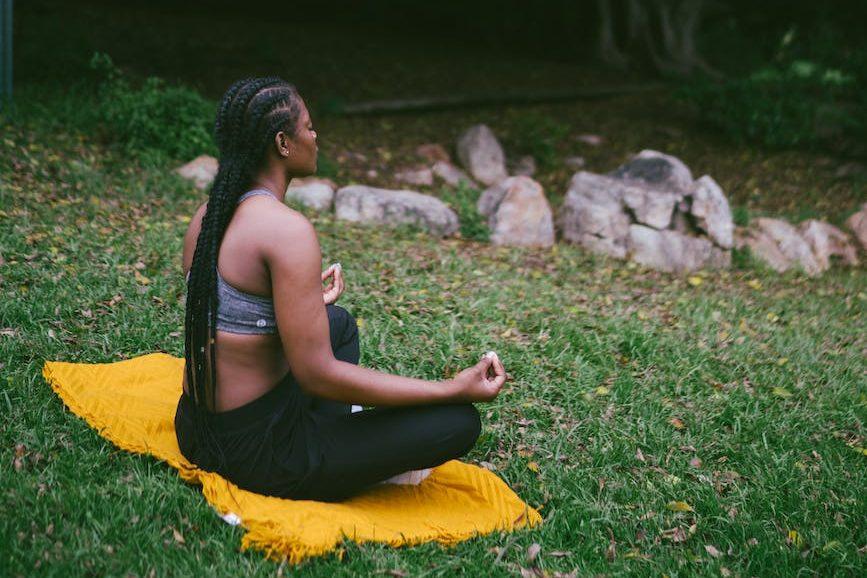
If structure helps, choose a time and space to practice daily. A cushion by a window, a quiet moment with a candle, or even an app on your phone can serve as gentle reminders. Remember, meditation doesn’t require perfection, and it’s okay if your practice changes day to day. What matters is the intention to return, again and again, to your breath, your awareness, and your sense of self.
Over time, meditation for stress relief stops being something you do only when you’re overwhelmed. It becomes something you lean into naturally—because it works, because it supports you, and because it reminds you that peace is always within reach.
Conclusion: Meditation for Stress Relief is an Invitation to Inner Peace
Stress may be a part of life, but it doesn’t have to run the show. When we choose to pause, breathe, and turn inward, we remember something essential: our ability to meet life with clarity, steadiness, and care. Meditation for stress relief is not about escaping life’s pressures, but rather, it’s about transforming how we relate to them.
Through regular practice, we find a sense of calm that isn’t dependent on circumstances. We learn to soften into breath, listen to the body, and sit with our emotions without being overwhelmed. We become more balanced because we become more present, more compassionate, and more rooted in ourselves.
Whether it’s a few minutes of mindful breathing, a quiet moment of reflection, or a guided visualization before sleep, these practices help us release tension and build resilience. They create space to respond instead of react, to hold steady instead of collapse. They remind us that peace doesn’t come from perfection, but from practice. Start gently, choose one technique, and give yourself permission to slow down.
Mindful Meditation
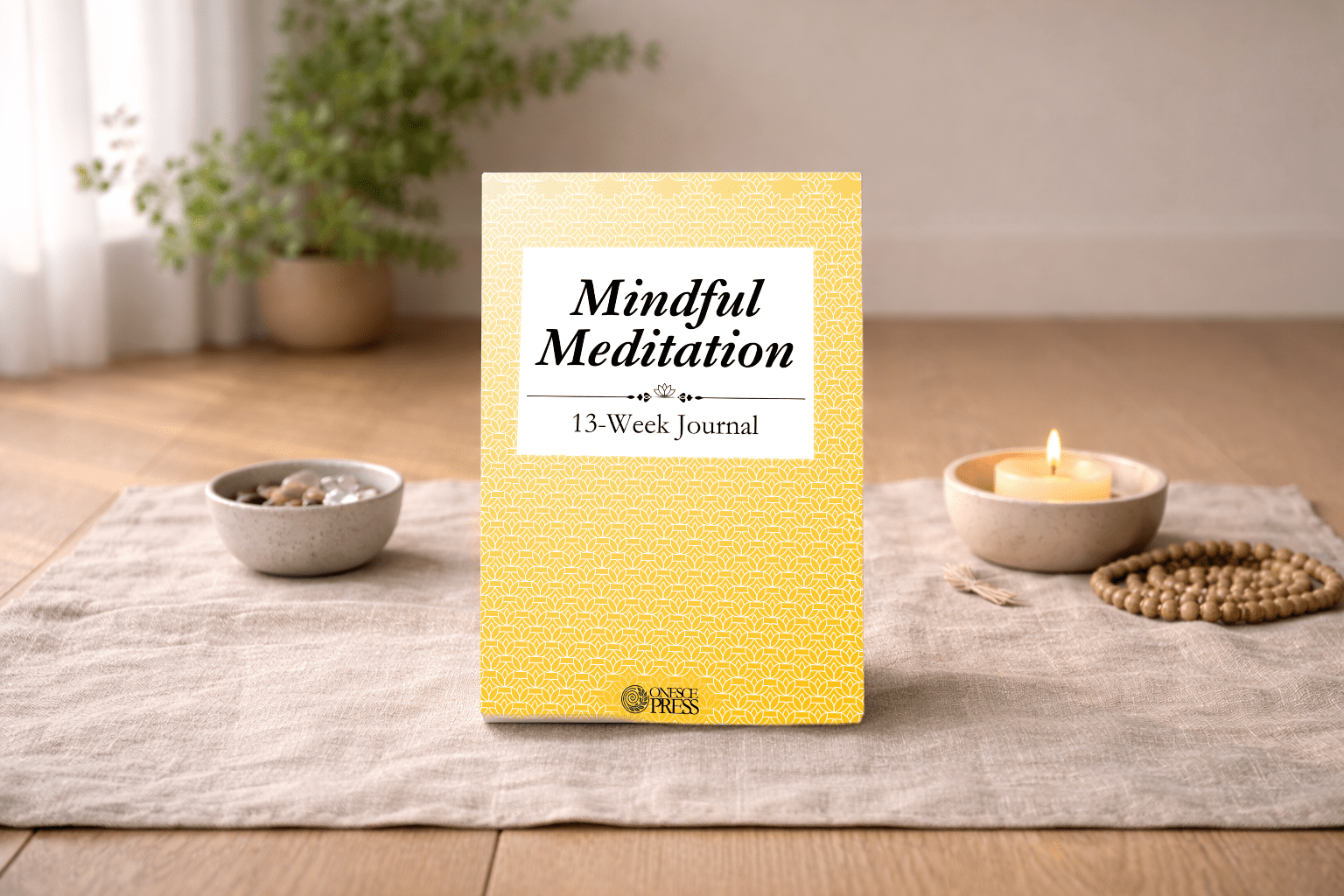
JOURNAL FEATURES:
- Your companion on a 13-Week journey of discovery and personal growth.
- Soothe the “monkey mind” and record details about your meditation experiences.
- Honor responsibilities and distractions, then tap into what your subconscious is doing.
- Watch your new devotional practice grow organically as you give yourself the grace to show up, just as you are.
Give yourself the gift of more mindfulness. You can also find this journal on Amazon!