

Duration: 16 minutes
A calm mind and a relaxed body are essential for navigating life with clarity, resilience, and ease. Yet in the pace and pressure of our modern world, it’s easy to forget how to slow down and nourish ourselves. Between constant stimulation, high demands, and emotional overload, stress can accumulate quietly until it becomes the background noise of our days.
Fortunately, cultivating a sense of calm doesn’t require escaping our lives. With the right tools and just a few intentional minutes, we can return to balance and create space for the peace we crave. From breathwork to movement, sensory grounding to classic meditation, there are many mindful practices that offer us ways to cultivate more peace and resilience.
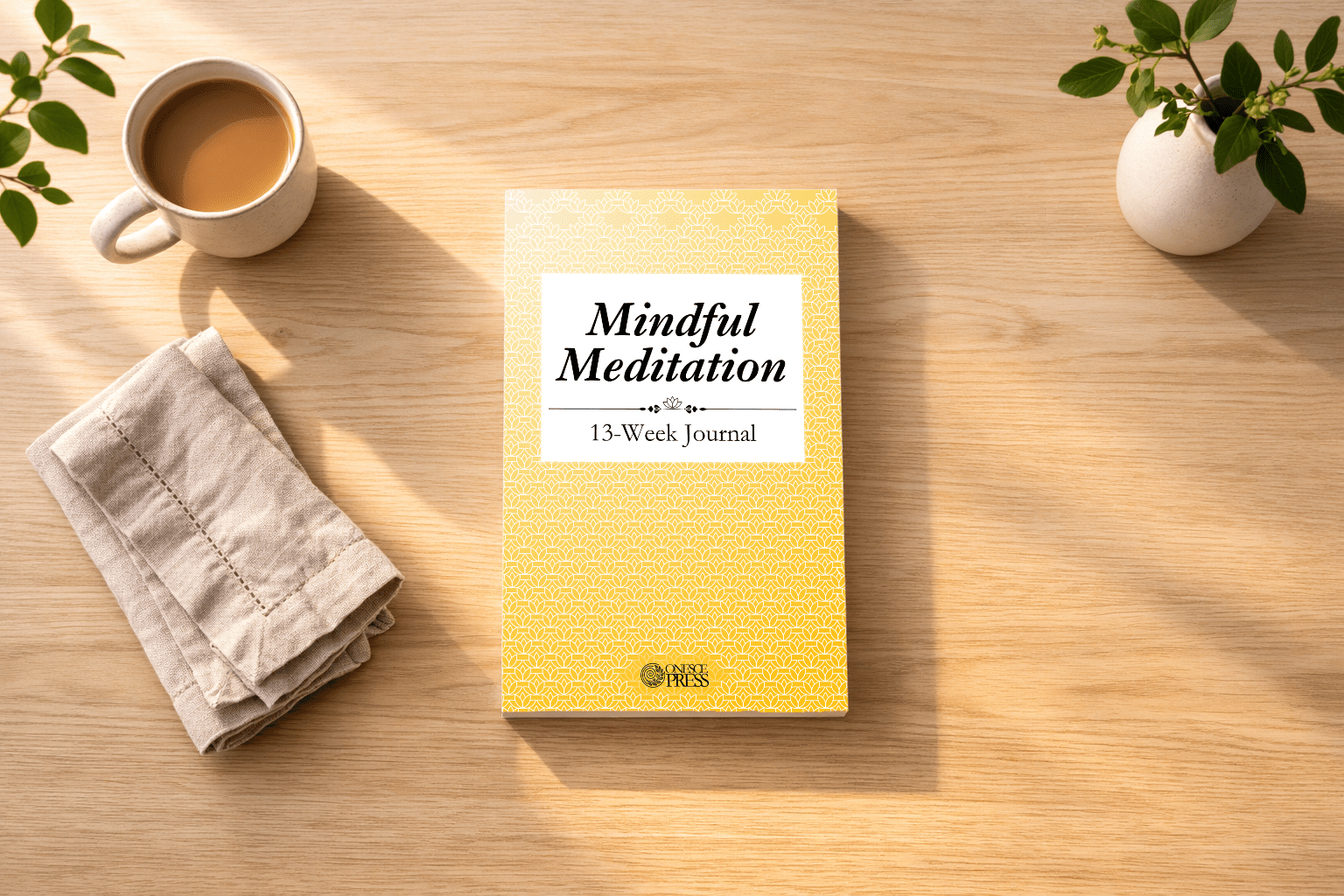
Mindful Meditation
Quiet your “monkey mind,” record your experiences, & deepen your practice.
Let’s explore six accessible tools that support a relaxed body, a calm mind, and provide the much needed stress relief we’ve all been seeking. These techniques are gentle, flexible, and easy to integrate into daily life. Whether you’re seeking a reset in the middle of a stressful day or building a regular practice for long-term stress relief, this will help you know how to begin.

#1: Deep Breathing
When we’re stressed, our breath is often the first thing to change. It can quickly become shallow, rapid, or held without us even realizing it. Reconnecting with the breath is one of the simplest and most effective ways to achieve a calm mind and relaxed body. It invites the nervous system to shift out of fight-or-flight and into rest-and-restore mode, often within just a few cycles, making it one of the most accessible tools for stress relief.
All we need to do is take a slow breath in through the nose, mindfully feeling the air expand our lungs and soften our bellies. Then, as we exhale gently through the mouth, we allow tension to leave our bodies with the breath. Finally, we pause briefly before the next inhale. This pattern alone can signal safety to the brain and begin to soothe stress.
Try Deep Breathing:
We can also experiment with structured breathing techniques like box breathing. For this technique, we inhale for four counts, hold in for four, exhale for four, and then hold out for four. Another method to try is called coherent breathing, which is the practice of breathing at the slow, even rhythm of five to six breaths per minute. Both techniques have been shown to reduce anxiety and support greater mental clarity.
The best part is, breathing is a portable, always-available tool. We can easily use it during a meeting, while stuck in traffic, or before we fall asleep. With regular attention, deep breathing can be more than just a practice, becoming an instinctive pattern of self-soothing, stress relief, and inner peace. That’s why it’s our number one tool for supporting a calm mind, a relaxed body, and greater resilience in daily life.
#2: Progressive Muscle Relaxation
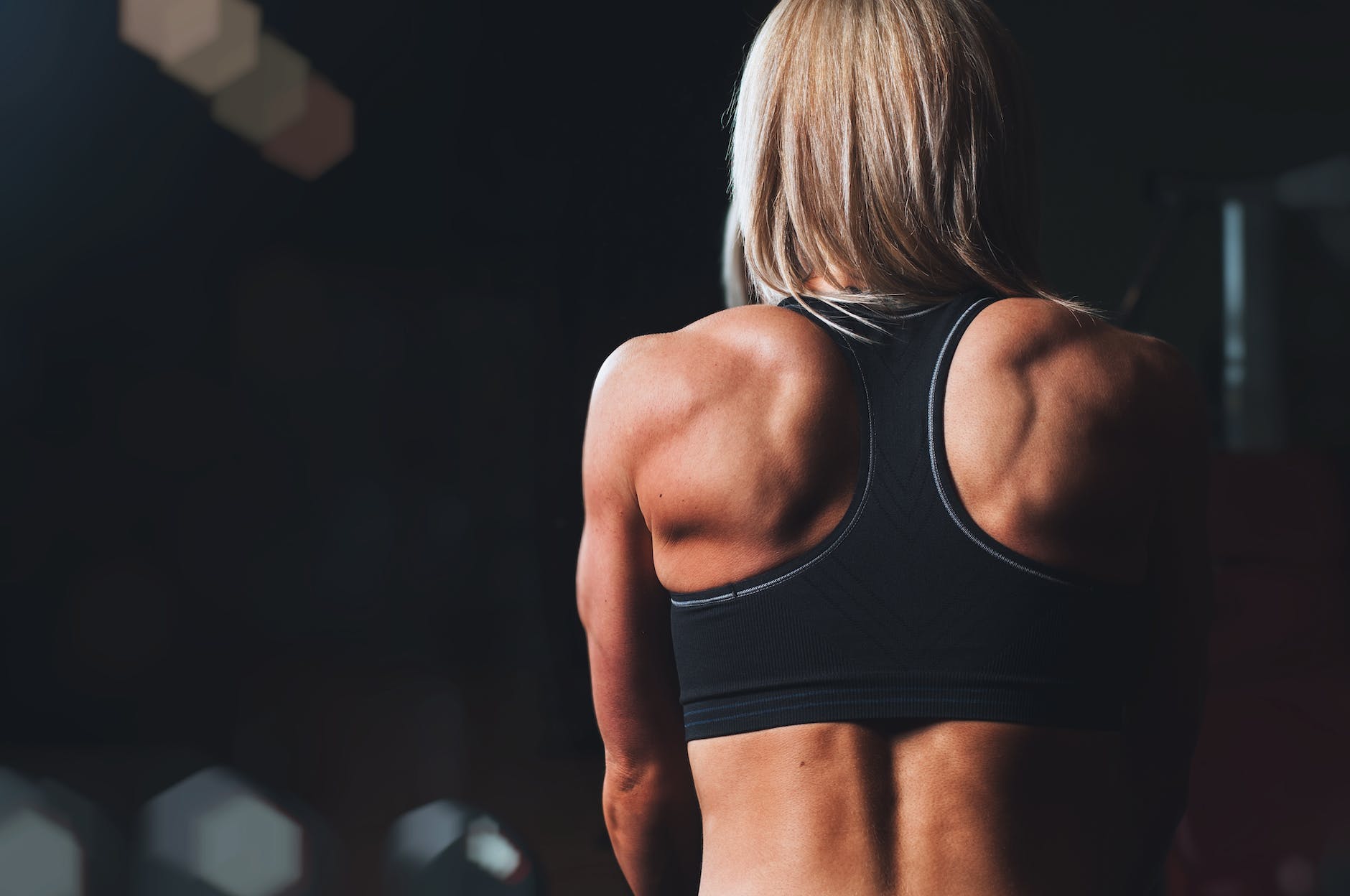
Stress doesn’t just affect our thoughts, it also lives in the body. Tight shoulders, clenched jaws, restlessness, and fatigue are often physical reflections of mental strain. Progressive muscle relaxation is a simple and powerful technique that helps us unwind by consciously releasing that tension, one area at a time.
This practice involves gently tensing and then relaxing individual muscle groups in a slow, intentional sequence. We can try this for ourselves by starting at our feet, curling our toes and holding that tension for a few seconds, then releasing to feel the difference. From there, we move upward through our legs, hips, abdomen, chest, hands, arms, shoulders, neck, and face. With each progressive release, we let our awareness settle more into the feeling of ease.
Try Progressive Muscle Relaxation:
What makes this technique so effective is the contrast it creates. By first engaging tension, we become more aware of where we’re holding it, and also more attuned to the relief that follows. This brings the body into deeper rest while also calming the mind.
Progressive muscle relaxation can be practiced lying down before sleep, during moments of anxiety, or even seated at your desk. Over time, it teaches the body how to relax more naturally and helps cultivate a sense of embodied presence. That’s why this tool made our list, it’s something accessible that supports both ongoing stress relief and physical calm.
#3: Guided Imagery
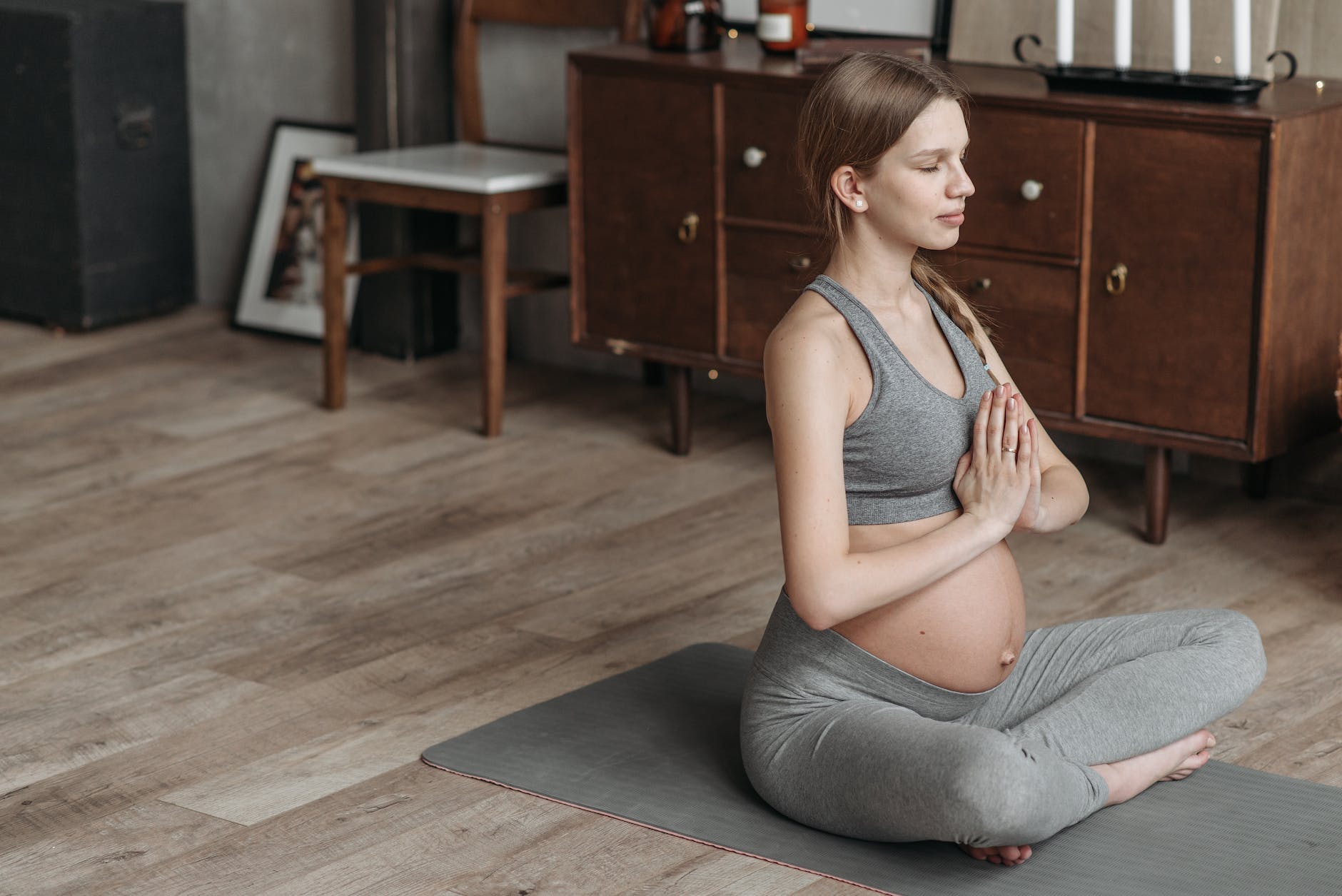
Sometimes, the fastest way to calm the mind is to gently lead it somewhere soothing. Guided imagery offers just that: a structured journey through the imagination that invites relaxation, presence, and emotional ease. It blends visualization with mindfulness, allowing us to mentally step into a calming scene where stress begins to dissolve on its own.
To try this, we’ll want to find a quiet place where we can close our eyes. Then, we’ll begin by picturing a peaceful setting, like a forest trail, an ocean shore, or a quiet garden. Next, we will take our time to notice all the details: the colors, the sounds, and the textures around us. Imagining the warmth of sunlight on our skin or the scent of pine in the air. As the image becomes more vivid, our nervous systems will begin to respond, shifting into a calmer, more receptive state.
Try Guided Imagery:
We can also use recordings of guided imagery meditations or create our own internal scripts based on what brings us peace. Even a few minutes of vivid, sensory-based visualization can help us reframe our mood, slow our thoughts, and relax our bodies.
Guided imagery is especially useful if we’re feeling overstimulated or find ourselves stuck in mental overdrive. It gives the mind something gentle and focused to do, offering both rest and restoration. With practice, it becomes a place we can return to anytime we need more calm. It’s on our list because its another effective tool that’s not outside of ourselves, but within.
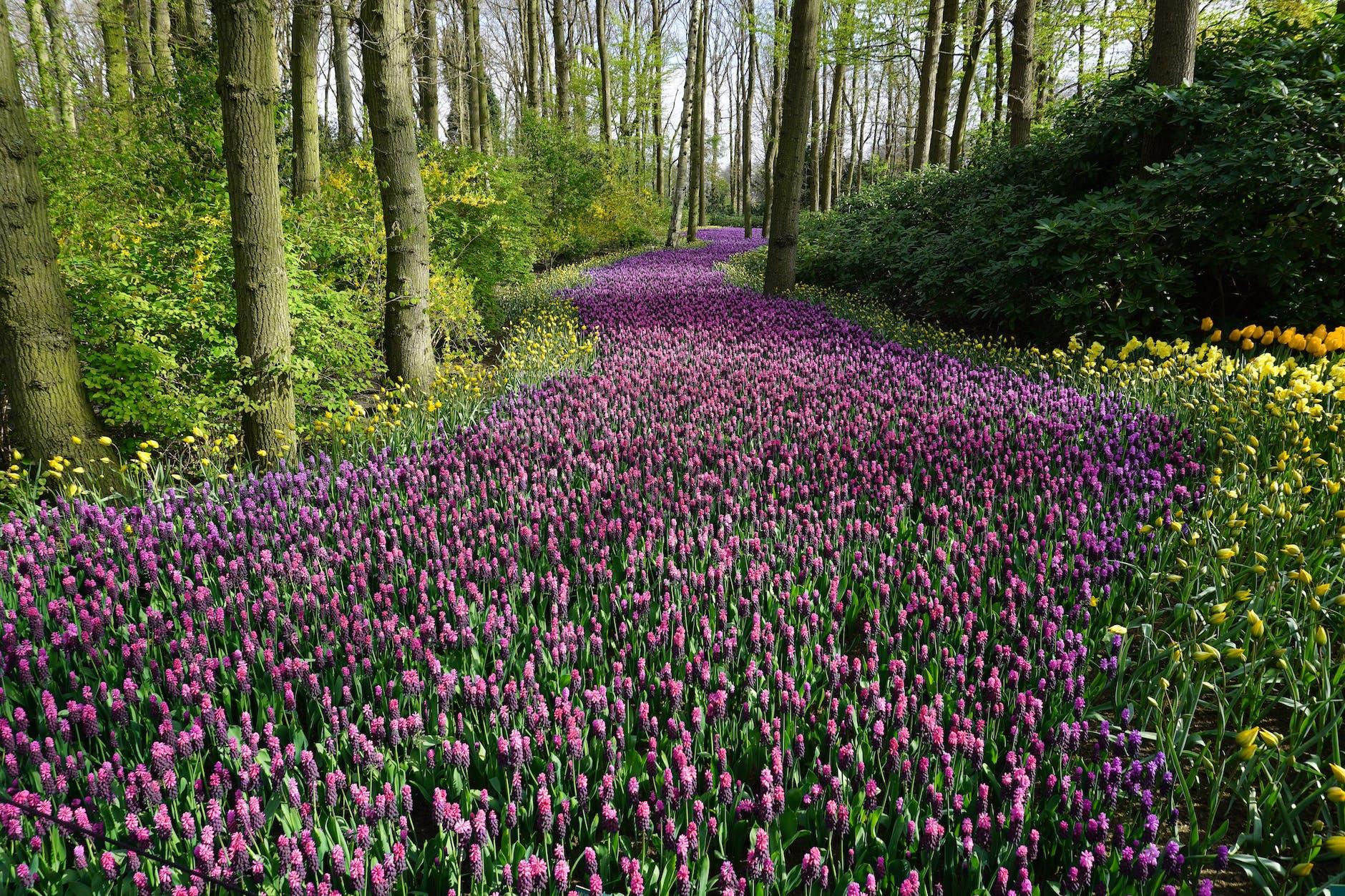
#4: Mindful Walking
Peacefulness doesn’t always mean sitting still. For many of us, movement offers a natural way to quiet the mind and connect with the present moment. Mindful walking transforms something ordinary—taking a walk—into a meditative practice that supports both a calm mind and a relaxed body.
To begin, we’ll want to choose a path where we can walk without needing to rush or multitask. As we move, we will bring our attention to the sensations in our bodies: the way our feet meet the ground, the rhythm of our breath, and the sway of our arms. We’ll also take notice of the world around us: the light, the sounds, and the air on our skin. With mindfulness, each step becomes a cue to return to now.
Try Mindful Walking:
There’s no need to walk slowly unless it helps you focus. The intention is what matters. As your awareness deepens, you may find that mental chatter begins to soften, replaced by a sense of rhythm, grounding, and spaciousness. Even a short walk, taken with presence, can change the pace of our thoughts and the tone of our day.
Mindful walking can be a powerful tool for stress relief, especially during transitions. It’s a great technique to employ between meetings, after a long day, or when our energy feels scattered. It reconnects us to our bodies, our breath, and our surroundings in a way that feels both energizing and soothing. That’s why we simply had to include it in this tranquility essentials list.

#5: Sensory Relaxation
Our senses are powerful gateways to the present moment. When we intentionally engage them, we invite both the mind and body to soften. Sensory relaxation is a gentle, accessible way to shift out of stress and into a state of ease. By simply paying attention to what we can touch, taste, smell, hear, and see we give ourselves the opportunity to recenter in the present moment.
We can easily start practicing this technique by choosing a calming sensory activity. This could be sipping a warm cup of herbal tea, taking a bath with essential oils, listening to soothing music, or even just lighting a candle that has a comforting scent. Instead of rushing through the experience, we’ll slow down and notice the details. Perhaps this means feeling the warmth of the mug in your hands, listening to the sound of water or a birdsong, letting the scent of the candle arouse your senses, or even just noticing the warmth of the sunlight on your skin.
Try Sensory Relaxation:
This kind of intentional presence signals to the nervous system that we are safe, helping our bodies relax and our minds calm, naturally. It’s especially helpful if we are feeling overstimulated, disconnected, or emotionally drained. By immersing ourselves in sensory details, we return to physical awareness and interrupt mental tension or overload.
Sensory relaxation doesn’t require extra time or planning. It’s about weaving peace into what you’re already doing. Whether it’s enjoying the softness of a blanket, the flavor of a meal, or the sounds of nature, each sensory moment becomes an invitation to slow down and feel at ease. This accessibility and adaptability made it an important inclusion for this list.

#6: Classic Meditation & Mindfulness
At the heart of many relaxation practices is one timeless technique: mindfulness meditation. Simple, steady, and profoundly effective, these practices teach us to come back to the present moment—again and again—until it becomes familiar ground. In doing so, we support a calm mind, a relaxed body, and a more balanced way of moving through the world.
To begin, we’ll find a quiet place where we can sit comfortably. Closing our eyes or softening our gaze, we’ll then bring our attention to either the breath, a repeated word or phrase, or even just the sensation of sitting. When thoughts arise, we allow ourselves to notice them, and then gently return to our point of focus. There’s no need to force stillness or chase silence. The practice is in these repeated returns, as we rehearse providing ourselves grace and patience.
Join mayryanna for Daily Meditation:
Over time, this act of returning strengthens mental clarity, reduces reactivity, and helps release the grip of stress. Even five minutes a day can make a difference! Additionally, because the breath is always with us, meditation can be practiced anywhere. Go ahead and try it during a commute, in the shower, or before sleep to test its versitility for yourself.
At it’s core, meditation isn’t about escaping life, but rather a tool that helps us become more present for it. By sitting with ourselves in quiet awareness, we give our minds and bodies the chance to rest, reset, and rebuild a new baseline for peace. So, of course these classic tools had to be included in this list too.
Conclusion: We Can Always Return to Calm, One Breath at a Time
Relaxation isn’t something we have to wait for, it’s something we can choose to cultivate for ourselves, even amidst crisis and overwhelm. With the right tools and some intention, we can support a calm mind, a relaxed body, and a greater sense of balance in our lives. Whether it’s through deep breathing, mindful movement, sensory engagement, or quiet meditation, these practices invite us back to ourselves and provide us with the stress relief our modern lives need.
There’s no perfect place to begin, all it takes is the willingness to pause and engage more mindfully, more purposefully. Each small step we take toward inner peace adds up. Over time, we build more than a routine, we build resilience that carries over into every aspect of life. These techniques and tools, even as simple and accessible as they are, ultimately train our nervous systems to recognize safety, our minds to slow down, and our bodies to release the heaviness they’ve been carrying.
We hope this inspires you to try at least one of these powerful techniques. Perhaps even starting with a single, nurturing breath. Remember, peace isn’t something far away—it’s something we can return to, one intentional moment at a time.
Meditation Practice
LOGBOOK FEATURES:
- Your companion on a 366-Day adventure in devotion and commitment.
- Developed with the Year and a Day framework to challenge and inspire.
- Simple and straightforward logging with space for key intentions and reflections.
- Enjoy the benefits of tracking your progress and the details of your practice in one place.
You can also get your copy on Amazon. Don’t wait, take your practice to the next level:
