


Duration: 17 minutes
Meditation is one of the most powerful tools we have for cultivating clarity, balance, and inner peace. For many of us, this journey begins with a single question: how do I start? With so many approaches available, it’s easy to feel overwhelmed. The truth is, there’s no one right way to meditate. There are countless types of meditation, each designed to meet us where we are—mentally, emotionally, and spiritually.
From ancient disciplines rooted in silence and breath to modern practices filled with movement, music, or visualization, meditation techniques offer something for everyone. Whether you’re drawn to quiet moments of reflection or energizing mantras that lift your spirit, each technique provides a pathway into the present moment. These practices don’t just teach us how to meditate, they show us how to live with more mindfulness, compassion, and intention.
Mindful Meditation
Quiet your “monkey mind,” record your experiences, & deepen your practice.
Let’s explore six powerful forms of mindfulness and meditation that can support us on our journeys of growth. We’ll look at the unique features and benefits of meditation styles like loving-kindness, mantra, visualization, body scan, and more. We’ll learn how we can experiment, adapt, and discover what works best for our unique lifestyles. Whether you’re just beginning or looking to deepen an existing practice, these techniques can help you build a routine that supports real transformation.
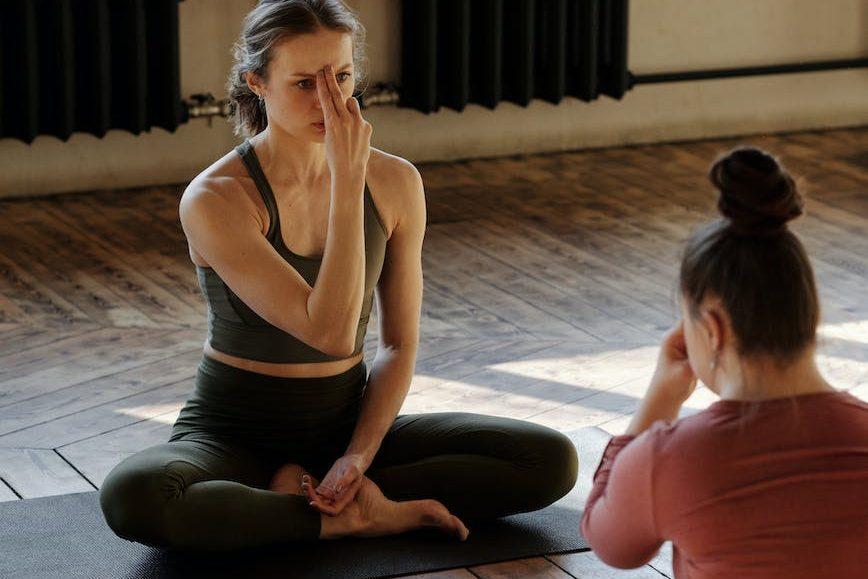
#1: Mindfulness – Anchoring Awareness in the Now
At the heart of many meditation styles lies mindfulness meditation, a foundational practice that teaches us how to be fully present without judgment. Rooted in ancient Buddhist traditions and supported by decades of modern research, mindfulness meditation invites us to observe our thoughts, emotions, and bodily sensations as they arise—without trying to change, resist, or chase them.
This technique helps us develop what some call “witness consciousness,” or the ability to notice our inner and outer experiences with compassionate awareness. Over time, this practice reduces stress, improves focus, and enhances emotional regulation, making it one of the most well-documented and widely practiced types of meditation around the world.

What makes mindfulness meditation so accessible is its flexibility. It can be practiced seated in silence, but it also extends beautifully into daily life. Mindful walking, mindful eating, and even mindful cleaning are all powerful adaptations of this practice. When we slow down and truly tune in—feeling the texture of our food, hearing the rhythm of our footsteps, or noticing the breath while washing dishes—we shift from autopilot to presence. These moments bring us back to the richness of now.
The greatest benefits of meditation arise when mindfulness becomes part of how we live, not just something we do. By weaving this simple yet profound awareness into ordinary tasks, we deepen our connection to ourselves and the world around us. It’s in that awareness that we find more clarity, heightened resilience, and an abiding sense of peace.

#2: Loving-Kindness – Cultivating Compassion
Among the most heart-opening meditation techniques, loving-kindness meditation—also known as metta—helps us develop a deep sense of connection, empathy, and emotional healing. The practice centers on silently repeating phrases of goodwill, such as “May I be happy,” “May you be healthy,” or “May all beings be at peace.” These affirmations are directed first toward ourselves, then extended outward to loved ones, acquaintances, and then even those we struggle with.
This type of meditation is particularly effective for reducing feelings of anger, resentment, and loneliness. By practicing unconditional love in a structured and intentional way, we rewire our emotional responses and soften the grip of judgment and separation. Studies show that regular loving-kindness practice can increase compassion, improve relationships, and enhance overall emotional well-being. This highlights metta as one of the most unique meditation tools for inner and interpersonal transformation.
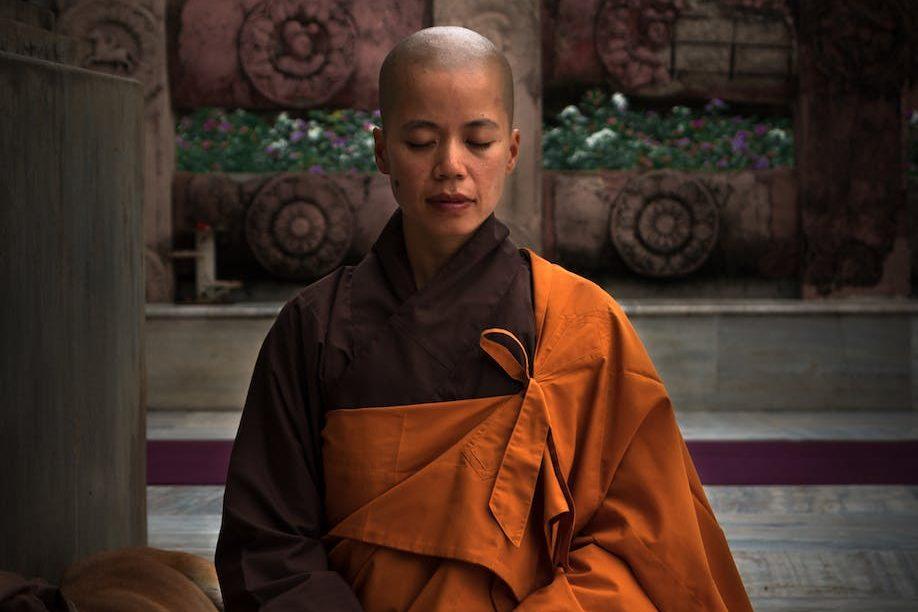
Loving-kindness doesn’t have to be reserved for quiet, seated meditation. It can be integrated into daily life as a prayer-like ritual, a moment of healing during a challenging conversation, or even a way to transmute stress during a traffic jam. With regular practice, it becomes easier to send warmth to ourselves in moments of struggle and extend patience and care to others, even when it feels difficult.
Whether you’re learning how to meditate for the first time or seeking a more heart-centered path, loving-kindness meditation offers a powerful reminder: peace begins within. Love, especially self-love, is a practice we can choose again and again.

#3: Transcendental Meditation & Mantra-Based Practices – Accessing the Subtle Mind
Among the more structured types of meditation, Transcendental Meditation (TM) and other mantra-based practices offer a deeply focused route into inner stillness. At its core, TM involves silently repeating a personal mantra (a specific word or sound) during short daily sessions, typically twice a day for about 10–20 minutes. This repetition helps quiet the mental noise, allowing the mind to settle into a restful, expansive state beyond thought.
The unique benefit of this meditation technique is its ability to induce deep relaxation while maintaining alertness. Many practitioners report enhanced creativity, improved concentration, and a lasting sense of inner peace. Because TM is effortless and non-directive, it appeals to those seeking clarity and calm without needing to focus too intently or control their thoughts.

While TM follows a specific protocol, mantra-based meditation as a broader category is highly adaptable. Repeating sacred sounds such as Om, So Hum, or Sanskrit mantras like Sat Nam can create a rhythmic vibration that supports energetic balance and mental focus. Chanting aloud, singing along with recorded mantras, or whispering affirmations while walking or stretching are all powerful ways to integrate this form of mindfulness meditation into everyday life.
For those learning how to meditate, mantra-based practices provide a simple structure and clear focal point. This can make it easier to return to the breath, the body, or the sound when distractions arise. Whether you follow a traditional lineage like TM or explore chanting within yoga or devotional practice, mantras offer a deeply personal way to attune to your intention and activate subtle awareness.

#3: Visualization – Creating with Imagination
If mindfulness is about seeing clearly what is, visualization meditation is about intentionally imagining what could be. This dynamic practice uses the power of mental imagery to evoke emotions, set intentions, and manifest change—making it one of the most creative and purpose-driven types of meditation.
In a visualization session, we might picture a peaceful landscape to calm the nervous system, envision golden light healing the body, or mentally rehearse a future goal being fulfilled. This technique taps into the brain’s natural ability to simulate experience, which can lead to real shifts in focus, mood, and motivation. Research even shows that visualization can improve performance, increase confidence, and support emotional regulation. This shows that the practical benefits of meditation can go far beyond relaxation.

Visualization meditation is easy to personalize. We might combine it with breath awareness by imagining each inhale bringing in calm and each exhale releasing tension. We can also blend it with mindfulness meditation by observing the emotions that arise during our visual journey. More advanced practitioners might engage in guided visualizations for spiritual exploration, astral travel, or shamanic journeying.
For those learning how to meditate, visualization offers an accessible starting point. It welcomes the imagination and invites emotional engagement, making it especially resonant for visual or intuitive learners. Tools like vision boards, candle-gazing, or recorded visual journeys can help anchor this practice into daily life. When paired with clear intention, visualization becomes more than just daydreaming. Truly, it can be a deliberate act of creation, aligning our inner world with the outcomes we wish to experience.

#5: Breath Awareness – The Rhythm of Presence
Breath is the bridge between the body and the mind, and breath awareness meditation uses that connection to anchor us in the present moment. By gently focusing on the natural rhythm of inhalation and exhalation, we learn to calm the nervous system, quiet the mind, and cultivate inner stillness. Perhaps that’s why this is one of the most foundational and effective meditation techniques available.
In its simplest form, this practice involves observing the breath just as it is—without trying to change it. Over time, this awareness reveals patterns in both body and mind, offering insight into how we react to stress, how we hold tension, and how we can return to balance. For those exploring how to meditate, breath awareness is an ideal starting point, because it’s always accessible, endlessly adaptable, and deeply grounding.
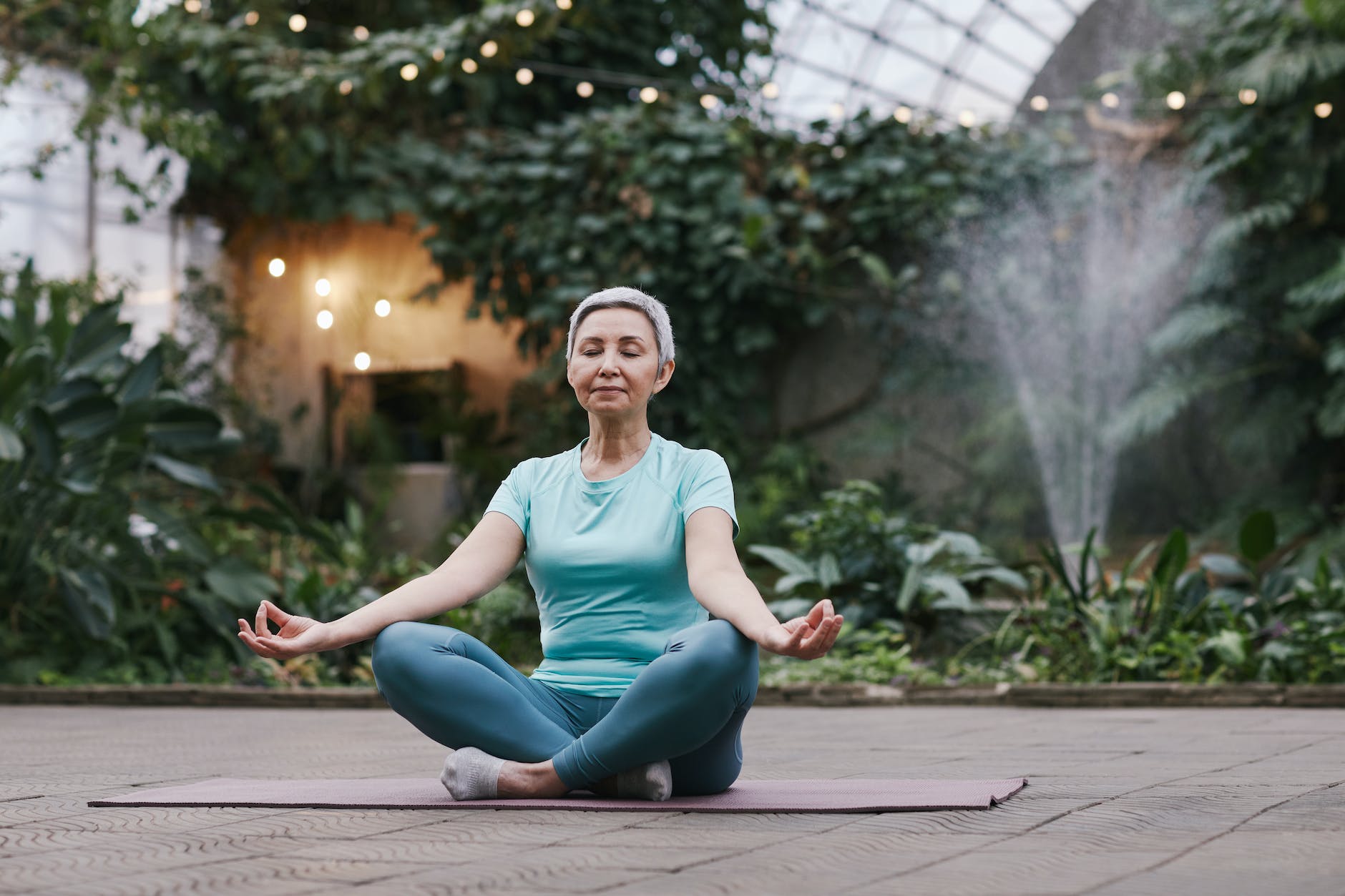
Traditional styles like Zen meditation emphasize breath as the sole point of focus, guiding practitioners toward stillness and detachment. Meanwhile, yogic disciplines such as pranayama incorporate intentional breath patterns to activate energy, calm the body, or balance the emotional field. Advanced systems like Kundalini yoga take it even further by pairing breath with mantras, mudras, and drishtis to awaken spiritual energy and deepen awareness.
The benefits of meditation through breathwork include: reduced anxiety, improved focus, enhanced sleep, and better emotional regulation. Breath awareness also complements other practices beautifully. It can enhance visualization, deepen body scans, or serve as a reset during mantra or movement-based meditations.
Most importantly, breath is always with us. No matter where we are or what we’re facing, a single conscious breath can shift our state of being, reconnecting us to presence, power, and peace.

#6: Body Scan Meditation – Listening to Inner Wisdom
Among the most grounding types of meditation, body scan meditation gently invites us into deeper connection with ourselves by systematically guiding awareness through each part of the body. By starting with our awareness at the top of the head and moving downward (or vice versa) this practice helps us tune in to physical sensations, release accumulated tension, and develop a compassionate relationship with the body.
Unlike some other meditation techniques that emphasize stillness of thought, body scan meditation encourages us to listen inwardly. It requires us to consciously feel, notice, and acknowledge what’s happening within us, in the present. Whether we detect discomfort, energy, warmth, or numbness, it helps us learn how to observe without judgment. This fosters emotional intelligence, somatic awareness, and a stronger mind-body connection.

This style of mindfulness meditation is often used in clinical settings to help with chronic pain, stress, or trauma recovery, and it pairs beautifully with practices like yoga, reiki, or breathwork. It’s also deeply restorative when used before sleep, offering a soothing pathway into rest and repair.
Body scan meditation doesn’t require us to be perfectly still or passive. It can be done seated, lying down, or even while stretching or walking slowly. We might also pair it with loving-kindness meditation by sending warmth or compassion to areas that feel tense or in need of care.
For those learning how to meditate, the body scan offers a deeply accessible way to begin. It’s a practice that doesn’t require focus on breath or stilling the mind, but instead encourages gentle observation and presence. It reminds us that our bodies hold wisdom, and by listening with awareness, we gain insight, balance, and renewal from within.

Conclusion: Meditation Blossoms When Our Practice Reflects Our Path
Meditation is about discovering what helps you return to yourself, not following rigid rules. Each of these six powerful types of meditation offers a different doorway into presence, healing, and awareness. Whether you’re drawn to the stillness of breath awareness, the warmth of loving-kindness, the clarity of visualization, or the deep listening of a body scan, your path to inner peace is yours to shape.
The true benefit of meditation lies not in mastering a single technique, but in learning how to meditate in a way that supports your life, your rhythm, and your evolution. Some days you may crave silence, others a mantra. Some seasons may call for structure, others for flow. The beauty of these diverse meditation techniques is that they empower you to meet each moment with presence and flexibility.
Meditation Practice
Take your practice to the next level, & the next… With a Year and a Day commitment.

So explore, experiment, and embrace what resonates while you release what doesn’t. Mindfulness isn’t about doing it perfectly—it’s about doing it with intention. The more we learn to listen inward, the more we align with our own wisdom. From that space of personal awareness, anything is possible.