


Duration: 23 minutes
In a world that’s moving faster than ever, meditation has become more than just a trend—it’s a lifeline for those seeking clarity, calm, and deeper connection. From ancient temples to modern living rooms, this timeless practice continues to evolve, offering practical support for our mental, emotional, and spiritual well-being.
At its core, meditation is not a one-size-fits-all solution. It’s a dynamic, living tool—one that adapts to our needs, mirrors our growth, and invites us into a more intentional relationship with ourselves. Whether we’re seeking stillness in chaos, relief from stress, or a moment of sacred silence, the practice responds to how we show up. Therefore, to truly unlock its power, we benefit from understanding the basics.
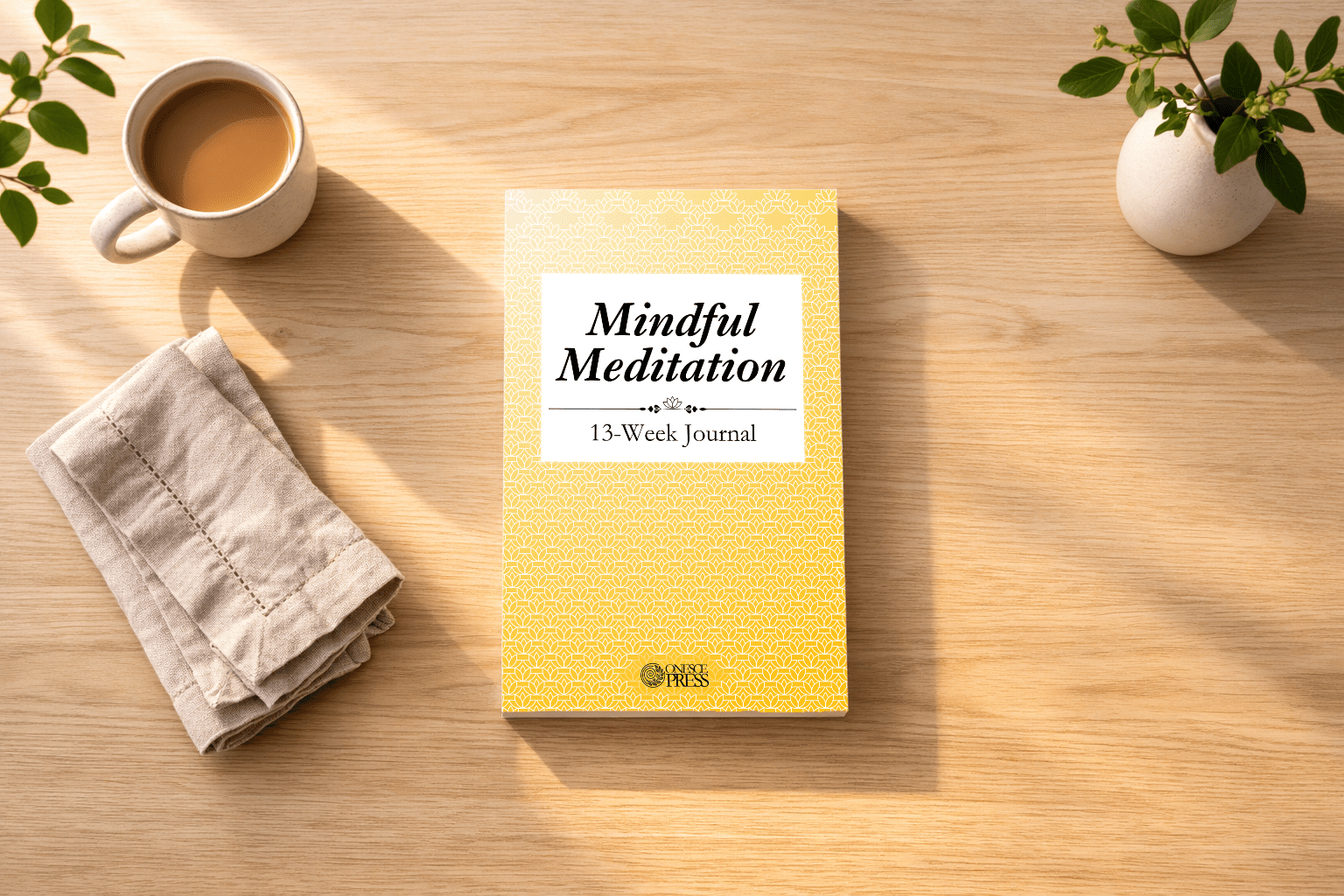
Mindful Meditation
Quiet your “monkey mind,” record your experiences, & deepen your practice.
There are some principle elements—space, posture, breath, mindfulness, guidance, progress, and patience—that form a flexible framework for meditation. Becoming familiar with these can help us design a custom meditation practice that’s aligned with our own personal rhythm and lifestyle.
Let’s explore these fundamentals together and discover how each one can support us in creating a meaningful, sustainable meditation experience—one that evolves as we do. Once we understand these building blocks, we will have the freedom to experiment, refine, and grow our practice with evermore confidence and curiosity.

#1: Space
Cultivating an Inner and Outer Sanctuary
Where we meditate matters—but not in the way many of us might think. While having a quiet, beautiful, and uninterrupted space can enhance our experience, it’s not a requirement for a meaningful or effective meditation practice. In fact, one of meditation’s most powerful lessons is learning to create peace regardless of our external circumstances.
Whenever possible, it’s helpful to establish a physical space that feels safe, inviting, and free from distractions. This could be a cozy corner of a room, a spot in nature, or a designated cushion or mat. Keeping this space clean, uncluttered, and infused with intention can transform it into a mini sanctuary. Aromatherapy, ambient lighting, plants, or calming objects like crystals, stones, or artwork can serve as visual cues that help us settle in quickly and deepen our awareness.
Navigating Environmental Challenges
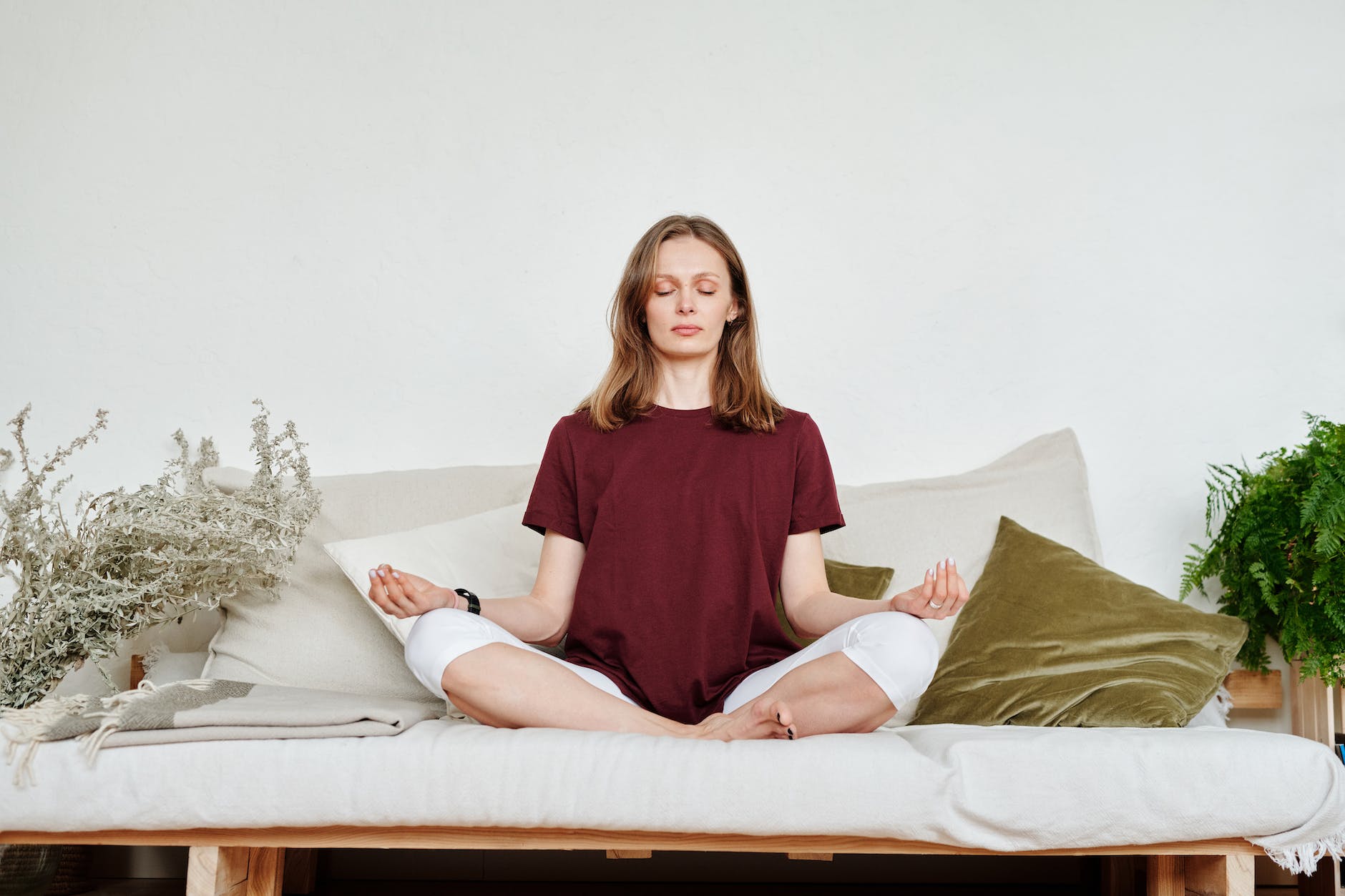
Yet for many of us, especially those living with family, roommates, or unpredictable schedules, ideal conditions aren’t always available. That’s where creativity and adaptability come in.
Headphones with gentle ambient sound or guided meditations can help buffer noise. A simple scarf over the eyes can act as a sensory signal to shift inward. Lighting a candle or using a favorite essential oil can cue the body and mind that it’s time to turn attention inward—even if chaos continues around us.
The Art of Mindful Presence
Beyond physical setup, there’s also the concept of energetic space—the internal environment we create through intention. Taking a moment to breathe, center, or say a simple invocation can shift our state of being regardless of where we are. Just as we might put on different clothes to suit the weather or a role we’re stepping into, we can learn to cultivate energetic boundaries and anchor points that help us access meditative awareness wherever we are.
Whether we find ourselves meditating in a crowded home, a parked car, a noisy park, or on a yoga mat in our bedroom, what matters most is our presence. By choosing to carve out even a few moments of focused awareness, we begin to shift our internal environment—and that’s where the real space—for transformation—comes in.

#2: Posture
Aligning the Body with Intention
Posture is more than just how we sit—it’s how we show up. Each position we take sends a signal to our body and mind, helping shape our internal state. Whether we’re seeking clarity, calm, activation, or surrender, the way we position ourselves can either support or hinder our meditation experience.
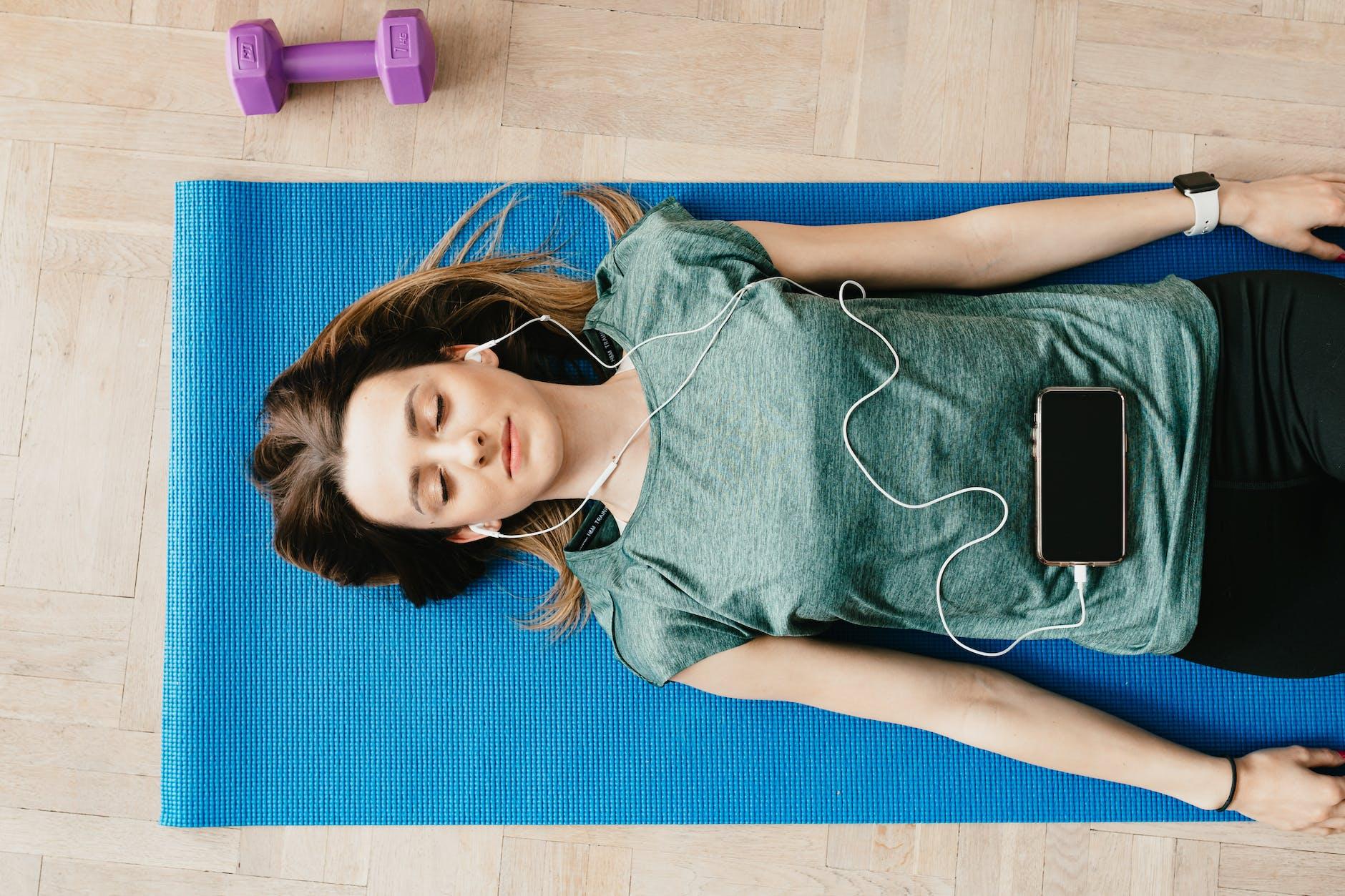
The most well-known meditation posture involves sitting upright with a straight spine, shoulders relaxed, and hands resting gently on the legs or in a mudra. This shape promotes alertness and clarity, making it ideal for breath-focused, concentration-based, or awareness practices. A cushion beneath the hips or a chair that supports the back can ease tension and help us remain comfortable without collapsing the spine.
Exploring Presence with Form
Postures can align with a whole variety of different intentions. For example:
- Surrender: Lying down in savasana or resting in a reclined position supports deeper states of letting go. This is ideal for guided visualizations, body scans, or journey-based practices such as shamanic or nidra meditation.
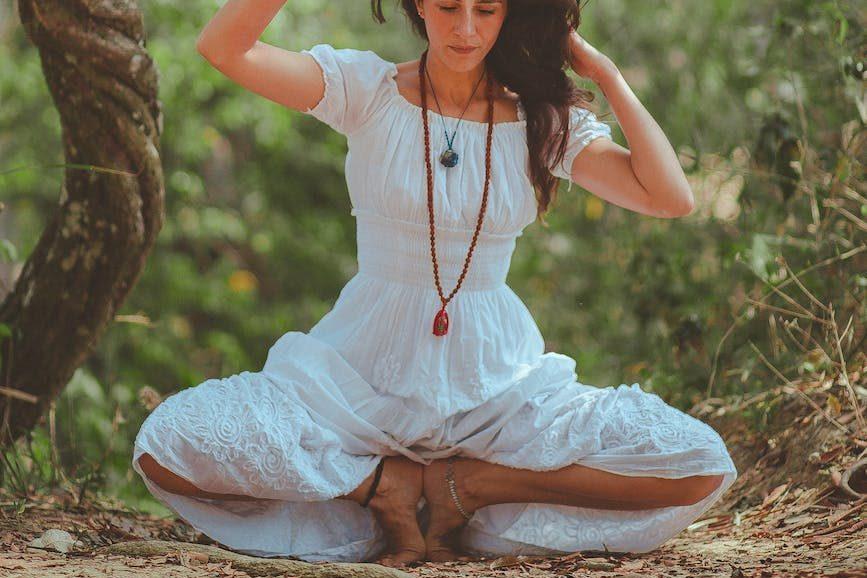
- Grounding: Sitting cross-legged or kneeling close to the floor helps us connect with the earth, promoting stability and presence—especially useful in mindfulness or gratitude-based meditations.
- Activation: Standing tall or incorporating movement (as in qigong, walking meditation, or celestial communication) invites energy to rise and circulate. This is ideal when we’re seeking motivation, empowerment, or emotional release.
Moving Beyond Assumptions
Perhaps it’s most surprising that we’re not limited to stillness. Truly though, meditative movement—whether through gentle stretching, intentional mudras, mindful walking, or even ecstatic dance—can be just as potent as seated silence. These dynamic postures integrate the body as an active participant in awareness rather than simply a vessel to contain stillness.
Essentially, meditation is not dependent on any single posture—it’s about the state of presence we cultivate. For those with physical limitations or chronic conditions, accessibility is key. Reclining with pillows, using support straps or cushions, or even meditating while seated in a wheelchair or lying in bed are all valid and powerful positions in their own right. Furthermore, adaptive tools like ergonomic chairs, eye masks, footrests, weighted blankets, or sensory supports can help enhance comfort and focus if non-visible challenges are a factor.
Ultimately, the “right” posture is the one that supports our chosen intention and allows our awareness to flow. We are always free to explore, adjust, and evolve our practice over time too! Meditation meets us exactly where we are—every unique body/mind/heart is welcome.
#3: Breath
The Bridge to the Present Moment
Our breath is always with us. It’s the most immediate and accessible tool we have for returning to the present. Whether we’re seated in silence or moving through daily life, attention to the breath anchors our awareness, softens mental chatter, and invites calm into our system.
In every meditative tradition, the breath serves as a powerful gateway to inner stillness. When we observe the breath—just as it is, without needing to change it—we create a quiet witnessing state that naturally begins to slow the mind and body. This simple shift in attention is often enough to activate the parasympathetic nervous system, initiating what scientists call the relaxation response and reducing stress hormones.
Using Our Breath Intentionally
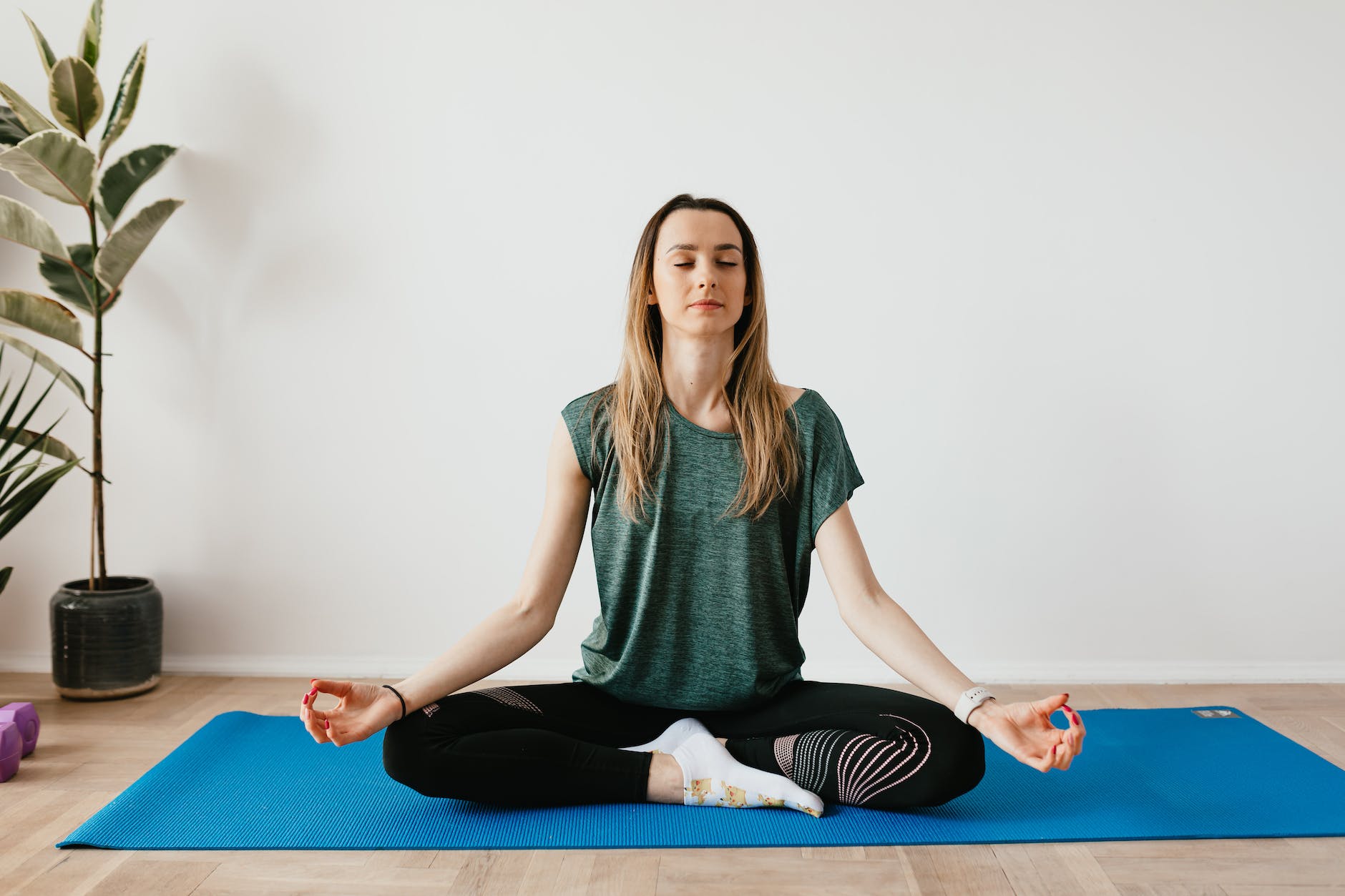
Breath awareness directly stimulates the vagus nerve, a vital component of our autonomic nervous system that governs rest, digestion, and emotional regulation. With consistent practice, we can train the body to return more quickly to states of calm after stress or overwhelm—building resilience over time.
For those ready to go beyond breath observation, here are three simple yet profound breathing practices:
- Box Breathing (Square Breathing): Inhale for 4 counts, hold for 4, exhale for 4, and hold again for 4. This rhythmic, balanced pattern is ideal for restoring equilibrium during anxious moments or before meditation.
- Coherent Breathing: Inhale and exhale for an equal count, typically 5 to 6 seconds each. This smooth, steady rhythm supports heart rate variability and emotional balance, making it a perfect practice for long-term nervous system regulation.
- Alternate Nostril Breathing (Nadi Shodhana): Using the fingers to gently close off one nostril at a time, alternate inhaling through one side and exhaling through the other. This practice harmonizes the brain’s hemispheres, balances energy, and is especially effective before meditation or sleep.
Meditation Practice
Take your practice to the next level, & the next… With a Year and a Day commitment.

Breathing Through It
Despite its simplicity, breathwork can bring up frustrations. Some of us may notice our breath is shallow, irregular, or even uncomfortable when we begin. Others might start overthinking or trying to “do it right.” These experiences are normal—and valuable. They show us where unconscious habits or tension live in the body.
Instead of resisting or judging these moments, we can reframe them as opportunities to observe with curiosity, let it go, and return to our breath. Even noticing that we’re holding the breath or trying too hard is part of the practice, as is extending ourselves grace each and every time we catch ourselves distracted. By meeting these uncomfortable sensations with gentleness, we allow the breath to teach us—not just how to meditate, but how to be present with ourselves as we are.
As our relationship with breath deepens, we may find it becomes more than an anchor. It becomes a companion, a mirror, and a guide—leading us back to inner steadiness, again and again—regardless of whether we happen to be meditating, or not.

#4: Mindfulness
The Practice Within the Practice
Mindfulness is often used interchangeably with meditation, and for good reason. While meditation is the broader umbrella, mindfulness is the essence that runs through nearly every technique. It invites us to be fully present in each moment—without judgment, resistance, or attachment. When we practice mindfulness, we observe whatever arises: thoughts, emotions, sensations, even distractions—with the simple intention to witness, not control.
This deceptively simple act has powerful effects. Decades of research, particularly through programs like Mindfulness-Based Stress Reduction (MBSR), have confirmed that cultivating mindful awareness can lead to reduced anxiety, improved immune function, enhanced focus, and even changes in brain structure. Originally developed by Dr. Jon Kabat-Zinn, MBSR bridges ancient contemplative practices with modern clinical settings—demonstrating that even a few minutes of mindfulness practice a day can significantly improve quality of life.
Cultivating Everyday Mindfulness
Mindfulness can be developed through formal meditation—like breath awareness or body scans—but it also extends into everyday moments. Washing dishes, walking down the street, or taking a sip of tea all become opportunities to tune into the now. In this way, mindfulness is both a practice we choose and a state of being we cultivate.

The state emerges when we’ve trained ourselves to recognize presence as our home base. Over time, we no longer need a quiet room or special posture to feel connected to our awareness. It becomes an internal posture—one of openness, curiosity, and compassionate witnessing.
Purpose in the Process
Of course, it’s common to struggle with distractions, racing thoughts, or emotional overwhelm during meditation—or any mindfulness practice. That’s part of the training. Rather than aiming for a blank mind or perfect peace, we simply notice what’s happening and return to the breath, the body, and the moment. Every distraction is an opportunity to realign. Every return to ourselves is a success. Every moment of awareness, no matter how fleeting, builds our capacity for presence.
As we learn to be with what is, we develop a resilience that extends beyond meditation. We become less reactive and more responsive. Less scattered and more centered. And through that quiet shift, we begin to access a deeper sense of clarity and calm that we carry with us into everything we do.

#5: Guidance
Letting Yourself Be Led
When we’re just beginning—or even when we’re well along our path—guided meditations can offer clarity, structure, and a gentle invitation into stillness. These practices allow us to relax into the experience, letting someone else hold the space while we focus on following their voice, cues, or energy. For many, this guidance removes the pressure to “figure it out” and helps meditation feel more accessible and consistent.
Mindful Meditation
Quiet your “monkey mind,” record your experiences, & deepen your practice.
Finding the Right Guide for You
There are many types of guided meditations, each designed to foster specific states of being or outcomes:
- Breath-Focused or Mantra-Based: While these may be simpler in structure, they still benefit from guided support in the early stages, helping us refine our concentration or align with specific vibrational intentions.
- Body Scan: A slow, systematic movement of attention through the body, bringing awareness and relaxation to each part. This style is excellent for grounding, pain relief, or falling asleep.
- Loving-Kindness (Metta): A heart-centered practice that invites us to send compassion and well-being to ourselves, others, and the world. It’s especially useful for emotional healing and developing empathy.
- Visualization: A technique that uses imagination to guide the mind through calming scenes, symbolic journeys, or energy work. This might involve walking through a forest, meeting a guide, or activating the chakras. Visualization meditations often work well for creativity, manifestation, or spiritual connection.
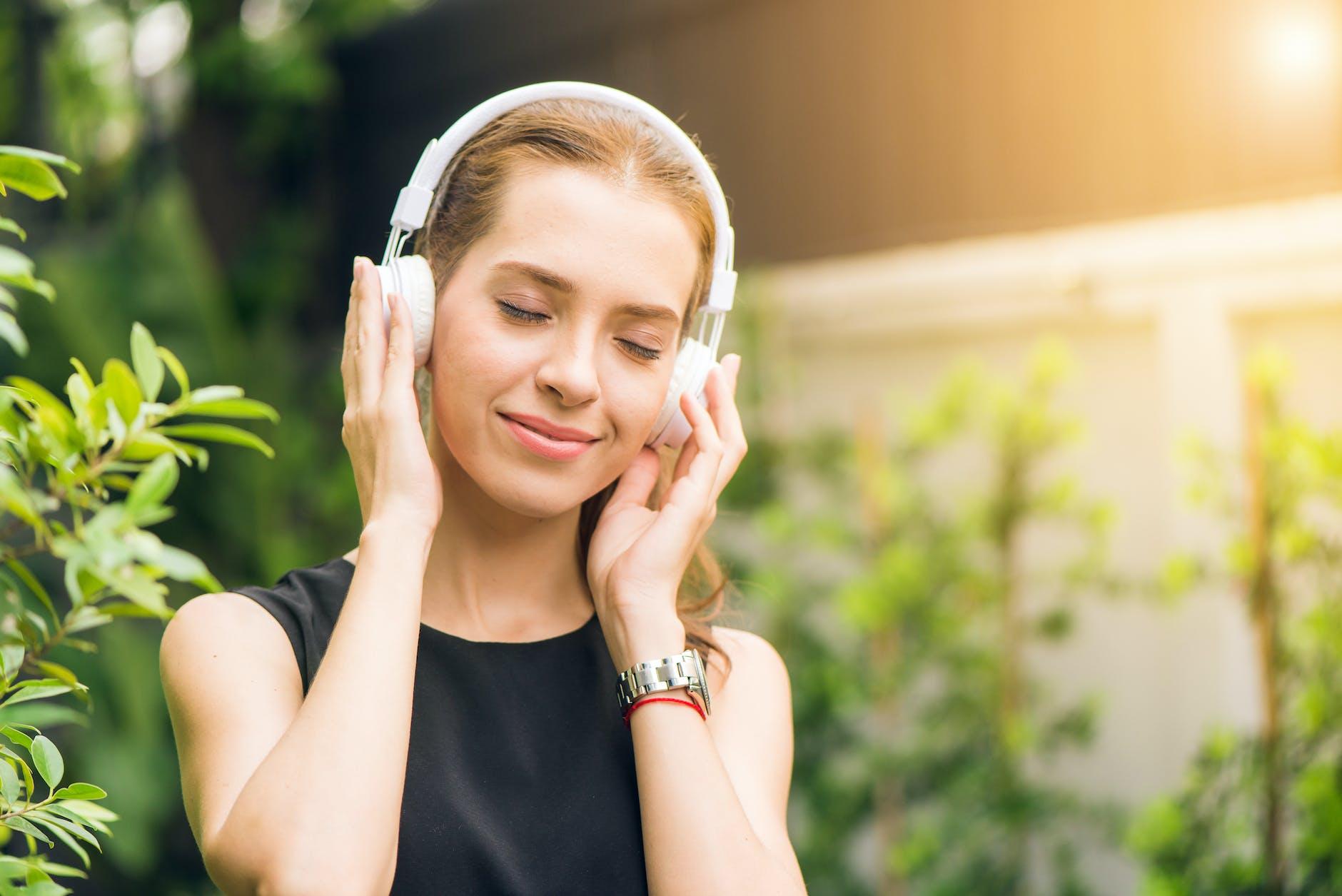
Even as we become more experienced, guided meditations can continue to provide fresh insights and variety in our practice. When we’re ready, we can begin crafting our own guided journeys—either to use silently with ourselves or to share with others. Let’s consider a simple flow to help get us started.
Basic Structure for a Guided Meditation
- Opening: Set the tone. Indulge in a few deep breaths and offer some gentle gratitude for your practice. Take your time to arrive, mind/body/soul.
- Intention or Journey: Bring to mind any purpose or theme—such as connecting with the heart, visualizing a peaceful landscape, or sending love. Feel into it sensually and spaciously.
- Body Awareness: Slowly guide your attention around your physical and energetic body. Soften your jaw, release your shoulders, sigh “it” out, and feel supported by the surface beneath you.
- Breath Connection: Connect to your breath. Enjoy its natural rhythm and presence for as long as you like.
- Return: Gently bring your awareness back into your body. Offering gratitude and beginning to reflect on your practice as you start making small movements.
- Closing: End with affirmations of any insights or revealations that came through for you.

#6: Progress
Building a Personalized Practice
Progress in meditation rarely looks like sudden enlightenment. More often, it’s subtle—a shift in how we breathe through stress, pause before reacting, or notice the beauty in an ordinary moment. These small changes accumulate over time, but they come through consistency, not perfection.
That’s why the most effective way to grow our practice is to make it part of our life, not something separate or overly formal. One proven technique is habit-stacking, which involves anchoring meditation to an existing routine. For example, we might:
- Take 3 mindful breaths after brushing our teeth.
- Do a 5-minute body scan right before sleep.
- Sit quietly with our morning tea instead of scrolling our phone.
- Pause for a breath at each red light or between client sessions.
These simple anchors help weave mindfulness into our day without adding pressure. Over time, meditation stops feeling like a task and starts feeling like a natural rhythm—something we look forward to rather than something we “have” to do.
Still, even the most dedicated practitioner can hit a plateau. We may feel bored, restless, or question whether our practice is “working.” These moments are invitations—not failures.
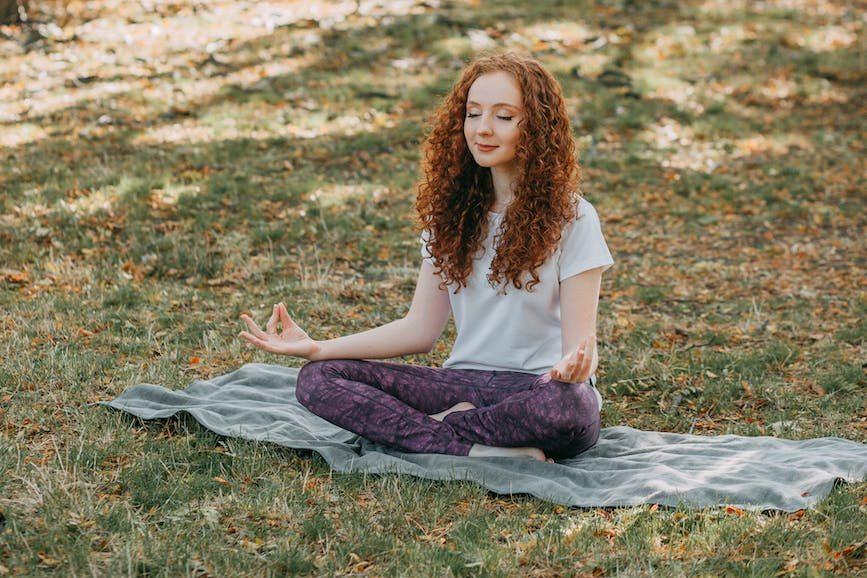
Here are a few ways to move through them:
- Shift Your Style: If seated breathwork feels stale, try walking meditation, chanting, or a movement-based approach. Change cultivates curiosity.
- Revisit Intention: Ask, “Why am I meditating?” Reflecting on our deeper reasons for incorporating more mindfulness can reignite a sense of purpose.
- Shorten, Then Rebuild: If motivation wanes, reduce the time. Even one mindful minute counts. Once consistency returns, so will momentum.
- Track What You Notice: Keep a journal of post-meditation reflections, emotional states, or dreams. Subtle shifts often become visible when recorded.
- Celebrate Small Wins: A single moment of stillness or clarity is progress. Acknowledging these micro-victories keeps us engaged.
We don’t need to aim for marathon sessions or consistent spiritual breakthroughs. What matters is that we keep showing up—for ourselves, our peace, and our unfolding awareness. Meditation isn’t about achieving an ideal state. It’s about returning to our own inner peace, again and again, refining how we relate to life.

#7: Patience
Trusting the Unfolding
Meditation is called a practice for a reason. It’s not about getting it right—it’s about showing up, over and over, with openness and curiosity. Some days we may feel deeply connected, while other days we’re distracted and restless. All of it is part of the journey. Patience is what helps us stay the course.
This practice also helps us reframe how we respond to ourselves. Instead of criticism, we learn compassion. Instead of frustration, we discover grace. And through it all, we start to notice that peace isn’t a place we arrive at—it’s something we cultivate, moment by moment. It teaches us to release expectations and appreciate the small shifts that add up over time.
Even one deep breath taken with intention can be a powerful act of self-care. No matter where we are, we can always return to our breath. No matter how messy life feels, we can still pause and reconnect. That’s the quiet strength of meditation—it meets us right where we are, and then it grows with us, day by day.
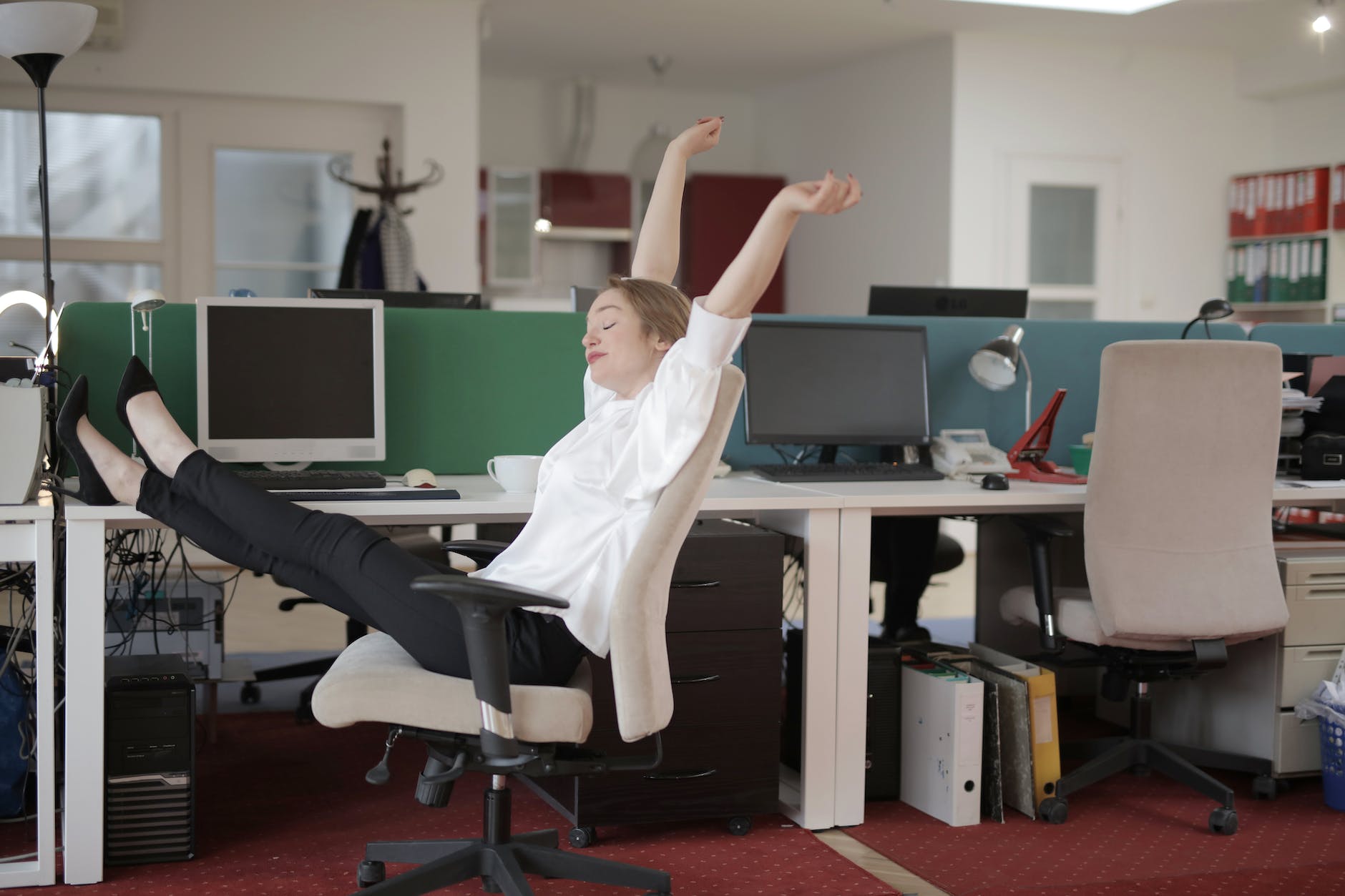
Conclusion: Meditation is an Ever-Evolving Practice of Inner Peace
Meditation isn’t about escaping life—it’s about engaging with it more fully, more calmly, and more clearly. The fundamentals we’ve explored—space, posture, breath, mindfulness, guidance, progress, and patience—aren’t rigid rules to follow. They’re invitations. Each one offers a way to customize our practice, meet ourselves where we are, and cultivate a life rooted in presence.
Some days we’ll sit in silence. Other days we’ll breathe between errands or pause to notice the wind. What matters most is that we return to ourselves—over and over—with kindness and curiosity. As we grow, so does our practice. It evolves with us, supports us, and reveals more of who we are becoming.
So let’s continue. Let’s make room for stillness. Let’s turn breath into medicine, presence into power, and each small moment into a path back home. We don’t need to have it all figured out. We just need to keep showing up—one breath, one practice, and one peaceful moment at a time.
Meditation Practice
Take your practice to the next level, & the next… With a Year and a Day commitment.