

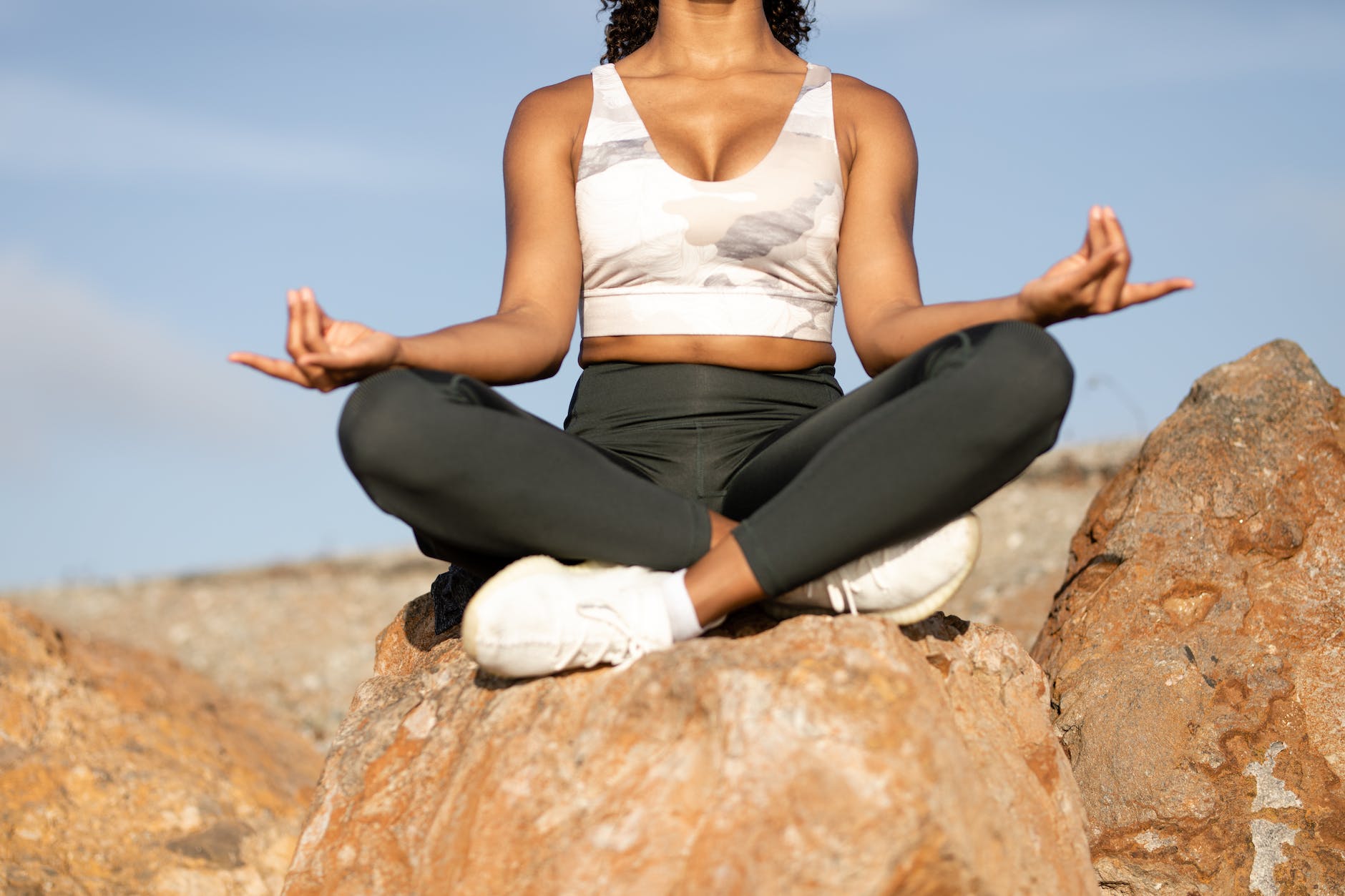
Meditation isn’t just one kind of practice, and it doesn’t even require stillness. Truly, mindfulness opens up a universe of possibilities. For those of us exploring paths of presence, discovering different types of meditation can lead to unexpected methods for enhancing our clarity, emotional balance, and inner peace. What calms one person may energize another; what helps one soul focus might free another to feel. This is the beauty of diversity within the world of meditation techniques.
From the gentle warmth of Metta to the dynamic flow of movement-based meditations, different styles of mindfulness can offer ways to connect deeply with ourselves, release stress, and stay grounded in the present moment. Whether you’re expanding an existing practice, or only just starting to look for meditation techniques to nurture yourself with, we invite you to experiment and discover what truly resonates with you.
Let’s explore six different meditation practices, each with their own distinct rhythm, intention, and benefit. We’ll journey through all of these methods with open minds and hearts, considering each of them to be an opportunity to listen inward, remain curious, and trust our own experiences. After all, mindfulness is really about showing up, again and again, with compassion and awareness.

#1: Metta, aka Loving-Kindness Meditation
Loving-kindness meditation, also called metta meditation, is rooted in the intentional cultivation of goodwill. In practice, we give heartfelt energy first to ourselves, then gradually extend it out to others. We simply sit in stillness, connect to our breath, and repeat phrases such as: “May I be safe,” “May I be happy,” or “May I live with ease.” Once these blessings feel resonant, we then expand those same wishes out to our family and friends, acquaintances, strangers, and even those who challenge us.

This form of mindfulness practice is especially powerful for nurturing emotional resilience and healing relational wounds. It softens our internal dialogue and invites greater compassion into every interaction—starting with those we have with ourselves. Research has shown that loving-kindness meditation increases positive emotions, enhances social connection, and can even reduce chronic stress and self-critical thought patterns.
This type of meditation may feel awkward at first, especially if we’re not used to working intentionally with the energies of kindness and love. That’s normal, and a great indicator that this type of mindfulness holds potent possibilities for our personal and spiritual growth. The key is consistency, not perfection. With gentle repetition, the phrases will begin to feel more natural, and we will start noticing shifts: in how we speak to ourselves, in how we respond to others, and in how we meet the world with more empathy and grace. Furthermore, this kind of practice can be especially nourishing during difficult times, offering a sense of comfort and wholeness when we need it most.
#2: Transcendental Meditation
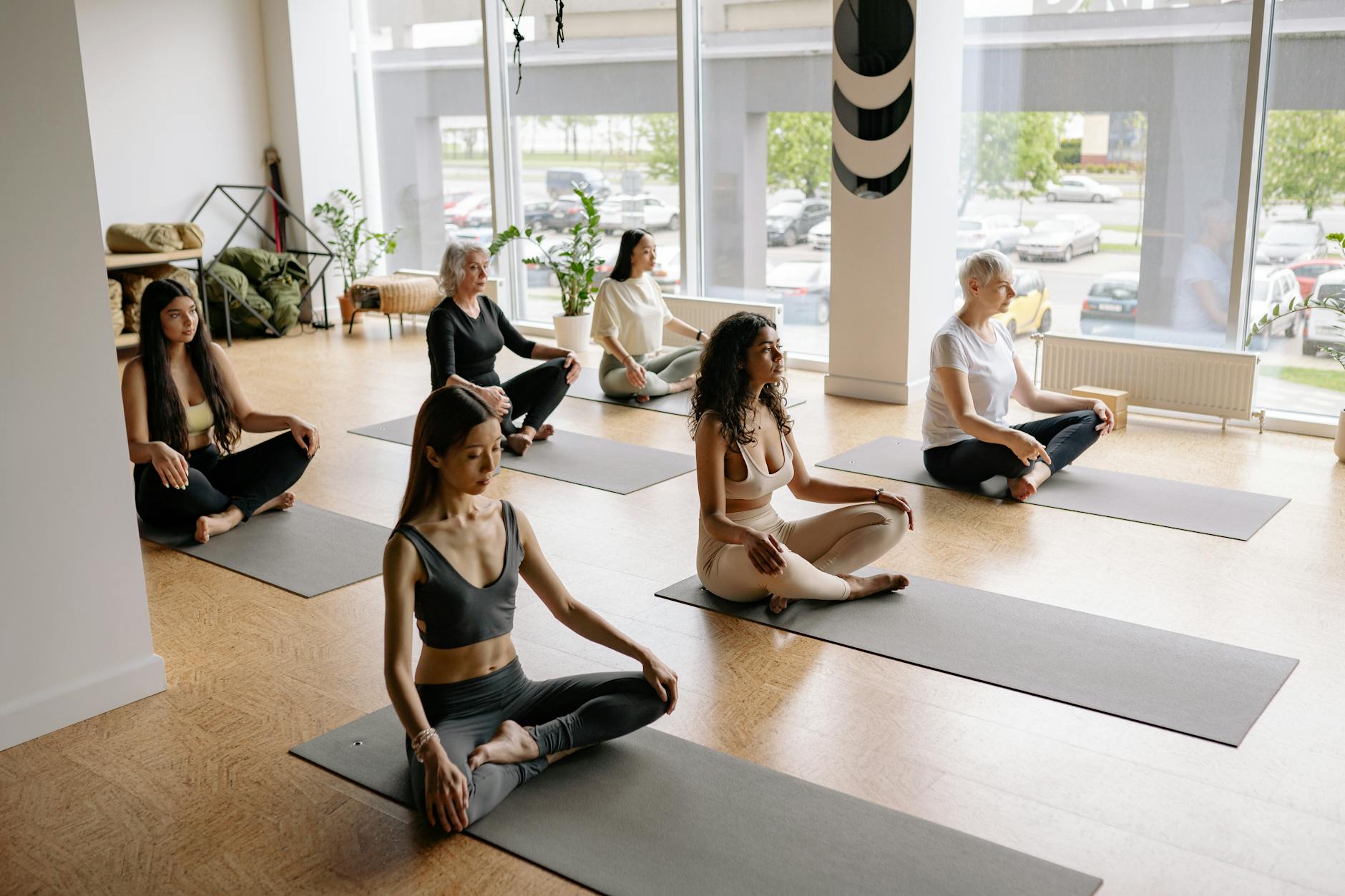
Transcendental Meditation (TM) is a silent, mantra-based meditation technique designed to help the mind settle inward—beyond thought and sensation—and come into a state of deep calm. Typically practiced for 10–20 minutes, twice daily, TM uses the gentle repetition of a personal mantra to promote relaxed awareness without much effort or concentration.
Unlike more active forms of meditation, TM invites us to release control. Rather than focusing on the breath or scanning the body, we allow the chosen sound or phrase to naturally guide our attention inward. This repetition creates a soft rhythm that gradually quiets the thinking mind and opens space for a deeper sense of rest, clarity, and peace. Studies have shown that regular TM practice may reduce anxiety, improve cardiovascular health, and enhance overall psychological wellbeing.

Common mantras used in TM include sounds such as Aham Prema (I am divine love), Sat Naam (I am truth), or primordial tones like Om, Ong, and Haum. However, it’s important to recognize that these sacred syllables are not meant to be analyzed, but felt intuitively—reverberating through the body like gentle, soothing waves.
For those seeking a structured yet effortless meditation, TM offers a deeply nourishing path inward. Over time, this practice can become a sanctuary of stillness that provides replenishment, insight, and renewal.

#3: Zen Meditation
Often what comes to mind first when we think of meditation, Zen or zazen, is a minimalist practice rooted in the Zen Buddhist tradition. Its power lies not in complexity, but in simplicity, as it espouses a disciplined return to the present moment through breath, posture, and awareness. Rather than striving for insight or relaxation, Zen invites us to simply be, without clinging to thoughts, feelings, or expectations.
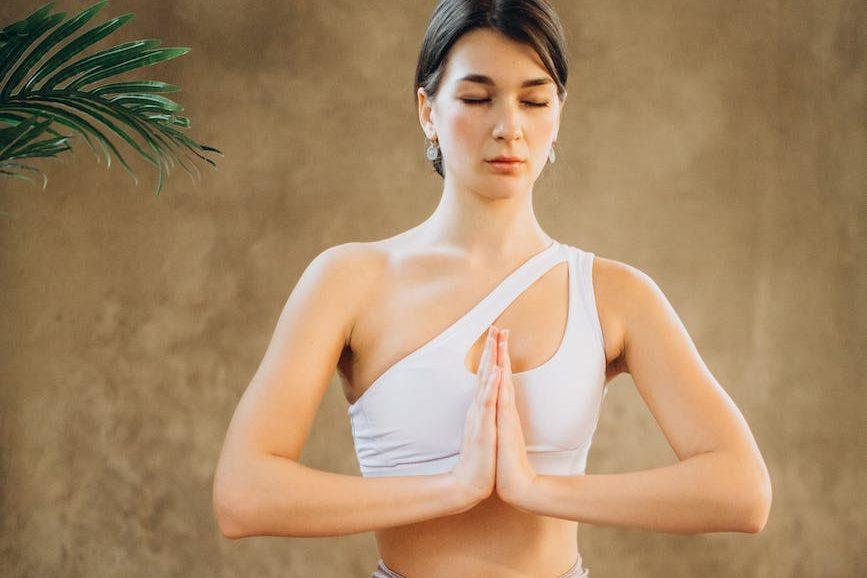
Unlike guided meditations or mantra-based techniques, Zen meditation provides no structure beyond presence itself. The mind may wander and judgments may arise, but each moment is a new opportunity to notice and return. This rigorous, yet spacious presence gradually cultivates greater mental clarity, emotional stability, and a quiet strength rooted in non-reactivity. Some practitioners focus on counting the breath, while others allow thoughts to pass by like clouds drifting across an open sky.
Zen does not seek to fix or change experience. Instead, it teaches us to meet life as it is: raw, unscripted, and real. By committing to this stillness, we refine our awareness and deepen our relationship with the unfolding truth of each moment. For those drawn to a no-frills, direct path to more insight and peace, Zen offers an enduring gateway.

#4: Kundalini Yoga Meditations
Kundalini Yoga meditation is a dynamic and integrative practice that blends breathwork, mantra, posture, and movement to awaken spiritual energy and deepen consciousness. Known as the “yoga of awareness,” these practices focus on unlocking the latent energy at the base of the spine—called Kundalini Shakti—and guiding it upward through the chakras to elevate body, mind, and spirit.
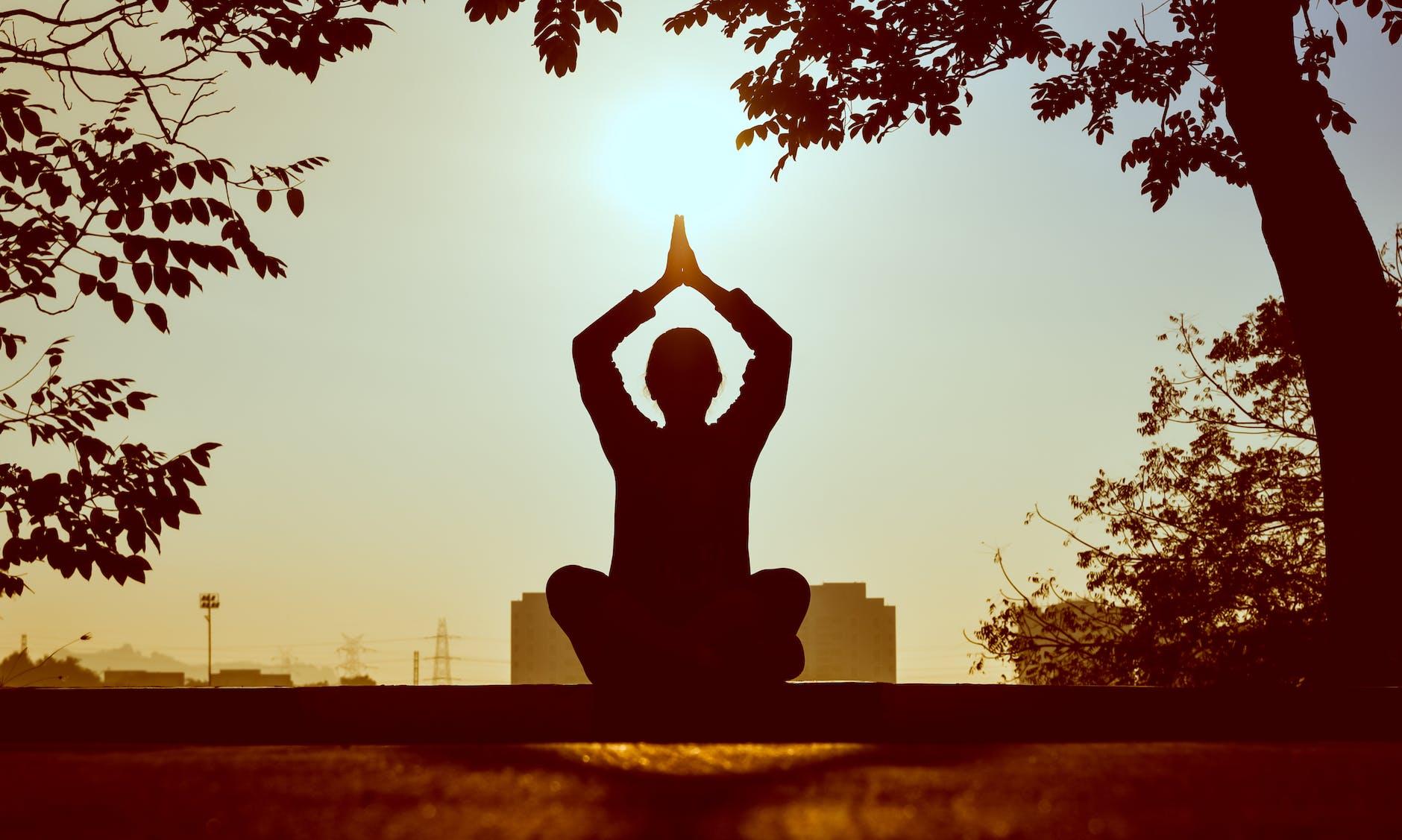
Unlike more passive meditation styles, Kundalini meditations are active and often rhythmic. A typical practice may involve pranayama (breath control), mudras (hand positions), vocalized mantras such as “Sat Nam” (truth is my identity), and specific seated or moving postures. Each element is chosen to stimulate particular energetic pathways, creating balance within the nervous and glandular systems and promoting inner harmony.
The meditations can be invigorating or calming depending on the kriya (sequence) chosen, making Kundalini highly adaptable to different needs and intentions. With consistency, it becomes a tool for emotional resilience and energetic alignment. This type of meditation is ideal for those seeking more than mental stillness. By consciously working with energy and intention, we can align with our higher awareness and embrace the sacred vitality that animates every aspect of our lives.
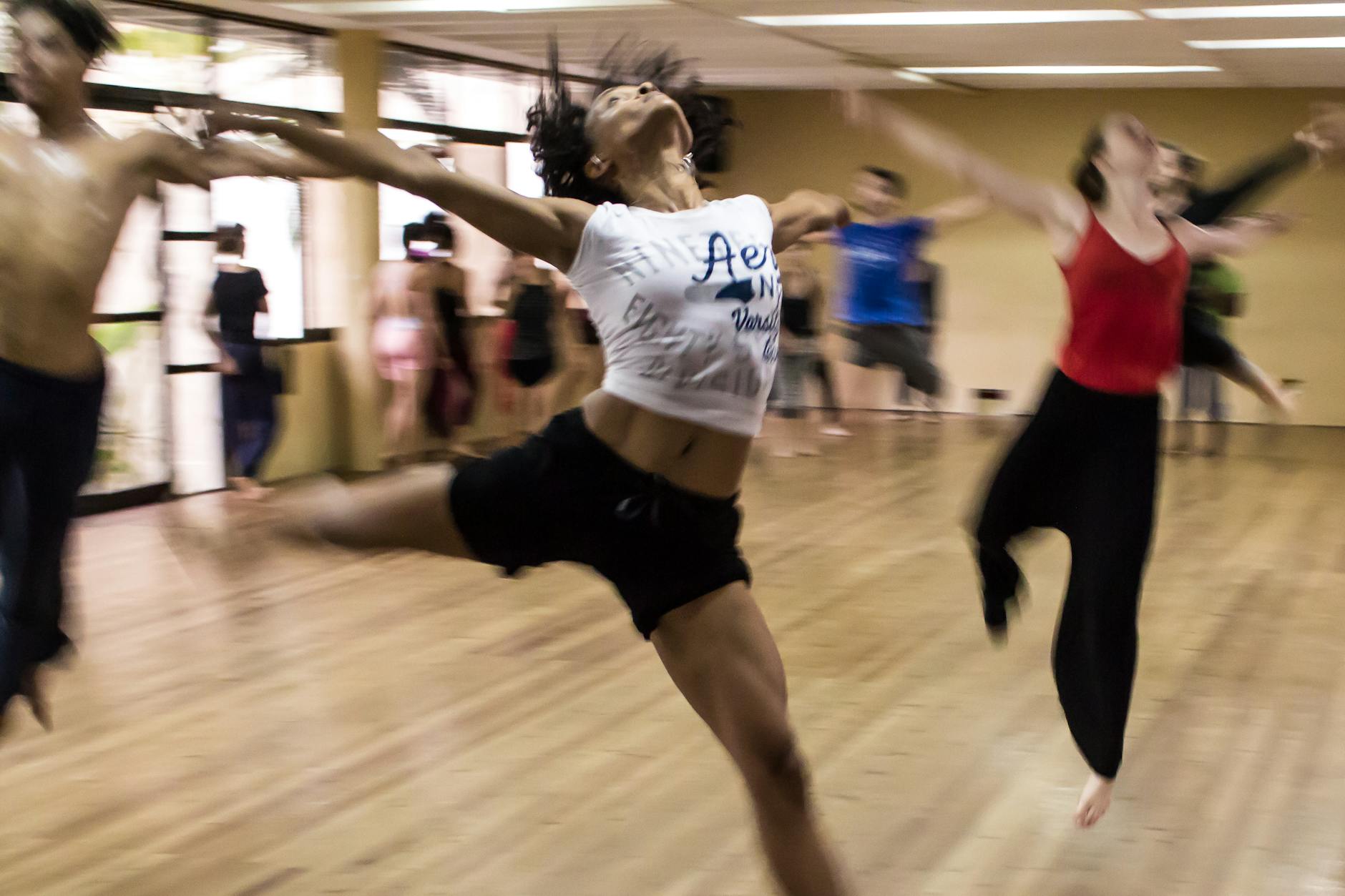
#5: Ecstatic Dance
Ecstatic dance is a liberating meditation practice rooted in movement, music, and presence. Unlike traditional seated meditations, it invites the body to lead the way, and offers a path to mindfulness through rhythm, release, and embodied awareness. At its core, ecstatic dance is about tuning in, letting go, and allowing the body to express what the mind might not yet have words for.
There are no set steps or choreography. Instead, practitioners move freely to a curated soundscape, allowing emotions, sensations, and inner impulses to be expressed through physical motion. With eyes closed or softly focused, we practice presence with each beat, each breath, and each shift in feeling. The dance floor becomes a sacred space where we can reconnect with joy, move through stagnation, and rediscover our vitality.

Physiologically, this kind of movement helps regulate the nervous system, release pent-up tension, and stimulate endorphin production. Emotionally and spiritually, it creates space for catharsis, insight, and connection. Ecstatic dance is particularly empowering for those who struggle with sitting still or crave more somatic ways to process stress. It celebrates authenticity over perfection, and presence over performance. In this moving, mindfulness meditation, we reclaim our bodies as sacred instruments of awareness and joy.

#6: Yoga Flow
Yoga flow, often practiced as Vinyasa or Hatha yoga, is a dynamic form of moving meditation that harmonizes breath with movement. Unlike more static forms of meditation, yoga flow guides us through a fluid sequence of postures, each one synchronized with the inhale or exhale. This rhythmic connection fosters presence, inner awareness, and an embodied sense of calm that supports both mental and physical wellbeing.

The beauty of yoga flow lies in its adaptability. Whether slow and meditative or vigorous and energizing, each practice becomes a reflection of our current state, offering whatever we may need in the moment. As we shift through poses, we cultivate mindfulness by focusing on the sensations within our bodies, the texture of our breath, and the transitions between movements. This attention helps anchor us in the now, gently drawing us out of distraction or overwhelm.
Physically, this type of mindfulness meditation enhances flexibility, strength, and balance. Emotionally, it helps regulate the nervous system and support stress release. Spiritually, it becomes a ritual of connection and gratitude through motion. In essence, yoga flow is an invitation to align breath, body, and awareness. Each sequence is a practice in grace, patience, and devotion. Whether on the mat for five minutes or an hour, we emerge more grounded, connected, and attuned to the wholeness within us.
Conclusion: Different Types of Meditation Invite Us to Explore, Experiment, & Expand
Meditation is not a one-size-fits-all journey; it is an invitation to explore what resonates, experiment with new practices, and expand our personal relationship with presence. By engaging with different styles—like loving-kindness, transcendental, Zen, Kundalini, ecstatic dance, and yoga flow—we give ourselves the freedom to discover a rhythm of practice that aligns with who we are and what we need most.
Some days, stillness may call to us. On others, movement may offer the medicine we seek. By embracing variety, we can build a mindfulness practice that supports us through life’s changing seasons, one that’s capable of meeting us in stress, celebration, growth, or grief. This flexibility empowers us to deepen our connection to the moment and to ourselves, creating a more resilient and compassionate inner world.
By cultivating this dynamic, sustainable mindfulness, we allow ourselves to honor our evolving needs and stay curious. It enables us to remain open to possibilities and develop a practice that reflects our own unique path. Truly, each time we sit, breathe, or move with awareness, we can strengthen our capacity for peace, insight, and wellbeing.
Meditation Practice
LOGBOOK FEATURES:
- Your companion on a 366-Day adventure in devotion and commitment.
- Developed with the Year and a Day framework to challenge and inspire.
- Simple and straightforward logging with space for key intentions and reflections.
- Enjoy the benefits of tracking your progress and the details of your practice in one place.
You can also get your copy on Amazon. Don’t wait, take your practice to the next level:
