
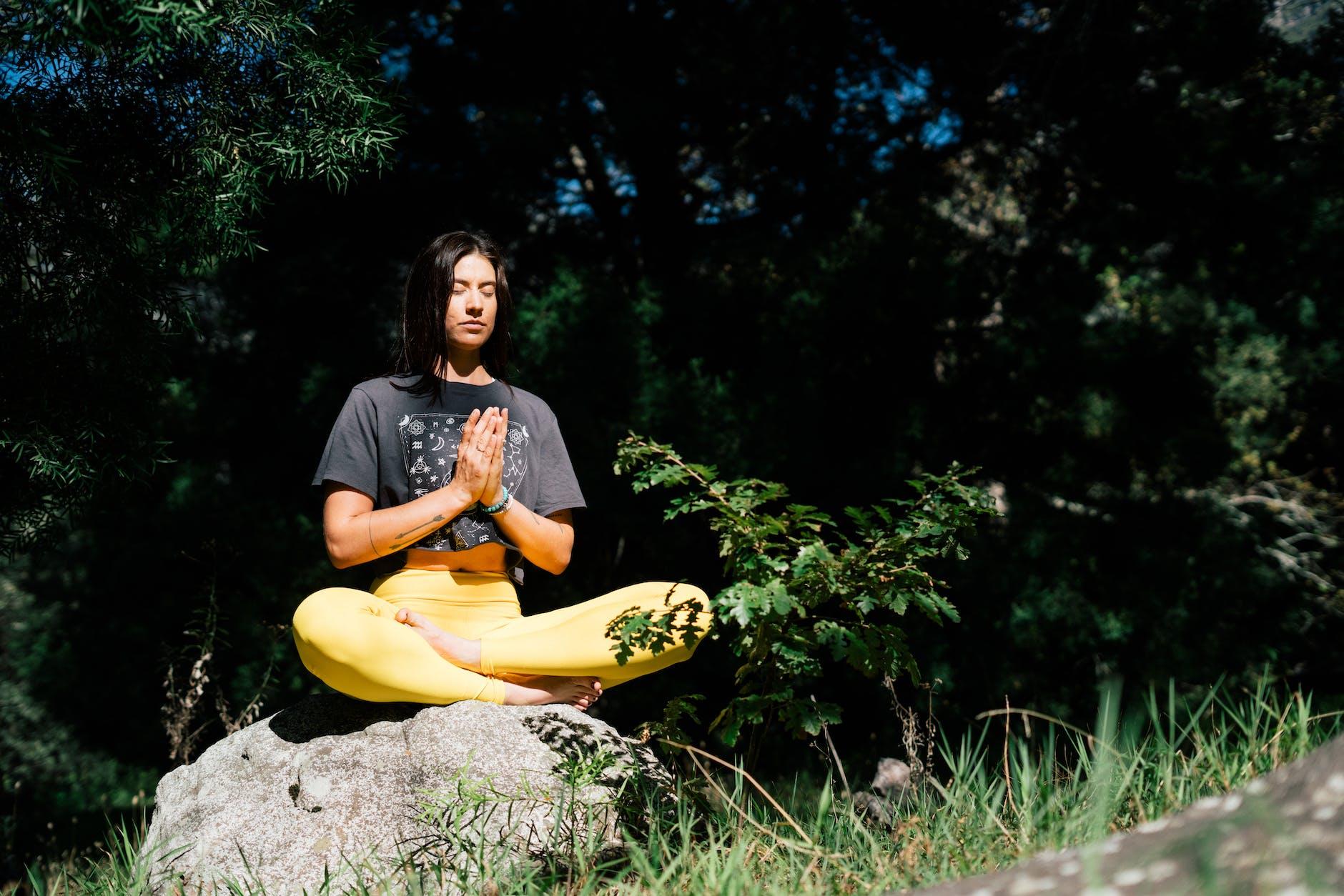
There’s more than one way to meditate, just like there’s more than one way to be human. Our minds, bodies, and experiences are all unique, which means our paths to peace will be too. However, that’s not a limitation. It’s an invitation. When we view meditation as a flexible tool rather than a fixed tradition, we open ourselves to practices that actually meet us where we are, in the context of our real lives.
Whether we crave stillness or movement, routine or spontaneity, the practice of meditation can become a powerful ally when it reflects who we truly are. What calms one person may energize another. Some of us thrive with structure, while others need freedom and flow. Discovering what resonates begins with curiosity, not judgment, and leads us closer to a practice that actually supports our wellbeing rather than becoming another “should” in our lives.
Meditation Practice
Take your practice to the next level, & the next… With a Year and a Day commitment.

Let’s explore a wide range of meditation styles—from traditional daily practices and subtle mindfulness habits to expressive mind-body connection techniques—so that we can each discover what works best for our own unique lifestyles, goals, and personal growth journeys. As we explore the possibilities, we’re not looking for the “right” method, but for what feels aligned. We’ll also want to keep in mind that what fits for us might also need to change over time, and that’s great! With flexibility and presence, we’re developing a meditation practice that reflects our nature and supports who we are becoming.
Disciplined Daily Practice
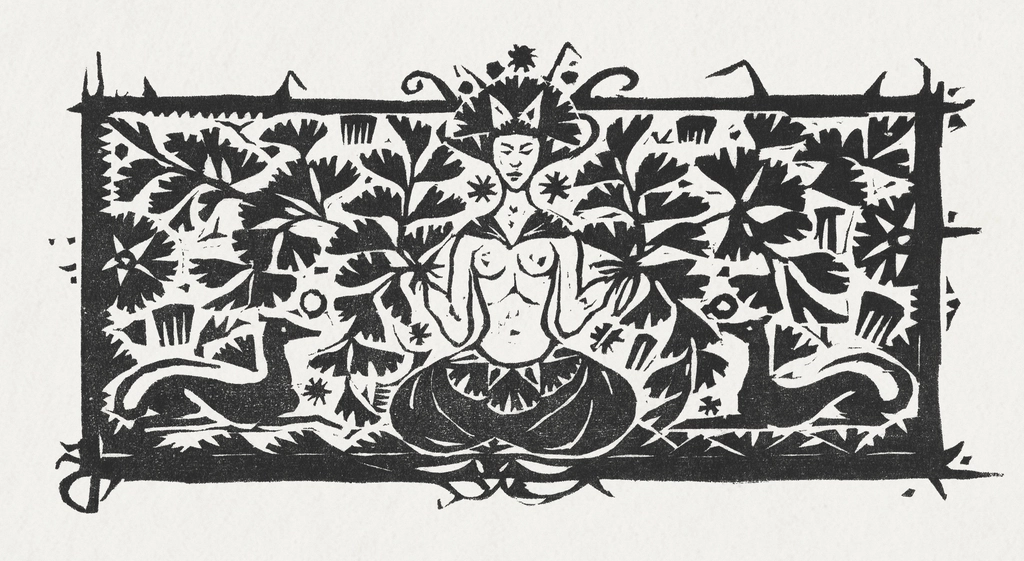
For many, regular daily meditation practices offer a foundation of consistency and intentionality. Rooted in time-honored traditions, these methods provide structure and depth, inviting us to engage with meditation as a daily devotion rather than an occasional tool. Practices such as Zen meditation, Sadhana, and Transcendental Meditation are examples of these time-tested paths. They often include specific techniques, sequences, or times of day, creating a reliable rhythm that helps train the mind and steady the spirit over time.
Zen Meditation
Zen is a traditional meditation technique that emphasizes silent sitting, breath awareness, and presence without attachment. It’s simple in form but profound in practice. The repetition of seated stillness teaches patience, endurance, and quiet observation. Distractions and judgements may arise, but the practitioner is invited to release them again and again, creating space for nonjudgement and reducing their reactivity. This method of practicing grace for whatever may arise, as well as the gentle return that inevitably follows, builds a deep inner resilience that extends far beyond our seat.
Sadhana
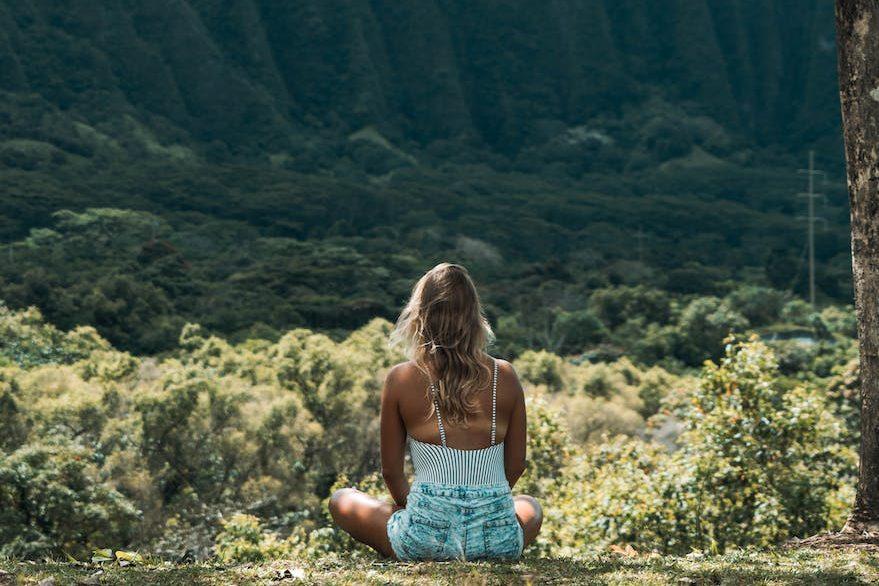
Sadhana, often found in yogic or spiritual traditions, expands this idea of discipline into a sacred morning routine. Typically practiced at sunrise, Sadhana may combine meditation, chanting, pranayama, and light movement. It’s more than self-care—it’s self-honoring. These daily rituals become anchoring practices, connecting us with a sense of purpose, alignment, and rooted presence.
Transcendental Meditation
Transcendental Meditation (TM) is another gentle, yet powerful approach. Practiced for 10–20 minutes twice daily, it allows the nervous system to rest more deeply than sleep, according to several studies on its benefits. TM is often taught in personalized instruction, where each practitioner receives a specific mantra suited to them. This mantra becomes a soft anchor, a subtle tool to effortlessly return the mind to stillness, rather than a forceful focus.
The beauty of consistent daily practices lies in their simplicity and intentional repetition. They invite us to show up, day after day, not for perfection, but for presence. Over time, this traditional meditation structure becomes a dependable self-supporting act.

Mindfulness Habits
For many of us, formal seated meditation can feel daunting or inaccessible at times. Mindfulness habits offer a more integrated and fluid approach, bringing awareness into the natural rhythms of our everyday lives. By weaving mindfulness into simple routines—like eating, walking, or even brushing our teeth—we can create powerful moments of presence without needing to set aside dedicated time or space. This approach helps us reframe the ordinary as sacred, allowing the flow of daily life to become a spiritual practice in and of itself.
Mindful Walking
Walking meditation is one of the most accessible forms of mindfulness. It invites us to slow down and attune to the sensations of each step: our shifting weight, the rhythm of our breath, and the texture of the ground beneath our feet. Rather than rushing to a destination, we walk with intention, letting our surroundings ground us in the now. This practice is especially helpful when we feel scattered or ungrounded, as it brings us back to the body and the moment with gentle simplicity.
Mindful Eating
Mindful eating is another foundational habit that invites us to transform nourishment into a meditative act. Instead of eating on autopilot, we pause to engage all of our senses, noticing: the colors and aromas of our food, the textures and flavors in each bite, as well as the movements of chewing and swallowing. This practice not only enhances digestion and satisfaction, but also helps interrupt patterns of emotional or unconscious eating. With mindfulness, meals become opportunities to honor our bodies, our food, and the present moment.

Mindful Chores
Even the most mundane tasks—like washing dishes, commuting, or waiting in line—can become powerful mindfulness practices when approached with presence. Instead of rushing through or mentally checking out, we can use these moments to anchor ourselves in the now. While washing dishes, we might notice the warmth of the water, the scent of the soap, and the rhythm of our movements. During a commute, we could tune in to our breath, observe the scenery without judgment, or listen attentively to calming sounds. Even waiting becomes a gift when we use it as a pause to reconnect. These everyday moments are rich with opportunities to observe, breathe, and return to ourselves; moreover, there’s no extra time required, just a shift in awareness.
Over time, incorporating mindfulness habits like these cultivates greater ease, clarity, and emotional balance throughout the day. Whether we’re drinking tea, folding laundry, or having a conversation, the invitation is the same: to arrive fully, to observe with curiosity, and to meet the moment as it is. Additionally, these small acts of presence ripple outward, building a strong and sustainable foundation for ongoing growth in our meditation journey.

Mind-Body Connection Techniques
While stillness is often what defines meditation in common assumptions, mindful movement offers another path that harmonizes physical expression with inner awareness. These techniques invite us to inhabit our bodies more fully, turning motion into meditation and physical sensation into a source of presence. When we allow ourselves to engage in practices like breathwork, yoga, and dance with conscious intention, our bodies become vessels for emotional clarity, healing, and integration.
Breathwork or Pranayama
Breathwork taps into the body’s innate intelligence by regulating the flow of energy and emotion through intentional breathing patterns. From gentle diaphragmatic breathing to more activating methods like holotropic or circular breathwork, each technique offers different benefits. Conscious breathing can lower cortisol levels, reset the stress response, and create space for repressed emotions to surface and be released. It also connects us with an embodied sense of aliveness, reminding us that every inhale is a new beginning.
Yoga Flow

Yoga, in its many forms, serves as a powerful bridge between the mental and physical. Each posture, or asana, becomes an invitation to focus, to breathe, and to soften into presence. Rather than striving for perfection, yoga asks us to listen inward, teaching us to respond to tension and sensation with compassion. Whether in a slow Hatha sequence or a flowing Vinyasa class, the breath remains central, guiding the movements and anchoring awareness. Over time, yoga helps regulate the nervous system, release stored stress, and cultivate grounded strength.
Ecstatic Dance
Ecstatic dance is a movement based practice that strips away formality, offering us raw and unfiltered self-expression. With no choreography or steps to follow, we’re free to move exactly as we feel. As the music rises and falls, so do our emotions, flowing through movement and freeing us from inner resistance. This moving meditation not only brings joy and vitality, it fosters catharsis, authenticity, and creative release. When we let our bodies lead, we often discover clarity the mind alone couldn’t reach.
Whether through breath, flow, or spontaneous motion, these mind-body techniques reconnect us with our intuition and remind us that movement itself can be sacred. Each one invites us to return, again and again, to the wisdom of the body and the power of the present.
How to Discover Your Meditation Style
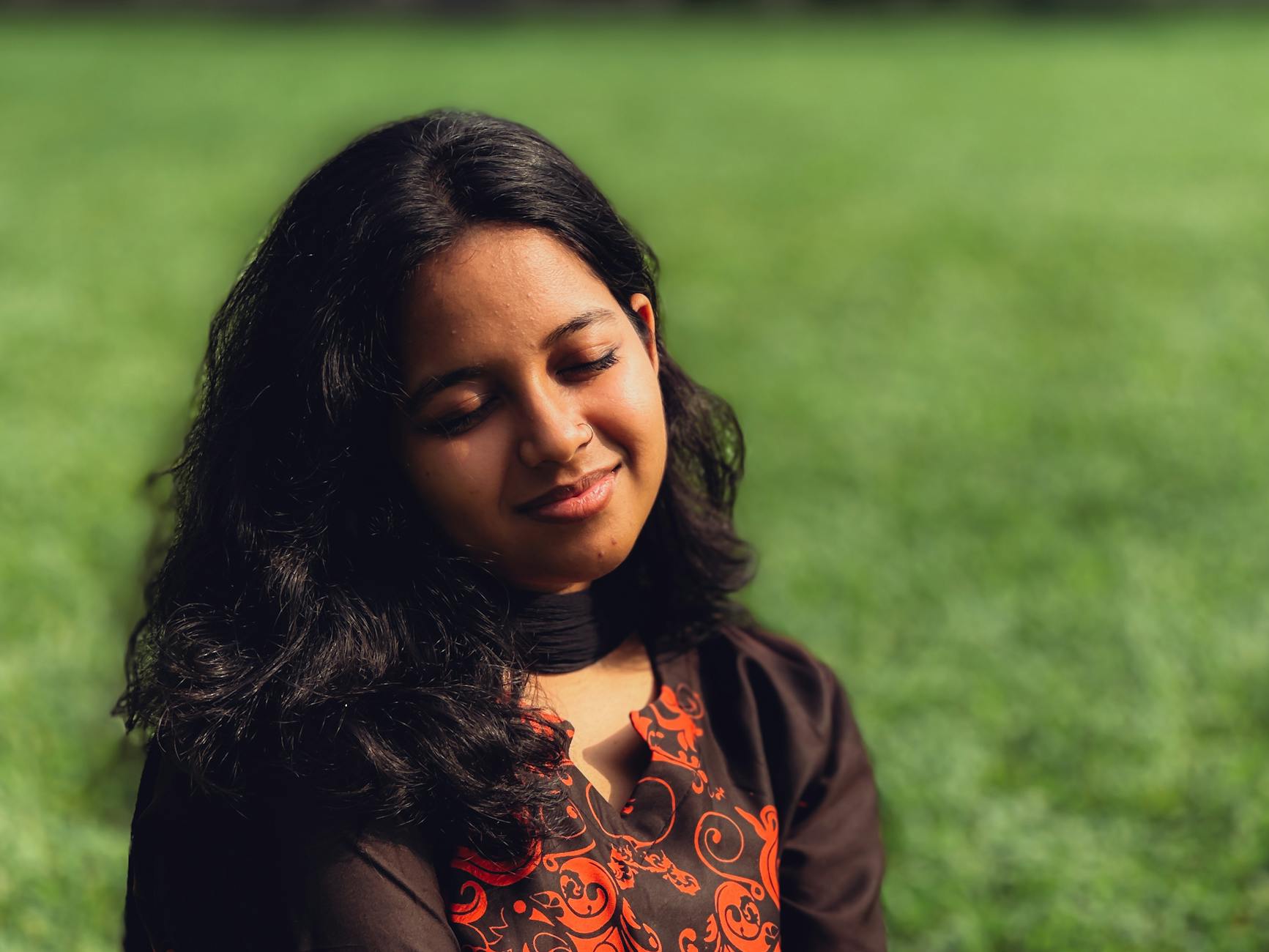
Choosing a meditation style is about tuning in, not following a trend or forcing a rigid routine. The most fulfilling practices arise from self-awareness and curiosity. By approaching your practice with openness and letting it be an exploration, you allow your preferences, energy levels, and evolving needs to guide you toward the techniques that truly support you.
Start by noticing how you respond to different experiences. If sitting still feels frustrating, movement-based practices like yoga or walking meditation might offer more ease. If you crave structure, traditional methods like Zen or Transcendental Meditation may provide the focus you seek. Ask yourself what you’re looking for—calm, energy, insight, connection, etc.—and let those intentions shape your path.
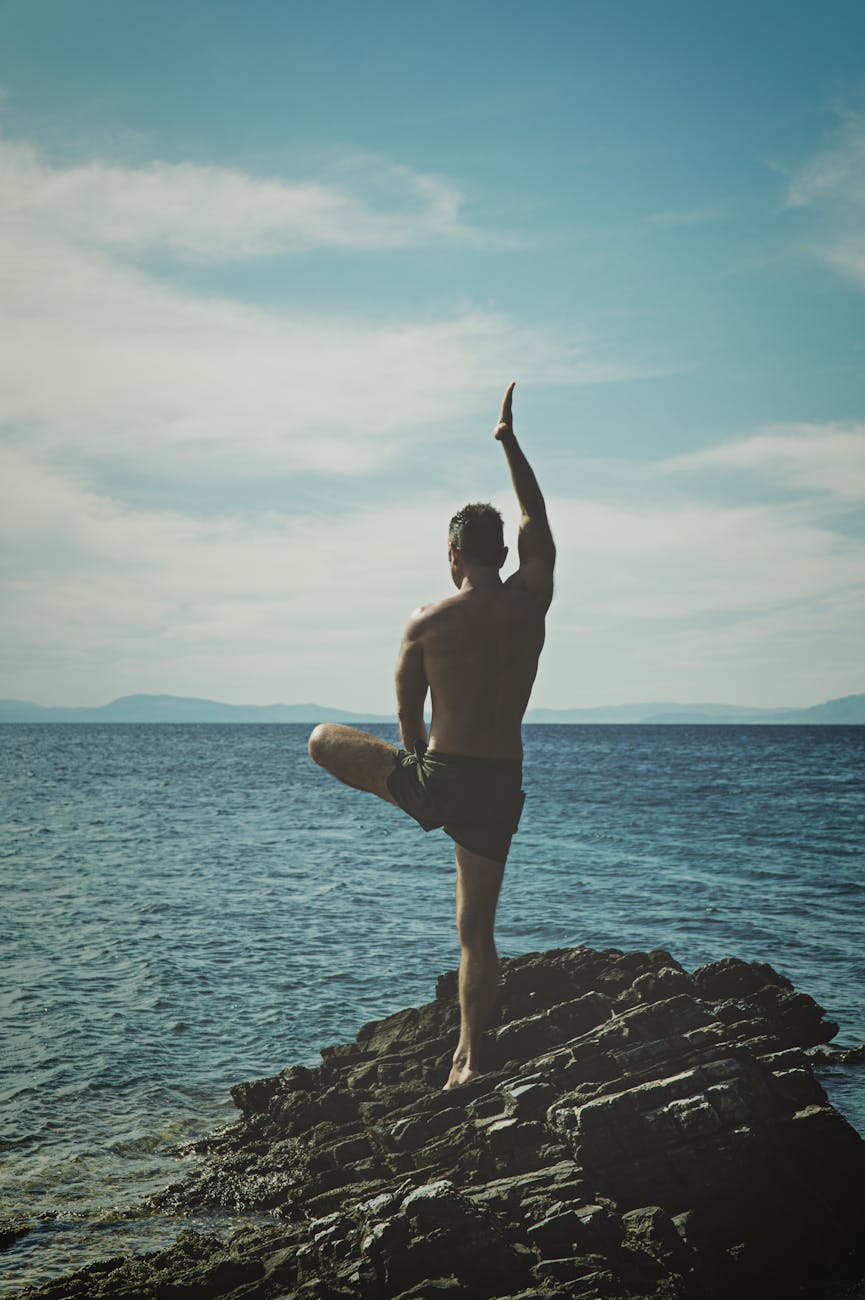
Experimentation is key. Try a variety of practices over time, and reflect on how each one leaves you feeling. Keep a journal, noting shifts in your mood, thoughts, or body sensations after each session. Over time, patterns will emerge that highlight what resonates most. Trust this feedback, it’s your inner compass pointing toward your unique needs.
Finally, give yourself permission to mix, match, and evolve. Your ideal practice doesn’t need to look like anyone else’s. You might combine breathwork with loving-kindness one week and favor a quiet mantra practice the next. Meditation is ultimately a relationship with yourself, and like any relationship, it will change with time. Stay present to that evolution, and let your meditation style be a reflection of your self-trust, creativity, and growth.
Customizing Your Practice
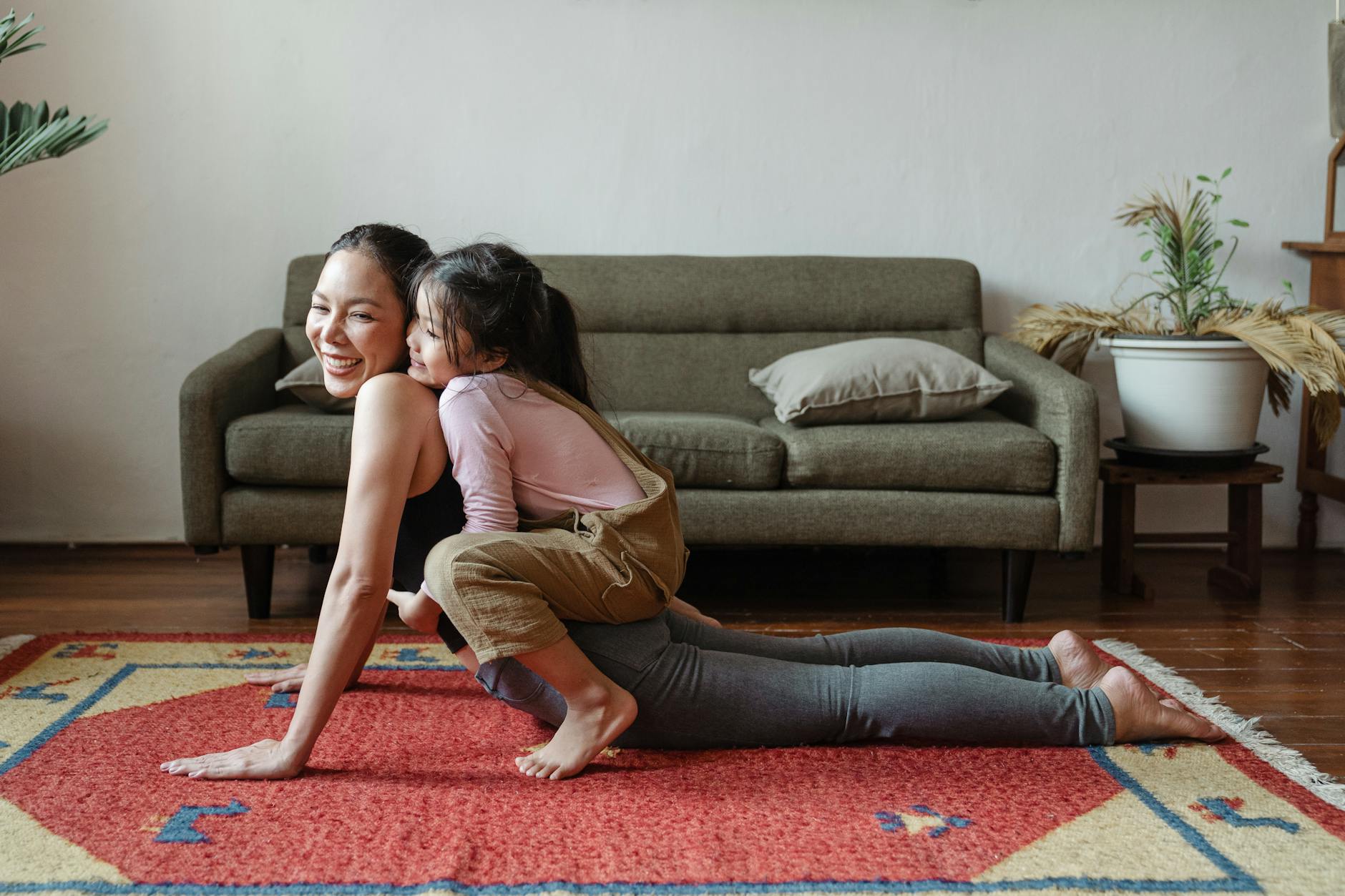
Once we’ve explored the diverse spectrum of meditation styles, the next empowering step is weaving together the ones that resonate. Meditation doesn’t have to be confined to a single tradition or technique. In fact, blending methods to suit our shifting needs, moods, and goals can lead to a more authentic, supportive, and sustainable practice.
Perhaps you begin the day with a short breathwork session to ground your energy, then return in the evening for a calming mantra or loving-kindness meditation to unwind. On especially active days, mindful walking or yoga flow might feel more accessible than sitting still. Each method brings something unique, and by customizing our approach, we allow meditation to meet us where we are throughout the natural flow of our lives.

This flexibility also invites creativity. You might play gentle music during a breath-led movement practice, journal after mindfulness sessions to process insights, or pair a mantra with a visual focus like candlelight or nature. What matters most is that your practice supports your intention, whether it’s self-compassion, clarity, presence, or relaxation.
Allow your practice to grow with you. As your awareness deepens, your needs may shift. What once served as your anchor might evolve into a complementary tool. Let this be a sign of progress, not inconsistency. Customizing your practice is a living art form, one that reflects your unique rhythm, preferences, and path to inner peace.

Conclusion: A Meditation Practice Can Be Our Anchor, and It Can Also Be Our Path
At its heart, meditation is about returning to ourselves, not about following rules. The practices we explore become portals to presence, not prescriptions for achievement. When we allow them to be, each and every breath, movement, or moment of awareness is an opportunity to connect more deeply with who we are and how we wish to live.
Whether you feel drawn to the structure of traditional practices, the adaptability of everyday mindfulness habits, or the vitality of mind-body movement, remember: there’s no perfect method, only the one that supports your growth right now. Your preferences may shift over time and that’s natural. Progression in our practice is a sign of responsiveness, presence, and trust in our growth.
This journey is yours to shape. Let curiosity guide you, let intention steady you, and let compassion meet you at every turn. By exploring, combining, and personalizing your meditation practice, you’re mastering how you want to meet life. One moment at a time, and one breath at a time, this is your path—make of it what you will.
Meditation Practice
LOGBOOK FEATURES:
- Your companion on a 366-Day adventure in devotion and commitment.
- Developed with the Year and a Day framework to challenge and inspire.
- Simple and straightforward logging with space for key intentions and reflections.
- Enjoy the benefits of tracking your progress and the details of your practice in one place.
You can also get your copy on Amazon. Don’t wait, take your practice to the next level: