
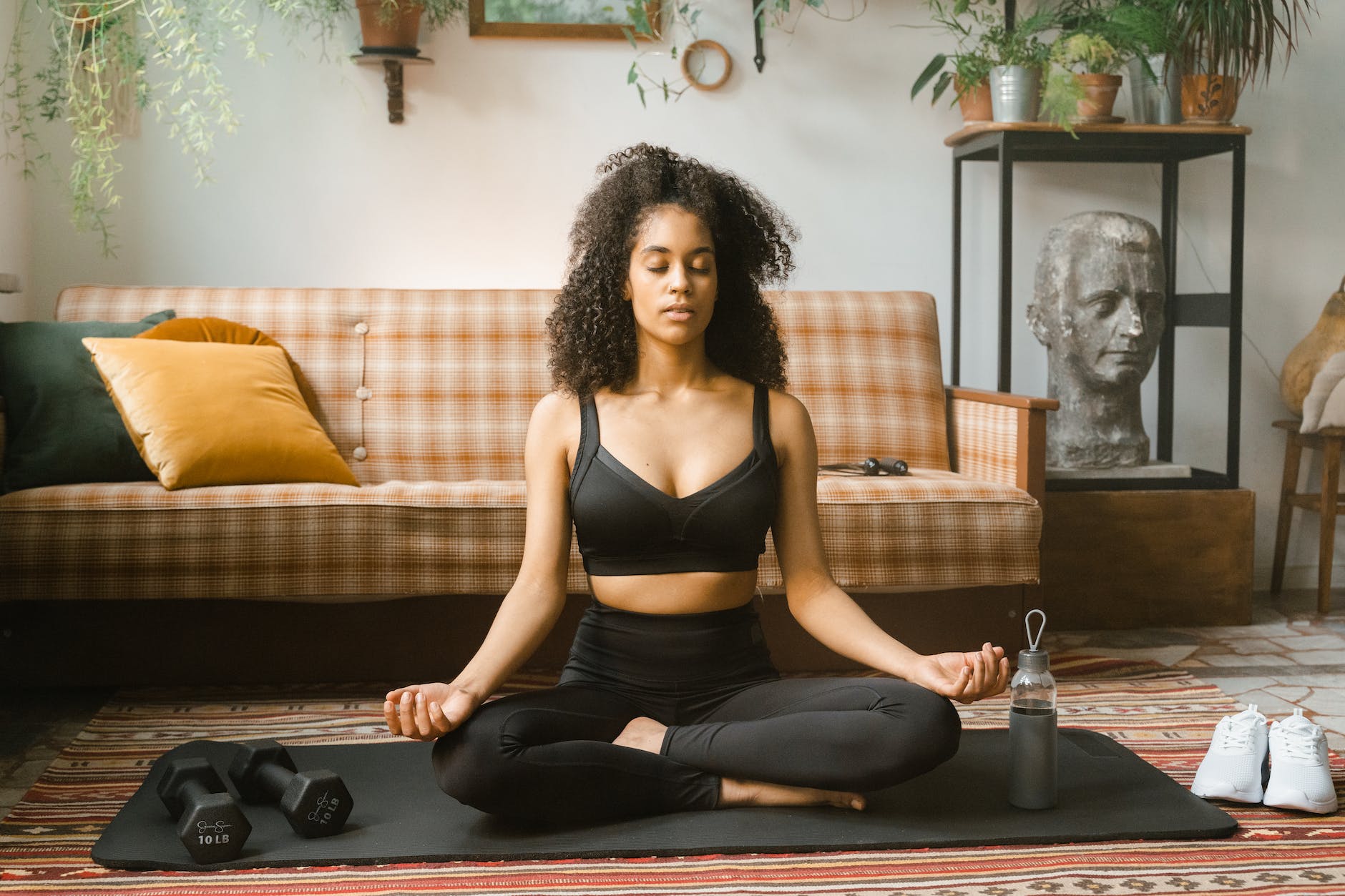
Not every day feels peaceful. Some days are a blur of responsibilities, while others feel heavy with emotion or exhaustion. For many of us, the idea of “fitting in” meditation can feel like just another item on a long to-do list… But what if mindfulness could be a support system, flexible enough to meet you exactly where you are? That’s what developing a personalized meditation practice is all about.
Contrary to popular belief, meditation is not a one-size-fits-all solution. It’s a personal, living practice that can evolve with your needs, energy, and intentions. Whether you’re seeking stress relief, a few mindful moments between tasks, or a structured path to deeper inner clarity, your meditation practice can be shaped around your unique life.
Meditation Practice
Take your practice to the next level, & the next… With a Year and a Day commitment.

Let’s explore how to tailor our approach to meditation by working with our unique availability, addressing our individual wellness needs, and aligning with the goals that matter most to us. No matter our experience level, there’s a supportive, sustainable, and empowering way to make meditation truly our own.
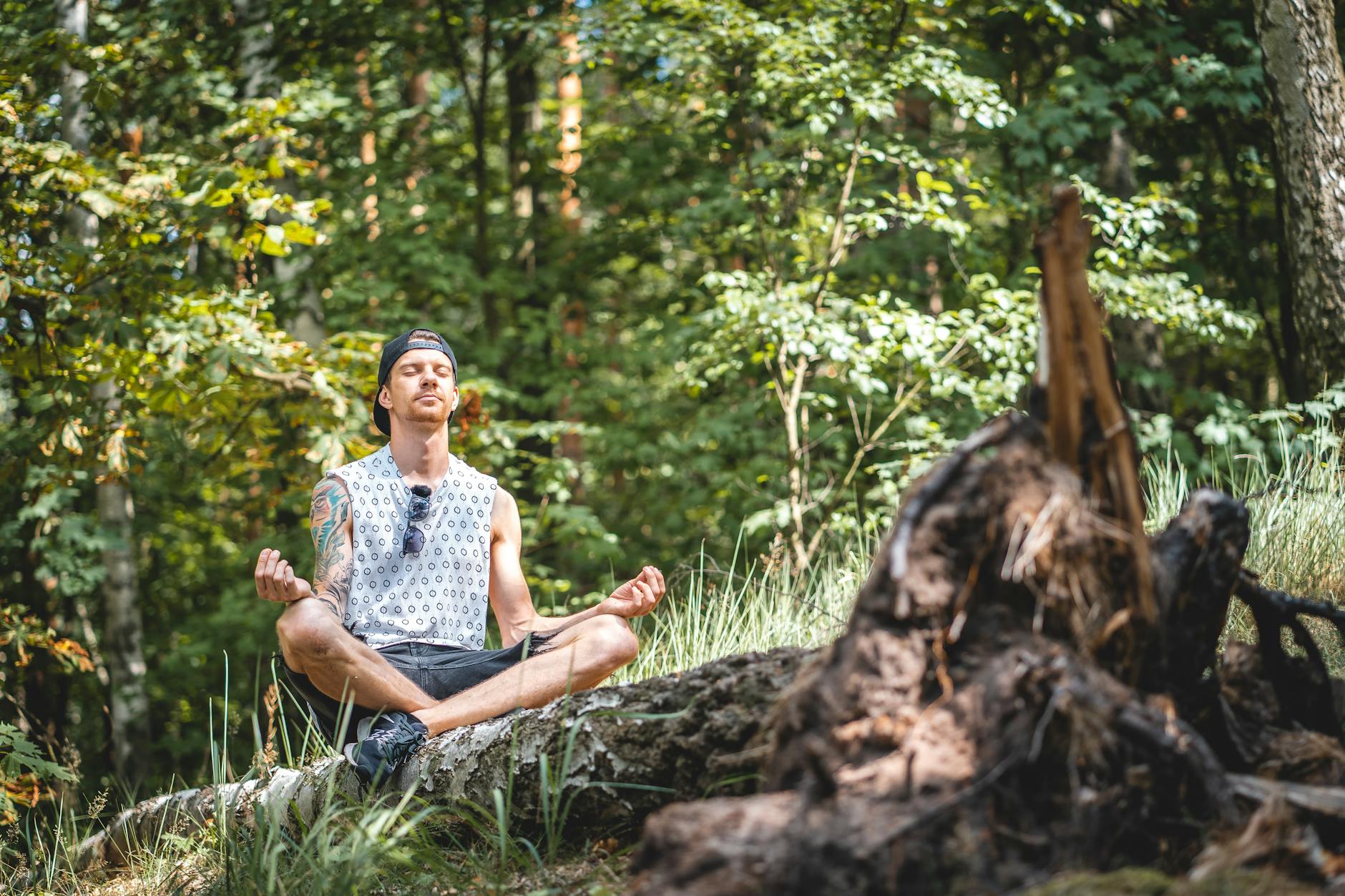
Availability: Fitting Meditation into Life
One of the most common barriers to consistent meditation practice is time, but truly, meditation doesn’t have to be long to be effective. In fact, learning to adapt your mindfulness practice to your real-life schedule is a powerful way to overcome challenges and make meditation a sustainable part of your day.
For those seeking a more structured approach, setting aside dedicated time—whether five minutes in the morning or ten minutes before bed—can build rhythm and reinforce the habit. These small, consistent windows are more powerful than we often assume. Studies have shown that even brief daily mindfulness sessions can support emotional regulation and reduce stress over time.

When life feels especially busy or unpredictable, we can shift to a more flexible approach. Meditation can be seamlessly woven into daily activities like walking, eating, commuting, or doing dishes. These informal practices, often called “daily mindfulness habits,” are equally valid and accessible. By intentionally bringing presence to the moments we already live, we create space for self-compassion and clarity, no matter how full the day becomes.
It can also be a useful tool when stress arises suddenly, becoming an anchor that allows for more spaciousness and presence. Taking a pause, placing a hand on the heart, or grounding with a few deep breaths can bring us back to ourselves. In these moments, mindfulness practice becomes less about routine and more about resource: a way to meet life with awareness and care, exactly as it is.
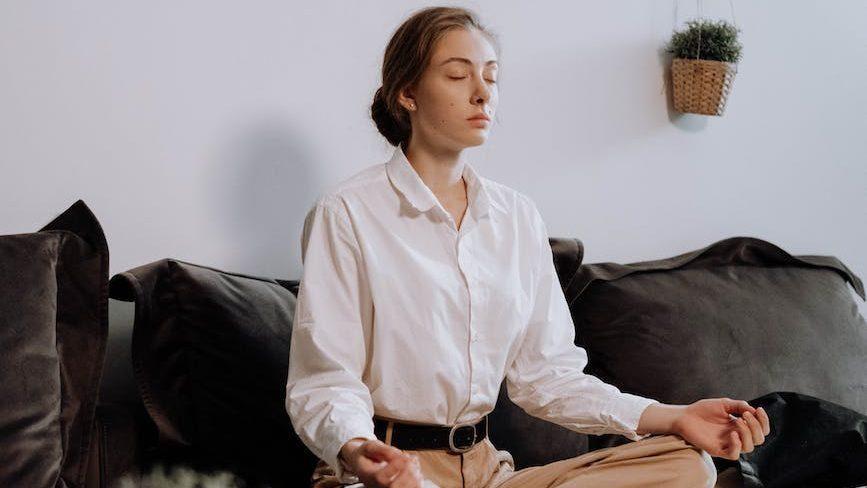
Unique Needs: Addressing Necessity
Meditation becomes most powerful when it reflects our personal needs. Rather than forcing ourselves into rigid routines or generic approaches, we can explore styles that speak directly to where we are physically, emotionally, and spiritually. This process begins by tuning in honestly to what we need most right now when designing our personalized meditation practice.
If stress relief is a priority, practices like deep breathing, progressive muscle relaxation, or guided body scans can offer immediate grounding. These techniques are gentle and effective for calming the nervous system, supporting emotional regulation, and helping us overcome challenges with steadier presence.
For those seeking greater mind-body connection, movement-based practices such as yoga, Tai Chi, or walking meditation may be especially nourishing. These styles encourage us to inhabit our bodies more fully and help us release tension, build resilience, and heal through embodied awareness.

If our need leans toward cultivating a positive mindset, meditations that focus on gratitude, self-compassion, or affirmation can shift our mental habits gently over time. These practices help retrain our focus, inviting in joy, appreciation, and warmth. They also serve as a counterbalance to negative self-talk, fostering inner encouragement and emotional vitality.
By identifying what feels most supportive and choosing techniques accordingly, we empower ourselves to build a meditation practice that serves us. This process is about alignment, not perfection. Our personal growth accelerates when our tools match our needs, and mindfulness can offer us that path forward.
Desired Goals: Clarifying Intentions
Intentions give our meditation practice shape and purpose. Whether we’re looking to ease stress, increase focus, process emotions, or deepen spiritual connection, clarity about what we hope to experience helps us stay consistent and engaged. Personal goals are wonderful tools that enhance and guide our practice.
If your goal is stress reduction, techniques that emphasize relaxation and presence—like mindful breathing, body scan meditations, or gentle visualization—can help soothe your nervous system and restore balance. These practices are especially helpful during busy seasons or times of emotional overload, acting as a reset point throughout the day.

For those seeking clarity and insight, practices such as mindfulness meditation, journaling after meditation, or even Transcendental and Zen techniques can support a clearer mental landscape. These styles create space between thoughts, offering perspective and encouraging non-reactive awareness. Over time, they foster a deeper trust in your own intuition.

If you’re focused on emotional healing or mood enhancement, consider loving-kindness meditations, mantra chanting, or movement-based expressions like ecstatic dance or yoga flow. These support emotional release, heart opening, and energetic upliftment, making them ideal when you’re seeking comfort, connection, or revitalization.
When we clarify our intentions, we infuse our practice with direction. This doesn’t mean every session must be goal-oriented, but having a clear sense of what we’re cultivating helps us choose the practices that will best support our growth. Meditation becomes less about doing it “right” and more about meeting ourselves where we are, with compassion and focus.
Adapting Over Time: Evolving With Growth
A personalized meditation practice is a living process that shifts as we do, not something we master and complete. As our lives change, so do our needs, rhythms, and capacities. What once served us perfectly may begin to feel limiting, while unfamiliar practices may begin to call to us. Embracing this evolution is natural and a sign of progress.
Perhaps you began with guided meditations to calm anxiety, but now find yourself craving the stillness of silent sits. Or maybe loving-kindness meditations brought comfort through a period of grief, which later gave way to an reenergizing movement practice. These transitions are invitations to deepen our trust in both the practice and ourselves.

Seasonal shifts, life events, emotional growth, and even our physical health can all influence which techniques feel most aligned. Honoring that need for change can keep meditation fresh and supportive, rather than rigid or burdensome. It also teaches us to relate to ourselves with curiosity, not judgment.
Rather than clinging to a fixed routine, we can allow ourselves to adapt with awareness, letting our practice expand and contract as needed. In doing so, meditation becomes not only a tool for wellness, but a mirror for our personal evolution: flexible, responsive, and always returning us to presence.

Conclusion: Meditation is an Ongoing, Personal Journey, Not a Temporary Prescription
Meditation is about discovering what truly supports us and honoring that with our presence. When we allow our practice to reflect our availability, address our unique needs, and align with our evolving goals, it becomes not just effective, but deeply meaningful.
Whether we sit in stillness for 30 minutes, take mindful breaths in a stressful moment, or bring attention to our steps while walking the dog, each act of awareness is valid. Each moment we turn inward is an act of self-care, and each breath of intention is a vote for our own wellbeing.

There’s freedom in remembering that our meditation path is our own. As we keep showing up with gentleness, curiosity, and trust, we create a relationship with ourselves that is resilient, compassionate, and real. Let your practice meet you where you are today, and let it grow with you tomorrow. That sustainable flexibility is where its greatest power lives.
Mindful Meditation
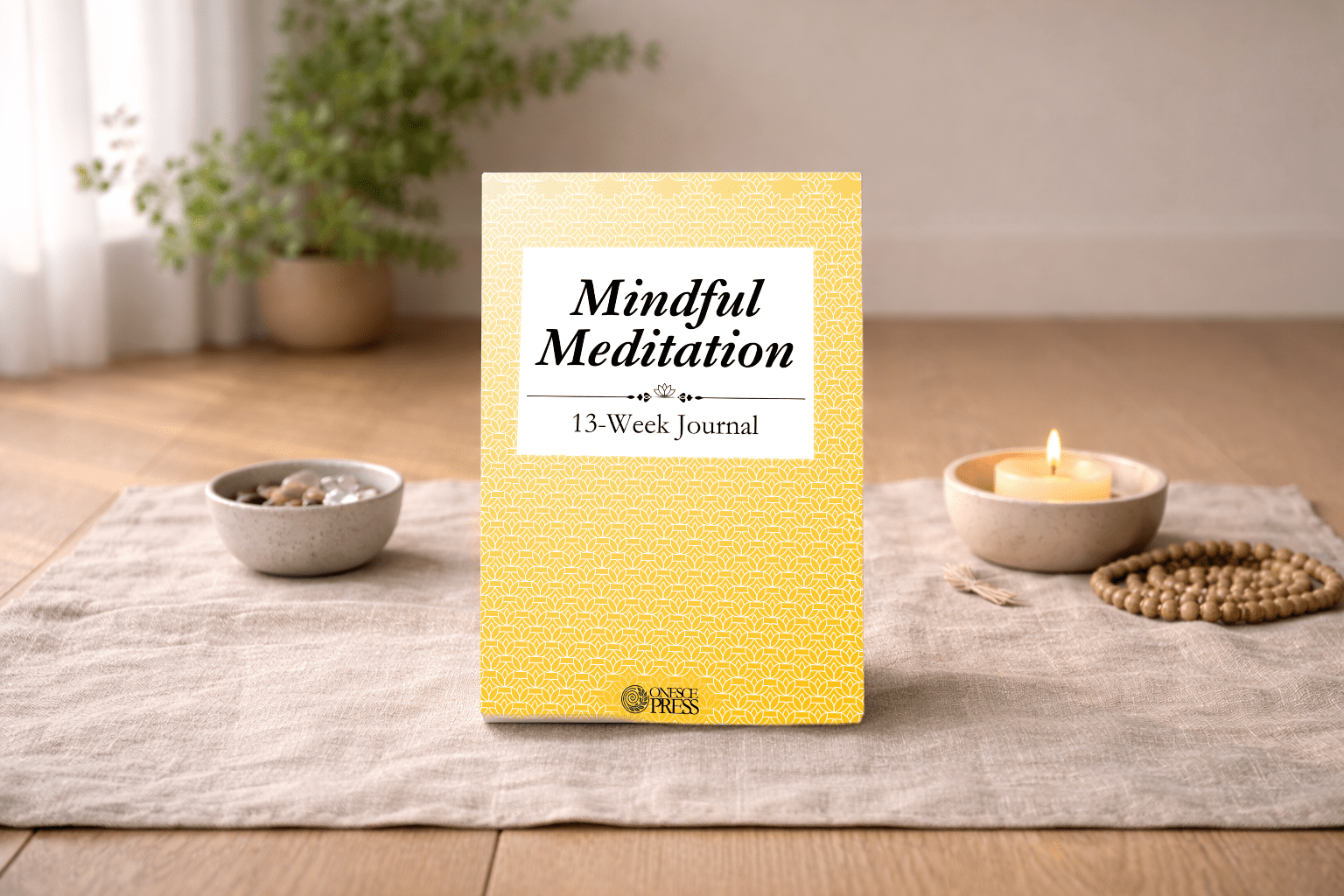
JOURNAL FEATURES:
- Your companion on a 13-Week journey of discovery and personal growth.
- Soothe the “monkey mind” and record details about your meditation experiences.
- Honor responsibilities and distractions, then tap into what your subconscious is doing.
- Watch your new devotional practice grow organically as you give yourself the grace to show up, just as you are.
Give yourself the gift of more mindfulness. You can also find this journal on Amazon!