

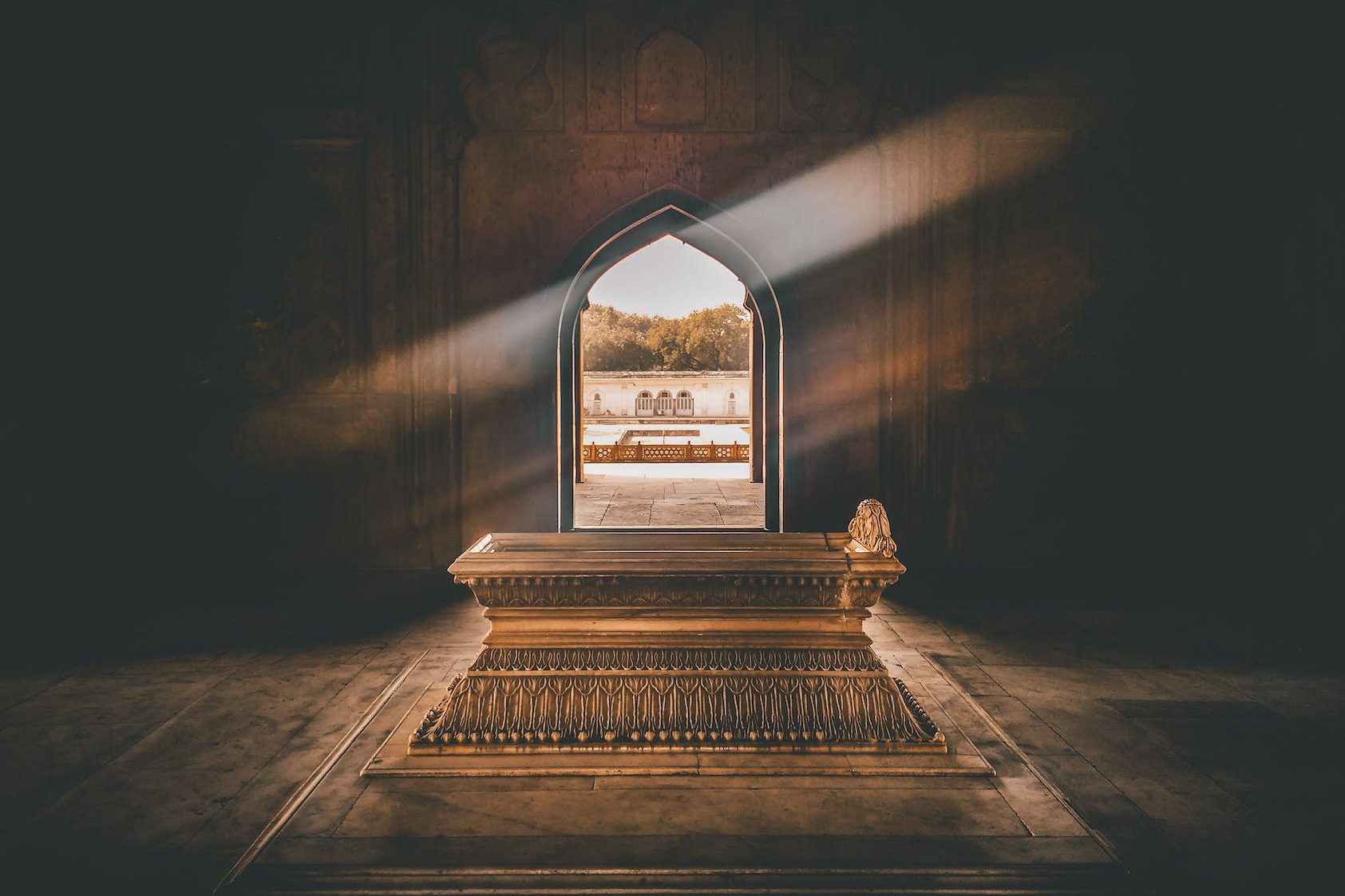
There comes a point in every meditation journey when the familiar rhythms of practice begin to feel like home. Yet, within this familiarity, something inside often starts to stir with curiosity for more. After building the foundation (steady focus, breath awareness, and a sense of presence we can return to), we may start to feel the quiet pull toward the deeper waters of advanced meditation techniques, where the practice becomes less about general discipline and more about personal transformation.
Advanced meditation is not an external competition or a measure of mastery, rather, it’s an internal invitation. These techniques can help us refine our awareness, open new channels of perception, and connect with dimensions of our being that the surface mind rarely touches. Truly, by working with more nuanced breath patterns, expanding compassion, exploring inner landscapes, or even dissolving the boundaries of self, we can experience states of clarity, unity, and insight that reshape how we live and engage with the world.
Meditation Practice
Take your practice to the next level, & the next… With a Year and a Day commitment.

Let’s explore how this next chapter of our meditation journey is about leaning into the unknown with patience and openness. We’ll begin to understand why there is no rush, and how only a willingness to explore and integrate is necessary, as we step into these deeper practices. We’ll also consider some diverse options, as each one is a viable gateway to profound self-discovery and spiritual growth, and begin our explorations with gentle curiosity.

#1: Harnessing the Power of Breath
In advanced meditation, the breath moves beyond a rhythm to notice, becoming a conscious tool for shaping energy, focus, and inner stillness. Known in many traditions as prana, chi, or life force, the breath carries vitality throughout the body and serves as a bridge between the physical and subtle realms. By refining our awareness and control of its flow, we can deepen both our concentration and our connection to the present moment.

Instead of simply following the rise and fall of the breath, advanced practitioners often explore structured patterns such as alternate nostril breathing (nadi shodhana), extended breath retention (kumbhaka), or rhythmic cycles that balance inhalation and exhalation. These techniques are designed not only to calm the nervous system but also to awaken dormant energy, sharpen mental clarity, and prepare the mind for deeper states of meditation.
The key is to approach these practices gradually and respectfully, allowing your body and mind to adjust. Begin by adding a few rounds of breath work to your meditation practice and taking notice of the sensations, the shifts in mental stillness, and the quality of awareness that follows. Over time, breath mastery becomes less about controlling the air you breathe and more about cultivating harmony with the vital energy it carries. In this way, the breath can act as a guiding presence within your meditation journey, even beyond the steady rhythm its flow provides.
#2: Deepening Presence with Mindfulness
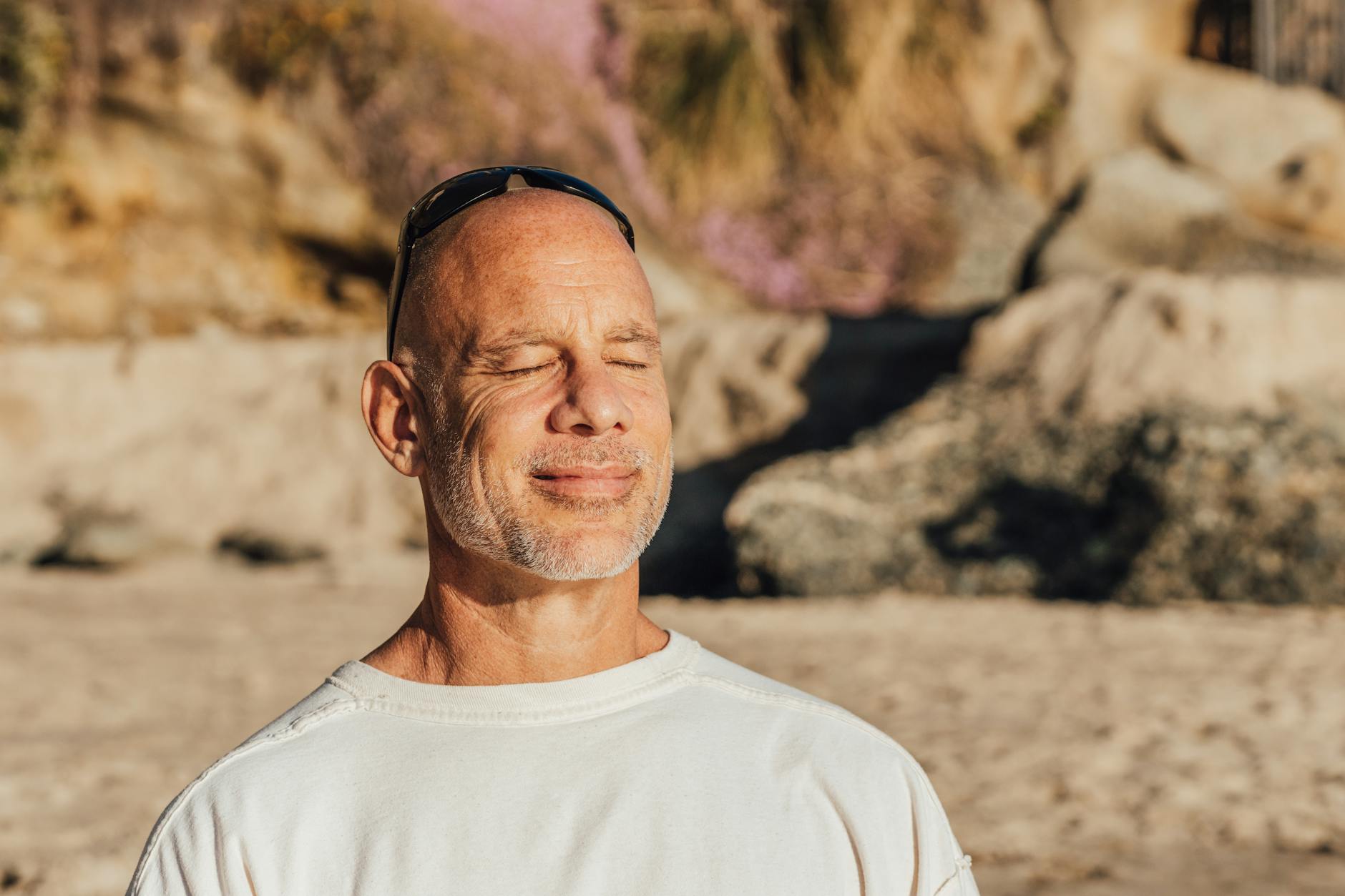
At the heart of advanced practice lies the ability to witness the mind without being swept away by it. Where basic mindfulness often focuses on anchoring attention to a single point—like the breath—deepening mindfulness expands this awareness to include thoughts, emotions, and bodily sensations as they arise. Instead of engaging or resisting, we simply observe, allowing the mind’s activity to flow like clouds across a vast sky.
This expanded awareness reveals patterns we may have overlooked in everyday life, like: recurring thoughts, habitual emotional responses, or subtle tensions in the body. By observing without judgment, we begin to understand the impermanent and fluid nature of these experiences. This clarity softens reactivity and fosters a steady, compassionate presence, even in the midst of challenge.

In practice, deepening mindfulness might mean shifting between focused attention and open monitoring, allowing awareness to rest wherever it’s drawn. This is a training in mental and emotional spaciousness, or a way of holding all that arises without grasping or pushing away, making it one of the most valuable advanced meditation techniques. Over time, this cultivation of inner witness dissolves the mind’s habitual chatter, opening the door to profound peace and insight.

#3: Expanding Loving-Kindness
Loving-kindness meditation, or metta, begins simply by wishing ourselves well, then extending those wishes beyond ourselves to loved ones. In advanced practice, we widen the circle beyond comfort zones, directing compassion toward those with whom we feel tension, and eventually to all beings without exception.

This deeper form of loving-kindness is not about condoning harmful actions or forcing false affection. Instead, it is about recognizing our shared humanity, seeing that suffering and longing for happiness are universal experiences. When we practice extending compassion to those who challenge us, we loosen the grip of resentment and cultivate a heart that is both resilient and open.
A session of intensified loving-kindness often moves through layers: self, loved ones, neutral acquaintances, difficult individuals, and finally, all beings everywhere. As the scope expands, so does our capacity for empathy, forgiveness, and joy. Over time, this practice dissolves barriers, transforming the way we meet others and ourselves. It is a radical act of love that redefines how we move through the world.
#4: Exploring Sound & Mantra
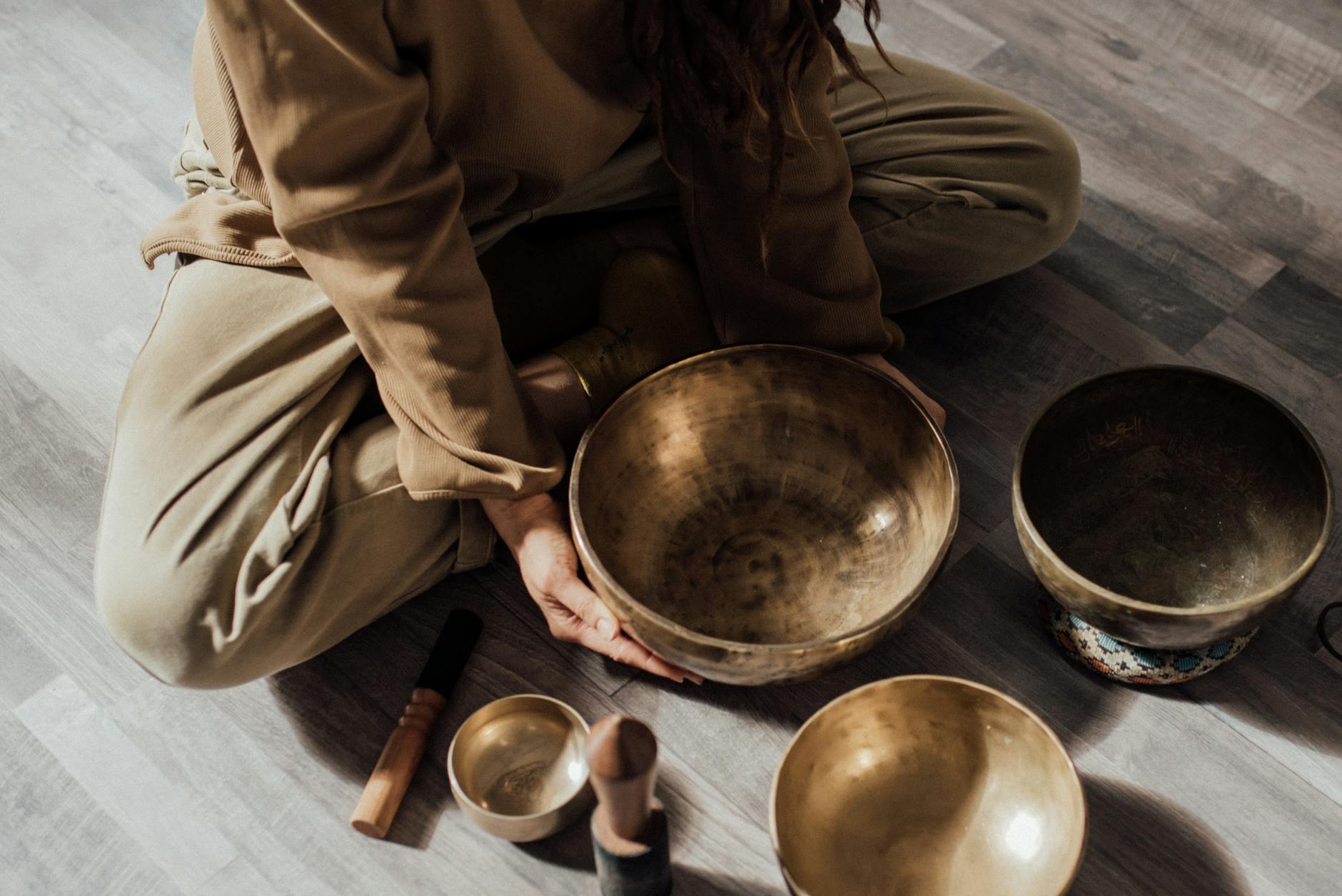
Sound and mantra meditation offers a direct way to steady the mind and awaken deeper states of presence. In advanced practice, we work with the vibrational quality of sound—not just its meaning—allowing it to anchor awareness and shift our energetic state. Whether it’s chanting a sacred syllable like Om, repeating a traditional mantra, or toning vowel sounds, the focus is on the resonance itself.
When practiced consistently, the repetition becomes more than a mental exercise and transforms into a whole-body experience, making this one of the most profound advanced meditation techniques. The vibration moves through the chest, throat, and skull, harmonizing breath and heartbeat, while gently guiding the mind away from distraction. Some practitioners also work with call-and-response chanting or silent mantra repetition to deepen concentration and cultivate a subtle, continuous awareness.
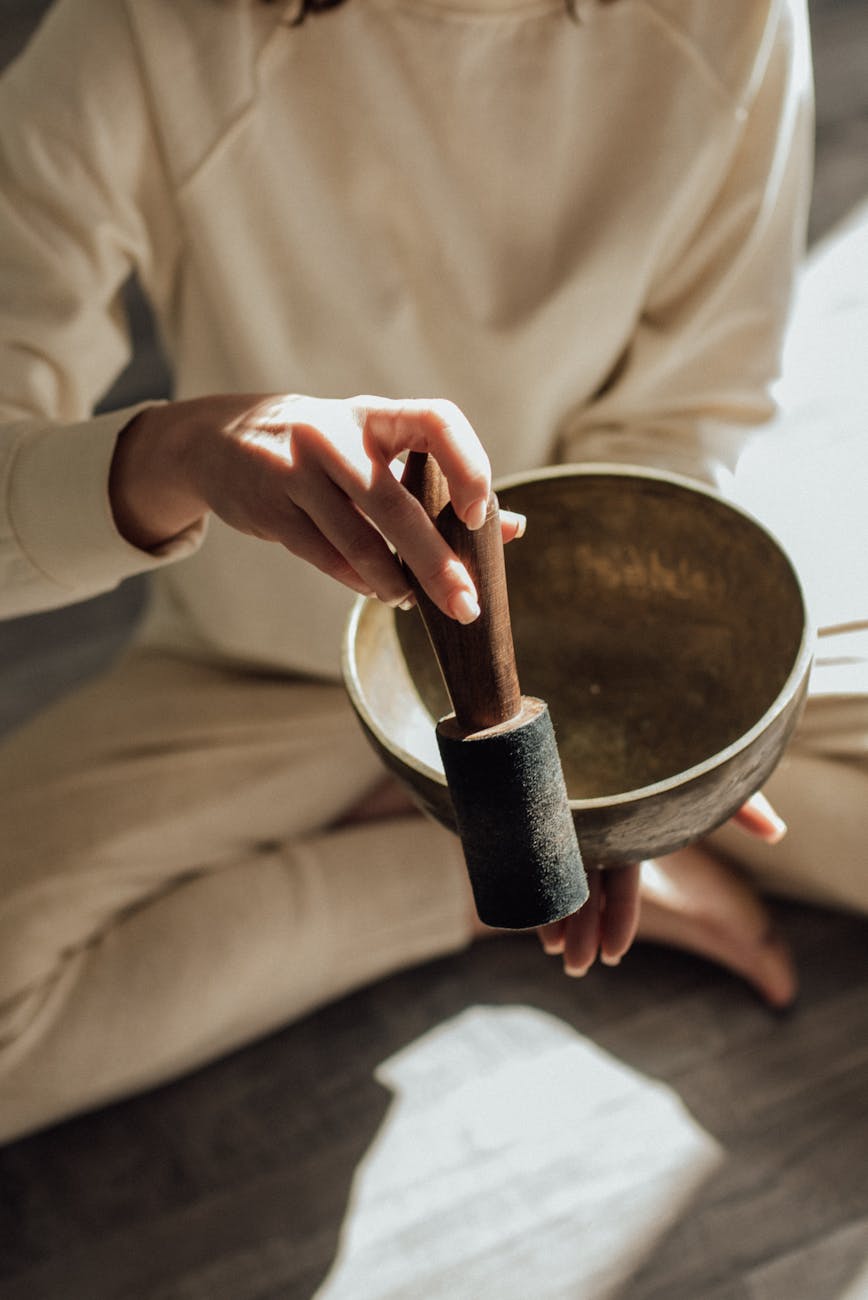
By working with and surrendering to the power of sound, we enter a space where thoughts quiet and the self-conscious mind softens. In this way, resonance becomes not only a meditation technique but also a bridge that connects the inner and outer worlds through the universal language of vibration.

#5: Inner Journeying & Visualization
Visualization and inner journeying allow us to enter the rich, symbolic realm of the subconscious with intention and awareness. In advanced meditation, this is not about daydreaming, functioning instead as a deliberate practice of shaping and guiding imagery to open hidden doors within the mind.

We might begin by creating a peaceful, detailed inner landscape—like a forest path, a temple, or a mountain summit—and allowing the senses to fully inhabit it. From there, we can meet archetypal guides, engage in symbolic rituals, or explore scenes that hold personal meaning. These journeys can reveal buried emotions, illuminate patterns, and offer profound insight into our beliefs and desires.
When approached with clarity and an open heart, visualization becomes a dialogue with the deeper self. It bypasses the linear mind, enabling intuitive wisdom to emerge in ways words cannot capture. The more vividly we engage, the more these inner journeys become not just imagined experiences, but transformative encounters that shape our waking life.

#6: Inviting Non-Dual Awareness
Non-dual awareness invites us into a state where the separation between “self” and “other” gently falls away. By using this as one of our advanced meditation techniques, we actually shift from observing experiences as ourselves to resting in the awareness that contains them all. This requires allowing the breath, our thoughts, physical sensations, and everything in the world around us to arise within the same boundless field of non-judgement and non-attachment.
Instead of focusing on a single object of meditation, we allow attention to soften and expand, holding everything equally without preference. This spacious openness reveals that the same awareness witnessing our inner world also perceives the outer one, dissolving the illusion of division.

With continued practice, non-dual awareness fosters a profound sense of peace and belonging. We come to experience life not as something happening “to” us, but as something we are intimately part of. Living, then, becomes an unbroken flow of being where every moment is complete and whole. In this space, compassion and connection arise naturally, without effort.

#7: Embracing Silence & Stillness
In advanced meditation, silence and stillness are not simply the absence of sound or movement, becoming states of presence themselves. When we commit to extended periods of stillness or quiet (whether in a dedicated retreat or at home), we allow the restless momentum of the mind to gradually settle, and gain access to the deepest layers of our awareness.

In this spacious peacefulness, the mind’s usual narratives begin to dissolve and a more insightful awareness emerges. Here, silence and stillness become teachers, revealing truths that our words cannot reach. Through the gradual extension of these simple practices, we discover our anchored consciousness or awareness, rooting ourselves into the essence of being itself.
Entering this depth is less about striving for an experience and more about letting go of all attempts to control it. The more we surrender into silence, the more we discover its fullness as a vibrant, expansive awareness that holds all of life without judgment or grasping. Here, we meet the vastness within, ever untouched by time or change.

Conclusion: Advanced Meditation Techniques Offer a Variety of Deepening Experiences
Advanced meditation is not about achieving some final level of consciousness, but rather, it offers us tools for deepening our capacity to meet each moment with presence, openness, and trust. As we explore breath mastery, sharpen our mindfulness, expand compassion, resonate with mantra, journey inward, dissolve boundaries, and rest in silence, we are not just learning techniques—we are cultivating a way of being that touches every facet of life.
Truly, all of the advanced meditation techniques we’ve explored invite us to live more fully: rooted in awareness, guided by compassion, and attuned to the profound, timeless stillness at our core. Progress may unfold in subtle shifts or in transformative waves, but each step enriches the journey.
Mindful Meditation
Quiet your “monkey mind,” record your experiences, & deepen your practice.
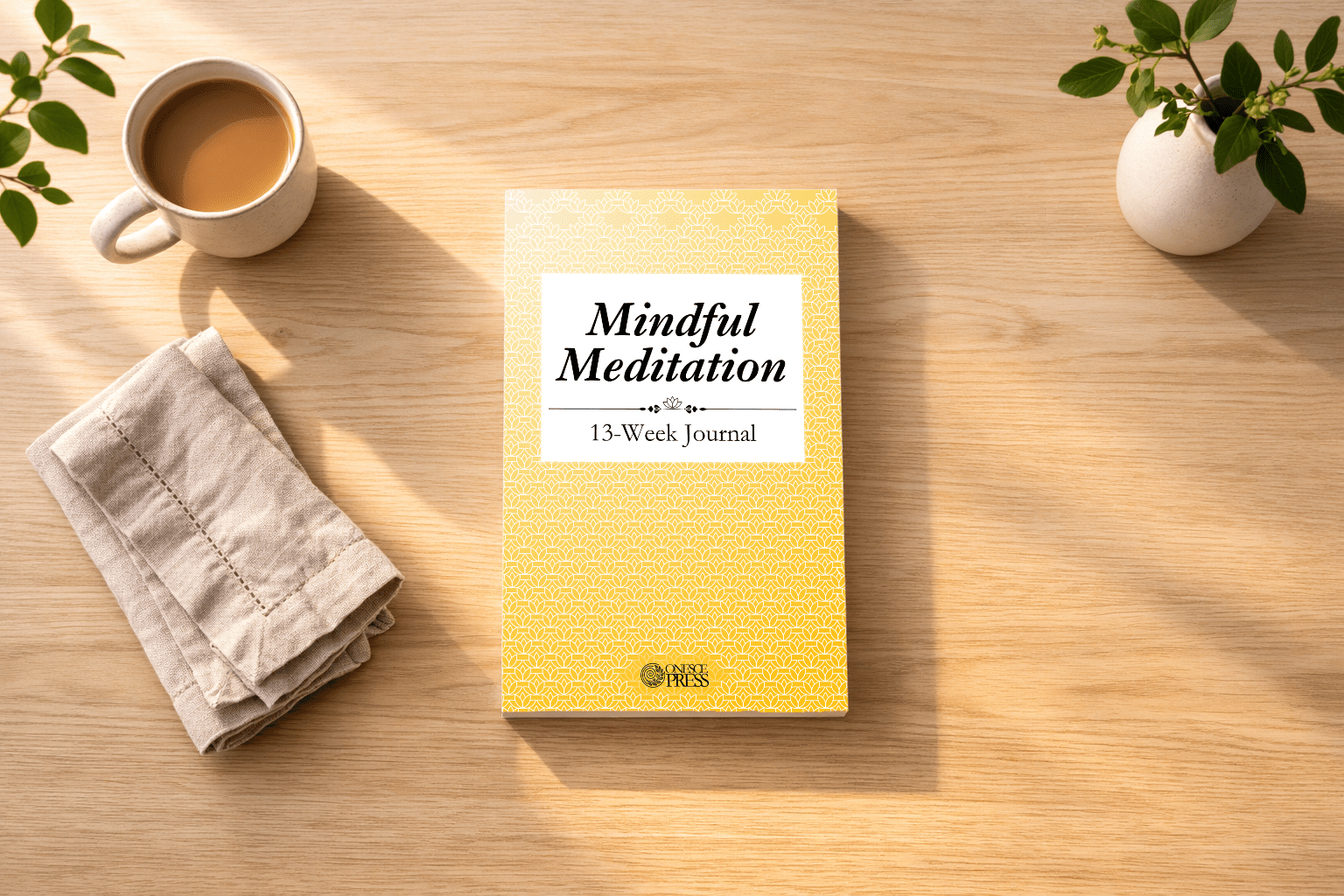
Let’s approach these techniques with patience and curiosity, allowing them to evolve alongside us in our meditation practice. In doing so, we will find that the work we do on our meditation cushion is not separate from daily life, and is actually the foundation from which every breath, word, and action are empowered to flow with evermore intention, clarity, and grace.
Thank you for joining us here on Onescence! If you enjoyed this article, please consider supporting our free, online periodical by purchasing one of our products through Onesce Press. Given your interest in meditation and advanced devotional practices, perhaps you would benefit from:
Meditation Practice
LOGBOOK FEATURES:
- Your companion on a 366-Day adventure in devotion and commitment.
- Developed with the Year and a Day framework to challenge and inspire.
- Simple and straightforward logging with space for key intentions and reflections.
- Enjoy the benefits of tracking your progress and the details of your practice in one place.
You can also get your copy on Amazon. Don’t wait, take your practice to the next level: