


In a world that often demands more than it gives, meditation offers something rare: space to simply be. Yet for many of us, the idea of establishing a meditation practice feels intimidating. Perhaps it even seems like something reserved for monks, mystics, or people with perfectly structured schedules. Truly though, learning how to start meditating doesn’t require perfection, hours of silence, or a complete lifestyle overhaul. It can begin with something as simple as a breath, an intention, or the willingness to meet ourselves right where we are.
Whether we’re navigating a packed calendar, caring for others, or working through our own mental clutter, we all have the power to create a daily meditation routine that’s sustainable and meaningful. Meditation is not one-size-fits-all. It’s a personal and evolving journey, and the more we allow it to reflect our uniqueness, the more powerful it becomes.
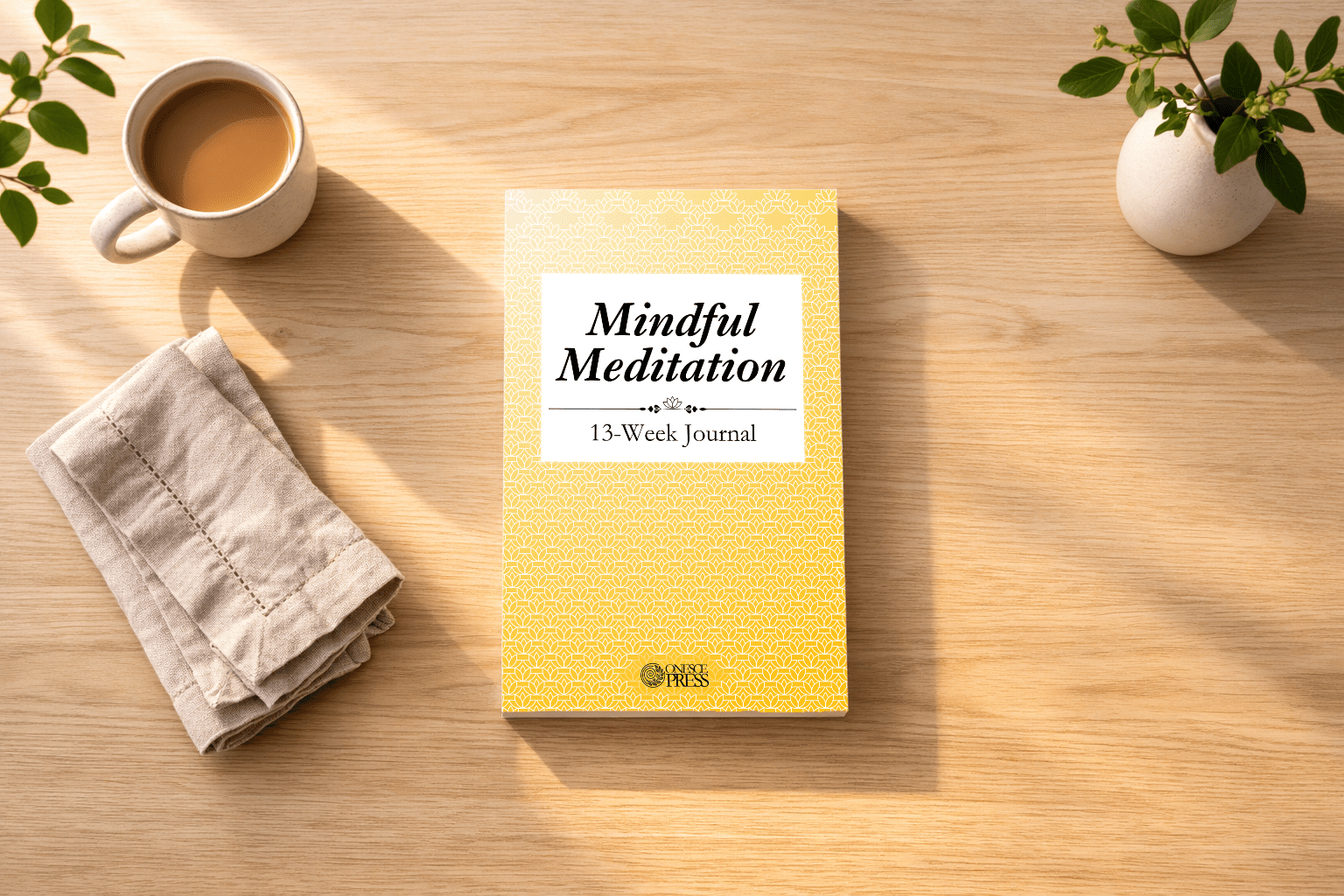
Mindful Meditation
Quiet your “monkey mind,” record your experiences, & deepen your practice.
Let’s explore how to build a mindfulness meditation practice that fits your life, not someone else’s. From carving out time and creating sacred space, to finding a posture, focusing on the breath, and accessing support, we’ll consider everything that can help create a practice that grows with you. Along the way, we’ll not only discover the proven benefits of meditation, but also the quiet clarity that comes from showing up consistently, compassionately, and authentically.

Finding Time: What Works For You?
When beginning a meditation practice, one of the most common challenges is finding time to do it. In the midst of busy schedules, family responsibilities, and constant distractions, the idea of sitting quietly can feel like just another task on an already full to-do list. However, learning how to start meditating doesn’t require hours of commitment, just a few intentional minutes can make a lasting difference.
If your schedule allows, consider setting aside a consistent time each day. This could be five to ten minutes in the morning before the day begins, a few minutes during a lunch break, or a short evening session before bed. Anchoring your meditation to existing habits (like brushing your teeth, making tea, or winding down after work) can also help create a rhythm that supports long-term consistency.

For others, especially those with nontraditional routines, a structured daily meditation practice may not feel realistic. That’s where flexibility becomes a powerful ally. Instead of waiting for the perfect moment, try integrating meditation into your current flow. Take a few mindful breaths while commuting, pause for a short walking meditation during breaks, or practice mindfulness while folding laundry or doing dishes. These small acts of presence are just as valuable as longer, formal sessions.
The key is to choose consistency over perfection. Whether you meditate once a day or a few times a week, what matters most is that it feels realistic for you. These small moments of stillness become reliable touchpoints for mindfulness over time, reminders that peace isn’t found in the absence of activity, but in the way we show up to the moments we already have.
Create a Sacred (or Intentional) Space
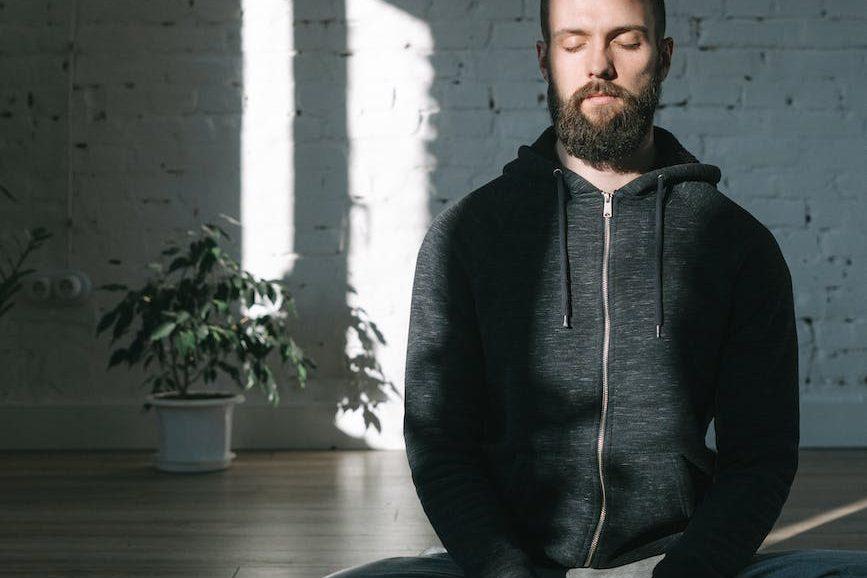
Having a dedicated space for meditation can deepen your practice by signaling to your mind and body that it’s time to slow down and tune in. For many people, carving out a peaceful corner in the home (a cushion in the bedroom, a chair near a window, or a small nook with soft lighting) helps create a natural container for stillness. Adding simple elements like a candle, plant, incense, or a meaningful object can make the space feel supportive and calming.
That said, a formal meditation room is not necessary. Many of us don’t have the luxury of extra space, but that doesn’t mean we can’t create an intentional environment. Even something as simple as lighting a candle before sitting, laying down a favorite mat, or using headphones to block out external noise can cue the mind into a more focused state. Over time, these small rituals become powerful anchors, reminding you that this is your time to reconnect.

For those who meditate on the move (during walks, commutes, or while doing household tasks) intention becomes the sacred space. A few breaths before beginning, a mantra whispered under the breath, or a quiet moment of gratitude can transform even the most mundane setting into a space for presence.
Whether your space is elaborate or minimal, fixed or fluid, the act of intentionally stepping into practice is what makes it sacred. It’s not about where you are, but how you choose to show up.

Choosing the Right Meditation Posture
Posture plays an important role in meditation, not because there’s a single right way to sit, but because how we position the body can influence our focus and comfort. The goal is to find a posture that supports both alertness and relaxation; something that allows you to stay present without creating unnecessary tension or discomfort.
Meditation Practice
Take your practice to the next level, & the next… With a Year and a Day commitment.

A classic seated posture involves sitting with a straight spine, relaxed shoulders, and hands resting on the legs or in the lap. This can be done on a cushion, bench, or chair, depending on what’s most comfortable. Crossing the legs or sitting upright in a chair with feet flat on the floor are both common and equally effective. What matters most is that the spine feels supported and the body feels steady.
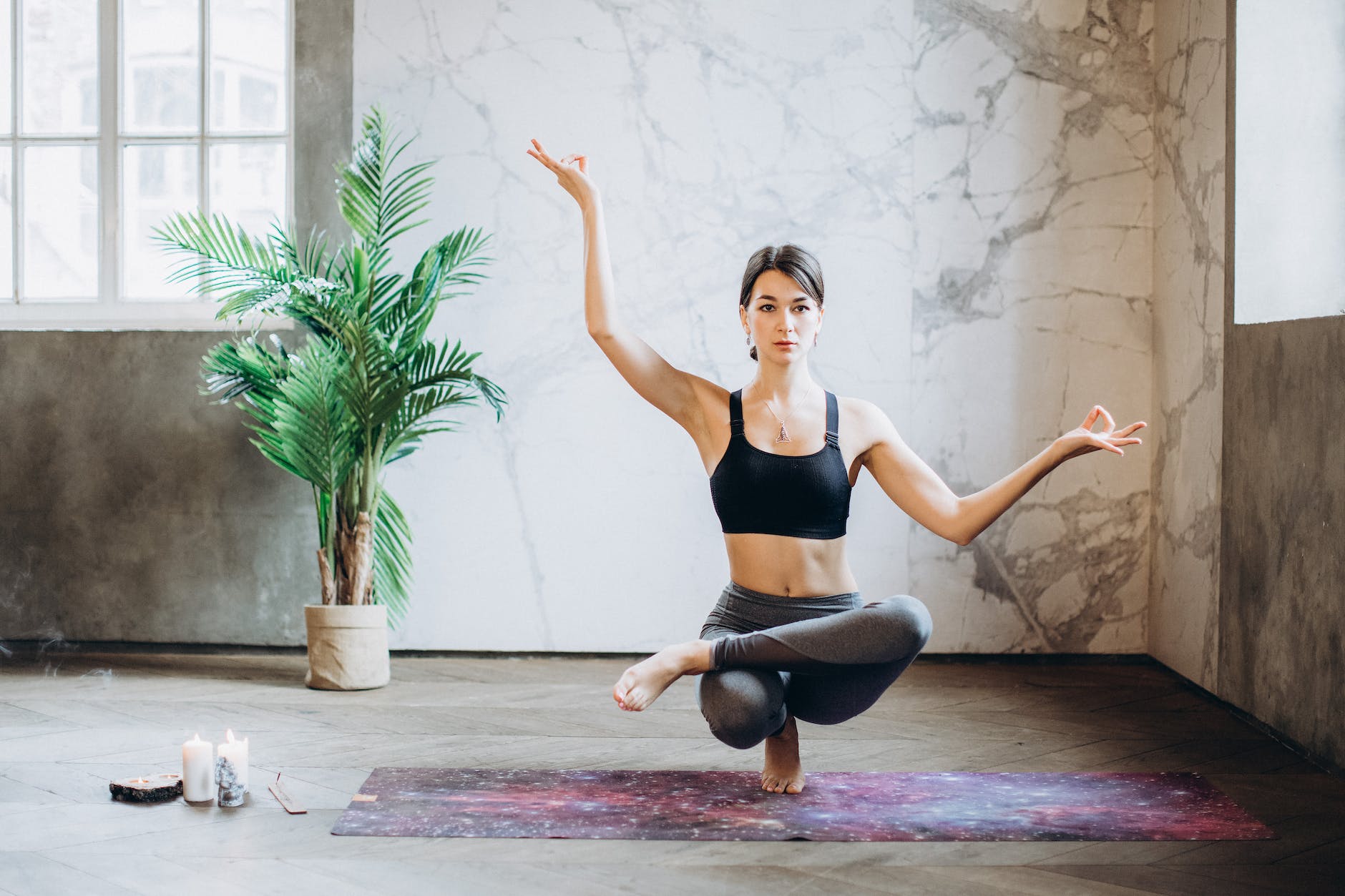
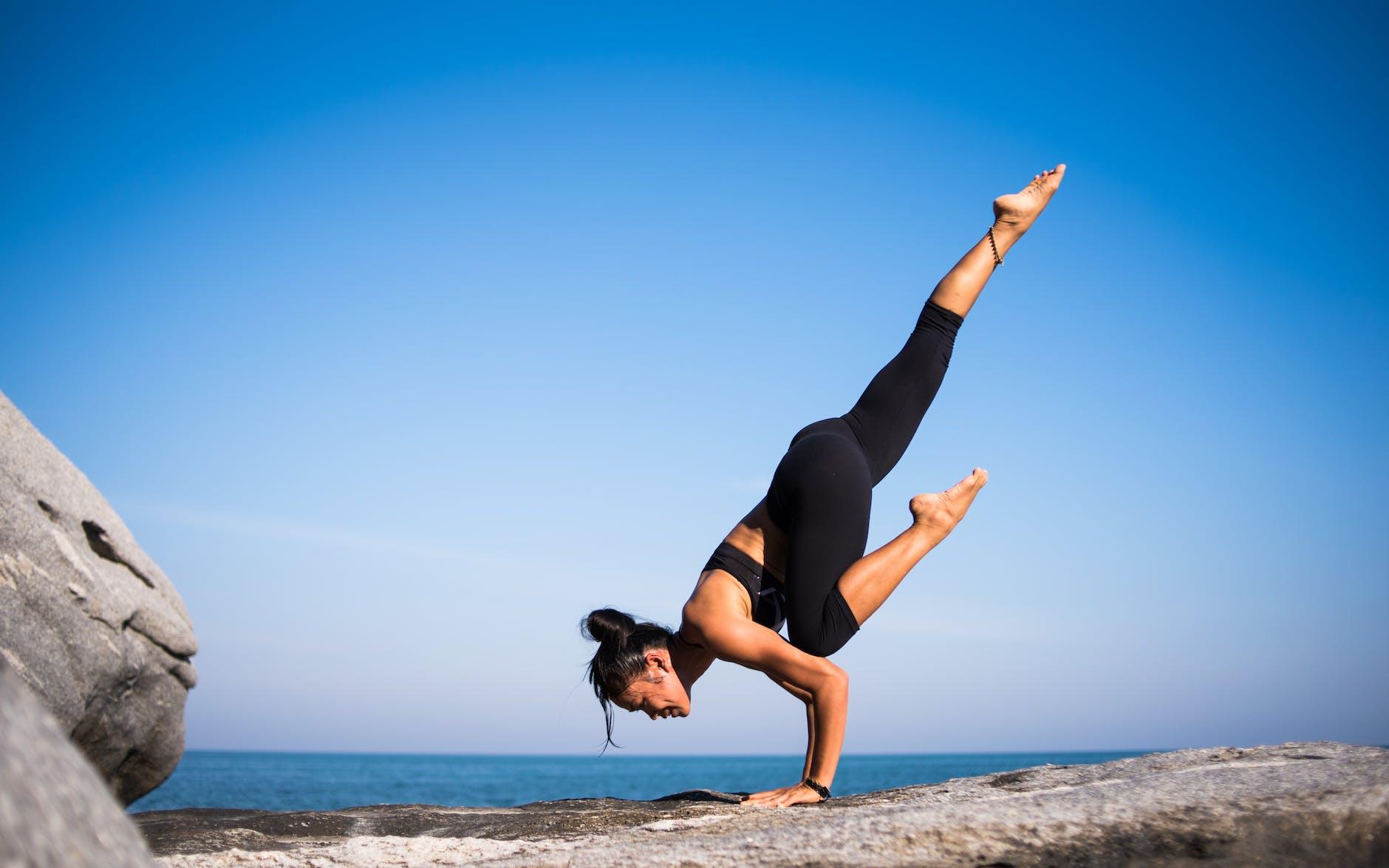
For some, lying down may be the best option, especially when working with physical limitations or using meditation to prepare for sleep. Others may find mindfulness easier to access through movement-based practices like walking meditation, gentle yoga, or even dance. These dynamic postures bring the same intentional awareness to the body and breath, but allow for more fluid expression.
The right posture is the one that meets you where you are. It’s not about holding still for the sake of performance. Focus on minimizing distractions, supporting the breath, and honoring your body’s needs. As your practice evolves, you may find different postures serve you better at different times. Allow yourself to explore, adjust, and move with intention. Meditation begins not with how you sit, but with how you arrive.

Learning How to Focus on the Breath
Breath is one of the most accessible and effective tools for entering a meditative state. It is always with us, always moving, and always ready to guide us back to the present moment. Whether you’re just beginning or deepening a long-term practice, learning to focus on the breath is a simple yet powerful way to anchor awareness.
In many forms of meditation, we start by gently turning our attention to the natural rhythm of inhalation and exhalation. There’s no need to control or change it—just observe. The sensation of air entering the nose, the expansion of the chest, the soft release on the exhale… All of these physical cues become gateways to presence. When the mind inevitably wanders, the breath provides a reliable way to return.

For those who prefer more structure, specific breathing techniques can be incorporated into your routine. Practices like box breathing, coherent breathing, or alternate nostril breathing offer targeted support for calming the nervous system, sharpening focus, or balancing energy. On the other end of the spectrum (in movement-based practices such as walking meditation, ecstatic dance, or certain forms of yoga), we can simply stay aware of how the breath flows in response to our activity and emotion.
Regardless of the approach, breath serves as a constant companion in meditation. It reflects our inner state and helps us shift into new ones. By focusing on the breath, we can quiet mental noise, steady the body, and cultivate a clear, grounded awareness.
Exploring Support: Guided Meditations & Mantras
Starting a meditation practice can feel overwhelming without guidance, especially in the beginning. Fortunately, there are many accessible tools designed to support your journey. Guided meditations, mantra practices, and teacher-led sessions offer structure, encouragement, and variety, helping to make meditation more approachable and consistent.
Guided meditations are especially helpful when you’re learning how to start meditating. These recordings gently walk you through the process, often including prompts for breath awareness, body scanning, visualization, or emotional release. Available through apps, streaming platforms, and online communities, guided sessions can be tailored to your needs. There’s also a wide variety available, making this a great option regardless of whether you’re looking to reduce stress, improve sleep, or cultivate more gratitude.

Mantra meditation is another form of support. Repeating a word or phrase (silently or out loud) helps direct focus and steady the mind. Simple mantras like “I am calm” or “I am letting go” can become anchors during stillness or movement. Many people also enjoy listening to devotional chants or affirmations during everyday tasks as a way to stay connected to intention throughout the day.
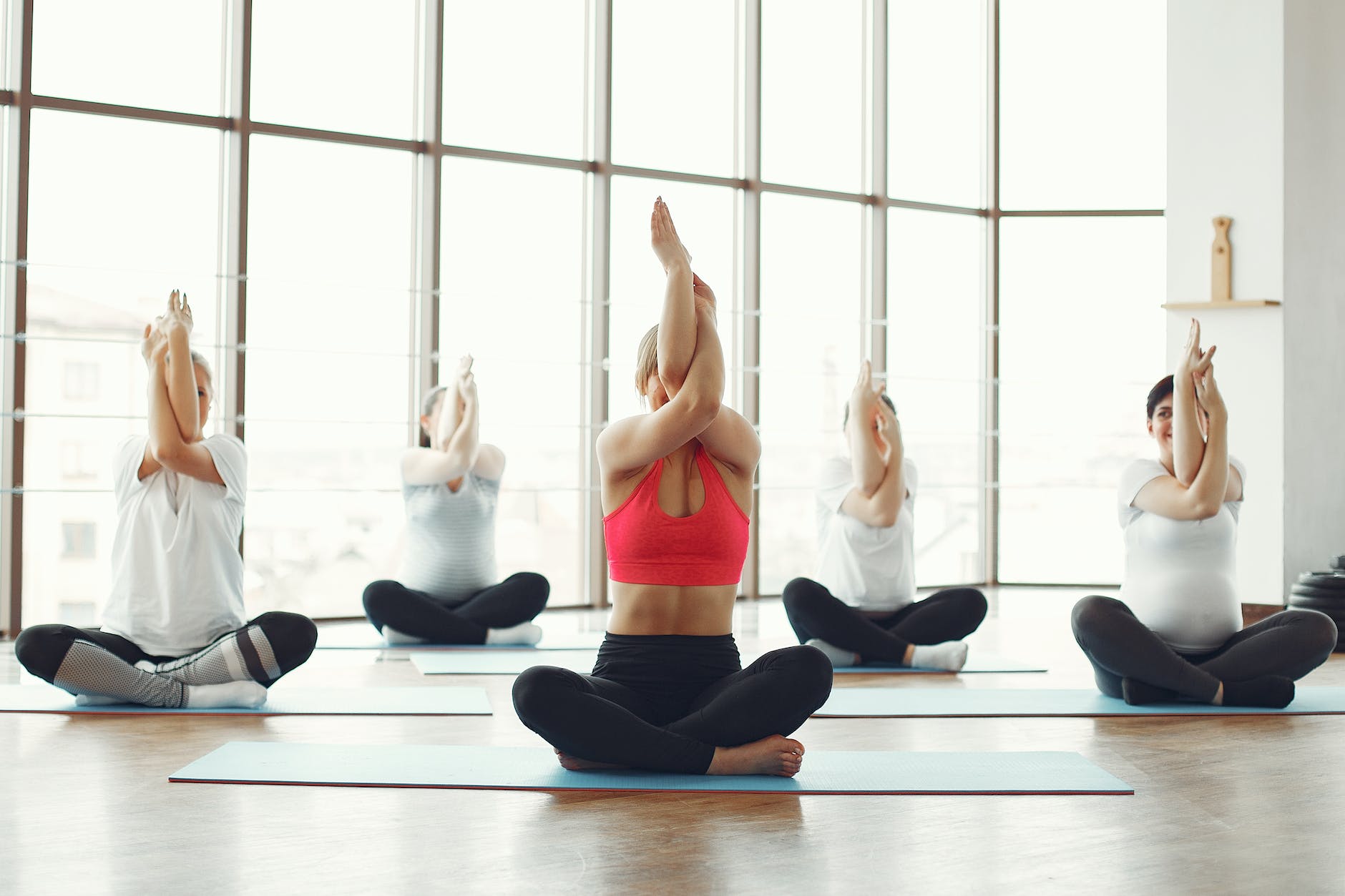
Attending a yoga class, joining a meditation circle, or even just setting up a playlist of calming soundscapes are all valid ways to receive support. These tools don’t take away from the practice, they enhance it. They remind us that we don’t have to do this alone, and that there’s no shame in starting with structure.
The right support doesn’t need to be fancy or formal. It simply needs to help you show up, again and again, until the practice becomes part of who you are.
Remember to Be Gentle with Yourself
One of the most important elements of any meditation practice is how we relate to ourselves in the process. Meditation is about returning, as often as necessary, with presence and patience. It is not about doing it perfectly. Thoughts will arise. Distractions will happen. Some days will feel peaceful, others will feel restless. This is all part of the journey.
Especially when we’re learning how to start meditating, it’s common to feel unsure or self-critical. We might wonder if we’re doing it right or feel frustrated when our minds won’t settle. In these moments, the practice isn’t about forcing calm, it’s about meeting ourselves with kindness. The simple act of noticing when we’ve wandered and gently guiding our attention back is itself a powerful form of awareness.

Rather than judging interruptions, we can treat them as invitations to strengthen our focus, build resilience, and deepen our compassion. These moments are not obstacles—they are opportunities. They help us develop the skills that meditation offers beyond the cushion: patience, self-acceptance, and grace under pressure.
Mindful Meditation
Quiet your “monkey mind,” record your experiences, & deepen your practice.
By being gentle with ourselves, we create space for sustainable growth. We move from discipline into devotion, and from effort into ease. Every time we choose to return with kindness, we reinforce the truth that we don’t have to control our experience, and are then able to be with it.

Gradual Progression: Let Your Practice Evolve
A meditation practice isn’t something we master overnight. Ideally, it unfolds over time, adapting to our needs, rhythms, and seasons of life as it grows with us. What starts as five quiet minutes at the end of the day might later grow into a deeper, more diverse practice. The key is to allow your meditation to evolve with you, rather than forcing it into a rigid mold.
As you become more comfortable with regular practice, you might find yourself curious to explore new techniques. Mindfulness meditation can lead naturally into loving-kindness practices. Breath awareness may open the door to visualization, mantra, or movement-based meditation. Each technique offers different benefits, and rotating between them can keep your practice fresh and aligned with your inner growth.

You may also begin to notice changes in your capacity for stillness, your response to stress, and your ability to remain present throughout the day. These subtle shifts are signs of progress, even if they don’t always feel dramatic. Meditation works beneath the surface, helping to reshape how we relate to ourselves, others, and the world around us.
The most important part of progression is not how advanced your technique becomes, but how well your practice continues to support your life. Let it grow at your pace. Let it change as you do. In doing so, you’ll build something sustainable. This is how establishing a meditation practice can become something that’s not just a habit, but a deeply rooted source of clarity, peace, and strength.

Conclusion: Meditation Only Requires Us to Start Where We Are, Allowing Us to Grow As We Go
Meditation is about becoming more present with what already is, rather than doing more. In carving out time, finding your breath, adjusting your posture, and simply showing up, you’re learning how to be with yourself in a new way. Truly, it’s a practice of extending more patience, compassion, and curiosity.
There’s no perfect beginning and no final destination. Your meditation practice is yours to shape. It can be quiet or active, daily or weekly, structured or spontaneous. What matters most is that it meets you where you are and supports you as you grow. The smallest effort—the single breath, the brief pause, the intentional moment—is enough to begin.
Meditation Practice
Take your practice to the next level, & the next… With a Year and a Day commitment.
So, let this be your invitation to come home to yourself. Build a practice that reflects your life, your rhythm, and your evolving journey. Meditation doesn’t require perfection, only presence. You’re already on the path, just keep going! One breath, one moment, and one return to presence at a time.