

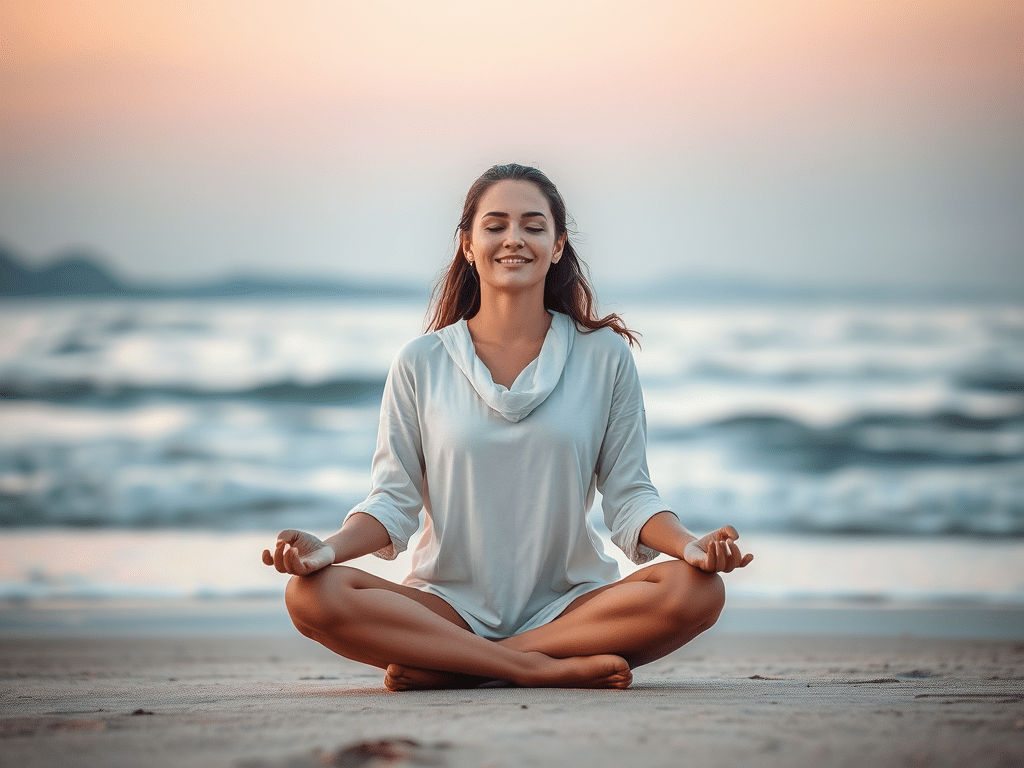
In a world that praises productivity, precision, and control, the idea of surrender can feel quite foreign, if not outright uncomfortable. We’re taught to push through, stay sharp, and to manage every detail of our lives. So, when we step into meditation and discover that the real power lies not in effort but in letting go, the process of surrendering control can be both liberating and disorienting.
The truth is, the art of letting go in meditation isn’t weakness. It’s a practice of profound strength, trust, and inner wisdom. Learning to allow ourselves to release the pressure we typically put on ourselves often requires practice and patience. Meditation asks us to loosen our grip, not just on our thoughts, but on our expectations, desired outcomes, and even the illusion that presence can be perfected. However, it’s in this space of discomfort that the real transformation often begins.
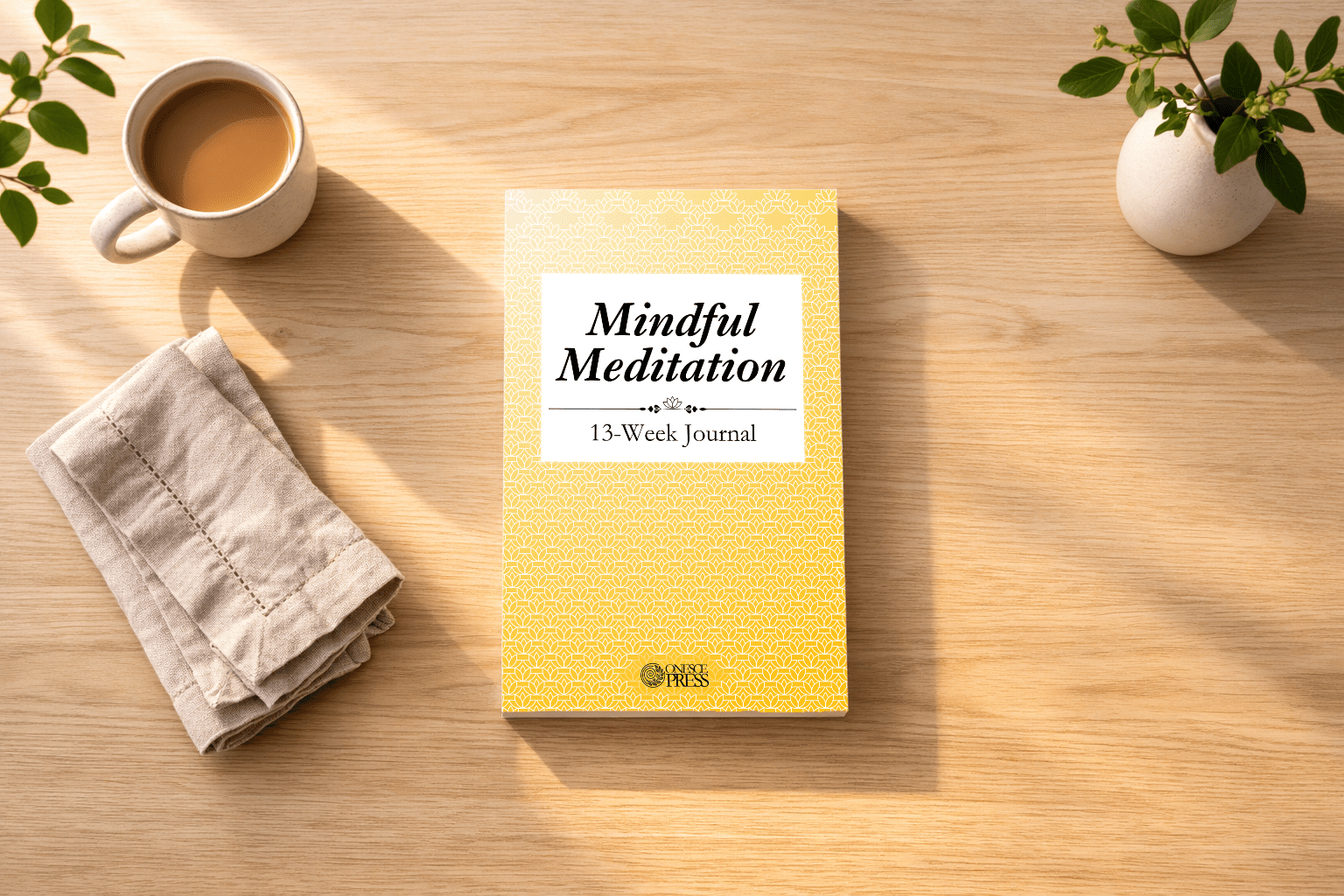
Mindful Meditation
Quiet your “monkey mind,” record your experiences, & deepen your practice.
Let’s explore how meditation helps us practice surrender in gentle, repeatable ways. We’ll look at how noticing and releasing thoughts builds mental resilience, how letting go cultivates grace and presence, and why surrendering control can be the key to deeper peace and lasting stress relief. Whether you’re new to meditation or refining your practice, this is an invitation to loosen your hold and discover what’s waiting on the other side.

What Does “Surrendering Control” Really Mean?
When we hear the word “surrender,” we often imagine giving up or losing power. However, especially in meditation, surrendering control is neither defeat nor passivity; it’s a conscious choice to trust the present moment. It means releasing the tight grasp of performance, progress, or perfection, and allowing ourselves to simply be.
Throughout most of life’s arenas, we’re rewarded for control. We organize, we plan, we execute. Yet in meditation practice, the invitation is different. It’s not about organizing your thoughts or perfecting your posture, it’s about meeting what arises with curiosity and releasing the incessant urge to critique. It’s a practice of letting go, releasing the mind from the effort to shape every moment. In doing so, it becomes an act of rediscovering more spacious, intuitive ways of being.
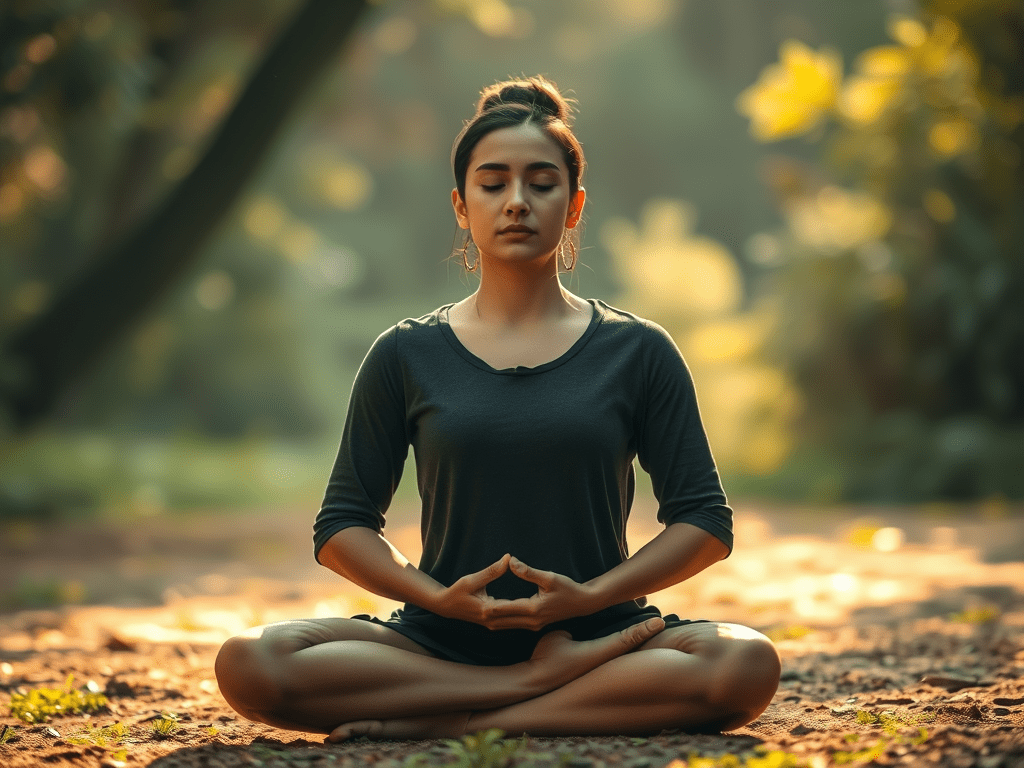
Surrendering control in meditation also doesn’t mean we’re “checking out.” It means we’re showing up without a script. It requires us to acknowledge what’s present—even if that’s tension, noise, or discomfort—and choose to stay anyway. That decision to stay, to soften, to breathe rather than resist, is where meditation becomes a path to mental resilience. It’s in this practice that we’re no longer trying to control our experience and we start building our capacity to relate to it with ease.
This is why meditation is one of the most effective tools for stress relief. Not because it erases difficulty, but because it teaches us how to be with it. In the act of letting go, we make room for ourselves and our experiences. Room for presence. Room for peace. Room for clarity. Sometimes, that acceptance is all the transformation we need.

Practicing Grace: Micro-Actions of Letting Go
Letting go rarely happens all at once. More often, it arrives in small, almost imperceptible shifts: a loosened jaw, an exhale released just a bit slower, a moment of silence allowed to stretch a little longer. These are micro-actions of surrender in meditation. They don’t announce themselves, but they change everything.
To practice grace in meditation is to meet yourself without judgment. It’s noticing the resistance, the tension, or the runaway thoughts, and responding with compassion. Rather than tightening our focus or forcing the breath, we’re invited to soften into awareness. Presence does not demand control, it asks for attention and care.

Each moment we choose to return to our breath without frustration, we practice letting go. Each time we notice distraction and simply begin again, we affirm that grace is a process, not a performance. These subtle acts of release shape the core of a sustainable meditation practice. They train us to surrender, not by escaping discomfort, but by learning how to remain present with it.

Meditation Practice
Take your practice to the next level, & the next… With a Year and a Day commitment.
This approach also translates to life outside of meditation practice. Truly, practicing grace in meditation makes it more natural to offer ourselves grace in daily life. During moments of overwhelm, failure, or emotional fatigue, this grace can offer us a way to hold space for ourselves throughout the process. What we rehearse in stillness, we remember in motion. The more we allow ourselves to release the pressure in small, steady moments, the more resilient and at peace we become overall.
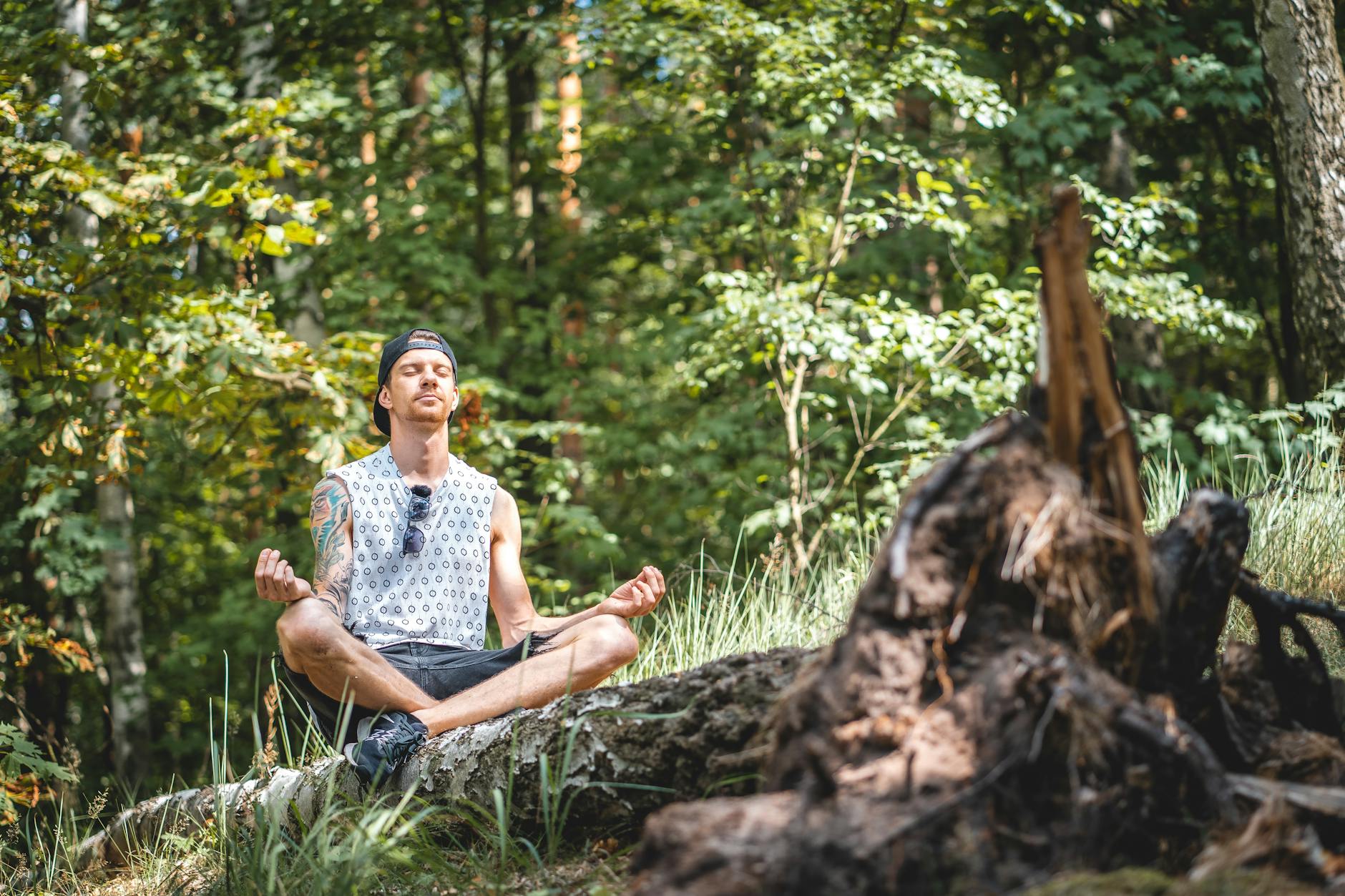
Notice & Release Thoughts Without Judgment
Many people assume that successful meditation means achieving a blank mind. However, thoughts are not interruptions, they’re part of the process. In fact, they’re essential to the practice of surrendering control. Each time a thought arises, it presents an opportunity: to grasp or to release, to judge or to observe, to control or to let go. This choice is where real transformation begins.
Meditation Practice
Take your practice to the next level, & the next… With a Year and a Day commitment.
Letting go in meditation isn’t about suppressing thoughts. It’s about noticing them, gently acknowledging their presence, and returning to our anchor. That anchor is neutral and non-judgmental, helping us to release, and is most often the breath, a mantra, or the body. This act of noticing and surrendering is the heart of every meditation practice. It’s this process that gives us power over the way we meet our thoughts in stillness, and that strength is ultimately mirrored in how we meet challenges in life.
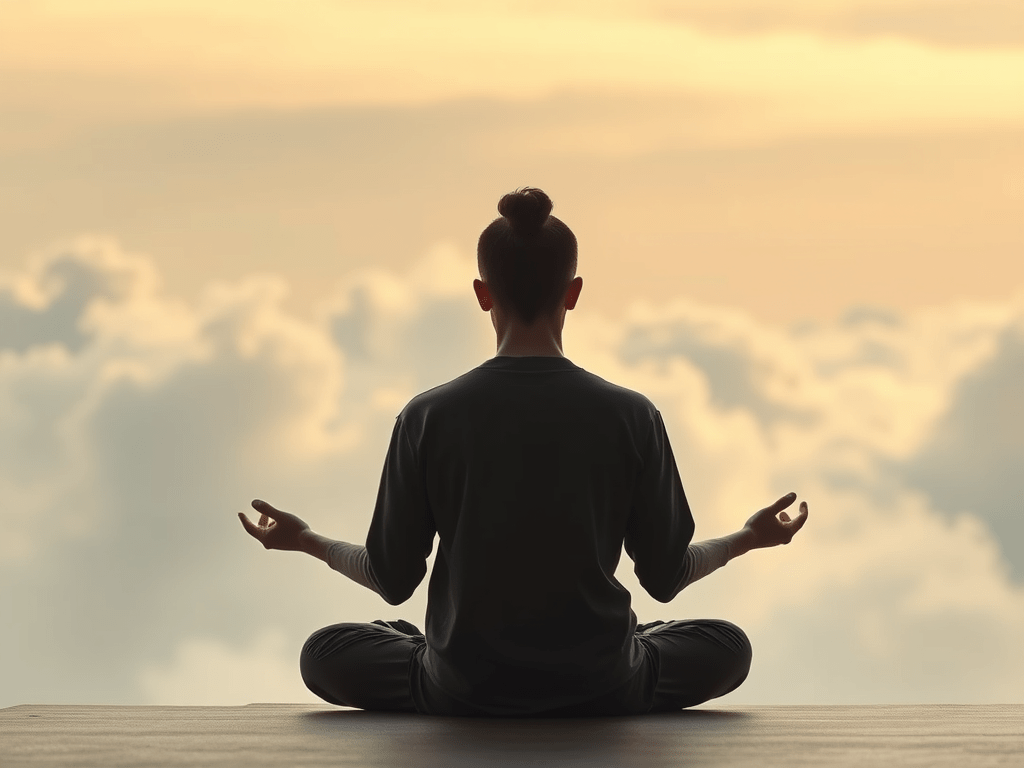
It’s a subtle yet powerful shift. Instead of reacting to every distraction, we learn to watch them pass like clouds in the sky. Instead of clinging to narratives or trying to push them away, we simply breathe and return to our peace. This surrender is not failure, it’s a practice of intentional grace. Each moment of returning builds mental resilience, strengthening our ability to remain centered—even and especially when our minds are pulling us in a hundred different directions.
Over time, this repeated act of letting go rewires our nervous systems. It teaches us how to create space between stimulus and response. This helps reduce stress, not by changing our circumstances, but by changing our relationship to them. This shift, perhaps more than anything, is what surrendering control looks like in real time: choosing presence over pressure, awareness over attachment, and breath over reaction.

Meditation as Mental Training
We train the body through repetition and challenge, and we can also train the mind through practice and presence. In many ways, meditation is a form of mental conditioning. It’s an exercise in staying, softening, and beginning again, regardless of the challenges or circumstances. The more we show up to do this work, the more flexible and resilient our minds become.
Athletes understand that progress comes not from perfection, but from consistency. Muscles strengthen and grow with repeated exercise. Likewise, in meditation practice, returning each time we drift builds our capacity for presence and peace.
Letting go in meditation is like stretching a tight muscle. At first, there’s going to be resistance. The instinct is to tense, to push, or to hold. Yet, when we breathe through it, releasing the strain, and meet the tension with softness, things can shift. Over time, even a difficult stretch becomes more natural, and the same is true for the mind. Surrendering control may feel unfamiliar at first, but with each mindful breath, it becomes more accessible.
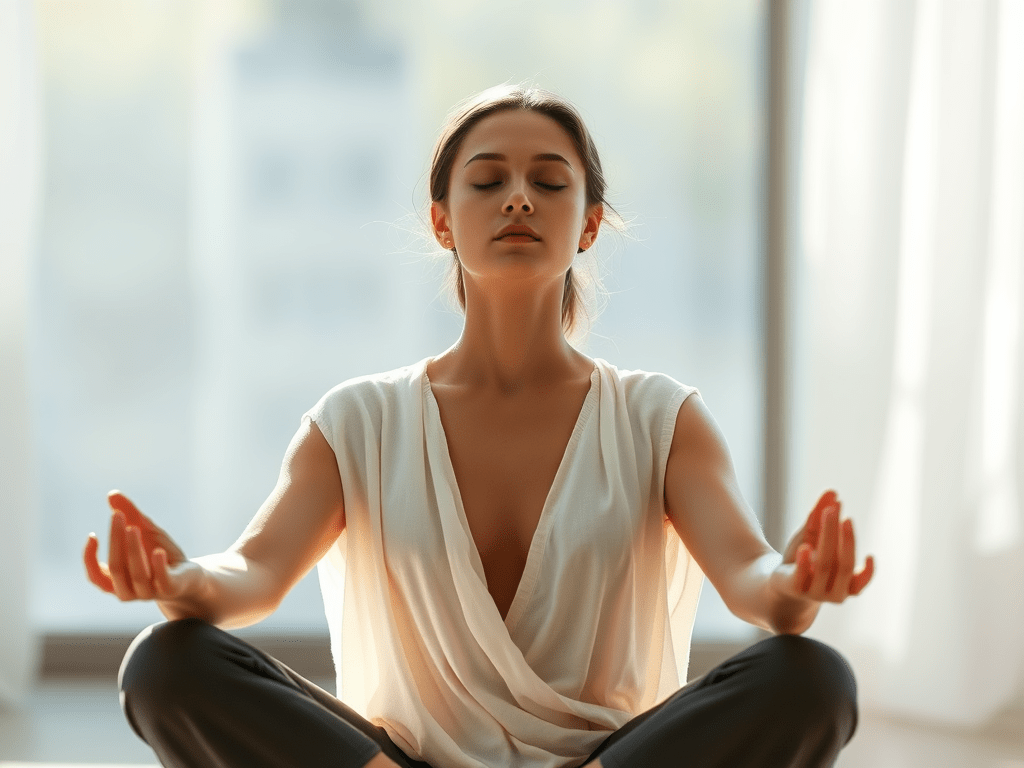
Mental resilience isn’t built by avoiding discomfort, it’s built by being willing to sit with it and witness it without collapsing into it. Meditation trains us to do this. Much like an athlete commits to overcome challenges on the path ahead of them, meditators learn to sit with their inner landscape and trust the unfolding of their practice.
This is why meditation is so effective for stress relief. It strengthens our ability to remain grounded, even when life becomes intense or unpredictable. This capacity arises, not by armoring us, but by making us more spacious and peaceful inside. In this way, surrender is not a weakness for us to overcome, but a strength for us to embody.
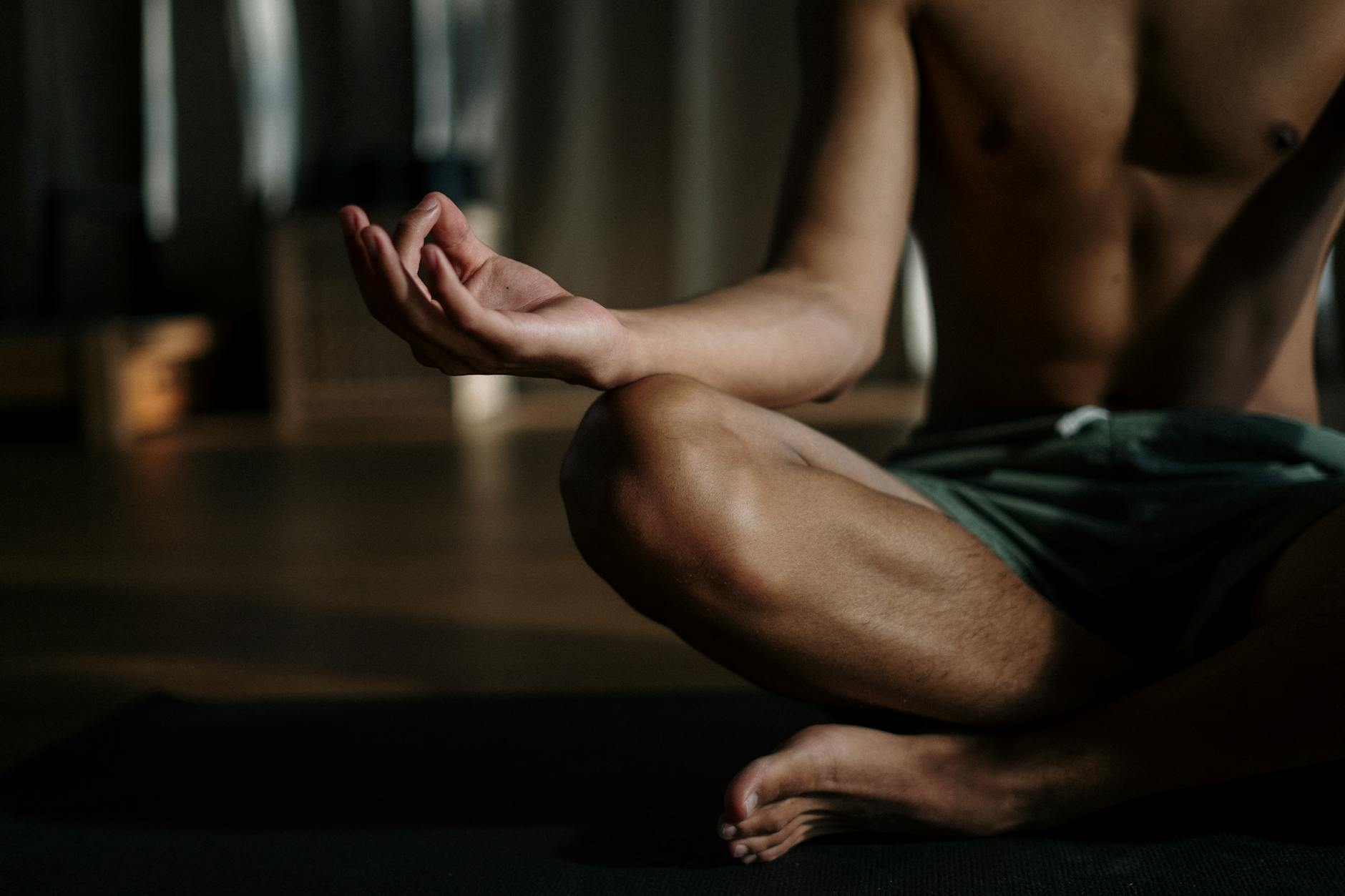
Release Expectations: Let Practice Be Enough
One of the quietest yet most persistent ways we resist surrender in meditation is by holding onto expectations. We sit down with hopes for peace, clarity, focus, or relief—but when those outcomes don’t appear right away, we wonder if we’re doing something wrong.
However, meditation isn’t a transaction. It’s not a vending machine for calm or insight. It’s a relationship we build with ourselves; a practice of showing up with honesty, consistency, and care. It’s something that we do, regardless of whether we don’t end up getting what we thought we came for.

Letting go in meditation means releasing the need for our practice to feel a certain way. Some days it will feel expansive and light. Other days, restless and cloudy. All experiences are valid, and all are valuable. The point is not to control the experience but to remain with it, to meet whatever arises without needing it to change in order for us to remain present and at peace.
This is where true surrender happens. When we stop trying to force a breakthrough or manufacture stillness, we discover that the practice itself is already enough. The act of sitting, breathing, and returning, that is the transformation. It’s not about the result, it’s about the rhythm.
Releasing expectations is also an act of self-trust. It affirms that we don’t need constant confirmation to know that the practice is working. It allows our meditation practices to become a container for freedom, not pressure. Truly, at its best, meditation is a space where nothing has to happen for something meaningful to unfold. That, in and of itself, is healing; to stop striving, to stop reaching, and to be with ourselves just as we are. When we give ourselves that gift, we stop needing anything more.

Conclusion: There Is Profound Strength in the Mindful Practice of Surrendering Control
Surrender is not a breaking point, it’s a turning point. In meditation, it’s the moment we stop trying to fix, manage, or control the experience, instead allowing ourselves to meet it fully. It’s the moment we stop chasing presence and begin to inhabit it.
Letting go in meditation is not passive, but rather a powerful act of self-trust. Each time we release the need to do it perfectly, and each time we begin again without judgment, we deepen our mental resilience. This act strengthens the part of ourselves that can remain soft in the face of tension, steady in the midst of chaos, and open—even when uncertainty arrives.
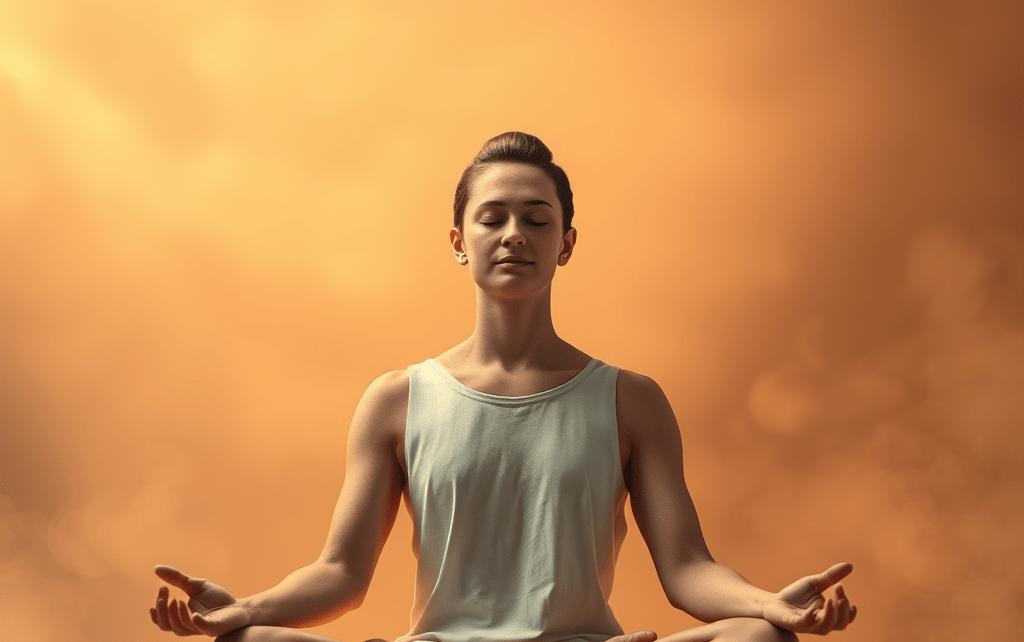
Surrendering control doesn’t mean giving up, it means giving ourselves more space to breathe, be present, and to find the wisdom that’s already within us. It’s the choice to stop gripping and to start listening, allowing ourselves to rest in the truth that our very being is enough.
The next time you sit to meditate and your mind wanders, your body fidgets, or nothing seems to go as planned, remember this: you don’t need to control the moment, you only need to return to it. Give yourself that gift, again and again. Let your practice unfold gently and freely. That’s where transformation lives, and that’s where you’ll meet your truest power.
Mindful Meditation
Quiet your “monkey mind,” record your experiences, & deepen your practice.