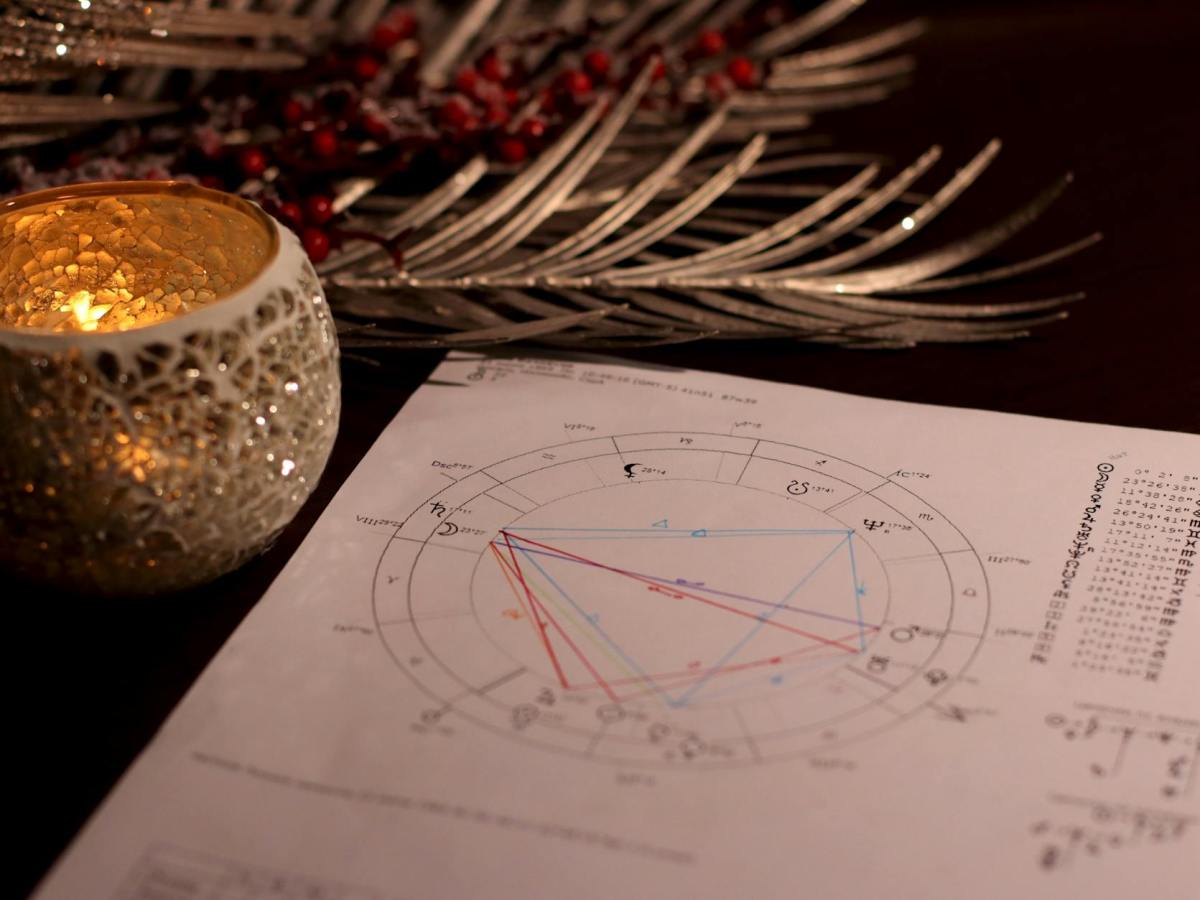


As the wheel turns toward Mabon, the light begins to wane and the golden hush of early autumn settles across the land. It’s a time of balance—equal day and night—when we pause between abundance and descent, between what has grown and what will return to seed. In ancient traditions, this was a sacred moment of gratitude and offering: a chance to honor what we’ve gathered and prepare for what lies ahead.
One beautiful way to mark this seasonal shift is by crafting a Mabon wreath. Woven from natural elements and personal intention, your wreath becomes a way to celebrate your personal harvest. Whether you hang it on your door, place it above your hearth, or use it as the center of a ritual altar, this handmade craft becomes a symbol of gratitude and balance.
Sabbat Activity Booklet
Get your free copy of this printable PDF, designed to help you explore any of the Pagan Sabbats!
Let’s explore the meaning behind this craft, the materials we might gather, and step-by-step instructions for weaving our own wreath with intention and awareness. We’ll also consider ideas for infusing our wreaths with deeper intention, allowing them to become more than just decorations, and transforming this craft into a sacred act of seasonal reverence.

Sacred Roots: Honoring the Seasons
Wreaths have long been used as symbols of the turning seasons, woven with the wisdom of nature and the hands of those who live close to her rhythms. At Mabon, for the Autumn Equinox, this simple circle takes on deeper meaning. It honors the full arc of growth: from planting to fruition, and finally rest; echoing the cycle of life, death, and rebirth.
In many ancient cultures, harvest wreaths were both practical and sacred. Grains, fruits, herbs, and flowers gathered from the fields were braided or bundled into circular forms and hung above doorways or on hearths. These offerings were meant to bless the home with protection, abundance, and continued harmony through the darker months. In Celtic lands, wreaths were often created from the last sheaves of wheat or barley, imbued with the spirit of the grain goddess and given as offerings back to the land or placed on altars.

The shape of the wreath itself is sacred: a circle without beginning or end. It reminds us that every ending leads to a new beginning, and that our efforts, like the Earth’s cycles, are never wasted. The plants we harvest now once sprouted from tiny seeds, and those same seeds will return to the soil in time. Our wreath becomes a meditation on this truth: what we gather, we must also give; what we receive, we must honor and share.
By choosing to craft a Mabon wreath, we join this lineage of gratitude and reverence. Whether we forage in the forest, snip from the garden, or visit a local market, each stem and berry we gather becomes part of a larger story of community, balance, and reciprocal blessing. This is not just a craft, it is a quiet ritual; a weaving of intention and beauty to mark the sacred pause of the equinox.
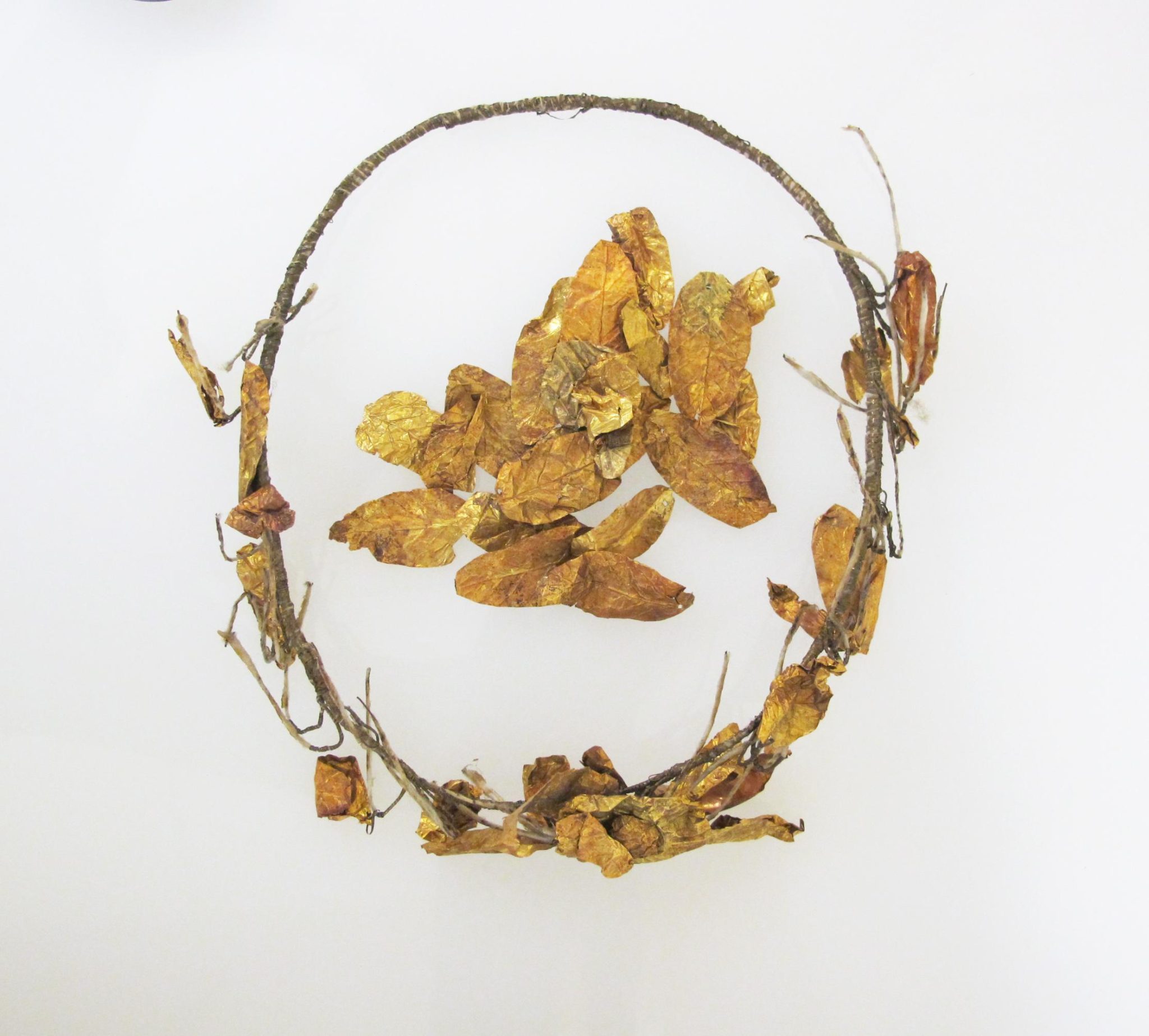
Choosing Materials with Intention
Creating a Mabon wreath is about crafting something beautiful, presenting us with the opportunity to weave meaning into every element. The materials you choose can help you align more deeply with the energy of the season and your own intentions for this sacred time of balance.
Tune into the Season
Begin by observing what’s naturally available around you. Mabon marks the Autumn Equinox, when day and night stand in equal measure. Look for materials that reflect this balance, like sun-dried grains and seed pods alongside fading blossoms and fiery leaves. Let your wreath mirror the shift from the abundance of summer to the introspection of fall. Consider gathering:
- Wheat, oats, or barley – symbols of harvest and nourishment.
- Sunflowers or marigolds – honoring the last golden rays of the sun.
- Cattails, acorns, or corn husks – grounding and earthy, representing fertility and resourcefulness.
- Fallen leaves in shades of red, orange, and gold – embodying transformation and letting go.

You might forage from your garden or a nearby woodland, or you can purchase dried florals and herbs from a market or craft store. What matters is that each piece feels meaningful to you and reflects the season’s spirit.
Infuse Your Intentions
Each material can also be chosen with symbolic meaning that aligns with your personal journey. What are you harvesting this season? What are you ready to release? What do you wish to protect, nourish, or remember? Try incorporating:

- Rosemary for remembrance and clarity.
- Cinnamon sticks for warmth, prosperity, and energy.
- Eucalyptus for purification and breath.
- Bay leaves for protection and honoring the past.
You may also wish to include crystals, charms, ribbons, or written intentions (which can be tied to or tucked into the wreath as sacred messages to yourself and the universe).
As you gather and prepare your materials, allow yourself to reflect. This step is as much a part of the ritual as any other. By choosing with care and clarity, you begin crafting not just a wreath, but a symbolic map of your inner landscape at the turning of the season.
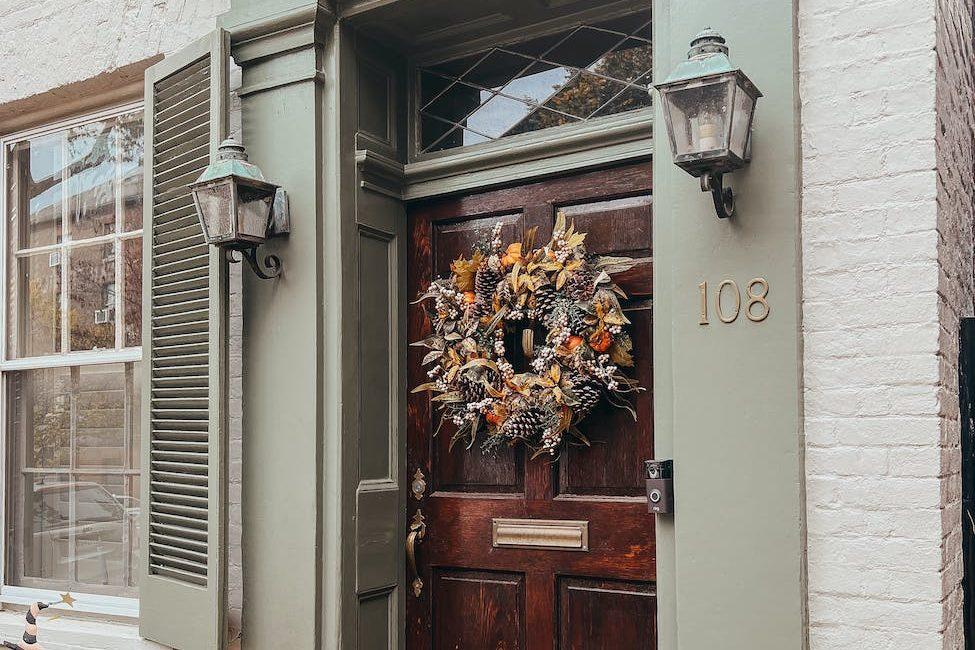
Mabon Wreath Craft
A sacred, seasonal reminder of nature’s cycles and Earth’s balance, abundance, and grace.
Choose a calm, clear area to create in (ideally one where you can spread out AND feel connected to the season). You may wish to light a candle, play soft music, or open a window to welcome the autumn air. Once your space is ready, gather your materials, remembering to pause and consider the meaning of each item: What does it represent to you this season?
Materials You’ll Need:
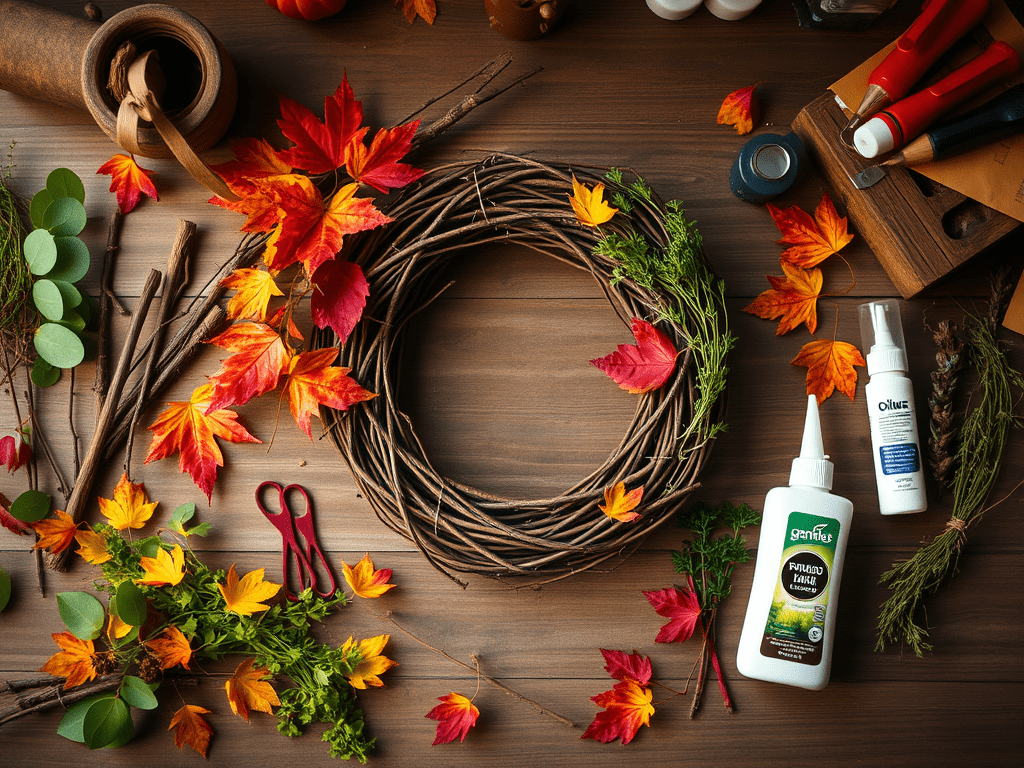
- Grapevine Wreath: you can find these at craft stores or online. They have a natural, rustic look that’s perfect for Mabon.
- Seasonal Foliage: gather an assortment of autumn leaves, branches and dried flowers. You can use real or artificial foliage, depending on your preference.
- Floral Wire and/or hot glue: this will help you secure the foliage to the wreath.
- Ribbon or Twine: you’ll use this to hang your wreath and can also add a bow or two with it if you like. If you want it too be seen, choose a ribbon that complements the colors of autumn.
- Pruning Shears or Scissors: these will come in handy for trimming and shaping your foliage.
Instructions:
1.) Lay Your Foundation
Set up a workspace with all your materials within reach, if you’re using fresh foliage, ensure it’s clean and dry. Trim any excess stems or leaves. For artificial foliage, fluff and shape it as needed. Then, lay out the grapevine wreath as your base.
Begin by attaching larger, structural elements—such as branches, thick foliage, or herbs—around the base using floral wire or glue. Working with the natural curve of the form, in one, overlaying direction.
2.) Weave in Texture and Layers
Add smaller, textured pieces like dried flowers, wheat, or leaves. Layer these on top of the base foliage, tucking and intertwining them as you go. This creates a sense of fullness and depth. Create a balanced arrangement, keeping in mind the symmetry of the wreath. Continue to place the foliage in the same circular pattern as with the larger pieces to ensure good overlapping.
3.) Create a Focal Point
You may want to select a particularly eye-catching element to be the focal point of your wreath. Select a standout piece—like a vibrant autumn leaf, pinecone, or berry cluster—to serve as a visual anchor. Place this intentionally, perhaps near the bottom center or slightly off to one side, for a balanced but organic look.
4.) Weave in Symbolism:

Mabon is a season of gratitude and abundance. Consider adding symbolic elements like mini pumpkins, pinecones, acorns, or even small representations of the harvest’s bounty to your wreath if you’d like. You can also tuck in personal elements, like: a written affirmation, a small sigil, or a charm that carries meaning. These details let your wreath reflect not only the season’s abundance, but your own story and spirit.
5.) Secure and Refine:
Once you’re satisfied with the arrangement, make sure all the elements are securely attached to the wreath. Trim any excess wire or foliage that looks untidy, stepping back to view your wreath from a few angles. Adjust as needed for harmony and balance.
6.) Add a Hanging Element
Loop a ribbon or twine through the top of the wreath and tie it off. This will serve as the hanger. You can use extra length to add a bow at the base where it meets the wreath, or for a more minimalist look, keep it short at the back. Choose a color that complements your materials or carries symbolic meaning, such as: gold for abundance, red for vitality, or brown for grounding.
7.) Bless and Place Your Wreath
Before hanging your wreath, take a moment to close your eyes and offer a quiet blessing or prayer of gratitude. Then, place it somewhere meaningful (on your door, near your altar, or in another space where you’ll see it often). Finally, step back and admire your creation!
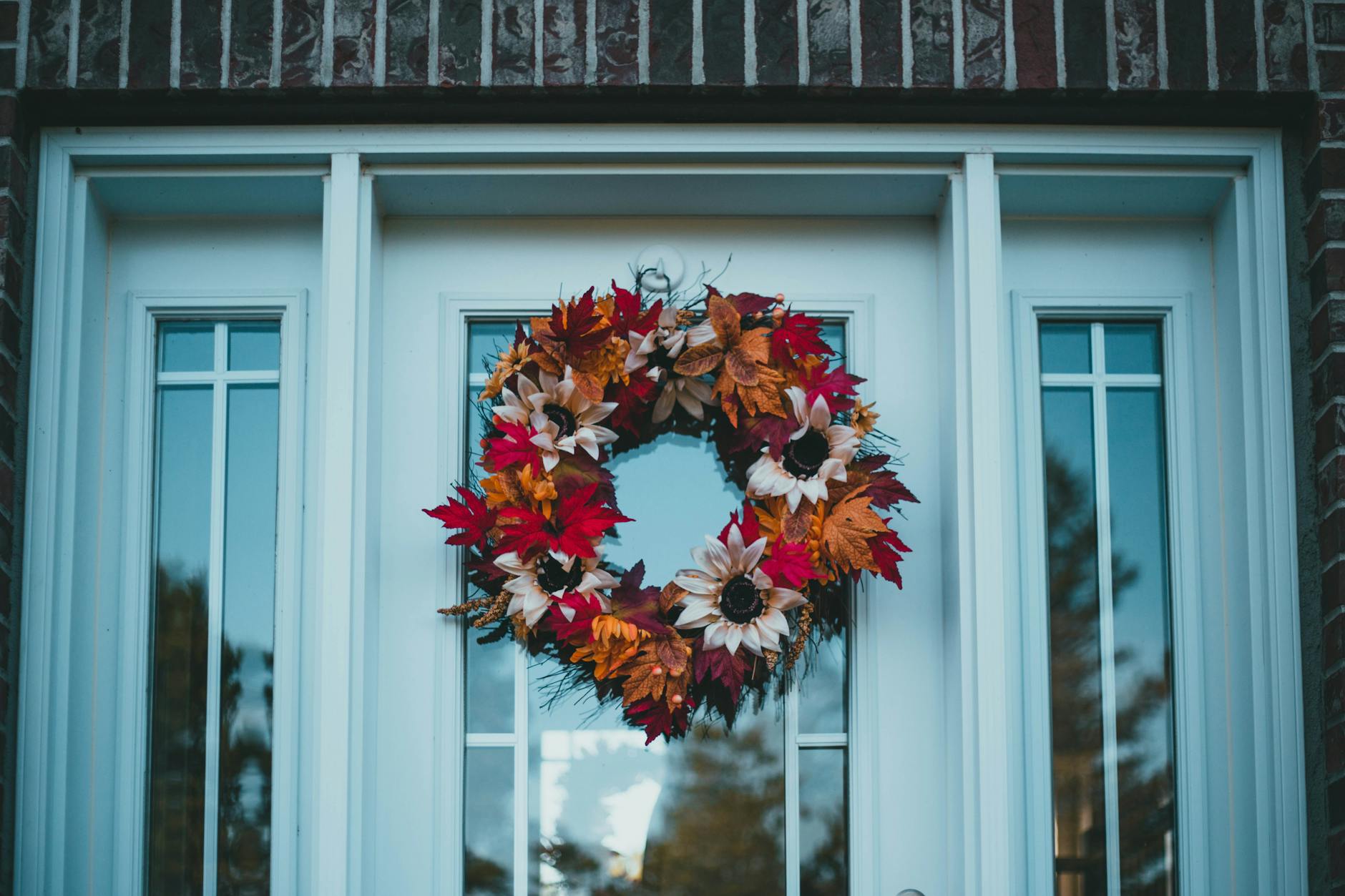
Your Mabon wreath is not just a decorative piece; it’s a symbol of the season’s abundance and the cyclical balance of nature’s ebbs and flows. It’s a meaningful addition to your autumn decorations, as well as a reminder to embrace gratitude and create balance in your own life. Whenever you see it, take a few moments to reflect on your blessings and the beauty of the autumn season.
A personal Mabon wreath is a wonderful way to usher in the fall season’s energy and celebrate harvest. Sharing this project with friends or family can be a fun way to celebrate the abundance of community and the generosity of the season as well. However you decide to go about it, this project is sure to align you with the festive and bountiful energies of autumn.

A Wreath Is a Reminder of Life’s Cycles
As your wreath finds its place in your home, it serves as a symbol of seasonal presence, personal reflection, and the quiet strength of honoring life’s cycles. Each twist of vine, each bundle of herbs or bloom, and every intention you weave into the process holds the story of your growth and gratitude.
This sacred circle reminds us that even as light wanes as the year continues its descent, there is beauty in what has been gathered. The harvest isn’t only what we reap from the fields, but also what we recognize within ourselves: the lessons learned, strengths revealed, love tended, and dreams nourished.
Sabbat Activity Booklet
Get your free copy of this printable PDF, designed to help you explore any of the Pagan Sabbats!
May this ritual decor bless you throughout the fall season. May it invite you to pause, reflect, and return—again and again—to the sacred rhythm of nature, where endings become beginnings, and gratitude becomes grace. Happy Mabon and blessed be!
Thank you for joining us here on Onescence! If you enjoyed this article, you can help support this free periodical by becoming an Onesce Insider or by purchasing one of our products through Onesce Press. Given your interest in natural cycles and rituals, perhaps you would benefit from:
Moon Cycle Journey

JOURNAL FEATURES:
- Learn about the rhythms of the lunar cycle and how to apply them to your own journey.
- Explore your cycle goals, developing and working with your own authentic intentions.
- Discover the power of personal feedback for enhancing and sustaining progress.
- Utilize daily/nightly journal prompts that are designed to bring out your best.
- Experiment with simple ritual ideas and when to employ them throughout the cycle.
- And so much more…
You can also get your copy on Amazon and begin your journey with the next moon cycle!