
Natural cycles shape the world in quiet yet powerful ways, guiding tides, seasons, migrations, and the subtle rhythms of our own inner lives. We feel these patterns instinctively: in the deep restfulness of winter, the renewal of early spring, the peak vitality of summer, and the reflective release of autumn. The Wheel of the Year offers a simple nature-based map for understanding these shifts, helping us see that life is not linear but cyclical, always turning, always inviting us into deeper awareness. This framework begins in winter, when the light slowly returns, yet it remains relevant through every season, offering steady wisdom no matter where we stand in the year.
Across cultures and throughout history, humanity has relied on seasonal traditions to mark time, celebrate change, and stay connected to the world around us. When we work consciously with natural cycles, we tap into a rhythm that supports emotional wellbeing, honors our capacity for growth and rest, and restores our sense of belonging in the broader web of life. The Wheel of the Year is just one framework among many ways humans around the world have worked with nature’s cycles throughout history, but its clarity and accessibility make it a powerful guide for anyone (if you are in the Southern Hemisphere, flip the Sabbats: Samhain becomes Beltane, vice versa, and so on).
Moon Cycle Journey
Enhance your life with lunar wisdom, attuning to the rhythms of nature.

Let’s explore how honoring natural cycles by using a framework like the Wheel of the Year can enrich our lives, offering us insight, grounding, and a sense of continuity throughout every season. We’ll look at the lessons each point on the Wheel carries, discover how these seasonal traditions can inform modern spiritual or personal practices, and consider ways to create meaningful rituals that support year-round growth. We’ll also explore how aligning with natural rhythms can help us move through life with more steadiness, purpose, and a renewed sense of harmony.
Seasonal Correspondences
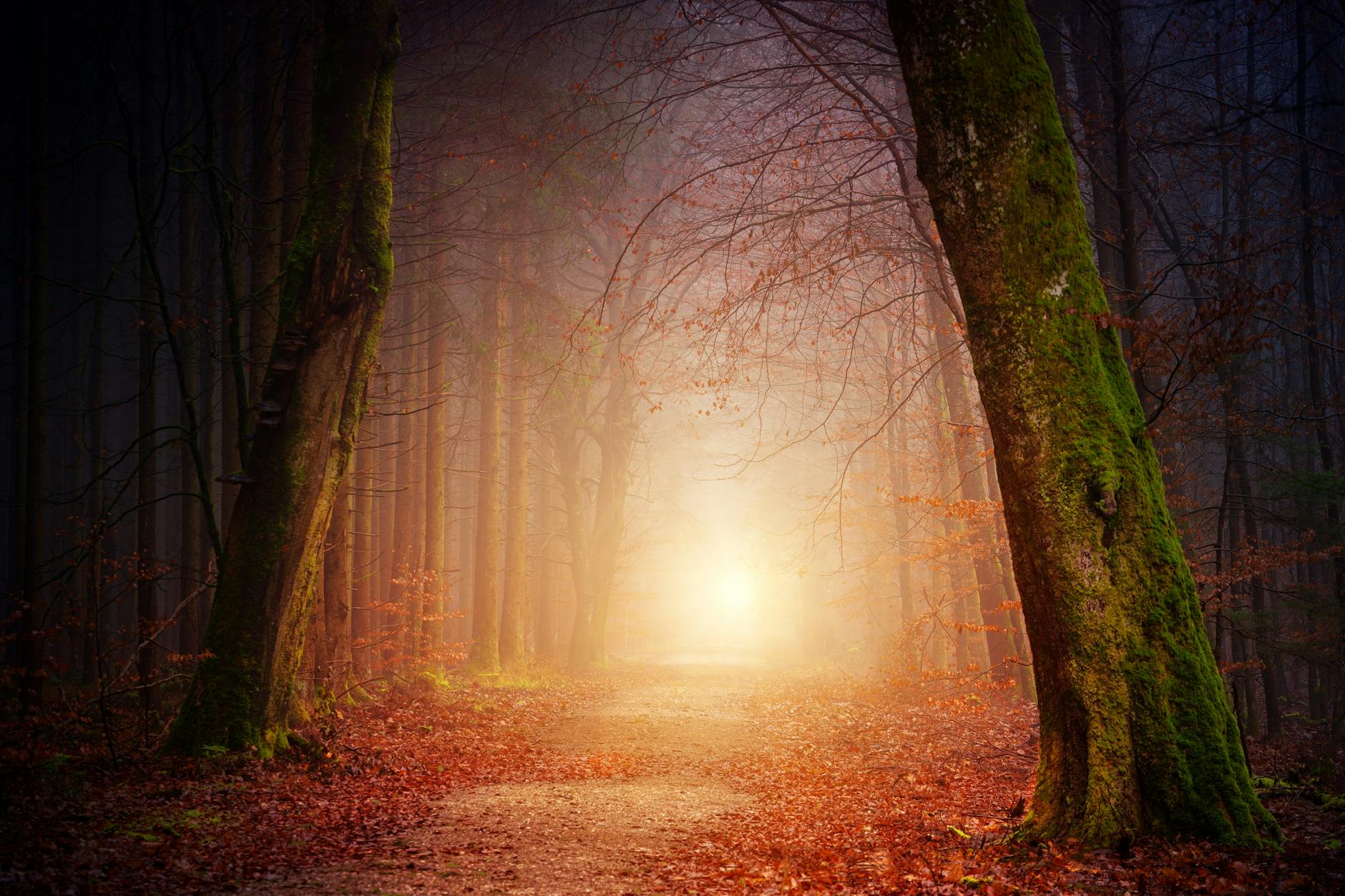
Nature’s cycles are both spiritually profound and deeply instructive. Each season carries its own energy, which influences not only the external world but also our inner lives. The changing seasons teach us about balance, flow, and the inevitability of transformation. As we move through the seasons of the year, we can also recognize and honor these patterns in our personal growth and spiritual development.
Winter: Rest & Renewal
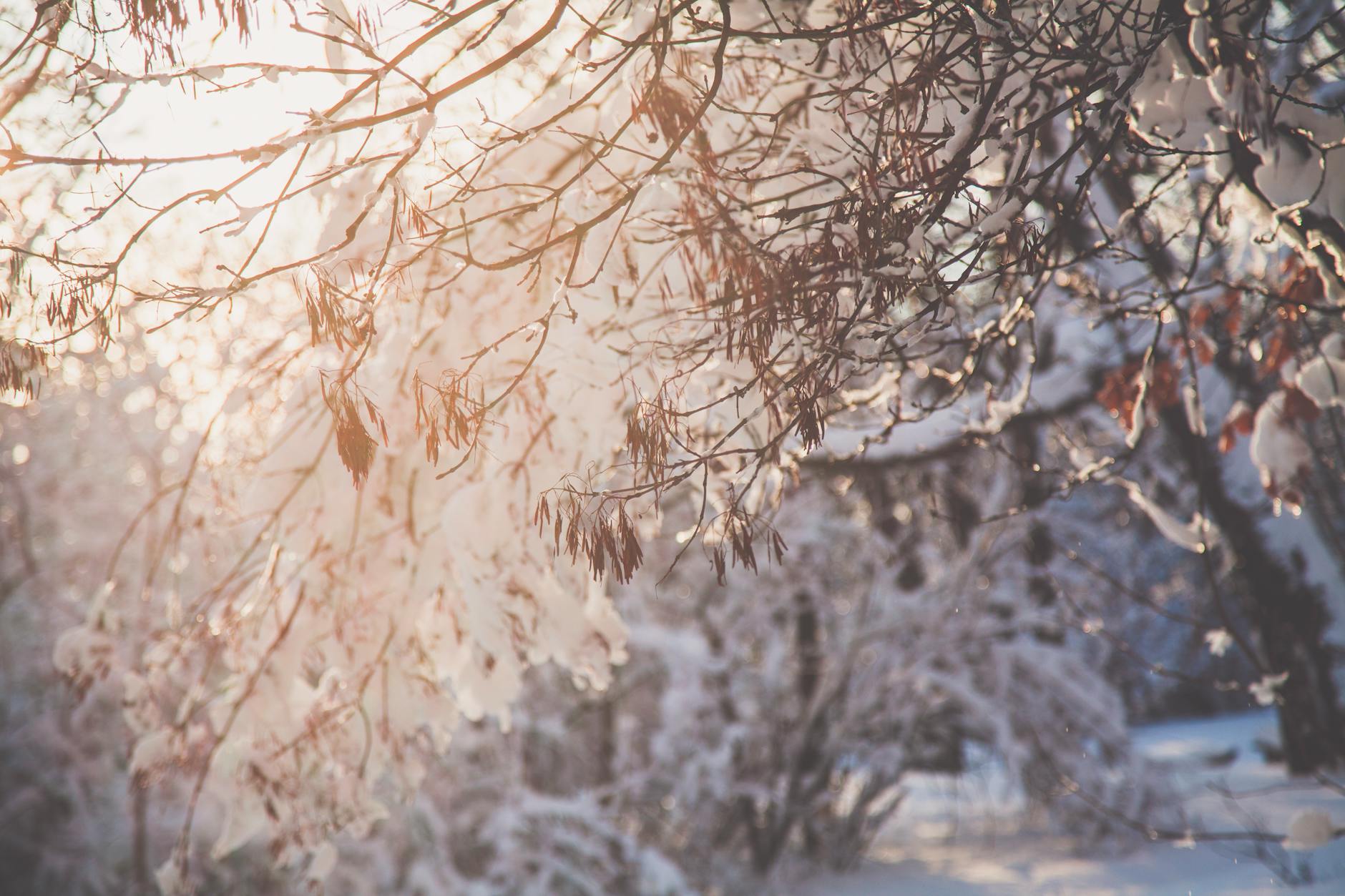
Winter is the season of rest, stillness, and renewal. The earth retreats into a period of dormancy, and life slows down. For many, winter can feel like a time of darkness and isolation, but spiritually, it is a season of deep inner work and reflection. Winter teaches us the importance of rest and regeneration, reminding us that just as nature needs time to replenish itself, so do we.
Winter encourages us to turn inward, to reflect on the lessons of the past year, and to dream about possibilities for the future. It is a time for incubating the seeds of intention that will be nutured as sprouts in the spring. In many ways, winter teaches us the value of patience and trust, showing us that even in the darkest times, renewal and growth are just around the corner.
Spring: Renewal & Growth
Spring is the season of new beginnings. After the stillness of winter, the earth awakens with new life as the plants blossom, animals give birth, and the days grow longer. Spiritually, spring represents a time of renewal, hope, and potential. It is a season for tending to our seeds—both literally and metaphorically—nurturing the year’s goals by putting in the work to support the growth of our ideas, projects, and relationships.
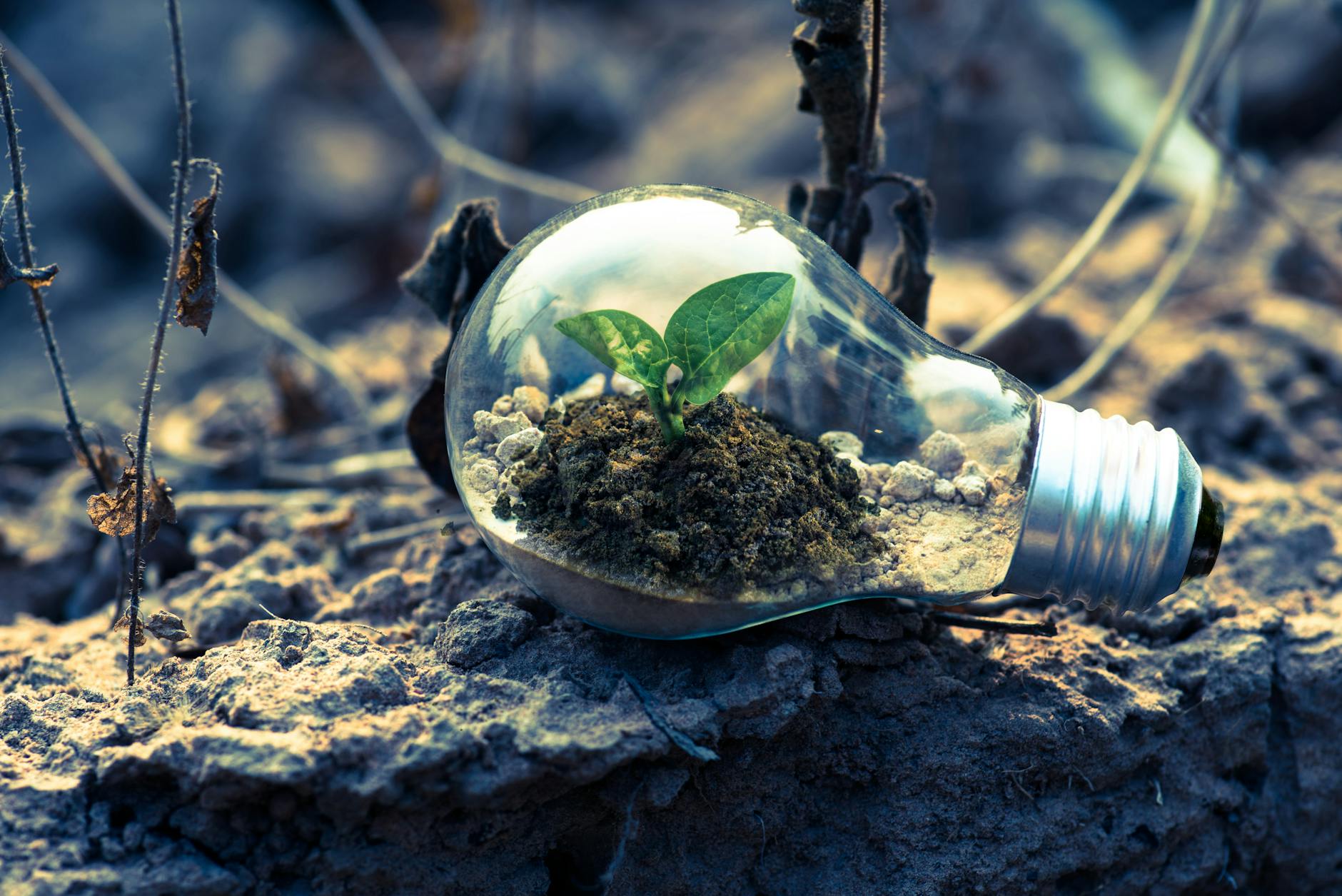
With all its freshness, potential, and excitement, the spring season teaches us the importance of being open to new possibilities and embracing change. Just as the earth emerges from the quiet of winter, we too are called to step out of our comfort zones and take action in pursuit of our goals, again and again.
Summer: Abundance & Fulfillment
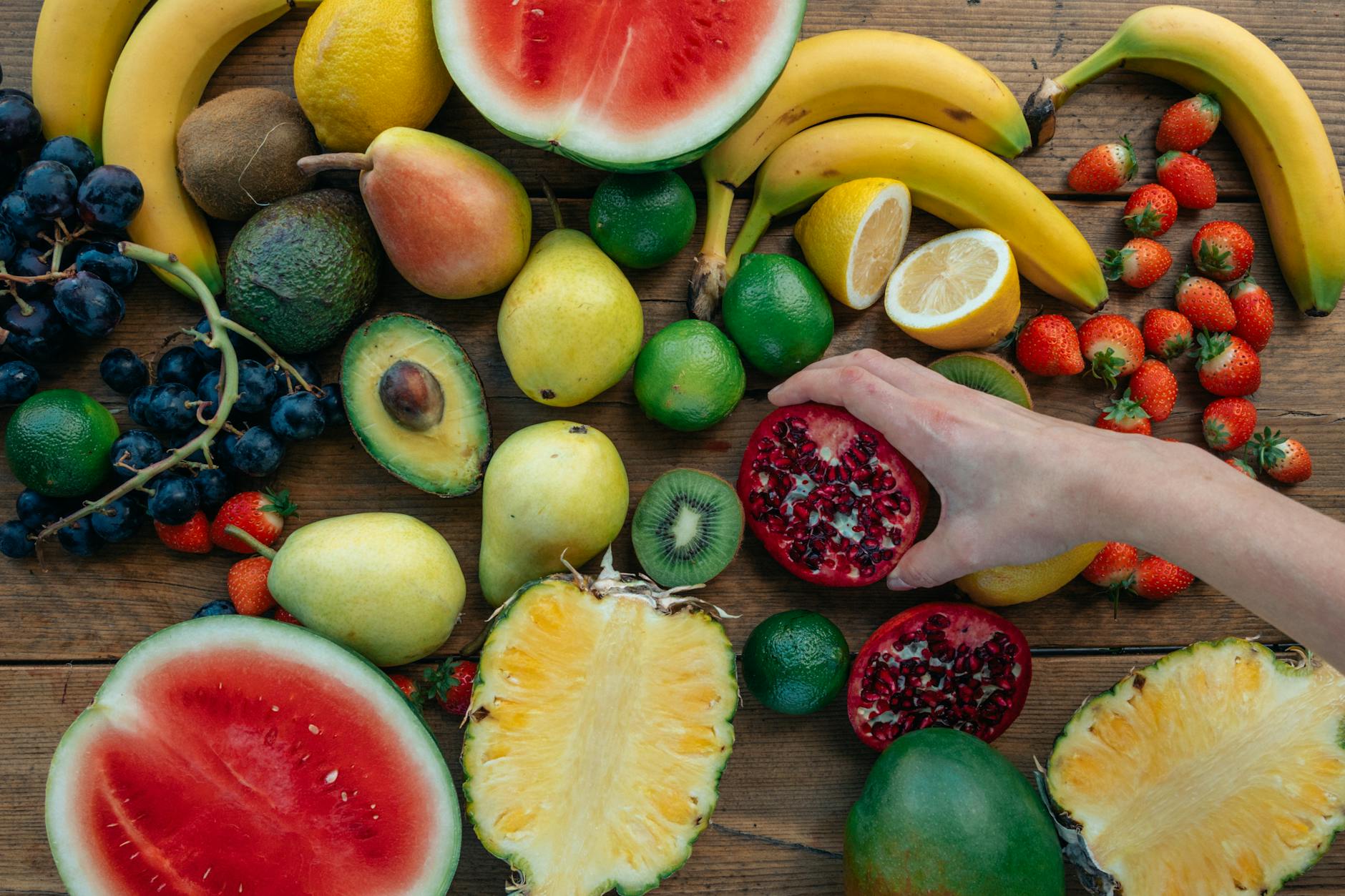
Summer is a time of abundance, vitality, and manifestation. The energy of this season is active, expansive, and filled with light. Crops begin to ripen, and the earth offers its first fruits. Spiritually, summer represents the fullness of life as the time when our efforts come to fruition and we are able to enjoy the rewards of our hard work.
Summer reminds us of the importance of celebration, enjoyment, and generosity. It encourages us to share our gifts with others and to revel in the joy of living fully. At the same time, summer also teaches us the importance of balance. Just as the sun repeatedly reaches its peak and begins its slow descent, we must recognize and prepare for the inevitable shifts that will come in our lives.
Autumn: Harvest & Reflection
Autumn is the season of harvest and reflection. It is a time of gathering the fruits of our labor and expressing gratitude for the abundance we have received. As the days grow shorter and the leaves begin to fall, autumn also invites us to reflect on the cycles of life, recognizing that all things must come to an end.
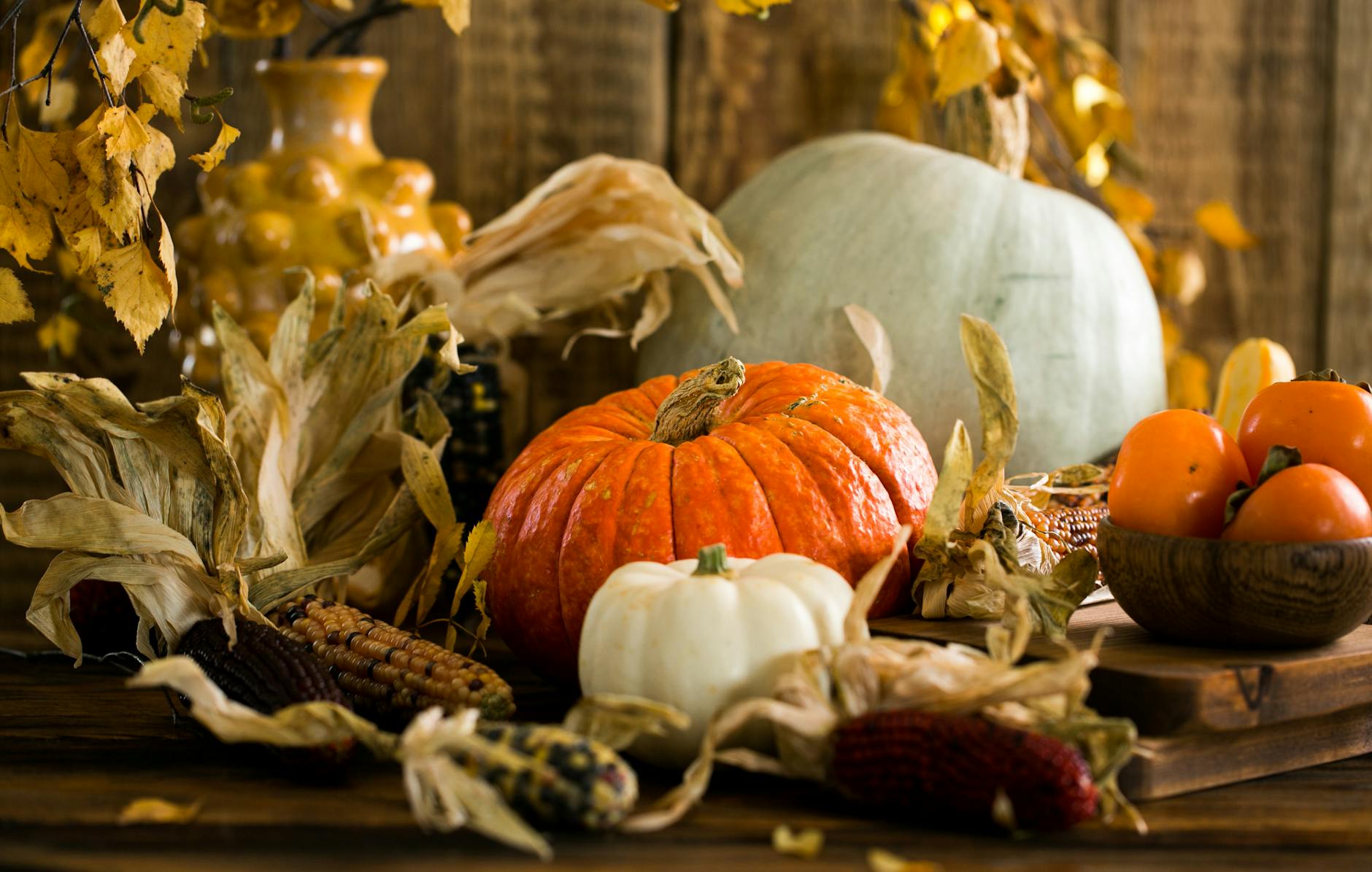
Spiritually, autumn represents a time of introspection and release. It is a season for letting go of what no longer serves us and preparing for the quieter, more inward-focused energy of winter. Autumn teaches us the value of discernment, reminding us that just as the earth sheds its leaves, we too must release old patterns, habits, and beliefs in order to make space for new growth in the future.
Reflecting the Cycles of Nature
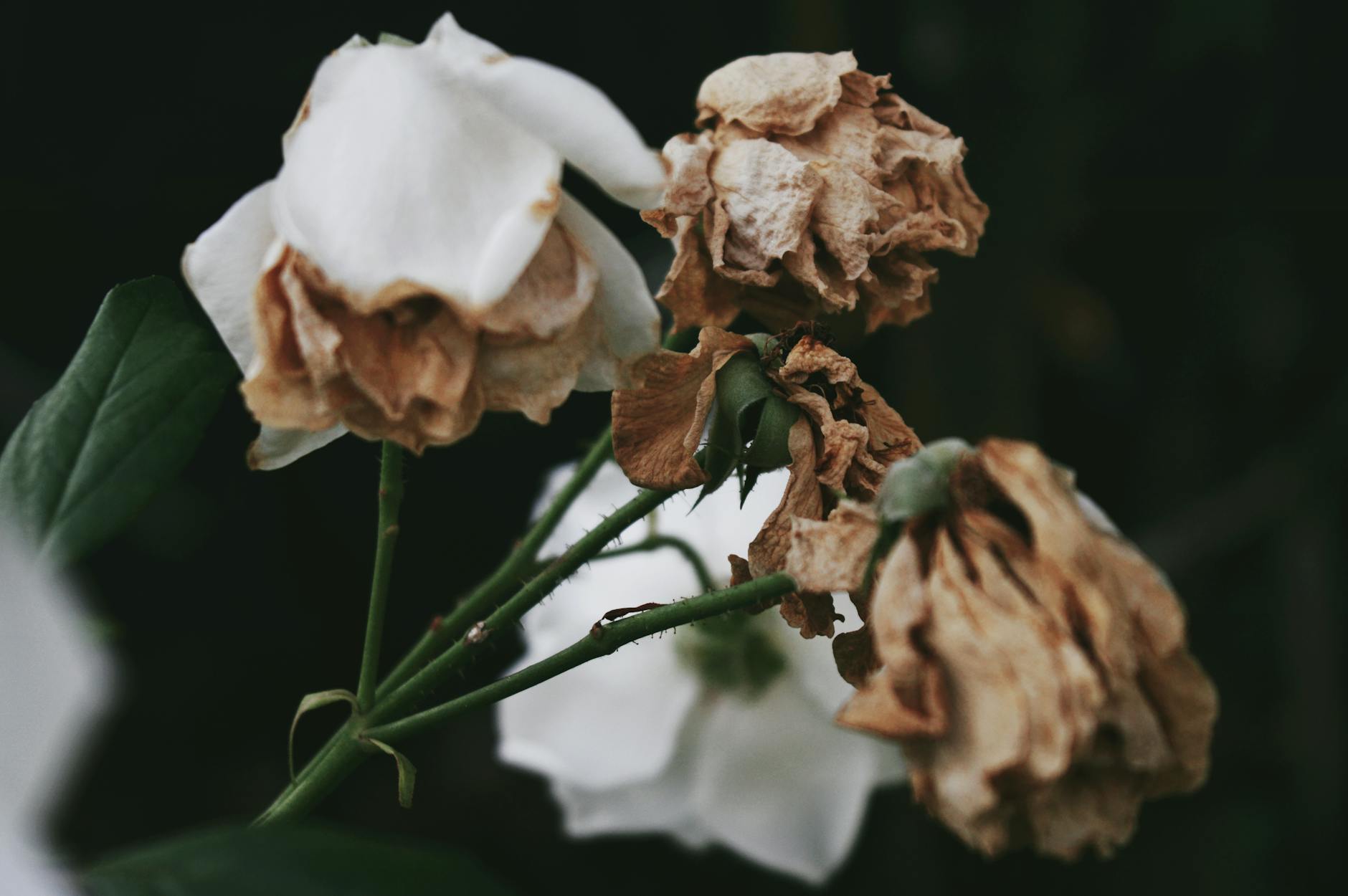
The Sabbats, which are celebrated at key points in the seasonal cycle as represented by the Wheel of the Year, offer a structured way to engage with the spiritual lessons of the changing seasons. Each Sabbat corresponds to a specific moment in Earth’s annual journey and reflects the natural cycles of growth, decay, and rebirth that we see in the world around us.
Yule: A Celebration of Rebirth
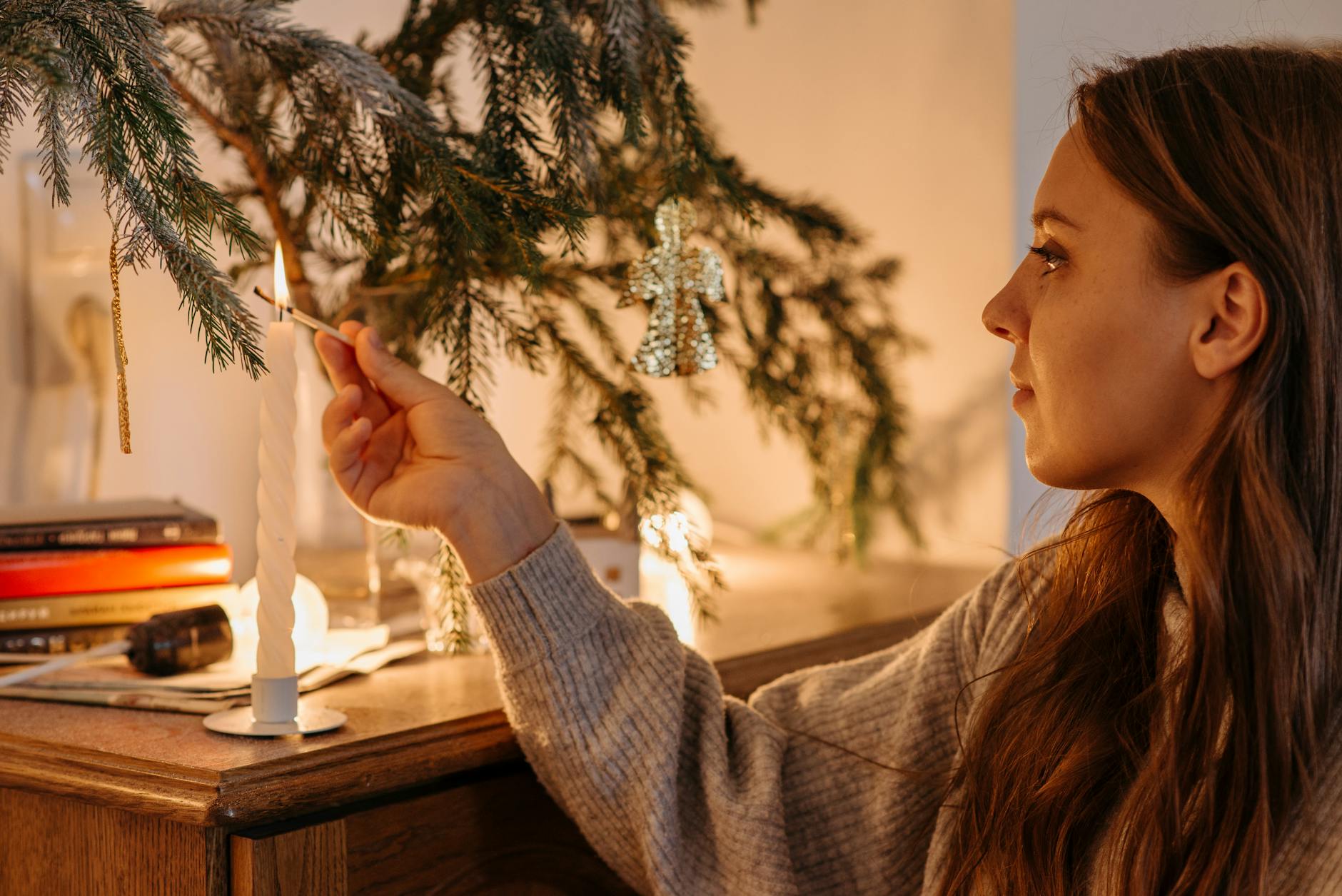
Yule, midwinter, or Saturnalia are some traditions that mark the Winter Solstice (December 21st – 23rd in the Northern Hemisphere and June 20th-23rd in the Southern Hemisphere), honoring it as the longest night of the year and celebrating of the rebirth of the sun. In the natural world, this is a time of rest and stillness, as the earth lies dormant and the days are short.
Spiritually, Yule represents a time of hope, renewal, and new beginnings. A celebration of the return of the light, it brings renewed hope and joy to merry gatherings, as the sun begins its slow ascent and the days grow longer. It teaches us the importance of patience and trust, reminding us that even in the darkest times, there is always the promise of light and growth. It also encourages us to reflect on the past year, set intentions for the future, and celebrate the cycles of life, death, and rebirth.
Imbolc: Renewal & Purification
Imbolc (February 1st – 2nd in the Northern Hemisphere and August 1st in the Southern Hemisphere), is the first of the traditional fire festivals or cross-quarter days. It stands at the midpoint between the Winter Solstice and the Spring Equinox, and is traditionally a time of renewal, purification, and preparation for the coming of spring. In the natural world, Imbolc corresponds to the first stirrings of new life: animals begin to give birth, and the earliest flowers, like snowdrops and crocuses, start to emerge from the ground.

Spiritually, Imbolc invites us to clear away the old and make space for the new. It is a time for setting intentions and beginning to nurture the sprouts of growth that will bloom in the coming months. Imbolc teaches us the importance of preparation and renewal, reminding us that new life is always possible, even in the midst of winter.
Ostara: A Celebration of New Life
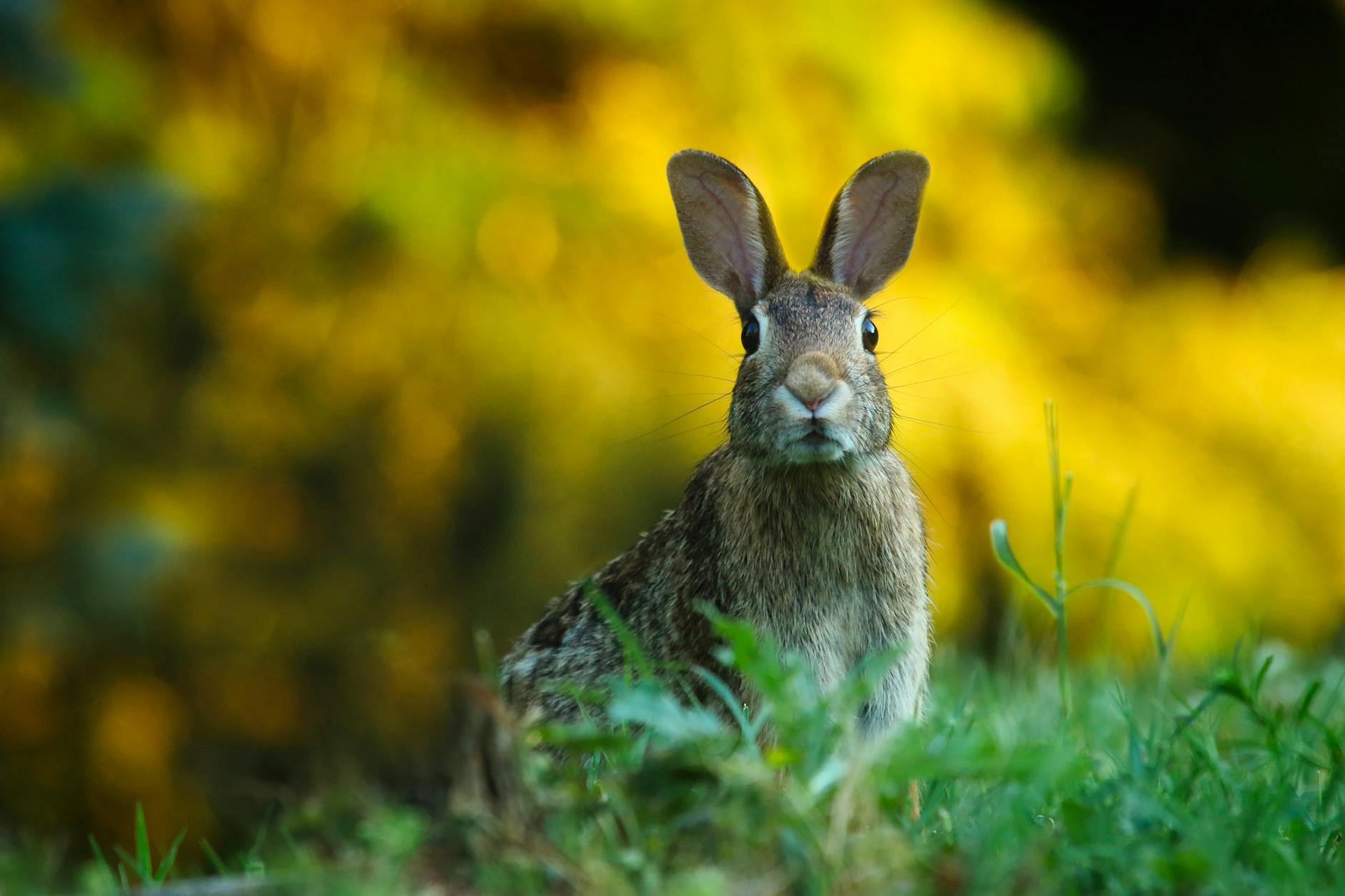
Ostara (March 20th – 23rd in the Northern Hemisphere and September 20th -23rd in the Southern Hemisphere), occurs on the Spring Equinox, which marks one of two quarter days in the year when day and night are equal in length. This traditionally symbolized balance and harmony. In the natural world, this is a time of explosive growth: trees begin to blossom, animals come out of hibernation, and the earth is alive with new life.
Spiritually, Ostara represents a time of balance between light and dark, action and reflection. It is a celebration of fertility, creativity, and new beginnings. Ostara teaches us the importance of balance in our own lives and encourages us to take action toward our goals, trusting that the seeds we plant now will grow and bear fruit.
Beltane: A Festival of Fertility & Vitality
Beltane (May 1st in the Northern Hemisphere and October 31st – November 1st in the Southern Hemisphere), is a fire festival that celebrates fertility, vitality, and the full bloom of spring. Beltane is traditionally associated with the Maypole, a symbol of the union between the earth and the sky, and it is a time for celebrating life, love, and creativity. In the natural world, this is a time of abundance: flowers are in full bloom, crops are growing strong, and animals are mating.
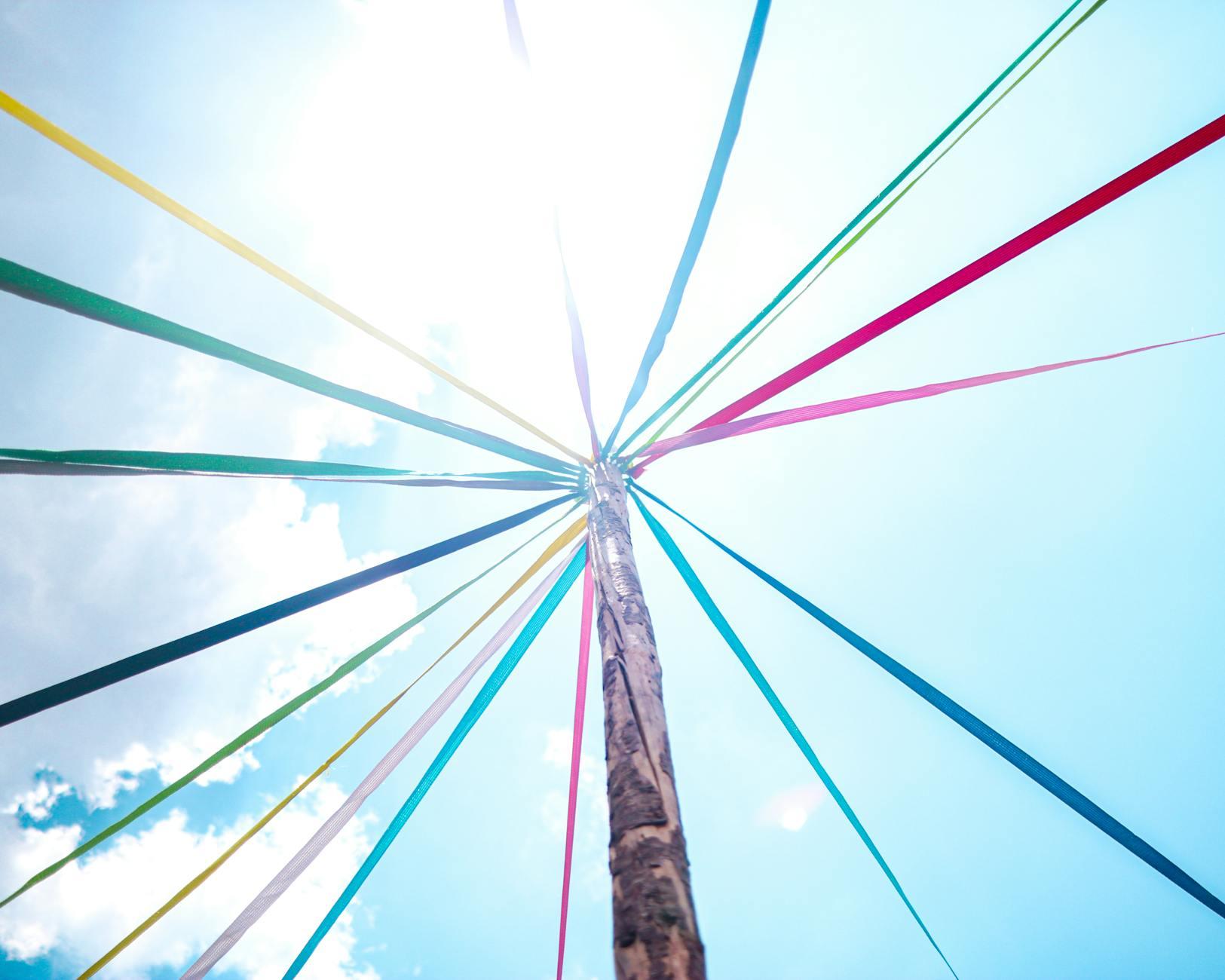
Spiritually, Beltane encourages us to embrace the fullness of life and to celebrate the vitality within us. It is a time for honoring our creative energy, expressing joy, and sharing gratitude for the abundance in our lives. Beltane teaches us the importance of living fully and joyfully, while also recognizing the sacredness of life.
Litha: A Time of Abundance
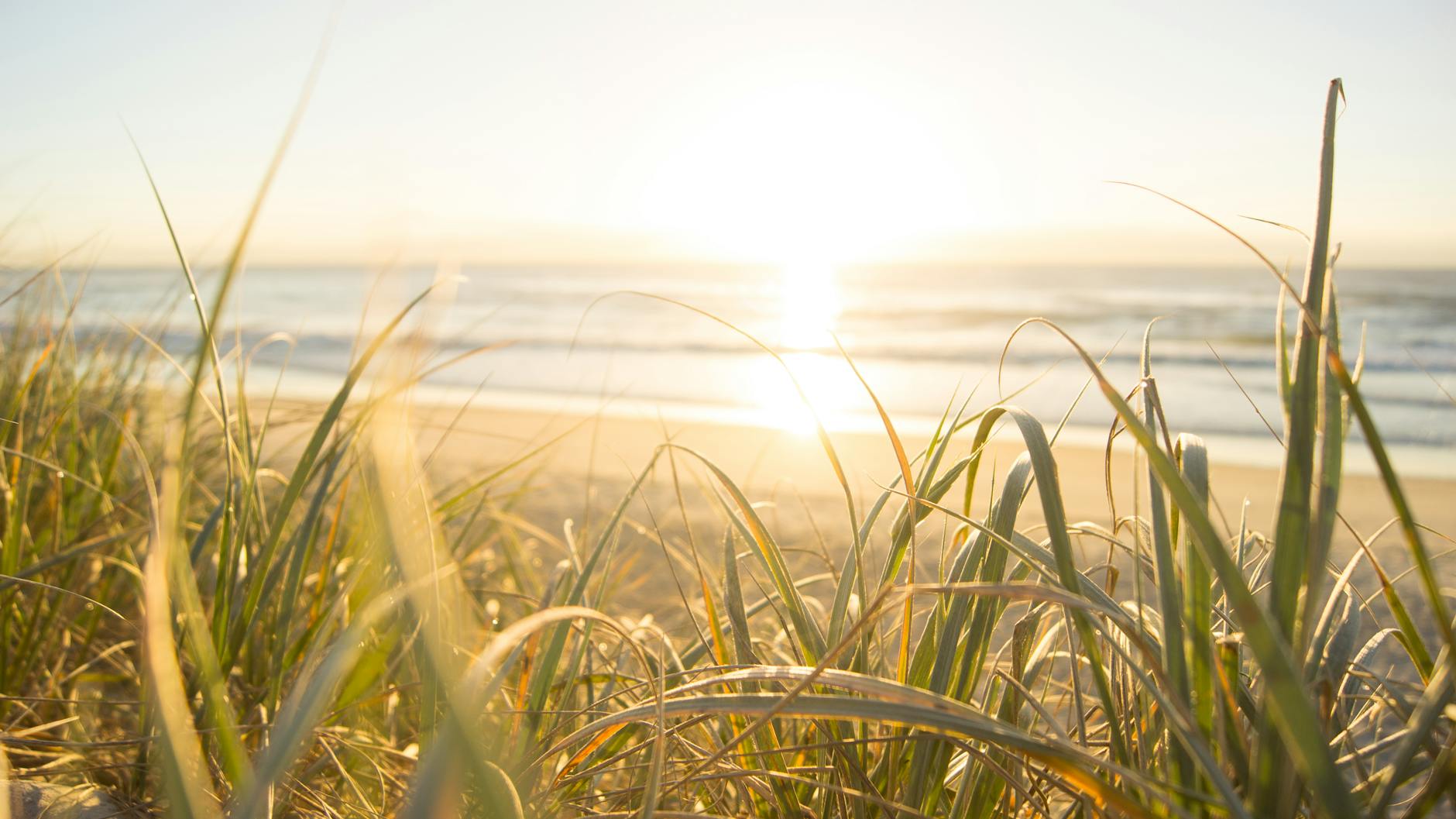
Litha (Summer Solstice, June 20th – 23rd in the Northern Hemisphere and December 21st – 23rd in the Southern Hemisphere), marks the longest day of the year and the peak of the sun’s power. Litha is a time for celebrating abundance and expressing gratitude for the gifts of the earth. In the natural world, this is a time of climax: crops are ripening, the days are long and warm, and the earth is at the height of its growth cycle.
Spiritually, Litha reminds us to celebrate our accomplishments and to give thanks for the blessings in our lives. At the same time, it teaches us the enduring quality of the Wheel turning, as even the sun begins its descent and the days grow shorter once more. Litha encourages us to reflect on the cycles of growth and to recognize that all things, even abundance, are part of a larger cycle of ebb and flow.
Lammas: The First Harvest
Lammas (August 1st in the Northern Hemisphere and February 1st -2nd in the Southern Hemisphere), also commonly called Lughnasadh, is another of the cross-quarter days and the first of the harvest festivals. Traditionally, it’s a time for giving thanks for the abundance of the earth and for celebrating the fruits of our labor. In the natural world, this is when the first crops, particularly grains, are usually harvested.

Spiritually, Lammas teaches us the importance of gratitude and reciprocity. It is a time for acknowledging the hard work that has brought us to this point and for sharing the abundance with others. Lammas also reminds us of the cyclical nature of life, because just as we celebrate the harvest, we also recognize that the days are growing shorter and that we must prepare for the coming of autumn.
Mabon: Balance & Gratitude

Mabon (September 20th – 23rd in the Northern Hemisphere and March 20th – 23rd in the Southern Hemisphere) falls on the Autumn Equinox, marks the second harvest, and is the other instance of the balance between light and dark in the solar cycle. It’s a time for giving thanks for the abundance of the earth as well as for reflecting on how we can bring more harmony into our lives. This is peak harvest when we start preparing for the coming winter.
Spiritually, Mabon invites us to honor the balance between light and dark in our own lives. It is a time for both gratitude and reflection, as well as ultimately letting go of what no longer serves us. Mabon teaches us the importance of balance and the inevitability of change, reminding us that just as the earth moves through cycles of growth and decay, we do too.
Samhain: Reflection & Renewal
Samhain (October 31st – November 1st in the Northern Hemisphere and May 1st in the Southern Hemisphere), sometimes referred to as the “Witches’ New Year,” is the final harvest festival and a time for honoring the dead. At this time, the last crops are gathered and Earth prepares for the quiet of winter. Samhain is also traditionally associated with the thinning of the veil between the worlds, making it ideal for connecting with ancestors and spiritual reflection.
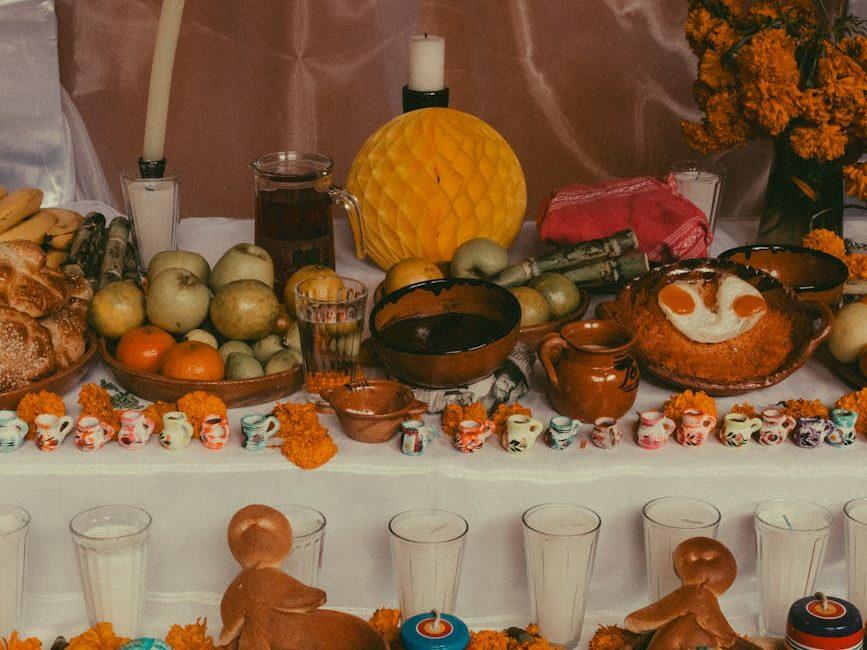
This is the Sabbat that teaches us the importance of wise reflection, release, and renewal. It holds space for us to honor the past, let go of what no longer serves us, and prepare for the new cycle to come. As the final Sabbat in the solar cycle, it serves to remind us that death is not an end to but a part of life, leading to eventual rebirth or renewal.

Applying Nature’s Rhythms
The Sabbats of the Wheel of the Year offer profound spiritual lessons about the cycle of life on Earth that can be applied to our personal lives and spiritual practices, helping us to align more closely with nature, others, and even our own spirit. Here are some practical tips for integrating the lessons of the Sabbats into your own seasonal framework for life:
Observe the Seasons
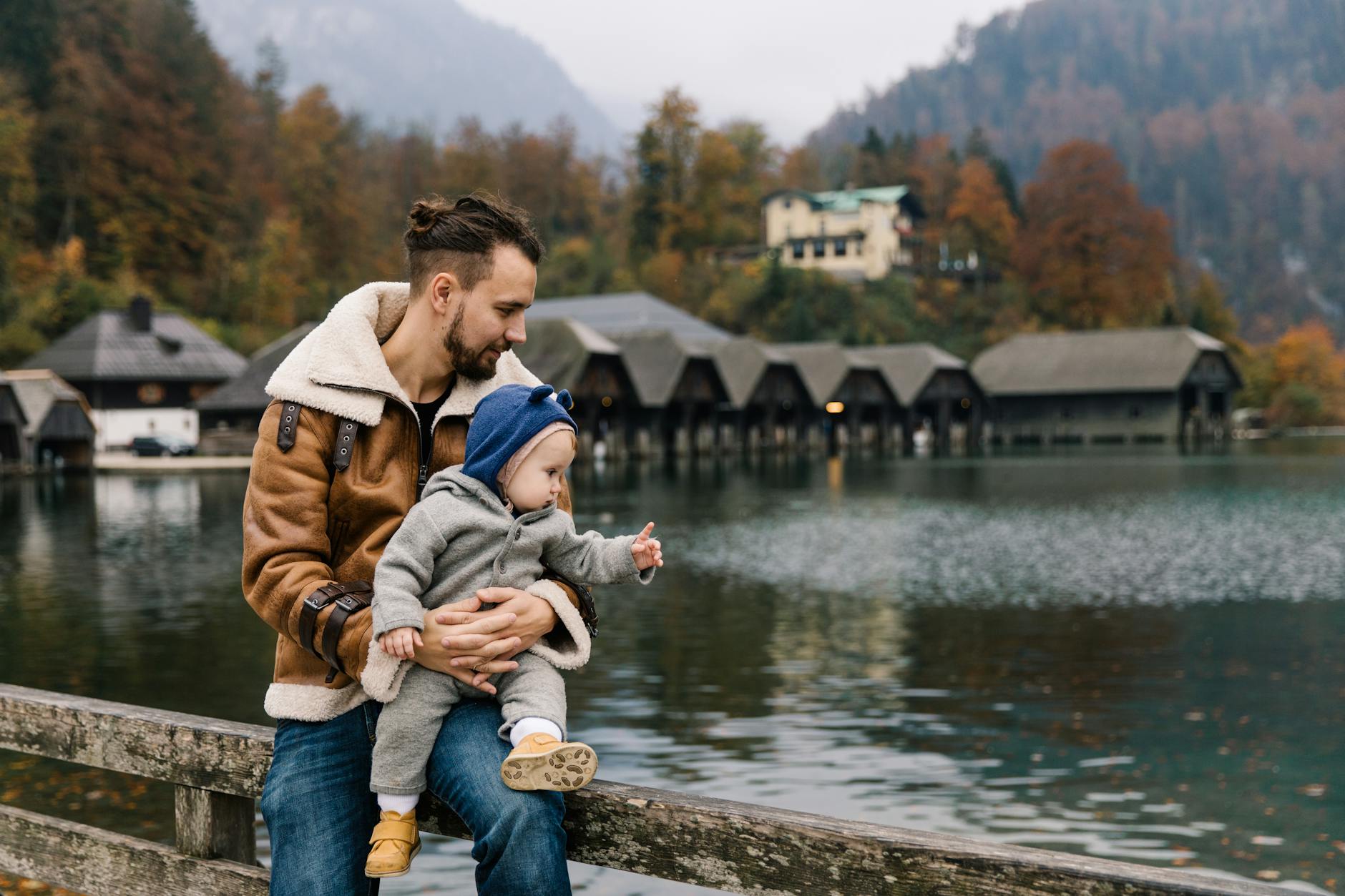
One of the simplest ways to apply the lessons of natural cycles is to pay attention to the changing seasons. Take time to notice the subtle shifts in the natural world, like: the lengthening or shortening of the days, the changing colors of the leaves, and the cycles of growth and decay. By observing these changes, you can begin to align your own spiritual practices with the rhythms of nature.
Tip: Spend time outdoors in the natural world around each Sabbat, whether it’s going for a nature walk, tending to a garden, or simply sitting in a park. Use this time to reflect on the energies of the season and how they are mirrored in your own life.
Set Aligned Intentions
Each Sabbat represents a different point in the cycle of growth, decay, and renewal. By setting intentions that align with the energy of each season, you can create a more harmonious and intentional spiritual practice all year long.
For example: At Imbolc, focus on setting intentions for new beginnings. At Lammas, reflect on the fruits of your labor and give thanks for the abundance in your life. At Samhain, let go of what no longer serves you and prepare for the new cycle to come.
Create Personal Rituals
Holidays, traditions, and rituals are powerful, ancient tools that humanity has long used to connect with the deeper, natural currents of life and spirit. Whether simple or elaborate, our personal rituals offer us ways to honor the lessons of the seasons and integrate the phases of our own ongoing journeys into daily life.
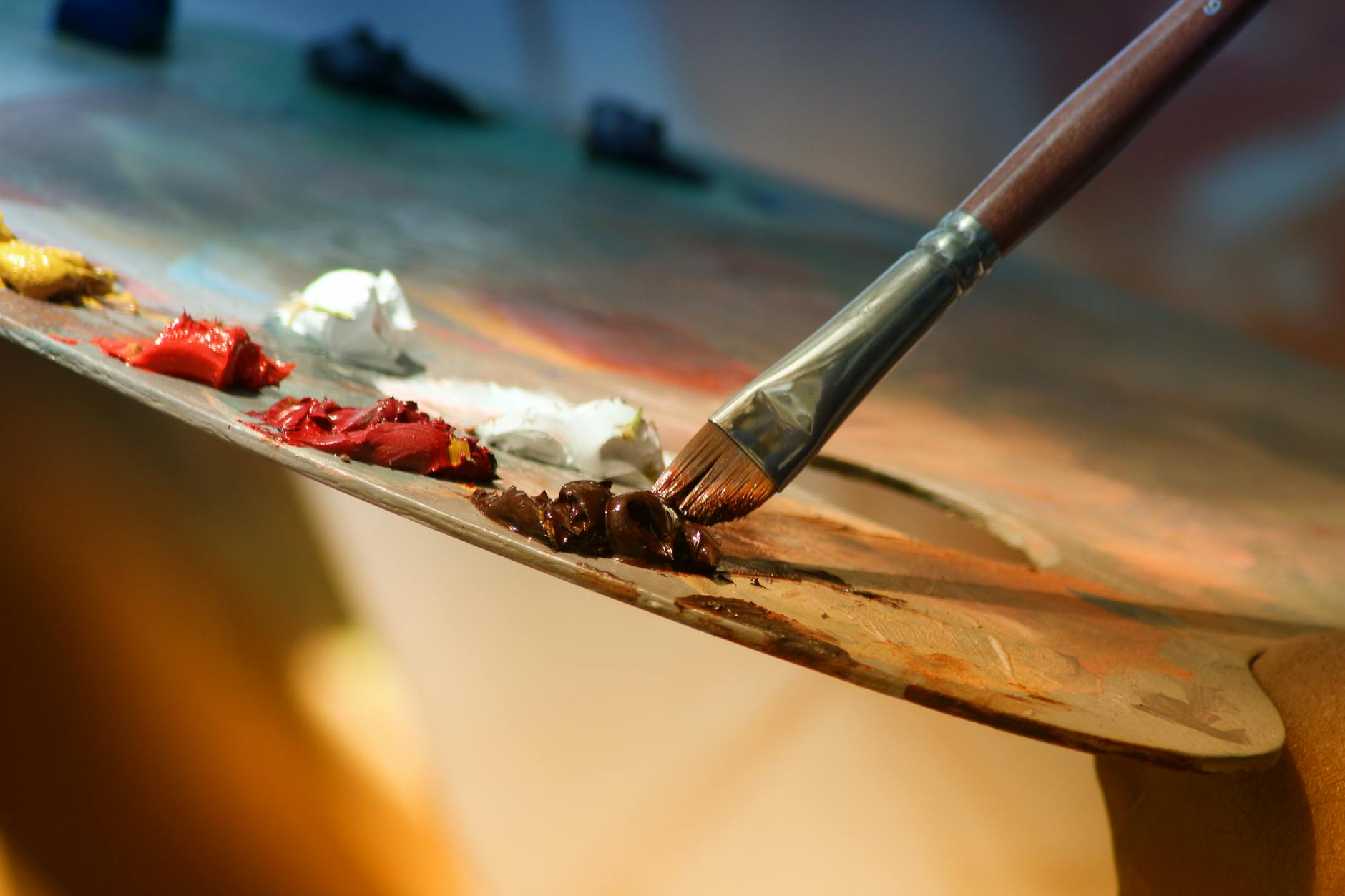
Tip: For each Sabbat, create a simple ritual that reflects the themes of the season. For example, at Yule, you might light candles to symbolize the return of the light. At Beltane, you could dance or create art to celebrate the fullness of life. And at Samhain, you can set up an altar to honor your ancestors.
Reflect on Your Own Cycles
We all experience cycles of change in our lives, just as nature moves through cycles of birth, growth, decay, and rebirth. By using the Sabbats or seasons as reminders and regularly reflecting on our own personal experiences, we can gain deeper insights into our growth journey and better align our practices with the natural flow of life.
Tip: Use the Sabbats as markers for personal reflection. Expecially at the Solstices and Equinoxes (the Wheel’s Quarter Days), take time to review your progress, celebrate your achievements, and set intentions for the future. Use the harvest festivals to reflect on what you are ready to release and what you want to carry forward into the next season, etc…

Conclusion: Sabbats Honor Nature & Humanity’s Interconnectedness
The Sabbats offer a powerful way to connect with the cycles of nature and to honor the interconnectedness of all life on Earth. By observing the natural world and aligning our spiritual practices with the changing seasons, we can cultivate a deeper sense of balance, flow, and harmony in our lives.
Through the seasonal lessons of the Wheel of the Year, we are reminded that life is cyclical, not linear. Just as the earth and cosmos move through cycles of growth, decay, and rebirth, we also experience moments of expansion, contraction, and renewal. By embracing these cycles and integrating them into our spiritual practices and traditions, we can live more fully in alignment with the natural world… And the deeper rhythms of our own souls.
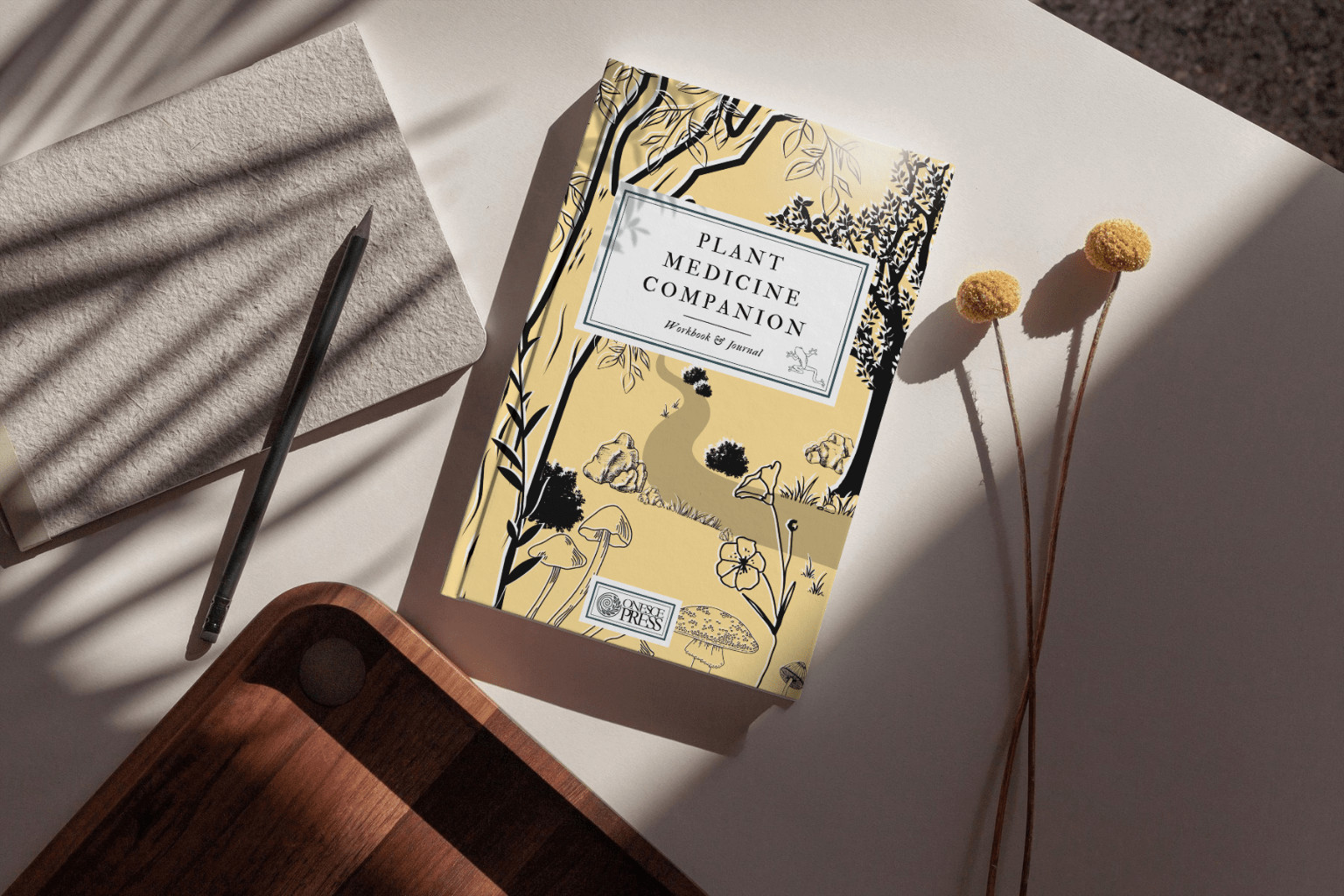
Plant Medicine Companion
Support for your journey of transformation, from planning through to integration:
Through the Wheel of the Year and its Sabbats, we are invited to integrate this connection into our daily lives, year after year. Regardless of how we each make this sacred awareness and participation our own, may we all honor interconnectedness of nature and humanity. In doing so, we not only attune ourselves to the rhythms of the earth and cosmos, we also connect more deeply to the rhythms of our own inner worlds, finding balance, peace, and spiritual fulfillment along the way.
Thank you for joining us here on Onescence! If you enjoyed this article, please consider supporting our free, online periodical by purchasing one of our products through Onesce Press. Given your interest in natural cycles and personal growth, perhaps you would benefit from:
Authentic Routines
WORKBOOK FEATURES:
- Identify your long-term goals so you can develop routines that bring you closer to their fulfillment every day.
- Discover your own unique energy cycle and begin working with your personal flow, rather than against it.
- Utilize modifiers in order to remain consistent, even when “life happens.”
- Experiment with your routines using a flexible and strategic tracking system that will allow you to understand your behavior and make necessary adjustments easily.
- And so much more…
You can also get your copy on Amazon. Don’t wait, start taking daily steps towards your long-term goals!
