

Please note: Dates listed in this article correspond to the Northern Hemisphere. If you are in the Southern Hemisphere, they will be inverse. For example, Samhain would be celebrated May 1st, whereas Beltane would be celebrated October 31st, etc.
In today’s fast-paced world, it’s easy to become disconnected from the natural cycles that affect the world around us. The Wheel of the Year, a cycle of eight seasonal festivals rooted in ancient Pagan traditions, offers a framework for realigning ourselves with nature’s rhythms. By tuning into the seasons, we can enhance our mental, emotional, and physical wellbeing.
Seasonal awareness isn’t simply about observing holidays, instead, it serves to help us cultivate more mindfulness, foster intentional living, and develop a deeper connection with the natural world. When we attune with the ebbs and flows of nature in our daily lives, we really reconnect with a more grounded way of living, nurturing the parts of us that still stem from our inherent human nature.
Sabbat Activity Booklet
Get your free copy of this printable PDF, designed to help you explore any of the Pagan Sabbats!
Let’s explore how aligning with the seasonal cycles and the Wheel of the Year can improve our overall wellbeing. We’ll look at the connections between natural rhythms and human health, how seasonal practices can enhance mindfulness, and also consider some practical ways to incorporate this heightened awareness into our daily routines throughout the seasons.

Understanding the Wheel of the Year
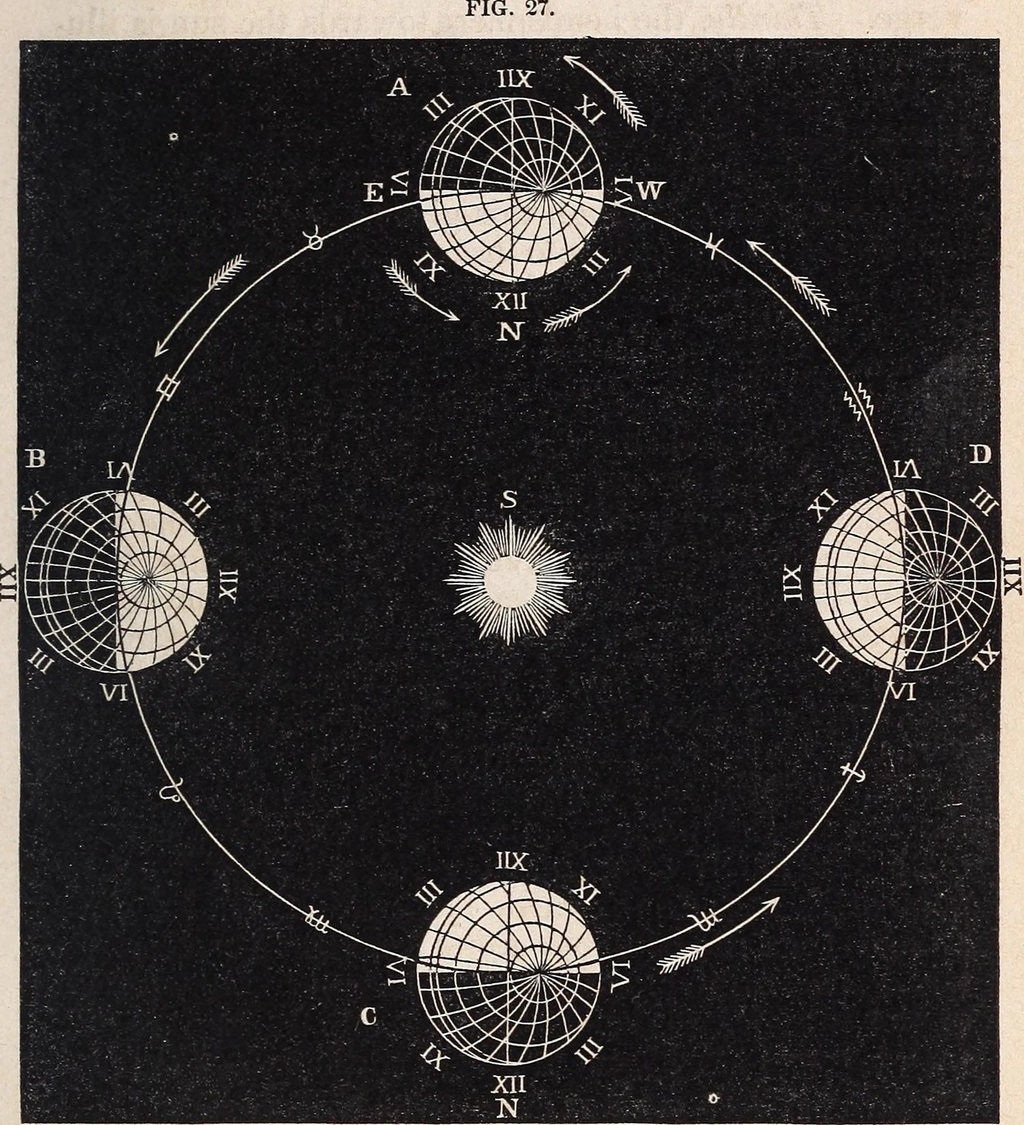
The Wheel of the Year is a calendar based on the cyclical nature of the seasons. It originates from the neopagan attempt to understand how ancient cultures utilized the solar cycle for guidance, given that they relied on agriculture and the land’s fertility for survival. The Wheel is divided into eight Sabbats, or festivals, that correspond to the solstices and equinoxes (quarter days), as well as the midpoints between these solar events (cross-quarter days):
- Samhain – October 31st – November 1st: The final harvest; a time of reflection, honoring the dead, and preparing for the quiet of winter. Also known as the “Witches’ New Year,” it offers the opportunity for an informed continuation on to the next cycle by utilizing the wisdom gained from the previous cycle.
- Yule (Winter Solstice) – December 21st: marks the longest night of the year and serves as a celebration of the sun’s rebirth.
- Imbolc – February 1st-2nd: celebrates the first stirrings of spring, the growing light, and returning warmth.
- Ostara (Spring Equinox) – March 20th – 23rd: day and night are of equal length; this celebration of balance also officially marks the arrival of spring.
- Beltane – May 1st: a “fire festival” celebrating fertility, growth, and the peak of spring’s blooming, vibrant energy.
- Litha (Summer Solstice) – June 21st: the longest day of the year; a celebration of the height of summer and the sun’s power before its light begins to wane once again.
- Lammas (Lughnasadh) – August 1st: the first harvest festival; honors the grains, first fruits, and the abundance of the earth.
- Mabon (Autumn Equinox) – September 20th – 23rd: the second or mid-harvest festival; day and night are equal once more, heralding the beginning of autumn.
As each of these festivals marks either a solar event or significant transition of the seasons, they offer us opportunities to pause, reflect, and reconnect with the earth. The Wheel of the Year teaches us to live in harmony with these natural rhythms, and in doing so, can also help us improve our overall sense of wellbeing.

Natural Rhythms & Human Health
Humans have evolved in tandem with the natural world. Our ancestors’ lives were deeply intertwined with the cycles of the seasons, the waxing and waning of the moon, and the changing patterns of light and dark here on earth. Today, modern life has pulled many of us away from these natural rhythms, contributing to new types of stress, anxiety, and burnout. However, research shows that reconnecting with nature can have significant health benefits.
Circadian Rhythms & the Impact of Natural Light

One of the most fundamental ways nature affects our health is through circadian rhythms, the body’s internal clock that regulates sleep-wake cycles, hormone production, and metabolism. These rhythms are closely tied to the daily cycle of light and dark, as well as the seasonal changes in daylight hours.
Exposure to natural light, especially in the morning, helps regulate circadian rhythms and supports healthy sleep patterns. Conversely, artificial light—especially at night—can disrupt these rhythms, leading to sleep disorders, increased stress levels, and impaired cognitive function. Heightened seasonal awareness, like observing the changes in the light/dark balance at solstices and equinoxes, supports better mental and physical health by enabling us to recognize changes throughout the year and adjust our routines accordingly.
Seasonal Affective Disorder (SAD)
Seasonal changes also play a significant role in mood and emotional health. Seasonal Affective Disorder (SAD) is a type of depression that occurs during the darker months of the year, often due to reduced sunlight exposure. Studies show that reconnecting with natural rhythms, such as spending more time outdoors and adjusting daily activities to the daylight hours, can help alleviate the symptoms of SAD.

The festivals of the Wheel of the Year offer a structured way to celebrate the return of light at Yule and Imbolc, while also acknowledging the natural slowing down and introspection of the darker months. Engaging in seasonal rituals like these can provide comfort and a sense of continuity, even in more challenging times.
The Healing Power of Nature
Numerous studies have shown that spending time in nature improves physical and mental health. Nature has been found to reduce stress, lower blood pressure, enhance mood, and boost immune function. By aligning with the Wheel of the Year, we are encouraged to spend more time outdoors, aligning to and connecting with the natural world. Whether that’s planting seeds in the spring, harvesting in the summer and autumn, or walking mindfully in the stillness of winter, these types of activities ground us, help us reconnect with the earth, and regulate the complex systems of our bodies.
Seasonal Mindfulness & Intentional Living
The Wheel of the Year offers a natural framework for fostering mindfulness and living with intention. Each Sabbat provides an opportunity to pause and reflect on the cycles of nature, as well as those within ourselves. We are able to pause and ask: What are we sowing, nurturing, harvesting, or releasing? By aligning with the seasons, we become more attuned to our own rhythms, which leads to greater self-awareness.
Mindfulness in Seasonal Rituals

Mindfulness is the practice of being fully present in the moment, without judgment. Seasonal rituals, whether as simple as lighting a candle or as elaborate as hosting a feast, invite us to slow down and engage with the present. When we celebrate the turning of the Wheel, we naturally create moments of reflection and gratitude. Let’s consider how each Sabbat offers its own unique mindfulness practice:
- At Samhain, we offer our gratitude to Earth for the harvest and begin to look ahead to the next cycle. It is also common to honor ancestors and reflect on the overarching cycles of birth, growth, death, and rebirth.
- At Yule, we reflect on the past year and identify our intentions for the new solar cycle, celebrating the return of the sun’s light after Winter Solstice and acknowledging the hope it brings.
- At Imbolc, we consider our new beginnings and begin to take action on our intentions as the earth starts to awaken from its winter slumber.
- At Ostara, we observe the earth coming into balance, taking time to plant and nourish the seeds (both literal and metaphorical) of future growth.
- At Beltane, we celebrate life’s fertility and vitality, engaging in acts of joy and creativity as the warmth of summer begins to take hold.
- At Litha, we give thanks for the sun’s warmth, reflecting on the fullness of life during the long days that surround the Summer Solstice.
- At Lammas, we express gratitude for the first harvest and recognize the abundance of the earth.
- At Mabon, we observe nature’s balance once again, seeking to bring harmony to work and rest by taking stock of what we have already achieved as well as what still needs to be done.
By participating in these types of observances, we connect with the natural world, as well as come into greater awareness of ourselves. This allows us to foster a deeper sense of presence and participation throughout the entire year.
Intentional Living & Seasonal Alignment
Living seasonally encourages us to be more intentional in our actions and decisions. The changing seasons offer a natural rhythm for setting goals, taking action, and reflecting on our progress. For example, the Gregorian new year begins in January, but in the Wheel of the Year, the new cycle begins at Samhain (October 31st). This is seasonally a time for reflection and introspection, so by also setting our intentions for the year ahead at this time, we begin the next cycle with the heightened awareness of the last cycle’s final harvest.

By aligning our intentions with natural cycles, we create a rhythm of action and rest that mirrors the flow of the seasons. This prevents burnout and encourages sustainable growth. The festivals of the Wheel of the Year serve as reminders to check in with ourselves, asking: “Are we aligned with our goals?” “Are we taking time for rest and reflection?” And, “Are we grateful for what we’ve accomplished?” These types of questions contribute to a more intentional life, helping us stay focused and balanced, all throughout the year.

Incorporating Seasonal Awareness
Incorporating seasonal awareness into your life doesn’t require dramatic changes. Instead, it’s about making small, mindful adjustments that help you align with the energy of each season. Here are some practical tips for bringing the wisdom of the Wheel of the Year into your daily routines:
Observe the Changing Light

One of the simplest ways to reconnect with the seasons is to pay attention to the changing patterns of light throughout the year. Notice how the daylight hours lengthen and shorten, and adjust your routine accordingly.
- In winter, try to get outside during the daylight hours, even if just for a short walk at midday. The natural light exposure will help regulate your circadian rhythm and boosts mood, combating the effects of Seasonal Affective Disorder (SAD).
- In spring, let yourself bask in the growing days by taking advantage of opportunities to garden, landscape, or otherwise enjoy the outdoors more.
- In summer, embrace the long days by spending more time outside, especially in the mornings and evenings. Consider enjoying a meal outside or going for extra walks.
- In fall, observe the waning light and find ways to participate in harvest activities, perhaps by visiting a pumpkin patch or crafting your own seasonal decor.
Celebrate the Sabbats
Mark the turning of the Wheel by celebrating the eight Sabbats in your own way. You don’t need to follow any specific rules, and can simply use the festivals as opportunities to pause and reflect. Of course, if you’d like to incorporate more traditions or rituals, there are a lot of ways to do that as well. Consider these accessible options:

- Samhain: Light a candle for your ancestors or spend time in reflection on the cycles of nature and life, honoring the final harvest with gratitude.
- Yule: Set aside time for reflection and consider your intentions for the year ahead.
- Imbolc: Engage in activities that symbolize renewal, such as spring cleaning or starting seeds.
- Ostara: Spend time outdoors, planting flowers or starting a new project that reflects the season of growth.
- Beltane: Celebrate spring in full bloom with friends or family, focusing on joy, connection, and creativity.
- Litha: Spend time in the sunshine, appreciating the abundance of summer and giving thanks for summer’s warmth.
- Lammas: Bake bread or cook a meal using seasonal produce, reflecting on the blessings of this first harvest.
- Mabon: Practice gratitude by considering what you’ve achieved over the past year, incorporating balance by reflecting on what you’re ready to let go of as the next cycle approaches.
Eat Seasonally
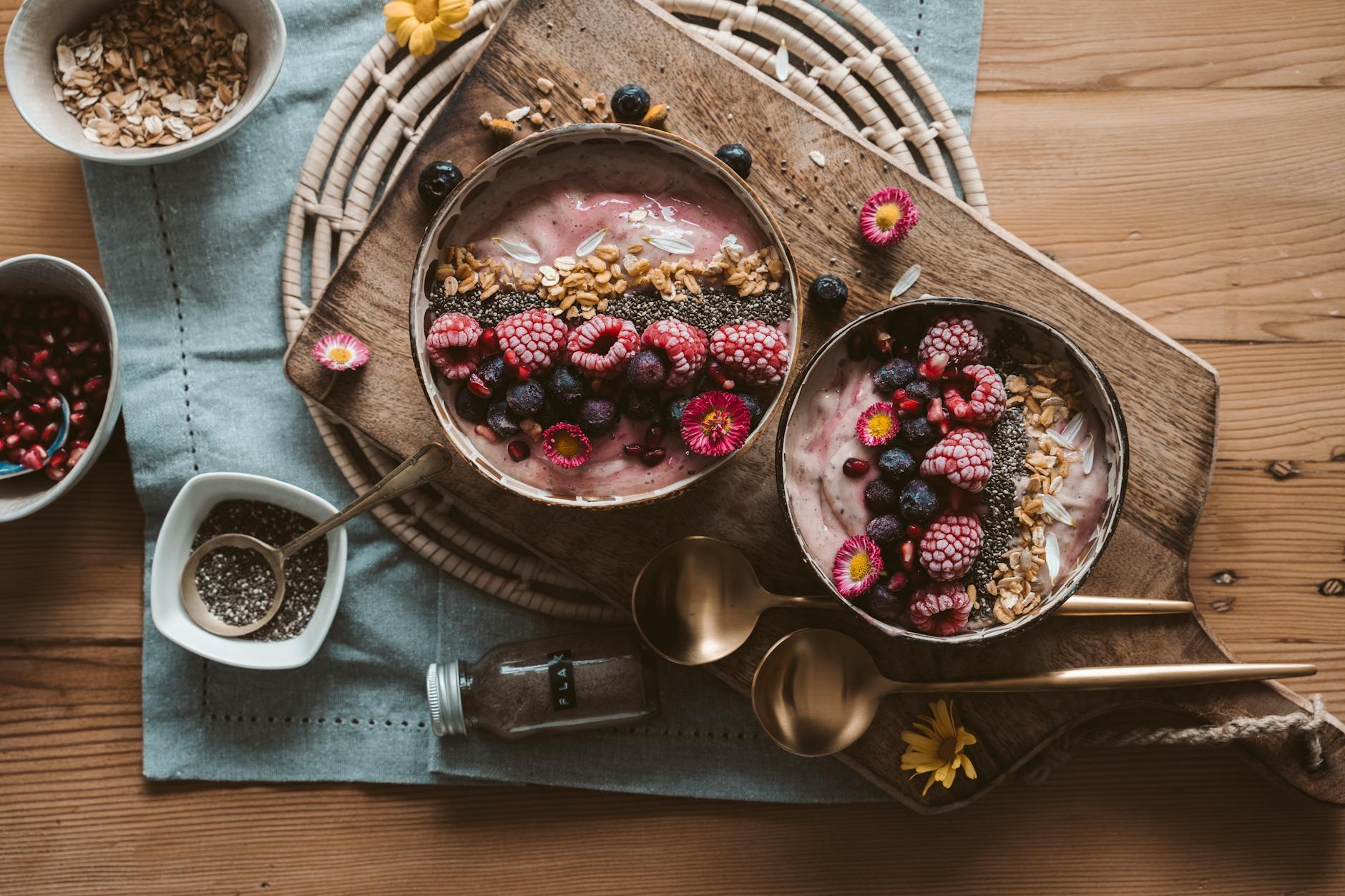
Eating seasonal foods is another wonderful way to connect with the rhythms of nature. Do this easily by incorporating fresh, local produce into your meals, which will seamlessly align your body with the seasons of your specific region. Here are some ideas:
- In winter, focus on warming, nourishing foods like root vegetables and hearty soups.
- In spring, embrace fresh greens and lighter meals that symbolize renewal.
- In summer, enjoy an abundance of fruits, vegetables, and cooling dishes.
- In autumn, incorporate grounding foods like squash, apples, and grains to honor the harvest season.
Align Your Energy with the Seasons
Each season has its own energy: winter invites rest and introspection; spring encourages growth and action; summer exudes celebration and enjoyment; and fall vibes with consideration and gratitude. By aligning our energy with the seasons, we learn to work in harmony with these natural, complimentary rhythms, rather than against them.
- Winter: Take time for rest, reflection, and self-care. This is a time to recharge and prepare for new beginnings.
- Spring: Focus on growth and renewal. Use this time to start new projects or start working towards your new goals.
- Summer: Embrace the peak of energy. Engage in activities that bring you joy and fulfillment.
- Autumn: Reflect on what you’ve accomplished and appreciate your harvest (whether tangible or metaphorical). Additionally, use this time to release what no longer serves.
Practice Gratitude & Reflection
Each Sabbat provides an opportunity to practice gratitude and reflection, throughout all of the seasons. Use them as a reminder to appreciate your blessings by taking time to journal about what you’re grateful for and what you’ve learned in the past season. This practice fosters a sense of contentment and helps you stay connected to your personal growth.
Conclusion: Embracing Seasonal Alignment with the Wheel of the Year Has Many Benefits
Aligning your life with seasonal cycles, like those represented in the Wheel of the Year, offers profound benefits for mental, emotional, and physical wellbeing. By tuning into the natural rhythms of the earth, we can reconnect with a more grounded, intentional way of living that supports our overall health and happiness.
The connection between natural rhythms and human health is well-documented, and by observing the cycles of the seasons, we can foster a deeper sense of mindfulness and balance in our lives as well. Seasonal practices, such as celebrating the Sabbats, aligning our energy with nature’s changes, as well as regularly practicing gratitude and reflection, allow us to live more intentionally and in greater harmony with the world around us.
Sabbat Activity Booklet
Get your free copy of this printable PDF, designed to help you explore any of the Pagan Sabbats!
The Wheel of the Year reminds us that every season holds its own gifts, from rest and renewal to growth and celebration. As you move through the turning of the seasons, allow yourself to listen more closely to nature’s cues, and trust that your own cycles of energy, rest, and transformation are sacred. Begin where you are—light a candle, take a mindful walk, or simply pause to notice the change in the air—and let these simple acts guide you toward greater balance, wellbeing, and connection with the world around you.
Thank you for joining us here on Onescence! If you enjoyed this article, please consider supporting our free, online periodical by purchasing one of our products through Onesce Press. Given your interest in natural cycles and personal wellbeing, perhaps you would benefit from:
Moon Cycle Journey

JOURNAL FEATURES:
- Learn about the rhythms of the lunar cycle and how to apply them to your own journey.
- Explore your cycle goals, developing and working with your own authentic intentions.
- Discover the power of personal feedback for enhancing and sustaining progress.
- Utilize daily/nightly journal prompts that are designed to bring out your best.
- Experiment with simple ritual ideas and when to employ them throughout the cycle.
- And so much more…
You can also get your copy on Amazon and begin your journey with the next moon cycle!