

Holidays shape the rhythm of our lives, even if we never fully understand them. Like markers placed along a winding path, they call us to pause, gather our breath, and reconnect with what matters most. Whether rooted in ancient seasonal traditions or born from cultural memory, every holiday ritual reminds us that time is not just something we move through, but something we can honor, shape, and celebrate. This is why holidays are always more than days on a calendar; they represent rituals that anchor humanity in meaning, belonging, and the cycles of nature.
Across cultures and throughout history, humans have relied on rituals, festivals, and holy days to bring structure to the year and coherence to the inner world. These practices help us navigate change, process experience, and participate in something larger than ourselves. Holidays—whether solstices, religious observances, civic celebrations, or the Sabbats of the Wheel of the Year—serve as symbolic gateways between seasons, identities, and stages of life. When we understand the deeper purpose behind these traditions, we begin to see how ritual creates continuity, fosters emotional grounding, and strengthens our relationships with nature, community, and even self.
Meditation Practice
Take your practice to the next level, & the next… With a Year and a Day commitment.

Let’s explore why holidays matter across cultures and generations, uncovering the universal power of ritual and the role seasonal traditions play in helping us feel connected and whole. We’ll look at how holidays function as markers of transition, how ritual practices support psychological and spiritual wellbeing, and how we can create meaningful holiday rituals in our modern lives. We’ll also examine the value of intention, symbolism, personal heritage, and seasonal energy; learning how thoughtful traditions can enrich both our inner landscape and the shared spaces we create with others.

The Significance of Rituals
Rituals are a universal aspect of human culture, serving as powerful tools for expressing meaning, marking transitions, and connecting with something larger than ourselves. Whether in the form of daily routines, religious ceremonies, or seasonal observances, rituals offer a way to step outside of ordinary time and engage with life’s deeper currents.
Rituals Provide Structure & Meaning
In many ways, rituals are a way to impose structure on the often chaotic flow of life. By engaging in rituals at key moments—whether personal milestones like weddings and funerals, or communal events like holidays—we create a framework that helps us make sense of the world. Rituals give us a sense of stability and continuity, offering a space where we can pause, reflect, and reaffirm our values.

For example, in observing the Wheel of the Year, we tap into a natural rhythm that connects us with the cycles of the cosmos. Each Sabbat marks a significant point in the seasonal cycle, whether it’s the Winter Solstice (Yule), the Spring Equinox (Ostara), or the Final Harvest (Samhain). These holy days serve to remind us of the larger forces at work in the natural world and provide a way to bring structure and meaning into our lives.
Rituals Mark Time & Transitions
One of the most important functions of ritual is to help us mark transitions. In ancient times, rituals were often tied to agricultural cycles, with festivals celebrating the planting and harvesting of crops. Today, many of these traditions remain embedded in our holidays and seasonal celebrations. The observance of Sabbats, for example, reflects the Pagan recognition of nature’s cyclical nature and the transitions between light and dark, growth and decay, life and death.
Ritual observances help us acknowledge life’s transitions, whether they are physical (such as the changing seasons) or metaphorical (such as the transitions we go through in our personal lives). By pausing to engage in ritual, we honor these moments of change, allowing ourselves to reflect on the past and set intentions for the future.
Rituals Foster Connection
Truly, the practice of observing holidays is about cultivating a deeper connection with others, nature, and even ourselves. Often, these festivals and celebrations correspond to a particular point in the seasonal cycle, reflecting the natural rhythms of the earth. By acknowledging and celebrating these transitions, we align ourselves with the energies of the seasons and become more attuned to the world around us.
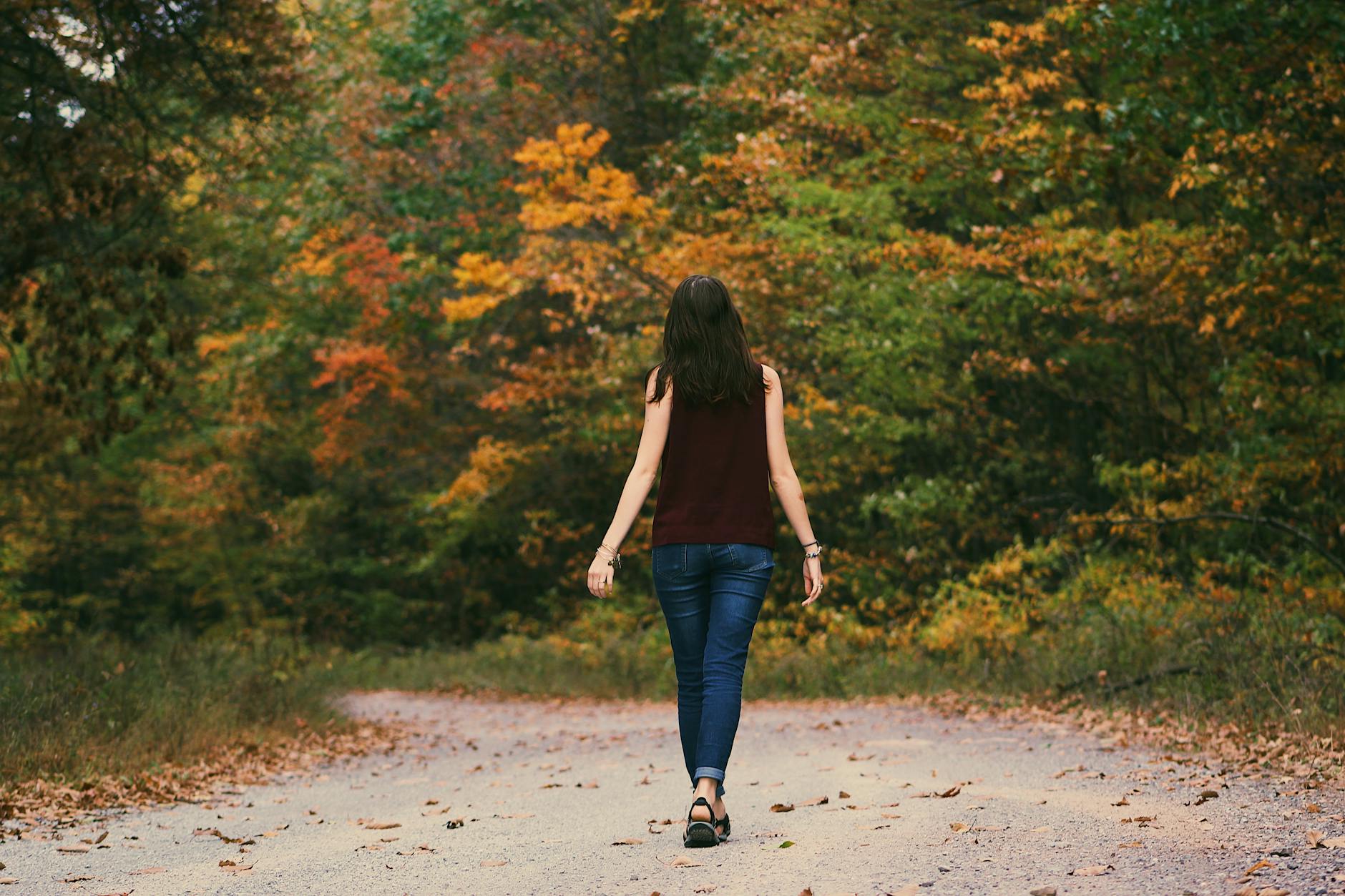
Rituals like holidays also serve as powerful social glue, strengthening the connections that sustain our wellbeing. These repeated practices create a rhythm of belonging, offering predictable moments of togetherness that deepen trust and emotional intimacy. Even small holiday rituals, like checking in with loved ones or participating in a community event, reinforce the sense that we’re part of something larger than ourselves. Over time, these experiences weave a tapestry of shared memories that anchor relationships, nurture resilience, and remind us that we don’t move through life alone.
This connection with nature and others can also help us foster a deeper connection with ourselves. Just as seasons and relationships move through cycles, so do our own lives. Observing holy days (like Sabbats) encourages us to reflect on where we are in our own personal cycles, what we are ready to let go of, and what we want to nurture in the coming months. In this way, these kinds of observance rituals become powerful tools for self-awareness, growth, and renewal.
The Benefits of Ritual
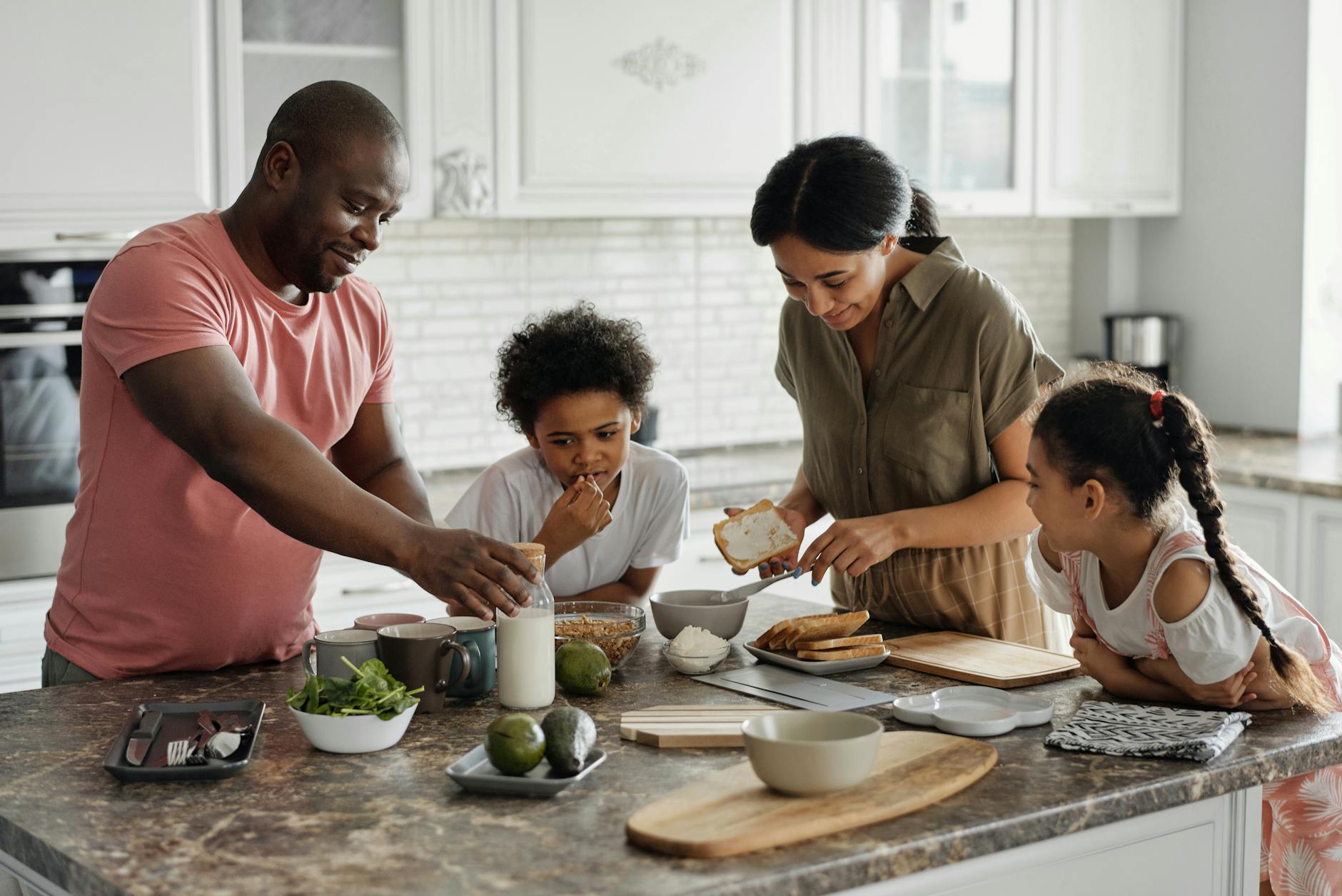
Engaging in regular ritual practices, particularly in the context of holiday and seasonal observances, offers a wide range of psychological and spiritual benefits. Research has shown that rituals can reduce stress, enhance emotional well-being, and strengthen our sense of purpose and connection.
Rituals Relieve Stress
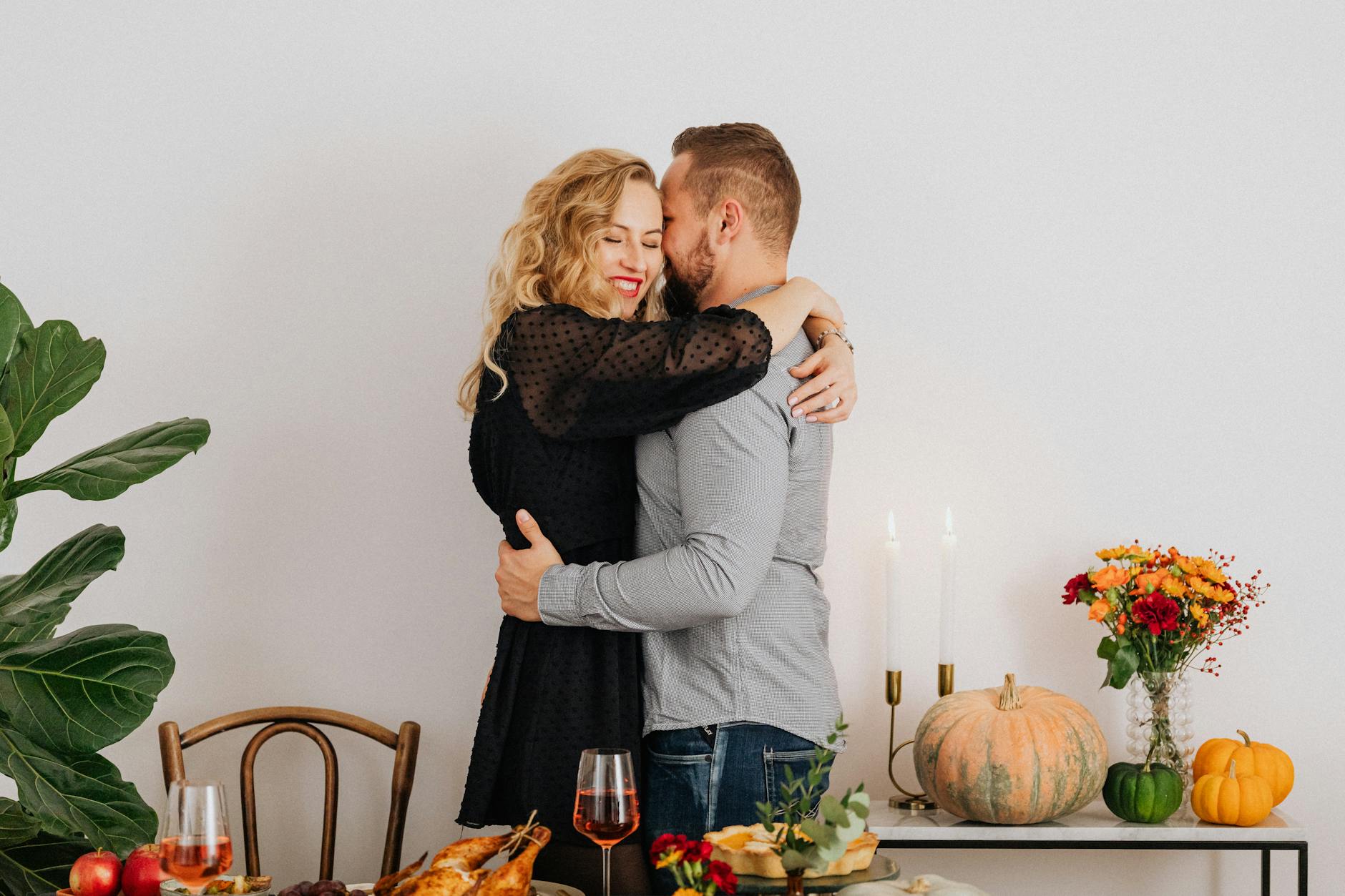
Rituals offer a sense of predictability and control in an often unpredictable world. By engaging in ritual practices, we create a space where we can step away from the demands of daily life and reconnect with our inner selves. This can be particularly beneficial for reducing stress and anxiety, as the familiar and intentional nature of rituals provides comfort and stability. Research has shown that rituals can enhance feelings of control and reduce feelings of uncertainty, helping individuals cope with challenging situations.
Rituals Heal & Integrate
Rituals also provide a way to process and express emotions. Whether it’s through lighting candles, offering prayers, or engaging in symbolic acts, rituals create a safe space for acknowledging our feelings and moving through emotional transitions. In observing seasonal rituals like Sabbats or holidays, we are invited to reflect on the natural cycles of life and death, growth and decay. This can be a powerful way to process grief, celebrate joy, and connect with the full spectrum of human experience.
For example, Samhain, the festival that marks the end of the harvest and the beginning of winter, is traditionally a time for honoring the dead and reflecting on our ancestors. Engaging in ritual observances like these, that acknowledge loss and honor the past, can help us navigate our own experiences of grief and transition, offering a space for emotional healing and closure.
Rituals Deepen Connection
On a spiritual level, rituals help us connect with the divine, the cosmos, or whatever higher power or force we believe in. Observing Sabbats, in particular, offers a way to align ourselves with the spiritual energies of Earth and the universe. By celebrating the turning of the seasons, we recognize that we are part of something larger than ourselves: a cyclical, interconnected web of life.
Regular ritual observances can deepen our sense of spiritual connection, offering moments of reflection, gratitude, and awe. Whether we see the divine in nature, in the changing seasons, or in the cycles of life, engaging in regular rituals helps us cultivate a sense of reverence and wonder.
Personalizing Holiday Rituals
One of the most empowering aspects of ritual practice is that it can be deeply personal and tailored to your own beliefs, intentions, and cultural context. While there are traditional ways to observe the Sabbats, and lots of cultural holidays worldwide, there is also still room for creativity and personal expression. By creating your own rituals, you can make celebrations more meaningful and aligned with your spiritual journey.
Working with Intention
The foundation of any ritual is intention. It’s important to take some time to reflect on what we want to achieve/honor through the practice/observance we’ve planned. Our intention might be to give thanks for the abundance in our life, to release something that no longer serves us, or to connect more deeply with the energies of the season. Regardless of it’s specificities, setting a clear intention helps focus the mind and heart, grounding our rituals in purpose. We can then write down our intention, speak it aloud, or simply hold it in mind as we move through the ritual.
Engage Layers of Meaning
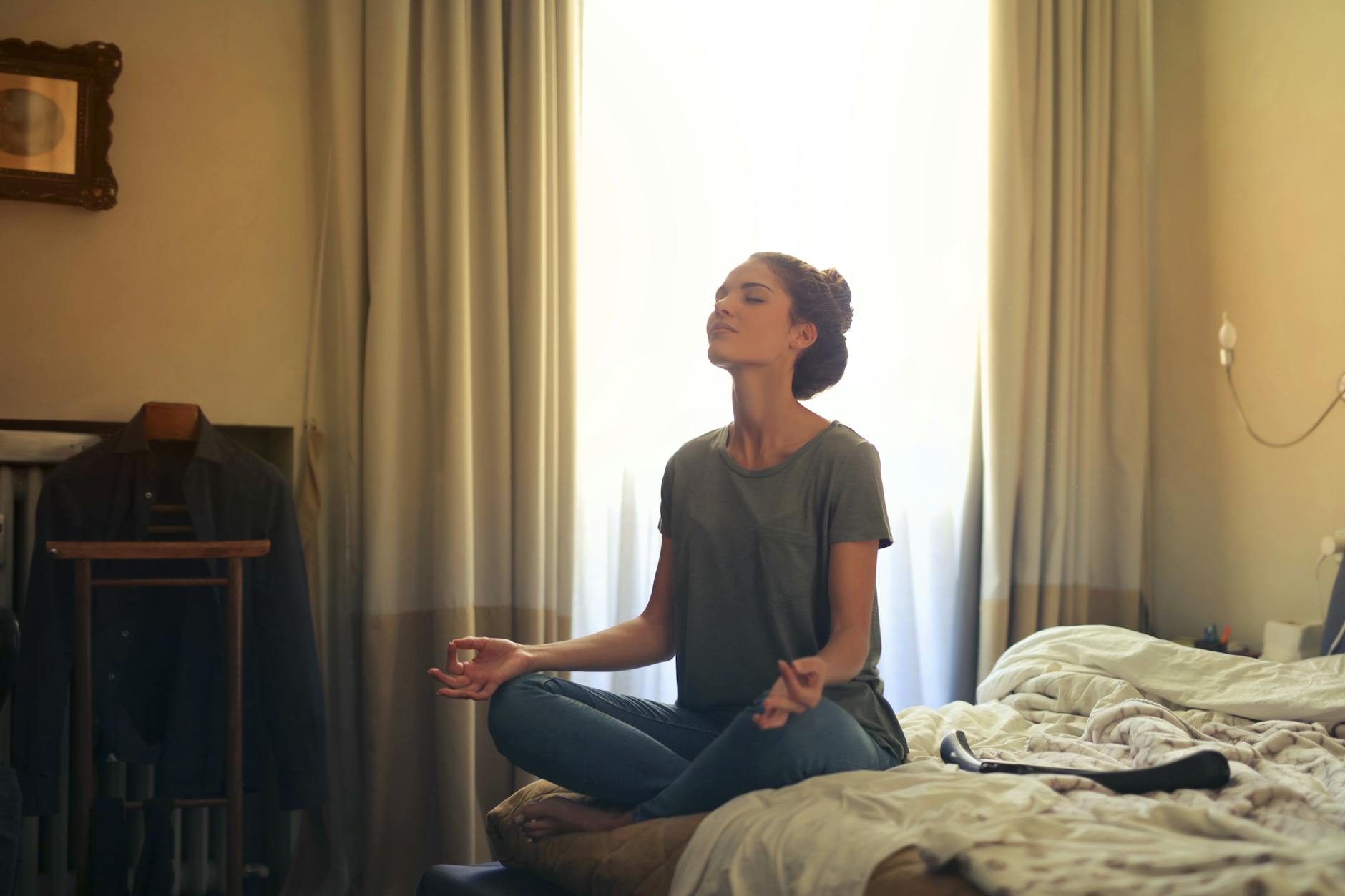
Symbols can often play an important role in rituals, helping to make abstract ideas or intentions more tangible. In the context of Sabbat rituals, symbols often correspond to the elements—earth, air, fire, and water—or to the themes of the season. For example:
- Yule, which celebrates the rebirth of the sun at Winter Solstice, might incorporate symbols of light such as candles or bonfires.
- Ostara, at the Spring Equinox, could feature eggs or flowers as symbols of fertility and growth.
- Samhain, a time of honoring ancestors, might include photographs or mementos of loved ones who have passed.
When choosing symbols for your rituals, think about the themes of the holiday, season, or Sabbat as well as how they resonate with your own life. Consider using natural elements such as stones, herbs, or water to represent elements or locations, and include personal items that hold special meaning for you.
Align with Cyclical Energy
Every holiday exists within a larger seasonal rhythm. When we attune our rituals to the natural world—the returning light of winter, the renewal of spring, the fullness of summer, or the release of autumn—we create practices that feel intuitive and grounding. This approach transforms holidays from isolated events into meaningful touchpoints within an ongoing cycle of growth and rest.
Furthermore, by noticing how each season shapes our energy, mood, and intentions, we can design holiday rituals that support our inner landscape. This means choosing practices that nourish us when life feels quiet, energize us when momentum builds, and offer reflection when transitions arise. In honoring these cycles, we create traditions that not only celebrate the season but also help us stay connected to our own evolving needs.
Adapt Authentically & Consciously
Remember that rituals should be personal and meaningful to you. Don’t be afraid to adapt practices to fit your own spiritual beliefs, cultural traditions, and personal preferences. If certain symbols or elements don’t resonate with you, substitute them with ones that hold personal meaning. The most important thing is that your rituals are grounded in intention.
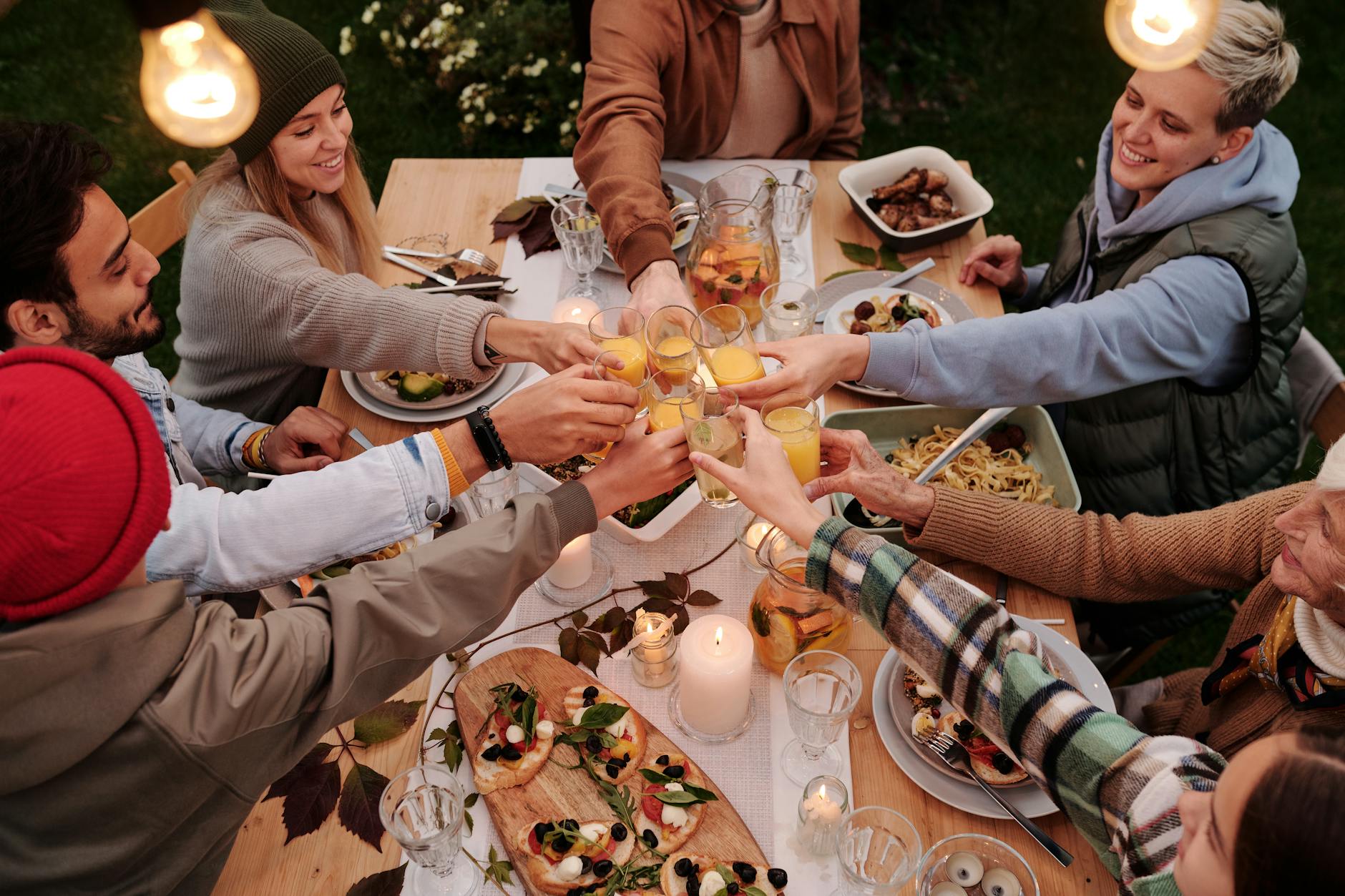
Conclusion: The Ancient Power of Rituals Still Enrich Our Modern Lives
Rituals, especially in the context of observing holidays or Sabbats, play a vital role in helping us navigate the transitions of life, connect with the natural world, and cultivate a deeper sense of meaning and purpose. By engaging in regular ritual practices, we create moments of reflection, gratitude, and connection—both with the world around us and with our own inner selves.
As we move through the cycles of the year, seasonal observances and celebrations offer a powerful way to mark time, honor transitions, and foster a deeper connection with Earth’s rhythms. Whether through simple acts of lighting a candle, planting seeds, or baking bread, these rituals remind us of the sacredness of the present moment and the ongoing cycle of life, death, and rebirth.

Moon Cycle Journey
Enhance your life with lunar wisdom, attuning to the rhythms of nature.
In a world that often feels chaotic and disconnected, observing holidays by creating personalized rituals can be a grounding and empowering practice. By setting intentions, choosing meaningful symbols, and adapting rituals to fit our personal and cultural contexts, we can cultivate an interactive spiritual practice that is both deeply rooted in tradition and uniquely our own.
Thank you for joining us here on Onescence! If you enjoyed this article, please consider supporting our free, online periodical by purchasing one of our products through Onesce Press. Given your interest in ritual and natural cycles, perhaps you would benefit from:
Moon Cycle Journey
JOURNAL FEATURES:
- Learn about the rhythms of the lunar cycle and how to apply them to your own journey.
- Explore your cycle goals, developing and working with your own authentic intentions.
- Discover the power of personal feedback for enhancing and sustaining progress.
- Utilize daily/nightly journal prompts that are designed to bring out your best.
- Experiment with simple ritual ideas and when to employ them throughout the cycle.
- And so much more…
You can also get your copy on Amazon and begin your journey with the next moon cycle!