
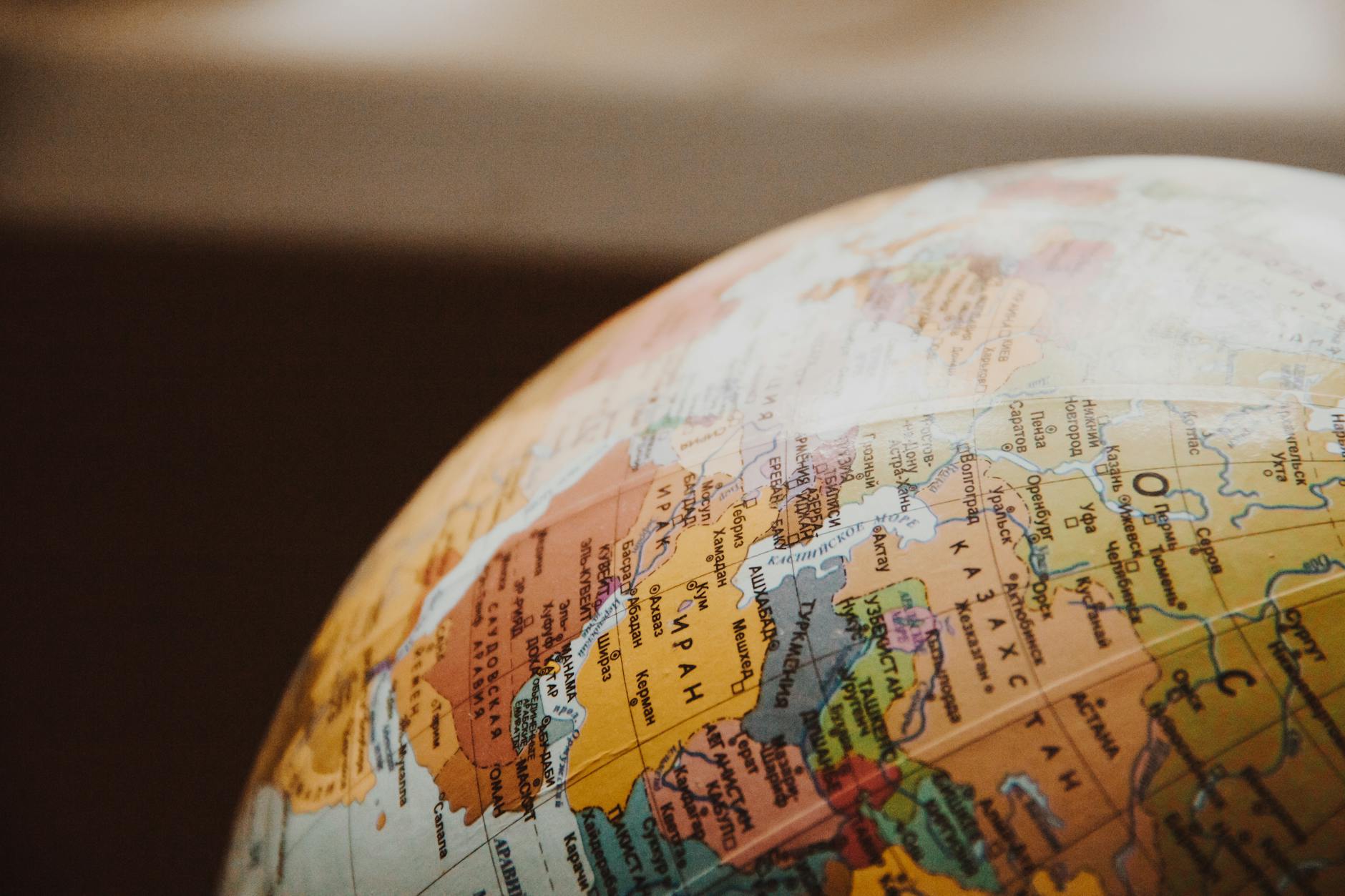
Across the globe and throughout time, cultures have relied on their observances of natural cycles to mark time, celebrate the seasons, and connect with the universally sacred. These cycles, rooted in the movements of Earth and the heavens, form the foundation of many spiritual practices across the world.
One such system of seasonal observances is the Wheel of the Year, a calendar rooted in ancient Pagan festivals, which revolves around the natural rhythms of the sun and the resulting seasonal changes on Earth. Although rooted in European traditions, the Wheel of the Year can serve as a universal tool for understanding time, seasons, and spirituality, offering insights that resonate across cultures and eras.
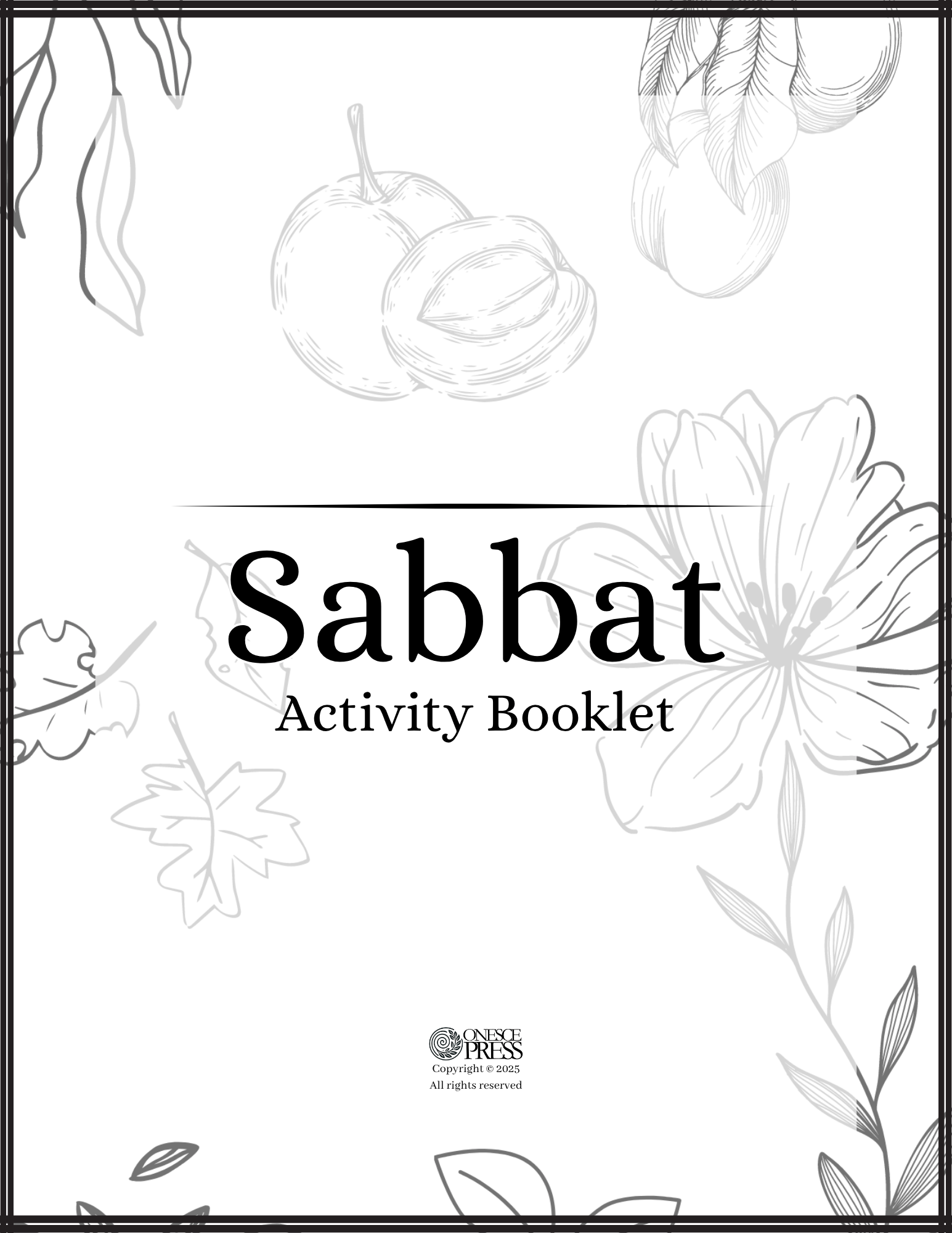
Sabbat Activity Booklet
Get your free copy of this printable PDF, designed to help you explore any of the Pagan Sabbats!
Let’s explore this framework further, engaging a global perspective for more spiritual awareness, including how various cultures around the world have holy days based in nature’s rhythms. We will examine the historical and cultural significance of these sacred cycles, comparing the Wheel of the Year with other cultural lenses, such as Hindu festivals and the Chinese New Year. We’ll also look at why humans have always considered certain times of the year to be sacred, considering the universal nature of these practices and the continuity of holy day observances across history.
The Wheel of the Year as a Framework
The Wheel of the Year is a cycle of eight festivals known as Sabbats. These Sabbats are divided into the quarter days—aligned with the solstices and equinoxes—and the cross-quarter days, which fall between the solar events and are rooted in agricultural cycles. Collectively, these holy days recognize and celebrate transitions between light and dark, growth and decay, birth and rebirth, etc.
The Wheel includes the following Sabbats:
- Samhain: The final harvest; a time to honor ancestors, reflect on the cycles of life, and begin to think ahead towards the next cycle.
- Yule (Winter Solstice): A celebration of the “rebirth” of the sun after the longest night of the year.
- Imbolc: Marking the first signs of spring, often associated with purification and renewal.
- Ostara (Spring Equinox): A celebration of balance between light and dark, symbolizing new life and fertility.
- Beltane: A “fire festival” celebrating fertility, vitality, and the height of spring’s energy.
- Litha (Summer Solstice): Marking the longest day of the year and the peak of the sun’s power.
- Lammas (Lughnasadh): Summer or first harvest; a festival honoring the first fruits of the season.
- Mabon (Autumn Equinox): The second or mid-harvest festival; a time of balance, reflection, and gratitude.
Through these observances, the Wheel of the Year embodies a deep connection to Earth’s rhythms, encouraging those who follow it to live in harmony with the changing seasons. This cyclical approach to time emphasizes the natural flow of initiation, growth, decay, and renewal, offering a way of understanding life that actually resonates across many cultures.
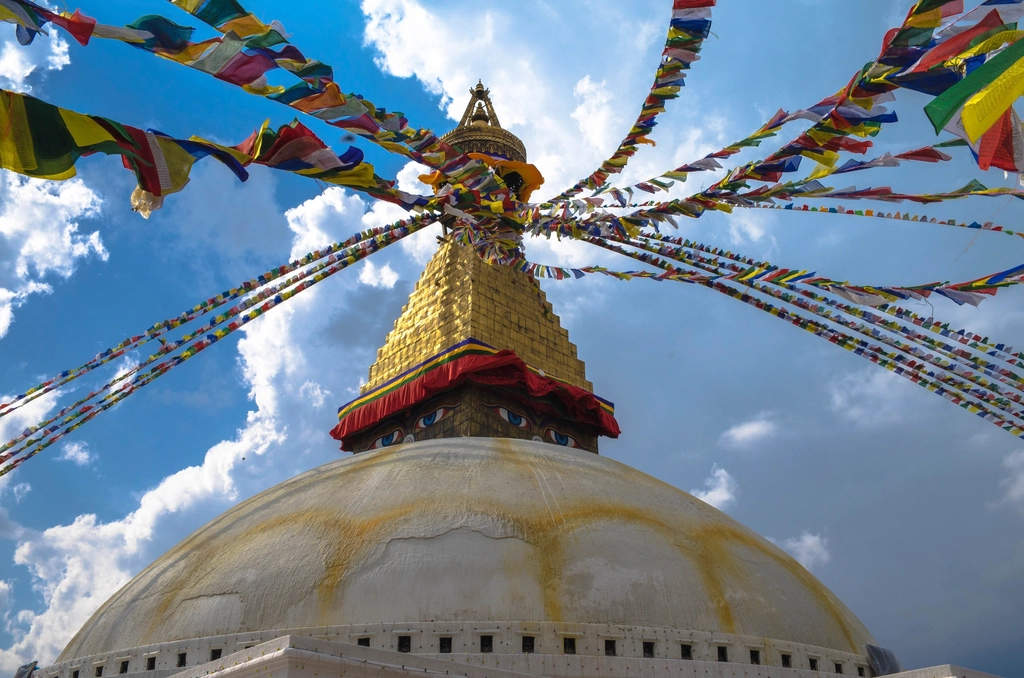
Universally Sacred Cycles
The recognition of cyclical time is not unique to the Wheel of the Year. Around the world, many cultures have developed their own seasonal and agricultural calendars that reflect a similar understanding of time as a continuous cycle of beginnings and endings.
Hindu Festivals & Eternal Time
In Hinduism, time is viewed as cyclical, consisting of repeating ages or “Yugas” that represent the creation, preservation, and eventual destruction of the universe. This cyclical worldview is reflected in Hindu festivals, many of which are tied to the agricultural cycle, lunar phases, and solstices. For example, Makar Sankranti, celebrated in mid-January, marks the sun’s movement into the zodiac sign of Capricorn and signifies the end of the Winter Solstice. It is a celebration of the return of longer days and the beginning of a new agricultural cycle.

Another significant Hindu festival is Diwali, the Festival of Lights, which falls between mid-October and mid-November, depending on the lunar calendar. Diwali celebrates the inevitable victory of light over darkness, knowledge over ignorance, and good over evil, even (and perhaps especially) as the waxing darkness of the Winter Solstice approaches.
Both Diwali and Makar Sankranti, like the festivals in the Wheel of the Year, are closely linked to seasonal transitions. They also serve to mark the symbolic passage from darkness to light, which is another common theme in many spiritual traditions from around the world.
Chinese New Year & Lunar Calendar
In Chinese culture, time is measured according to the lunar calendar, with the most important celebration being the Chinese New Year (Lunar New Year). This festival marks the end of winter and the beginning of spring, symbolizing renewal, new beginnings, and the promise of growth in the coming year. It is also associated with ancestral veneration and a connection to the natural world.
The Chinese zodiac, a twelve-year cycle in which each year is associated with a specific animal, offers another example of cyclical time. This system emphasizes the interconnectedness of human life, nature, and the cosmos, reflecting themes found in other spiritual calendars, including the Wheel of the Year.
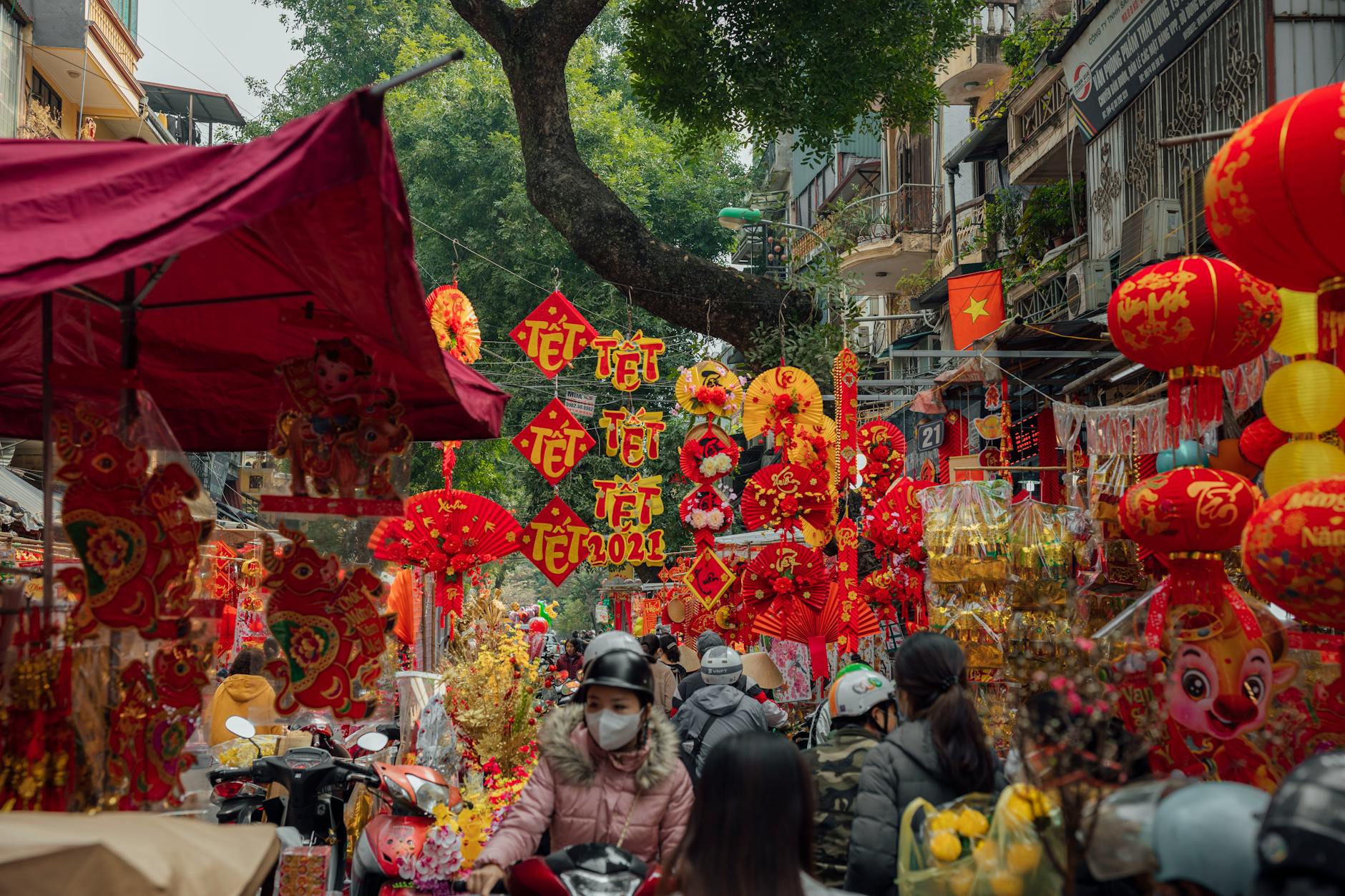
In Chinese philosophy, the balance of Yin and Yang is central to understanding time and change. Like the balance between light and dark celebrated by ancient Europeans and neopagans at the solstices and equinoxes, the Yin-Yang dynamic reflects the duality present in all things: rest and action, growth and decline, birth and death. Celebrations such as the Lunar New Year, which align with the cycle of the moon, also offer continual opportunities for renewal, reflection, and communal celebration, much like the solar Sabbats.
Continuity of Sacred Observances
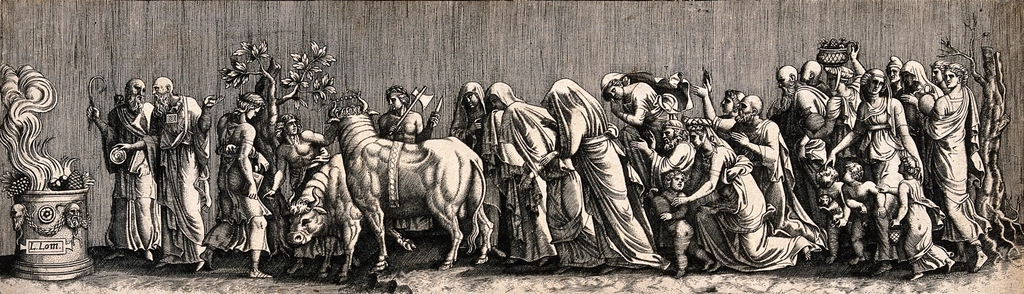
Throughout history, humans have marked sacred times with festivals, rituals, and celebrations that honor the cycles of nature, the heavens, and the Divine. These holy days serve not only as spiritual touchstones but also as moments of communal connection, reflection, and gratitude. The significance of these days transcends any single culture or religion, revealing the universal human desire to honor the natural and spiritual cycles of life.
The Universal Nature of Holy Days
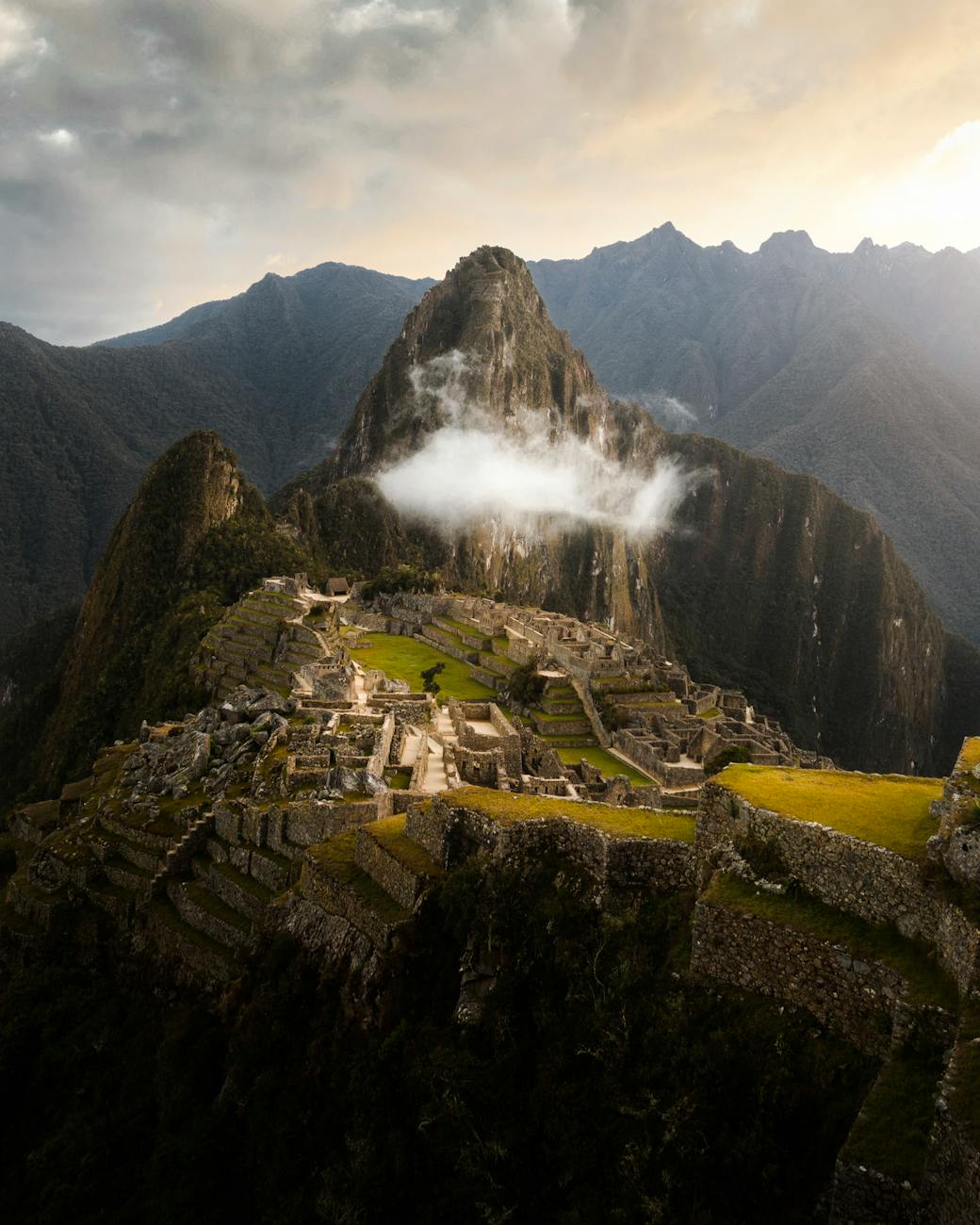
In many indigenous cultures, the solstices and equinoxes are revered as times of balance and transformation. For example, the Inca civilization in South America celebrate Inti Raymi, the Festival of the Sun, at the Winter Solstice (which occurs in June in the Southern Hemisphere). This festival honors the sun god Inti and marks the beginning of a new agricultural year, much like Yule for ancient Europeans or neopagans.
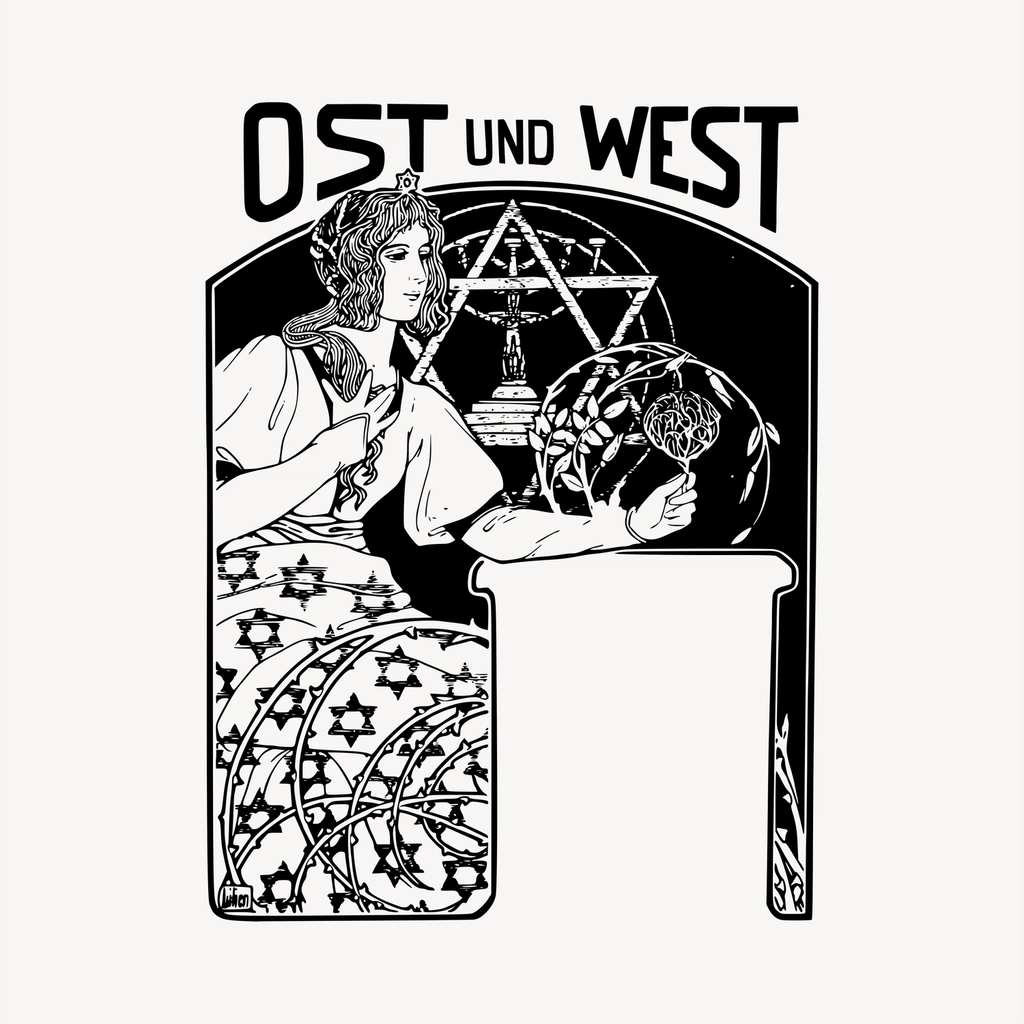
Truly, in many cultures, holy days are intimately tied to the cycles of the natural world. Whether they celebrate the changing seasons, the harvest, or the solstices, these days of observance mark transitions in Earth’s rhythms.
For example, in Judaism, the festival of Sukkot coincides with the autumn harvest and commemorates the Israelites’ journey through the wilderness after their exodus from Egypt. This ritual celebration embodies the balance between gratitude and humility that naturally arises during the harvest season, mirroring the reflective energy of Mabon and other equinoctial observances.
This celebration of harvest festivals is another universal theme. In Japan, Shichi-Go-San is celebrated in November to honor the healthy development of young children and coincides with the rice harvest season, reinforcing the connection between human life and the cycles of nature.
In Native American cultures, the solstices and equinoxes are often observed through ceremonies and rituals that connect participants with the earth’s cycles. These observances serve as a way to honor the ancestors, seek guidance from the spirit world, and acknowledge the interconnectedness of all life.
The Evolution of Holy Days
While the specific customs and rituals associated with holy days may vary from culture to culture, the underlying themes of renewal, gratitude, balance, and connection with the Divine remain remarkably consistent across time and geography. As societies have evolved, so too have the ways in which these days are celebrated, yet the core significance often endures.

For example, the Christian holiday of Easter that celebrates the resurrection of Jesus Christ, adopted symbols and themes from the equinoctial festival of Ostara, a spring celebration of fertility and renewal. Similarly, the Christian winter holiday of Christmas uses many of the features of Yule or Saturnalia, including the use of evergreen trees, candles, and feasting to celebrate the return of the sun after the longest night of the year.
These examples highlight the fluidity and adaptability of holy day observances. As cultures intersect and evolve, sacred observances often merge, blending the old with the new. Still, though the names and traditions may change with time, they continue to maintain a deep connection to the cycles of the natural world. This persistence and continuity reveals the human need to find meaning in the passage of time as well as the universal pull to honor the sacred within and around us.
Why Humans Celebrate Sacred Cycles
The question of why humans celebrate certain times of the year as sacred is deeply intertwined with our need for structure, meaning, and connection. Designating recurring cosmic and seasonal shifts as sacred has long provided us with a way to mark the passage of time, celebrate life’s milestones, as well as connect with the Divine and the natural world.
Creating Structure & Meaning
For ancient societies, marking holy days based on the cycles of the sun, moon, and stars provided a necessary structure for agricultural practices and survival. These observances also offered a way to make sense of life’s unpredictable nature. By aligning rituals and festivals with the rhythms of nature, people create a sense of order and predictability in a world that is often chaotic and uncertain.
Holy days also serve as a way to imbue the passage of time with meaning. By pausing to celebrate the solstices, equinoxes, or harvests, people give themselves time to reflect on the cycles of birth, life, death, and rebirth. This acknowledgement and awareness allows us all to find comfort in the ways the universe operates in rhythmic, harmonious patters.
Fostering Connection & Gratitude
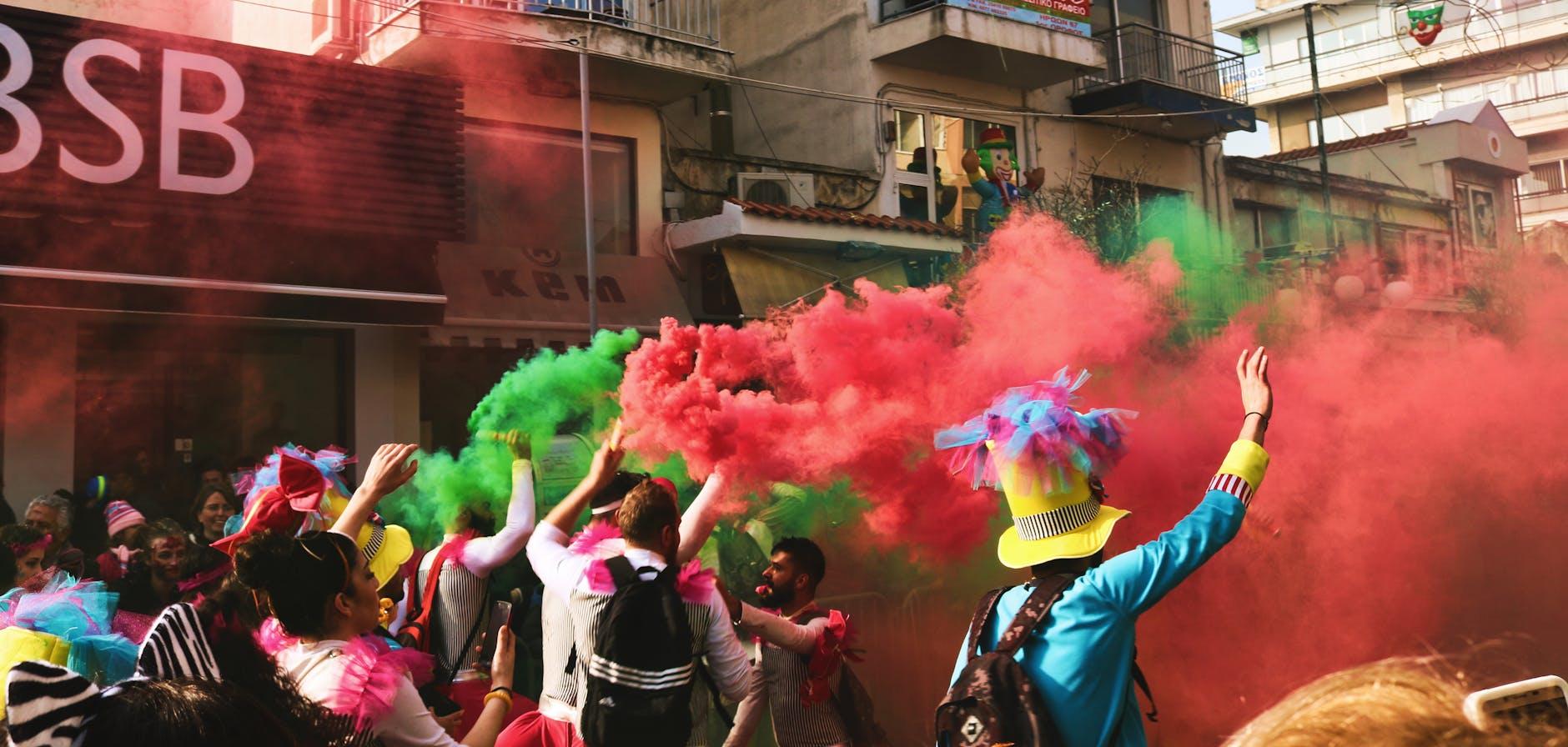
Holy days offer opportunities for individuals and communities to come together in celebration and gratitude. These moments of communal ritual foster a sense of connection with one another, as well as with the natural and spiritual worlds. Festivals such as the Hindu Holi, which celebrates the arrival of spring and the victory of good over evil, bring people together in joyful, colorful celebration, reinforcing bonds of kinship and community.
Similarly, the Jewish festival of Passover not only commemorates the Israelites’ escape from slavery but also serves as a time for families to gather and reflect on themes of liberation, gratitude, and Divine protection. In these ritual moments, the sacred and the communal converge, offering participants a chance to reconnect with their faith, their families, and the wider world.
Honoring the Sacred
At their core, holy days are about honoring the sacredness of life and the natural world. Whether through rituals that celebrate the sun’s return at the Winter Solstice, festivals that honor the abundance of the harvest, or ceremonies that mark transitions in the balance of light and dark, these observances remind us of the profound interconnectedness of all things.
By participating in these observances, we recognize that we are part of larger cosmic cycles that transcend individual lives or specific cultures, extending into the rhythms of the earth, the stars, and the Divine. In this way, holy days serve as touchstones that reconnect us with the timeless and universal qualities of human experience, helping us find connection within the grand unfolding of life.

Conclusion: The Significance of Natural, Cyclical Observances Is Universally Experienced
Throughout history, cultures across the globe have developed their own systems of holy days and cyclical observances, yet each often reflect humanity’s shared understanding of time, nature, and the Divine. Whether through the neopagan Wheel of the Year, seasonal festivals, or solstice ceremonies, these traditions offer universal lessons on the importance of living in harmony with nature, our communities, and the overarching sacredness of life.
The continuity of these observances across time and culture speaks to the fundamental human need for connection, structure, and meaning. By celebrating the cycles of Earth and the heavens, we honor the rhythms that govern our lives, ultimately fostering a deeper sense of connection with the world around us and the sacred within.
Sabbat Activity Booklet
Get your free copy of this printable PDF, designed to help you explore any of the Pagan Sabbats!
As we move through our own lives, we can draw on the wisdom of these traditions to help us navigate the ongoing cycles of birth, growth, decay, and renewal. In doing so, we join countless generations in celebrating the timeless, universal nature of holy days. Truly, by recognizing these shared patterns in our human experiences, we are all better equipped to find meaning and sacredness in the rhythms of the universe—together.
Thank you for joining us here on Onescence! If you enjoyed this article, please consider supporting our free, online periodical by purchasing one of our products through Onesce Press. Given your interest in sacredness and the cycles of nature, perhaps you would benefit from:
Moon Cycle Journey
JOURNAL FEATURES:
- Learn about the rhythms of the lunar cycle and how to apply them to your own journey.
- Explore your cycle goals, developing and working with your own authentic intentions.
- Discover the power of personal feedback for enhancing and sustaining progress.
- Utilize daily/nightly journal prompts that are designed to bring out your best.
- Experiment with simple ritual ideas and when to employ them throughout the cycle.
- And so much more…
Get your copy now and begin your journey with the next moon cycle!
Insiders:
*For Full Download Instructions, Visit Your Member Benefits Portal
