


Long before modern calendars, people relied on the movements of the sun to understand where they stood within the year. The Summer Solstice, marked by the longest day and shortest night, served as a natural reference point for agricultural planning, seasonal celebrations, spiritual observances, and community gatherings. Across continents and throughout history, cultures developed their own ways of recognizing this turning point, transforming an astronomical event into traditions that reflected their unique relationships with the land, the seasons, and one another.
While the customs themselves vary widely, many Summer Solstice celebrations share common themes. They acknowledge abundance, mark transitions, strengthen community bonds, and invite reflection on humanity’s place within the natural world. Whether expressed through monumental architecture, ceremonial gatherings, seasonal festivals, or personal rituals, these observances reveal a long-standing human desire to live in rhythm with the cycles that shape our lives.
Sabbat Activity Booklet
Get your free copy of this printable PDF, designed to help you explore any of the Pagan Sabbats!
Let’s explore some of the most fascinating solar cycle traditions from around the world, examining both their historical significance and their modern expressions. Along the way, we’ll also discover how different cultures have understood these seasonal turning points and what their traditions can teach us about time, connection, and our enduring relationship with the rhythms of nature.

Solstice Sunrise at Stonehenge
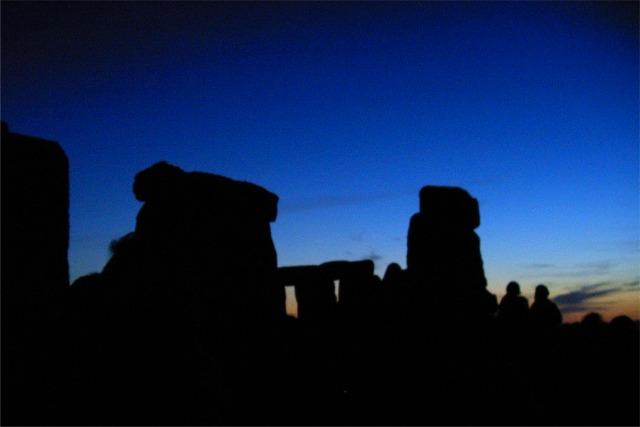
Rising from the Salisbury Plain, the prehistoric monument of Stonehenge is among the most iconic sites for celebrating the summer solstice. Constructed over 4,000 years ago, this ancient ring of standing stones continues to fascinate both scholars and spiritual seekers alike. While its exact original purpose remains a mystery, its intentional alignment with the solstices suggests that the people who built it were deeply attuned to celestial cycles and seasonal shifts.

On the summer solstice—when the sun reaches its highest point in the sky—thousands gather at Stonehenge to witness a rare and awe-inspiring phenomenon. As the sun rises, its rays pass directly over the Heel Stone and illuminate the center of the monument, creating a powerful moment of alignment between earth and sky. This invites participants into a ritual of witnessing light, stone, and human presence converge in timeless harmony.
The atmosphere during the solstice at Stonehenge is electric yet reverent. As night yields to dawn, drumming, chanting, and silent meditation fill the space between stones. Many attendees wear ceremonial robes or flower crowns, honoring Druidic, Pagan, or nature-based traditions. For some, it’s a spiritual pilgrimage; for others, a celebration of community, ancestry, or personal renewal. Despite the crowds, the experience often feels intimate, with each individual touched in a unique way by the first golden rays of the sun as it crests the horizon.

Festival of the Sun at Machu Picchu
While the Northern Hemisphere celebrates the Summer Solstice in June, communities throughout the Southern Hemisphere are experiencing the opposite seasonal transition. In Peru, this period coincides with the Winter Solstice and is marked by Inti Raymi, or the ‘Festival of the Sun,’ one of the most important celebrations of the Inca world. Historically, the festival honored Inti, the sun deity, while also marking a crucial seasonal turning point connected to agriculture, governance, and community life. Today, Inti Raymi remains an important expression of cultural heritage and a powerful reminder of the relationship between people, seasonal cycles, and the natural world.
The ceremonies and practices during Inti Raymi are elaborate and deeply rooted in Inca traditions. At the center of the festivities is the reenactment of ancient solstice rituals that were once performed by the Inca emperor and high priests. The procession begins at the Coricancha, the Temple of the Sun in Cusco, and culminates at Sacsayhuaman, a majestic archaeological site overlooking the city. Participants dressed in colorful traditional attire, including the iconic garments of the Inca emperor, engage in sacred rites, dances, and music.
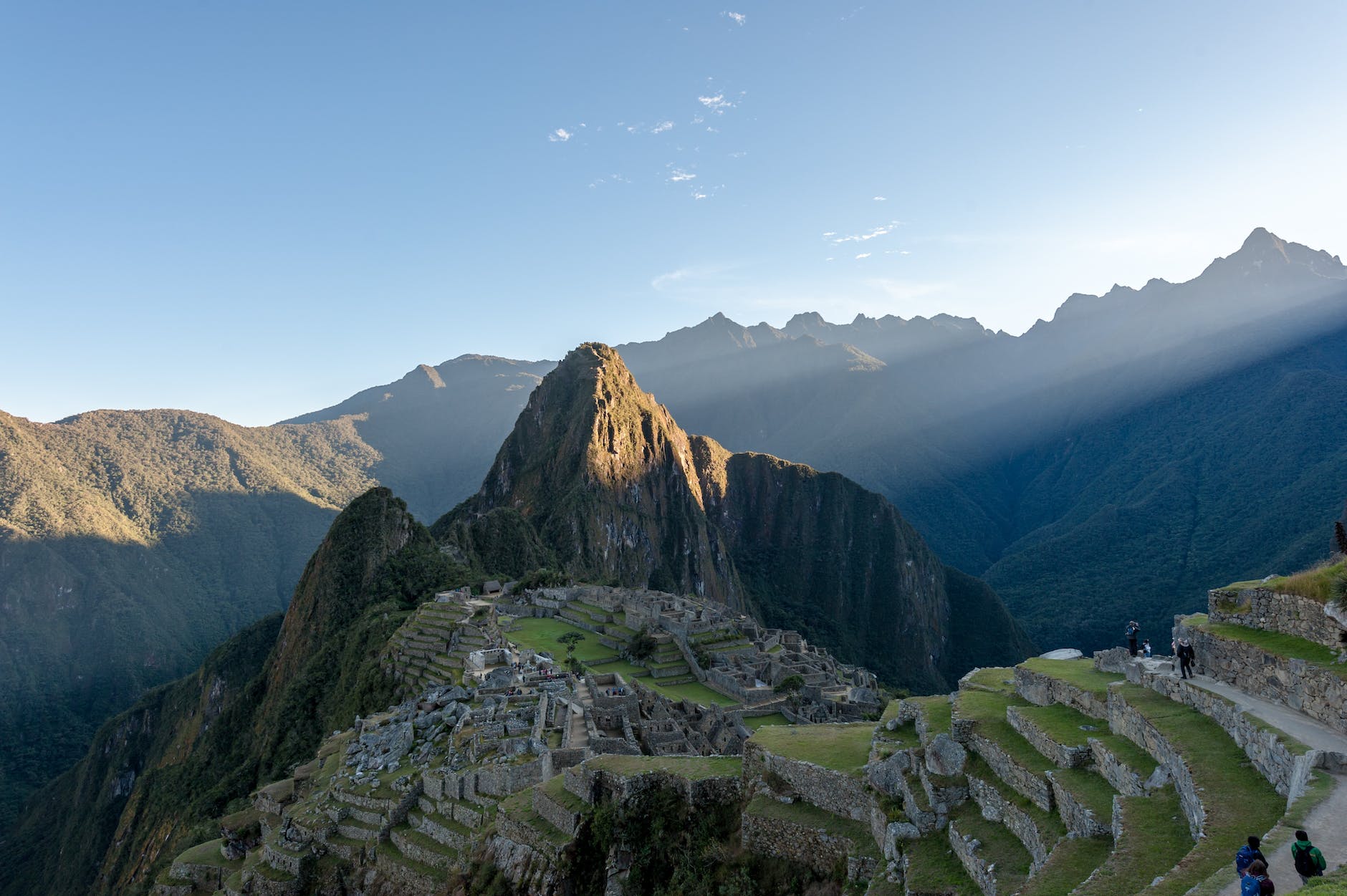
The Inti Raymi festival at Machu Picchu is a remarkable celebration that unites past and present. It offers a unique opportunity for ancient traditions to come alive, to celebrate the cycles of nature, and to appreciate the profound connection between humanity and the sun. During the solstice, Machu Picchu becomes a portal to another time, where history, spirituality, and natural beauty converge in an extraordinary display of cultural heritage.

Architecture & Light at Chichen Itza
Many ancient cultures observed the movements of the sun not only for spiritual reasons, but also as practical tools for understanding time, agriculture, and seasonal change. The Maya were among the most accomplished astronomical observers in the ancient world, incorporating celestial knowledge into architecture, governance, and daily life. Chichen Itza remains one of the clearest examples of this relationship, demonstrating how careful observation of the heavens could be woven directly into the design of a civilization’s most important ceremonial spaces.
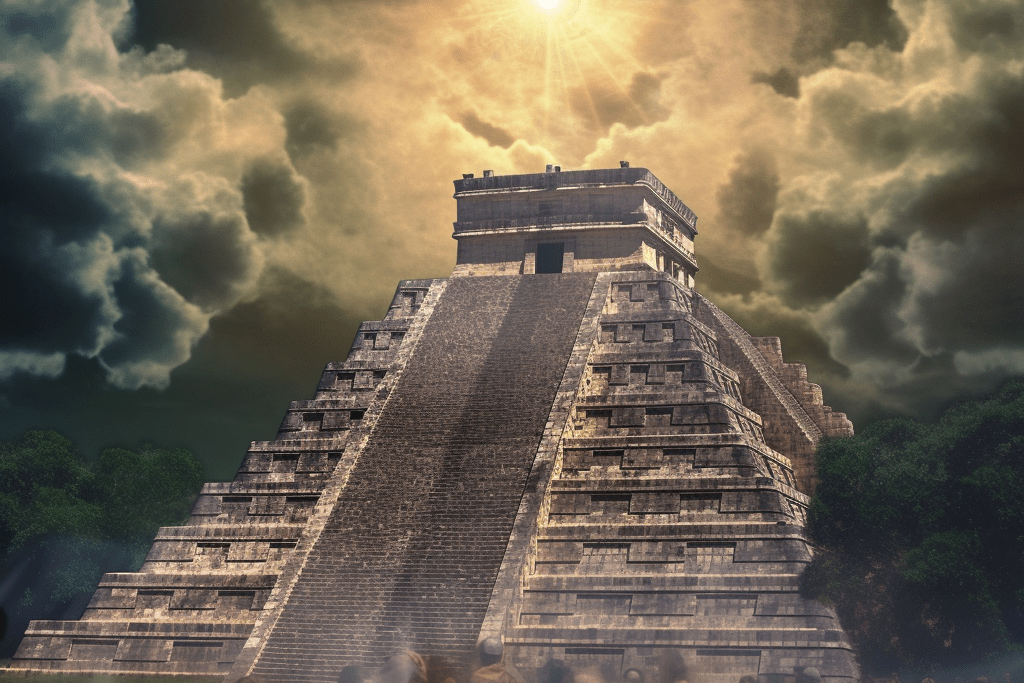
The rituals and festivities held at Chichen Itza during the solstices, and especially the equinoxes, are filled with cultural significance and spiritual reverence. Shamans and spiritual leaders perform ceremonies, paying homage to the sun and invoking blessings, while the vibrant cultural heritage of the Mayan civilization creates an atmosphere of celebration and awe.
The ruins at Chichen Itza offer a captivating glimpse into the astronomical knowledge and rich cultural heritage of the Mayan civilization. The alignment of structures with celestial events, the mesmerizing “serpent of light” illusion at the equinoxes, and the enduring legacy of the Mayans all come together to make Chichen Itza celebration of natural cycles year round. It is an testament to the enduring legacy of ancient civilizations and the profound connection between humans, nature, and the celestial realm.

Other Solar Celebrations
Summer solstice and the sun itself are celebrated in captivating ways all across the globe, through diverse and unique cultural traditions, yet always with the same awareness of our deep connection to nature. Let’s consider a few more examples:
The Midnight Sun in Scandinavia
In countries like Sweden and Norway, the phenomenon of the Midnight Sun takes center stage during summer solstice. As the sun hovers above the horizon for an extended period, these regions come alive with festivals, outdoor concerts, and lively gatherings that revel in the abundance of sunlight. Activities include traditional dances, music performances, and bonfires, creating a vibrant atmosphere during the never-ending daylight.

At first glance, these traditions may appear very different from one another. Stone circles in England, Incan festivals in Peru, and Midsummer gatherings in Scandinavia emerged from distinct cultures, climates, and historical circumstances. Yet they share a common purpose: helping people orient themselves within the cycle of the year.
Across time and geography, the solstices and other predictable points along the solar cycle, have served as more than an astronomical events. They serve as seasonal markers, community gathering points, cultural touchstones, and opportunities to reflect on humanity’s relationship with the natural world. The specific customs may differ, but the impulse behind them remains remarkably consistent.
Surya Namaskar in India
In India, though not exclusively practiced for summer solstice celebrations, Surya Namaskar (a sun salutation yoga sequence) is considered a way to honor the sun’s life-giving energy. Practitioners perform this series of postures, synchronized with their breath, to mirror and embody the sun’s journey through the sky. These Sun Salutations are often performed at sunrise or sunset, and create a beautiful harmony of movement and devotion.
Aboriginal Awareness in Australia

Australia’s Aboriginal communities recognize the solstices in a way that showcases their deep connection to the land and alerts them to the changing seasons. Specifically, their summer solstice (in December in the southern hemisphere) is used to indicate the beginning of their monsoon season, whereas the winter solstice signals the start of the turtle mating season. For these Indigenous peoples, awareness of the cycles of nature is used as a practical tool to understand the changing landscapes and opportunities of their environment.
These notable observances and celebrations in so many different parts of the world demonstrate the diverse customs, rituals, and festivities associated with this astronomical event and the sun itself. Each observance offers a unique insight into the cultural fabric of humanity and our profound collective reverence for the solar luminary’s power and guidance. Through witnessing the beauty of the summer solstice, we can all gain a deeper understanding of the diverse ways in which humans celebrate and connect with the natural world.

Create Your Own Solar Celebrations
The heart of summer solstice celebrations has always been about humanity’s connection to the sun, but they often acknowledge the abundance of the earth and the potentials within our own inner rhythms too. By honoring the longest day of the year, we root ourselves in this same cyclical awareness that ancient cultures have followed for millennia, no matter where we are.
Start with Sunrise or Sunset Rituals
One of the most powerful ways to welcome the solstice is simply to greet the sun. Rise early to witness the sunrise, or pause at dusk to observe its descent. These are great times to meditate, practice breathwork, or perform a few rounds of Sun Salutations (Surya Namaskar). You can also light a candle or a small fire as a symbolic gesture.
Create a Solstice Altar
Build a small altar with solar symbols: sunflowers, gold candles, orange or yellow crystals like citrine and carnelian, and seasonal fruits. Include items that represent your personal growth or intentions for the season ahead. As you place each item, offer a word of gratitude or a wish for the coming months.

Prepare a Seasonal Feast
Celebrate abundance by preparing a simple, nourishing meal with seasonal ingredients. Herbs like basil, rosemary, and mint carry solar energy, while fresh berries and grains symbolize ripening and fulfillment. Consider baking something solar-themed, like our sunflower seed bread, or infusing honey with herbs as a sacred offering.
Make a Flower Crown or Sun Catcher
Crafting with your hands can be a meditative act of devotion. Use wildflowers, herbs, or even paper and thread to create a flower crown that honors your inner radiance. Alternatively, you can create a sun catcher from natural or recycled materials and hang it in your window to welcome the light into your home.
Reflect and Set Intentions

The solstice is a threshold, making it a great time to pause and reflect. What have you grown through so far this year? What wants to be celebrated? How might you adapt or change at this time to make space for more fulfilment? Write your reflections in a journal, offer prayers for clarity, or draw a tarot or oracle card to gain insight.
Then, with your progress in mind, take the next step and begin envisioning how you want to move forward into this next season. Use the sun’s brilliance to illuminate what you wish to cultivate, and turn your dreams into intentions that you can use to infuse your life with purposeful energy.
Honor Cultural Traditions with Respect
If you’re inspired by traditions from around the world—like the Celtic Litha, Incan Inti Raymi, or Scandinavian bonfires—take time to learn their history and approach them with reverence. Let cultural exploration be a bridge to understanding. Our global diversity can teach us how to celebrate with both joy and integrity.
Celebrating the summer solstice allows us to reconnect with the sacred roots of our humanity and celebrate the ancient connection to nature that unites us all. Whether your ritual is grand or simple, the invitation remains the same: align with the sun, listen to the earth, and welcome more light into your life.
What Solar Celebrations Teach Us
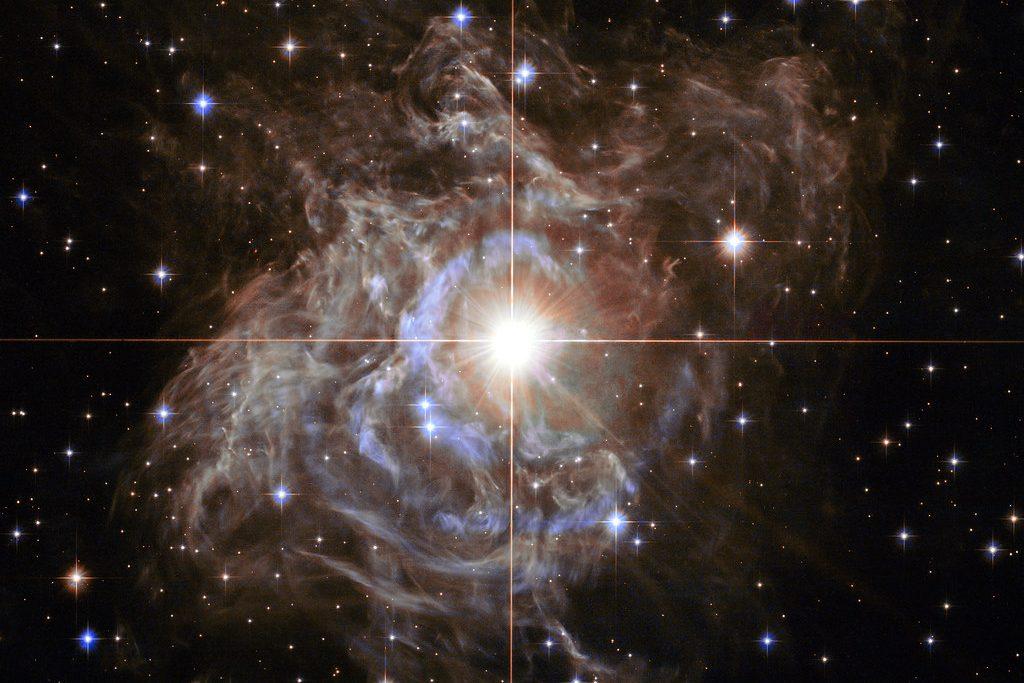
Across cultures and continents, Summer Solstice and other solar celebrations reveal something important about the way human beings relate to time. Long before clocks, calendars, and digital reminders organized daily life, people looked to the natural world for orientation. The movement of the sun, the changing length of days, the migration of animals, and the cycles of planting and harvest all provided information about where a community stood within the year and how it might prepare for what came next.
Many global traditions reflect this practical relationship with seasonal change. They mark periods of abundance, signal agricultural transitions, strengthen community bonds, and create opportunities to pass knowledge from one generation to the next. While modern celebrations may emphasize spirituality, culture, or personal reflection, they often serve the same underlying purpose: helping people remain connected to the larger cycles that shape their lives.

These traditions also remind us that seasonal awareness is not solely about nature. It is about relationship. The Summer Solstice invites us to consider how we relate to our communities, our responsibilities, our environment, and ourselves. By pausing to acknowledge a turning point in the year, we create space to recognize what has grown, appreciate what is currently flourishing, and engage more consciously with what we hope to cultivate moving forward.
Honoring Light Is Collective Legacy
From Stonehenge and Inti Raymi to Scandinavian Midsummer celebrations and modern personal rituals, solar traditions like the Summer Solstice demonstrate the many ways human beings have sought to understand their place within the natural world. While the customs themselves vary across cultures, climates, and historical periods, they often serve a similar purpose: helping people recognize seasonal change, celebrate abundance, strengthen community bonds, and remain connected to the rhythms that shape life.
What makes these traditions especially meaningful is not their differences, but the common human experiences they reflect. Across generations, people have looked to the sky, observed the changing seasons, and created ceremonies that help transform an astronomical event into something personal, cultural, and communal. Universally experienced events like the Summer Solstice remind us that our ancestors were not separate from nature’s cycles, that “foreigners” aren’t separate, and that we ourselves too are connected. We all live within this Earth-bound experience, responding to the cycles, and often build entire traditions around understanding them.
Sabbat Activity Booklet
Get your free copy of this printable PDF, designed to help you explore any of the Pagan Sabbats!
May we use this seasonal turning point as an opportunity to cultivate more of that awareness in our own lives. Whether we celebrate through gathering with loved ones, spending time outdoors, exploring cultural traditions, or creating rituals of our own, the invitation remains the same: to notice where we are within the cycle, appreciate what has grown, and engage thoughtfully with what comes next. In doing so, we participate in a tradition far older than any one culture, and experience the timelessly shared human practice of observing, honoring, and living in relationship with the changing world around us.
Thank you for joining us here on Onescence! If you enjoyed this article, you can help support this free, online periodical by becoming an Onesce Insider member or purchasing one of our products through Onesce Press. Given your interest in natural cycles and personal awareness, perhaps you would benefit from:
Moon Cycle Journey

JOURNAL FEATURES:
- Learn about the rhythms of the lunar cycle and how to apply them to your own journey.
- Explore your cycle goals, developing and working with your own authentic intentions.
- Discover the power of personal feedback for enhancing and sustaining progress.
- Utilize daily/nightly journal prompts that are designed to bring out your best.
- Experiment with simple ritual ideas and when to employ them throughout the cycle.
- And so much more…
You can also get your copy on Amazon and begin your journey with the next moon cycle!