
For as long as humans have looked to the night sky, the moon has held us in quiet fascination. Its steady cycle of waxing and waning is more than a celestial display, acting as force that shapes life on Earth in ways both visible and subtle. From governing the tides to inspiring myths, the moon has always been more than a distant companion in orbit. Truly, lunar rhythms participate in the shaping of our world.
Modern science continues to uncover how deeply lunar rhythms touch us. Research suggests connections between lunar phases and sleep patterns, hormone production, and even social behavior. At the same time, the moon’s symbolic presence in culture and spirituality influences the way we experience our emotions, creativity, and sense of connection. Whether through measurable biological effects or archetypal meanings that shape our psychology, the moon’s pull extends into every aspect of life.
Moon Cycle Journey
Enhance your life with lunar wisdom, attuning to the rhythms of nature.

Let’s explore the science behind the moon’s influence while also honoring the cultural, emotional, and spiritual layers that have given it meaning throughout the ages. By weaving together research, tradition, and personal reflection, we’ll invite ourselves into deep consideration of how syncing with lunar rhythms might enrich our wellbeing, sharpen intuition, and help us live with more clarity in a cyclical world.

The Science of Lunar Influence
The moon’s impact on Earth is most evident in the tides. Driven by the moon’s gravitational pull, ocean waters rise and fall in predictable rhythms that shape entire ecosystems. Many marine species time their reproduction, feeding, and migration to these cycles, showing us that life has evolved in direct response to lunar influence. While humans do not experience tides in the same way, some have speculated that our bodies—composed of more than 60% water—may also be subtly affected by these gravitational shifts. However, there is no scientifice evidence to support this theory.
The moon does appear to interact with human biology through circadian rhythms and sleep though. A landmark study found that participants consistently experienced shorter, lower-quality sleep and reduced melatonin levels during the full moon phase. Melatonin, a hormone central to regulating sleep and circadian timing, plays a key role in mood, cognitive performance, and overall wellbeing. Therefore, if lunar phases influence melatonin production, even indirectly, the consequences may ripple into how we think, feel, and behave.

Behavioral research offers further evidence. Some studies have linked full moons with increases in aggression, emergency room visits, and even fluctuations in creativity or social interaction. A study in Journal of Psychology observed higher rates of aggression and violence during full moon nights. This is also a long-held correlation, sometimes referred to as the “lunar effect.” While not every study supports these findings (especially with regard to homicides), and many scientists caution against overstating their significance, the consistency of anecdotal and cultural reports keeps interest alive.
It is also important to acknowledge the limits of science in regards to this complex query. Human behavior is shaped by countless variables, including: environmental, social, and psychological. Furthermore, the moon’s influence (if present), is likely subtle and interwoven rather than direct. Still, the persistence of measurable patterns across sleep, hormones, and behavior suggests that lunar rhythms are more than just myth or coincidence. Therefore, they remain an area of ongoing research, even despite the difficulties of bridging biology, psychology, and astronomy.
Emotional & Psychological Connections
For many people, the moon’s influence is felt most strongly on an emotional level. Reports of heightened sensitivity, vivid dreams, or increased intuition during the full moon are so widespread that they have earned names like “lunar sensitivity” or, in older traditions, “lunar madness.” Even when science debates the strength of these effects, countless individuals continue to describe personal experiences of the moon as a mirror for their inner states.
One explanation points to the moon’s symbolism. Across cultures, the full moon has long represented illumination, clarity, and heightened intensity, while the new moon is associated with stillness, renewal, and beginnings. When we live within these symbolic frameworks, they naturally shape our psychological experience. If we expect clarity at the full moon, or see the new moon as a reset, we may be more likely to notice emotions and insights that align with those archetypes. In this sense, meaning itself becomes part of the moon’s influence.
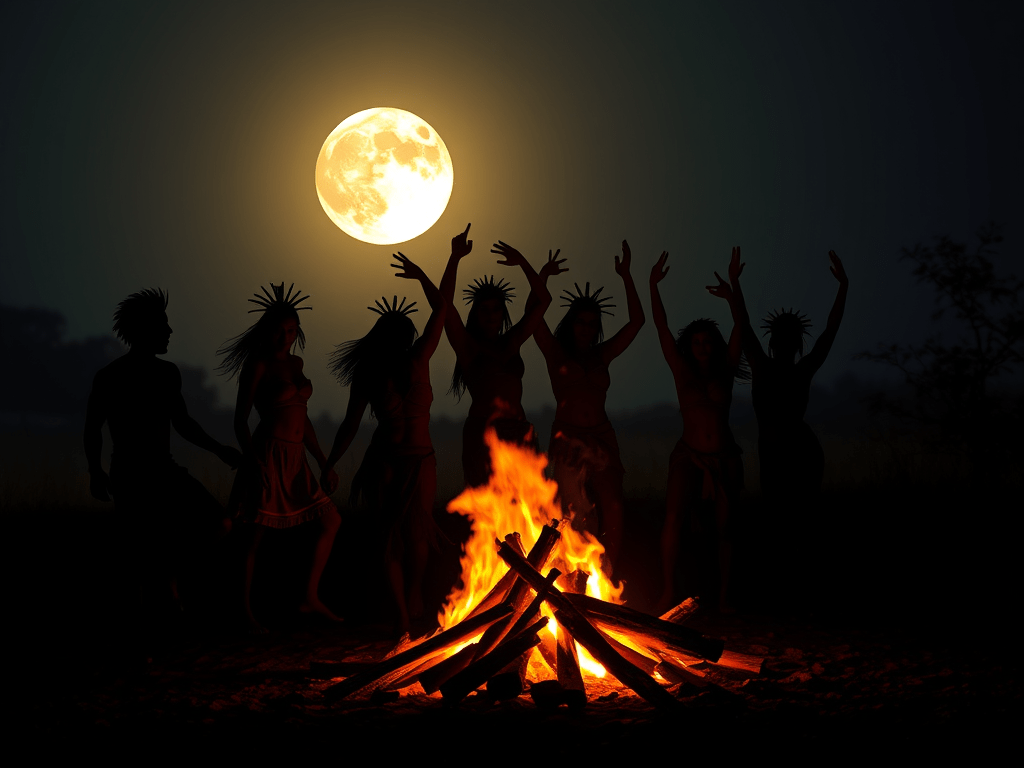
Perhaps most compelling is the intersection between belief and biology. Studies in psychology have shown that cultural narratives and personal expectations can amplify how we perceive natural phenomena. If a community holds the full moon as a time of intensity, members may unconsciously act in ways that fulfill that expectation. In this way, cultural archetypes and lived experience reinforce one another, making lunar influence a blend of internal perception and external reality.
Together, these perspectives suggest that the moon’s psychological effects are not just the result of biology or belief, but an intricate combination of both. By recognizing how lunar rhythms shape our emotions—whether through hormones, archetypes, or lived meaning—we open space to engage them more consciously and with greater self-awareness.

The Moon’s Broader Influence
Beyond human experience, the moon’s rhythms influence countless other forms of life on our planet. In the natural world, lunar cycles are woven into the survival strategies of many species. Certain corals release their eggs in mass spawning events precisely timed with the full moon, ensuring that reproduction occurs when conditions are optimal. Sea turtles often hatch in synchrony with moonlit nights, using its glow to guide them toward the ocean. Even land animals, from birds to insects, adjust feeding, mating, or migration behaviors in response to the moon’s light and timing.
These ecological patterns highlight how deeply life has adapted to lunar rhythms. While humans may feel more distanced from nature in modern times, our ancestors were far more attuned to these cycles. Agricultural societies relied on moon phases to plan planting and harvesting, using lunar calendars that guided both survival and ritual. Additionally (or perhaps consequentially), festivals, myths, and seasonal observances often corresponded to lunar events, embedding the moon into the cultural and spiritual fabric of daily life.
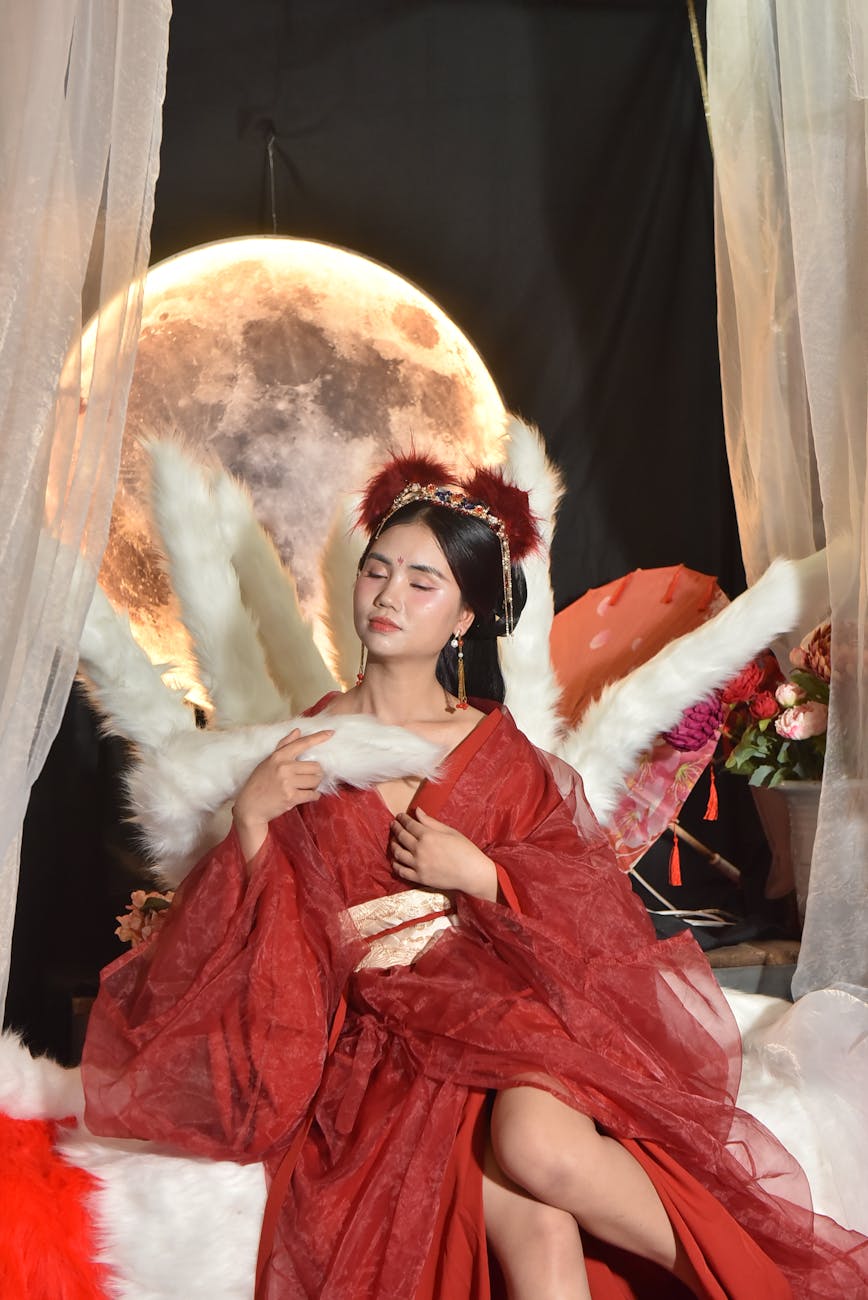
Even today, traces of these traditions remain. Farmers’ almanacs still recommend planting by the moon, medical researchers still study how surgical outcomes may vary with lunar timing, and communities across the globe continue to celebrate full moons with ceremonies of gratitude, reflection, or renewal. In any case, the moon serves as a bridge that connects natural cycles to human choices, allowing us to ground our daily lives in the broader rhythms of Earth and sky.
The enduring presence of the moon in both ecological and cultural systems reminds us that we are participants in a living web, shaped by forces far larger than ourselves. Truly, whether by guiding sea turtles to the sea or shaping the timing of a harvest, the moon is not merely an observer in Earth’s story. It is an active partner in the unfolding of life here.
Lunar Rhythms in Daily Life
While scientific studies and cultural traditions reveal the moon’s broad influence, its rhythms can also become a practical guide in our personal lives. Perhaps its greatest potential effect is that by paying attention to the phases of the moon, we gain a natural framework for balancing our own rhythms, like: action and rest, or intention and reflection.
Observation Practices
One of the simplest ways we attune to the moon is through our observation of it. We can enhance this awareness and increase our understanding of its affects by keeping a journal to record how we feel—energy levels, emotions, dreams, or sleep—at different points in the lunar cycle. Over time, patterns often emerge: perhaps restlessness during the full moon, clarity during the new moon, or bursts of creativity as the moon waxes. These observations can create a personalized map of how lunar rhythms interact with our unique biology and psychology.
Traditional Alignments
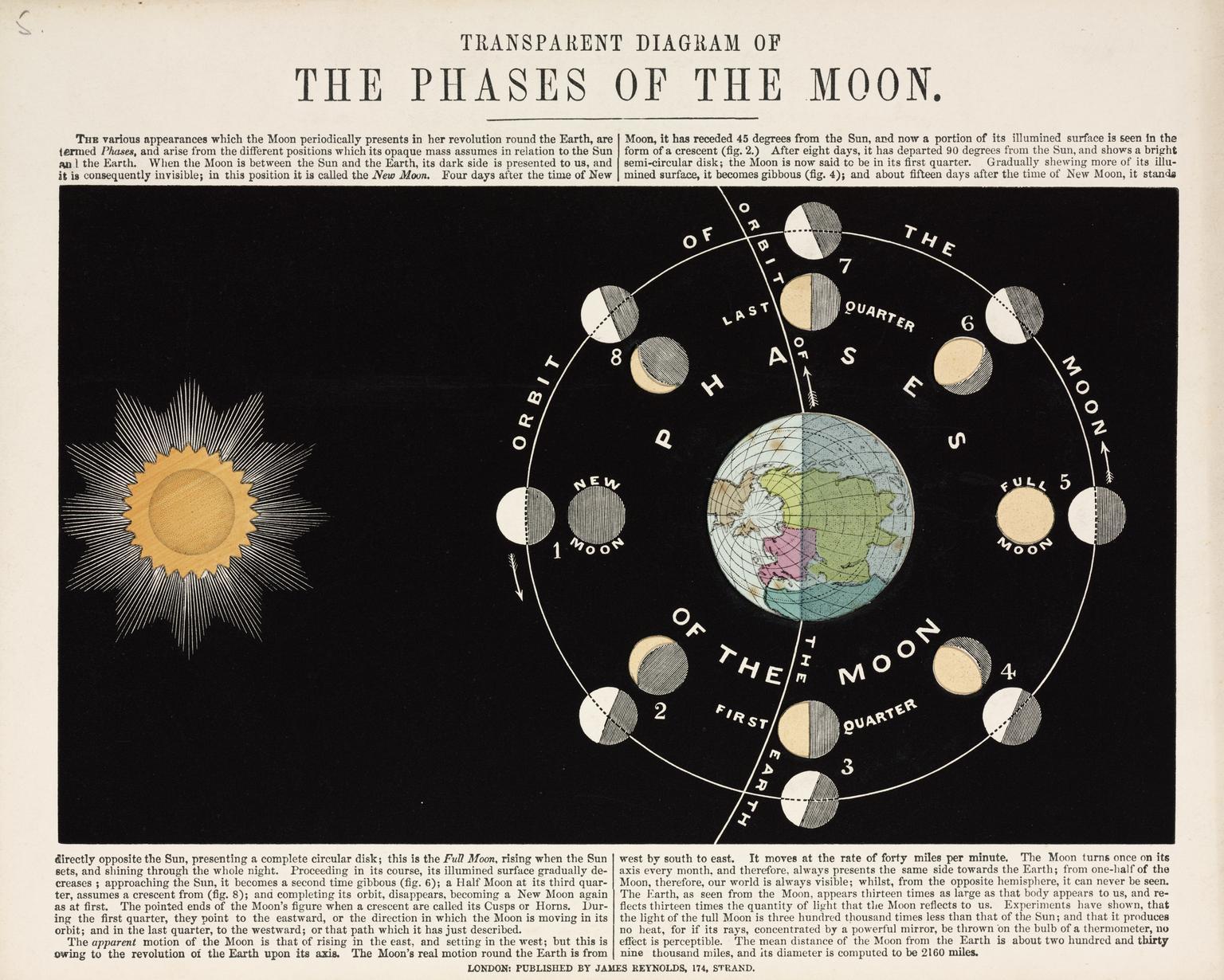
The moon’s phases have long served as touchstones for intentional living. The new moon supports beginnings and fresh goals. The waxing phase is a time for building momentum, while the full moon invites reflection, celebration, or release. Finally, the waning phase encourages rest, integration, and letting go. Even small gestures—like setting intentions at the new moon or pausing to journal at the full moon—can help anchor our routines in this natural cycle.
Blending Science & Spirituality
Attuning to lunar rhythms doesn’t require choosing between scientific or spiritual perspectives. Instead, it can be an integration of both. From a scientific view, aligning with cycles helps regulate sleep, reduce stress, and improve self-awareness. From a symbolic or spiritual view, the same practices become opportunities to honor archetypal energies, deepen intuition, and create rituals of connection. Both paths support a life of greater balance and awareness.
By treating the moon as a guide, we shift from linear striving into cyclical living. The moon reminds us that growth comes in phases, that rest is as essential as action, and that clarity often follows darkness. When we listen to these rhythms, we cultivate not only harmony with the natural world but also a deeper attunement to ourselves.
![LRO Recreates Astronaut View of 'Earthrise' [still], showing: moon effects on humans, lunar rhythms, lunar phases and emotions, moon influence science, and moon biological rhythms](https://onescepress.com/wp-content/uploads/2025/09/7093547469_6057696b51_b.jpg)
Embracing Diverse Perspectives
The question of how the moon affects life on Earth has never had a single answer. Some scientists remain skeptical, pointing out that many studies on lunar influence show mixed or inconclusive results. They argue that what we perceive as lunar effects may often be coincidences or shaped by external factors like seasonal changes, social patterns, or human expectation. From this perspective, the “lunar effect” is more about our fascination with finding patterns than about actual, measurable influence.
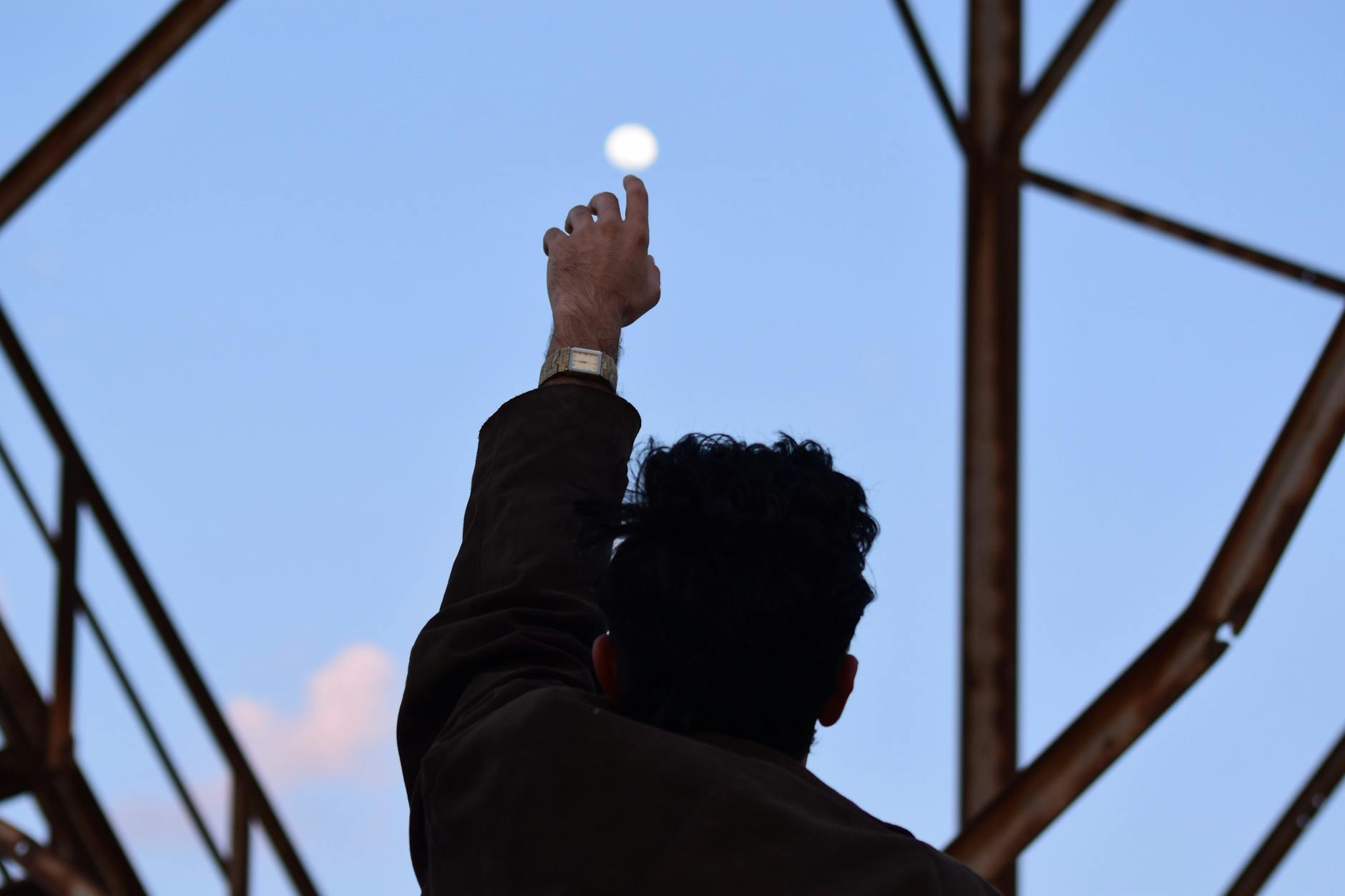
Yet, across cultures and history, people have consistently treated the moon as a guide and teacher. In Indigenous traditions, lunar cycles often determine planting, hunting, and ritual practices. In astrology, the moon represents emotional life and intuition, shaping how individuals connect with themselves and others. Even in modern spirituality, the moon remains a symbol of renewal, transformation, and reflection. These perspectives highlight the moon’s enduring role as more than a physical object in our night sky, illustrating humanity’s understanding of it as a cultural and spiritual archetype.
Of course, there’s also a personal level of lunar relationship, from which many people report their own rhythms aligning with the moon, whether through shifts in sleep, synced menstrual cycles, changes in sensitivity, or fluctuations in creativity. For them, the moon’s influence is not a debate to be proven or disproven but a lived experience that shapes their inner landscape.
Recognizing all of these diverse perspectives allows us to hold space for the true complexity of the moon’s relationship to life on Earth. Science offers measurable insights, culture preserves ancestral wisdom, and personal experience grounds both into lived reality. The true extent of lunar influence may never be fully explained, but perhaps at least a part of its power lies in this very mystery—inviting us to observe, experiment, and discover our own relationship to its rhythms.
Conclusion: The Moon Has Long Acted as Both a Mirror of & Guide for Life on Earth
The moon reminds us that life is cyclical, not linear. Whether through the measurable pull of tides, the subtle shifts in sleep and mood, or the stories and rituals that have shaped cultures for centuries, its rhythms reach into every layer of existence. Even when science cannot fully explain its influence, the moon invites us to reflect on our own patterns, noticing how light and shadow, action and rest, or beginnings and endings play out within and around us.
By embracing diverse perspectives—scientific, cultural, and personal—we can expand our understanding to hold space for this challenging query. For some, the moon’s effects may feel primarily biological; for others, they resonate more through symbolism, ritual, or intuition. Regardless, all variety of approaches hold unique value, and together they reveal a richer picture of how deeply connected we are to the cosmos.
To sync with lunar rhythms is not to seek certainty, but to cultivate awareness. Each phase becomes a chance to pause, reflect, and align with forces greater than ourselves. In doing so, we discover that the moon is not only a celestial companion in the sky, but also a mirror of our own inner cycles and a guide that can help us live with more clarity, balance, and grace.
Thank you for joining us here on Onescence! If you enjoyed this article, please consider supporting our free, online periodical by purchasing one of our products through Onesce Press. Given your interest in personal rhythms and lunar cycles, perhaps you would benefit from:
Moon Cycle Journey
JOURNAL FEATURES:
- Learn about the rhythms of the lunar cycle and how to apply them to your own journey.
- Explore your cycle goals, developing and working with your own authentic intentions.
- Discover the power of personal feedback for enhancing and sustaining progress.
- Utilize daily/nightly journal prompts that are designed to bring out your best.
- Experiment with simple ritual ideas and when to employ them throughout the cycle.
- And so much more…
Get your copy now and begin your journey with the next moon cycle!
Insiders:
*For Full Download Instructions, Visit Your Member Benefits Portal
