

For as long as people have looked upward, the moon has been a steady companion. Its glow inspires awe, its cycles mark time, and its mysteries spark rituals across the world. From ancient temples to modern meditation circles, the moon has long been honored as a source of wisdom, intuition, and transformation. Its phases mirroring the rhythms of life itself: beginnings and endings, light and shadow, growth and release.
Today, lunar rituals continue to thrive, though often in new forms. While ancient cultures offered prayers, songs, and gifts to the moon, modern practitioners often sit in meditation, gather in circles, or simply journal beneath its waxing or waning light. Some are drawn by tradition, others by curiosity, but many recognize the moon as a guide that teaches us how to flow, reflect, and align with something larger than ourselves.
Moon Cycle Journey
Enhance your life with lunar wisdom, attuning to the rhythms of nature.

Let’s explore both sides of this continuum: traditional moon practices that have been passed down through generations, and the modern adaptations of lunar rituals that often blend mindfulness, intention, and personal creativity. Together, they will show us how lunar guidance remains as relevant as ever, offering a path toward clarity, connection, and growth as we continue to watch the sky in awe.
Moon Rituals Throughout History
Across cultures and centuries, people have turned to the moon as a guide for marking time, honoring cycles, and seeking blessings. Its waxing and waning light was seen not only as a celestial clock but also as a source of spiritual power. Rituals developed around its phases reflect both reverence for the natural world and the desire to live in harmony with forces greater than ourselves.
Ancient Egyptian Rituals
In ancient times, Egyptians looked to the moon as a practical guide for agriculture and ritual timing. Lunar calendars influenced planting cycles, burial rites, and sacred festivals. By observing the moon, they linked cosmic order with earthly life, believing that honoring lunar rhythms would maintain balance between divine forces and human existence. This integration of spirituality and practicality made lunar rituals central to their society.
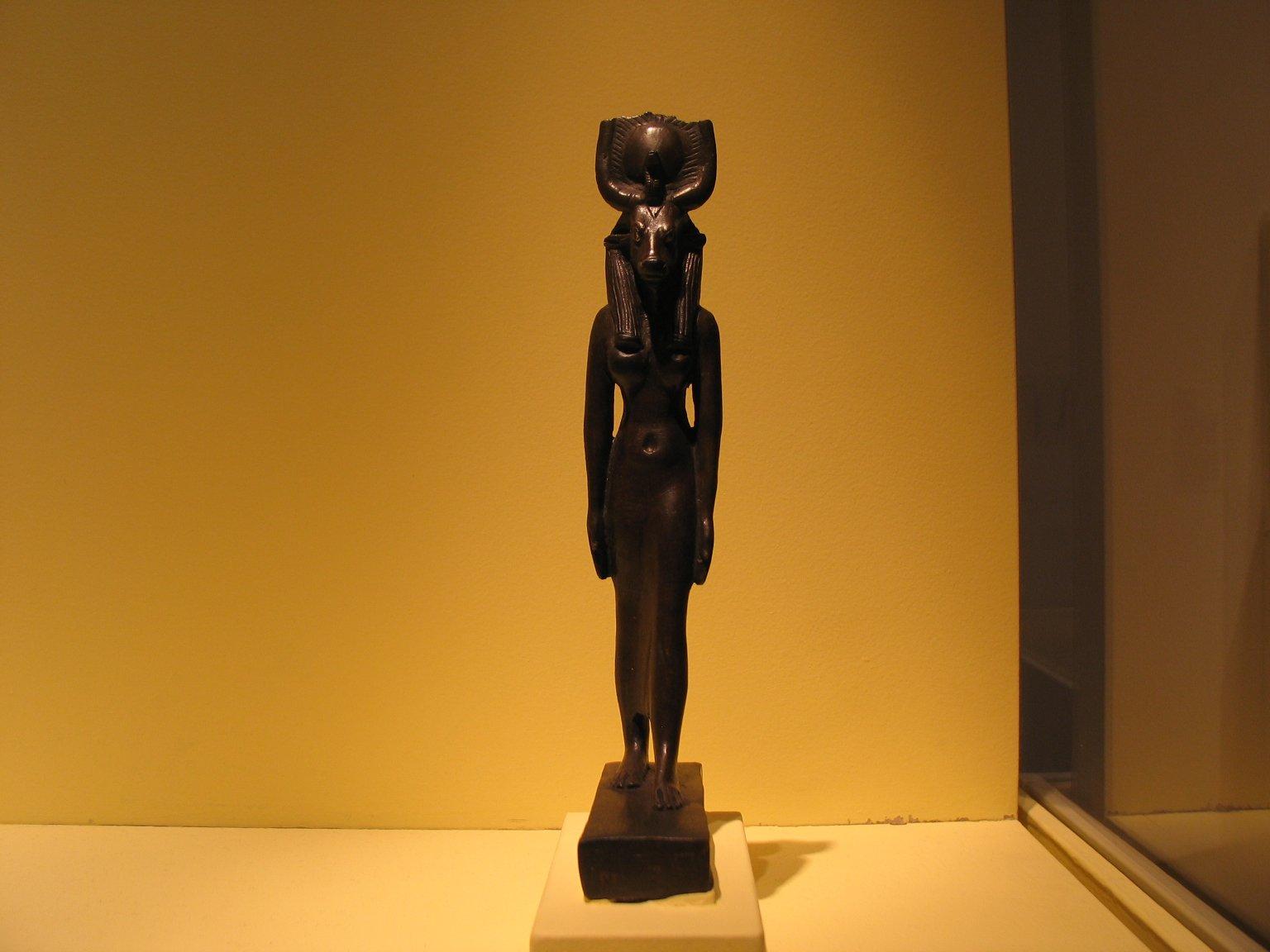
In Ancient Egypt, the moon was spiritually linked with goddesses such as Isis and Hathor, both protectors of fertility, healing, and the cycles of life. Isis, associated with magick and rebirth, was often invoked during rituals that aligned with the moon’s phases, while Hathor represented joy, motherhood, and the nurturing rhythms of the cosmos. Offerings of food, drink, and incense were often placed at their temples or altars, asking for blessings of fertility, safe childbirth, and protection.
Greek & Roman Traditions
For the Ancient Greeks, Selene embodied the moon as a radiant goddess who drove her silver chariot across the night sky. She was often depicted with a crescent crown, symbolizing the cyclical nature of time. Rituals to honor Selene frequently coincided with the full moon, when her presence was most visible and powerful. These ceremonies included offerings of wine, milk, honey, and poetry, all of which served as acts of devotion that expressed both reverence and joy.
In Rome, Selene’s counterpart was Luna, who shared similar associations with femininity, intuition, and divine light. The Romans carried lunar devotion into their civic life by holding festivals and sacrifices in her honor. Rituals not only celebrated Luna’s beauty but also sought her wisdom in matters of fertility, prophecy, and protection. For both Greeks and Romans, the moon symbolized more than a celestial body, instead representing divine influence woven into daily life and sacred practice.
Native American Ceremonies
Among Native American cultures, the moon is often seen as a living relative—a grandmother, sister, or protector—rather than a distant object in the sky. Ceremonies honoring the moon typically included drumming, chanting, and dancing, drawing participants into harmony with the natural world. Rituals invoked the moon’s blessings for healing, abundance, and protection, with each community shaping practices to reflect their environment and traditions.
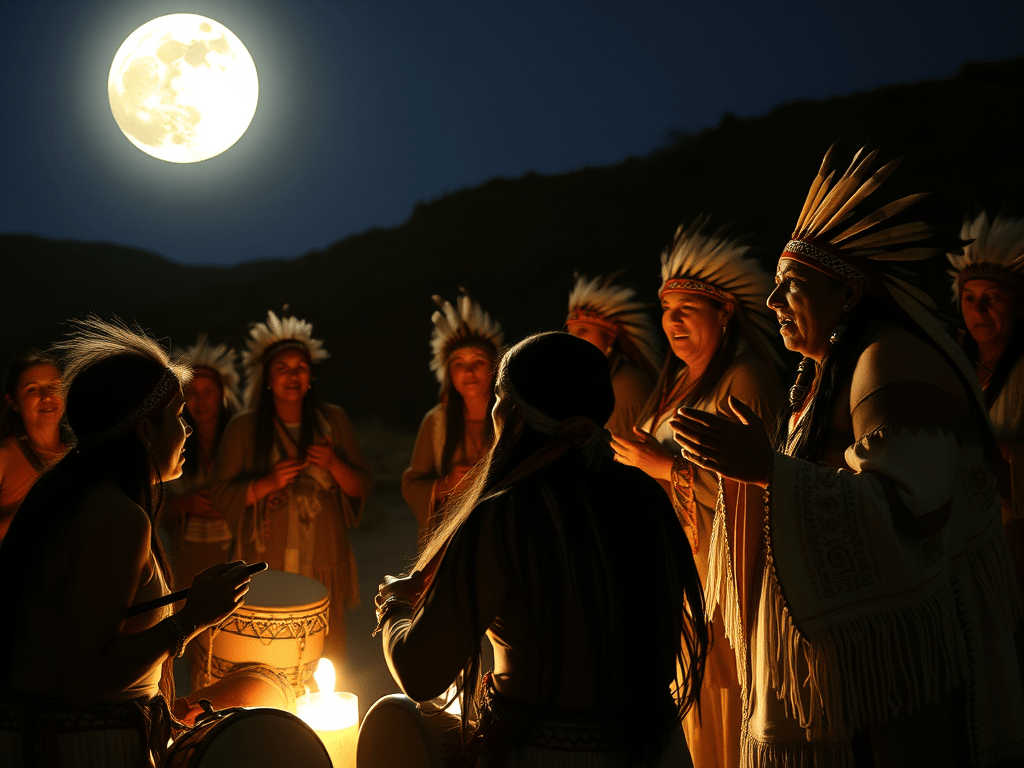
Many tribes also named the full moons according to seasonal changes, creating a lunar calendar that connected spiritual life with ecological awareness. For example, the Harvest Moon marked a time of gathering crops and giving thanks, while the Snow Moon reminded communities to prepare for winter. These names reflected the interdependence of people, land, and sky, weaving lunar rhythms into both survival and spirituality.
Other Global Traditions
In Hindu culture, the moon is deeply woven into festivals and sacred observances. Karva Chauth, for example, is a ritual of fasting and prayer where women honor the moon for the wellbeing of their families. Sharad Purnima celebrates the harvest moon with devotional songs, offerings, and stories passed down through generations. These rituals highlight the moon as a source of nourishment, wisdom, and divine blessing, anchoring personal devotion within cosmic cycles.
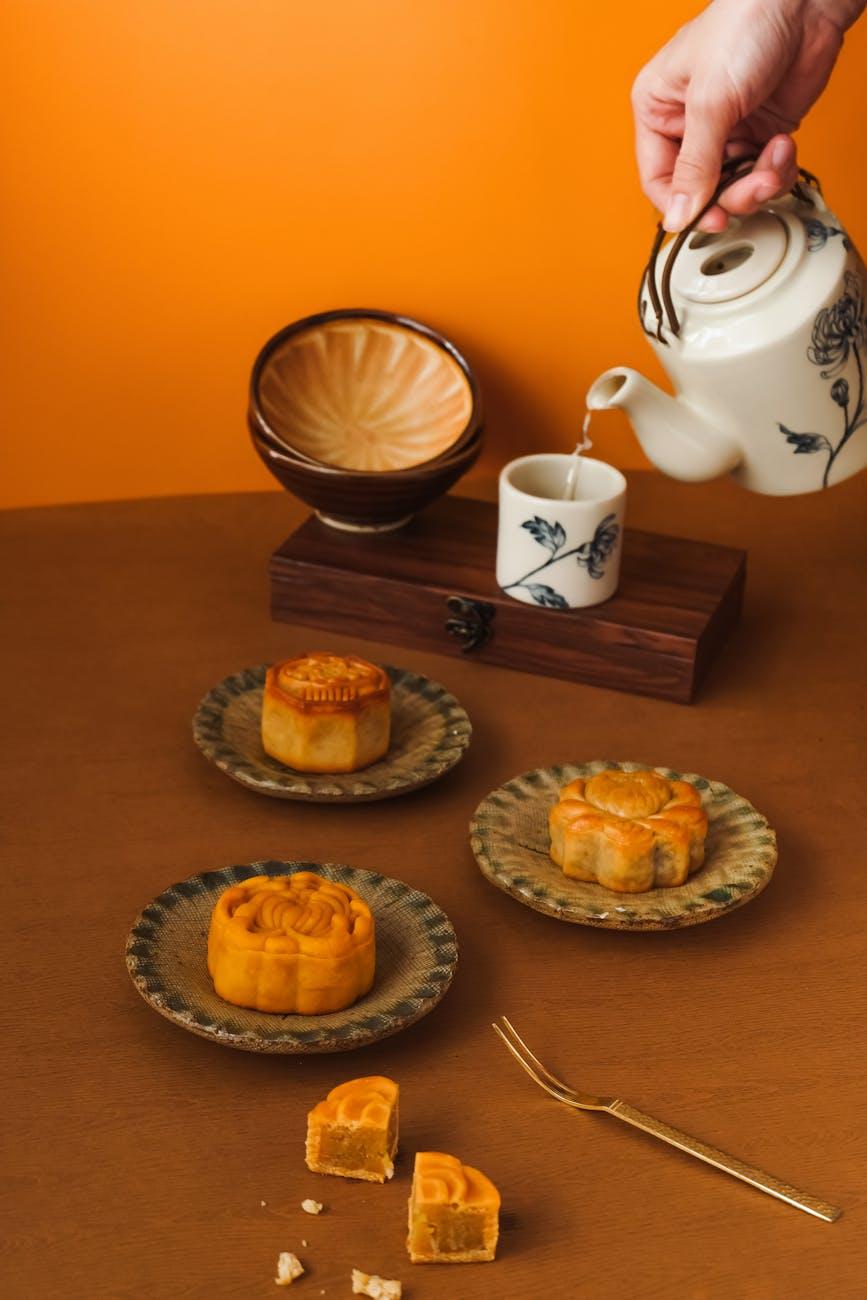
Chinese traditions also honor the moon through the Mid-Autumn Festival, one of the most widely celebrated lunar holidays. Families gather under the full moon to share mooncakes, light lanterns, and celebrate unity, prosperity, and abundance. The moon is seen as a bridge between loved ones near and far, reflecting ideals of harmony and renewal.
In Polynesia, Africa, and many other places, lunar calendars guided navigation, seasonal festivals, and rituals of fertility. Truly, all across the world, the moon has always been a vital partner in guiding the tides of human life.
These traditions reflect a universal truth: wherever people have lived, the moon has served as both a compass and a sacred presence. By honoring its phases, communities stayed in rhythm with the natural world while finding meaning, guidance, and connection in its steady light. While these ancient and global traditions reveal how deeply the moon has been honored across time, lunar practices have not remained frozen in the past.
Many lunar themes—fertility, intuition, renewal, and connection with nature—continue to resonate today, but they have also been reimagined for modern seekers. Contemporary spiritual communities, from Wiccan covens to mindfulness circles, have adapted lunar rituals to fit today’s rhythms and values, blending old wisdom with new approaches. In doing so, they demonstrate that lunar guidance is not a relic of history, but a living, evolving practice.

Modern Pagan & Contemporary Practices
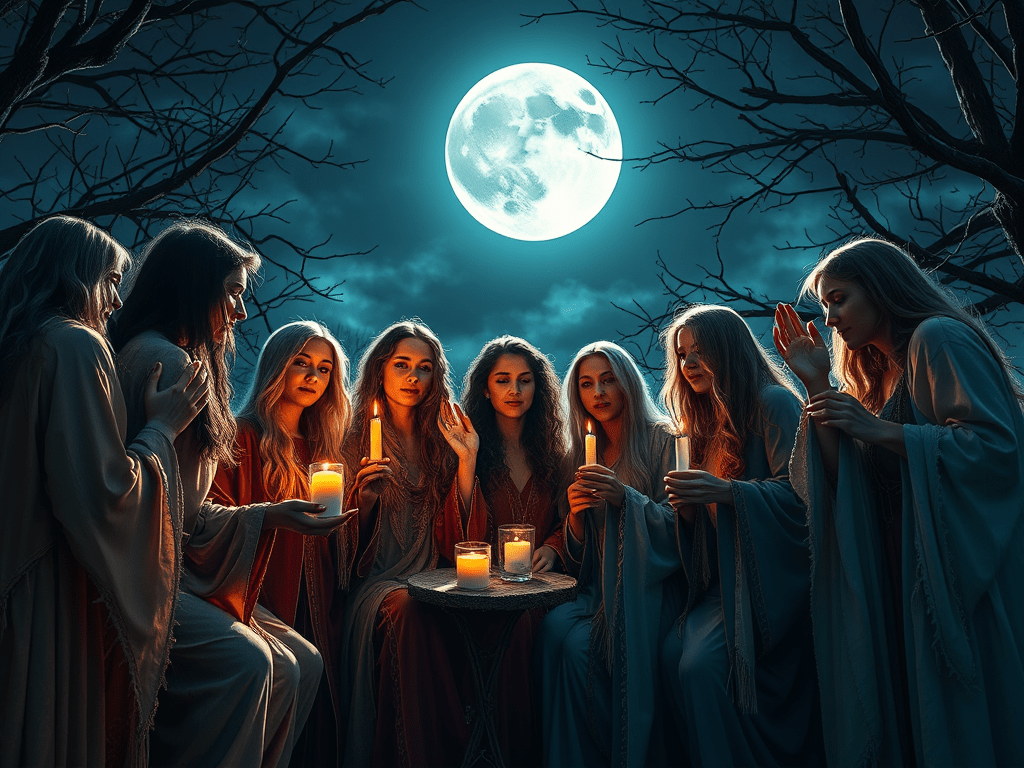
In recent decades, Pagan traditions such as Wicca, Druidry, and other forms of contemporary earth-based spirituality have revived lunar rituals with both reverence and creativity. Practitioners draw inspiration from ancient myths and seasonal cycles while adapting them to reflect modern priorities of self-discovery, empowerment, and ecological balance. A typical ritual may involve preparing sacred space, casting a protective circle, and invoking deities or elemental forces aligned with the moon’s energy. Full moon gatherings, often called esbats, are especially popular, offering opportunities to channel the moon’s light for illumination, healing, or release.
These revived practices emphasize connection not only with the cosmos but also with the community. Wiccan covens or Druid groves may celebrate together under the night sky, weaving shared prayers, chants, or spells into their ceremonies. Group rituals highlight the power of collective energy, reminding participants that lunar guidance is as much about belonging as it is about personal reflection. In these settings, the moon becomes a focal point for unity, creativity, and shared intention.
Beyond formal Pagan traditions, lunar practices have also flourished in eclectic and secular forms. Meditation groups, women’s circles, and individual practitioners alike turn to the moon as a symbol of clarity and renewal. Journaling under the new moon, charging crystals in moonlight, or simply setting intentions at key phases or during rare lunar events are common ways people engage with lunar rhythms today. These practices are not bound by dogma; rather, they reflect a growing desire to integrate mindfulness, spirituality, and connection to nature into daily life. In this way, contemporary lunar rituals honor the essence of ancient traditions while making them accessible and relevant in modern times.

Creating Personalized Moon Rituals
While ancient and modern traditions offer powerful frameworks, the most meaningful rituals are often the ones we craft ourselves. Personalized lunar practices allow us to honor the moon in ways that resonate deeply with our unique needs, goals, and circumstances. These rituals do not have to be elaborate either. Even the simplest acts can be incredibly powerful when they’re grounded in our intention and presence.
Clarify Your Intentions
Every ritual begins with purpose. Ask yourself what you want to invite, release, or explore in the current lunar phase. New moons may inspire goals or fresh beginnings, while full moons often highlight what is ready to be celebrated or released. Writing intentions in a journal, speaking them aloud, or placing them on your altar can anchor them in both mind and spirit.
Align with a Phase

The moon’s phases carry distinct energies, and aligning your ritual with these rhythms can add depth and resonance. The new moon supports planting seeds of intention, the waxing moon encourages building momentum, the full moon amplifies illumination and release, and the waning moon invites rest and integration. By choosing the phase that best matches your focus, you work in harmony with natural cycles.
Include Symbolic Elements
Incorporating objects or sensory tools can further enhance your ritual. Candles, crystals, herbs, or sacred items that hold personal meaning can help to represent your intentions. For example, lavender may invite calm, citrine may support abundance, and white candles may symbolize clarity. These objects don’t need be rare or expensive, their power lies in the meaning that you give to them.
Create a Sacred Space
Preparing a dedicated space can help shift our awareness into ritual mode. This could be as simple as lighting a candle or as elaborate as setting up an altar. Cleansing the area with incense, sage, or sound can also create a container for focus and intention. By marking the space as special, we signal to ourselves that the work to be done there is meaningful.
Perform Ritual Actions
Choose ritual actions that reflect your intentions and align with the energy of the lunar phase. This could be meditation to quiet the mind, visualization to bring goals to life, chanting to raise energy, or movement practices like yoga or dance to embody the moon’s rhythm. Whatever form you choose, let the action serve as a bridge between your intention and the natural cycles unfolding around you.

Express Gratitude
Every ritual benefits from gratitude. Whether you’re thanking the moon itself, deities or guides, or simply the natural forces that sustain life, ending with appreciation helps integrate your work. Gratitude reinforces trust in the process and invites openness to whatever unfolds in the cycle ahead.
Crafting personal moon rituals is ultimately about creating moments of intentional connection. All rituals become most transformative when supported by inner practices that cultivate presence and awareness. While ritual actions themselves hold symbolic power, their depth comes from the mindfulness, clarity of intention, and reflection we bring to them. These elements anchor ritual in lived experience, ensuring it is not only meaningful in the moment but also supportive of ongoing growth and self-discovery.

Mindfulness, Intention, & Reflection
Rituals have the deepest impact when their paired with inner practices that help to ground, focus, and integrate the experience. By weaving mindfulness, intention, and reflection into our lives throughout the lunar cycle, we not only honor the moon’s energy in the moment but also create a rhythm of awareness that supports lasting transformation.
Mindfulness
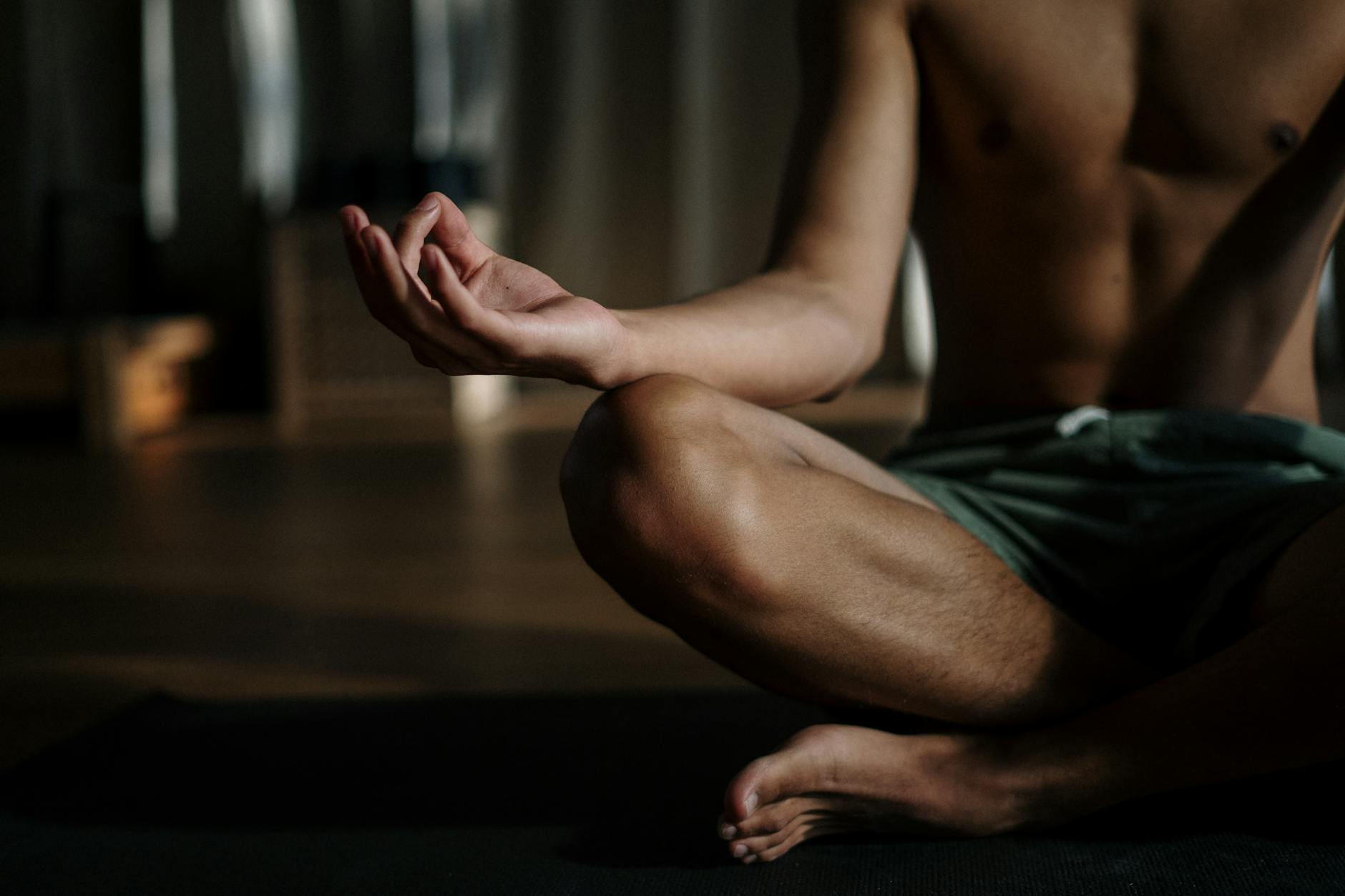
Living with mindfulness helps us to center our awareness and manage our energy, day in and day out. A few minutes of meditation, deep breathing, or simply noticing your body in the present moment creates a calm foundation for any ritual or devotional work. This practice quiets distractions and opens space for deeper connection, with ourselves, with the moon, and with the ongoing rhythms of life as a whole.
Intention

Clear intention gives our rituals direction and meaning, but living intentionally expands these effects out to touch every aspect of our lives. Whether spoken aloud, written in a journal, or held silently in your heart, intentions act as the seeds that we nurture through all of our ritual, devotional, and self-care practices. Aligning these with the energy of the current lunar phase, or other natural cycles like the Wheel of the Year, strengthens their resonance.
Reflection
Ongoing reflection turns one-time rituals into lasting growth. Simply journaling our thoughts, noting any feelings that arose, or pausing in gratitude allows us to notice the nuances of our growth and integrate our experiences. Over time, these reflections reveal patterns and insights that deepen our connection to both nature’s cycles and our own, unique inner rhythms.
Together, these three elements form the heart of transformational and sustainable practice. Mindfulness opens presence, intention directs energy, and reflection ensures growth continues beyond the ritual itself. When combined, they help us embody the wisdom of the moon’s cycles, turning simple rituals into powerful tools for clarity and self-discovery.
Conclusion: Embracing Lunar Guidance Has Always Had Transformative Potential
From the sacred offerings of ancient temples to the quiet journaling of modern seekers, lunar rituals have always reflected humanity’s desire to live in harmony with the cycles of nature. The moon’s steady rhythm continues to remind us that growth, release, and renewal are natural processes, not isolated events. By blending traditional practices with contemporary mindfulness and creativity, we can carry forward this timeless wisdom in ways that speak to us personally, no matter where we may be in our own cycles of life.
The beauty of lunar guidance lies in its adaptability. Rituals may be as simple as lighting a candle in gratitude or as elaborate as gathering with a community under the full moon. What matters most is the sincerity we bring to the practice and the willingness to listen inwardly as we align with the cycles of nature.
Moon Cycle Journey
Enhance your life with lunar wisdom, attuning to the rhythms of nature.
When we embrace the flow of lunar guidance, we not only deepen our connection to the moon, we deepen our connection to ourselves. Each phase becomes an invitation—to begin, to act, to celebrate, to release—and in honoring these invitations, we cultivate more clarity, resilience, and grace. This is why, throughout the rise and fall of so many civilizations, the moon has and will remain a gentle teacher, offering her light as a guide through the ever-changing tides of life.
Thank you for joining us here on Onescence! If you enjoyed this article, please consider supporting our free, online periodical by purchasing one of our products through Onesce Press. Given your interest in ritual and the lunar cycle, perhaps you would benefit from:
Moon Cycle Journey
JOURNAL FEATURES:
- Learn about the rhythms of the lunar cycle and how to apply them to your own journey.
- Explore your cycle goals, developing and working with your own authentic intentions.
- Discover the power of personal feedback for enhancing and sustaining progress.
- Utilize daily/nightly journal prompts that are designed to bring out your best.
- Experiment with simple ritual ideas and when to employ them throughout the cycle.
- And so much more…
You can also get your copy on Amazon and begin your journey with the next moon cycle!