
Astrology has served as a bridge between the heavenly and earthly realms for millennia, connecting human experiences to the rhythms of the cosmos across a variety of cultures and eras. Yet, in modern interpretations, much of the understanding that used to govern this practice has become lost wisdom or is often misunderstood. Nowhere is this more evident than in the relationship between light and dark.
These complementary forces, that many ancients understood to be equally essential, have been oversimplified by our modern conceptions. Light is considered inherently good, while darkness is dismissed as negative or even harmful. However, this narrow perspective deprives us of the rich complexities of their interplay—especially in our astrological interpretations of the zodiac.
Moon Cycle Journey
Enhance your life with lunar wisdom, attuning to the rhythms of nature.

Let’s explore the zodiac through the lens of Hellenistic astrology, in which the sun’s journey along the ecliptic provides a foundation for interpreting each sign that takes into account the ever-fluctuating balance between these forces. By reclaiming this ancient perspective, we will discover how light and dark, far from being moral opposites, each play their own vital roles in cosmic balance. Along the way, we’ll reexamine the zodiac’s cardinal, fixed, and mutable qualities, their significance in the sun’s cycle, and how these ancient symbols reflect a deeper, more holistic understanding of the natural world.

The Ecliptic: A Celestial Blueprint
In Hellenistic astrology, the zodiac’s 12 signs were mapped onto the ecliptic, which is the annual path the sun traces through the sky as it is viewed from Earth. More than just a simple transit through the solstices and equinoxes, it represents a cosmic cycle that reflects the constant interplay between light and dark. The sun’s position informs the energy and qualities of each zodiacal sign, marking dependable shifts in the harmony of illumination and shadow throughout the year.
The Source of Zodiacal Symbolism
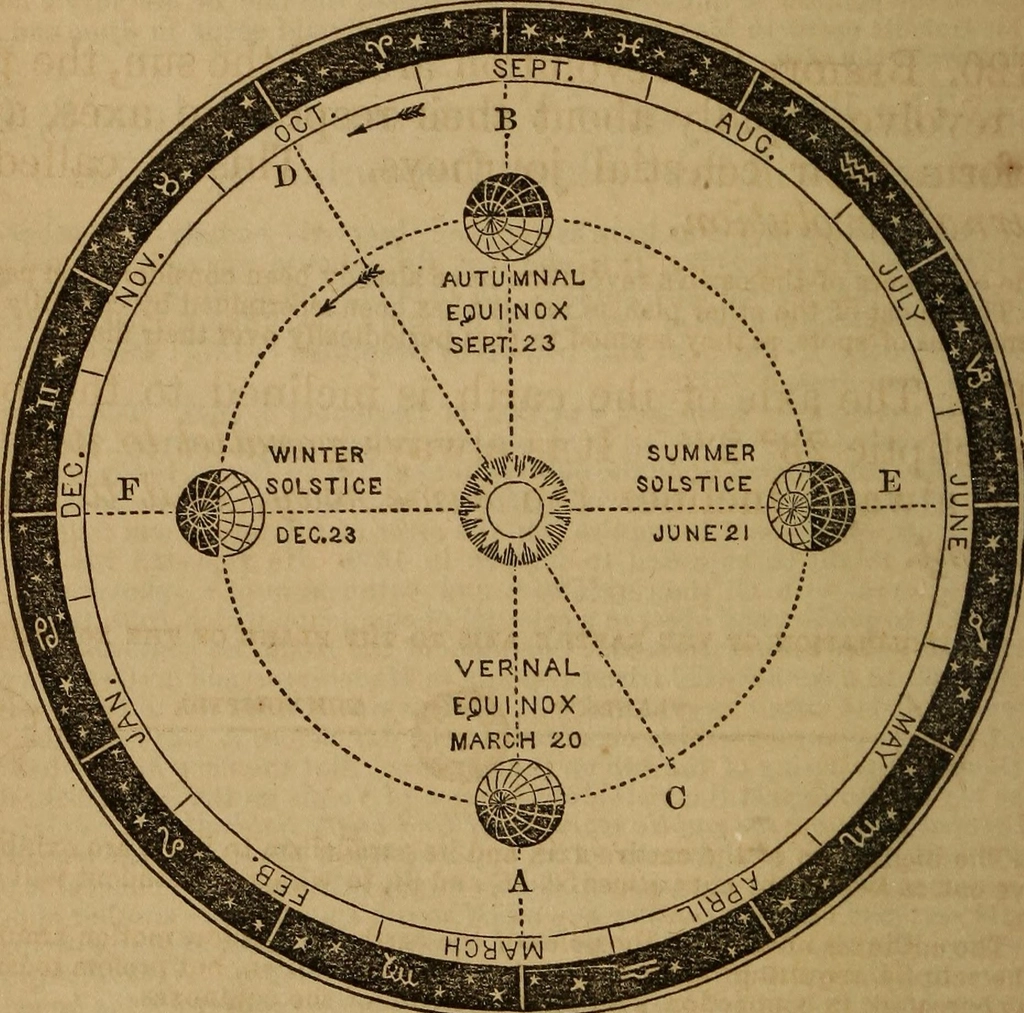
The sun’s movement along the ecliptic is the most reliable marker of time and seasons, guiding the natural cycles of growth, decay, and renewal. In many ancient cultures, this journey wasn’t just a measure of time but also a symbol of life’s cyclical nature. The zodiac as we know it was actually born out of this understanding, with each sign corresponding to a particular phase in the sun’s journey and the resulting interchanges of both light and dark.
The solstices and equinoxes divide the year into quarters, creating turning points that are reflected in the zodiac’s cardinal signs. These signs—Aries, Cancer, Libra, and Capricorn—mark significant shifts in the light/dark balance, initiating new seasons and phases in the solar year. Fixed signs—Taurus, Leo, Scorpio, and Aquarius—represent the periods of stability within each season, where the sun’s energy has settled into its seasonal roles. Mutable signs—Gemini, Virgo, Sagittarius, and Pisces—serve as transitional phases, guiding the sun through shifts both toward the next and away from the the last seasonal peak.

The Zodiac’s Shifting Energy
The division of signs into cardinal, fixed, and mutable modalities reflects the shifting energy of the zodiac signs, clarifying their roles in the ever-changing balance of shadow and illumination that we experience on Earth. In Hellenistic astrology, these divisions were understood as natural expressions of the cosmic dance between light and dark, growth and decline, action and reflection.
Cardinal Signs: Initiating the Shifts
Cardinal signs—Aries, Cancer, Libra, and Capricorn—are harbingers of change. They govern the four key points in the sun’s journey: the Spring Equinox, Summer Solstice, Autumn Equinox, and Winter Solstice. Each cardinal sign initiates a new season of the solar year, signaling a significant shift in the interplay between light and dark.

- Aries season begins at the Spring Equinox, when day and night strike a perfect balance, and then the light starts to overtake the darkness as the days grow longer. Consequently, this sign’s energy is fiery, brash, and eager, acting as the spark of new life that ignites the warmth of spring following winter’s hold.
- Cancer season starts with the Summer Solstice, the longest day at the peak of the light’s dominance, before it begins to wane and the days shorten. Thus, this sign is nostalgic, considerate, and nurturing, as it tends to both the fullness of summer’s fertility as well as the growing darkness.
- Libra season aligns with the Autumn Equinox, bringing the balance of light and dark once more, after which darkness begins to dominate. Therefore, this sign requires awareness, consideration, and discernment, bringing matters of harvest and progress to the forefront for both gratitude and surrender.
- Capricorn season begins on the Winter Solstice, the point of maximum darkness and longest night, starting the gradual return of light and lengthening days. Accordingly, this sign requires fortitude, resilience, and determination, for despite its position at the heart of winter’s darkness, it also brings the potential of the growing light.
These signs all represent moments of initiation and transition in the solar cycle, where new energy is infused into the natural world as the light/dark balance shifts. They are agents of change, demanding attention and consideration, and govern their respective themes with intensity and conviction.
Fixed Signs: Stabilizing the Seasons
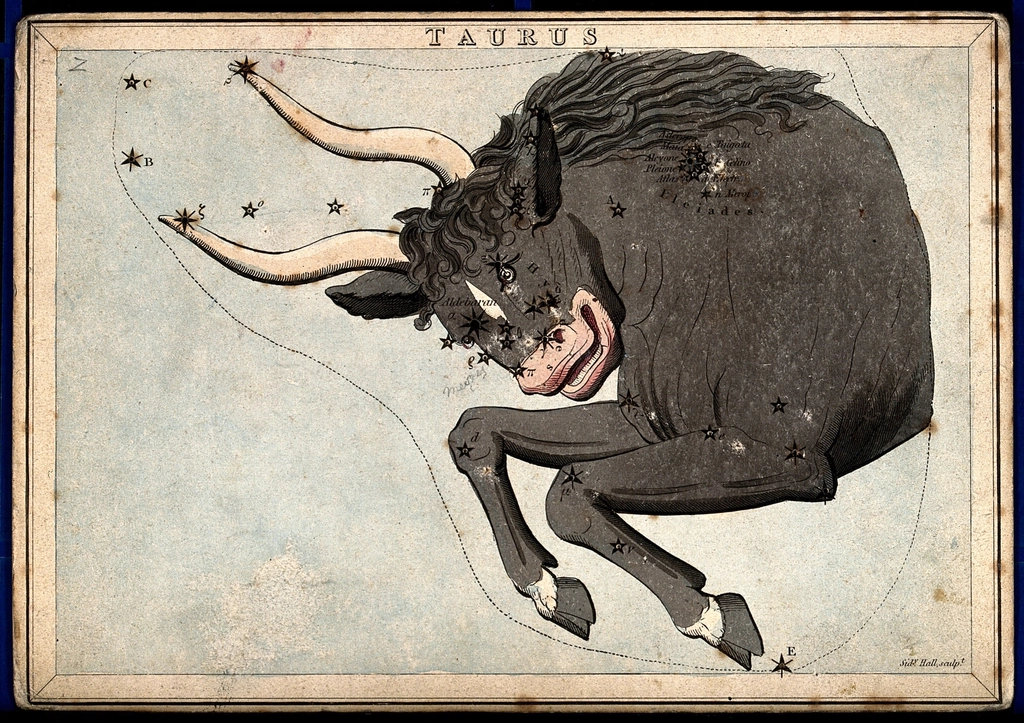
Fixed signs—Taurus, Leo, Scorpio, and Aquarius—represent the periods in the solar cycle when the energy of the seasons are most stable and enduring. These signs govern the peak expressions of the cycle: waxing, illumination, waning, and darkness. They anchor the shifts initiated by the cardinal signs, holding space for these energies to settle before the mutable signs herald changes again.
- Taurus season occurs in the heart of spring, when the light continues to grow steadily and the earth begins to bloom from the warmth. Therefore, this sign is patient, enduring, and grounded, as it’s focused on sustaining life’s growth through persistence, devotion, and consistency.
- Leo season marks the peak of summer, when the sun blazes at its most powerful and daylight reigns supreme. Accordingly, this sign is bold, expressive, and generous; embodying the fullness of vitality and the courage of self-expression, it teaches that illumination is not about domination, but the willingness to shine.
- Scorpio season arrives in the depth of autumn, when darkness begins to firmly take hold and transformation is inescapable. Consequently, this sign is introspective, passionate, and courageous. Channeling the power of change with intensity and purpose, it acknowledges that life and death are intertwined.
- Aquarius season anchors the middle of winter, when the darkness still reigns dominant even though the light is slowly gaining strength each day. Thus, this sign is innovative, contemplative, and humanitarian, holding faith in progress even during times of limitation.
In these signs, we see the firming of the energies brought forth by the cardinal signs, creating a sense of stability and endurance during the solar seasons before the mutable signs inevitably signal the next shift. They are solid, potent, and deeply resonant, offering us the opportunity to explore the fullness of the light/dark cycle’s varying expressions.
Mutable Signs: Navigating the Transitions
Mutable signs—Gemini, Virgo, Sagittarius, and Pisces—guide the sun through its transitions between seasons. They represent the flexibility and adaptability required to move between the shifts of light and dark, growth and rest, action and reflection.
- Gemini season bridges late spring and early summer, when the light nears its zenith and the days are long. Movement and curiosity define this time, as the natural world hums with activity and exchange. Accordingly, this sign is adaptable, inquisitive, and communicative, embodying the transition between stability and expansion.
- Virgo season spans the end of summer and the approach of autumn, when the days grow shorter as darkness grows again. Harvest energy begins, calling for discernment and order as we prepare for the coming shift. Consequently, this sign is attentive, analytical, and service-oriented, finding purpose in refinement and preparation.
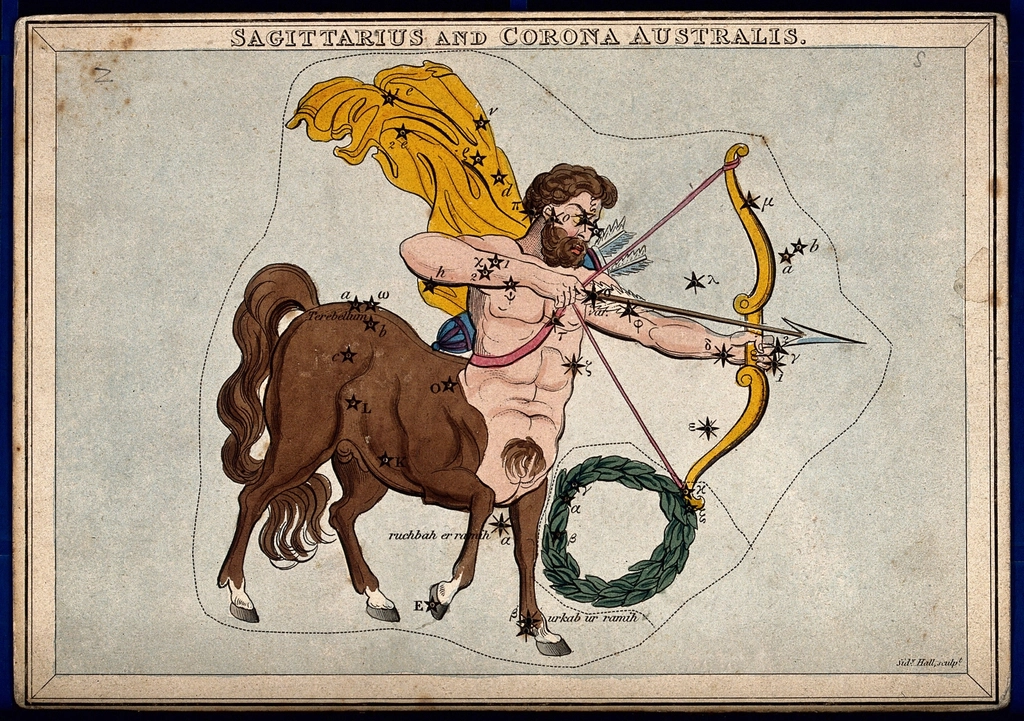
- Sagittarius season unfolds as autumn yields to winter, when darkness prevails but the spark of inner light grows brighter through faith and wisdom. The sun’s rays are weak, yet their illumination deepens as reflection replaces activity. Thus, this sign is philosophical, optimistic, and adventurous, seeking meaning in the journey itself.
- Pisces season concludes the solar year at winter’s end, when darkness starts to recede as the Spring Equinox approaches. The boundaries between endings and beginnings blur as energy stirs beneath the surface. Therefore, this sign is compassionate, intuitive, and imaginative, attuned to unseen transformations.
The mutable signs remind us that transitions are a natural part of life’s ongoing cycles, and that neither light nor dark is permanent. These signs guide us through the subtle shifts that occur as the sun moves through its phases, balancing appreciation and reflection.
Light & Dark: Complementary Forces
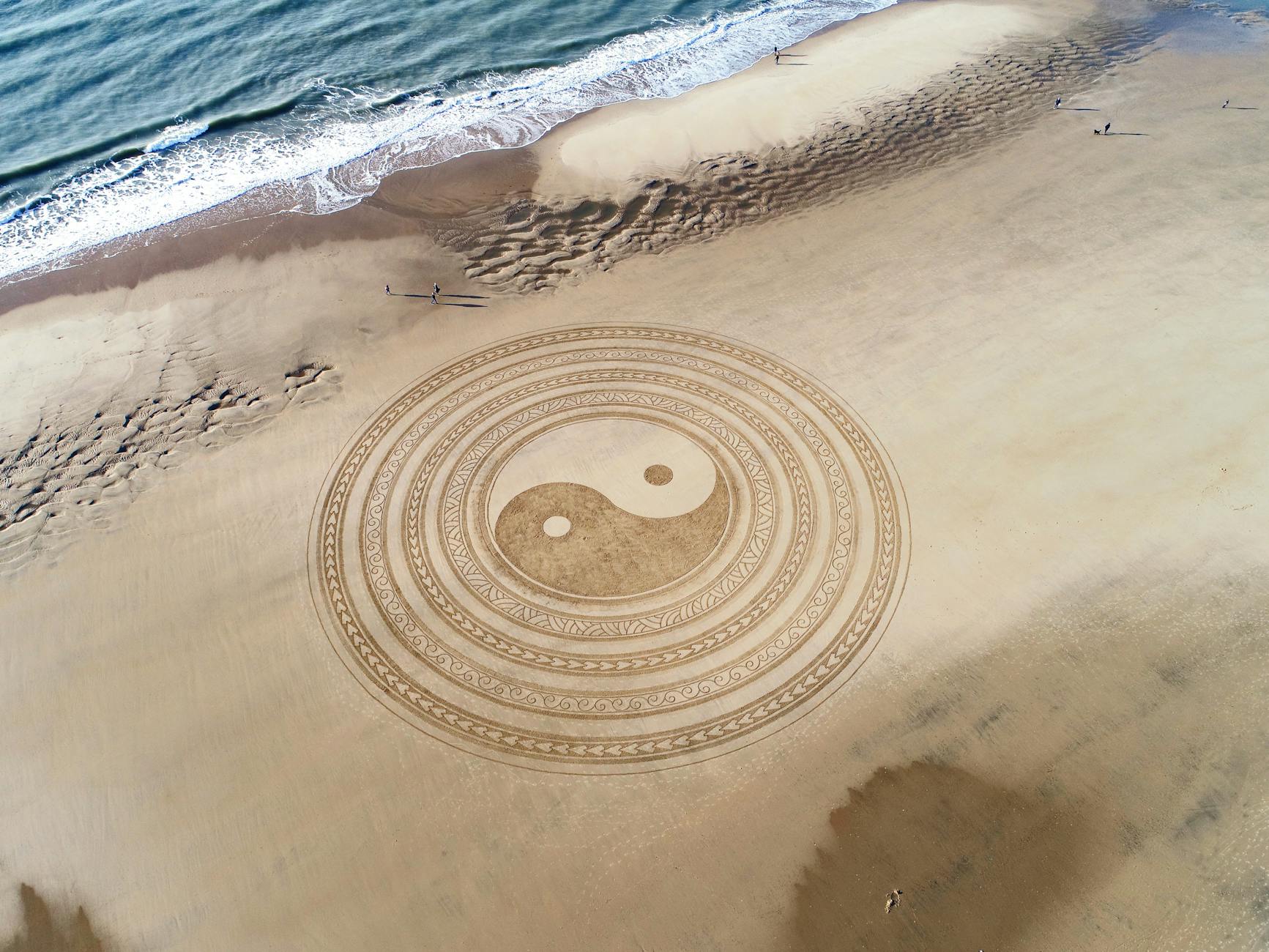
One of the most significant aspects of Hellenistic astrology is its treatment of light and dark as complementary forces. While modern interpretations often frame light as good and dark as bad, many ancients understood that both were essential to the balance of life.
Light: Force of Definition & Action
Light, in this framework, is associated with the masculine qualities of action, definition, and limitation. It is the force that brings things into clarity, activating growth and progress. The sun, as the source of light, is seen as the active, creative force in the cosmos, driving forward the energy of the year and guiding the natural cycles.
Light’s nature is to bring definition and boundaries. Without light, there can be no visible form, no growth. Though, while absolutely essential, light is not considered superior to dark. Without darkness, there would be no space for potential, and no room for the unknown to become known.
Dark: Force of Receptivity & Potential

Darkness, in contrast, represents the feminine principles of receptivity, intuition, and boundless potential. It is the space in which seeds are planted, where ideas gestate, and where the mysteries of life are nurtured. Like the night, with its cool, quiet expansiveness, it offers a space of rest, reflection, and renewal. Far from being negative, darkness is the realm of potential and transformation.
From this perspective, darkness is seen as the womb from which life emerges. It acts as the source of wisdom and deep understanding, where intuition and inner knowledge are cultivated. Just as the night precedes the dawn, darkness prepares the way for light, creating the conditions necessary for the light’s active energy to take form.
This neutrality and complementarity of light and dark is a core principle in Hellenistic astrology. The zodiac, as a reflection of the sun’s journey from peak illumination through deep shadow and back again, embodies this harmony. Each sign serves to represent a unique, dynamic interaction of these forces.
Integrating Light & Dark Balance
Modern astrology has largely lost touch with this nuanced understanding of light and dark. Today, many people associate the light with positive traits such as success, happiness, and clarity, while darkness is often viewed as something to be avoided—symbolic of fear, confusion, and failure. However, this moralization of light and dark distorts their true roles in the natural order and limits our ability to fully engage with the wisdom the zodiac offers.
To integrate the full potential of the zodiac’s lost wisdom, we must recognize the necessity of both forces. Darkness does not have to be seen as evil or negative, and can be honored as an essential part of nature. We can view it as the space where potential is nurtured, where transformation occurs, and where deep wisdom can be gained. By reclaiming this perspective, we can restore a deeper understanding of the zodiac, its symbols, and the greater cosmic cycle it represents.

Each sign, when viewed through this lens, reflects not just an archetype or set of personality traits, but a phase in the ongoing dance between light and dark. Aries, for example, is not merely a symbol of impulsiveness or leadership but the expression of light’s rebirth after a long period of darkness. Similarly, Scorpio is not simply associated with intensity and taboo but represents the deep, transformative power of darkness itself.
A Continuous, Interconnected Cycle

Truly, the zodiac is not a collection of static characters but a living, breathing cycle that reflects the ebb and flow of light and dark throughout the year. Each sign connected to the next, it forms a continuous, progressive loop of transformation that mirrors other natural cycles of the earth and heavens.
As the sun moves through the zodiac, it initiates, stabilizes, and transitions between phases of light and dark, growth and rest, action and reflection. As we’ve seen, each sign plays a crucial role in this process, contributing to the overall balance of life’s rhythms. Aries initiates light dominance, and then Taurus stabilizes it. Gemini transitions toward the summer solstice, and Cancer holds the peak of light. Libra initiates the return of darkness, while Scorpio secures light’s descent. Sagittarius transitions toward the winter solstice, and Capricorn marks the depth of winter before the warmth grows again. Aquarius supports the building light, and finally Pisces carries its ascent into spring’s renewal.
This interconnectedness and flow can serve to remind us that just as no sign exists in isolation, neither do seasons, phases, or journeys. Each one contributes to the larger cosmic order, playing its part in the dance between light and dark, growth and decay, action and rest. Furthermore, by making space for the fullness of nature’s dynamic expressions, we’re also invited to provide ourselves and others the same grace to experience more variety and flux.
Conclusion: The Zodiac Illustrates the Balance of Light and Dark as Essential, Cosmic Wisdom
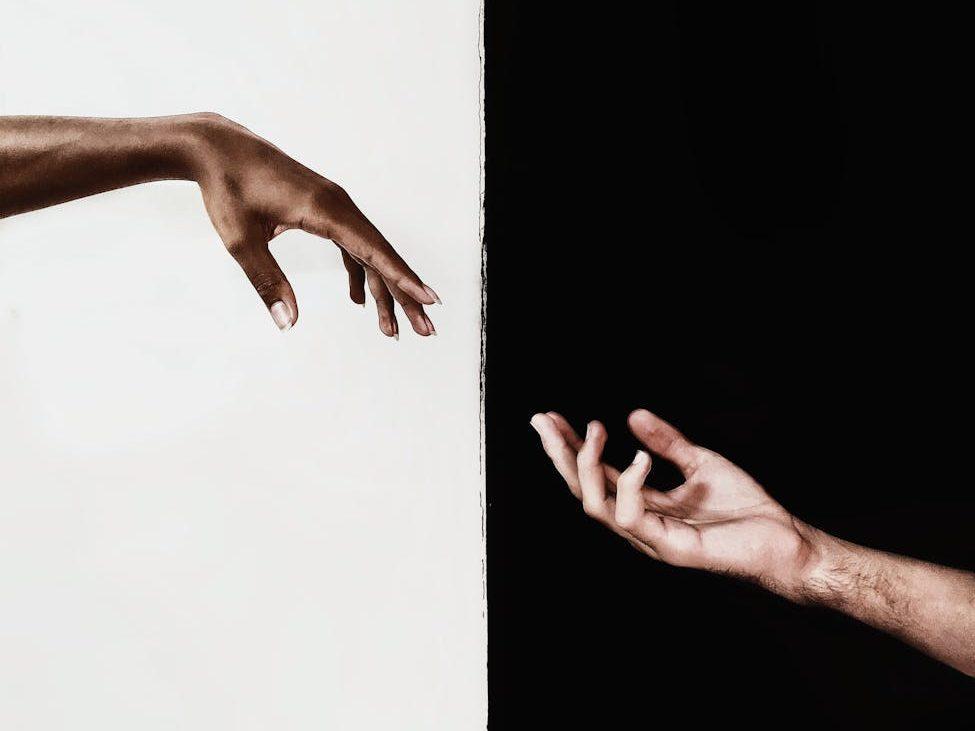
By reclaiming the zodiac’s lost wisdom, we can reconnect with the ancient understanding of light and dark as complementary forces, essential to the balance of life. The sun’s journey through the ecliptic provides the framework for understanding the zodiac as a reflection of this cosmic dance, where each sign represents a unique phase in the ongoing cycle of growth, rest, action, and reflection.
Truly, astrology is a living language of natural harmony and flow, not a system of personality differences. Its cycles represent an eternal rhythm, in which both illumination and shadow sustain life’s unfolding. Each season, each sign, and each turn in our own journeys reflect this sacred reciprocity, reminding us that growth requires rest, and clarity is born from mystery.
Moon Cycle Journey
Enhance your life with lunar wisdom, attuning to the rhythms of nature.
As we attune to this universal pattern, we learn that darkness is the equal counterpart to light, holding space for potential, healing, and rebirth. This holistic vision of astrology invites more reverence, reflection, and renewal for all of us—no matter our signs. It allows the zodiac to become a mandala of transformation, guiding us through the natural rhythms of both becoming and release. Through this restored awareness, we find ourselves aligned with the cosmos’ enduring truth: that harmony is not achieved by choosing one side, but by embracing the dance between them all.
Thank you for joining us here on Onescence! If you enjoyed this article, please consider supporting our free, online periodical by purchasing one of our products through Onesce Press. Given your interest in transformation and astrology, perhaps you would benefit from:
Moon Cycle Journey
JOURNAL FEATURES:
- Learn about the rhythms of the lunar cycle and how to apply them to your own journey.
- Explore your cycle goals, developing and working with your own authentic intentions.
- Discover the power of personal feedback for enhancing and sustaining progress.
- Utilize daily/nightly journal prompts that are designed to bring out your best.
- Experiment with simple ritual ideas and when to employ them throughout the cycle.
- And so much more…
You can also get your copy on Amazon and begin your journey with the next moon cycle!