

Duration: 16 minutes
For thousands of years, Indigenous cultures across the world have honored plant medicines as sacred tools for healing, spiritual awakening, and community bonding. Long before modern scientific studies recognized their therapeutic value, these plants were regarded as sentient allies—teachers rather than substances, guides rather than drugs.
In Indigenous traditions, engaging with plant medicine is never a casual or recreational act. The use of these plants follows structured ceremonial practices, requires disciplined preparation, and involves deep respect for the spiritual forces they embody. Rituals surrounding sacred plants like ayahuasca, peyote, iboga, San Pedro, and psilocybin mushrooms have been carefully cultivated over generations, ensuring their responsible use for healing and insight.

As global interest in psychedelics and plant medicine continues to rise, it is crucial to understand these traditions not only for their wisdom but also for the responsibility they carry. Honoring the ancestral knowledge behind these medicines is essential for ensuring ethical engagement, protecting Indigenous sovereignty, and preventing exploitation of both the plants and their spiritual keepers.
Let’s explore the ceremonial role of plant medicine, the traditions that have guided its use for centuries, and the ways we modern seekers can respectfully learn from these practices. Together, we’ll rediscover this ancient, human birthright.

A Sacred Relationship
Across Indigenous cultures, plant medicine is seen as a reciprocal relationship rather than a one-sided tool for healing or exploration. The plants are living entities with wisdom to share, and engaging with them requires humility, preparation, and gratitude.
The Andean concept of Ayni, or sacred reciprocity, reflects this understanding. In this worldview, everything received from nature must be balanced with an offering—whether in the form of a prayer, an act of service, or a commitment to ethical use. This is often seen before even working with a plant medicine, when one engages in personal purification, following strict dietary and spiritual guidelines to show respect.
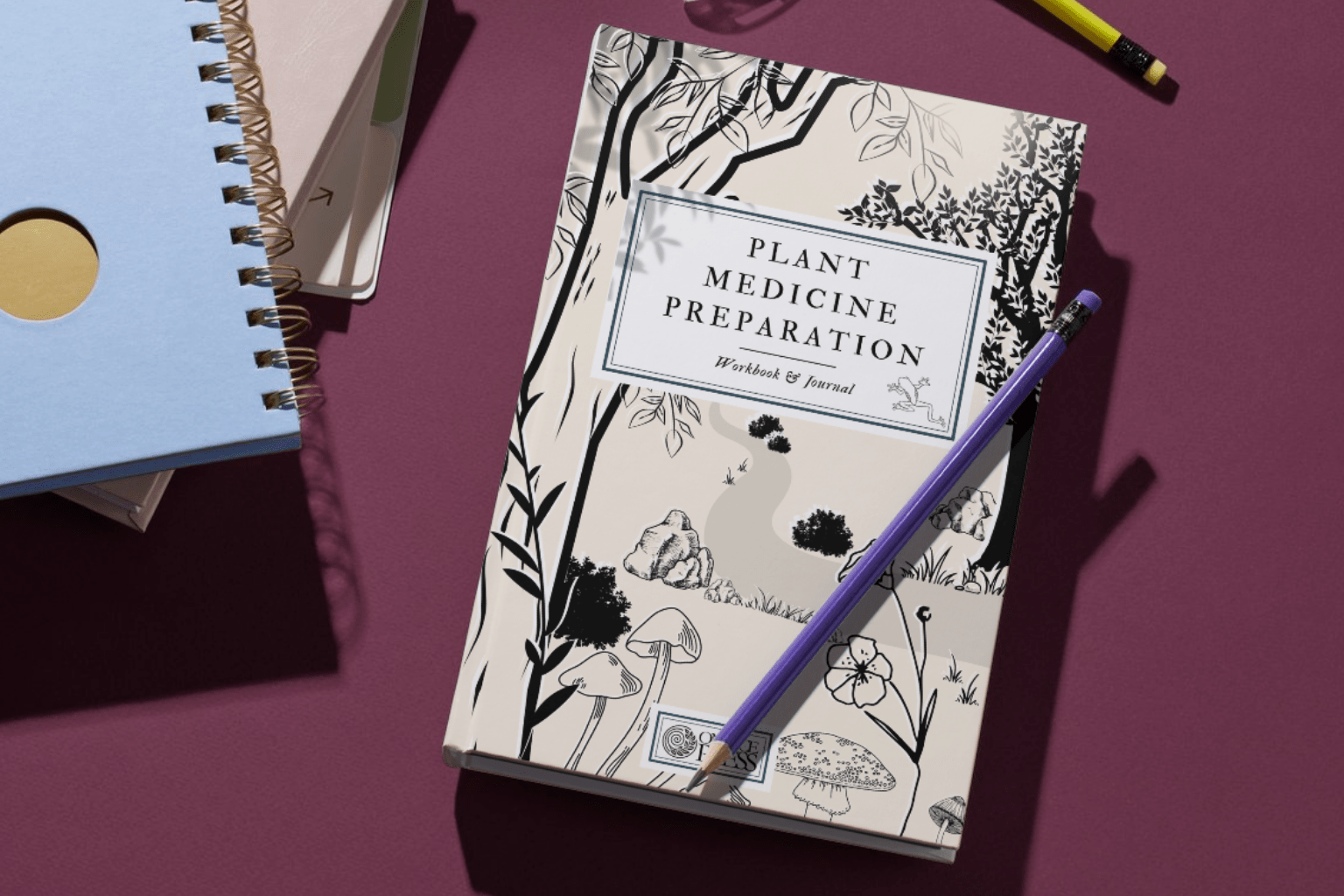
Plant Medicine Preparation
Plan your entire journey, from travel & expenses to intentions & integration.
Additionally, plant medicines are not traditionally taken alone. In Indigenous cultures, ceremonies are guided by elders, shamans, or curanderos, who have undergone years—sometimes decades—of training. These guides help navigate the spiritual dimensions of the experience, providing support for individuals processing deep emotional, psychological, or energetic transformations.
In contrast, many modern approaches to psychedelics focus on individual experiences, self-experimentation, and casual use. While personal exploration can be meaningful, removing plant medicine from its cultural and spiritual context can lead to imbalanced or even harmful experiences. Understanding the traditional frameworks that have governed plant medicine use for millennia can help ensure safe, ethical, and meaningful engagement.
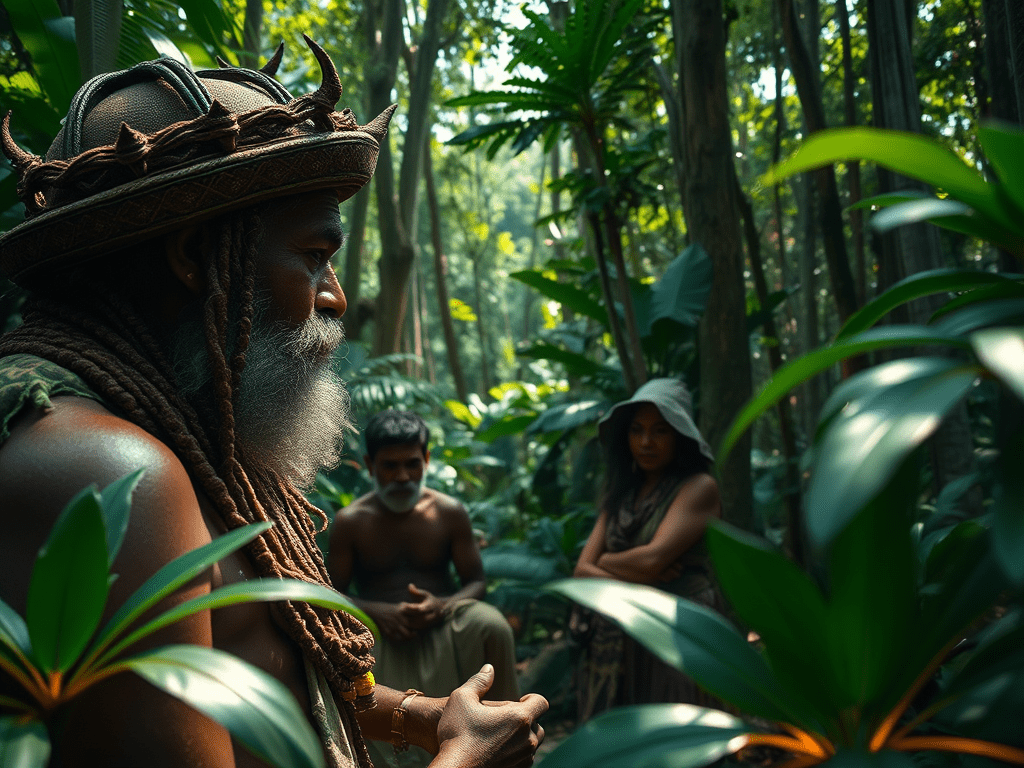
Indigenous Traditions
Each sacred plant has a unique cultural lineage, with rituals designed to ensure its responsible and effective use. Below are some of the most widely respected plant medicines and the traditions that have preserved their wisdom.
Ayahuasca: Vine of the Soul (Amazonian)
In the Amazon rainforest, Ayahuasca is considered a powerful teacher spirit. It is not taken for casual exploration but rather in deep ceremonial contexts led by trained shamans or curanderos. These elders undergo years of apprenticeship, learning to work with the spirit of the plant and to guide others through its challenging visions.

A typical Ayahuasca ceremony takes place at night, in complete darkness, allowing participants to focus inward. The shaman leads the group through icaros, or sacred songs, which help shape the experience. Energetic cleansing, known as la limpieza, is performed to remove spiritual blockages. Fasting or following a plant-based dieta is required to prepare the body and mind.
As Western interest in Ayahuasca grows, so does the concern about commercialization, exploitation, and the loss of ethical safeguards. Many untrained individuals now offer ceremonies without the necessary experience, increasing risks for participants. To honor the tradition, seekers should engage only with lineage-based, ethical facilitators. Furthermore, working with this medicine can open doors to support Indigenous-led organizations working to protect the Amazon and its people.
Plant Medicine Integration
Capture insights, record experiences, & integrate your medicine journey.

Peyote: Medicine of the Spirit (Native American)
For Native American tribes such as the Huichol, Lakota, Comanche, and Apache, peyote is a sacred sacrament used in prayer and healing rituals. The Native American Church (NAC) continues this tradition today, using peyote in structured ceremonies designed to foster spiritual communion, personal clarity, and communal healing.
Peyote ceremonies typically last overnight and follow strict ethical codes, often including fire ceremonies, drumming, and prayer songs. The experience is meant to bring individuals closer to their spiritual essence, heal deep wounds, and reconnect them with their ancestors.
One of the greatest threats to peyote today is overharvesting and habitat destruction. Because peyote grows slowly and is becoming scarce, many Indigenous communities request that non-Natives refrain from using it unless they are specifically invited into the tradition. Supporting peyote conservation initiatives and Indigenous land rights is one of the most impactful ways modern seekers can show respect.
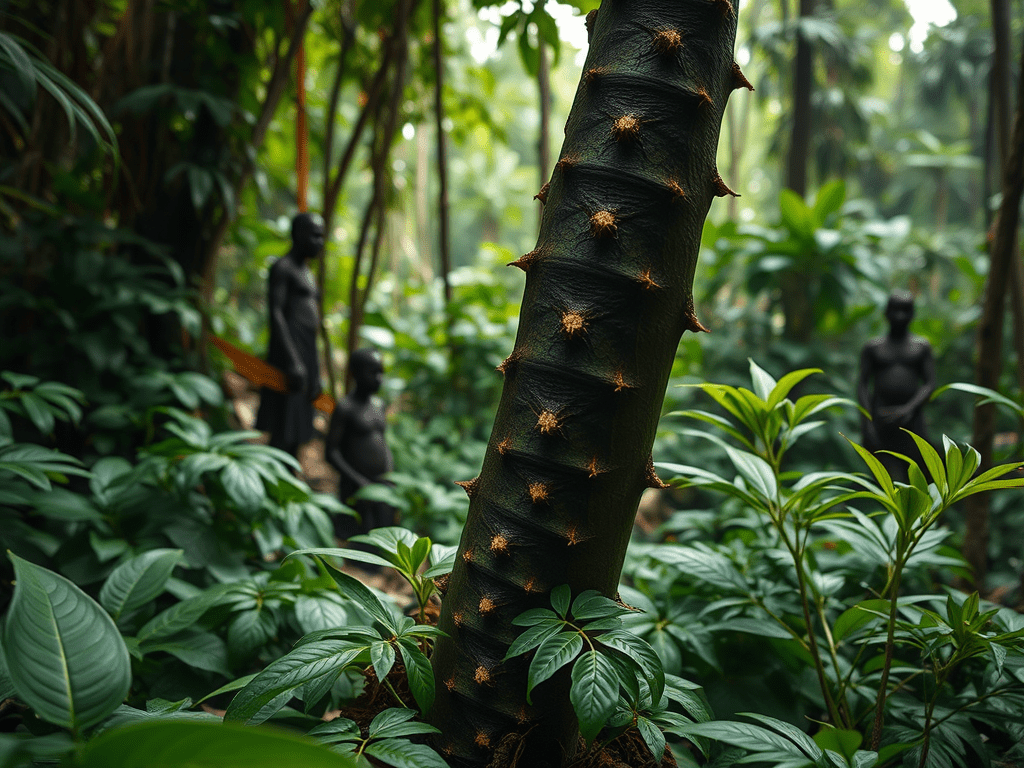
Iboga: Tree of Wisdom (Bwiti)
In Gabon and parts of Central Africa, iboga is considered a portal to the spirit world. Used in Bwiti initiation ceremonies, iboga allows individuals to enter deep visionary states in which they can connect with ancestors, receive teachings, and confront personal shadows.
Unlike many plant medicines, iboga has a strong initiatory component, meaning it is often reserved for rites of passage. Those who undergo a full iboga ceremony experience a multi-day journey, during which they receive guidance from elders and Bwiti spiritual teachers.
Today, iboga is under threat due to overharvesting and the rise of Western clinics offering treatments without honoring its spiritual context. Many practitioners warn against seeking iboga outside of its traditional framework, as the plant is extremely powerful and requires careful preparation, supervision, and post-ceremony integration.

San Pedro (Huachuma): The Andean Gate
San Pedro, or Huachuma, has been used in Andean shamanic traditions for over 3,000 years. Unlike Ayahuasca, which is taken in darkness, San Pedro ceremonies often occur in the daytime, emphasizing connection with the natural world.
During a traditional ceremony, participants enter a meditative, introspective state, often led on a pilgrimage through the mountains or sacred sites. The experience is gentle yet profound, often associated with heart-opening, deep emotional release, and communion with spirits of the land. Honoring this tradition means approaching San Pedro with reverence, working with authentic Andean shamans, and ensuring sustainable cultivation of the cactus.
Plant Medicine Preparation
Plan your entire journey, from travel & expenses to intentions & integration.
Psilocybin Mushrooms: Little Teachers (Mazatec)
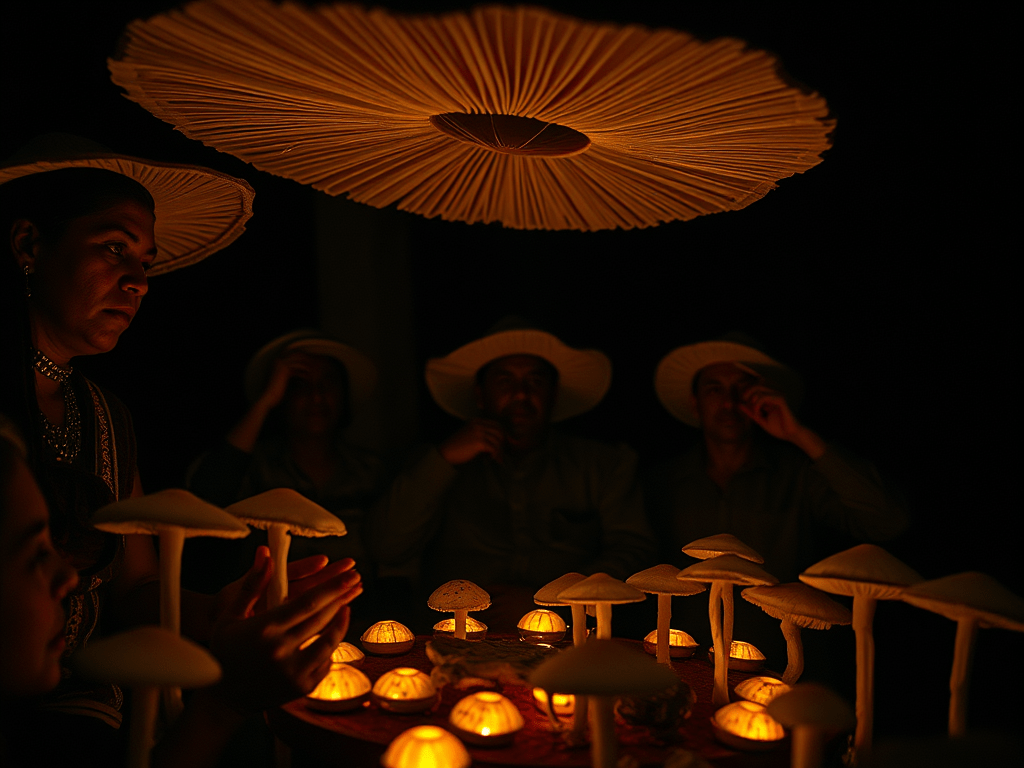
The Mazatec people of Mexico have long revered psilocybin mushrooms as a gateway to divine wisdom. Under the guidance of curanderos, ceremonies—called Veladas—are conducted in total darkness, with prayers and chants leading participants into a deeply introspective journey.
María Sabina, a renowned Mazatec curandera, helped bring this tradition to Western awareness in the mid-20th century. However, the rise of casual psychedelic use has led to a loss of the ceremonial context. Many Indigenous practitioners emphasize that working with psilocybin requires structured prayer, disciplined preparation, and an intention to learn—not simply to experience visions.
Honoring Indigenous Traditions
Engaging with plant medicine responsibly requires more than just interest—it demands reverence, education, and a commitment to ethical participation. Indigenous cultures have developed plant medicine traditions over centuries of lived experience, refining practices that ensure safe, intentional, and meaningful use. Modern seekers can honor this by recognizing that engaging with these medicines is not only about personal healing—it is about becoming part of a lineage of wisdom, and that carries profound responsibilities.
Learn from Indigenous Lineage
For those seeking to engage with plant medicine, it is crucial to learn from those who have carried these traditions forward. Many Indigenous elders and wisdom keepers are open to sharing their knowledge, but it must be approached with respect and patience. Instead of seeking a quick or transactional experience, modern participants should approach this path as a lifelong learning process, where humility and relationship-building are essential.
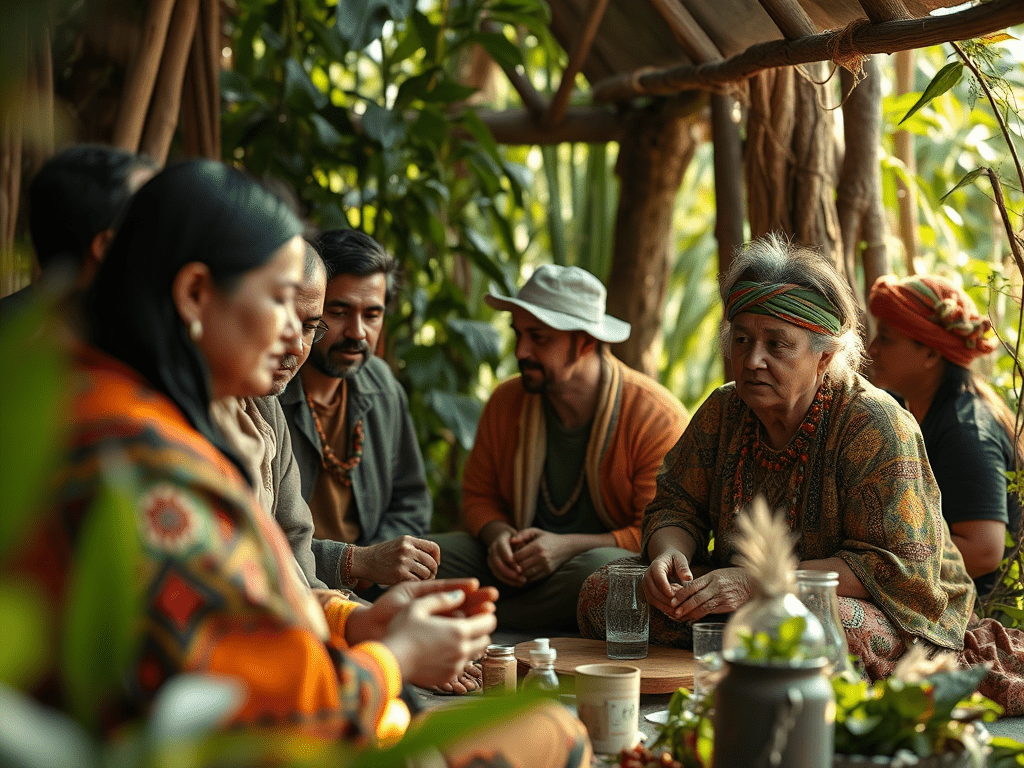
One way to begin is by attending educational events, reading first-hand accounts, and listening to Indigenous perspectives on plant medicine use. Some Indigenous communities and spiritual leaders offer workshops, talks, and ceremonies for non-Indigenous participants who approach with the right intentions. However, this does not mean that all ceremonies are open to outsiders. Some traditions are deeply protected and exclusive to their cultural lineage. If an opportunity to learn arises, it is essential to receive it as a privilege rather than an entitlement.
For those seeking guidance, it is always best to ask permission, follow protocols, and listen more than they speak. Entering this space with gratitude and humility ensures a deeper, more authentic experience and prevents the exploitation or distortion of Indigenous practices.
Plant Medicine Integration
Capture insights, record experiences, & integrate your medicine journey.
Conservation and Indigenous Rights
Many of the sacred plants used in Indigenous traditions are under threat due to overharvesting, habitat destruction, and commercialization. The rise in demand for plant medicines such as ayahuasca, peyote, and iboga has led to environmental consequences that directly harm the Indigenous communities who depend on these plants for their spiritual and cultural survival.
For example, peyote populations in North America are dwindling due to reckless harvesting, and iboga is increasingly scarce due to unsustainable sourcing practices. The best way for seekers to honor these medicines is to support conservation efforts, sustainable cultivation projects, and Indigenous-led organizations working to protect these sacred plants.
Some ways to contribute include:
- Donating to groups such as The Indigenous Peyote Conservation Initiative (IPCI) and The Amazon Conservation Team.
- Researching the sourcing of plant medicines before purchasing and choosing sustainably harvested options.
- Educating others about why responsible sourcing matters and advocating for Indigenous land sovereignty.
Those who engage in plant medicine must recognize that these traditions are not separate from the land—they are deeply intertwined with it. Without us protecting the natural environments where these medicines grow, the traditions themselves will inevitably suffer.
Reverence, Preparation, and Intention
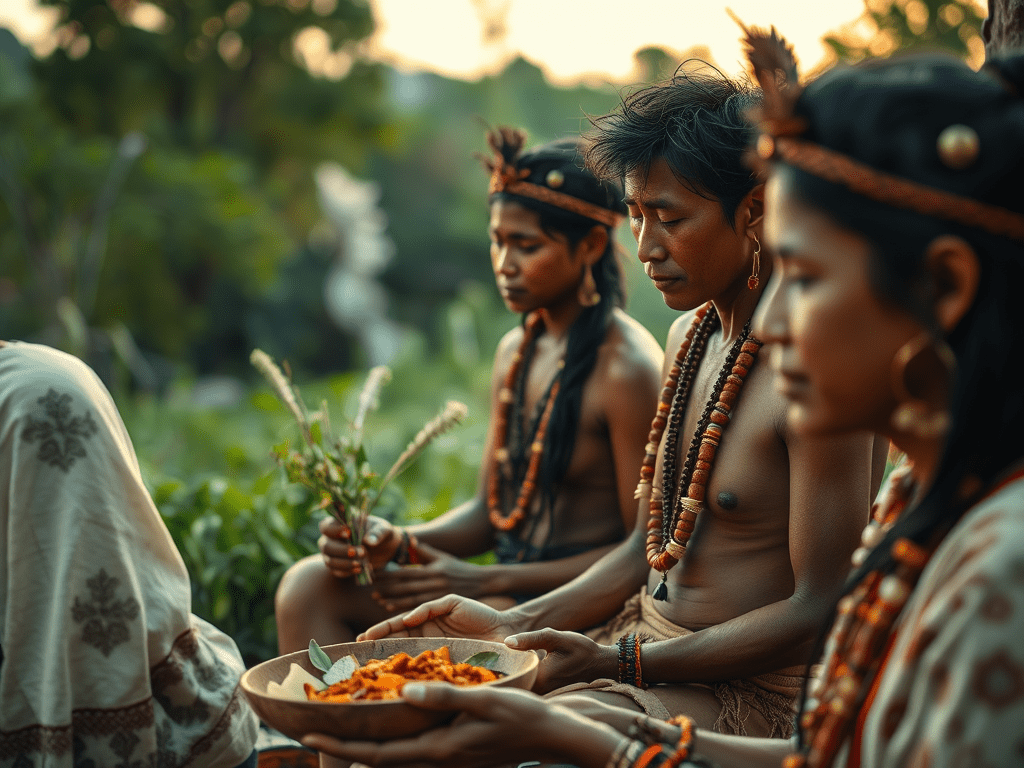
In many Indigenous traditions, plant medicine use is preceded by rigorous preparation. Fasting, dietary restrictions, and mental or spiritual purification are often required to align the body and mind with the medicine’s teachings. These preparatory practices are not arbitrary; they are designed to enhance safety, clarity, and receptivity to the experience.
For modern seekers, this means approaching plant medicine with intentionality, respect, and discipline. Instead of seeking a quick or recreational experience, it is important to ask deep questions before engaging:
- Why am I seeking this experience?
- Am I ready to commit to the integration process after the ceremony?
- Am I engaging with facilitators who respect the lineage of this tradition?
Furthermore, integration—the process of weaving plant medicine insights into daily life—is often overlooked in Western adaptations. However, in Indigenous traditions, the ceremony is only the beginning. The real work happens in the days, weeks, and months that follow, as the lessons unfold and take root. Engaging with plant medicine responsibly means creating space for reflection, maintaining ongoing spiritual practices, and applying the wisdom gained.

Conclusion: Plant Medicines Are Bridging Ancient Wisdom with Modern Healing
Plant medicine is not only about personal healing—it is about responsibility, respect, and reciprocity. The wisdom traditions that have preserved these medicines for thousands of years deserve protection, acknowledgment, and active support.
As the world embraces plant medicine’s therapeutic potential, modern seekers must ensure that their engagement uplifts rather than erodes the cultures that have safeguarded these practices. This means learning from Indigenous teachers, supporting conservation efforts, practicing ethical sourcing, and engaging with medicine in a way that honors its sacred nature.
Let us not only thank plant medicine but also thank the wisdom keepers who have carried these traditions forward, often against great odds. May we listen, learn, and give back, ensuring that the spirit of these sacred plants continues to guide humanity with integrity and respect.
In the end, true healing is not just individual—it is collective. By respecting and preserving Indigenous plant medicine traditions, we ensure that these sacred teachings remain available for generations to come.