

In recent years, there has been a significant resurgence of interest in shamanism and its role in healing. This ancient practice, deeply rooted in indigenous traditions, is finding new life in contemporary society as more and more individuals find themselves seeking answers that Google and ChatGPT don’t have.
Modern shamans are integrating ancient wisdom with present-day therapeutic techniques, offering powerful tools for personal transformation and healing. Let’s explore the role of modern shamanism in healing, this resurgence in contemporary society, and consider some tips for choosing a qualified and trustworthy shaman or facilitator for a journey.
The Resurgence of Shamanism
Shamanism is one of the oldest spiritual practices known to humanity, dating back tens of thousands of years. Traditionally, shamans were the healers, spiritual guides, and intermediaries between the physical and spiritual worlds in their communities. They used various techniques, including drumming, chanting, and plant medicines, to facilitate healing and spiritual growth.

The Modern Shamanic Movement
The modern shamanic movement has grown as people seek alternative methods of healing and personal development. There are several reasons for this resurgence:
- A Search for Meaning: Many individuals are turning to shamanism as a way to find deeper meaning and connection in their lives. The fast-paced, materialistic nature of contemporary society often leaves people feeling disconnected and unfulfilled.
- Holistic Healing: Shamanism offers a holistic approach to healing that addresses the physical, emotional, mental, and spiritual aspects of a person. This contrasts with the often fragmented approach of conventional medicine.
- Integration of Ancient Wisdom: Modern shamans are adept at integrating traditional shamanic practices with contemporary therapeutic techniques, creating a bridge between the old and the new.
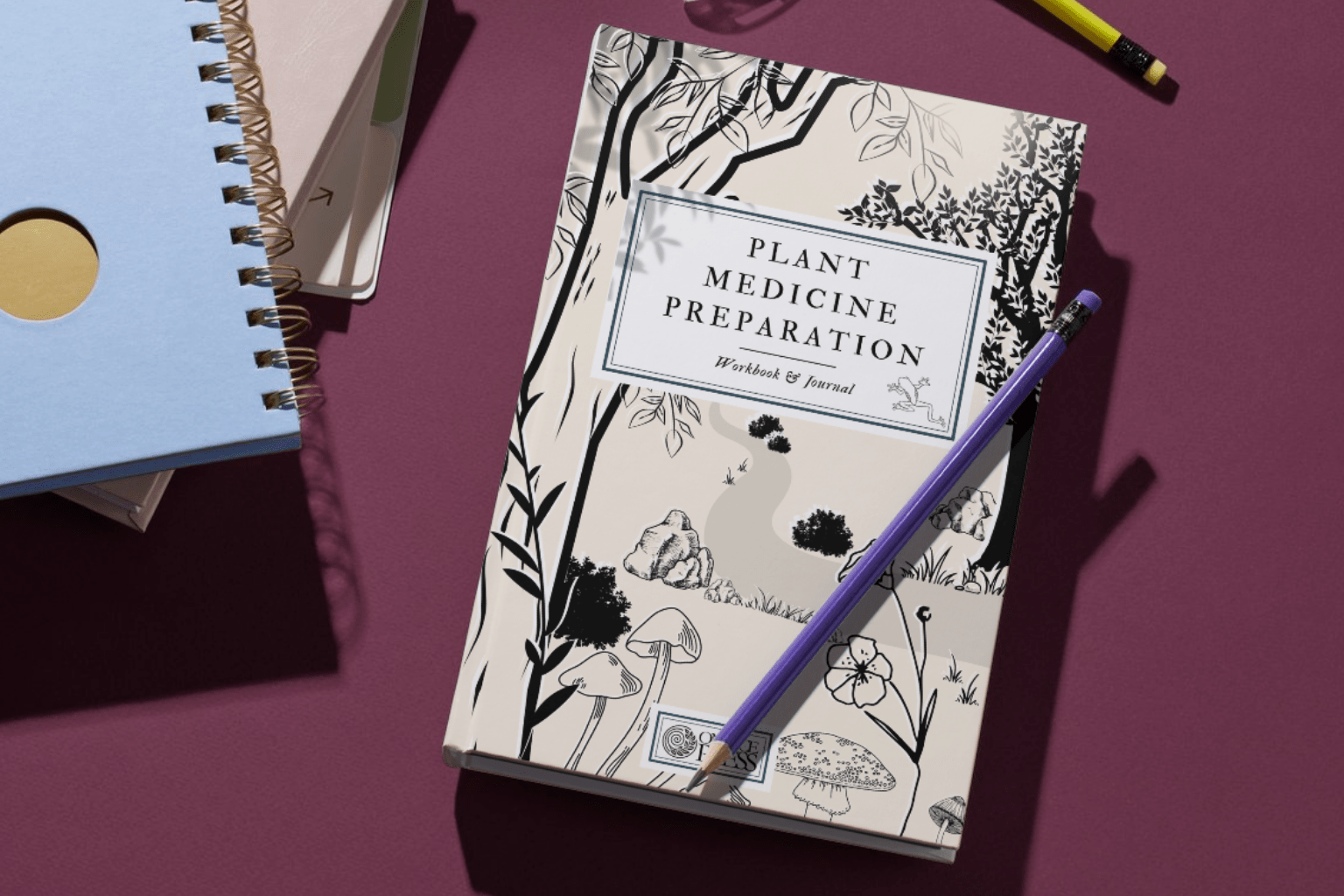
Plant Medicine Preparation
Plan your entire journey, from travel & expenses to intentions & integration.

The Science Behind Shamanic Healing
Scientific research is beginning to explore and validate the healing potential of shamanic practices. Studies have shown that shamanic practices can have profound effects on mental health, including reducing symptoms of depression, anxiety, and PTSD.
- Altered States of Consciousness: Shamans use various techniques to induce altered states of consciousness, which can lead to profound insights and healing. Research indicates that these states can promote neuroplasticity, the brain’s ability to reorganize itself, which is crucial for healing trauma and fostering personal growth.
- Mind-Body Connection: Shamanic practices often emphasize the mind-body connection, which is increasingly recognized in modern medicine as essential for health and healing. Techniques such as drumming and chanting can induce a meditative state, reducing stress and promoting relaxation.
- Plant Medicines: Many shamanic traditions use plant medicines, such as Ayahuasca and psilocybin mushrooms, which are now being studied for their therapeutic potential. These substances have shown promise in treating conditions such as depression, anxiety, and addiction.

Integrating Contemporary Techniques
Modern shamans are not only preserving ancient practices but also integrating them with contemporary therapeutic techniques. This integration allows for a more comprehensive approach to healing, addressing both the spiritual and psychological aspects of a person.
Techniques and Practices
- Drumming and Sound Healing: Traditional drumming and sound healing are used to induce altered states of consciousness and promote healing. Sound therapy is gaining recognition for its ability to reduce stress and improve mental health.
- Breathwork: Shamans often use breathwork techniques to facilitate healing. These practices are now being integrated with modern approaches such as holotropic breathwork, which can help release trauma and promote emotional well-being.
- Energy Healing: Shamanic energy healing practices, such as extracting negative energies and restoring balance, are being combined with modern energy healing modalities like Reiki.
- Plant Medicine Integration: Modern shamans are integrating plant medicine ceremonies with therapeutic support, such as pre- and post-ceremony counseling, to enhance the healing process.
Plant Medicine Integration
Capture insights, record experiences, & integrate your medicine journey.


Choosing the Right Shaman
Choosing the right shaman or facilitator is crucial for a safe and transformative plant medicine experience. Here are some essential tips and red flags to consider when selecting a qualified and trustworthy guide.
Qualifications and Experience
- Training and Lineage: A reputable shaman or facilitator should have undergone extensive training and be connected to a lineage of traditional shamanic practice. This connection ensures that they have a deep understanding of the traditions and techniques they are using.
- Experience: Look for a shaman or facilitator with significant experience in guiding ceremonies. This experience is vital for managing the complexities that can arise, especially during a plant medicine journey.
Ethical Considerations
- Respect for Tradition: A trustworthy shaman or facilitator respects the traditions they are practicing and does not appropriate or commercialize them for personal gain.
- Safety and Preparation: They should prioritize safety and provide thorough preparation and aftercare for participants. This includes screening participants for medical and psychological conditions that may contraindicate the use of plant medicines.

Red Flags to Watch Out For
- Lack of Transparency: Be wary of shamans or facilitators who are not transparent about their training, experience, or the origins of their practices.
- Exorbitant Fees: While it’s reasonable to expect to pay for a shaman’s services, exorbitant fees can be a red flag. Shamanic healing should be accessible, and excessive charges may indicate exploitation.
- Inappropriate Behavior: Any form of inappropriate behavior, such as making sexual advances or pressuring participants to engage in activities they are uncomfortable with, is a serious red flag.

Plant Medicine Companion
Support for your journey of transformation, from planning through to integration:
Practical Tips for Selecting a Shaman or Facilitator
- Seek Recommendations: Ask for recommendations from trusted friends or online communities. Personal experiences can provide valuable insights.
- Do Your Research: Research potential shamans or facilitators thoroughly. Look for reviews, testimonials, and any available information about their background and practices.
- Ask Questions: Don’t hesitate to ask questions about their training, experience, and approach to ceremonies. A reputable shaman or facilitator will be open and willing to provide this information.

Conclusion: Healing Traditions Continue on with Modern Shamanism
Modern shamanism is experiencing a resurgence as people seek holistic and transformative approaches to healing. By integrating ancient wisdom with contemporary therapeutic techniques, modern shamans can offer powerful tools for personal growth and healing.
Keep in mind, choosing the right shaman or facilitator is still essential for a safe and effective plant medicine journey. By considering qualifications, ethical considerations, and potential red flags, you can find a trustworthy guide to support your healing journey.
Additional Resources
- MAPS (Multidisciplinary Association for Psychedelic Studies) – An organization dedicated to researching and understanding the medical, legal, and cultural contexts of psychedelics.
- Erowid – A comprehensive online resource providing information about various psychoactive substances, including personal experiences and research.
- Psychedelic Science – A platform offering news, research updates, and resources on the latest developments in psychedelic science.
- The Third Wave – A resource dedicated to responsible psychedelic use, providing guides, courses, and community support.
Want the Full Experience?
Navigate your journey with
Plant Medicine Companion
Packed with thoughtful worksheets; from pre-journey research and intentions, through ceremony logs and recording experiences, to symbolism research and support considerations after you’re done.
Includes reflective pre- and post-journal prompts designed to deepen your planning and integration, supporting ongoing transformation.
This holistic tool will elevate your plant medicine journey, every step of the way. Enrich each phase of your life-changing adventure with awareness—Order your copy today!
Insiders:
*For Full Download Instructions, Visit Your Member Benefits Portal
