
Plant medicines have been integral to human culture for thousands of years, used by various indigenous peoples around the world for healing, spiritual growth, and transformation. In recent decades, there has been a resurgence of interest in these natural substances, driven by both scientific research and anecdotal evidence of their profound effects.
This beginner’s guide aims to provide an introduction to the world of plant medicines, exploring some histories, types, benefits, and cultural significance. Whether you are a novice or a seasoned participant in plant medicine ceremonies, this article will offer valuable insights to deepen your understanding and enhance your experiences.
The History of Plant Medicines

Ancient Traditions
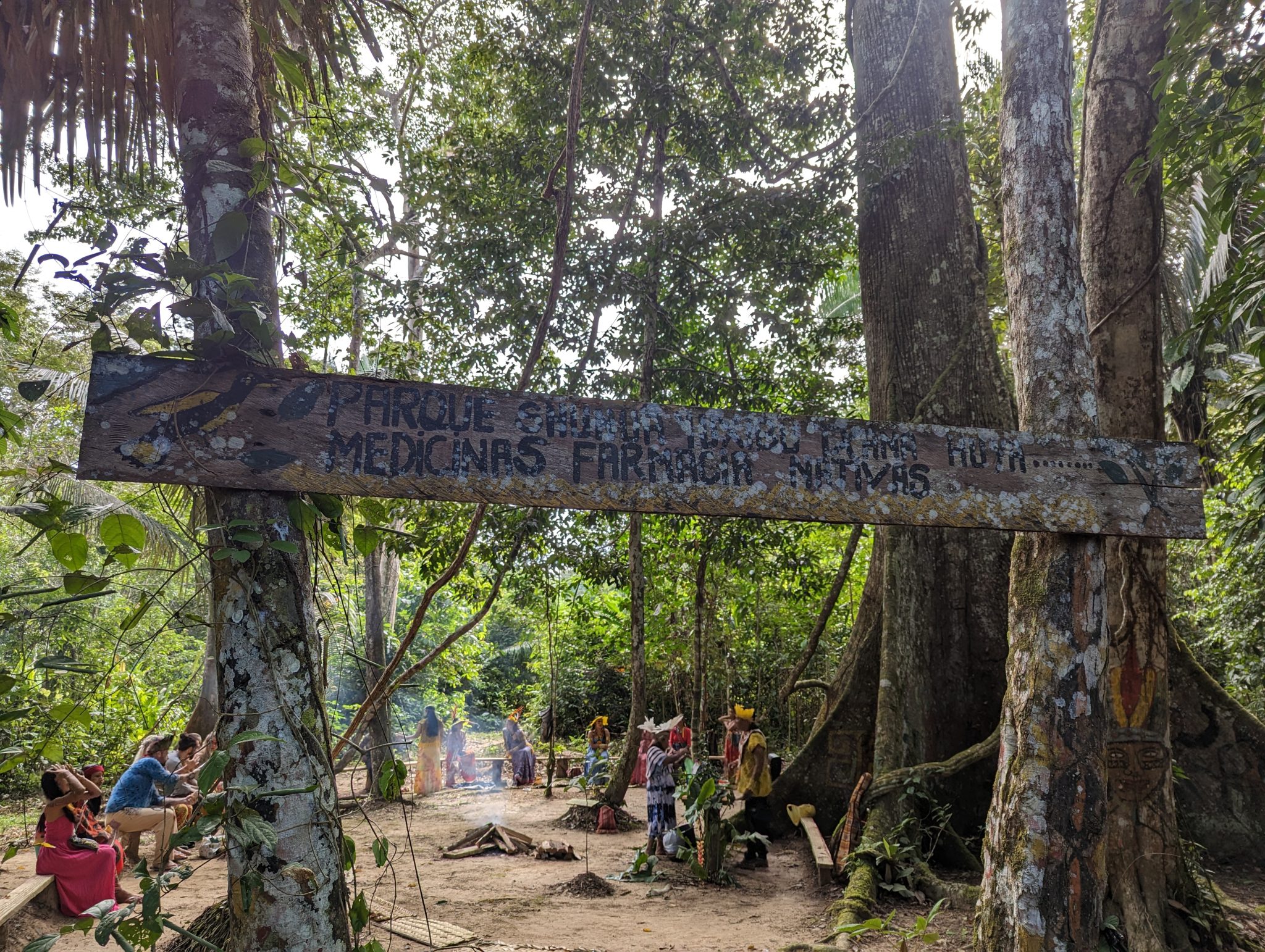
The use of plant medicines dates back to ancient civilizations, where they were revered as sacred tools for healing and spiritual connection. In South America, the indigenous tribes of the Amazon have been using ayahuasca, a potent brew made from the Banisteriopsis caapi vine and the Psychotria viridis leaf, for centuries. Similarly, the use of peyote cactus by Native American tribes in Mexico and the southwestern United States has a long history, with archaeological evidence suggesting its use dates back over 5,000 years.
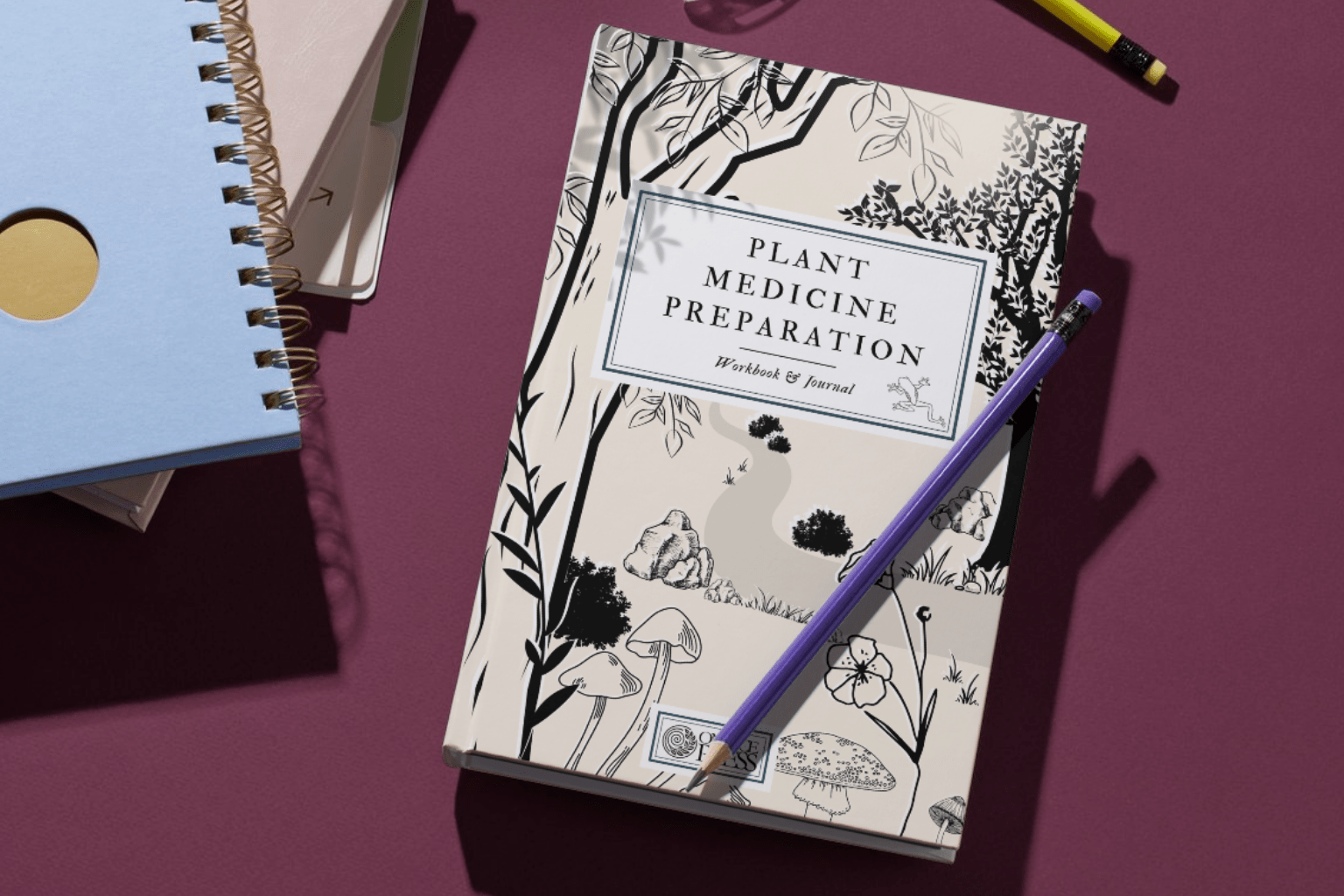
Plant Medicine Preparation
Plan your entire journey, from travel & expenses to intentions & integration.
Global Spread and Modern Use
With the advent of globalization and the spread of information, plant medicines have reached a wider audience. In the 1960s and 70s, substances like psilocybin mushrooms and LSD gained popularity in the West, leading to both widespread use and significant controversy. Today, there is a renewed interest in plant medicines, driven by scientific research and a growing body of anecdotal evidence supporting their therapeutic potential.
Types of Plant Medicines

Ayahuasca
Ayahuasca is a powerful entheogenic brew used traditionally by indigenous tribes in the Amazon Basin. It contains the psychoactive compound DMT (dimethyltryptamine), which induces profound alterations in consciousness.
Ayahuasca ceremonies are often led by shamans, who guide participants through intense emotional and spiritual experiences. Research has shown ayahuasca to have potential benefits for mental health, including reducing symptoms of depression and anxiety, and facilitating trauma healing.
Peyote
Peyote is a small cactus containing mescaline, a psychoactive alkaloid. It has been used for millennia by Native American tribes in religious and healing ceremonies.
Peyote ceremonies are often conducted in a group setting, with a focus on community and spiritual connection. Studies have indicated that mescaline can enhance mood, foster introspection, and promote spiritual experiences.

Psilocybin Mushrooms
Psilocybin mushrooms, commonly known as magic mushrooms, contain the psychoactive compound psilocybin. These mushrooms have been used in religious and healing ceremonies in Mesoamerica for thousands of years.
Modern research has demonstrated psilocybin’s efficacy in treating a variety of mental health conditions, including depression, anxiety, and PTSD. Psilocybin also promotes neuroplasticity, enhancing the brain’s ability to form new neural connections.
Plant Medicine Preparation
Plan your entire journey, from travel & expenses to intentions & integration.
San Pedro
San Pedro, another mescaline-containing cactus, is native to the Andes Mountains and has been used in Andean shamanic practices for centuries. It induces a state of heightened awareness and introspection, facilitating deep personal and spiritual insights. San Pedro ceremonies often emphasize connection with nature and the cosmos.
Iboga
Iboga is a shrub native to Central Africa, particularly Gabon. Its root bark contains the powerful psychoactive compound ibogaine, which is used in Bwiti religious ceremonies.
Iboga is known for its intense and prolonged effects, often lasting up to 24 hours. It has gained attention for its potential in treating addiction, particularly opioid addiction, by interrupting dependence and reducing withdrawal symptoms.
The Benefits of Plant Medicines

Mental Health
Research into the mental health benefits of plant medicines has shown promising results. Ayahuasca, psilocybin, and ibogaine have all demonstrated potential in treating depression, anxiety, PTSD, and addiction. These substances often facilitate profound emotional breakthroughs, allowing individuals to confront and process unresolved trauma and negative thought patterns.
Spiritual Growth
Plant medicines have been used for millennia as tools for spiritual growth and connection. They can induce mystical experiences, characterized by a sense of unity, transcendence, and deep spiritual insight. These experiences can lead to lasting positive changes in outlook, behavior, and overall well-being.

Physical Healing
In addition to their psychological and spiritual benefits, some plant medicines also offer physical healing properties. For instance, ayahuasca contains harmine and other compounds with anti-inflammatory and neuroprotective effects. Peyote and San Pedro have been used traditionally to treat a variety of physical ailments, from fevers to wounds.
Plant Medicine Preparation
Plan your entire journey, from travel & expenses to intentions & integration.
Enhanced Creativity and Problem-Solving
Studies have shown that psychedelics like psilocybin can enhance creativity and problem-solving abilities. By altering neural connectivity and promoting neuroplasticity, these substances can help individuals think outside the box, leading to innovative solutions and new perspectives.
Cultural Significance
Indigenous Practices
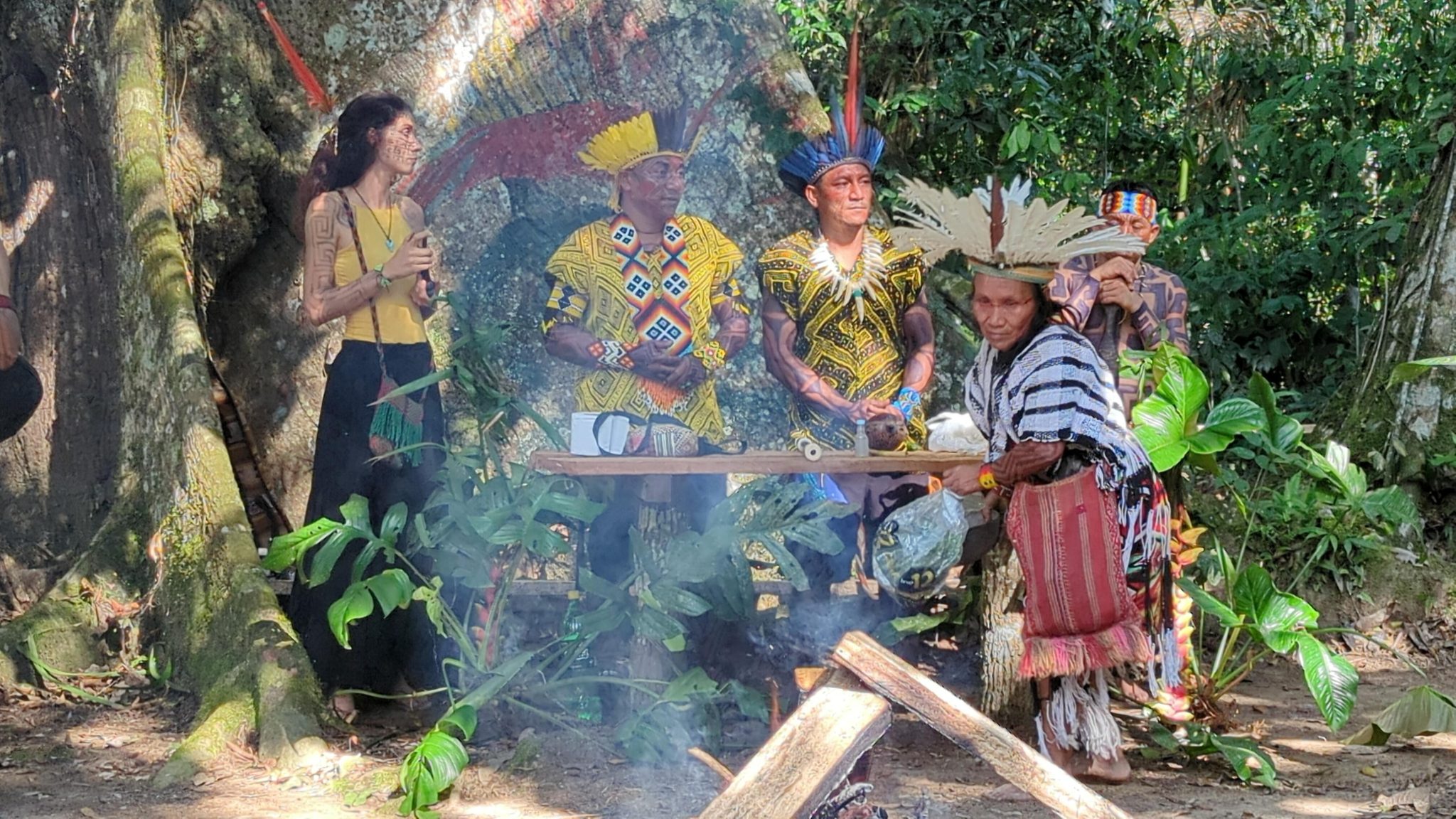
For many indigenous cultures, plant medicines are not just tools for healing, but integral parts of their spiritual and cultural identity. Ceremonies involving these substances are deeply ritualistic, often accompanied by music, chanting, and other traditional practices. These rituals serve to create a sacred space, fostering a sense of community and shared purpose.
Modern Adaptations
In contemporary settings, plant medicine ceremonies have been adapted to suit a diverse range of participants. While some adhere closely to traditional practices, others incorporate elements of modern psychology and therapy. This blending of old and new allows for a more personalized and accessible approach to healing and transformation.

Conclusion: Ancient Plant Medicines Offer Diverse Solutions for Modern Seekers
Plant medicines offer a unique and powerful pathway to healing, growth, and transformation. Their rich history, diverse applications, and profound effects make them invaluable tools for those seeking deeper understanding and connection.
By approaching these substances with respect, preparation, and an open mind, we can unlock their full potential and invite lasting positive change into our lives. Furthermore, the spiritual and cultural traditions surrounding their use can provide additional opportunities for connections that extend beyond the modern limitations of understanding and experience.
Plant Medicine Preparation
Plan your entire journey, from travel & expenses to intentions & integration.
Additional Resources
- “The Cosmic Serpent: DNA and the Origins of Knowledge” by Jeremy Narby – An exploration of the shamanic knowledge of the Amazon and its potential scientific implications.
- “Sacred Vine of Spirits: Ayahuasca” by Ralph Metzner – A comprehensive overview of ayahuasca’s history, use, and potential benefits.
- “The Fellowship of the River: A Medical Doctor’s Exploration into Traditional Amazonian Plant Medicine” by Joseph Tafur – A personal account of the healing power of ayahuasca and other plant medicines.
- “Breaking Open the Head: A Psychedelic Journey into the Heart of Contemporary Shamanism” by Daniel Pinchbeck – A journey through the world of psychedelics and modern shamanism.
- Multidisciplinary Association for Psychedelic Studies (MAPS) – Exploring psychedelic integration.
- The Beckley Foundation – Pioneering non-profit psychedelic research.
- Erowid – “Documenting the complex relationship between humans and psychoactives.”
- The Third Wave – Researched-based education for the emerging psychedelic ecosystem.