

Plant medicine ceremonies, often involving sacred plants like ayahuasca, peyote, or psilocybin mushrooms, are profound journeys that can offer deep healing, growth, and transformation. Proper preparation can make all the difference in ensuring that you are ready to fully embrace and benefit from these powerful experiences.
This comprehensive guide will delve into the essential aspects of preparing physically, mentally, and spiritually for plant medicine, offering practical tips on diet, exercise, meditation, and setting intentions. By following these guidelines and doing your own research, you can make it a safe and transformative experience.
Physical Preparation: Honor the Body

Diet and Nutrition
A special preparatory diet, or “dieta,” is often recommended when preparing for plant medicine ceremonies. The dieta helps to purify the body, making it more receptive to the medicine. Typically, this diet involves eliminating certain foods and substances, such as:
- Avoiding meat, dairy, and processed foods: These can burden the digestive system and hinder the medicine’s effects.
- Eliminating alcohol, caffeine, and recreational drugs: These substances can interfere with the plant medicine’s ability to work effectively.
- Reducing salt, sugar, and spices: Simplifying your diet helps cleanse the body, heightening our often overloaded senses and helping us align with the plant medicine’s energy.
Focus on consuming whole, plant-based foods, such as fruits, vegetables, grains, and legumes. Drink plenty of water to stay hydrated and assist in detoxification.
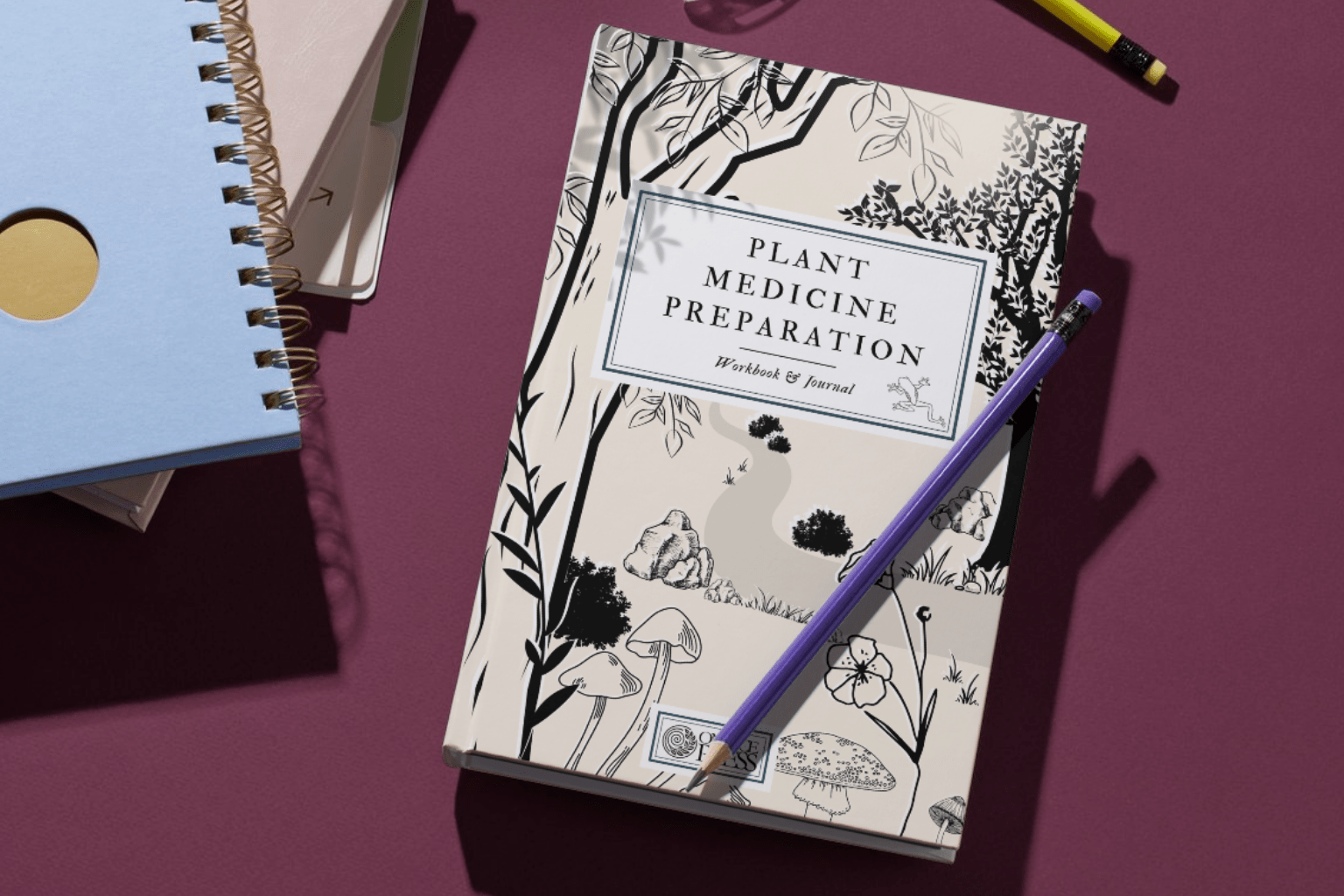
Plant Medicine Preparation
Plan your entire journey, from travel & expenses to intentions & integration.

Exercise
Regular physical activity can enhance your physical readiness for a plant medicine ceremony. Exercise helps to:
- Detoxify the body: Sweating through exercise helps eliminate toxins.
- Improve circulation: Enhances the delivery of oxygen and nutrients to cells.
- Reduce stress: Physical activity releases endorphins, which can help manage pre-ceremony anxiety.
Incorporate moderate activities such as yoga, walking, or swimming into your routine. Avoid intense workouts in the days leading up to the ceremony to ensure your body is not overly fatigued.
Rest and Sleep
Adequate rest is essential for physical preparation. Ensure you are getting enough sleep in the weeks leading up to the ceremony. A well-rested body is better equipped to handle the physical demands of a plant medicine experience.

Sex and Entertainment
It is not uncommon to see dieta recommendations that extend beyond the consumption of food. Some common additional exclusions are:
- Sex and physical intimacy: A brief period of celibacy prior to ceremony heightens our sensitivity to the medicine and is a sign of respect for the medicine and our intentions.
- Disturbing or exciting media: abstaining from overly stimulating music and entertainment is another way to resensitize ourselves for the plant medicine. This can also help us to gain more clarity and calmness.
Plant Medicine Preparation
Plan your entire journey, from travel & expenses to intentions & integration.
Furthermore, this period of abstinence allows for reflection on how we incorporate physical intimacy into our lives, giving us the opportunity to make adjustments we deem necessary as a result of our transformative experiences. We can also consider incorporating more self-love and self-care practices, including mindfulness and meditation, as a means of offering ourselves the attention we might seek to give or receive from others.
Mantra, positive and progressive podcasts, or other inspiring media sources can also be valuable during preparation. While choosing to simply observe our impulses for more insights into our triggers and coping mechanisms prior to setting our intentions can also be incredibly valuable too.
Mental Preparation: Cultivating the Mind

Research and Education
Educating yourself about the specific plant medicine you will be using is great for mental preparation. Understanding its effects, history, and cultural significance can provide valuable context and enhance your experience. Consider the following:
- Read books and articles: Explore literature on the use of plant medicines. “The Cosmic Serpent” by Jeremy Narby and “How to Change Your Mind” by Michael Pollan are excellent starting points.
- Watch documentaries: Visual content can offer insights into the experiences of others. Films like “The Spirit Molecule” (about DMT) can be informative.
- Join online forums and communities: Engaging with others who have undergone similar experiences can provide practical tips and emotional support.
- Look into history: Plant medicines and other sacred tools like Kambo have been used by indigenous peoples traditionally. Exploring the history of their use, including their cultural and spiritual significance, can be a wonderful way to enhance our understanding and even connect with the medicine prior to ceremony.

Setting Intentions
Setting clear and positive intentions is a powerful way to focus your mind and align your experience with your personal goals. Intentions help guide your journey and provide a framework for interpreting your experiences. Here are some examples:
- Reflect on your motivations: Ask yourself probing questions, like: “Why are you seeking a plant medicine experience?” And, “What do you hope to learn or heal?”
- Write down your intentions: Articulate your goals in a journal or on paper. This process helps clarify your thoughts and solidify your intentions.
- Meditate on your intentions: Spend time each day visualizing your intentions and how you hope to achieve them. This practice can deepen your connection to your goals and is a wonderful way to express respect for the experience you’re about to have.
Plant Medicine Preparation
Plan your entire journey, from travel & expenses to intentions & integration.

Mindfulness and Meditation
In addition to helping us clarify our goals, practicing mindfulness and meditation can help calm our minds and prepare us for the introspective nature of a plant medicine ceremony. These practices can:
- Reduce anxiety: Mindfulness and meditation help manage stress and promote a sense of peace.
- Enhance focus: A clear mind can better navigate the often intense and vivid experiences during a ceremony.
- Improve emotional regulation: These practices can help you stay grounded and process challenging emotions that may arise.
Incorporate daily mindfulness exercises, such as mindful breathing or body scans, and dedicate time to meditation. Apps like Headspace or Insight Timer can offer guided sessions if you are new to these practices.
Spiritual Preparation: Nourishing the Soul

Connecting with Nature
Plant medicine ceremonies are deeply connected to nature. Spending time outdoors can help you attune to the natural world and the spirit of the plants. Consider activities such as:
- Hiking or walking in nature: Immersing yourself in natural surroundings can foster a sense of connection and reverence.
- Gardening: Tending to plants can be a meditative practice that deepens your bond with nature.
- Outdoor meditation: Find a peaceful spot in nature to meditate and reflect, or try a walking meditation.
Plant Medicine Preparation
Plan your entire journey, from travel & expenses to intentions & integration.
Spiritual Practices
Engaging in spiritual practices can enhance your readiness for a plant medicine ceremony. These practices might include:
- Prayer or invocation: If you follow a spiritual tradition, consider incorporating prayers or invocations to seek guidance and protection.
- Rituals: Simple rituals, such as lighting a candle or burning incense, can create a sacred space and set the tone for your preparation.
- Gratitude practice: Cultivating gratitude can open your heart and mind, creating a positive mindset for your journey.

Seeking Guidance
Consider seeking guidance from experienced practitioners or shamans. Their insights and wisdom can provide valuable support and help you navigate your preparation. If possible, connect with someone who has facilitated plant medicine ceremonies and can offer personalized advice.
Practical Tips for a Safe and Transformative Experience
Choosing the Right Ceremony
Selecting a reputable retreat center or ceremony provider is crucial for a safe experience. Ensure that the facilitators are experienced, the setting is safe, and the ceremony is conducted legally. Look for reviews and testimonials from previous participants and ask questions about the ceremony’s structure and safety protocols.

Preparing Your Environment
Though we might be limited in how we can influence a ceremony space, there are still some ways to enhance our personal comfort. Consider the following:
- Sacred items: Items like crystals, feathers, or personal totems can provide comfort and support.
- A water bottle: Though you’ll want to be sure to check with facilitators about how much you should or shouldn’t be drinking, having water near by can make all the difference when you need a sip to combat the distraction of dry mouth or to be able to rinse your pallet after purging.
- Comfortable clothing: Wear loose, comfortable clothes that allow you to relax.
- A light blanket or shawl: Temperature fluctuations are common during ceremony, especially for medicines that take longer to do their work. Having something you can easily pull on or off of you can be very comforting.
Plant Medicine Preparation
Plan your entire journey, from travel & expenses to intentions & integration.
Furthermore, we all have more liberty to create a peaceful and supportive environment for our preparation and integration. This might include:
- Decluttering your space: A tidy environment can promote a sense of calm and clarity.
- Setting up an altar or sacred space: A dedicated space for reflection and intention-setting can enhance your spiritual practice.
- Ensuring privacy: Arrange for uninterrupted time during your preparation and post-ceremony integration.

Packing Essentials
If you are traveling for your ceremony, pack thoughtfully. Research the location of the ceremony or retreat to ensure having the right essentials for the climate. We may also consider including:
- Personal journal: Bring a journal to record your thoughts, intentions, and experiences.
- A small backpack or bag: Having things like your water bottle, journal, pens, and light scarf all together in a portable fashion can save you time and keep them from getting lost.
- Gifts: Small gestures of generosity can be a special way to show your appreciation to the facilitators, shaman, villagers, and other participants.
The Value of Research
While this guide offers a comprehensive overview of preparing for a plant medicine ceremony, our own personal research is still essential. Each plant medicine journey is unique, and individual needs often vary. Take the time to explore resources, connect with knowledgeable individuals, and tailor your preparation to your specific needs and goals.

Conclusion: The Transformative Potential of Plant Medicines can be Enhanced by Thoughtful Preparation
Preparing for a plant medicine ceremony involves thoughtful physical, mental, and spiritual considerations. By focusing on a clean diet, regular exercise, and adequate rest, you honor your body. Educating yourself, setting clear intentions, and practicing mindfulness nurtures your mind. Engaging in spiritual practices and connecting with nature nourishes your soul. In these ways, the transformations can begin even before the ceremony.
By following these guidelines and conducting your own research, you can create a safe, meaningful, and transformative plant medicine experience. Embrace the journey with an open heart and mind, and allow the wisdom of the plants to guide you towards healing and growth.
Plant Medicine Preparation
Plan your entire journey, from travel & expenses to intentions & integration.
Additional Resources
- The Cosmic Serpent: DNA and the Origins of Knowledge by Jeremy Narby – Explores the connections between indigenous knowledge and modern science, delving into the wisdom of shamanic traditions and plant medicines.
- How to Change Your Mind by Michael Pollan – A comprehensive exploration of the new science of psychedelics, including their use in therapy and personal growth.
- Effects of Psilocybin-Assisted Therapy on Major Depressive Disorder – This study published in JAMA Psychiatry examines the therapeutic benefits of psilocybin for treating major depressive disorder.
- Rapid and Sustained Symptom Reduction Following Ayahuasca Administration in Patients with Recurrent Depression: A Preliminary Report – This research article discusses the positive effects of ayahuasca on patients with recurrent depression.
- MAPS (Multidisciplinary Association for Psychedelic Studies) – An organization dedicated to researching and understanding the medical, legal, and cultural contexts of psychedelics.
- Psychedelic Science – A platform offering news, research updates, and resources on the latest developments in psychedelic science.