

Plant medicines, used for millennia by indigenous cultures, are gaining scientific validation for their remarkable healing properties. These natural substances, including ayahuasca, psilocybin mushrooms, peyote, and iboga, are now at the forefront of therapeutic research. Their profound impact on mental health, addiction, and trauma recovery is reshaping our understanding of holistic healing.
In this article, we will explore the latest research on the therapeutic effects of plant medicines. Join us as we delve into the science behind their healing properties and how they can be harnessed for transformative personal growth.

Understanding Plant Medicines
Plant medicines are psychoactive substances derived from plants, often used in traditional spiritual or healing practices. These natural compounds interact with the brain and body to produce altered states of consciousness, which can facilitate deep psychological insights and emotional healing. Key plant medicines include:
- Ayahuasca: A brew made from the Banisteriopsis caapi vine and the Psychotria viridis leaf, traditionally used in Amazonian shamanic practices.
- Psilocybin Mushrooms: Fungi containing the psychoactive compound psilocybin, used in spiritual and healing rituals worldwide.
- Peyote: A cactus containing mescaline, used in Native American religious ceremonies.
- Iboga: A shrub native to Central Africa, containing the psychoactive compound ibogaine, used in Bwiti spiritual practices.

The Science of Healing: How Plant Medicines Work
Plant medicines exert their effects primarily through interactions with neurotransmitter systems in the brain. The following mechanisms are central to their therapeutic action:
Serotonin Receptors
Many plant medicines, such as psilocybin and mescaline, act on serotonin receptors in the brain, particularly the 5-HT2A receptor. This interaction can lead to profound changes in perception, mood, and cognition, facilitating therapeutic breakthroughs and emotional release.
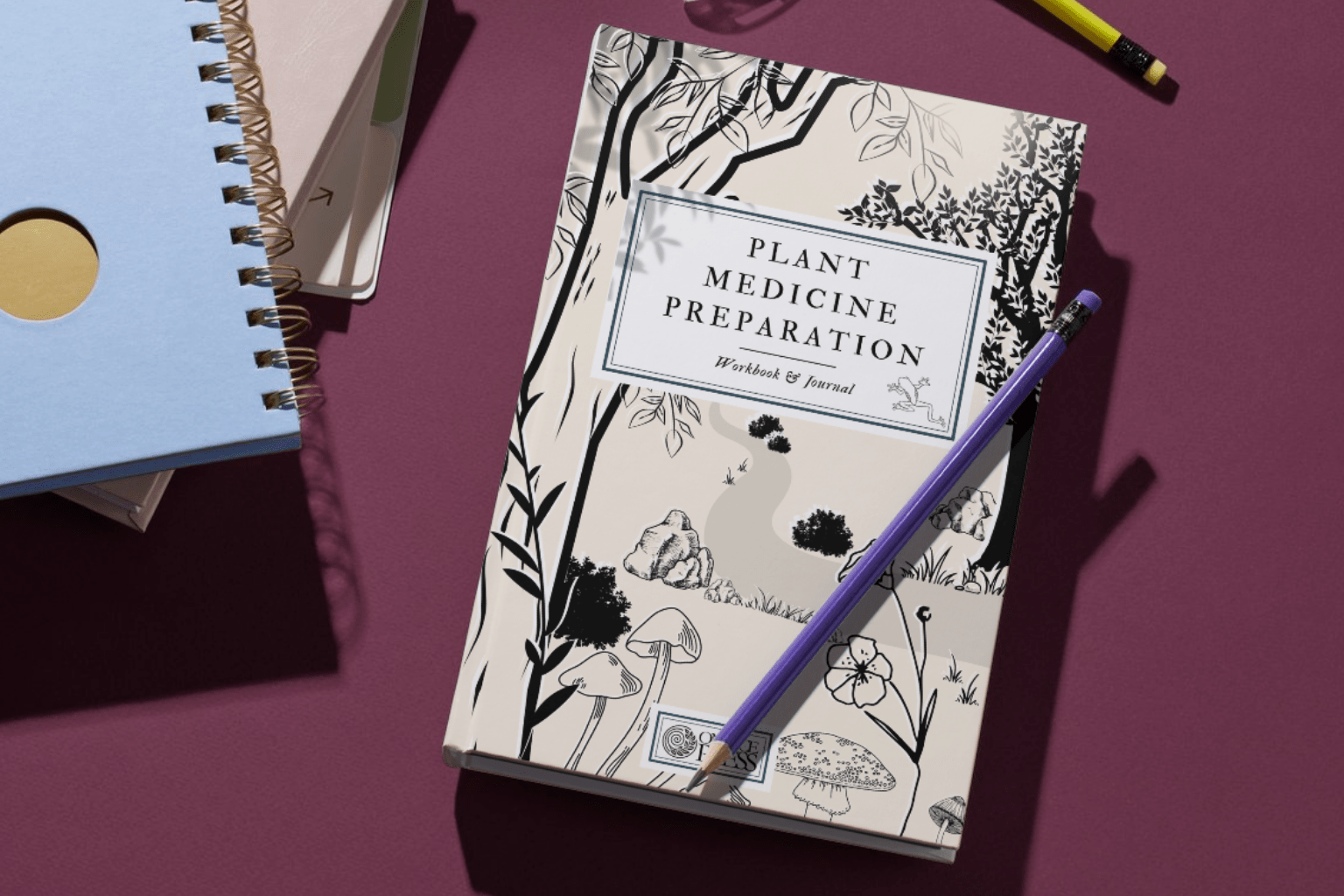
Plant Medicine Preparation
Plan your entire journey, from travel & expenses to intentions & integration.
Neuroplasticity
Research indicates that plant medicines can promote neuroplasticity, the brain’s ability to reorganize itself by forming new neural connections. This can be particularly beneficial in overcoming entrenched patterns of thought and behavior, supporting recovery from conditions like depression and PTSD.

Default Mode Network (DMN) Disruption
The DMN is a network of brain regions involved in self-referential thinking and rumination. Overactivity in the DMN is associated with conditions like depression and anxiety. Plant medicines can temporarily disrupt the DMN, allowing individuals to break free from negative thought patterns and gain new perspectives.
Impact on Mental Health
Because of these effects on the brain, the therapeutic potential of plant medicines for mental health conditions is supported by a growing body of research as well.

Depression and Anxiety
Studies have shown that plant medicines can have rapid and sustained effects on depression and anxiety. For example, a landmark study published in JAMA Psychiatry found that psilocybin-assisted therapy significantly reduced symptoms of major depressive disorder in participants, with effects lasting up to one year . Similarly, ayahuasca has demonstrated antidepressant effects, likely due to its impact on serotonin receptors and neuroplasticity.
Plant Medicine Preparation
Plan your entire journey, from travel & expenses to intentions & integration.
PTSD and Trauma Recovery
Plant medicines are also being explored for their potential to treat PTSD and support trauma recovery. Research published in the Journal of Psychopharmacology highlighted that ayahuasca can help individuals process and integrate traumatic memories, reducing PTSD symptoms . Ibogaine, known for its intense and often challenging psychoactive effects, has shown promise in helping individuals confront and heal from deep-seated trauma too.

Addressing Addiction: Breaking the Cycle
Addiction is a complex condition that often involves physical, psychological, and emotional factors. Plant medicines are being investigated for their ability to address addiction by:
Resetting Neural Pathways
Ibogaine, in particular, has gained attention for its potential to interrupt addiction by resetting neural pathways involved in substance use disorders. Studies have shown that a single dose of ibogaine can significantly reduce withdrawal symptoms and cravings in individuals with opioid addiction.
Facilitating Insight and Healing
Plant medicines can facilitate profound personal insights and emotional healing, addressing the underlying psychological factors that contribute to addiction. For example, a study published in Frontiers in Pharmacology found that participants in ayahuasca ceremonies reported significant reductions in substance use and improvements in mental health.

Promoting Long-Term Recovery
The benefits of plant medicine-assisted therapy often extend beyond the immediate effects of the substance. Integration practices, such as therapy and support groups, can help individuals incorporate their experiences into long-term recovery. Research indicates that psilocybin-assisted therapy can promote lasting changes in behavior and mindset, supporting sustained recovery from addiction.
Plant Medicine Preparation
Plan your entire journey, from travel & expenses to intentions & integration.
Practical Considerations: Ensuring Safety and Effectiveness
While the therapeutic potential of plant medicines is promising, it is essential to approach their use with caution and respect. Below are some practical considerations to ensure a safe and effective experience.

Research and Education
Educating yourself about the specific plant medicine you plan to use is crucial. Understanding its effects, risks, and cultural significance can enhance your experience and help you make informed decisions.
Choosing the Right Setting
The setting in which you use plant medicines can significantly impact your experience. Many people choose to participate in guided ceremonies with experienced facilitators who can provide support and ensure safety. In your preparation, look for reputable retreat centers and ceremony providers with positive reviews and a focus on safety and ethical practices.

Preparing Physically and Mentally
Proper preparation is essential for maximizing the benefits of a plant medicine experience. This includes following dietary guidelines (dieta), engaging in regular exercise, and practicing mindfulness and meditation. Setting clear intentions and cultivating a positive mindset can also enhance your experience.
Plant Medicine Preparation
Plan your entire journey, from travel & expenses to intentions & integration.
Integration
Integration is a critical aspect of the plant medicine journey. This involves reflecting on your experience, incorporating insights into your daily life, and seeking support from therapists or support groups if needed. Effective integration can help you make lasting changes and maintain the benefits of your experience.

Encouraging Self-Exploration
While this article provides a comprehensive overview of the science behind plant medicines and their healing properties, personal exploration and research are essential. Each individual’s journey with plant medicines is unique, and understanding your specific needs and goals can enhance your experience.
By educating yourself, preparing thoughtfully, and integrating your experiences, you can harness the transformative power of plant medicines for healing and personal growth.
Conclusion: A Growing Body of Evidence Supports the Responsible Use of Plant Medicines
The science behind plant medicines is unveiling their remarkable potential for healing and transformation. From their impact on mental health conditions like depression and PTSD to their role in addressing addiction, these natural substances offer profound benefits. By understanding the mechanisms of action, researching their effects, and approaching their use with respect and intention, individuals can embark on a journey of healing and self-discovery.
The path to healing and transformation is unique for each person. Embrace the journey with an open heart and mind, and allow the wisdom of plant medicines to guide you toward profound personal growth and well-being.
Plant Medicine Preparation
Plan your entire journey, from travel & expenses to intentions & integration.
Additional Resources
For further exploration of plant medicines and their healing properties, here are some recommended resources:
- MAPS (Multidisciplinary Association for Psychedelic Studies) – An organization dedicated to researching and understanding the medical, legal, and cultural contexts of psychedelics.
- Erowid – A comprehensive online resource providing information about various psychoactive substances, including personal experiences and research.
- Psychedelic Science – A platform offering news, research updates, and resources on the latest developments in psychedelic science.
- The Third Wave – A resource dedicated to responsible psychedelic use, providing guides, courses, and community support.