

Trauma can leave deep scars, affecting our emotional, mental, and physical well-being. Traditional therapies sometimes fall short in addressing the complex layers of trauma. In recent years, plant medicines like Ayahuasca, psilocybin, and San Pedro have emerged as powerful tools for trauma healing, drawing attention from researchers and practitioners worldwide.
This article explores the healing potential of plant medicines, backed by research from anthropology, philosophy, psychology, and behavioral science. We will also provide practical strategies for navigating emotional and psychological landscapes during a ceremony.
The Ancient Wisdom of Plant Medicines
Plant medicines have been used for thousands of years by indigenous cultures for healing and spiritual growth. Anthropology reveals that these ancient practices have deep roots in human history, serving as essential components of ritual and community healing. For instance, the use of Ayahuasca in the Amazon basin dates back to pre-Columbian times, where it was integral to shamanic practices aimed at healing the mind, body, and spirit.
Philosophically, plant medicines are viewed as sacraments that facilitate a direct connection with the divine or the greater consciousness. This perspective encourages a holistic approach to healing, considering the interconnectedness of mind, body, and spirit.

Psychological and Behavioral Science Perspectives
Psychological and behavioral science research supports the therapeutic potential of plant medicines. Studies indicate that substances like psilocybin and Ayahuasca can promote neuroplasticity, enhancing the brain’s ability to reorganize itself and form new neural connections. This process is crucial for trauma healing, as it allows individuals to reframe traumatic memories and develop healthier coping mechanisms.
Moreover, plant medicines can induce profound psychological experiences, often described as “mystical” or “transcendent,” which are associated with long-term improvements in mental health and well-being. These experiences can help individuals gain new perspectives on their trauma, fostering acceptance and facilitating emotional release.
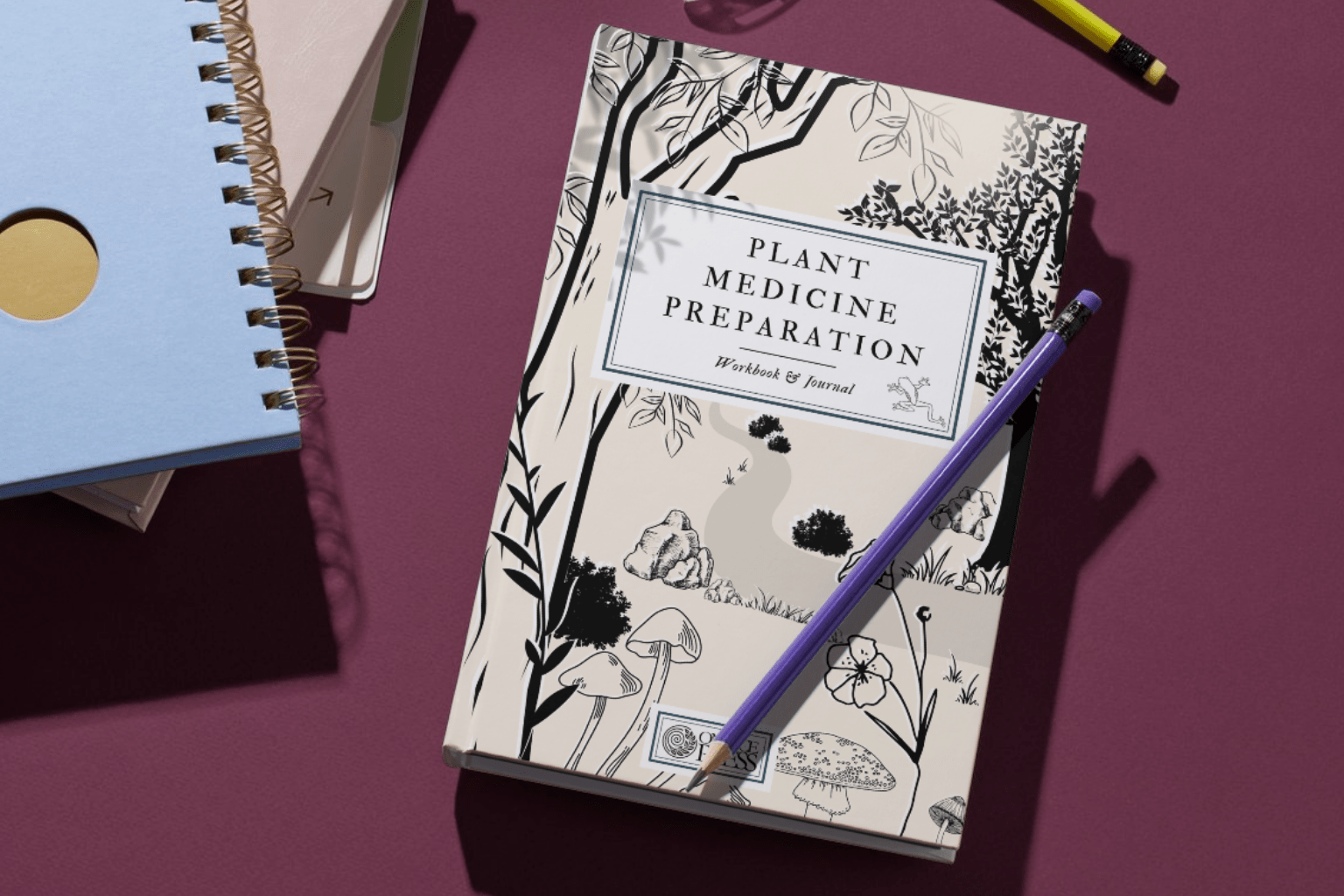
Plant Medicine Preparation
Plan your entire journey, from travel & expenses to intentions & integration.
Navigating Emotional and Psychological Landscapes During a Ceremony
While the potential for healing is significant, plant medicine ceremonies can also bring intense emotions and challenging psychological states to the surface. Being prepared to navigate these experiences is essential for maximizing the therapeutic benefits and ensuring a safe and transformative journey.
Strategies for Managing Challenging Emotions
- Set Clear Intentions: Before the ceremony, set clear and positive intentions. This can provide a sense of direction and purpose, helping you stay focused on your healing goals during challenging moments. Intentions act as a guiding star, reminding you why you embarked on this journey.
- Practice Mindfulness: Mindfulness techniques can help you stay present and grounded during the ceremony. Focus on your breath, observe your thoughts without judgment, and allow emotions to flow through you. Mindfulness can reduce anxiety and enhance your ability to process difficult experiences.
- Develop a Support System: Ensure you have a trusted support system in place, both during and after the ceremony. This can include the presence of a trained facilitator or shaman, as well as friends or loved ones who can offer emotional support and guidance.
- Embrace Surrender: One of the most challenging yet crucial aspects of a plant medicine journey is learning to surrender. Trust the process and allow the medicine to guide you. Resistance can amplify fear and discomfort, while surrender can lead to profound insights and healing.
- Use Grounding Techniques: If you feel overwhelmed, use grounding techniques to reconnect with your physical body and the present moment. This can include physical touch (holding an object, feeling the ground beneath you), deep breathing, or visualizing a safe space.
- Integrate Your Experience: Post-ceremony integration is vital for making sense of your journey and incorporating the lessons learned into your daily life. Journaling, therapy, and community support can facilitate this process, helping you translate insights into meaningful changes.

Case Studies and Research Findings
Ayahuasca and Trauma Healing
A study published in the journal Psychopharmacology examined the effects of Ayahuasca on patients with treatment-resistant depression. The researchers found that Ayahuasca significantly reduced depressive symptoms and increased feelings of well-being, with many participants reporting insights into their traumatic experiences and an enhanced sense of self-acceptance.
Psilocybin and PTSD
Research conducted by the Multidisciplinary Association for Psychedelic Studies (MAPS) has explored the use of psilocybin for treating post-traumatic stress disorder (PTSD). Preliminary findings suggest that psilocybin can reduce PTSD symptoms and improve emotional regulation, helping individuals process traumatic memories in a safe and controlled environment.
San Pedro and Emotional Healing
San Pedro, a cactus containing mescaline, has been used traditionally in Andean cultures for emotional and spiritual healing. Contemporary studies have shown that San Pedro can facilitate emotional release and foster a sense of connection and empathy, which are essential for trauma recovery.

Choosing the Right Shaman or Facilitator
Selecting a qualified and trustworthy shaman or facilitator is crucial for a safe and effective plant medicine journey. Here are some tips to help you choose the right guide:
Qualifications and Experience
Look for a shaman or facilitator with extensive experience and proper training. They should have a deep understanding of the plant medicine, its effects, and the ceremonial practices. Additionally, check their background for any certifications or affiliations with reputable organizations.
Reputation and Reviews
Research the shaman or facilitator’s reputation. Read reviews and testimonials from previous participants to gain insights into their experiences. A trustworthy guide will have positive feedback and a history of facilitating safe and transformative ceremonies.
Ethical Practices
Ensure that the shaman or facilitator adheres to ethical practices. They should prioritize the safety and well-being of participants, respect cultural traditions, and avoid exploiting individuals financially or emotionally. Be wary of any red flags, such as pressure to participate or exorbitant fees.
Personal Connection
A good rapport and personal connection with the shaman or facilitator are essential. Trust your intuition and choose someone you feel comfortable with. This connection can enhance your sense of safety and support during the ceremony.
Plant Medicine Preparation
Plan your entire journey, from travel & expenses to intentions & integration.
The Healing Power of Community
Healing trauma with plant medicines is not only an individual journey but also a communal one. Many indigenous cultures emphasize the importance of community support and shared experiences in the healing process. Engaging with a supportive community can provide additional layers of healing and integration.
Community Integration Circles
Participating in integration circles or support groups can be incredibly beneficial. These gatherings provide a safe space to share experiences, receive support, and gain new perspectives. They can help you feel connected and understood, reducing feelings of isolation that often accompany trauma.
Sharing Your Journey
Sharing your journey with others can also reinforce your healing process. Talking about your experiences, insights, and challenges can help solidify the lessons learned and provide opportunities for mutual support and growth.

Conclusion: Plant Medicines Provide Promising Potentials for Healing Trauma
Healing trauma with plant medicines is a profound journey that requires careful preparation, intention setting, and emotional readiness. The integration of ancient wisdom and modern therapeutic practices offers a unique and powerful approach to trauma recovery. By navigating emotional and psychological landscapes with mindfulness, support, and surrender, individuals can unlock deep healing and transformation.
Remember that this journey is deeply personal and unique to each individual. Trust the process, seek qualified guidance, and embrace the support of your community. With the right preparation and mindset, plant medicines can help you heal trauma, rediscover your true self, and embark on a path towards wholeness and well-being.
Additional Resources
- “Psilocybin with psychological support for treatment-resistant depression: six-month follow-up.” Carhart-Harris, R. L., et al. (2018). Read the study here.
- “The Psychedelic Explorer’s Guide: Safe, Therapeutic, and Sacred Journeys” by James Fadiman – A comprehensive guide to the therapeutic use of psychedelics. Available on Amazon.
- “The Role of Intentions in Shamanic Healing” by Stanley Krippner – A scholarly article on the significance of intentions in shamanic practices. Accessible via ResearchGate.
- MAPS (Multidisciplinary Association for Psychedelic Studies) – An organization dedicated to the research and integration of psychedelic experiences. Learn more at MAPS.org.
- Psychedelic Science Review – An online resource providing research-based articles on various aspects of psychedelic science. Explore at PsychedelicReview.com.
- “Rapid antidepressant effects of the psychedelic Ayahuasca in treatment-resistant depression: a randomized placebo-controlled trial.” Palhano-Fontes, F., et al. (2019). Read the study here.
- “Plants of the Gods: Their Sacred, Healing, and Hallucinogenic Powers” by Richard Evans Schultes and Albert Hofmann – An in-depth exploration of the use of psychoactive plants in various cultures. Available on Amazon.
Planning a Journey?
Enhance your experiences with
Plant Medicine Preparation
Packed with thoughtful worksheets, from researching plant medicines and retreat centers to planning your dieta, travel, and setting powerful intentions.
Includes reflective journal prompts designed to deepen your preparation process and ensure a transformative experience.
Whether you’re a seasoned explorer or a curious beginner, our workbook will support and elevate your journey every step of the way. Get ready to embark on a life-changing adventure with clarity and confidence – Grab your copy today and start preparing for your most profound journey yet!
Insiders:
*For Full Download Instructions, Visit Your Member Benefits Portal
