
Duration: 27 minutes
Indigenous cultures have long worked with plant medicines as sacred tools for healing, spiritual growth, and emotional resilience. These traditions recognize that plant medicines are not merely substances but intelligent allies that promote deep transformation. While Western medicine long dismissed their value, modern science is now confirming what ancient traditions have always known—these plants have profound effects on the mind, body, and spirit.
Research on psilocybin (magic mushrooms), DMT (ayahuasca), ibogaine (iboga), and mescaline (San Pedro and peyote) is revealing their ability to promote neuroplasticity, reduce trauma responses, and enhance emotional well-being. Leading institutions, including Johns Hopkins University and Imperial College London, have demonstrated that even a single plant medicine experience can result in long-term improvements in mental health, addiction recovery, and emotional resilience.
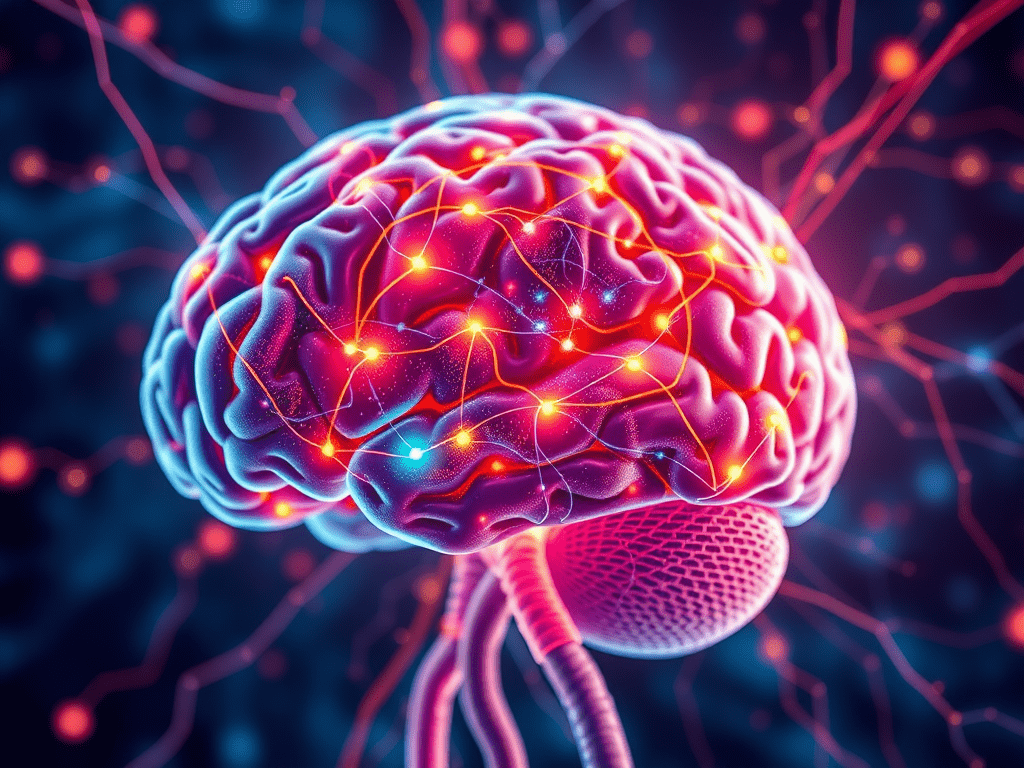
These benefits are linked to how plant medicines interact with the brain. Many of these substances work by activating serotonin 5-HT2A receptors, increasing connectivity between different brain regions, and temporarily quieting the Default Mode Network (DMN)—the system responsible for self-referential thinking and rumination. Overactivity in the DMN is associated with depression, anxiety, and PTSD, and its disruption through plant medicine allows new perspectives and emotional breakthroughs to emerge.
Beyond neurological effects, these substances also reduce inflammation, improve gut health, and regulate fear responses in the amygdala, creating a holistic approach to healing. As research continues, it is becoming evident that plant medicine is not only an ancient practice but also a key part of the future of mental health. Let’s continue to explore how these medicines transform the brain, heal trauma, and restore emotional balance, bridging the wisdom of traditional medicine with modern scientific understanding.

The Science of Healing the Mind
For decades, mainstream psychiatry has relied on pharmaceutical treatments for mental health disorders, yet conditions like depression, PTSD, and anxiety remain widespread and often resistant to conventional therapies. Plant medicines such as psilocybin, ayahuasca, iboga, and San Pedro offer a radically different approach—one that enhances neuroplasticity, helps process trauma, and fosters emotional resilience.
Emerging research is confirming what Indigenous traditions have long known: these plant medicines restructure neural pathways, allow for deep emotional processing, and unlock new cognitive and psychological possibilities. Understanding the science behind these effects can provide greater insight into why plant medicine is so effective at healing the mind and why it is being increasingly recognized as a transformative tool for mental health.
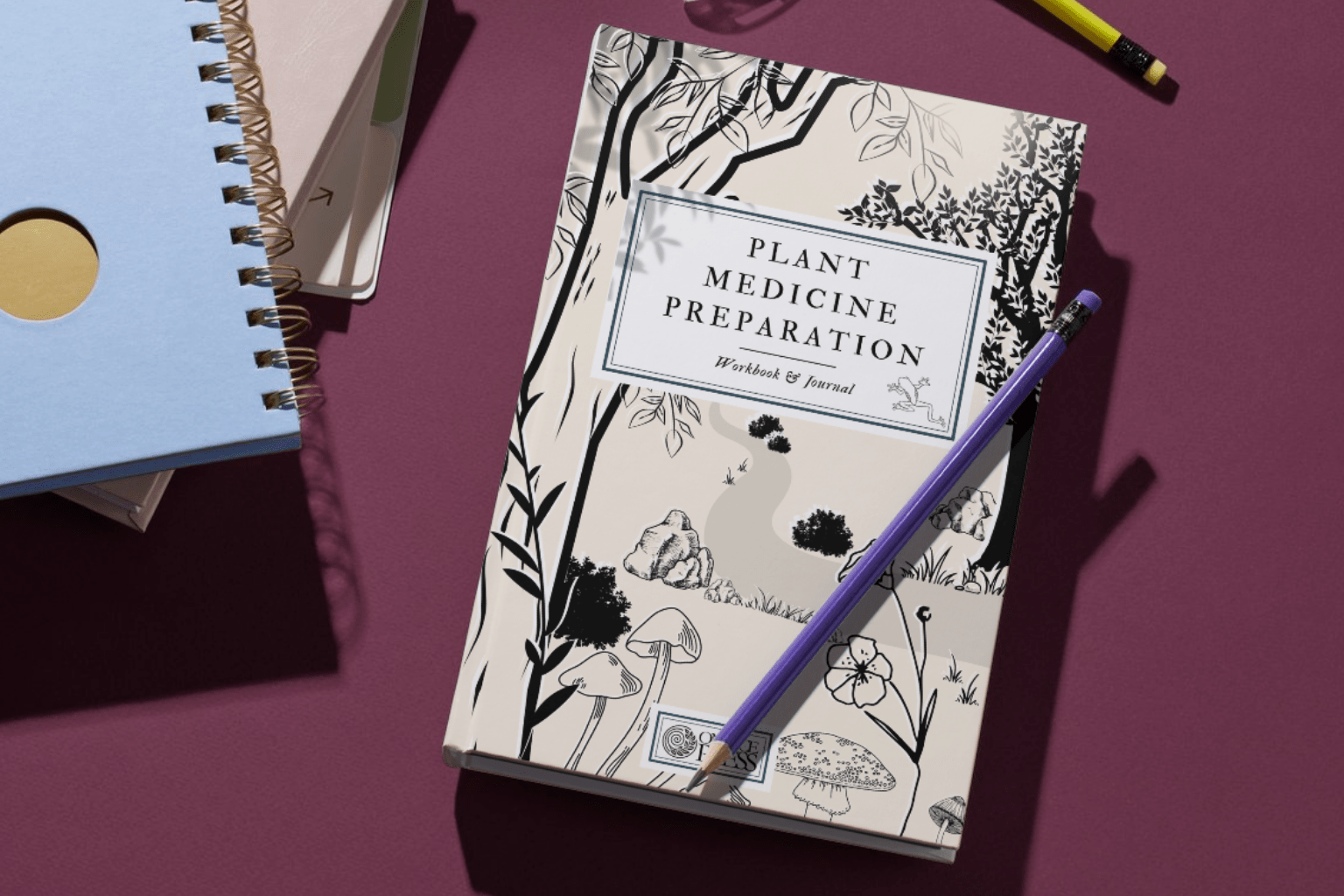
Plant Medicine Preparation
Plan your entire journey, from travel & expenses to intentions & integration.
The Role of Neuroplasticity
Neuroplasticity is the brain’s ability to reorganize itself by forming new neural connections in response to experience. This process allows for learning, adaptation, and healing, but in cases of mental illness, neuroplasticity can become restricted, leading to rigid thought patterns, emotional distress, and maladaptive behaviors.
Many mental health disorders—including depression, PTSD, and anxiety—are characterized by dysfunctional neural circuits that reinforce negative thinking and emotional pain. Traditional antidepressants like SSRIs work by increasing serotonin levels, but they often take weeks to work and may not promote meaningful structural changes in the brain.
Plant medicines, on the other hand, directly stimulate neuroplasticity by activating serotonin 5-HT2A receptors. These receptors play a key role in perception, emotion, and cognitive flexibility, and their activation triggers new synaptic connections, enhanced communication between brain regions, and a restructuring of maladaptive thought patterns.
Psilocybin and Neural Growth
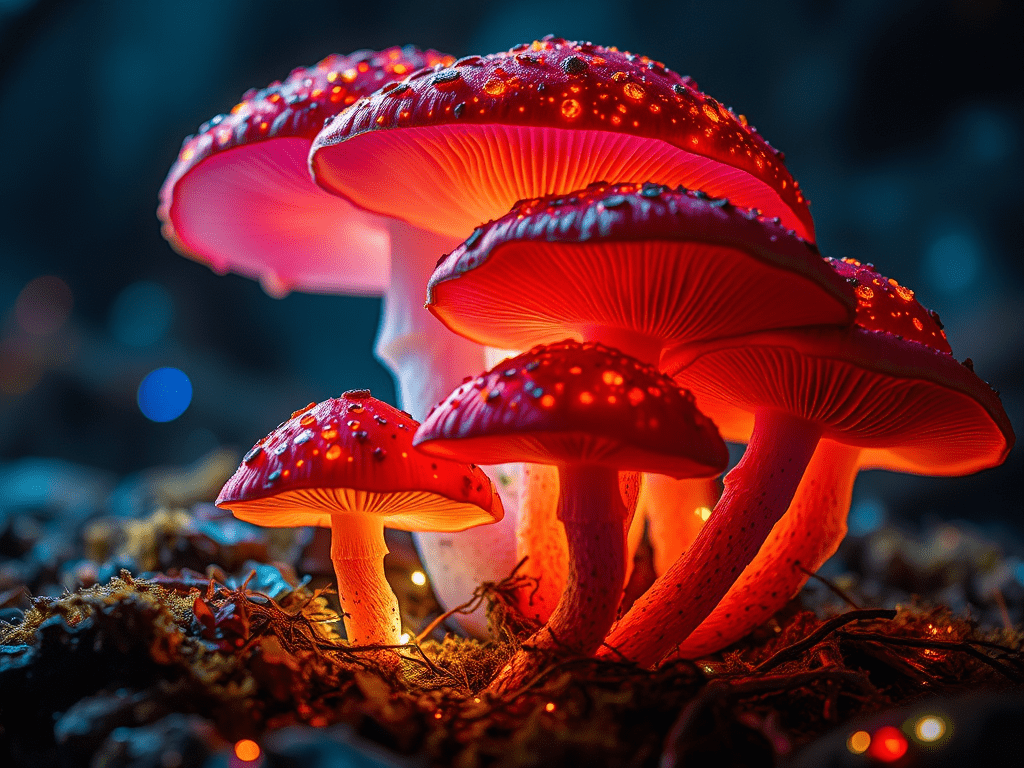
Psilocybin—the active compound in magic mushrooms—has been found to increase neural connectivity, reduce depression, and help break repetitive negative thought loops. A groundbreaking study published in Nature found that psilocybin therapy led to increased synaptic density and long-lasting improvements in mood after just a single session.
Studies published by Oxford University Press revealed that psilocybin temporarily reduces activity in the Default Mode Network (DMN)—the brain system responsible for self-referential thinking, rumination, and ego-driven narratives. Overactivity in the DMN is linked to depression and anxiety, and its suppression allows for greater cognitive flexibility, emotional openness, and new insights into personal challenges.
Ayahuasca and Emotional Memory
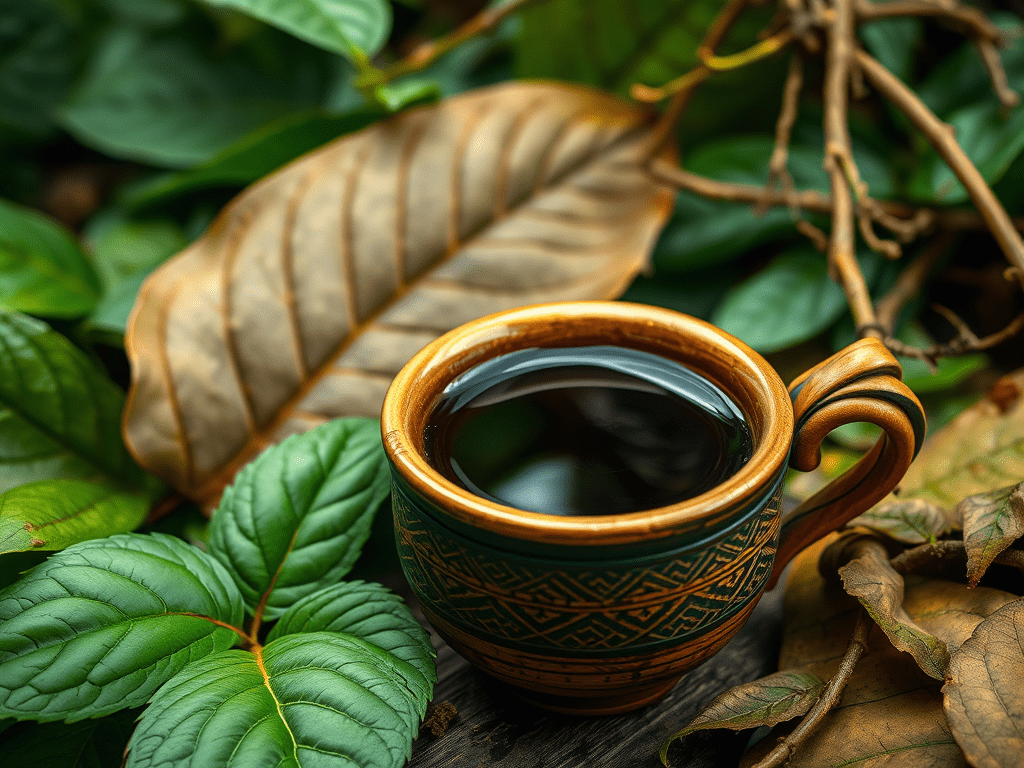
Ayahuasca, a plant-based brew used in Amazonian healing traditions, contains DMT (dimethyltryptamine) and MAO inhibitors, creating a prolonged psychedelic state that allows for deep emotional processing. Research suggests that ayahuasca helps reconsolidate traumatic memories, meaning that past painful experiences can be reprocessed in a way that promotes healing rather than re-traumatization.
A study published in Frontiers in Pharmacology found that ayahuasca reduces amygdala hyperactivity, which is commonly seen in PTSD patients. The amygdala is responsible for fear and emotional responses, and when it is overactive, it can cause sufferers to become stuck in cycles of anxiety, flashbacks, and hypervigilance. By modulating this response, ayahuasca allows individuals to face past traumas with greater emotional distance and less fear.
Additionally, ayahuasca increases Mindfulness-Related Capacities (MRCs)—psychological traits such as emotional acceptance, cognitive flexibility, and increased present-moment awareness. These traits are associated with long-term resilience and reduced depressive symptoms, making ayahuasca a powerful tool for emotional transformation.
Plant Medicine Integration
Capture insights, record experiences, & integrate your medicine journey.

How Plant Medicine Facilitates Trauma Recovery
The Psychological Burden of Trauma
Trauma deeply affects both the brain and the body, often leaving those afflicted stuck in survival states that manifest as hypervigilance, dissociation, or emotional numbness. Conventional psychotherapy, while effective for many, often falls short when it comes to helping individuals fully process and release deeply embedded trauma.
Plant medicines offer a unique mechanism for trauma recovery by allowing individuals to access repressed emotional experiences, confront them safely, and integrate new perspectives into their healing journey. Let’s look at some specific examples and the plant medicines associated with these powerful solutions.

Ibogaine and the Dopaminergic System
Ibogaine, a psychoactive compound derived from the iboga root, is particularly powerful in rewiring addiction-related neural pathways and helping individuals recover from trauma and substance dependence. Unlike traditional psychedelics, ibogaine primarily acts on the dopaminergic and opioid systems, which regulate motivation, pleasure, and habit formation.
One of ibogaine’s most remarkable properties is its ability to reset the brain’s reward system, making it especially useful in treating opioid addiction and compulsive behaviors. Studies conducted by MAPS (Multidisciplinary Association for Psychedelic Studies) found that a single dose of ibogaine significantly reduced opioid withdrawal symptoms and cravings, with many participants maintaining long-term sobriety.
Beyond addiction treatment, ibogaine promotes deep introspection and emotional healing, allowing individuals to revisit traumatic memories with heightened clarity and detachment. This process facilitates a sense of closure and resolution, helping individuals break free from emotional pain that may have haunted them for years.
San Pedro and Emotional Resilience
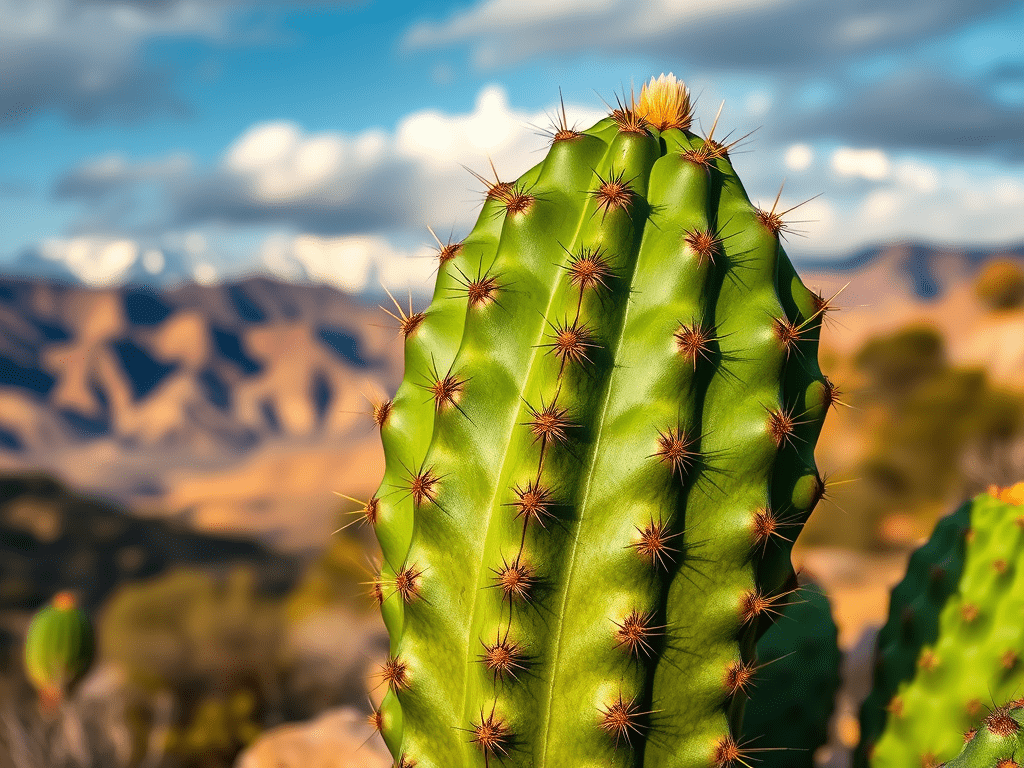
San Pedro, also known as Huachuma, is a mescaline-containing cactus that has been used in Andean healing traditions for thousands of years. Unlike more intense psychedelics, San Pedro produces a gentle, heart-opening effect that enhances self-awareness, emotional connection, and spiritual insight.
Mescaline, the active compound in San Pedro, stimulates serotonin receptors in a way that promotes neuroplasticity, creativity, and emotional resilience. One of its most notable effects is its ability to help individuals process emotions in a gentle yet profound way, making it particularly effective for those dealing with grief, depression, or existential distress.
San Pedro is often described as a stabilizing and introspective medicine, allowing individuals to reflect on their lives without overwhelming emotional intensity. This makes it a valuable tool for developing emotional intelligence, fostering self-compassion, and cultivating long-term psychological resilience.

Plant Medicine Companion
Support for your journey of transformation, from planning through to integration:
The Long-Term Impact
The therapeutic effects of plant medicine extend far beyond the immediate psychedelic experience. Studies have shown that even a single session with plant medicine can produce long-lasting improvements in mood, cognitive flexibility, and overall mental health.
One study conducted by Johns Hopkins University found that individuals who underwent psilocybin-assisted therapy reported increased life satisfaction, improved emotional relationships, and a greater sense of personal meaning for months to years after the experience. Similarly, research on ayahuasca suggests that it leads to sustained improvements in depression, increased emotional regulation, and enhanced self-awareness.
Additionally, many individuals who work with plant medicine report experiencing greater emotional intelligence, a heightened sense of empathy, and an increased ability to navigate life’s challenges with resilience. These psychological transformations often translate into lasting behavioral changes, including healthier relationships, improved self-care, and a deeper connection to one’s purpose.

The Science of Healing the Body
While plant medicine is widely recognized for its profound effects on the mind and emotional well-being, its impact on the body is equally transformative. Recent research suggests that psychedelics and plant-based entheogens such as psilocybin, ayahuasca, iboga, and San Pedro contribute to reducing inflammation, enhancing immune function, and promoting cellular regeneration. These physiological benefits have far-reaching implications for chronic pain management, autoimmune disorders, neurodegenerative diseases, and overall physical health.
Inflammation and Disease
Chronic inflammation is a key driver of many modern diseases, including autoimmune disorders, depression, cardiovascular disease, and neurodegenerative conditions like Alzheimer’s and Parkinson’s. Inflammation is the body’s natural response to injury or infection, but when it becomes prolonged or dysregulated, it can lead to widespread damage in the nervous system, organs, and joints.

Plant medicines have demonstrated powerful anti-inflammatory properties, helping to regulate the body’s immune response and reduce systemic inflammation. Psychedelics like psilocybin, DMT, and mescaline work by interacting with serotonin receptors (5-HT2A), which are involved in immune signaling and inflammatory control.
Studies have found that psilocybin significantly reduces pro-inflammatory cytokines, the molecules responsible for triggering chronic inflammation. This discovery has major implications for treating autoimmune diseases such as rheumatoid arthritis, lupus, and Crohn’s disease, as well as inflammatory-related mental health conditions like depression and anxiety.
The implications of all this are staggering. Research suggests that these plant medicines support the immune system by promoting cellular repair and reducing the damage caused by inflammation-related disorders. Additionally, because ayahuasca and iboga contain powerful antioxidant and anti-inflammatory compounds, they are being looked at for their potential to neutralize oxidative stress—a process linked to aging and chronic disease.
Plant Medicine Preparation
Plan your entire journey, from travel & expenses to intentions & integration.
Digestive and Immune Health
Recent scientific discoveries highlight the critical role of the gut microbiome in mental and physical health. The gut is home to trillions of microbes that influence everything from mood and cognition to immune function and inflammation. Many neurological and autoimmune disorders are now linked to gut dysbiosis, or an imbalance of bacteria in the digestive system.
Psychedelics like psilocybin and ayahuasca have been found to positively influence gut health by:
- Increasing gut microbiome diversity, which is essential for overall health.
- Regulating serotonin production, as 90% of the body’s serotonin is produced in the gut.
- Reducing inflammatory gut conditions, such as irritable bowel syndrome (IBS) and Crohn’s disease.
Ayahuasca itself has long been traditionally used in the Amazon for digestive healing, with its purgative effects believed to cleanse the body of toxins and parasites. Modern research is finally catching up, indicating that ayahuasca’s active compounds interact with serotonin receptors in the gut, potentially restoring balance to the microbiome and enhancing immune resilience.

Neural Repair
We’ve already seen how ibogaine, the active alkaloid in the iboga plant, is renowned for its ability to reset the brain’s neurochemical balance, making it a powerful tool for addiction recovery and neurological healing. However, its benefits extend beyond merely the functions of the mind—it has been shown to actually stimulate neurogenesis (the growth of new brain cells) and repair damaged neurons.
Studies have found that ibogaine increases the production of glial cell line-derived neurotrophic factor (GDNF), a protein essential for neural regeneration. This has significant implications for neurodegenerative diseases like Parkinson’s and multiple sclerosis (MS), as well as brain damage caused by substance abuse.
Beyond the nervous system, ibogaine also plays a role in cellular detoxification. Many individuals who undergo ibogaine treatment report a profound physical reset, often described as a “system reboot” for both mind and body. This suggests that iboga may work at a deep cellular level to promote healing and resilience.

Chronic Pain and Autoimmune Disorders
Emerging research suggests that psychedelics may be effective in treating chronic pain conditions and autoimmune diseases, which are often resistant to conventional therapies. Many chronic pain conditions—such as fibromyalgia, migraines, and neuropathy—are now understood to involve maladaptive neural circuits and heightened inflammatory responses.
Studies have found that low-dose psilocybin reduced pain perception and improved quality of life in patients with chronic pain disorders. The researchers suggested that psilocybin’s effects on neuroplasticity may help rewire pain-related neural pathways, reducing the intensity and emotional burden of chronic pain.
Plant Medicine Integration
Capture insights, record experiences, & integrate your medicine journey.
Ayahuasca, with its potent anti-inflammatory properties, has also been studied for its potential in treating autoimmune conditions. The brew contains harmala alkaloids, which act as monoamine oxidase inhibitors (MAOIs) and neuroprotective agents, reducing inflammation and modulating the immune response.
Preliminary studies suggest that ayahuasca may help regulate the immune system in conditions like multiple sclerosis, lupus, and rheumatoid arthritis. Additionally, anecdotal reports from ayahuasca users describe significant relief from chronic pain, autoimmune symptoms, and other physical ailments, reinforcing the idea that the plant’s healing effects extend far beyond the psychological realm.

The Cardiovascular System
San Pedro, or Huachuma, has long been used in Andean medicine for its heart-opening and physically rejuvenating properties. Beyond its emotional effects, San Pedro positively influences cardiovascular health by promoting circulation, reducing blood pressure, and acting as a vasodilator.
Mescaline, the active compound in San Pedro, has been shown to reduce stress-related inflammation and enhance blood flow to the brain and muscles, supporting heart health and overall vitality. Traditional use of San Pedro often includes long walks or pilgrimages, allowing participants to experience heightened endurance and physical rejuvenation.
Scientific research into mescaline’s effects on cardiovascular function is still in its early stages, but initial studies suggest that it may help regulate autonomic nervous system responses, improving stress resilience and reducing hypertension. This also aligns with Indigenous wisdom, which sees San Pedro as a plant that balances the body’s energy and strengthens the heart, both physically and emotionally.
The Science of Healing the Spirit
While the physical and psychological benefits of plant medicine are becoming increasingly well-documented, perhaps the most profound and transformative aspect of these substances lies in their effects on consciousness itself. Across cultures, individuals who have engaged with ayahuasca, psilocybin, iboga, and San Pedro often report mystical experiences, profound insights, and a deep sense of interconnectedness with life, nature, and the universe.
These states of awareness have been described in spiritual, philosophical, and scientific terms, leading researchers to explore how psychedelics influence consciousness, self-perception, and the human capacity for healing and transformation. By examining the neuroscience of mystical experiences, the role of psychedelics in existential and end-of-life anxiety, and the growing integration of spiritual wisdom with modern science, we can begin to understand the holistic potential of plant medicine as a bridge between mind, body, and spirit.
Plant Medicine Companion
Support for your journey of transformation, from planning through to integration:
Mystical Experiences and Ego Dissolution
One of the most commonly reported effects of psychedelics is a loss of ego-boundaries and an overwhelming sense of unity—an experience often described as “ego dissolution.” Research suggests that this phenomenon is closely linked to reduced activity in the Default Mode Network (DMN), the brain system responsible for self-referential thinking, identity formation, and the separation between self and other.
A landmark study at Johns Hopkins University found that high-dose psilocybin sessions often lead to profound mystical experiences, characterized by:
- A sense of unity—feeling deeply connected to all life, nature, or the cosmos.
- A transcendence of time and space—experiencing reality beyond the usual constraints of linear perception.
- A deep emotional or spiritual awakening—feeling profound love, understanding, or divine presence.
- A lasting transformation in worldview—experiencing a shift in values, priorities, or life direction.

Neuroimaging studies reveal that psilocybin increases global brain connectivity, allowing different regions of the brain to communicate in novel ways. This temporarily disrupts fixed patterns of thought, perception, and identity, leading to radical shifts in self-awareness, creativity, and personal meaning.
Similarly, ayahuasca has been found to enhance activity in the prefrontal cortex while simultaneously reducing activity in the amygdala, creating a state where individuals can confront deep-seated emotional patterns with clarity and reduced fear. This contributes to the spiritual and existential insights commonly reported in ayahuasca ceremonies, leading to increased acceptance, gratitude, and emotional resilience.

Addressing Existential and End-of-Life Anxiety
One of the most promising applications of psychedelics is their ability to reduce existential distress in individuals facing terminal illness. Clinical studies have shown that psilocybin-assisted therapy provides deep emotional relief for patients dealing with cancer, chronic disease, and end-of-life anxiety.
A study at Johns Hopkins University found that a single session of psilocybin therapy led to significant reductions in death anxiety, with many participants describing:
- A newfound sense of peace and acceptance about mortality.
- A shift from fear to gratitude—seeing life as a sacred and interconnected experience.
- An increased ability to live fully in the present, free from the burden of existential dread.
Similar effects have been observed in ayahuasca ceremonies, where individuals often describe meeting deceased loved ones, connecting with a greater intelligence, or experiencing a state of expanded awareness that transcends physical existence. These experiences align closely with traditional spiritual perspectives on death and rebirth, suggesting that plant medicine may offer a unique bridge between science, spirituality, and the human quest for meaning.
Plant Medicine Preparation
Plan your entire journey, from travel & expenses to intentions & integration.
The Integration of Science and Spirituality
The modern scientific study of plant medicine is increasingly converging with ancient spiritual traditions, highlighting the shared principles between Indigenous wisdom and contemporary neuroscience. Across cultures, plant medicine has been used as a tool for:
- Inner exploration and self-discovery—helping individuals confront their deepest fears, desires, and unresolved emotions.
- Reconnection to nature and the cosmos—promoting ecological awareness and a sense of responsibility toward the planet.
- Healing through surrender and acceptance—teaching individuals to release control and trust in the healing process.
The growing psychedelic-assisted therapy movement is now incorporating spiritual frameworks into clinical settings, recognizing that the transformative power of these substances is not purely chemical but deeply tied to the psychological, emotional, and even mystical dimensions of human experience. The resurgence of ritual, intention-setting, and integration practices in psychedelic therapy reflects an important shift: a return to holistic healing approaches that honor the interconnected nature of mind, body, and spirit.

Conclusion: Scientific Exploration Heralds the Future of Plant Medicine
Scientific research is increasingly validating what Indigenous cultures have long known—plant medicines hold immense potential for healing the mind, body, and spirit. By promoting neuroplasticity, emotional resilience, immune regulation, and consciousness expansion, these substances offer a holistic approach to wellness that modern medicine is only beginning to understand.
As psychedelics move toward mainstream acceptance, it is crucial to approach their use responsibly, ensuring that healing practices remain ethical, sustainable, and respectful of Indigenous traditions. The commercialization of plant medicine risks erasing its spiritual and cultural significance, making it imperative to support conservation efforts, protect sacred ecosystems, and advocate for policy changes that prioritize access and safety.
This emerging era of plant medicine is more than a scientific breakthrough—it is a call to conscious engagement. By integrating ancient wisdom with modern research, we can harness the full potential of these sacred plants for personal growth, collective healing, and the evolution of human consciousness.
Want the Full Experience?
Navigate your journey with
Plant Medicine Companion
Packed with thoughtful worksheets; from pre-journey research and intentions, through ceremony logs and recording experiences, to symbolism research and support considerations after you’re done.
Includes reflective pre- and post-journal prompts designed to deepen your planning and integration, supporting ongoing transformation.
This holistic tool will elevate your plant medicine journey, every step of the way. Enrich each phase of your life-changing adventure with awareness—Order your copy today!
Insiders:
*For Full Download Instructions, Visit Your Member Benefits Portal
