

Plant medicine ceremonies, involving sacred substances such as ayahuasca, psilocybin mushrooms, peyote, and others, offer participants profound opportunities for personal growth, emotional healing, and spiritual awakening. These ceremonies can bring about powerful and transformative experiences, often revealing deep-seated traumas, uncovering hidden truths, and providing guidance for personal development. However, the true potential of these experiences is harnessed through integration, especially when they are promptly and thoughtfully reflected upon.
Let’s explore the importance of capturing our impressions post-ceremony, including guidance on how to document these initial thoughts and feelings. We will also look at some tips for decoding the journey, interpreting symbols and messages commonly encountered during plant medicine ceremonies. Finally, we will consider a framework that can help us interpret our own experiences, recollecting all these tools so that we can turn our plant medicine journeys into lasting, positive change.

The Importance of Capturing Our Impressions Post-Ceremony
The period following a plant medicine ceremony is a great time for reflection and integration. The insights, emotions, and visions experienced during the ceremony are fresh and vivid. Capturing these initial impressions helps to anchor the experiences, ensuring they are not lost or forgotten. Here are some key reasons why it is important to document your post-ceremony reflections:
Anchoring Insights
The insights gained during a plant medicine ceremony can be fleeting. By capturing them soon after the ceremony, you create a record that can be revisited and reflected upon. This helps to solidify the insights, making them more tangible and accessible for future integration work.
Emotional Processing
The immediate post-ceremony period can be an emotionally charged time. Documenting your feelings and emotions can provide a release, helping to process and understand the intensity of the experience. This can also aid in identifying patterns and themes that may require further exploration.

Clarity and Understanding
Writing down your initial thoughts and experiences can help to clarify and make sense of the ceremony. It allows you to externalize and organize your thoughts, providing a clearer picture of the insights and messages received.
Foundation for Integration
Immediate reflections serve as a foundation for the ongoing integration process. They provide a starting point for deeper exploration and understanding, guiding your personal growth and transformation journey.

How to Document Initial Thoughts and Feelings
Post-ceremony reflections can take many forms, including journaling, voice recording, drawing, or any other creative expression that feels natural to you. Here are some practical tips and example journaling prompts to help you get started:
Practical Tips for Post-Ceremony Reflections
- Create a Sacred Space: Find a quiet and comfortable space where you can reflect without distractions. This could be a quiet room or a peaceful outdoor setting.
- Use Pen and Paper: While digital tools can be convenient, using pen and paper can create a more intimate and reflective experience. The act of writing by hand can also help to slow down your thoughts and deepen your connection to the reflections.
- Be Honest and Authentic: Allow yourself to be vulnerable and honest in your reflections. There is no right or wrong way to document your experience. Trust your intuition and let your thoughts flow freely.
- Include Sensory Details: Capture the sensory details of your experience, such as sights, sounds, smells, and physical sensations. These details can help to evoke the emotions and insights of the ceremony more vividly.
- Take Your Time: Don’t rush the process. Allow yourself ample time to reflect and write. The integration process is ongoing, and you can revisit and add to your reflections as needed.

Ideas for Journaling Prompts
- Describe the Ceremony: Write a detailed account of the ceremony, including the setting, participants, and any significant events. What stood out to you the most?
- Emotional Landscape: Reflect on your emotional state before, during, and after the ceremony. What emotions did you experience? How did they change throughout the process?
- Visions and Insights: Document any visions, insights, or messages you received during the ceremony. What symbols or imagery stood out? What do you think they mean?
- Physical Sensations: Describe any physical sensations you experienced during the ceremony. How did your body feel? Were there any notable changes throughout?
- Personal Reflections: Reflect on how the ceremony has impacted your sense of self. What have you learned about yourself? How has your perspective changed?
- Intended Changes: Write about any changes or actions you feel called to make as a result of the ceremony. What steps can you take to integrate these insights into your daily life?
Decoding the Journey: Interpreting Symbols and Messages from Plant Medicine
Plant medicine ceremonies often involve vivid visions, symbols, and messages that can be rich with meaning. Understanding and interpreting these symbols can provide valuable insights into your personal growth and healing journey. Here are some tips for decoding the journey and exploring common symbols encountered during plant medicine ceremonies:
Common Symbols and Their Meanings
- Animals: Animals often appear in plant medicine visions and can carry significant symbolic meanings. For example, a snake might symbolize transformation and healing, while an eagle could represent vision and higher perspective.
- Nature Elements: Elements of nature, such as water, fire, earth, and air, can represent different aspects of your inner world. Water might symbolize emotions and the subconscious, while fire could represent purification and transformation.
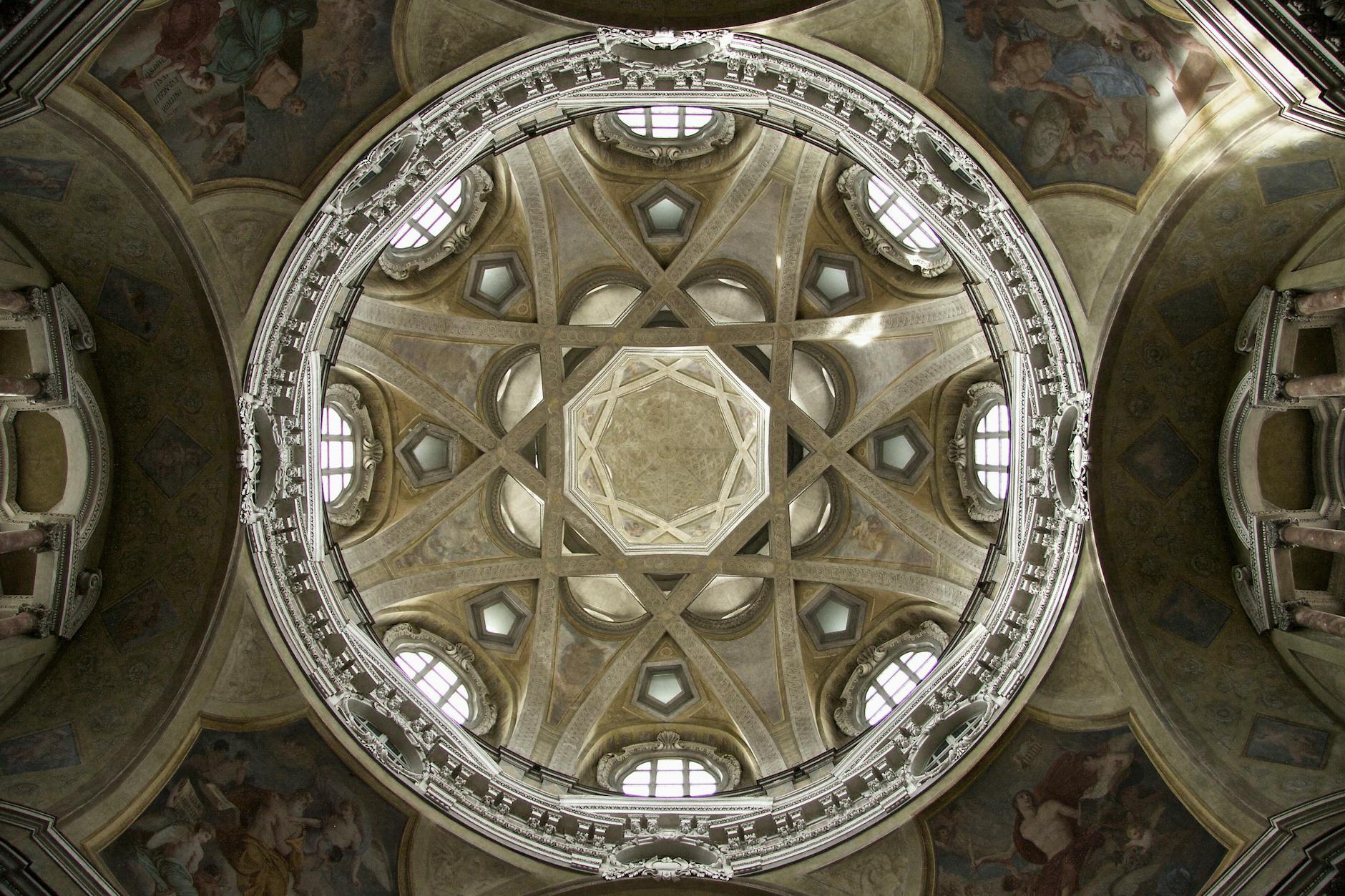
- Geometric Patterns: Geometric patterns, such as mandalas or sacred geometry, can symbolize the interconnectedness of all things and the underlying order of the universe.
- Ancestral Figures: Encountering ancestral figures or spirits can represent a connection to your lineage and heritage. They might offer guidance, wisdom, or healing related to your family or cultural background.
- Light and Darkness: Light and darkness can symbolize different aspects of your psyche, such as awareness and shadow. Encounters with these elements might highlight areas of growth or healing.

Symbol Interpretation Exercise
Symbols can help to take us on deep inner explorations throughout our integration processes. To experiment with these potentials, choose a symbol or message from your plant medicine ceremony and use the following exercise to explore its meaning further:
- Draw or Write About the Symbol: Create a visual representation of the symbol or write a detailed description. Include any emotions or sensations associated with it.
- Personal Associations: Reflect on what the symbol means to you personally. What memories, feelings, or thoughts does it evoke?
- Research Universal Meanings: Look up the symbol in cultural or spiritual contexts. What common meanings or interpretations are associated with it?
- Contextual Reflection: Consider the context in which the symbol appeared. How does this context influence its meaning?
- Intuitive Exploration: Spend a few moments in quiet reflection or meditation, focusing on the symbol. Allow any additional insights or meanings to arise.

A Framework for Interpreting Your Own Experiences
Interpreting your own plant medicine experiences is a deeply personal and intuitive process. Here is a possible framework to help you make sense of your journey post-ceremony:
- Reflect on Personal Significance: Consider what the symbols, messages, and sensations you experience mean to you personally. How do they relate to your life, experiences, and beliefs? Personal associations can provide valuable clues to the significance these experiences have for us.
- Explore Cultural and Universal Meanings: Research the cultural and universal meanings of the symbols you encountered. Many symbols have shared meanings across different cultures and spiritual traditions. Comparing these meanings with your personal reflections can offer additional insights.
- Consider the Context: Reflect on the context in which the sensation, symbol, or message appeared. What was happening in the ceremony at that time? How did you feel? The context can provide important clues to the meaning of the experience.
- Tune into Your Intuition: Trust your intuition and inner knowing. Your subconscious mind often communicates through symbols and metaphors. Allow yourself to feel into the meaning rather than trying to analyze it logically.
- Seek Guidance from Others: Share your experiences with trusted friends, mentors, or spiritual guides. They might offer new perspectives or insights that resonate with you. Keeping in mind that the ultimate interpretation lies within you.

Conclusion: Post-Ceremony Reflections Enhance Understanding of Plant Medicine Experiences
Capturing and reflecting on our impressions post-ceremony is a powerful step in the integration process of plant medicines. By documenting our initial thoughts and feelings, we anchor the insights and experiences from the ceremony, providing a foundation for our ongoing personal growth and transformation. Furthermore, researching and interpreting the symbols and messages encountered during plant medicine ceremonies can offer profound insights into our inner worlds and help guide us through integration.
Remember, the integration process is unique to each individual. Trust your intuition, be patient with yourself, and seek support from your community and trusted guides. By committing to this process, you can transform your plant medicine experiences into lasting, positive change.
Additional Resources
For those interested in exploring the topic of plant medicine integration further, here are some reputable sources and expert opinions:
- Dr. Gabor Maté, MD: The Wisdom of Trauma
- Dr. Stanislav Grof, MD: The Holotropic Mind: The Three Levels of Human Consciousness and How They Shape Our Lives
- Rick Doblin, PhD: Multidisciplinary Association for Psychedelic Studies (MAPS)
- Dr. Rosalind Watts, PhD: Imperial College London Psychedelic Research Group
- Integration Circles and Community Support: Psychedelic Support
- Symbol Interpretation: Symbol Dictionary