

Duration: 10 minutes
From personal healing journeys to scientific breakthroughs, the conversations around psychedelics and natural medicines have been shifting dramatically in recent years. In fact, all across the world, thousands of individuals regularly come forward to share how plant medicine has transformed their lives—systematically breaking free from centuries of stigma, secrecy, and misinformation.
One of the key forces driving this change is the #ThankYouPlantMedicine movement, a global initiative dedicated to raising awareness, promoting healing stories, and advocating for responsible and legal access to plant medicine. February 20th marks the official #ThankYouPlantMedicine day, where individuals openly share their experiences in order to help end the spread of fear and misinformation.
But what exactly is this movement about, and why does it matter? Let’s explore how #ThankYouPlantMedicine began, what it aims to achieve, and how we can all play a role in reshaping the conversation around plant medicine.

How It Started
The #ThankYouPlantMedicine movement was co-founded in 2019 by Jonathan Glazer and David Grillot, two passionate advocates for the safe and intentional use of psychedelic and plant medicines. Their vision was simple: create a worldwide movement that allows people to share their healing journeys without fear of stigma, judgment, or legal repercussions.
Inspired by the growing body of research on psychedelics and their therapeutic potential, the movement emerged as a grassroots initiative calling for an end to misinformation and criminalization. Furthermore, recognizing that personal storytelling is one of the most powerful tools for social change, #ThankYouPlantMedicine encourages people to publicly share their journeys and express gratitude for their healing experiences.
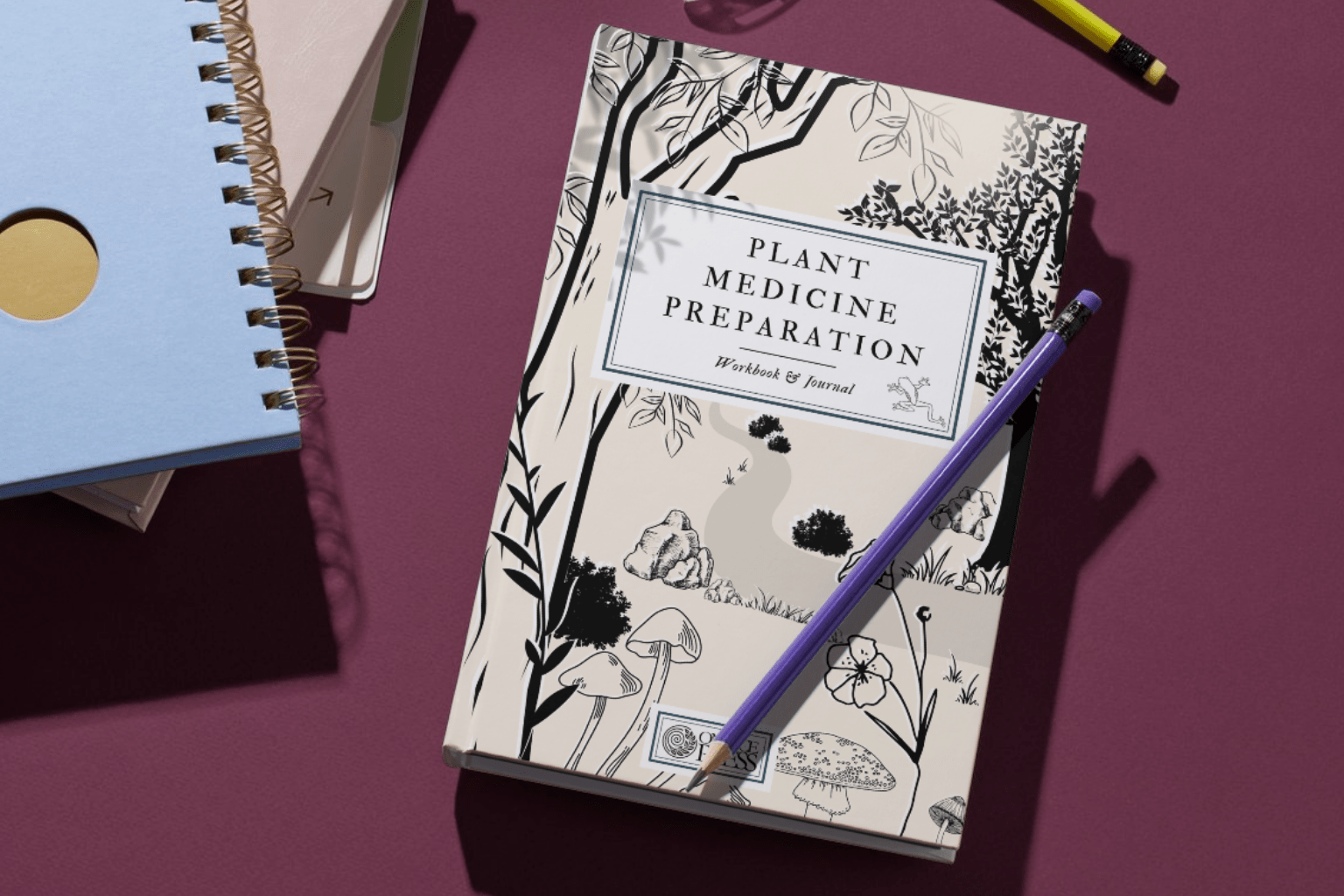
Plant Medicine Preparation
Plan your entire journey, from travel & expenses to intentions & integration.
Mission and Goals
The movement operates on three primary principles:
- Ending the Stigma – Encouraging open dialogue about the benefits of plant medicine for healing trauma, addiction, depression, and more.
- Encouraging Storytelling – Providing a global platform for people to share their experiences and inspire others.
- Advocating for Decriminalization – Supporting legal and safe access to plant medicine for those in need.
Since its inception, over 100,000 individuals have come forward with their personal plant medicine stories, and the movement continues to grow as more people participate each year.

The Movement’s Growth
- More than 100,000 stories shared online through #ThankYouPlantMedicine.
- Hundreds of global events organized around plant medicine advocacy.
- Heightened awareness, attention, and conversation around the topic; coverage from diverse sources, including : the BBC, New York University (NYU), and UC Berkley.
- Increased mainstream acceptance of plant medicine use, with more and more U.S. cities and states reconsidering their drug policies.
This rise in awareness and participation highlights a powerful shift in global consciousness—one that recognizes the sacred and medicinal nature of plants once dismissed as dangerous drugs. In addition, it’s drawing attention to other global issues as well, including indigenous rights and environmental protection.

Ending the Stigma
Despite the growing body of research supporting plant medicine, stigma remains one of the biggest barriers to widespread healing. However, the commonly shared goal of enhancing the human experience in safe and holistic ways is what needs to remain paramount.
The Harm of Misinformation
For decades, psychedelics and other plant medicines were demonized through propaganda campaigns like the War on Drugs, leading to widespread misconceptions about any potential treatment that isn’t pharmacologically sourced. Many people still associate substances like psilocybin, ayahuasca, and peyote with recklessness or illegal activity rather than the ancient healing traditions they traditionally stem from.
This misinformation has already caused harm on multiple levels:
- Legal consequences – People in need of healing often fear legal repercussions for seeking plant medicine.
- Medical limitations – Many individuals suffering from PTSD, depression, or addiction are denied access to plant-based therapies that could help them.
- Social stigma – Those who use plant medicine often remain silent, fearing judgment from family, employers, or society.

Plant Medicine Integration
Capture insights, record experiences, & integrate your medicine journey.
Scientific Backing & Cultural Shifts
Fortunately, the tide is finally turning. Groundbreaking research from institutions like Johns Hopkins University, Imperial College London, and MAPS (Multidisciplinary Association for Psychedelic Studies) has proven that plant medicines can help treat PTSD, depression, anxiety, and even terminal illness distress.
Furthermore, more and more governments are also beginning to acknowledge their medicinal value:
- Oregon has decriminalized psilocybin and introduced therapy programs.
- Colorado and California are in the process of implementing similar initiatives.
- Canada has granted terminally ill patients access to psilocybin therapy.
As research continues, more people are recognizing that plant medicines are not just about “getting high”—they are about healing, growth, and transformation. Perhaps much of the substance abuse culture currently plaguing modern humanity even stems from an intrinsic desire to medicate ourselves, just as humans have throughout history.

Truly, there’s no telling what solutions might be found through the growing exploration, experimentation, and education. The #ThankYouPlantMedicine movement plays its own part in this—facilitating the collection and sharing of real-world experiences.
The Power of Storytelling
Perhaps the most powerful driver of change has been personal testimonies. When people openly share how plant medicine has helped them heal trauma, break free from addiction, or find spiritual connection, they create a ripple effect that normalizes these experiences.
This is why #ThankYouPlantMedicine places such a strong emphasis on storytelling as activism. When we speak our truth, we can inspire others to explore, learn, and heal themselves too.

Real People, Real Transformations
Plant medicine has profoundly changed the lives of many individuals, oftentimes those who’d exhausted every other option. Here are some inspiring examples:
- Veterans and PTSD Recovery—Many former soldiers suffering from severe PTSD have turned to ayahuasca or psilocybin therapy when traditional treatments failed. Some describe it as a reset button for the brain, allowing them to process trauma in ways conventional therapy never could.
- Cancer Patients Finding Peace—Research on psilocybin-assisted therapy for end-of-life anxiety has shown dramatic improvements in emotional well-being, helping terminally ill patients come to terms with their mortality.
- Breaking Free from Addiction—Ibogaine, a powerful plant medicine from Africa, has helped countless individuals overcome opioid addiction. Studies suggest it reduces withdrawal symptoms and resets dopamine receptors, allowing for deep healing.
These are just a few examples of how plant medicine is changing lives. By sharing these stories, the #ThankYouPlantMedicine movement aims to break down barriers and open doors for more people to access these profound healing modalities.
Plant Medicine Integration
Capture insights, record experiences, & integrate your medicine journey.
Get Involved in the Movement
Anyone who supports plant medicine advocacy can participate in the movement. Here are four ways to get involved:
- Share Your Story—If you’ve experienced healing through plant medicine, share your journey using the #ThankYouPlantMedicine hashtag on social media.
- Attend an Event—Many cities host gatherings, panel discussions, and storytelling events on February 20th to celebrate #ThankYouPlantMedicine.
- Support Advocacy Organizations—Groups like MAPS, Decriminalize Nature, and Chacruna Institute work to promote education and policy change.
- Educate Your Community—Have conversations with friends and family about the true healing potential of plant medicine.
By taking even small actions, we can collectively rewrite the narrative around plant medicine and promote a more compassionate, informed world. Together, we can make education and advocacy the driving forces behind our relationship with sacred medicines.

Conclusion: The Future of Plant Medicine Will Result from Our Advocacy
The #ThankYouPlantMedicine movement is more than just a hashtag—it’s a call to action, a collective voice rising in support of healing, consciousness, and justice. By continuing to share our experiences, support research, and challenge outdated laws, we are helping plant medicine take its rightful place in modern healing practices.
Your story matters.
Your voice matters.
Together, we end the stigma.
On February 20th, join the movement. Say it with us, in gratitude, and share your story with #ThankYouPlantMedicine!
Plant Medicine Preparation
Plan your entire journey, from travel & expenses to intentions & integration.