
Duration: 25 minutes
Psychedelics are no longer confined to underground circles or dismissed as relics of the counterculture movement. From Silicon Valley professionals microdosing for creativity to clinical trials exploring psychedelics for PTSD and depression, plant medicine is stepping into the mainstream. The shift is undeniable—what was once taboo is now a serious topic of medical research, policy reform, and personal transformation.
As psychedelics gain popularity, the way people engage with them is evolving, too. Some prefer the subtle, everyday benefits of microdosing, while others seek the deep, transformative experiences of macrodosing or ceremonial plant medicine rituals. At the same time, governments and healthcare systems are re-examining their stance, with cities decriminalizing psychedelics, states legalizing therapeutic use, and researchers paving the way for FDA-approved psychedelic medicine.
Truly, we’re in the midst of a psychedelic renaissance, but with so many changes happening at once, it can be hard to keep up. What are the key trends shaping the future of plant medicine? How do different dosing approaches affect healing and personal growth? And, where is this movement headed in the long run?
The question is no longer if psychedelics will go mainstream—it’s how we navigate this moment with awareness, responsibility, and respect. So, let’s explore the modern landscape of psychedelics—from microdosing and macrodosing practices to legal shifts, scientific breakthroughs, and the growing integration of plant medicine into mainstream healing and wellness.
The Spectrum of Psychedelic Use
Psychedelics aren’t a one-size-fits-all experience. Some people take tiny doses to subtly boost their mood and creativity, while others dive into deep, immersive journeys for personal transformation. And then there are those who approach psychedelics as sacred medicine, participating in ceremonies guided by ancient traditions.
No matter the approach, each of these methods offers something unique—and each comes with its own benefits, risks, and best practices. Let’s explore how people are working with plant medicine today, including microdosing and ceremonial healing, as well as what the research has to say about these different approaches.
Microdosing: Small Doses, Big Impact?
Microdosing is exactly what it sounds like—taking a tiny, sub-perceptual dose of a psychedelic, usually about one-tenth of a full dose. The idea isn’t to trip—it’s to enhance focus, mood, and creativity while staying fully functional in daily life.
Why Are People Microdosing?
- For a mental boost – Many claim microdosing enhances cognitive flexibility, problem-solving, and productivity (which is why it’s especially popular in tech and creative fields).
- For emotional balance – Some use it to ease anxiety and depression, reporting a greater sense of calm and resilience.
- For spiritual or personal growth – Others say microdosing helps them connect to their intuition and navigate life with more mindfulness.

What Does the Science Say?
Research is still catching up to the hype, but early studies suggest microdosing could improve mood and cognitive function—or at least feel like it does. Here are some examples:
- One study found enhanced creativity and emotional stability in microdosers compared to non-users.
- Another suggests the benefits might be placebo-driven, but even then, people still report meaningful improvements in motivation and well-being.
So, does microdosing work? Maybe. It’s likely that some of the effects are real, and some come from the expectation of change. Either way, many people swear by it.
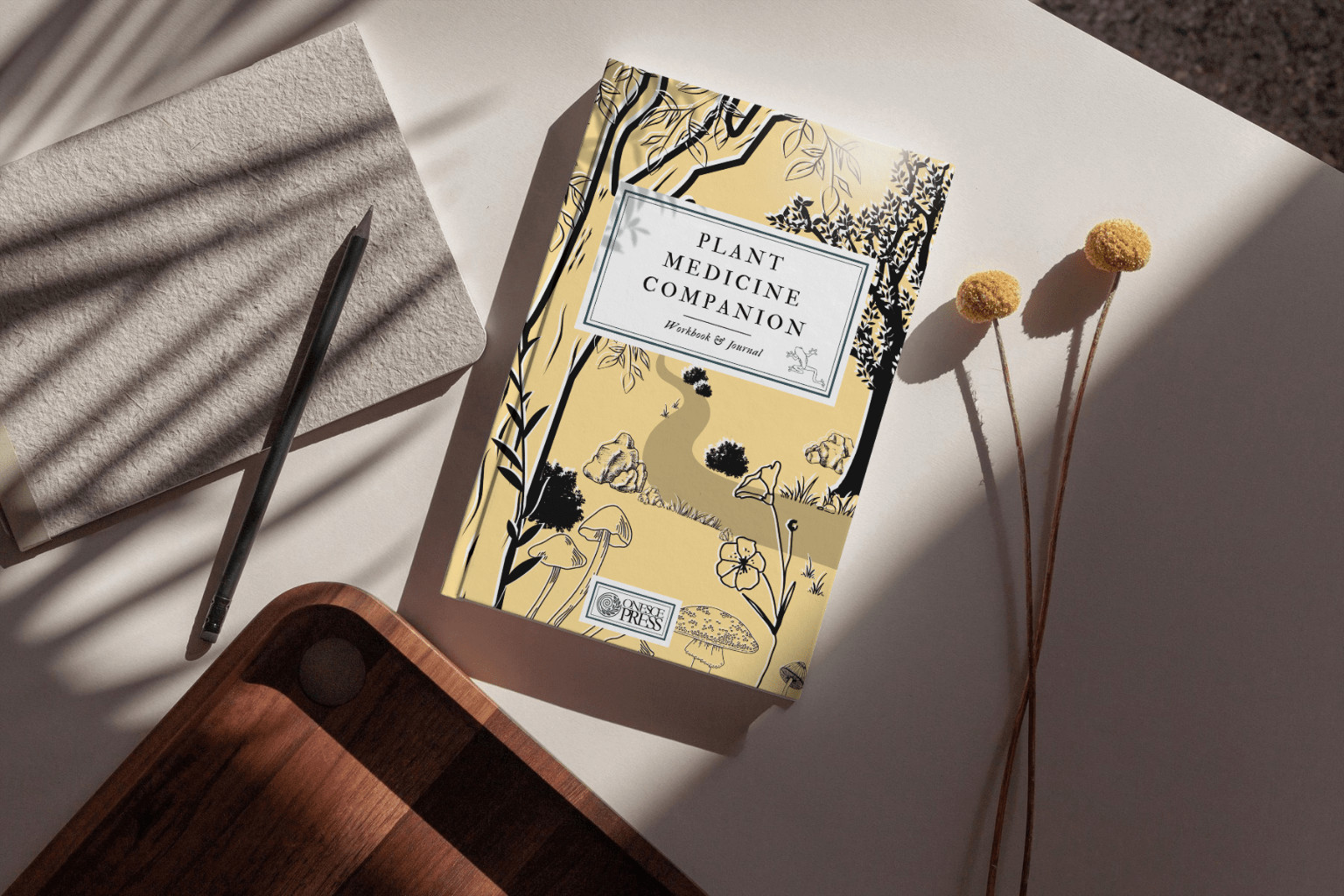
Plant Medicine Companion
Support for your journey of transformation, from planning through to integration:
What Are the Risks?
Microdosing is considered low-risk, but it’s not completely without drawbacks. Here are some things to consider about this type of plant medicine use:
- Tolerance can build up, meaning it may lose effectiveness over time.
- Long-term effects are still unknown, since research is relatively new.
- Not all psychedelics work well for microdosing—psilocybin and LSD are the most common, while stronger medicines like ayahuasca aren’t suited for this approach.
For those looking for a gentle, everyday way to explore plant medicine, microdosing might be a good fit. However, for deeper healing and major breakthroughs, macrodosing is where things really start to shift.
Macrodosing: A Deep Dive Into the Mind
Macrodosing is the full psychedelic experience—the kind where you step out of everyday reality and into something much bigger. These are the journeys that can bring major emotional breakthroughs, profound insights, and even mystical experiences.

Why Do People Macrodose?
- To heal trauma – Clinical studies show psychedelics can be highly effective for PTSD, depression, and addiction recovery.
- To experience ego dissolution – Many people report a deep sense of interconnectedness, unity, and freedom from limiting beliefs.
- To gain life-changing insights – One high-dose journey can lead to long-term shifts in perspective and behavior.
What Does the Science Say?
Macrodosing is where some of the most compelling psychedelic research is happening. Here are just a few examples:
- Psilocybin-assisted therapy has shown incredible results for depression, even in people who haven’t responded to other treatments.
- MDMA-assisted therapy for PTSD is on the brink of FDA approval, with studies showing over 67% of participants no longer meeting PTSD criteria after treatment.
- Macrodosing promotes neuroplasticity, meaning it helps the brain rewire old patterns and create new, healthier ones.

What Are the Risks?
Macrodosing can be life-changing, but it’s also intense. Here are some things to keep in mind:
- You need the right setting. Psychedelics amplify whatever’s already there, so a safe, supportive environment is crucial.
- It can bring up buried trauma, which is why having a guide, therapist, or trusted sitter can make a huge difference.
- Not everyone should macrodose. Those with a history of schizophrenia or bipolar disorder should approach with caution.
Macrodosing offers big transformation, but it requires big responsibility. This is why many people turn to ceremonial plant medicine use, where there’s a structured, spiritual framework to help guide the experience.
Ceremonial Dosing: Sacred Medicine Use
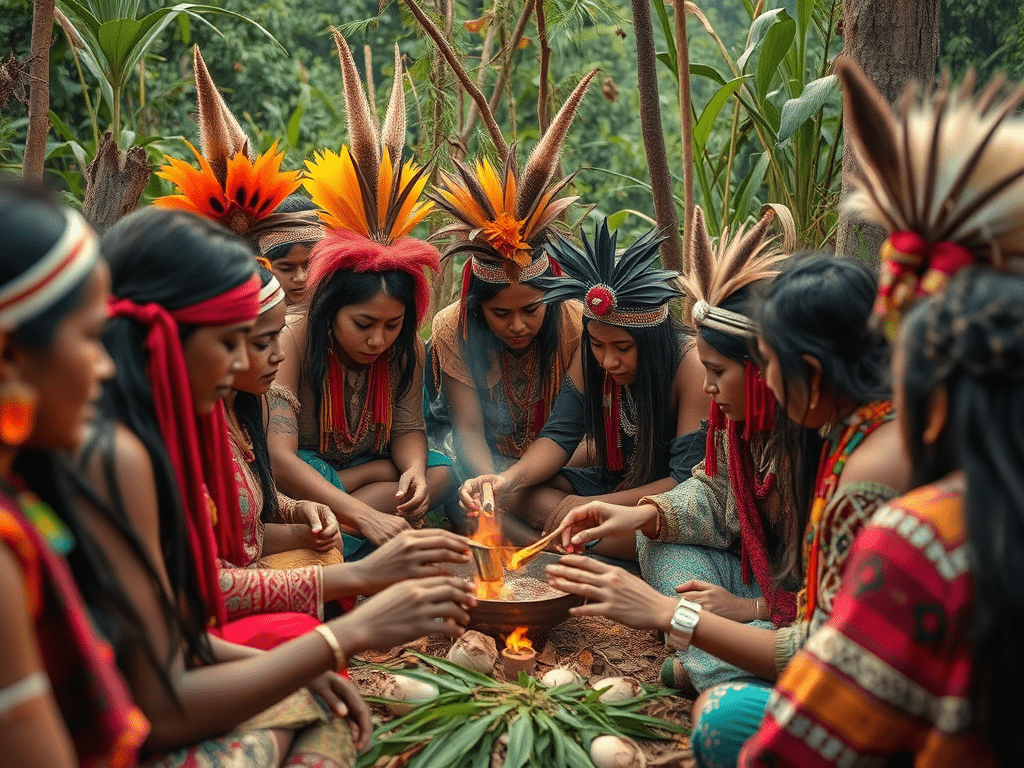
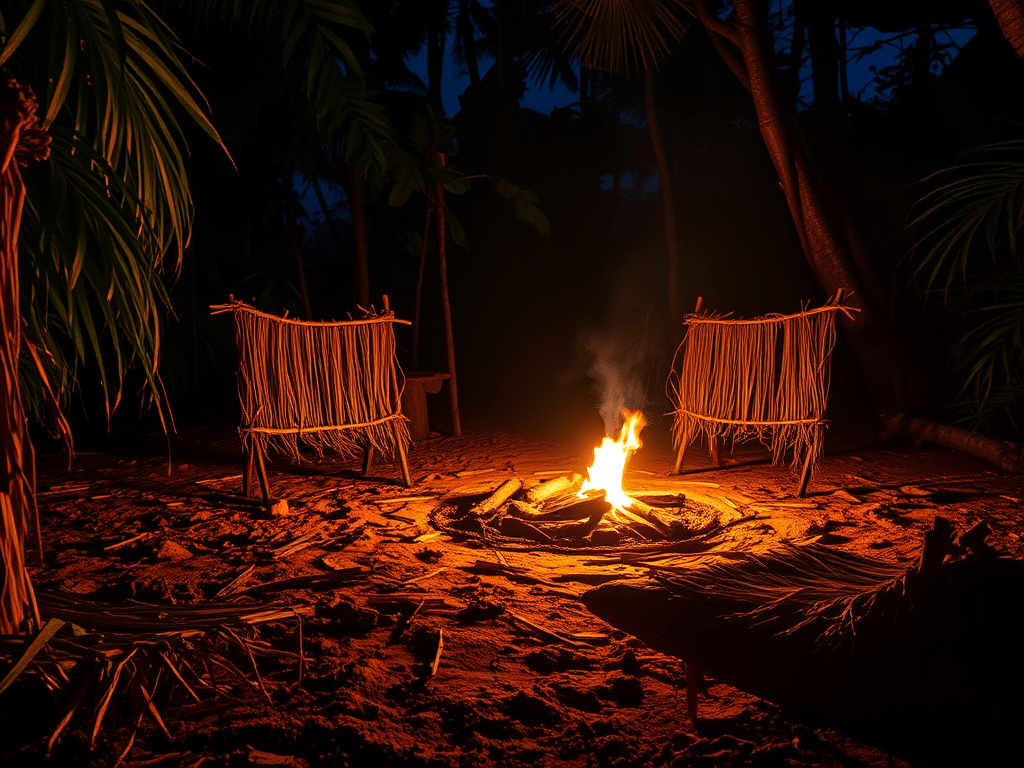
For thousands of years, Indigenous cultures have worked with plant medicine in ritualistic, ceremonial settings. Whether it’s ayahuasca in the Amazon, peyote in Native American traditions, or iboga in Africa, these ceremonies aren’t just about the substance—they’re about community, intention, and guided healing.
Why Do People Seek Ceremonial Use?
- To heal with guidance – Traditional ceremonies are led by shamans, elders, or trained facilitators who help participants navigate the experience.
- To connect to something greater – Many describe feeling deeply connected to nature, spirit, or ancestral wisdom.
- To integrate the experience properly – Unlike recreational use, ceremonies include rituals before, during, and after the journey to help process and apply the lessons.
What Does the Science Say?
Research is beginning to confirm what Indigenous traditions have long known—ceremonial plant medicine can be profoundly healing.
- Ayahuasca has been shown to reduce PTSD symptoms and improve emotional processing.
- Structured ceremonies provide psychological safety, making it easier to surrender to the experience.
- The role of community and ritual enhances long-term healing, preventing integration challenges that sometimes follow solo use.
Plant Medicine Integration
Capture insights, record experiences, & integrate your medicine journey.

What Are the Risks?
- Not all ceremonies are ethical – Some commercialized retreats exploit plant medicine for profit.
- Ceremonial dosing is physically and emotionally intense – Purging, deep emotional processing, and ego dissolution are common.
- Cultural respect is essential – Engaging with plant medicine responsibly means honoring Indigenous traditions and ethical sourcing.
For those who seek structured, guided, and spiritual plant medicine experiences, ceremonial dosing offers a deeply intentional path. As with any transformative experience, it’s up to us to do our research and make responsible choices.
Where Personal Healing Meets Global Change
Whether it’s microdosing for daily balance, macrodosing for deep breakthroughs, or ceremonial dosing for guided healing, psychedelics are being explored in more ways than ever before. However, as more and more people turn to plant medicine for personal transformation, a bigger shift is happening too—a shift in policy and culture.
So how are psychedelics being integrated into modern law, healthcare, and mainstream consciousness? Let’s explore that next.
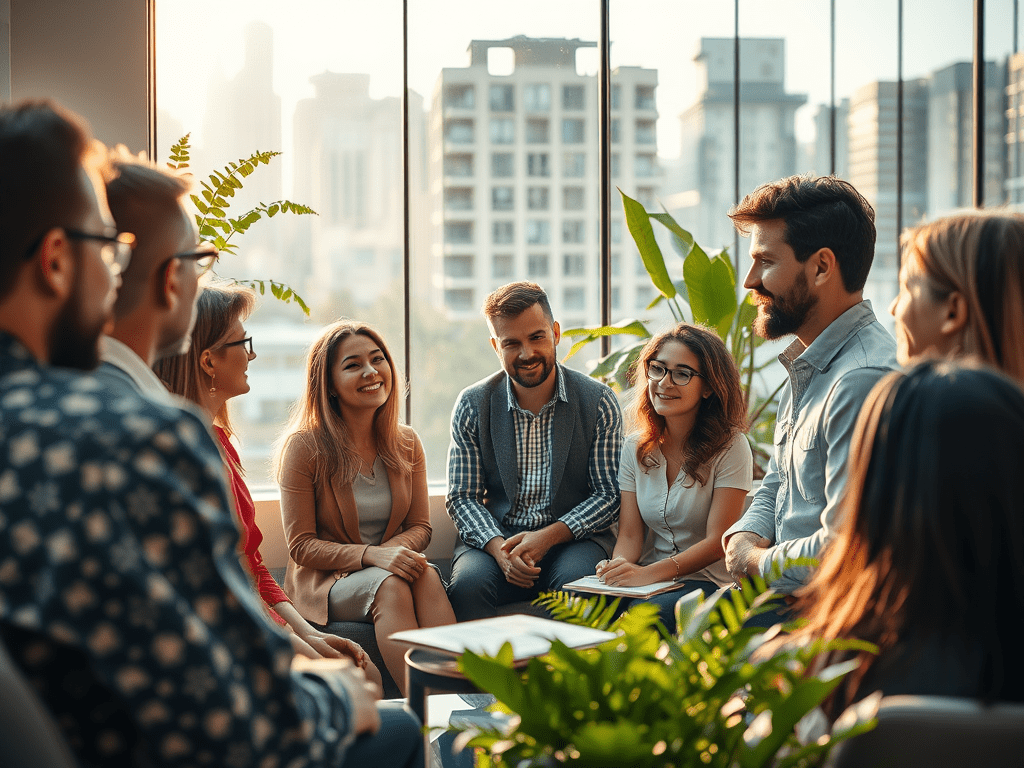
The Legal and Cultural Shifts
For decades, psychedelics lived in the shadows—banned, misunderstood, and pushed to the fringes of society. They were labeled as dangerous, their potential ignored, and their rich histories buried beneath decades of stigma. Yet today, we’re witnessing a remarkable shift.
Cities are decriminalizing plant medicine, states are exploring legalization, and clinical trials are proving what Indigenous traditions have known for centuries: psychedelics aren’t just about altered states—they’re about healing, connection, and transformation. Conversations that once seemed impossible are now happening in policy meetings, medical journals, and even corporate boardrooms.
So, how did we get here? And what’s next? The story of psychedelics is being rewritten in real-time, moving from prohibition to possibility.
The Slow Undoing of Stigma
Not long ago, psychedelics were considered untouchable. For decades, their reputation was shaped by the War on Drugs, media-fueled fear campaigns, and a legal system that classified them as substances with “no medical value.” The idea of plant medicine being used in hospitals or therapy offices was almost unthinkable.

Then, the science started catching up with what many had already experienced firsthand. Research from institutions like Johns Hopkins, Imperial College London, and MAPS (Multidisciplinary Association for Psychedelic Studies) began challenging old narratives. Study after study showed that psychedelics weren’t just safe in controlled settings—they were effective, in ways that conventional treatments often weren’t.
Oregon became the first U.S. state to legalize psilocybin therapy, creating a regulated framework for therapeutic use. Cities like Denver, Oakland, Seattle, and Washington D.C. followed by decriminalizing psilocybin and other plant medicines, making personal use a low law enforcement priority. Even in more conservative political spaces, the conversation was changing.
At the same time, mainstream culture began embracing psychedelics in new ways. Psychedelic retreats—once a niche underground experience—became more visible. More people, from high-level executives to military veterans, started speaking openly about their experiences with plant medicine. The perception of psychedelics was shifting from reckless escapism to responsible, intentional healing.
Medicine, Not Just Myth
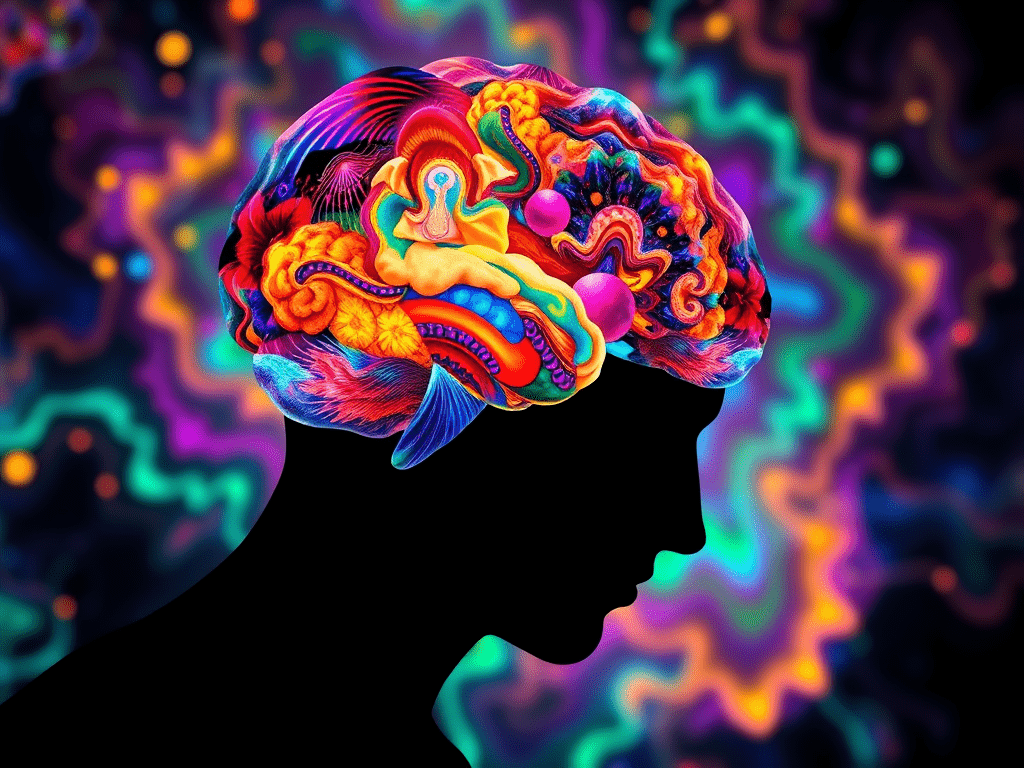
One of the biggest reasons for this shift is what’s happening in the world of mental health. Psychedelics are proving to be some of the most promising treatments for depression, PTSD, and addiction—often succeeding where traditional pharmaceuticals fall short.
Take psilocybin, for example. Studies have found that just one or two guided experiences with psilocybin can significantly reduce symptoms of major depression, even in people who haven’t responded to years of antidepressant use. Unlike traditional SSRIs, which often require daily doses and come with a long list of side effects, psilocybin works differently. It doesn’t just suppress symptoms—it helps people confront the root causes of their pain and rewire thought patterns in a lasting way.
MDMA, long associated with nightlife and rave culture, is also on the brink of FDA approval for PTSD treatment. In clinical trials, 67% of participants no longer met the criteria for PTSD after just three therapy sessions with MDMA-assisted therapy. For veterans, trauma survivors, and those who’ve spent years cycling through unsuccessful treatments, this is groundbreaking.
Then there’s ketamine, which has already gone mainstream as a rapid-acting treatment for depression. Unlike traditional antidepressants that can take weeks to work, ketamine often provides relief within hours. Clinics across the U.S. are now offering ketamine therapy, with psilocybin and MDMA clinics expected to follow as soon as regulations allow.
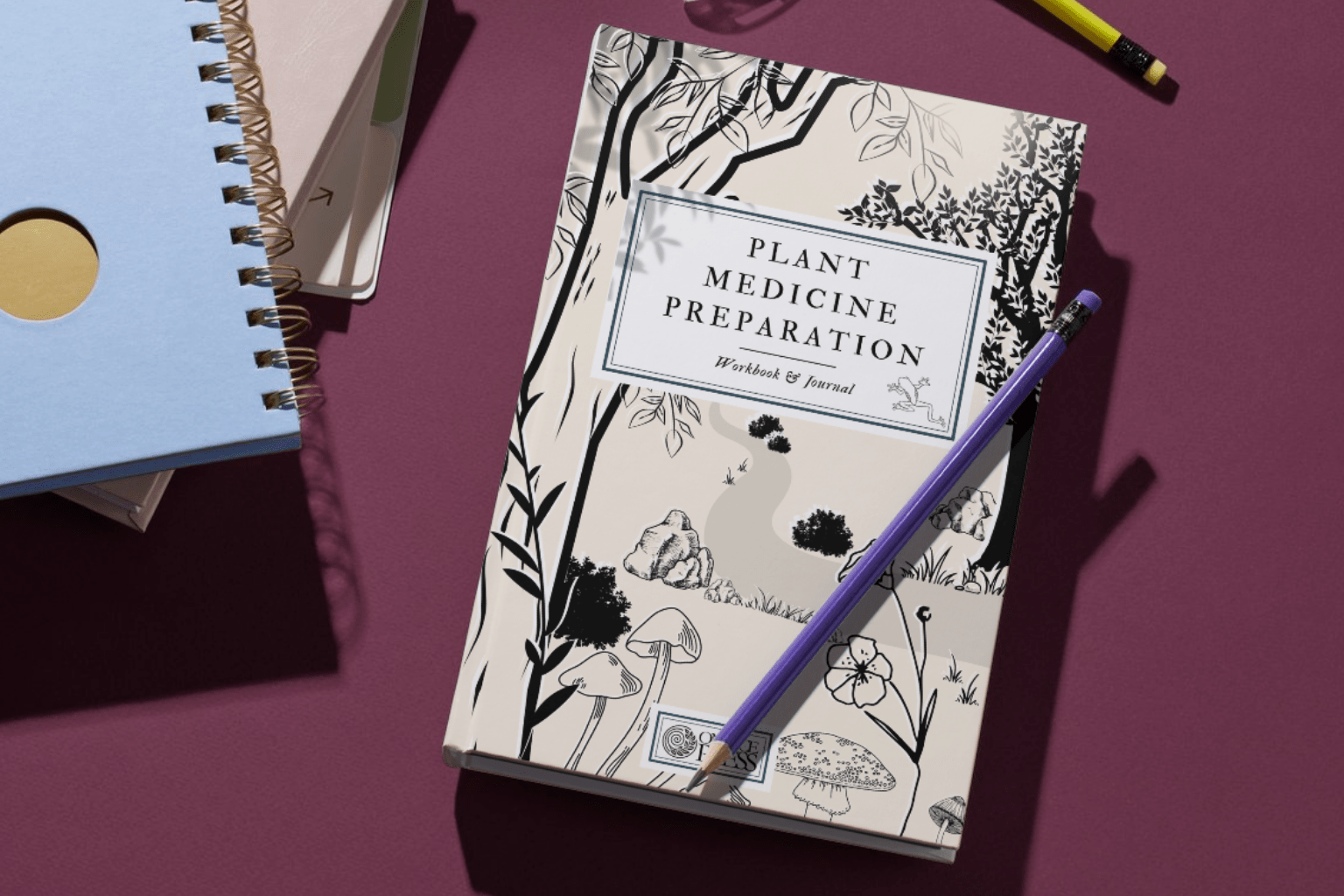
Plant Medicine Preparation
Plan your entire journey, from travel & expenses to intentions & integration.
The medical world is taking notice. Psychedelics are moving from fringe science to legitimate, research-backed treatments, and their legal status is slowly starting to reflect that.
The Intersection of Wellness and Commercialization
As plant medicine gains traction, it’s expanding beyond therapy rooms and policy discussions into wellness spaces, creative industries, and even corporate wellness programs.
Microdosing, once a niche practice, has become a global trend, with professionals, artists, and entrepreneurs exploring small doses of psychedelics to boost focus, creativity, and emotional resilience. Even Silicon Valley, known for its obsession with peak performance, has embraced psychedelics as a tool for innovation and mental clarity.
Then there are psychedelic retreats—some rooted in tradition, others taking a more modern, luxury-driven approach. While places like Peru, Costa Rica, and Mexico have long been home to plant medicine ceremonies, newer retreats are popping up in locations where psilocybin and other substances exist in legal gray areas. These experiences range from authentic, Indigenous-led ceremonies to high-end “wellness retreats” that cater to affluent seekers.

This rise in commercialization raises both opportunities and ethical concerns. On one hand, increased access means that more people can explore plant medicine in safe, structured environments. On the other, some retreat centers and companies are commodifying sacred medicine without honoring the traditions that have preserved them.
There’s a fine line between expanding access and exploiting something deeply sacred. As psychedelics move further into the mainstream, the challenge will be ensuring that growth doesn’t come at the cost of integrity, ethics, and respect for Indigenous knowledge.
The Road Ahead
So where do we go from here? It’s clear that psychedelics are no longer just a niche interest or underground movement. They’re becoming a recognized part of mental healthcare, personal development, and cultural exploration. With this rapid change comes big questions:
- How do we balance accessibility with safety?
- How can we integrate Indigenous wisdom with modern science in a way that’s ethical and respectful?
- Will psychedelics become another over-commercialized wellness trend, or will they be treated with the reverence they deserve?
The psychedelic movement is at a crossroads. The decisions being made now—by lawmakers, researchers, therapists, and everyday people—will shape the future of plant medicine for generations to come.

What’s certain is that we’re living through a historic shift, one that could redefine how we approach healing, consciousness, and the very nature of human potential. The question isn’t whether psychedelics will go mainstream—they already are. The real question is how we move forward with wisdom, responsibility, and a deep understanding of what these medicines truly offer. As we step into this new era, one thing is clear: the journey is just beginning.
Responsible and Ethical Engagement
As psychedelics become more accessible, many people are asking the same question: How do I bring plant medicine into my life in a way that is responsible, meaningful, and sustainable?
On a personal level, this means finding ways to apply the insights from psychedelic experience into daily reality—turning abstract realizations into real-world changes. At the global scale, it’s about engaging with plant medicine in a way that respects its cultural roots, prioritizes safety, and contributes to a larger movement of healing and transformation.
Integration: The Missing Piece of Many Experiences

Taking plant medicine is one thing—what happens afterward is just as important. Many people come out of a psychedelic experience with life-changing insights, powerful emotions, and a sense of clarity they’ve never had before. Yet, without integration, these revelations can fade into the background as daily life resumes.
Integration isn’t just about remembering what happened during a journey—it’s about applying those lessons in a way that leads to lasting change.
That might mean shifting the way we communicate, re-evaluating our relationships, or finally taking action on something we’ve been avoiding. It could mean committing to meditation, journaling, or working with a therapist who understands psychedelic experiences. For some, it’s as simple as making small, conscious choices every day that align with what they learned during their journey.
Integration isn’t always easy. Sometimes, plant medicine brings up memories, emotions, or realizations that are hard to process. This is why having a support system—whether through community, therapy, or personal practices—is so essential. Psychedelics can open the door to change, but it’s up to us to walk through it.
Plant Medicine Integration
Capture insights, record experiences, & integrate your medicine journey.
Responsible and Ethical Plant Medicine Use
As the psychedelic movement grows, we also have a responsibility to engage with it ethically. Plant medicine isn’t just another wellness trend—it has deep cultural and spiritual significance, especially for the Indigenous communities that have preserved these traditions for generations.
One of the biggest concerns with the mainstreaming of psychedelics is the risk of cultural appropriation and exploitation. Many plant medicines—ayahuasca, peyote, iboga—are deeply rooted in specific traditions, and their sudden popularity has led to issues like overharvesting, commercialization, and a lack of reciprocity toward the cultures that have safeguarded these practices. So, how can we engage with plant medicine responsibly?
First, by recognizing where it comes from and making informed choices. If you’re seeking a ceremonial experience, look for facilitators who have trained within the traditions they represent. If you’re purchasing psychedelics, learn about their sourcing—some plants, like peyote, are endangered and should not be commercially harvested.

Second, by supporting Indigenous communities. Many organizations work to protect sacred plant medicines and the cultures that use them, ensuring that decriminalization and legalization efforts don’t erase the voices of those who have been the original stewards of these practices.
And finally, by approaching plant medicine with respect. Psychedelics aren’t just tools for personal growth—they’re powerful medicines that require intention, care, and humility. When we engage with them in a way that honors their origins and their potential, we contribute to a movement that’s not just about personal healing, but collective healing.
Psychedelics in Everyday Life
The role of psychedelics in our modern world isn’t just about therapy clinics or legal policy—it’s about how these substances are integrated into everyday life in a way that is mindful, responsible, and meaningful. Some will explore microdosing as a tool for mental clarity and emotional balance, others will seek out ceremonial experiences for deep healing and connection, and many will continue to push for policy changes that ensure safe and equitable access to these medicines.
Still, beyond the personal and political aspects of plant medicine, the biggest shift may be one of cultural perception. Psychedelics are helping people rethink the way they approach mental health, trauma, and spirituality. They’re opening conversations about consciousness, interconnectedness, and the nature of healing itself.
As we move forward, the key will be finding ways to bring the wisdom of these experiences into our daily lives—not just in big, profound moments, but in the small ways we choose to live, relate, and grow. Truly, at the end of the day, psychedelics aren’t just about what happens during the experience. They’re about what we do with what we’ve learned—how we integrate, how we evolve, and how we show up in the world as a result. It’s a journey that doesn’t end when the medicine wears off—that’s just the beginning.
Conclusion: We’ve Entered a Bold New Chapter for Plant Medicine
The world of psychedelics is changing—fast. What was once dismissed as dangerous or fringe is now being recognized for its potential to heal, transform, and expand human consciousness. From microdosing for mental clarity to macrodosing for deep breakthroughs and ceremonial dosing for spiritual connection, plant medicine is being explored in ways that fit the needs of modern life.

This movement isn’t just about personal healing—it’s about a global shift in how we understand mental health, trauma, and even the nature of consciousness itself. Science is proving what ancient traditions have long known: these substances, when used with respect and intention, can help people heal in ways that conventional medicine often cannot.
With that shift comes responsibility. As psychedelics enter mainstream wellness, medicine, and policy, the challenge ahead is ensuring that this growth happens with wisdom, ethics, and care. That means supporting safe and equitable access, honoring the Indigenous traditions that have preserved these medicines, and recognizing that the real work of plant medicine happens not just in the experience, but in what we do with it afterward.
The future of psychedelics is unfolding before us. The question is no longer if they will be integrated into modern life, but how we choose to move forward with them. Will we engage with these medicines thoughtfully, responsibly, and with deep respect for their power? That choice is ours to make, but one thing is for sure: our collective journey with psychedelics is still going strong.
Want the Full Experience?
Navigate your journey with
Plant Medicine Companion
Packed with thoughtful worksheets; from pre-journey research and intentions, through ceremony logs and recording experiences, to symbolism research and support considerations after you’re done.
Includes reflective pre- and post-journal prompts designed to deepen your planning and integration, supporting ongoing transformation.
This holistic tool will elevate your plant medicine journey, every step of the way. Enrich each phase of your life-changing adventure with awareness—Order your copy today!
Insiders:
*For Full Download Instructions, Visit Your Member Benefits Portal
