

Plant medicine ceremonies offer profound experiences that can catalyze personal growth, emotional healing, and spiritual awakening. However, the true potential of these ceremonies lies in the ability to integrate their insights into everyday life.
Integration involves translating the revelations and lessons from the ceremony into actionable changes that promote lasting transformation. Let’s look at how practical changes in daily life can extend the impact of plant medicine experiences, including some tips on creating and maintaining new habits and routines, as well as explore sustainable practices for long-term integration and growth.

Translating Insights into Actionable Changes
Plant medicine ceremonies can provide deep insights into various aspects of life, from personal relationships to career goals, and from emotional health to spiritual well-being. To harness the power of these insights, it is essential to translate them into practical, actionable changes. Here are some steps to help you get started:
Reflect on Key Insights
Soon after the ceremony, take time to reflect on the key insights you gained. Write them down in a journal, noting any significant realizations, emotions, or visions. This reflection will serve as the foundation for creating actionable changes.
Identify Areas for Change
Review your reflections and identify specific areas of your life that you want to change. These might include habits, behaviors, thought patterns, or external circumstances. Prioritize these areas based on their impact and feasibility.
Plant Medicine Integration
Capture insights, record experiences, & integrate your medicine journey.

Set Clear and Achievable Goals
Transform your insights into clear, achievable goals. Use the SMART criteria to ensure your goals are Specific, Measurable, Achievable, Relevant, and Time-bound. For example, if you realized the need for better self-care, a SMART goal might be: “I will practice mindfulness meditation for 10 minutes every morning for the next three months.”
Develop an Action Plan
Create a detailed action plan outlining the steps needed for the successful integration of your ceremony insights. Break down each revelation into smaller, manageable tasks. For example, if your realized you need to take better care of yourself, your action plan might include tasks such as scheduling regular exercise, preparing healthy meals, and tracking your overall wellbeing.
Seek Support and Accountability
Share your goals and action plan with trusted friends, family members, or a support group. Their encouragement and accountability can help you stay motivated and committed to your goals. Consider working with a coach or therapist who specializes in plant medicine integration for additional support.

Creating and Maintaining New Habits and Routines
Forming new habits and routines is crucial for integrating plant medicine insights into your daily life. Here are some tips to help you create and maintain sustainable habits:
Start Small and Build Gradually
When creating new habits, start with small, manageable changes. Gradually build on these changes over time. For example, if you want to incorporate daily meditation, start with just a few minutes each day and gradually increase the duration as you become more comfortable with the practice.
Consistency is Key
Consistency is essential for forming new habits. Try to perform the new habit at the same time and place each day. Consistency helps to reinforce the habit and make it a natural part of your routine.
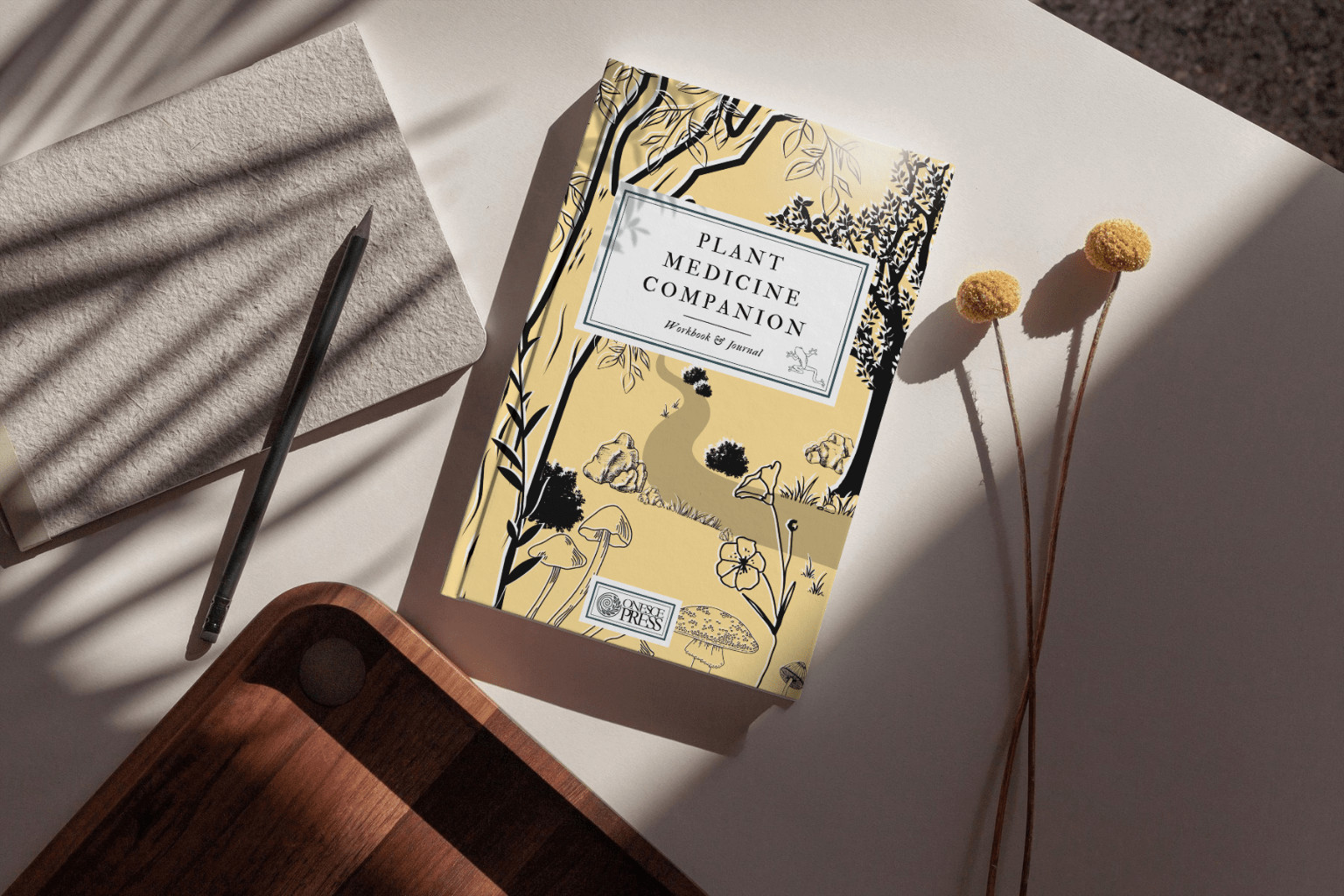
Plant Medicine Companion
Support for your journey of transformation, from planning through to integration:
Use Triggers and Reminders
Use triggers and reminders to reinforce new habits. A trigger is a cue that prompts you to perform the habit. For example, if you want to practice journaling, you might do it every evening before bed. Set reminders on your phone or place visual cues in your environment to help you remember.
Monitor Your Progress
Track your progress to stay motivated and see how far you’ve come. Use a journal, habit-tracking app, or calendar to record your efforts. Reflect on your progress regularly and celebrate your successes, no matter how small.
Be Patient and Compassionate
Forming new habits takes time and effort. Be patient with yourself and recognize that setbacks are a natural part of the process. Practice self-compassion and avoid self-criticism if you encounter challenges. Remember that every step forward, no matter how small, is a step toward lasting change.

Sustainable Practices for Long-Term Integration
Long-term integration involves adopting sustainable practices that support ongoing growth and transformation. Here are some practices to help you maintain and deepen your integration over time:
Mindfulness and Meditation
Mindfulness and meditation are powerful tools for ongoing integration. These practices cultivate present-moment awareness, reduce stress, and enhance emotional regulation. Incorporate mindfulness and meditation into your daily routine to stay connected to the insights and lessons from your plant medicine ceremony.
Journaling
Regular journaling can help you process emotions, track progress, and gain deeper insights into your integration journey. Use your journal to reflect on your experiences, document your goals, and explore any challenges or breakthroughs you encounter. Journaling provides a safe space for self-expression and self-discovery.
Plant Medicine Preparation
Plan your entire journey, from travel & expenses to intentions & integration.

Physical Practices
Engaging in physical practices such as yoga, tai chi, or qigong can support your integration process by promoting body awareness, emotional release, and overall well-being. These practices help to ground your experiences and integrate them into your physical body.
Creative Expression
Creative expression through art, music, dance, or writing can be a powerful way to integrate plant medicine experiences. Creativity allows you to explore and express your insights in a non-verbal way, tapping into deeper levels of understanding and healing.

Connection with Nature
Spending time in nature can provide a sense of grounding and connection to the natural world. Nature offers a healing environment that can support your integration process. Take regular walks in nature, practice outdoor meditation, or simply spend time observing the beauty around you.
Community and Support
Building and maintaining a supportive community is essential for long-term integration. Connect with like-minded individuals who share similar experiences and goals. Join integration circles, support groups, or online communities where you can share your journey, receive encouragement, and offer support to others.

Sustaining Growth Over Time
Sustaining growth over time requires ongoing commitment and effort. Here are some strategies to help you maintain and deepen your integration journey:
Regular Self-Assessment
Periodically assess your progress and reflect on your goals. Take time to evaluate what is working well and what areas need adjustment. Regular self-assessment helps you stay on track and make necessary changes to support your growth.
Adapt and Evolve
Be open to adapting and evolving your practices as needed. Your integration journey may change over time, and it is important to remain flexible and responsive to your needs. Experiment with new practices, explore different modalities, and adjust your goals as you grow.
Celebrate Milestones
Celebrate your milestones and achievements along the way. Recognize and honor the progress you have made, no matter how small. Celebrating milestones reinforces positive behavior and provides motivation to continue your journey.

Goal Setting and Tracking Progress
Setting goals and tracking progress are essential components of long-term integration. Here are some tips for effective goal setting and tracking:
Setting SMART Goals
Set SMART goals that are Specific, Measurable, Achievable, Relevant, and Time-bound. SMART goals provide clarity and direction, making it easier to stay focused and motivated. For example, instead of setting a vague goal like “improve my mental health,” set a SMART goal like: “practice gratitude by writing down three things I’m thankful for every morning for the next three months.”
Breaking Down Goals
Break down your goals into smaller, manageable tasks. This makes them less overwhelming and more achievable. For example, if your goal is to exercise regularly, break it down into tasks such as “schedule workout sessions,” “prepare workout clothes,” and “track exercise progress.”
Plant Medicine Companion
Support for your journey of transformation, from planning through to integration:
Using a Tracking System
Use a tracking system to monitor your progress. This could be a journal, a habit-tracking app, or a calendar. Record your efforts and reflect on your progress regularly. Tracking your progress provides a visual representation of your journey and helps you stay accountable.
Adjusting Goals as Needed
Be open to adjusting your goals as needed. Your needs and circumstances may change over time, and it is important to remain flexible. If a goal no longer feels relevant or achievable, adjust it to better align with your current situation.
Conclusion: Simple Integration Practices Unlock the Long-Term Potential of Transformative Experiences
Integrating plant medicine insights into your daily life is a powerful way to promote lasting transformation and growth. By translating your insights into actionable changes, creating and maintaining new habits and routines, and adopting sustainable practices, you can make the most of your plant medicine experiences.
Remember to be patient and compassionate with yourself, seek support from your community, and celebrate your progress along the way. With commitment and effort, you can sustain your growth and continue to evolve throughout your integration journey.
Additional Resources
- Dr. Gabor Maté, MD: The Wisdom of Trauma
- Dr. Stanislav Grof, MD: The Holotropic Mind: The Three Levels of Human Consciousness and How They Shape Our Lives
- Rick Doblin, PhD: Multidisciplinary Association for Psychedelic Studies (MAPS)
- Dr. Rosalind Watts, PhD: Imperial College London Psychedelic Research Group
- Integration Circles and Community Support: Psychedelic Support
Continue Your Journey
Packed with thoughtful worksheets, from pre-ceremony snapshots and intentions, to post-ceremony logs, symbolism research, and support considerations.
Includes reflective journal prompts designed to deepen your integration process and ensure an on-going transformation experience.
Whether you’re a seasoned explorer or a curious beginner, our workbook will support and elevate your integration journey every step of the way. Get ready to extend the life-changing adventure of your plant medicine experiences – Order your copy today!
Insiders:
*For Full Download Instructions, Visit Your Member Benefits Portal
