
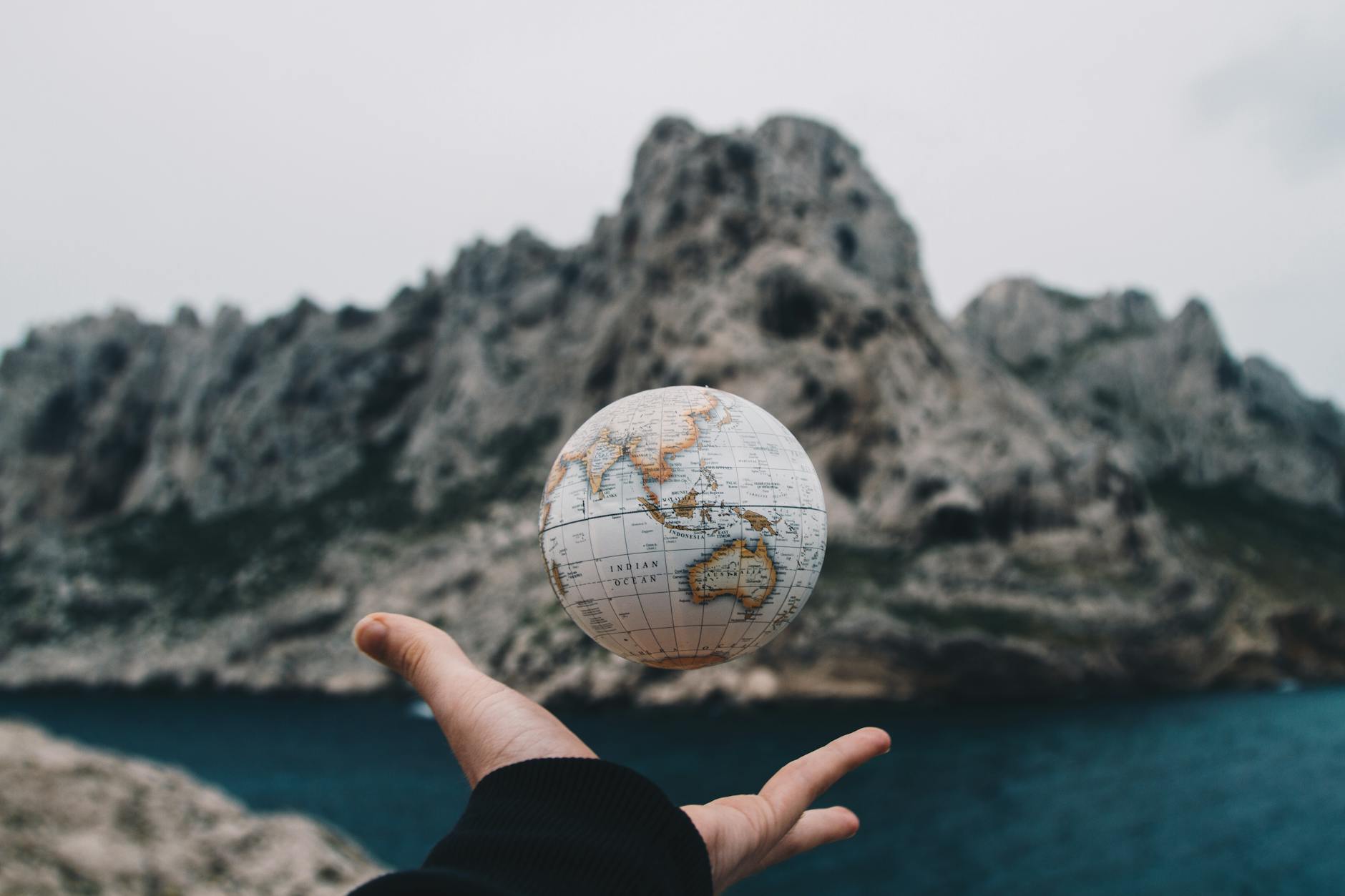
Gratitude is a universal language, spoken through rituals, festivals, and ceremonies worldwide. Across time and cultures, communities have come together to give thanks for life’s blessings, celebrate the abundance of harvest, and honor the cycles of nature. These practices are not just celebrations, serving as powerful expressions of thanksgiving, intended to attract favor, prosperity, and connection.
From ancient European festivals to Indigenous ceremonies, shared gratitude has long existed as sacred, global tradition. For all our differences, these traditions point to the same universal truth: humans know that appreciation strengthens our connection to the land, to one another, and to something greater than ourselves. Whether through honoring ancestors, celebrating the harvest, or offering gifts to the community, giving thanks serves both spiritual practice and social bonds.
Mindful Meditation
Quiet your “monkey mind,” record your experiences, & deepen your practice.

Let’s explore the origins and meanings behind some of these global gratitude practices, considering the universal magick of communal thanksgiving. We’ll also look at some ways to incorporate these practices into our lives, so we can embrace humanity’s common thread of appreciation for ourselves. Exploring these traditions will reveal not only how diverse cultures give thanks, but also what they each understand about abundance, reciprocity, and the magick woven into everyday life.
European Pagan Harvest Festivals
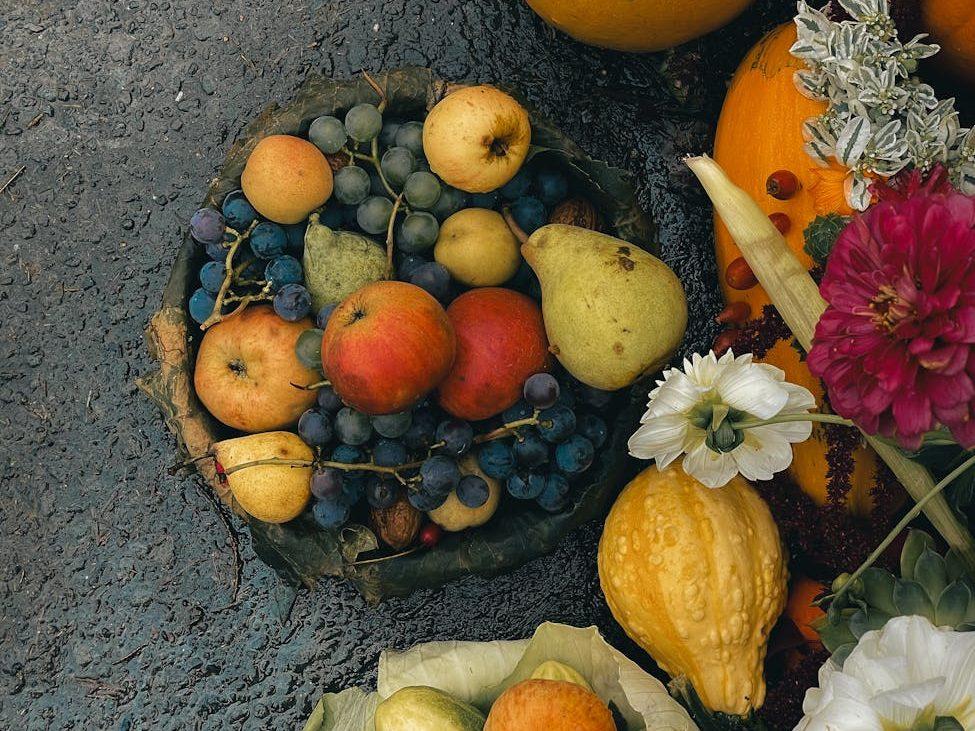
European societies have long celebrated the cycles of nature with festivals that honor the abundance of the harvest and express gratitude for the gifts of Earth. These harvest festivals are rooted in ancient beliefs about the cycles of life, death, and rebirth and are still observed in many modern, neopagan traditions.
Lammas (Lughnasadh)
In Celtic tradition, the festival of Lammas, or Lughnasadh, is celebrated in early August and marks the beginning of the harvest season. Lammas is a time to gather the first fruits of the season and give thanks for the Earth’s bounty. Celebrants bake bread from the first grains and hold feasts with friends and family, symbolizing the cycle of life and death, as the grains are harvested to nourish the community.

Incorporating Lammas appreciation: We can incorporate the spirit of Lammas in our own thanksgiving traditions by baking bread or preparing a meal with seasonal ingredients, reflecting on the abundance in our lives. Taking our time to appreciate the hard work that has brought us to this point in the year and sharing our gratitude with others as we savor the food that we’ve co-created with Earth.
Mabon: The Autumn Equinox
The second harvest festival in the Wheel of the Year, Mabon, is celebrated around the Autumn Equinox when day and night are in perfect balance. Mabon is considered a time to give thanks for the ongoing harvest, express gratitude for what we have received and learned in the past year, as well as start to prepare for the quieter winter season ahead. It’s a time of balance and reflection, honoring both the light and the dark in life while the day and night are in balance.
Incorporating Mabon gratitude: We can create our own ritual of balance by reflecting on areas in life where we already appreciate what’s manifested this year as well as those where we’re still seeking more growth. Writing down both what we’re grateful for and what we want to let go of, we acknowledge both our thanks and our surrender, honoring the natural cycle of giving and receiving.

Indigenous Gratitude Ceremonies
Indigenous cultures have long held gratitude ceremonies that recognize the sacred relationship between humanity and nature. These practices are often rooted in respect for the land, the ancestors, and the interconnectedness of all life. Indigenous gratitude ceremonies are more than just celebrations, serving as profound expressions of respect, humility, and reciprocity with the natural world.
Potlatch: Pacific Northwest, North America
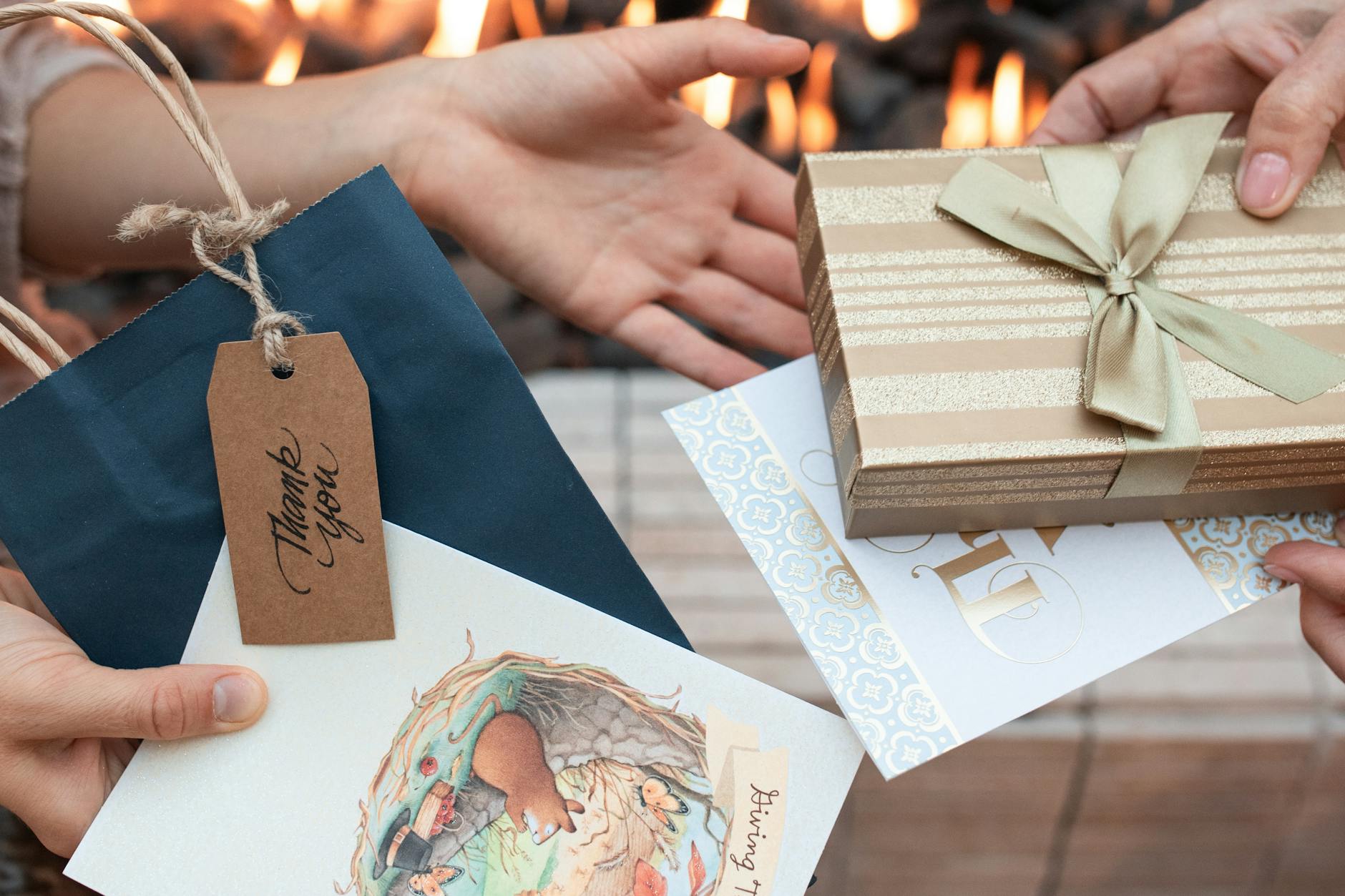
The Potlatch, practiced by Indigenous communities along the Pacific Northwest coast of North America, is a ceremony of gift-giving that expresses gratitude and establishes social ties. It is a time for sharing wealth, storytelling, and honoring ancestors and the earth. Potlatches can last for days, during which families distribute gifts, food, and resources as symbols of gratitude and respect for their community and the environment.
Incorporating Potlatch principles: We can bring the spirit of the Potlatch into our own lives by practicing generosity and reciprocity. Consider hosting a gathering where each guest brings a meaningful gift to share, or set aside time for community service, giving back to honor the abundance in your life.
Thanksgiving Address of the Haudenosaunee
The Haudenosaunee, or Iroquois Confederacy of the Northeastern USA, has a beautiful tradition called the Thanksgiving Address, also known as the “Words That Come Before All Else.” This ceremonial prayer is recited to express gratitude to the earth, the waters, the plants, the animals, and all beings in creation. It is a reminder of the interconnectedness of life and an expression of unity with the natural world.
Incorporating the Thanksgiving Address: We can all begin our days with a moment of gratitude for the natural elements that support life. By taking a few moments to honor nature—acknowledging the water, plants, animals, and all that sustains us—we cultivate a greater sense of connection and respect for the world around us.

Gratitude in Asian Traditions
Asian cultures have numerous festivals that honor the harvest and celebrate family, prosperity, and gratitude. These festivals often highlight the importance of balance, harmony, and honoring the ancestors who came before us.
Chuseok: Korean Harvest Festival
Chuseok, or the Korean harvest festival, is celebrated on the 15th day of the 8th month of the lunar calendar, usually in September. It is a three-day festival during which families gather to celebrate the harvest and pay respects to their ancestors. Offerings are made at family graves, and traditional dishes, such as rice cakes called songpyeon, are prepared as part of the festivities. Chuseok is a time to give thanks for the year’s harvest and honor the legacy of those who came before.

Incorporating Chuseok thankfulness: We can create our own ancestral gratitude ritual by setting aside time to honor our family history and express thanks to those who paved the way for us. Consider making a traditional family dish or lighting a candle to honor your ancestors, connecting with the past as part of your gratitude practice.
Mid-Autumn Celebration: China
The Moon Festival, also known as the Mid-Autumn Festival, is one of the most significant festivals in China. Celebrated on the 15th day of the 8th lunar month, it honors the harvest and the fullness of the moon, symbolizing reunion, abundance, and harmony. Families come together to share mooncakes and reflect on the blessings of family unity and prosperity.
Incorporating Moon Festival gratitude: We can observe the Moon Festival by gathering with loved ones and sharing food (particularly round foods like mooncakes or other pastries). As we celebrate, focusing on the themes of unity and abundance, we can express our gratitude for the people and blessings that bring fulfillment to our lives.

African Celebrations of Thanks
Many African traditions emphasize gratitude as a communal practice that honors the ancestors, nature, and the spirits. These practices reflect the African worldview, which values interconnectedness and the idea that the well-being of the individual is inseparable from that of the community.
Yam Festivals: West Africa
In countries like Nigeria and Ghana, yam festivals are celebrated in August or September as part of the harvest season. The yam is a sacred crop and symbolizes life, prosperity, and abundance. At these festivals, offerings of yams are made to the ancestors and gods in gratitude, and communities gather to feast, dance, and celebrate the harvest.
Incorporating Yam Festival appreciation: We can honor the spirit of the yam festivals by preparing and sharing a meal of foods that are meaningful to our own communities, whether that’s yams or other cherished ingredients. In sharing a meaningful meal with family and friends, we’re expressing thanks for both the food and the connection it brings to our lives.

Kwanzaa: Celebration of African Heritage
Kwanzaa, celebrated by African American families in late December, is a seven-day festival that emphasizes unity, self-determination, and gratitude. Each day of Kwanzaa is dedicated to a principle such as unity (umoja), purpose (nia), and creativity (kuumba), values that foster gratitude for heritage and community. On the final day, participants share a feast known as the Karamu, celebrating family, heritage, and the abundance of the past year.
Incorporating Kwanzaa principles: We can integrate the spirit of Kwanzaa in our own thanksgiving traditions by setting aside time to reflect on our own values, purpose, and community connections. We might also consider adopting one of the traditional principles for a period of meditative focus, using these to guide intentions and gratitude practices all throughout the year.

Gratitude in Islamic Tradition
Gratitude is also deeply embedded in Middle Eastern and Islamic culture, where the act of giving thanks is seen as a daily practice of faith and humility. In Islam, gratitude (shukr) is considered one of the highest forms of worship, an acknowledgment of God’s blessings.
Eid al-Fitr: Gratitude & Charity
Eid al-Fitr is a celebration marking the end of Ramadan, the Islamic holy month of fasting. It is a time of gratitude, charity, and community. Muslims give thanks to God for the strength to complete Ramadan and express gratitude for life’s blessings. Giving to charity, known as zakat, is a central aspect of the holiday, reflecting the belief that gratitude should be shared by uplifting others.
Incorporating Eid al-Fitr charity: We can reflect on how to share our blessings with others, whether by donating to a charity, volunteering, or offering support to someone in need. By practicing gratitude through acts of kindness and generosity, we participate in the ongoing cycle of abundance and compassion.

Universal Gratitude Practices
Learning about these diverse gratitude traditions might also provide us with inspiration to cultivate our own rituals of thanks. By incorporating elements from different cultures, and seeking to understand the global patterns throughout, we can ultimately enrich our lives and deepen our appreciation for the blessings we receive in profoundly personal ways.
Daily Rituals
Incorporate gratitude into your daily life by setting aside a few moments each day to reflect on something you’re thankful for. This could be part of a morning or evening ritual, using a journal or simply holding the thought in your mind. The consistency of this practice, like the ceremonial gratitude in many cultures, builds a foundation of appreciation that can attract positivity into your life.
Seasonal Celebrations

We can easily align with the cycles of nature by observing gratitude rituals at the beginning of each season. For example, you could create a small altar for spring, symbolizing renewal and gratitude for growth, or light candles in winter as an act of thanks for warmth and light. By connecting with the seasons, we honor the natural rhythms of life, similar to the harvest festivals celebrated in many cultures.
Feasts & Gatherings
Host a gratitude feast with family or friends, using it as an opportunity to celebrate the abundance in your lives. Incorporate practices like the Potlatch or the Thanksgiving Address, perhaps inviting each guest to share something they’re grateful for. This gathering creates a collective energy of appreciation, amplifying the blessings for everyone present.
Appreciative Mindfulness
We can always weave gratitude into ordinary moments through our intentional awareness. Rather than reserving gratitude for rituals or holidays, this practice encourages regular brief pauses throughout our days to acknowledge blessings. Perhaps it’s for a warm cup in hand, sunlight through a window, a peaceful breath, or a kind exchange. By acknowledging these moments and letting appreciation settle into our awareness regularly, we cultivate a powerful shift in perception, allowing the world to feel more generous and our own energy more grounded.

Conclusion: Embracing Gratitude is a Global Tradition that Humanity Shares
From the Celtic first harvest of Lammas to the family feasts of Kwanzaa, gratitude has been a vital, unifying tradition throughout human history. These cultural practices teach us that giving thanks is more than an individual feeling, showing us how it can become a tool for connecting with our communities, honoring the earth, and inviting more abundance into our lives.
Across these cultures and traditions, a common thread emerges: gratitude is truly a powerful force that attracts blessings, fosters community, and connects us with the cycles of nature. This universal aspect of gratitude functions almost like a magickal tradition, one that transcends time, place, and belief systems.
Moon Cycle Journey
Enhance your life with lunar wisdom, attuning to the rhythms of nature.

As we’ve considered some global traditions of thanksgiving, may we be reminded that appreciation is a worldwide language, transcending borders and beliefs. Enriching our hearts, nurturing our communities, and honoring the heritage of our ancestors, gratitude permeates diverse cultures with rituals of abundance and joy for all of humanity. Truly, by incorporating some of these practices into our lives, we can create a year-round celebration of thanks.
Thank you for joining us here on Onescence! If you enjoyed this article, please consider supporting our free, online periodical by purchasing one of our products through Onesce Press. Given your interest in global traditions and personal awareness, perhaps you would benefit from:
Plant Medicine Companion
WORKBOOK FEATURES:
- Worksheets to help you prepare for a plant medicine experience, whether a single ceremony or full retreat.
- Pre- and post-journal prompts for both insight into your intentions and to help integrate your experiences afterwards.
- Apply guidance from a variety of worksheets to stay on track throughout your dieta, journey, and integration.
- Enjoy the ease and clarity that comes with knowing you’ve covered all the details—letting yourself focus on what matters most.
- And so much more…
For support on your journey of transformation, from planning through to integration—you can also get your copy on Amazon!