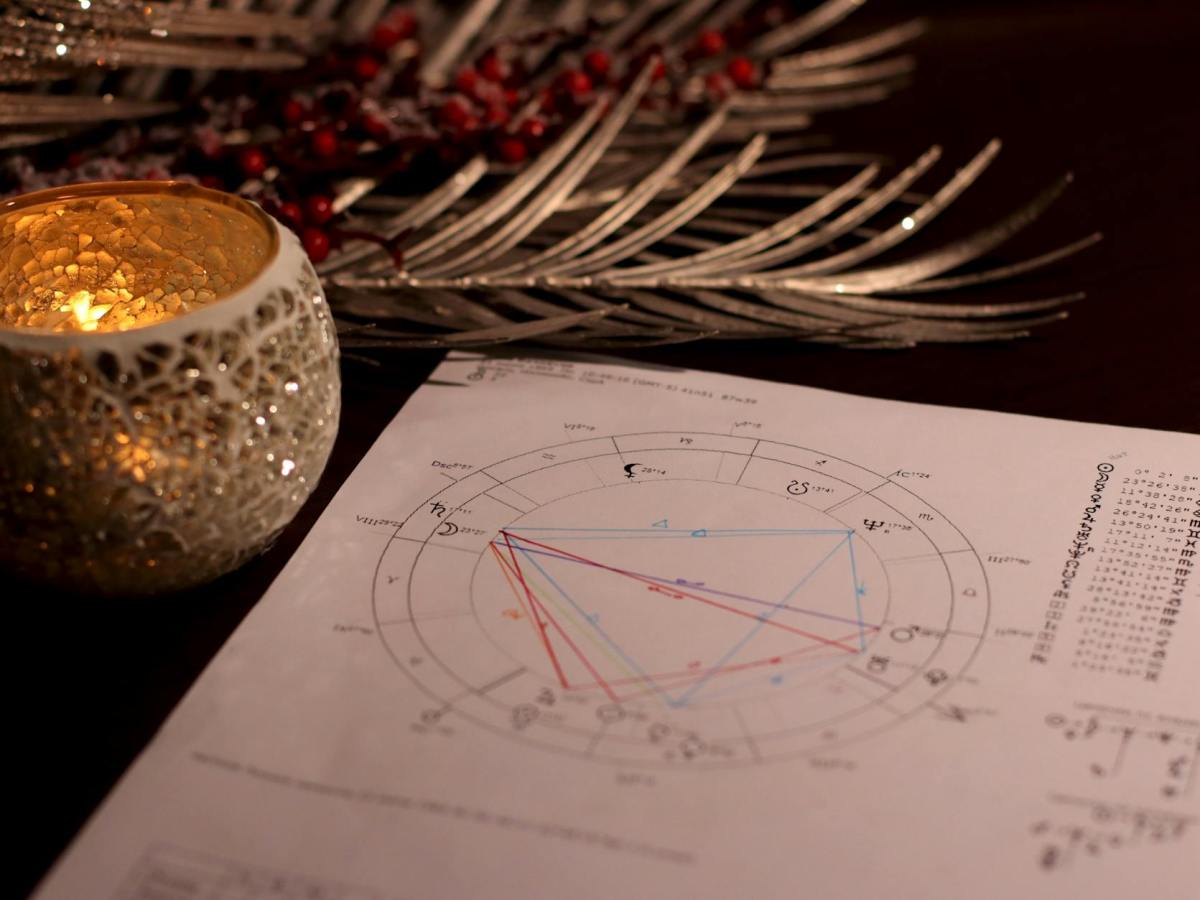


Life often refines us through challenge. Truly, the moments that test our resolve and stretch our limits also hold the raw material for our greatest growth. Gratitude acts as the fire that transforms this raw material (our fear, pain, and struggle) into wisdom, strength, and peace. Like the ancient art of alchemy, which sought to turn lead into gold, the practice of gratitude turns hardship into abundance by revealing the hidden potential within every experience.
Scientific research supports this ancient truth. Studies in neuroscience and psychology show that gratitude changes the brain’s chemistry, activating regions tied to motivation, joy, and empathy while reducing stress and anxiety. These measurable effects reveal gratitude as a genuine catalyst for transformation, helping us regulate emotion, cultivate resilience, and reframe challenges as opportunities. What spiritual traditions have long understood—that gratitude transforms suffering into meaning—is now echoed by modern science as a pathway toward emotional and mental wellbeing.
Plant Medicine Integration
Capture insights, record experiences, & integrate your medicine journey.

Let’s explore how this alchemy of the soul unfolds when we apply gratitude in the face of difficulty. We’ll examine how hardship can serve as a crucible for growth, drawing insights from psychology, quantum and metaphysical theory, and theology. Along the way, we’ll look at practical ways to practice gratitude through journaling, meditation, and reflection, so that we can transform adversity into abundance. By the end, we’ll see how gratitude helps us not only endure life’s challenges but evolve through them, turning the weight of experience into the gold of wisdom.

Alchemy: Turning Lead into Gold
Long before modern chemistry, alchemists sought to transform base metals like lead into gold, a process called alchemy that has since become a symbol of spiritual evolution as much as material transformation. It represents humanity’s timeless desire to turn heaviness into lightness, ignorance into wisdom, and pain into purpose. In this same way, gratitude acts as the alchemical fire of our inner world, capable of transforming hardship into growth and scarcity into abundance.

When we face struggle, it can feel dense and immovable—much like lead—weighted with fear, uncertainty, and resistance. Gratitude begins the transmutation by shifting our perception. It doesn’t deny the reality of pain; rather, it reveals the value hidden within it. When we consciously give thanks even in difficulty, we extract meaning from suffering and begin to see how it can serve our growth. In doing so, we refine our inner substance, turning emotional heaviness into strength and resilience.
This is not a passive process, requiring not only awareness but also the willingness to see beyond any immediate discomfort. Gratitude invites us to ask: “What is this experience teaching me? How is it shaping my understanding, empathy, or faith?” In that type of inquiry, we move from reaction to creation. The moment we begin to interpret hardship as a lesson rather than a punishment, transformation begins. Through it we engage in the steady, mindful work of refinement: burning away bitterness and shaping what remains into wisdom.

Gratitude’s Transformative Power
Modern science increasingly affirms what ancient wisdom has long taught: gratitude has the power to transform our inner world. Neuroscientific studies show that when we practice gratitude, we activate the brain’s reward centers—specifically the medial prefrontal cortex, which governs emotion regulation, empathy, and motivation. This activation stimulates the release of dopamine and serotonin, two neurotransmitters essential for feelings of joy and emotional stability. These biochemical shifts do more than elevate mood; they create long-term structural changes in the brain, strengthening neural pathways that make it easier to notice positivity and respond to life with resilience.
Psychologist Robert Emmons, a leading researcher in gratitude studies, describes gratitude as an emotional “reset button.” His research shows that gratitude enables individuals to detach from negative emotions and reframe challenges through a broader, more balanced perspective. This doesn’t mean suppressing pain, but it does mean relating to it differently.
When gratitude becomes our lens, hardship loses its power to consume us. We begin to engage with difficulty as a teacher rather than an enemy, extracting meaning rather than resistance. Over time, this practice conditions the mind to interpret life’s experiences with greater wisdom and compassion.

Gratitude functions as the bridge between acceptance and transformation. It acknowledges both the pain and the potential present within hardship, creating space for growth to occur. Where resistance blocks energy, gratitude restores flow. This principle is mirrored across spiritual traditions: what we accept, we can heal; what we resist, we reinforce. Gratitude gently opens that doorway, helping us recognize the sacred reciprocity of life and understand that even the most difficult experiences carry hidden blessings. This is how gratitude transcends emotion and becomes an act of alchemy, by reminding us that every challenge has the potential to reveal more strength and wisdom.

Soul Growth: Hardship as Opportunity
Every challenge carries the potential for awakening. From a soul-centered perspective, hardship is not random or meaningless, but rather, an invitation to deepen awareness and strengthen the spirit. Gratitude becomes the key that unlocks this hidden purpose, allowing us to find wisdom within adversity. When we approach difficulty with appreciation rather than resentment, we step into the role of conscious participant rather than passive sufferer. Each moment of struggle becomes material for soul growth, refining us into greater wholeness.

Carl Jung described this process as individuation: the integration of all aspects of the self into a unified whole. Gratitude supports this integration by helping us acknowledge the full spectrum of our experience: light and dark, strength and vulnerability, joy and sorrow.
In choosing to be grateful even when circumstances feel heavy, we practice acceptance without complacency. We begin to see that the parts of ourselves once rejected or feared often contain the very insights we need for healing. Gratitude, then, becomes an inner dialogue of reconciliation, bridging the divide between who we are and who we are becoming.
Furthermore, when we walk through pain with more awareness and gratitude, we also develop empathy for others who suffer, expanding our sense of connection to the greater human story. This shift from isolation to unity marks a turning point in our spiritual evolution: transcending personal comfort to become an offering of life itself. We recognize that our endurance, our humility, and our capacity to find beauty in the midst of struggle are not only for our own growth but also for the healing of the collective. Through this lens, hardship becomes sacred ground, and gratitude the practice that reveals its hidden grace.

Perspectives on Hardship & Gratitude
Psychologist Viktor Frankl observed that meaning can transform even the most profound suffering. His logotherapy theory proposes that when we find purpose in hardship, we transcend pain’s hold on us. Gratitude plays a key role in this process by reframing suffering as meaningful, turning adversity into insight. Rather than denying pain, gratitude gives it context, helping us recognize growth and wisdom within difficulty.
Philosophers and spiritual teachers echo this principle. Stoic thinkers like Epictetus taught that we can’t always control circumstances, but we can control our interpretation of them. Gratitude becomes the practice of doing just that: redirecting energy from resistance toward acceptance and understanding. In spiritual traditions, this same act of reframing is viewed as faith in action, or a recognition that challenges are catalysts for awakening and that trust—not control—opens the way to peace.

Together, these perspectives reveal gratitude as both a mindset and a method for transformation. It bridges psychology, philosophy, and spirituality, helping us navigate hardship with clarity and purpose. Through gratitude, we can rewrite our experiences, transforming pain into progress and adversity into evolution, turning it into a tool of personal alchemy and uncovering the hidden value in hardship.

Building Resilience with Gratitude
Resilience—the ability to recover from setbacks and adapt to adversity—is a vital trait in navigating life’s challenges. Gratitude fortifies resilience by helping us adopt an optimistic mindset and by reinforcing our internal resources. Therefore, when we face difficult times with gratitude, we actually train our minds to look for the positive aspects (even in the midst of suffering).

Psychologists have found that gratitude increases resilience by promoting a positive reinterpretation of negative experiences. According to research, people who regularly practice gratitude are more likely to focus on the positive aspects of challenges, which allows them to bounce back more quickly. This doesn’t mean ignoring the pain or pretending that challenges are easy, but rather, that focusing on gratitude helps us build the mental and emotional resources needed to approach life’s obstacles with a steady heart and an open mind.
Essentially, by reframing a challenge with gratitude, we strengthen the neural pathways that support our resilience and positivity. This mental rewiring gives us the strength to endure hardship and the perspective that’s needed to see difficulties as temporary. This is how gratitude can serve us as an “inner compass,” guiding us through storms and bringing us back to a place of peace and centeredness, regardless of external circumstances.

Practicing Gratitude in Challenges
Practicing gratitude during difficult times can feel counterintuitive. However, we’ve seen how cultivating a gratitude practice, even in hardship, can help us build a deeper reservoir of strength and resilience. Now, let’s consider some practical methods for actually engaging gratitude during challenging moments:
Gratitude Journaling: Lessons Learned
- How it Works: Write down one or two aspects of your current challenge that you’re grateful for, focusing on the lessons or growth opportunities within them. For instance, if you’re facing a difficult work situation, you might write: “I am grateful for the opportunity to develop patience and communication skills.”
- Why it Helps: By acknowledging the lessons embedded in hardship, you’re reframing your experience as a growth journey rather than an obstacle. This practice helps you see challenges as opportunities, reinforcing a mindset of learning and evolution.
Reframing: Gratitude-Based Affirmations
- How it Works: Create affirmations that reframe your challenge in a way that emphasizes growth, resilience, or inner strength. For example, if you’re dealing with financial hardship, an affirmation could be, “I am grateful for the lessons in resilience and resourcefulness this experience is teaching me.”
- Why it Helps: Affirmations that integrate gratitude help you to shift your internal dialogue, focusing on the growth rather than the loss. This subtle shift can have a powerful impact on your overall perception of a challenging situation.

Meditation: Centering & Perspective
- How it Works: In a quiet space, close your eyes and bring to mind something challenging in your life. Allow yourself to feel the difficulty, then shift your focus to any positive aspects, lessons, or growth it might be bringing you. End with a feeling of gratitude for the strength and wisdom it is cultivating within you.
- Why it Helps: This meditation helps you confront hardship with openness, allowing gratitude to soften the experience and shift your perspective. It’s a practice that helps integrate both the challenge and the blessing within it.
Find the “Hidden Blessings”
- How it Works: Throughout the day, whenever you feel stressed or challenged, take a moment to identify one small blessing within the situation. It might be the support of a friend, a newfound skill, or simply the strength to keep going.
- Why it Helps: Practicing gratitude in real-time helps create resilience by training your mind to seek positive aspects even in moments of difficulty. This approach helps reframe your outlook and keeps you grounded in gratitude, even during turbulent times.

Perspectives for Peace & Satisfaction
Gratitude doesn’t just help us navigate challenges, it actually helps us cultivate an inner wealth of peace, joy, and satisfaction. When we practice gratitude, we’re not only transforming our external reality but also building a wellspring of inner resources that enrich our lives. This inner wealth is marked by a sense of fulfillment that transcends external circumstances, offering us a steady foundation of contentment and joy.

Perhaps this is why theological traditions around the world emphasize gratitude as a pathway to inner peace. In Christianity, gratitude is seen as a form of prayer and devotion, a way to acknowledge God’s blessings and find contentment in faith. Similarly, Buddhist teachings highlight the importance of gratitude as a means of cultivating joy and equanimity, helping practitioners find peace in the present moment, regardless of external conditions.
Through practices like these, we learn that gratitude is not about denying hardship but about transforming our relationship with it. Each act of appreciation—no matter how small—becomes a declaration of faith in our strength and potential. When we choose gratitude in the midst of challenge, we remind ourselves: growth is always possible, healing is always underway, and even the darkest moments can become stepping stones toward greater wisdom and abundance.

Conclusion: The Soul’s Alchemical Tool of Gratitude Offers Grace & Abundance
Gratitude is a transformative fire, refining the soul. Like the alchemist’s flame turning lead into gold, it reshapes hardship into understanding and suffering into strength. When we meet life’s challenges with appreciation instead of resistance, we engage in a sacred process of inner evolution. In it, gratitude reveals that pain is not punishment but potential, waiting to be transmuted into wisdom, compassion, and peace.
Used in this way, gratitude bridges the tangible and the transcendent. Science shows how it rewires the brain, enhancing resilience and emotional balance. Psychology demonstrates its power to shift perception and meaning. Spiritual and theological traditions remind us that gratitude is the devotion that uncovers grace, even amidst the hardest seasons. By applying gratitude to our daily lives through reflection, mindfulness, and practice, we discover our capacity to turn life’s trials into treasures of insight and strength.
Mindful Meditation
Quiet your “monkey mind,” record your experiences, & deepen your practice.
May we remember that every challenge carries within it a spark of awakening. May we use gratitude as our tool and teacher, transforming resistance into acceptance, heaviness into light, and hardship into abundance. And may we trust that each act of appreciation, no matter how small, is illuminating a path of purpose, peace, and endless growth.
Thank you for joining us here on Onescence! If you enjoyed this article, please consider supporting our free, online periodical by purchasing one of our products through Onesce Press. Given your interest in transformation and personal sovereignty, perhaps you would benefit from:
Authentic Routines
WORKBOOK FEATURES:
- Identify your long-term goals so you can develop routines that bring you closer to their fulfillment every day.
- Discover your own unique energy cycle and begin working with your personal flow, rather than against it.
- Utilize modifiers in order to remain consistent, even when “life happens.”
- Experiment with your routines using a flexible and strategic tracking system that will allow you to understand your behavior and make necessary adjustments easily.
- And so much more…
You can also get your copy on Amazon. Don’t wait, start taking daily steps towards your long-term goals!
