


JUMP TO:
Table of Contents
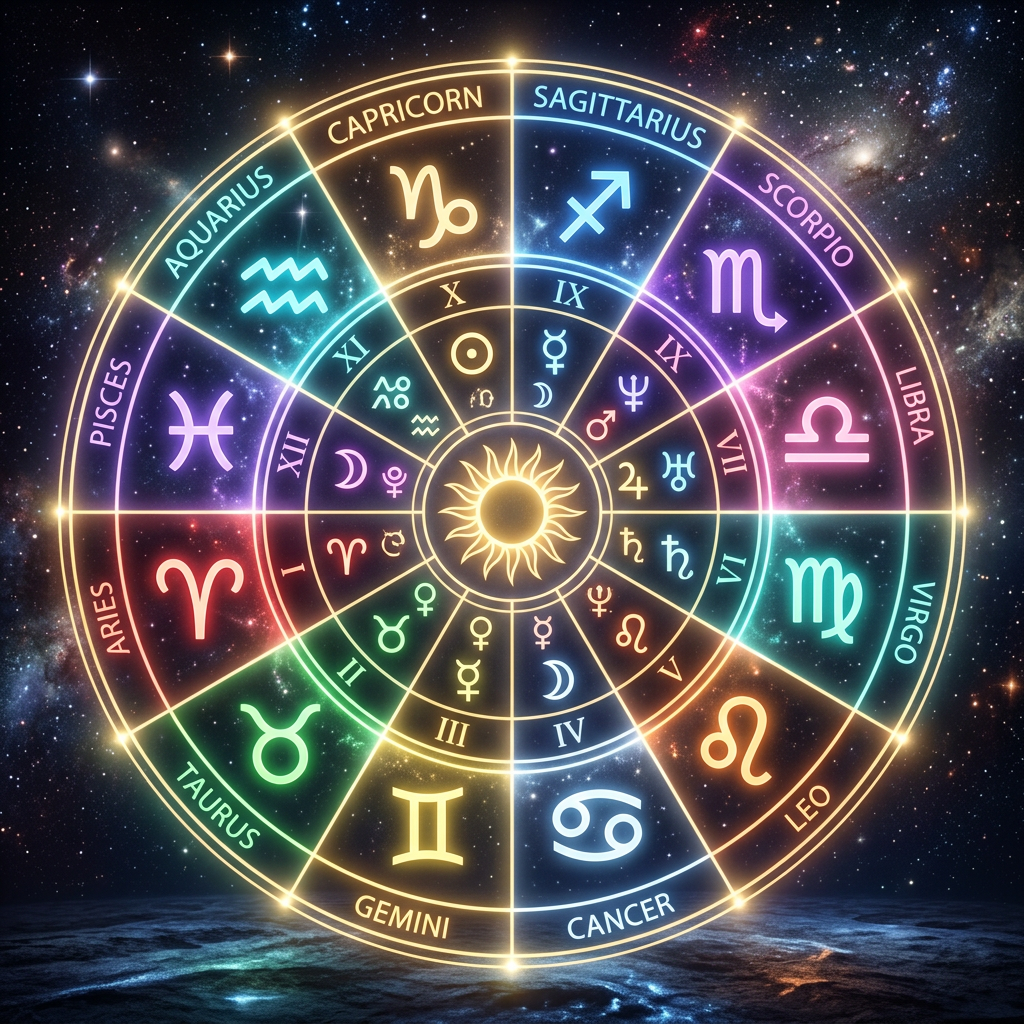
Astrology becomes far more coherent if we understand that (like the signs themselves) the houses are not merely representing personality types; they showcase the places of lived experience. If the planets are the powers moving through a chart, and the signs describe the style of their expression, the houses reveal where those powers become visible in a life. They show us where we meet ourselves, where we meet others, where we build, where we struggle, where we withdraw, and where we are called into fuller participation with the pattern of our fate.
This is one of the most important distinctions in astrology: the signs are not the houses, and the planets are not the houses; the houses are unique unto themselves. They represent the fields of experience: identity, livelihood, communication, home, creativity, work, partnership, death, learning, vocation, friendship, and the unseen dimensions of life. Modern astrology often reads them through a psychological lens, while Hellenistic astrology approached them as concrete places shaped by visibility, geometry, planetary joys, and the logic of the cosmos. Together, these perspectives help us read the chart with more depth, precision, and reverence.
Moon Cycle Journey
Enhance your life with lunar wisdom, attuning to the rhythms of nature.

Let’s explore the astrological houses through the lenses of both modern and Hellenistic perspectives, by considering: the twelve houses themselves, the power of the angular houses, the logic of the Thema Mundi, and the deeper distinction between zodiac signs, constellations, and houses. By the end, the houses will be less of an abstract teaching device and more like a living map, detailing how astrological forces move through different human experiences.

The Twelve Astrological Houses
In modern astrology, the houses are often linked to psychological themes: how a person sees themselves, how they navigate relationships, or how they pursue ambition. Hellenistic astrology approached the houses differently, treating them as literal places in the celestial sphere. Some were seen as fortunate, bringing prosperity and ease, while others were considered challenging, requiring endurance and wisdom. This ancient perspective still influences astrology today, even if the language has changed.
Essentially, each house represents a different facet of life, forming a complete system that captures the full spectrum of human experience. Some houses deal with identity and personal growth, while others focus on relationships, career, home, and the unseen forces that shape fate. The way planets express themselves depends on where they land in this twelve-part division of the sky too.
First House: The Self & Personal Identity

The first house marks the beginning of the chart. It governs self-image, personality, physical appearance, and the way others perceive us. This house is closely tied to the ascendant (rising sign), which sets the tone for the entire chart. Planets placed here tend to be highly visible in a person’s character and behavior.
In Hellenistic astrology, the first house was known as the Helm and was associated with personal direction and autonomy. A strong first house suggests confidence and a clear sense of purpose, while a challenging one may indicate struggles with identity or self-expression.
- Modern Interpretation: The house of personal development, self-awareness, and individuality.
- Hellenistic Interpretation: The place of embodiment, where fate meets free will in shaping personal trajectory.
Second House: Wealth, Resources, & Values
The second house deals with money, material possessions, personal values, and self-worth. It reflects what a person finds valuable, how they earn and manage resources, and their relationship with abundance or scarcity.
Hellenistic astrologers associated this house with livelihood and sustenance, as it directly follows the first house of self. A strong second house often signals financial stability, while challenges here may indicate struggles with material security or fluctuating income.
- Modern Interpretation: The house of financial independence, self-esteem, and material success.
- Hellenistic Interpretation: The place of resources and survival, tied to personal fortune.
Third House: Communication & Learning
The third house governs thought processes, communication style, learning, siblings, and local environment. It describes how a person absorbs information and interacts with their surroundings, including relationships with extended family, neighbors, and early schooling experiences.
In ancient astrology, this house was considered a place of messages and knowledge exchange, linked to Mercury’s natural domain. A well-aspected third house can indicate a sharp intellect and strong communication skills, while a difficult one may bring struggles with expression or misunderstandings.
- Modern Interpretation: The house of curiosity, education, and daily interactions.
- Hellenistic Interpretation: The place of speech, intellect, and familial connections.
Fourth House: Home, Family, & Ancestry
At the base of the chart, the fourth house represents home life, family origins, emotional security, and private life. It shows where a person feels most rooted and safe. In traditional astrology, it was associated with the father or ancestral lineage, although modern interpretations sometimes link it to the mother.
The fourth house is one of the four angular houses, meaning it carries significant weight in shaping a person’s experience. Its condition can indicate a stable upbringing or deep family wounds that need healing.
- Modern Interpretation: The house of home, emotional security, and family history.
- Hellenistic Interpretation: The place of origins, ancestors, and foundational experiences.
Fifth House: Creativity, Pleasure, & Expression

This is the house of joy, romance, hobbies, children, and artistic expression. It describes how a person seeks pleasure, what inspires their creativity, and how they engage in leisure activities. Traditionally, it was considered one of the more fortunate houses, as it aligns with the natural energy of the Sun.
Planets in the fifth house often highlight areas where a person experiences happiness and fulfillment. A strong fifth house can bring a love for entertainment, playfulness, and a deep appreciation for beauty.
- Modern Interpretation: The house of personal passion, romance, and self-expression.
- Hellenistic Interpretation: The place of creative joy, legacy, and pleasurable experiences.
Sixth House: Work, Health, & Responsibilities
The sixth house governs routine, health, service, and work environments. Unlike the tenth house, which deals with career ambition, this house speaks to daily obligations and how a person approaches tasks.
In Hellenistic astrology, this house was considered challenging because it was associated with toil and hardship. It was called the House of Bad Fortune, as it often signified struggle, illness, or laborious work. Modern astrology reframes this house as one of self-improvement, discipline, and the pursuit of well-being.
- Modern Interpretation: The house of wellness, productivity, and service.
- Hellenistic Interpretation: The place of labor, struggle, and physical maintenance.
Seventh House: One-on-One Relationships
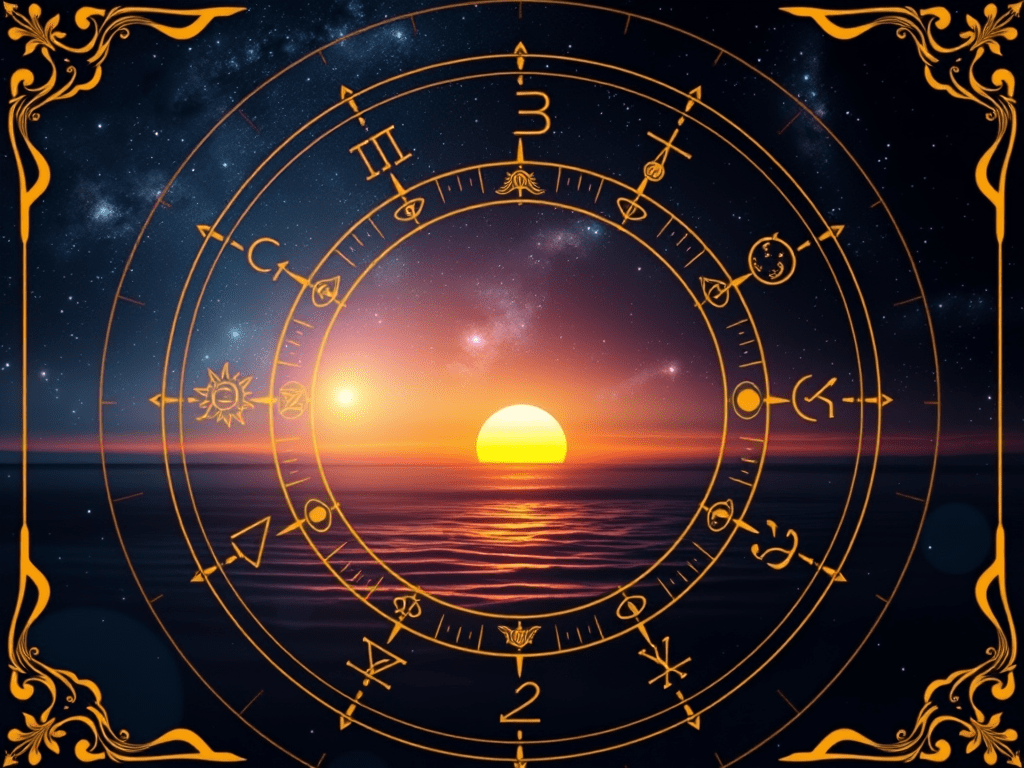
The seventh house is the direct opposite of the first house. Where the first represents the self, the seventh governs relationships, partnerships, and how individuals connect with others on an equal level. This includes romantic relationships, business partnerships, legal contracts, and even open enemies.
Hellenistic astrologers called this house the Setting Place because it aligns with the western horizon, where the Sun sets. It was seen as the point where the self meets the other—sometimes harmoniously, sometimes through conflict. Planets placed here tend to shape how a person approaches relationships. A strong seventh house can bring fulfilling connections, while a challenging one may indicate struggles with commitment or relational imbalance.
- Modern Interpretation: The house of marriage, partnerships, and significant one-on-one connections.
- Hellenistic Interpretation: The place of allies and adversaries, governing relational fate.
Eighth House: Death & Transformation
The eighth house is one of the most mysterious and misunderstood. It governs deep transformation, mortality, inheritance, shared resources, and psychological depths. In Hellenistic astrology, this was considered one of the more difficult houses because it was associated with loss, endings, and debts—both material and karmic.
This house doesn’t just deal with physical death but all forms of transformation. It rules over topics like intimacy, power dynamics in relationships, and financial connections such as inheritances, taxes, and investments. Planets in the eighth house often indicate an individual who experiences profound inner change throughout life.
- Modern Interpretation: The house of deep transformation, sexuality, and financial entanglements.
- Hellenistic Interpretation: The place of death, loss, and inherited wealth or obligations.
Ninth House: Learning, Exploration, & Beliefs
The ninth house governs philosophy, higher education, long-distance travel, and spiritual beliefs. Unlike the third house, which deals with practical knowledge and early learning, the ninth house expands the mind through wisdom, exploration, and new perspectives.
Ancient astrologers viewed this house as the place of divine inspiration and prophecy, often linked to astrology itself. It was associated with Jupiter, the planet of growth and higher understanding. A strong ninth house often indicates a seeker, or someone drawn to exploratory pursuits like: academia, foreign cultures, or spiritual studies.
- Modern Interpretation: The house of higher knowledge, travel, and worldview expansion.
- Hellenistic Interpretation: The place of prophecy, guidance, and divine wisdom.
Tenth House: Career, Public Life, & Reputation
The tenth house sits at the highest point in the chart, symbolizing public visibility, career, status, and reputation. It shows how a person is perceived in society, their ambitions, and their long-term goals. Planets in the tenth house often indicate a strong drive for achievement, shaping leadership abilities and professional success.

Hellenistic astrology called this the Midheaven, the place of greatest authority and recognition. Unlike the sixth house, which focuses on daily work, the tenth house deals with legacy and lasting impact. A well-supported tenth house often brings career success, while difficulties here may signal professional obstacles or a struggle to find purpose.
- Modern Interpretation: The house of career, success, and public identity.
- Hellenistic Interpretation: The place of power, status, and external achievements.
Eleventh House: Community, & Aspirations
The eleventh house governs friendships, social groups, and collective aspirations. It reveals how individuals interact with larger networks, including communities, organizations, and social movements. Unlike the seventh house, which deals with one-on-one relationships, the eleventh is about shared ideals and collective visions.
Hellenistic astrology linked this house to good fortune, associating it with Jupiter’s influence. It was seen as a place of hope, alliances, and support; a space where people receive help from benefactors or contribute to something greater than themselves. A strong eleventh house often points to influential social connections and a sense of belonging, while challenges here may indicate struggles with fitting in or finding meaningful friendships.
- Modern Interpretation: The house of friendships, social networks, and long-term goals.
- Hellenistic Interpretation: The place of fortune, alliances, and communal support.
Twelfth House: The Hidden & Spiritual
The twelfth house is the most mysterious place in the chart. It governs seclusion, the subconscious, spirituality, and unseen forces. This house speaks to what is hidden—both internally and externally. It can relate to solitude, meditation, self-undoing, or experiences that take a person away from the material world, such as retreat, imprisonment, or even enlightenment.
In Hellenistic astrology, this was considered the House of Bad Spirit, a place of isolation and suffering. Its themes often involve surrender, deep spiritual work, and experiences that dissolve the ego. Modern astrology has reframed this house as a space for healing, introspection, and connection to higher realms, but its challenges remain significant. A well-supported twelfth house can indicate a strong spiritual connection, while difficulties here may bring struggles with escapism, self-sabotage, or a sense of feeling unseen.
- Modern Interpretation: The house of solitude, hidden knowledge, and transcendence.
- Hellenistic Interpretation: The place of isolation, karmic burdens, and the unseen.
The Houses as a Living System
Each house tells its own story, but none exist in isolation. They create a continuous cycle of experience, where one stage leads into the next. The second house of resources follows the first house of identity, showing how self-worth influences financial stability. The third house of learning precedes the fourth house of family, suggesting that early education shapes a person’s foundational beliefs, etc..
This structure is not random. It is deeply tied to the geometry of the zodiac, the movement of the heavens, and the way energy flows through a birth chart.
Angular House Significance
Some houses carry more weight than others. The angular houses—the first, fourth, seventh, and tenth—are the most influential because they align with the four cardinal directions of the sky at the 90° quadrants of our celestial 360° sphere. In a birth chart, these houses act as anchors, shaping identity, home life, relationships, and public standing. Planets placed in these houses tend to have a stronger presence, influencing major life themes.
Hellenistic astrology emphasized angular houses as points of power. The ancients recognized that these houses, aligned with the horizon (ascendant and descendant) and the meridian (midheaven and imum coeli), were naturally more active and visible in shaping a person’s experience. Understanding their influence helps clarify why certain planetary placements feel more significant than others.
First House: Helm of Identity
The first house is the most personal of the four angular houses. It sets the rising sign (ascendant) and dictates physical appearance, personality, and life direction. This house shapes how an individual moves through the world, making it one of the most defining placements in astrology.
Hellenistic astrology ‘s name for the first house—the Helm—emphasizes its role as the steering mechanism of a person’s life. A planet placed here becomes highly visible, exerting a strong influence on self-expression. The condition of the ascendant ruler (the planet ruling the rising sign) further refines how this house operates.
- Planets in the First House amplify personal presence. A strong Mars here may create a bold, assertive personality, while a Venus placement might indicate charm and social ease.
- A Weakly Placed First House may indicate struggles with self-identity, especially if the ascendant ruler is afflicted.
Fourth House: Foundations of Life
The fourth house represents home, family, roots, and inner security. In traditional astrology, it was associated with ancestry, parental influence (often the father), and the final years of life. This house is deeply tied to where a person comes from and how they build emotional foundations.

Hellenistic astrology viewed the fourth house as a place of hidden power, since it sits at the lowest point of the chart. While the tenth house governs external success, the fourth governs internal stability. A well-supported fourth house suggests a strong foundation, while difficult placements may point to family struggles or unresolved ancestral patterns.
- Planets in the Fourth House strongly influence home life and emotional security. A Moon placement here often signifies deep family ties, while Saturn may indicate a sense of duty or burdens related to home and heritage.
- A Weakly Placed Fourth House can create instability in home life or a disconnection from one’s roots.
Seventh House: Meeting of Self & Other
The seventh house is directly opposite the first, governing relationships, marriage, business partnerships, and open enemies. Where the first house represents individual identity, the seventh house reveals how one relates to others.
Hellenistic astrologers called this house The Setting Place, as it aligns with the western horizon, where the Sun sets. This house was seen as a meeting point between self and fate, where alliances and conflicts arise. A well-supported seventh house may bring strong partnerships, while challenges here can indicate relational struggles or legal disputes.
- Planets in the Seventh House influence relationship dynamics. A well-placed Venus enhances harmony in partnerships, while a strong Mars may create passionate but combative interactions.
- A Weakly Placed Seventh House can make relationships challenging or bring difficulty in forming long-term bonds.
Tenth House: Public Standing
The tenth house, also known as the Midheaven (MC), sits at the highest point of the chart and represents career, reputation, and status. This house reveals how a person is perceived by the world, shaping ambitions and professional pursuits.

Ancient astrologers viewed the tenth house as the most powerful of the four angular houses, often determining a person’s role in society. The condition of this house and its planetary ruler indicates whether an individual will find recognition, authority, or struggle in their public life.
- Planets in the Tenth House dominate career and public image. A Sun placement here may bring natural leadership qualities, while Saturn might indicate slow but lasting success.
- A Weakly Placed Tenth House can lead to uncertainty in career direction or difficulties gaining public recognition.
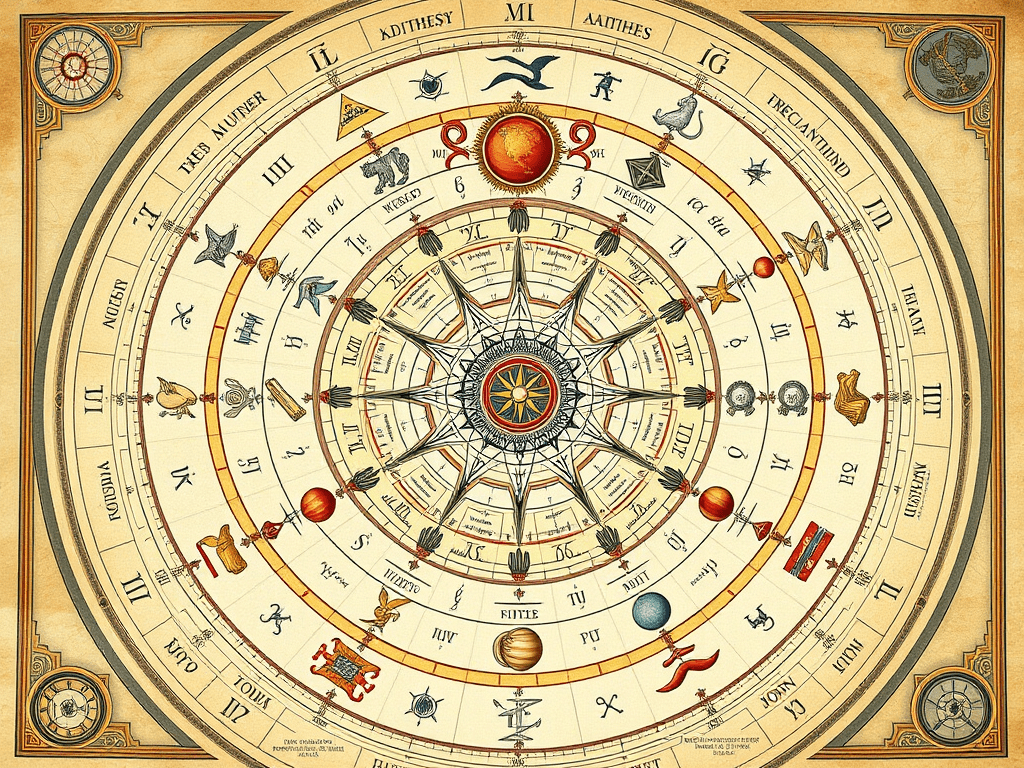
Thema Mundi: A Relational Blueprint
Hellenistic astrologers structured the house system using a theoretical birth chart of the universe, known as the Thema Mundi. This symbolic chart explains why certain planets rule specific signs and why the houses carry their traditional meanings.
In the Thema Mundi:
- Cancer rises, placing its ruler the Moon in the first house, reinforcing its connection to personal identity and embodiment.
- Leo rules the second house, associating its ruler the Sun with wealth and value, linking prosperity to divine illumination.
- Virgo governs the third house, aligning its ruler Mercury with knowledge and communication.
- Libra rules the fourth house, tying its ruler Venus to harmony in the home.
- Scorpio governs the fifth house, linking its ruler Mars to passion, creativity, and sexuality.
- Sagittarius rules the sixth house, connecting its ruler Jupiter to health and work through the concept of service.
- Capricorn rules the seventh house, placing its ruler Saturn in charge of partnerships, emphasizing commitment and long-term bonds.
- Aquarius governs the eighth house, reinforcing its ruler Saturn’s influence over transformation, shared resources, and karmic obligations.
- Pisces rules the ninth house, aligning its ruler Jupiter with higher learning, travel, and spiritual expansion.
- Aries governs the tenth house, placing its ruler Mars in the realm of career, ambition, and public status.
- Taurus rules the eleventh house, linking its ruler Venus to friendships, alliances, and collective aspirations.
- Gemini governs the twelfth house, placing its ruler Mercury in the domain of hidden knowledge, subconscious insight, and spiritual guidance.
This framework was not random. It was built on elemental and geometric relationships, ensuring a logical flow between the houses and their planetary rulers. Understanding the Thema Mundi helps clarify why astrology is structured the way it is, reinforcing its foundations in celestial logic rather than arbitrary symbolism.
Modern House Rulerships
Hellenistic astrology did not include Uranus, Neptune, or Pluto, as these planets were not visible to the naked eye. Their discovery in modern times led astrologers to assign them as co-rulers of the signs traditionally governed by Saturn, Jupiter, and Mars.
- Uranus: Co-Ruler of Aquarius and the Eleventh House – Uranus, associated with rebellion, innovation, and sudden change, was assigned to Aquarius, which traditionally belongs to Saturn. This aligns with the eleventh house’s themes of social progress, collective ideals, and revolutionary thinking.
- Neptune: Co-Ruler of Pisces and the Twelfth House – Neptune, linked to spirituality, illusion, and boundlessness, was given to Pisces, a sign historically ruled by Jupiter. This matches the twelfth house’s connection to dreams, the subconscious, and transcendent experiences.
- Pluto: Co-Ruler of Scorpio and the Eighth House – Pluto, governing transformation, power, and rebirth, was assigned to Scorpio, traditionally ruled by Mars. This reinforces the eighth house’s association with deep psychological change, mortality, and hidden forces.
Traditional rulerships remain central in Hellenistic astrology and essential dignity systems, while modern rulerships are often used in psychological and evolutionary astrology. Understanding both perspectives allows for a richer interpretation of planetary influence in a chart.
Why Some Houses Are More Powerful
The angular houses form the backbone of a birth chart, but not all the other houses were viewed equally either. Hellenistic astrologers considered some houses more fortunate or challenging than others based on planetary joys, visibility, and geometric relationships.
- The Most Active Houses: The angular houses (1st, 4th, 7th, and 10th) carry the strongest planetary influence.
- The Houses of Fortune: The 5th and 11th houses were seen as places of blessings, associated with joy, creativity, and alliances.
- The Difficult Houses: The 6th, 8th, and 12th houses were linked to struggle, loss, and hidden challenges. The 6th house governed illness and labor, the 8th house dealt with death and debts, and the 12th house ruled isolation and subconscious burdens.
While modern astrology often reframes these houses in a more psychological or developmental way, their foundational meanings remain rooted in these ancient perspectives. Understanding the ancient geometrical and philosophical aspects of astrology can ultimately help inform our more archetypal and thematic modern applications of it.
“Fortunate Houses”–Support & Blessings
In Hellenistic astrology, not all houses were regarded with the same weight or emotional tone. Fortunate houses were not “good” in a simplistic moral sense, nor did they guarantee an easy life. Rather, they were places where planetary activity could more readily support visibility, coherence, blessing, connection, and joyful participation in life.
Among the most supportive were the fifth and eleventh houses, often associated with forms of joy, assistance, and favorable circumstance. The fifth house, sometimes linked with Good Fortune, carries themes of pleasure, creativity, children, delight, and the forms of expression that make life feel meaningful and vivid. The eleventh house, often associated with Good Spirit, points toward friendship, patronage, community support, hopes for the future, and the kinds of alliances that help sustain a person’s path. In both cases, these houses suggest places where life more easily offers reinforcement, whether through inner fulfillment or outer support.
From a modern perspective, we might understand the fortunate houses less as fixed promises of ease and more as places where energy flows with greater support, affirmation, or developmental momentum. They often highlight the parts of life where a person can find resources, encouragement, visibility, belonging, or meaningful enjoyment. This is one reason it is so important not to reduce astrology to fear-based interpretations. The houses describe terrain, not permanent verdicts, and some terrain is simply more fertile than others.
Yet, as I mentioned before, both support and difficulty are part of the astrological landscape. Just as some houses were regarded as more fertile or fortunate, others were understood as more difficult to inhabit, especially in traditional astrology.
“Bad Houses”–Challenges & Potential
As we’ve seen, not all houses were viewed equally in ancient astrology. Hellenistic astrologers even categorized certain houses as “bad places” due to their association with struggle, loss, and misfortune. These included the sixth, eighth, and twelfth houses, which were considered challenging because they lacked direct connection (via aspects) to the ascendant (first house) and therefore did not “see” or “communicate” with it.
- The Sixth House – The Place of Toil and Illness
Traditionally called the House of Bad Fortune, the sixth house was associated with hardship, labor, and physical ailments. Its themes reflect necessary struggles—work, service, and health concerns. Modern astrology reframes this house as a place of discipline, healing, and self-improvement, where effort leads to resilience. - The Eighth House – The Place of Death and Loss
The eighth house governed death, inheritance, and shared resources. It was viewed as a place of karmic debts, financial entanglements, and the unknown. Modern astrologers emphasize its transformative potential, linking it to deep psychological growth, intimacy, and rebirth rather than literal misfortune. - The Twelfth House – The Place of Isolation and the Subconscious
The House of Bad Spirit ruled over seclusion, imprisonment, mental struggles, and hidden enemies. It was associated with isolation and unseen difficulties. Modern astrology reinterprets the twelfth house as a space for spiritual reflection, intuition, and deep inner work, transforming solitude into wisdom.

While these houses still present challenges, modern astrology encourages working with their energy rather than fearing them. Each “bad house” offers its own unique opportunities for growth—through endurance, self-awareness, and transformation.
Bridging Ancient & Modern Perspectives
The way astrologers interpret the houses has evolved over time. Hellenistic astrology viewed the houses as literal places of fortune and misfortune, shaping fate through planetary condition and placement. The Thema Mundi structured their meanings, reinforcing the logic behind planetary rulerships and angular power dynamics.
Modern astrology has adapted these ancient foundations, integrating psychological and evolutionary perspectives. The “bad houses” are no longer seen solely as places of suffering but as arenas for growth, healing, and transformation. The addition of Uranus, Neptune, and Pluto as modern rulers has also shifted interpretations, emphasizing deeper personal and collective evolution.
Despite these changes, the core structure of the houses remains intact. Understanding both ancient techniques and modern perspectives allows for a more comprehensive approach to astrology, one that honors its origins while embracing its continued evolution.

Constellations, the Zodiac, & Houses
One of the most common misconceptions about astrology is that it’s based on the physical constellations in the sky. This misunderstanding fuels debates about whether astrology is scientifically accurate and leads to confusion—especially when claims arise that there should be thirteen zodiac signs instead of twelve.
In reality, astrology is not based on the constellations themselves but on the movement of the Sun along the ecliptic, the apparent path it travels through the sky over the course of a year. The twelve zodiac signs are not fixed star clusters but symbolic divisions of the sky, each representing 30 degrees of the 360-degree ecliptic circle. This geometric system forms the foundation of the tropical zodiac, which has been used in Western astrology for thousands of years.
The Ecliptic & the Structure of the Zodiac
The ecliptic is the Sun’s apparent path around Earth, intersecting the celestial sphere. Ancient astrologers divided this path into twelve equal sections, each corresponding to one of the zodiac signs. These twelve segments were based on the solar cycle and the changing balance of light and darkness throughout the year.
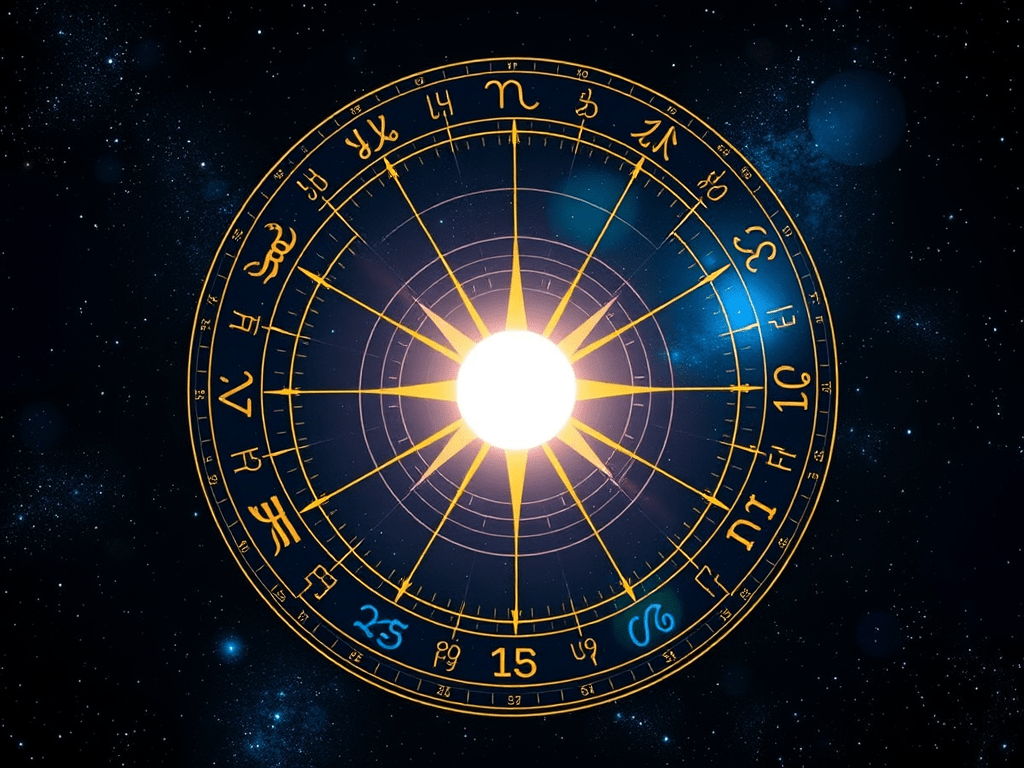
The astrological modalities of the Zodiac help to explain this dynamic, ongoing flux of essential, cyclical motion. Here’s how they were categorized:
- Cardinal signs (Aries, Cancer, Libra, and Capricorn) mark the solstices and equinoxes, key turning points in the seasonal solar cycle. Hence, Cardinal energy is naturally initiatory and brings in new beginnings.
- Fixed signs (Taurus, Leo, Scorpio, and Aquarius) stabilize each season, holding its essence. Fixed energy is solid, firm, and potent.
- Mutable signs (Gemini, Virgo, Sagittarius, and Pisces) prepare for the transition into the next season. They herald changes and drive things forward with the energy of transformation.
Understood this way, the system becomes entirely independent of the migrating constellations (which ancient astrologers witnessed long before modern scientists and sceptics ever did). The zodiac signs themselves, when used this way, become seasonal and symbolic teaching metaphors. Rather than fixed personalities or coordinates, they come to life as dynamic and powerful archetypes that reflect and refract from their own unique nodal perspectives within the cosmic cycle.
The 13th Sign: Ophiuchus

Every few years, claims surface that there should be thirteen zodiac signs instead of twelve because of the constellation Ophiuchus, which sits between Scorpio and Sagittarius. While this might seem like a groundbreaking revelation, the idea is based on a misunderstanding of how astrology works.
- Ophiuchus is a constellation, not a zodiac sign. Many constellations cross the ecliptic, but that doesn’t make them part of the astrological system.
- The twelve-sign zodiac is based on a 360-degree division of the ecliptic into twelve equal parts, not the irregular shapes of constellations themselves.
- The shifting positions of constellations have no impact on the tropical zodiac, which remains aligned with the equinoxes and solstices, and is another interpretation of our earth-bound experience of light/dark balance as it’s provided by our life-giving star: the Sun.
If astrology were based on the actual positions of stars, zodiac signs would have uneven lengths, and their boundaries would constantly shift due to precession (the slow wobble of Earth’s axis). Instead, the tropical zodiac remains fixed, preserving its original structure and meaning as a symbolic and relational teaching tool for complex theoretical and scientific observations.
SIDE NOTE: I am curious to explore this mysterious 13th sign as another instance of the repressed, the occult, or the esoteric. This number is classically associated with these themes, and the story of Asklepios (the Greek demigod associated with the constellation) is one of an empowered student being struck down by the gods because of his ability to heal the dead…
All this to say, it is possible to research and understand one tradition while remaining open to the possibilities of other perspectives. In fact, I find that being willing to explore the patterns and interconnections interwoven throughout life is the best way to find the truth that exists beyond labels and traditions themselves. After all, these artifacts of human interpretation will always be secondary attempts at capturing and reflecting the primary experiences they consequently limit in attempting to define them. So, stay curious, my friends!
Why Houses Are Separate from the Zodiac
Just as astrology does not rely on the physical constellations, neither do the houses align with the zodiac signs. The houses are based on the rotation of the Earth, dividing the sky into twelve segments based on the rising and setting of celestial bodies.
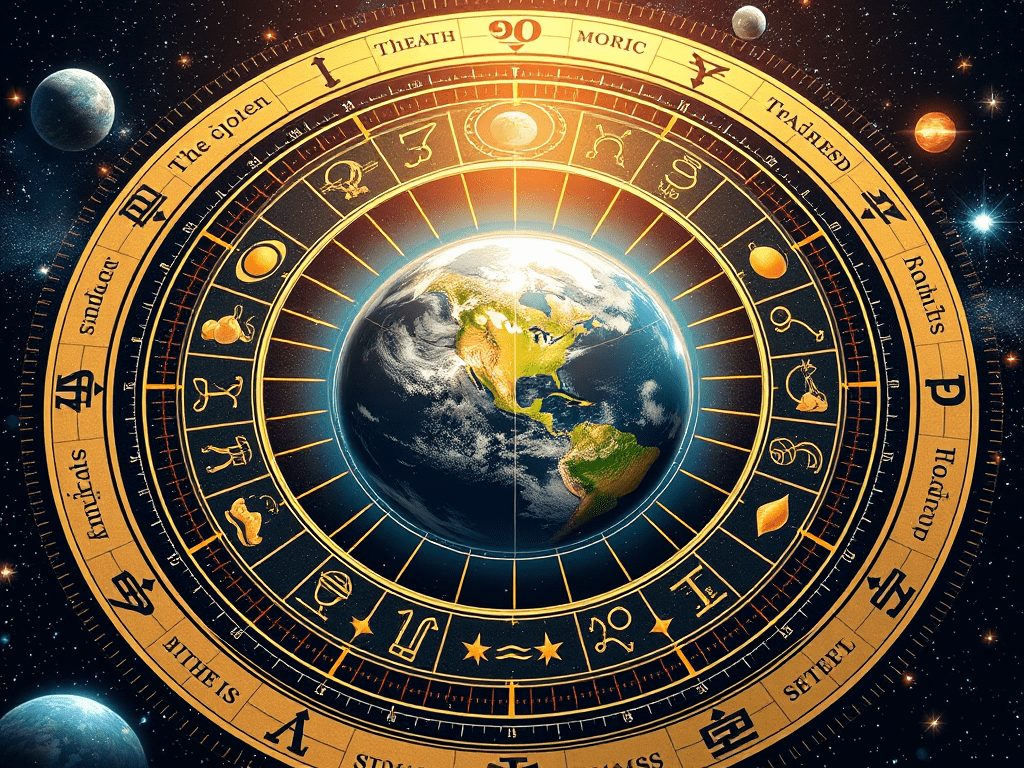
- The zodiac follows the Sun’s path, creating a fixed 12-sign framework based on seasonal cycles.
- The houses, however, shift in real-time, changing every few hours based on the Earth’s rotation.
This means that any zodiac sign can rule any house depending on the time and location of birth. While modern astrology sometimes uses “natural house rulerships” (Aries = 1st house, Taurus = 2nd house, etc.), this is only a teaching tool, not an actual placement system. The true structure of a chart is based on the unique moment of birth, where the ascendant determines which sign rules each house.
Ecliptic: Defines the Sphere, Not the Stars

The idea that astrology is outdated because “the constellations have moved” misunderstands its entire foundation. The zodiac is not trying to be a map of the infinite number of stars in our sky; it’s a symbolic division of the ecliptic, governed by the Sun’s relationship to the Earth.
By maintaining its twelve-fold structure, astrology remains an accurate reflection of cyclical time, seasonal transitions, and the interplay of light and darkness—as we experience it here on Earth, at our unique planetary location within the solar system. Understanding this distinction helps separate astronomical fact from astrological meaning, ensuring that debates about astrology’s legitimacy don’t rest on misunderstandings of how the system actually works.

Conclusion: Houses Provide Foundations For Astrological Interpretation To Build On
Astrology is more than just zodiac signs. The houses provide the structure that brings the planets and signs to life, shaping how energy manifests in different areas of experience. Without them, a birth chart would be incomplete—lacking the depth needed to understand not just what influences a person, but where those influences play out.
The twelve-house system is built on a foundation of geometric logic, planetary rulerships, and the movement of celestial bodies. Ancient astrologers developed this structure with precision and intent, using the Thema Mundi, angular house dynamics, and planetary joys to determine house meanings. Modern astrology has expanded on this, incorporating psychological perspectives and evolutionary insights, but the core principles remain intact.
Mindful Meditation
Quiet your “monkey mind,” record your experiences, & deepen your practice.
As astrology continues to evolve, its foundations remain strong. By integrating both ancient wisdom and modern insight, we gain a fuller understanding of how astrology functions—not as a random set of personality traits, but as a timeless system for interpreting the rhythms of life itself. Trough this lens, we gain access to the house system as a cosmic blueprint for collective human/Earth-bound experience, helping us navigate personal growth, relationships, career paths, and the unseen forces that shape destiny.
FAQs
What are the astrological houses?
The astrological houses are the twelve areas of lived experience in a birth chart. If the planets describe what is happening and the signs describe how it happens, the houses reveal where those forces become active in life—through identity, livelihood, home, relationship, vocation, friendship, and more.
How are the houses different from zodiac signs?
The houses are not the signs. Zodiac signs are symbolic qualities or styles of expression, while the houses are fields of life experience. A sign describes tone, temperament, or mode; a house describes the actual area of life where a planetary influence becomes visible.
What do the twelve houses represent in astrology?
Together, the twelve houses map the full range of human life. They move from selfhood and embodiment into resources, communication, home, creativity, labor, partnership, transformation, belief, vocation, community, and the hidden or transcendent dimensions of experience.
What are angular houses in astrology?
The angular houses are the first, fourth, seventh, and tenth houses. In both modern and Hellenistic astrology, they are considered especially powerful because they align with the most active points of the chart. Planets placed in angular houses tend to express themselves more visibly and with greater consequence.
What is the Thema Mundi?
The Thema Mundi is a symbolic or theoretical birth chart of the cosmos used in Hellenistic astrology. It helps explain the logic behind sign rulerships, house meanings, and the deeper architecture of the astrological system. Rather than being a literal chart, it serves as a cosmological teaching model.
Why were some houses considered “bad” in Hellenistic astrology?
Some houses were considered more difficult because of their geometric relationship to the ascendant and their perceived lack of visibility or support within the chart. This did not make them evil or morally wrong. It meant they were associated with greater struggle, obscurity, labor, isolation, or loss.
Which houses were considered fortunate in traditional astrology?
The fifth and eleventh houses were often regarded as especially supportive or fortunate, associated with joy, assistance, friendship, creativity, and beneficial connections. The angular houses could also be highly favorable, especially when occupied by well-placed benefic planets.
Are the astrological houses based on constellations?
No. The houses are not based on the physical constellations. They are calculated from the Earth’s rotation and the local horizon at the time and place of birth, dividing the sky into twelve experiential sectors. This is also represented by the zodiac, which follows the Sun’s apparent path along the ecliptic.
Are the houses the same as the zodiac signs in order?
No. The idea that Aries equals the first house, Taurus equals the second, and so on is only a teaching shorthand. In actual chart interpretation, any sign can rule any house depending on the ascendant and the specific moment of birth.
Why do the houses matter so much in chart interpretation?
Without the houses, astrology remains incomplete. They are what make a chart concrete. The houses show where planetary forces become embodied in life, which is why two people with similar signs can live very different realities. They provide the situational context that turns symbolism into lived experience.
Thank you for joining us here on Onescence! If you enjoyed this article, you can help support this free, online periodical by joining the Insider community or purchasing one of our products through Onesce Press. Given your interest in cosmic phenomena and pattern recognition, perhaps you would benefit from:
Moon Cycle Journey
JOURNAL FEATURES:
- Learn about the rhythms of the lunar cycle and how to apply them to your own journey.
- Explore your cycle goals, developing and working with your own authentic intentions.
- Discover the power of personal feedback for enhancing and sustaining progress.
- Utilize daily/nightly journal prompts that are designed to bring out your best.
- Experiment with simple ritual ideas and when to employ them throughout the cycle.
- And so much more…
You can also get your copy on Amazon and begin your journey with the next moon cycle!