

JUMP TO:
Table of Contents
Astrology begins to deepen the moment we stop treating the planets as decorative symbols and start recognizing them as active powers. The planets are the dynamic gravities of our sky. They do not merely “add flavor” to our cosmos; they shape the way vitality moves through us, the way emotion gathers, the way desire pursues, and the way growth, discipline, dissolution, or transformation unfold across a life. If the chart is a living map, the planets are the forces that animate it.
This is one of the most important distinctions in astrology: the signs, houses, and aspects are not the same as the planets. The signs describe how energy expresses itself, the houses describe where that energy is most active in life, and the aspects describe how different parts of the chart relate to one another. The planets, however, are the powers themselves. They are the actors, intelligences, and functions at work within the system. Without them, astrology loses its dynamism and becomes little more than a static set of labels.
Moon Cycle Journey
Enhance your life with lunar wisdom, attuning to the rhythms of nature.

Let’s explore the planetary archetypes as the core gravities of astrology, examining what each one fundamentally represents and how modern and Hellenistic astrology understand them differently. We’ll look at the luminaries, personal planets, social planets, and outer planets, then consider how dignity, sect, house placement, and aspects shape the way each planetary power actually behaves. By the end, the planets should feel less like abstract names and more like the living forces that teach us how astrology thinks.

What the Planetary Archetypes Actually Are
In astrology, planets are the primary governing functions of the chart. They represent kinds of activity, not just kinds of identity. The Sun signifies illumination, vitality, and selfhood. The Moon signifies embodiment, emotion, and responsiveness. Mercury signifies mediation, perception, and speech. Venus signifies attraction, accord, and value. Mars signifies action, severance, and heat. Each planet describes a fundamental pattern of life and consciousness, and these patterns are then shaped by sign, house, condition, and relationship.
This is why astrology cannot be read accurately by signs alone. A person may have Venus in Aries, but Venus remains Venus before it is anything else. The sign modifies the planet’s style, but it does not replace the planet’s underlying nature. In the same way, a planet in the seventh house is not “the house itself.” The house tells us where that planet’s themes become especially visible, but the planet still provides the function. Astrology becomes far more coherent once we learn to separate these layers and then synthesize them properly.
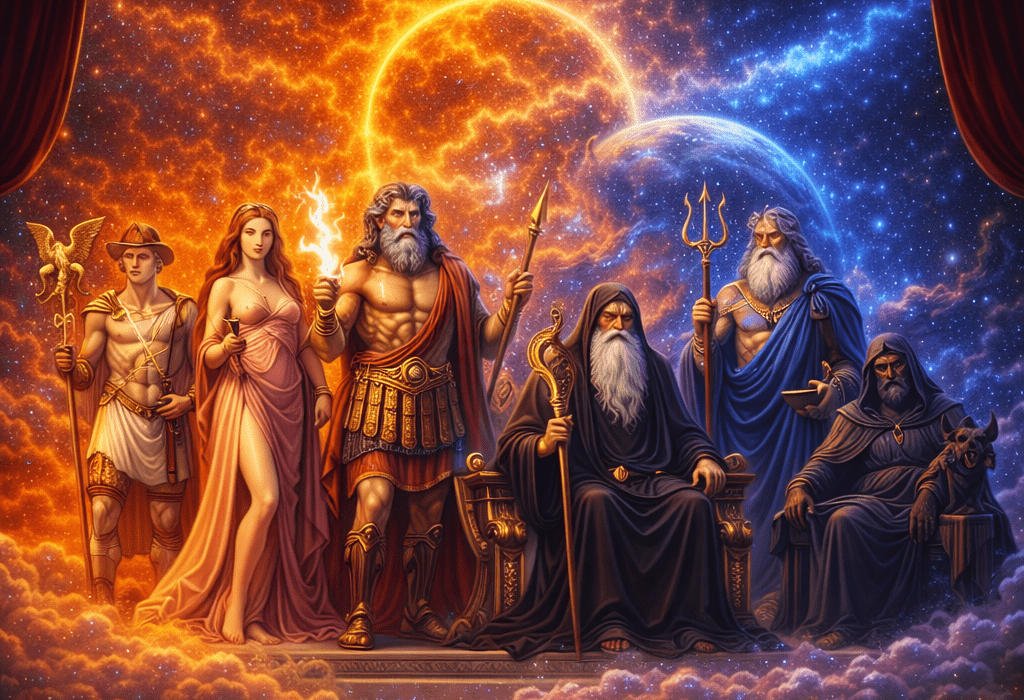
Modern astrology often treats the planets as psychological archetypes. This lens is valuable because it helps us understand the chart as an inner ecology of drives, needs, and tendencies. Hellenistic astrology, by contrast, treated the planets with greater emphasis on condition, fate, and visible celestial order. The planets were not only interior symbols; they were active influences that shaped the quality of events, opportunities, difficulties, and life patterns. These views are not mutually exclusive. Together, they remind us that astrology is both inwardly meaningful and structurally precise.
The distinction between the visible planets and the outer planets also matters. Traditional astrology was built around the seven visible planetary bodies: Sun, Moon, Mercury, Venus, Mars, Jupiter, and Saturn. Uranus, Neptune, and Pluto were introduced much later through modern astrology, and with them came additional interpretive frameworks connected to collective change, spiritual dissolution, and deep transformation. To work with the planets responsibly, we need to understand both the original architecture and the later expansions without flattening them into a single, unexamined system.
The Luminaries: Our Guiding Lights
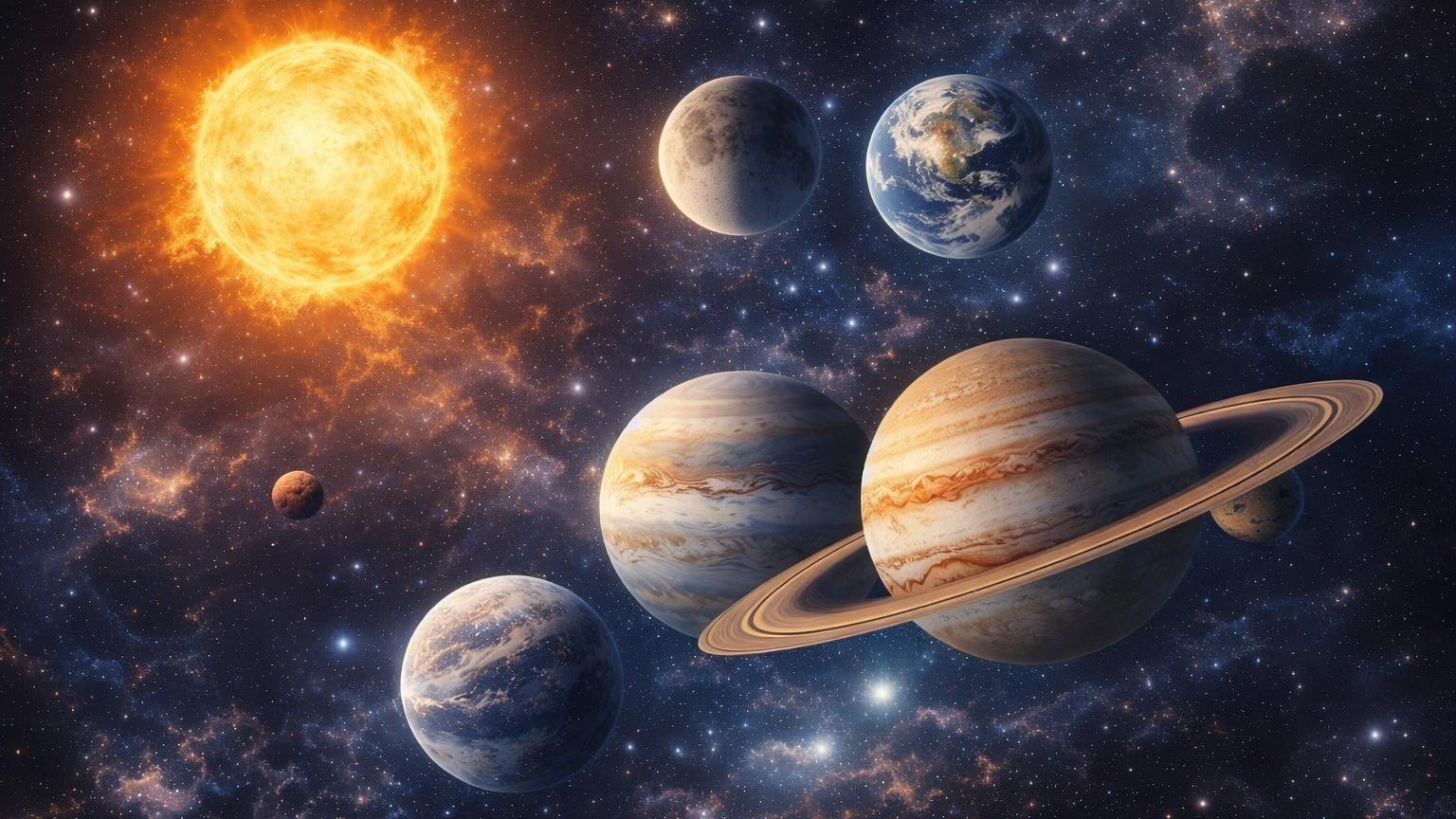
The personal planets and luminaries describe the most immediate, intimate, and recognizable functions in the chart. They shape identity, embodiment, feeling, communication, attraction, and action. Their cycles are relatively fast, which is one reason their effects often feel easier to notice in daily life. These are not the only planets that matter personally, but they form the nearest layer of astrological experience. When people first begin reading charts, this is usually where the language of astrology starts to come alive.
The Sun: The Illuminator
The Sun is the principle of illumination, vitality, and central coherence. In modern astrology, it is often described as the core self or conscious identity, but that definition becomes stronger when we remember that the Sun is not merely “ego.” It is the organizing principle that gives a life direction, visibility, and heat. The Sun reveals what wants to radiate, what seeks to become fully expressed, and what carries the power to orient the rest of the chart.
In Hellenistic astrology, the Sun also had strong associations with rank, visibility, authority, and divine order. It was not simply the inner self in a therapeutic sense. It was a marker of solar power, honor, and illumination within the larger celestial hierarchy. This gives the Sun a broader interpretive range. It can describe inner purpose, but it can also describe what in a life becomes visible, central, and consequential.

A well-supported Sun often shows up as coherence, confidence, creative vitality, and a sense of inner direction. When the Sun is strained, the issue is not always a lack of “self-esteem” in a simplistic sense. Sometimes it appears as diffused purpose, over-identification with recognition, fragility around visibility, or a strained relationship to one’s own authority. The Sun can overheat as easily as it can weaken. Its distortions may appear as arrogance, self-importance, exhaustion, or a refusal to take up one’s own place fully.
To interpret the Sun well, we need to see more than the sign. Its house placement shows where illumination is concentrated. Its aspects show what supports or complicates selfhood. Its condition shapes whether solar power manifests with clarity or strain. The Sun is less a trait than a central fire. Astrology asks us not only what that fire is, but how and where it is burning.
The Moon: The Reflector
The Moon is the principle of embodiment, receptivity, feeling, memory, and changeability. If the Sun gives direction and radiance, the Moon gives rhythm, responsiveness, and continuity of lived experience. Modern astrology often associates the Moon with emotions and subconscious needs, which is true, but the Moon is broader than a container for feeling. It describes how life is received, absorbed, remembered, and metabolized. It is the moving body of experience.
Traditional astrology gave the Moon enormous importance, especially in relation to embodiment and the unfolding of events. The Moon was seen as a transmitter of conditions, a body that reflects and carries the influences of the heavens into lived reality. This makes the Moon especially useful for understanding what is fluctuating, what is impressionable, and what is changing through time. It is not merely emotional in a narrow sense. It is also temporal, relational, and bodily.
A strong Moon often appears as emotional intelligence, responsiveness, intuitive timing, and an ability to stay connected to living rhythms. A strained Moon may appear as instability, mood volatility, over-identification with feeling, poor boundaries, or difficulty finding inner steadiness. At times, a weakened Moon is not dramatic at all. It may show up as numbness, disconnection from instinct, or a weakened relationship to the body’s own wisdom.
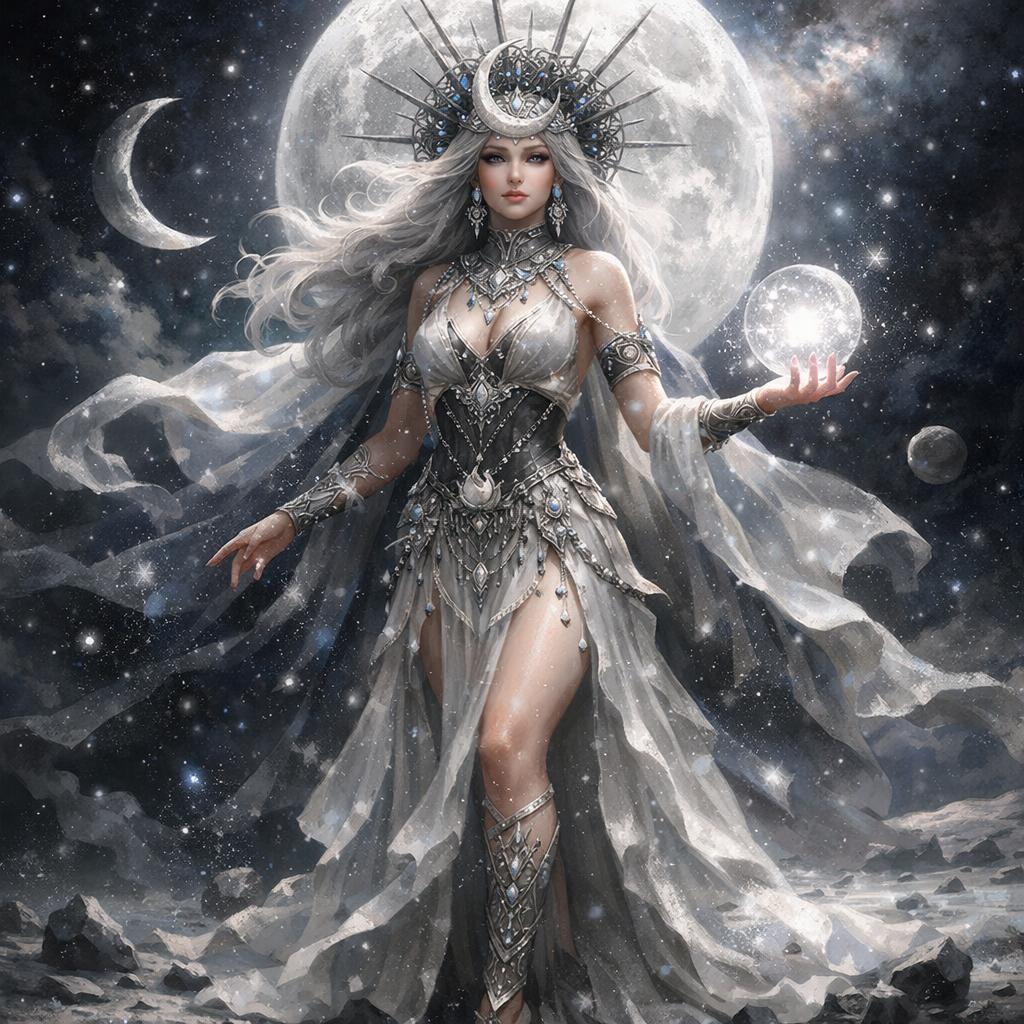
To interpret the Moon, we need to pay close attention to sign, house, aspect, and speed. The Moon changes quickly, and its condition matters deeply. It can tell us where nourishment is sought, where change is constant, and where the person is most likely to be shaped by immediate experience. The Moon is not just what we feel. It is how we inhabit change itself.
The Personal Planets
Mercury: Divine Messenger
Mercury is the principle of mediation, language, cognition, exchange, and interpretation. It governs the movement of information between inner and outer worlds. Modern astrology often emphasizes Mercury as communication and thought process, but Mercury is also the power that connects categories, translates experience into language, notices patterns, and moves between domains. Mercury is a bridge-builder and a trickster, a messenger and an analyst.
In traditional astrology, Mercury was distinctive because it could behave benefically or malefically depending on context. It was highly adaptive, highly responsive, and difficult to reduce to a single fixed moral quality. This is one reason Mercury is so fascinating, it does not simply “mean communication,” It signifies interpretation itself. It tells us how a person sorts, articulates, and connects experience.

A well-supported Mercury often appears as clarity, intelligence, versatility, curiosity, and articulate responsiveness. A strained Mercury may appear as scattered thinking, mental overactivity, miscommunication, nervousness, over-analysis, or a fractured relationship between perception and expression. Mercury can also distort through cleverness detached from meaning, or through language used defensively rather than truthfully.
Mercury should always be read in relation to its context. The sign affects style, but the aspects show the quality of contact between thought and other planetary functions. House placement shows where interpretation is concentrated. Mercury teaches us that language is never neutral. It shapes reality, mediates understanding, and influences the way a person navigates the world.
Venus: The Creative Lover
Venus is the principle of attraction, value, harmony, pleasure, and relational accord. Modern astrology often narrows Venus to love and beauty, but Venus is really about what draws us, what we cherish, what we soften toward, and what we recognize as worthy of care. Venus describes receptivity to sweetness, the formation of preference, and the ability to create relational coherence.
Traditional astrology regarded Venus as one of the benefics, associated with ease, beauty, union, and accord. This does not mean Venus is always easy in practice, but it does mean that Venus tends toward joining, balancing, adorning, and reconciling. Venus is a power of affinity. It tells us what the heart moves toward and how a person seeks harmony, connection, and delight.

A strong Venus often appears as grace, relational intelligence, aesthetic sensitivity, generosity, and the capacity to form meaningful bonds. A strained Venus may appear as over-pleasing, vanity, distorted values, relational passivity, or confusion between genuine fulfillment and surface gratification. At times, Venus strain shows up as difficulty receiving love, difficulty believing in one’s own worth, or attraction to what does not truly nourish.
To interpret Venus, we have to ask not only what the person likes, but what they value deeply and how that value is expressed. The house shows where Venus seeks accord. The aspects show whether harmony is supported, challenged, or complicated. Venus is never just romance. It is also ethics, aesthetics, magnetism, and the felt experience of meaning through relationship.
Mars: The Nobel Warrior
Mars is the principle of action, severance, courage, heat, conflict, and directed will. Modern astrology often describes Mars as drive or ambition, but Mars is more elemental than that. Mars cuts, pushes, competes, protects, and initiates force. It governs how energy is deployed when something must be asserted, defended, pursued, or broken through.

Traditional astrology treated Mars as a malefic, not because it is “bad,” but because Mars disrupts, cuts, and intensifies. It introduces friction, urgency, and separation. This gives Mars both danger and necessity. Without Mars, there is no decisive action, no boundary, no clean rupture from what must end. Yet when Mars is excessive or poorly integrated, it can manifest as aggression, recklessness, hostility, or destructive impatience.
A strong Mars often appears as courage, decisiveness, vitality, strategic action, and the ability to confront challenge directly. A strained Mars may appear as volatility, poor impulse control, hostility, fear of conflict, burnout, or difficulty mobilizing energy at all. Mars can distort through excess heat, but it can also distort through collapse, passivity, or disowned anger.
To interpret Mars, we need to understand where force is concentrated and how it is being shaped. The sign affects style, but the house shows where conflict, effort, or courage become most visible. The aspects reveal what Mars is in dialogue with. Mars teaches us that action is never abstract. It always has temperature, consequence, and direction.

The Social Planets
Jupiter and Saturn move more slowly and govern broader cycles of development, worldview, structure, and consequence. They are often called the social planets because they shape the way personal life meets culture, law, order, time, aspiration, and inheritance. These planets do not simply describe “mood” or preference. They describe architecture.
Jupiter: The Mentor
Jupiter is the principle of growth, faith, meaning, blessing, and expansion. It opens the field, widens perspective, and tends toward increase. In modern astrology, Jupiter is often associated with luck, optimism, or abundance, but these are surface expressions of a deeper function. Jupiter enlarges. It seeks coherence through growth, not contraction. It is associated with trust, generosity, philosophy, worldview, and the sense that life can become more spacious.
Traditional astrology viewed Jupiter as the greater benefic, associated with grace, justice, fertility, and favor. This does not mean Jupiter guarantees ease in a simplistic way. It means Jupiter tends to support flourishing, legitimation, and meaningful increase when it is well-placed. A strong Jupiter can indicate not only material blessing, but moral or spiritual breadth.
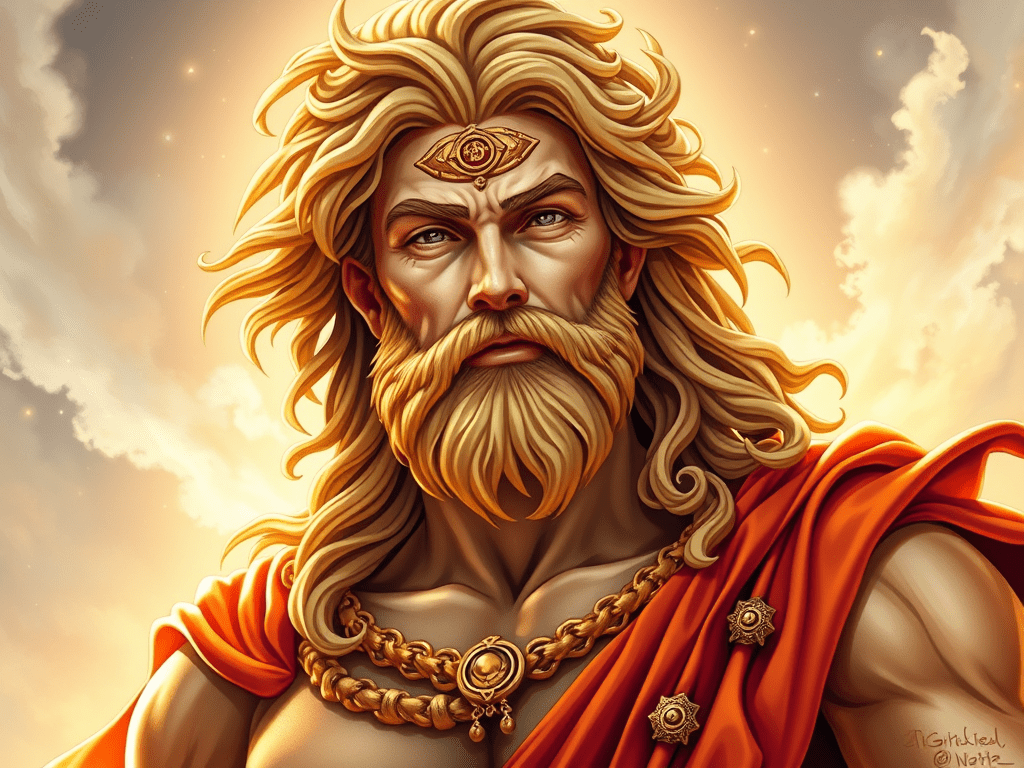
A well-supported Jupiter often appears as hope, confidence, generosity, perspective, and a willingness to grow beyond limitation. A strained Jupiter may appear as excess, inflation, moral certainty without reflection, over-promising, indulgence, or a refusal to accept necessary restraint. Jupiter can distort by becoming too much of itself; expansion without wisdom becomes recklessness.
To interpret Jupiter well, we need to ask where life is seeking increase and what kind of increase is actually possible. House placement shows the sphere of growth. Aspect shows whether growth is supported or challenged. Jupiter is not just fortune. It is the principle by which life extends itself into possibility.
Saturn: The Drill Sergeant
Saturn is the principle of time, structure, limit, endurance, consequence, and reality-testing. Where Jupiter expands, Saturn defines. Where Jupiter blesses, Saturn burdens or crystallizes. Modern astrology often describes Saturn as lessons, responsibility, or discipline, which is useful, but Saturn is more than a self-help teacher. Saturn governs the conditions under which things must endure, mature, simplify, or confront their own limits.
Traditional astrology treated Saturn as the greater malefic, associated with hardship, delay, coldness, dryness, and necessity. This language can sound severe, but it reflects something real. Saturn is the planet most associated with the experience of weight. It compresses, slows, tests, and reveals what cannot be bypassed. Yet Saturn also grants mastery, gravity, and lasting form when its demands are met.
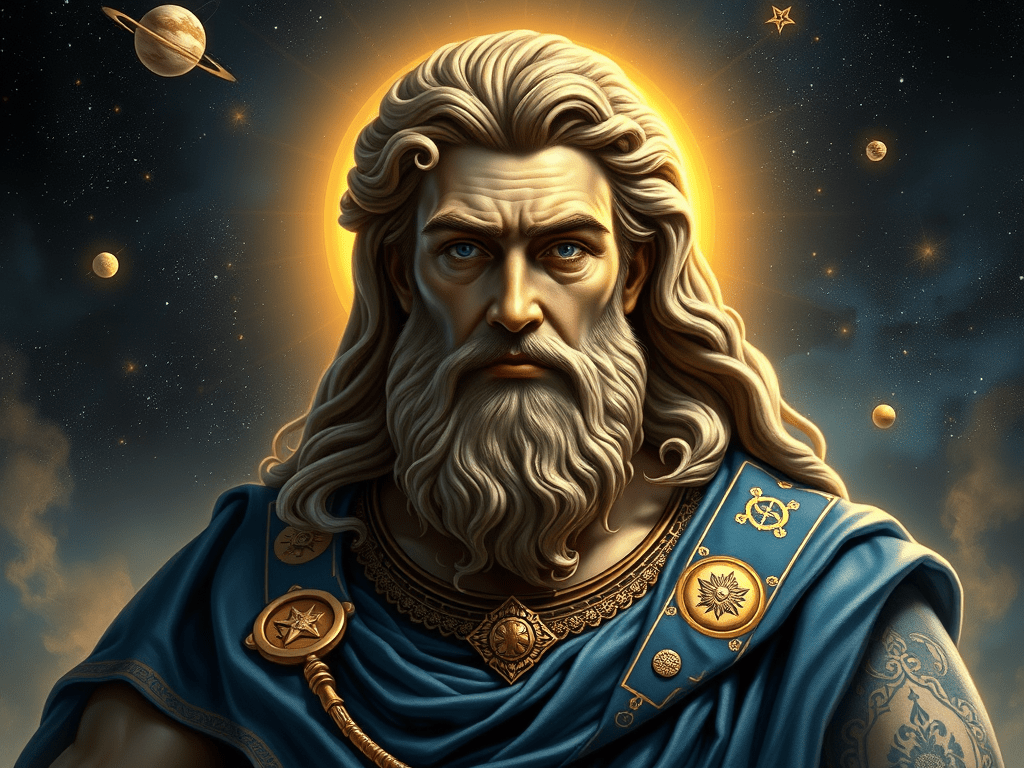
A strong Saturn often appears as seriousness, integrity, endurance, depth, patience, and the ability to build something durable over time. A strained Saturn may appear as fear, rigidity, scarcity-thinking, isolation, self-punishment, paralysis, or chronic distrust of ease. Saturn can distort by becoming too defended, too withholding, or too identified with burden.
To interpret Saturn, we need to ask where life requires maturation, responsibility, and containment. House placement shows the sphere of gravity. Aspect shows whether Saturn’s limits are stabilizing, obstructive, or transformative. Saturn teaches that not all difficulty is punishment. Sometimes it is the form through which reality asks to be taken seriously.
The Outer Planets
Uranus, Neptune, and Pluto were not part of traditional astrology because they are not visible to the naked eye. Their meanings emerged through modern astrology, especially in response to collective, psychological, and historical frameworks that sought to explain longer and deeper transformations. These planets are often associated with generations, collective shifts, and profound inner change. That does not make them unreal or insignificant. It means they belong to a later layer of astrological interpretation.
Uranus: Lord of Innovation
Uranus signifies disruption, reversal, awakening, rupture, innovation, and liberation. It breaks continuity in order to expose what has grown too rigid, false, or stagnant. Uranus is often described as rebellious, but rebellion is not its essence. Its deeper function is interruption. It destabilizes inherited forms so that new patterns can emerge.
A strong Uranus often appears as originality, independence, insight, inventive thinking, and a willingness to break from convention when necessary. A strained Uranus may appear as erratic behavior, compulsive instability, contrarianism, avoidance of commitment, or change pursued for its own sake. Uranus can awaken truth, but it can also scatter energy if it is not grounded.

Uranus is most meaningful when read in relation to what it disrupts. The house shows where liberation or upheaval becomes visible. The aspects show how Uranus shocks, frees, or destabilizes other planetary functions. Uranus teaches that awakening is rarely tidy.
Neptune: Lord of Dreams
Neptune signifies dissolution, imagination, idealization, transcendence, compassion, enchantment, and confusion. It dissolves boundaries and destabilizes clear distinctions. This can be beautiful or dangerous, depending on context. Neptune is associated with spiritual longing, artistic inspiration, fantasy, mysticism, and the desire to merge with something larger than the individual self.
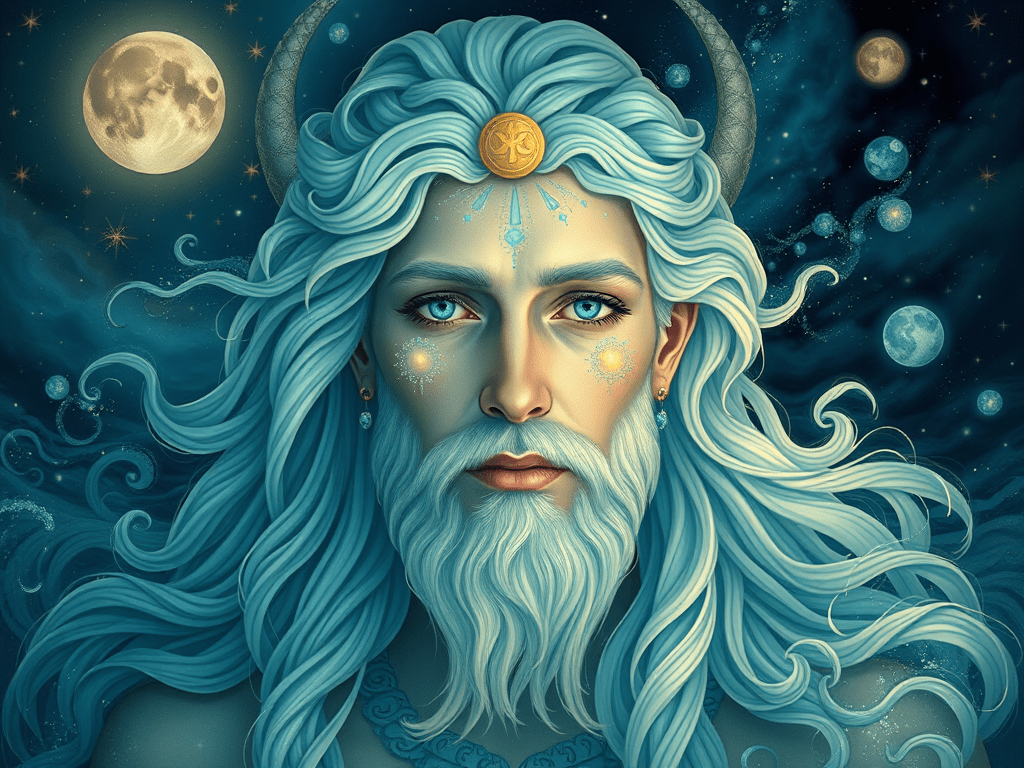
A strong Neptune often appears as imagination, empathy, spiritual sensitivity, artistic depth, and subtle perception. A strained Neptune may appear as confusion, denial, escapism, projection, addictive tendencies, or difficulty distinguishing dream from reality. Neptune can inspire revelation, but it can also blur what needs to remain clear.
To interpret Neptune well, we need discernment. The house shows where boundaries soften or dissolve. The aspects show whether Neptune spiritualizes, romanticizes, confuses, or sensitizes other functions. Neptune teaches that transcendence without grounding can become illusion, but grounding without wonder can become spiritual starvation.
Pluto: Lord of Transformation
Pluto signifies descent, exposure, intensity, power, compulsion, death, and regeneration. It is the principle of transformation through pressure. Pluto strips surfaces and reveals what lies beneath them. In modern astrology, Pluto is often associated with shadow work, deep change, and rebirth, but its deeper logic is exposure through extremity. Pluto reveals what can no longer remain hidden.
A strong Pluto often appears as resilience, depth, magnetic intensity, honesty about shadow material, and the capacity for profound transformation. A strained Pluto may appear as obsession, control issues, paranoia, manipulation, fear of loss, or destructive attachment to power. Pluto can regenerate, but it usually does so by forcing confrontation first.

Pluto is best interpreted as the force that reveals buried truth through pressure. The house shows where depth, collapse, or regeneration are concentrated. The aspects show what Pluto intensifies, exposes, or compels. Pluto teaches that some transformations are not chosen freely at first, but they can still become meaningful.
Planetary Condition, Context, & Relationship
No planet can be understood fully in isolation. The planet’s core nature matters, but its expression depends on condition and relationship. This is one of the greatest contributions of traditional astrology and one of the most important correctives to simplistic chart reading. A person does not merely “have a Venus” or “have a Mars.” They have a Venus or Mars functioning under specific circumstances.
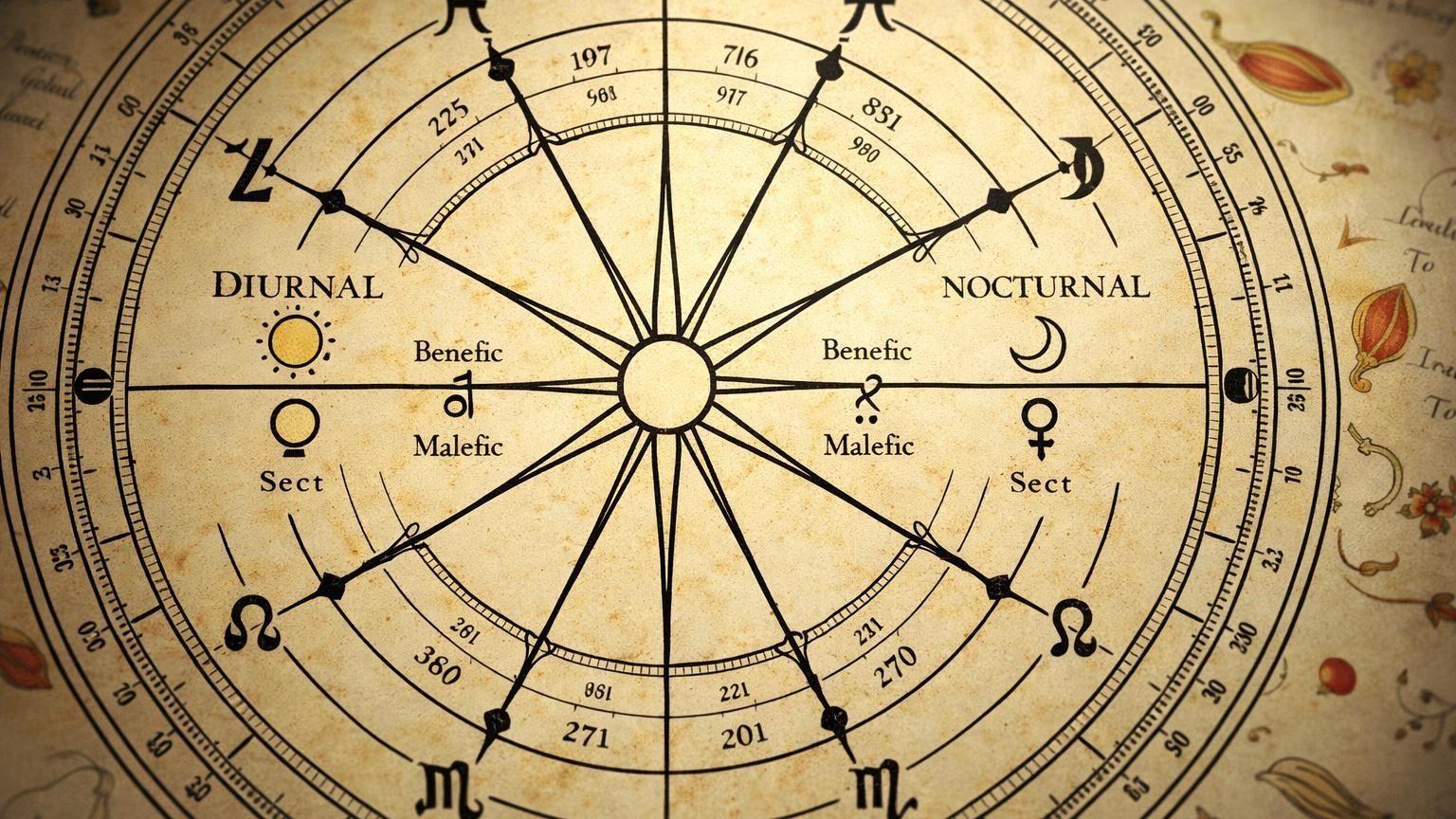
Essential dignity describes whether a planet is in a place where its nature can act with strength, coherence, or authority. A planet in rulership or exaltation tends to function more clearly than one in detriment or fall. This does not make dignity “good” and debility “bad” in a moral sense, but it does indicate whether a planetary function is well-supported or internally strained. A dignified Venus may know how to form value and connection more naturally. A debilitated Venus may still be powerful, but it may do so through tension, compensation, or difficulty.
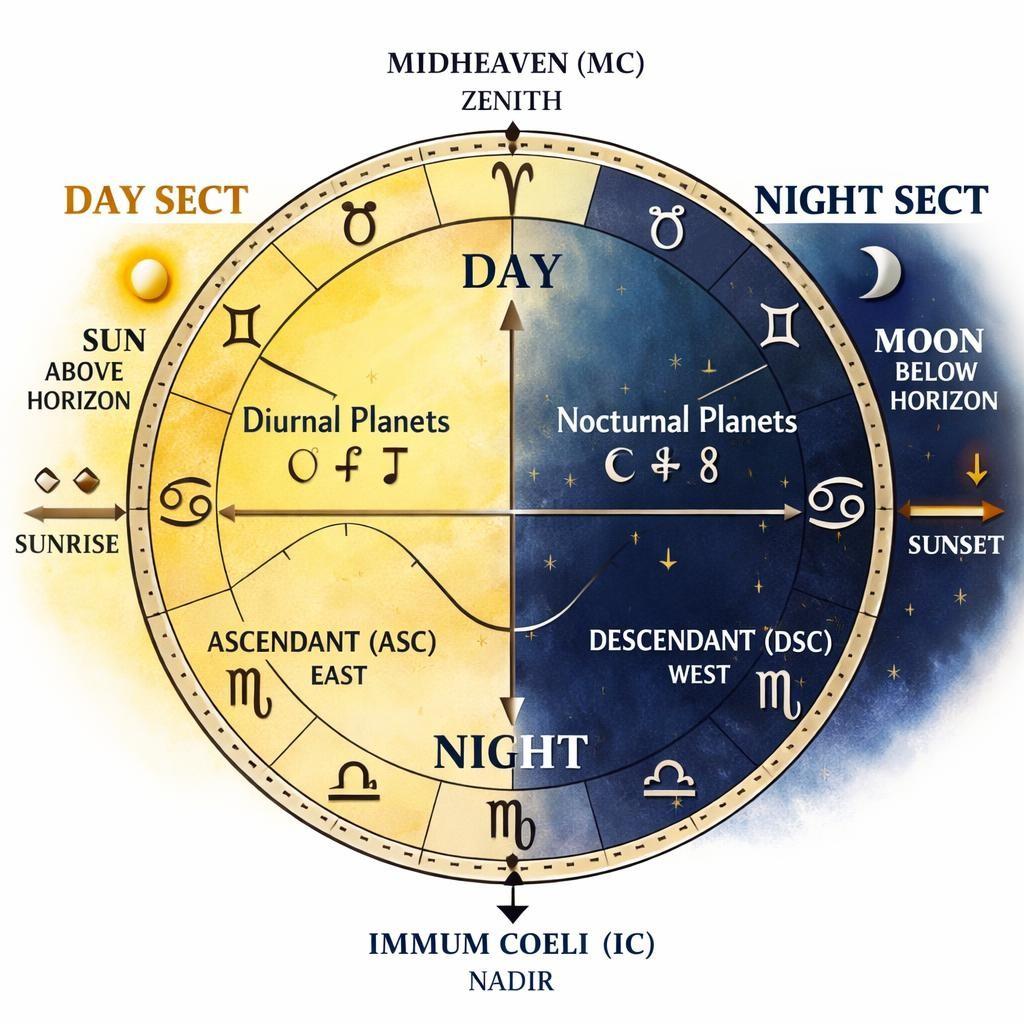
Sect is another traditional principle that matters deeply. In broad terms, some planets are more comfortable in day charts and others in night charts. This modifies how easily a planet’s nature can be expressed. House placement also matters because some parts of the chart are more visible, active, or empowered than others. A planet near an angle behaves differently from one hidden in a less visible part of the chart.
Aspects show how planets relate to one another. A square does not erase a planet’s nature, but it may complicate its expression. A trine does not automatically make life easy, but it can indicate support or flow between two functions. This is where astrology becomes relational rather than static. A chart is not a bag of traits. It is a network of forces in dialogue.
Understanding condition helps us move beyond simplistic archetype definitions. A person may have a brilliant Mercury that is still under pressure from Saturn. A person may have a strong Mars that is softened by Venus or expanded by Jupiter. This is why astrology rewards depth. It is not enough to memorize meanings. We have to learn to read how forces behave under real conditions.

Reading the Planetary Archetypes in Practice
The most practical way to begin using planetary archetypes is to stop asking only, “What sign is this planet in?” and start asking, “What is this planet doing?” The sign matters, but the function comes first. If Mars is emphasized, where is effort, heat, conflict, or assertiveness appearing in life? If Venus is emphasized, where are value, attraction, or relational priorities becoming central? If Saturn is emphasized, where is life becoming heavier, slower, more structured, or more demanding?
In natal chart work, the first task is often to identify emphasis. Which planets are angular? Which are strongly aspected? Which are dignified or challenged? Which dominate the tone of the chart? This helps distinguish background symbolism from major governing forces. A chart with a strong Moon and Saturn will feel different from one dominated by Venus and Jupiter, even if some placements overlap elsewhere.
In transit work, the planets become active timing forces. A Saturn transit does not “mean the same thing” as a Jupiter transit simply because both contact the same natal placement. The archetypal nature of the transiting planet matters. Saturn tests, consolidates, limits, or matures. Jupiter expands, opens, blesses, or inflates. Uranus interrupts. Neptune dissolves. Pluto intensifies and transforms. Understanding the core planetary function helps make transit interpretation far more coherent.
In lived experience, we can also begin noticing planetary themes without needing to become fully technical astrologers. We can ask: What kinds of patterns recur when life becomes especially Mars-like, Venus-like, Saturn-like, or Neptunian? What happens when communication becomes highly Mercury-charged, or when emotional life becomes Lunar and tidal? This kind of observation builds relationship with astrology. It moves us beyond memorization and into perception.
The planets are not abstractions. They are symbolic intelligences that help us recognize the recurring patterns of life. The more clearly we understand their functions, the more naturally astrology begins to read as a living system.

Conclusion: The Planetary Archetypes Teach Us How Astrology Thinks
The planets are the core gravities of astrology. They are not interchangeable with signs, houses, or aspects, and they are not reducible to personality shorthand. They are the governing powers that animate the chart: the forces of illumination, embodiment, thought, desire, action, growth, limit, disruption, dissolution, and transformation. To understand the planets is to begin understanding the grammar of the entire astrological system.
Once we see this, the chart becomes more coherent. The signs show style. The houses show location. The aspects show relationship. The planets show function. They reveal what kind of force is at work before we ask how or where it is expressing itself. This is why planetary understanding is so foundational. Without it, interpretation stays flat. With it, astrology begins to move.
Plant Medicine Companion
Support for your journey of transformation, from planning through to integration:
The planetary archetypes teach us that astrology is not simply a language of labels. It is a language of living powers. These powers are conditioned, contextual, and relational, but they are never meaningless. They reveal how personality forms, how fate unfolds, how time ripens, and how life presses us toward growth, refinement, or transformation. The sky does not become readable all at once. It becomes readable as we learn the nature of its powers, and the planets are where that learning truly begins.
FAQs
What are planetary archetypes in astrology?
Planetary archetypes are the core powers or functions that animate a birth chart. Unlike zodiac signs, which color how energy expresses itself, or houses, which show where that energy becomes active, the planets describe the forces themselves: vitality, emotion, thought, attraction, action, growth, structure, disruption, dissolution, and transformation.
How are planets different from zodiac signs and houses?
In astrology, planets are the actors, signs are the style, and houses are the setting. A planet tells us what kind of force is operating, a sign tells us how that force behaves, and a house shows where it becomes most visible in life. This distinction is one of the foundations of clear chart interpretation.
What do the Sun and Moon represent in astrology?
The Sun represents illumination, vitality, coherence, and the central organizing principle of the self. The Moon represents embodiment, receptivity, feeling, memory, and the way we experience life through rhythm and change. Together, they form the core luminary axis of astrology.
What is the difference between personal planets and outer planets?
The personal planets and luminaries move more quickly and shape our most immediate, recognizable experiences of identity, emotion, communication, attraction, and action. The outer planets move much more slowly and tend to describe deeper collective or long-range processes connected to awakening, dissolution, and transformation.
Why does planetary condition matter in chart interpretation?
A planet’s meaning is never static. Its expression changes depending on dignity, house placement, aspects, sect, and overall chart context. This is why astrology cannot be reduced to memorizing keywords. Planetary condition shows how clearly or difficultly a planet is able to act within a real chart.
How can I start working with planetary archetypes in real life?
Start by asking what a planet is doing rather than only what sign it is in. Notice where themes of Mars, Venus, Saturn, or Mercury keep appearing in your life. Track transits, returns, and repeating patterns in your chart. Over time, the planetary archetypes become less like abstract concepts and more like living rhythms you can actually recognize and work with.
Thank you for joining us here on Onescence! If you enjoyed this article, you can support our free, online periodical by joining the Insider membership or purchasing one of our products through Onesce Press. Given your interest in transformation and personal sovereignty, perhaps you would benefit from:
Authentic Routines
WORKBOOK FEATURES:
- Identify your long-term goals so you can develop routines that bring you closer to their fulfillment every day.
- Discover your own unique energy cycle and begin working with your personal flow, rather than against it.
- Utilize modifiers in order to remain consistent, even when “life happens.”
- Experiment with your routines using a flexible and strategic tracking system that will allow you to understand your behavior and make necessary adjustments easily.
- And so much more…
You can also get your copy on Amazon. Don’t wait, start taking daily steps towards your long-term goals!
