Table of Contents
Click to jump to any section:
Astrology is often thought of as a fixed snapshot of who we are: our sun sign drives our horoscope curiousities, maybe we know our moon or rising sign, we collect a few personality traits here and there… And, that’s where most people stop. However, if you’ve ever sensed that the stars are speaking to more than just your personality—you’re right. Astrology isn’t static, it moves. Once you start to track all that movement, the whole system comes alive. This discovery is where active astrology begins.
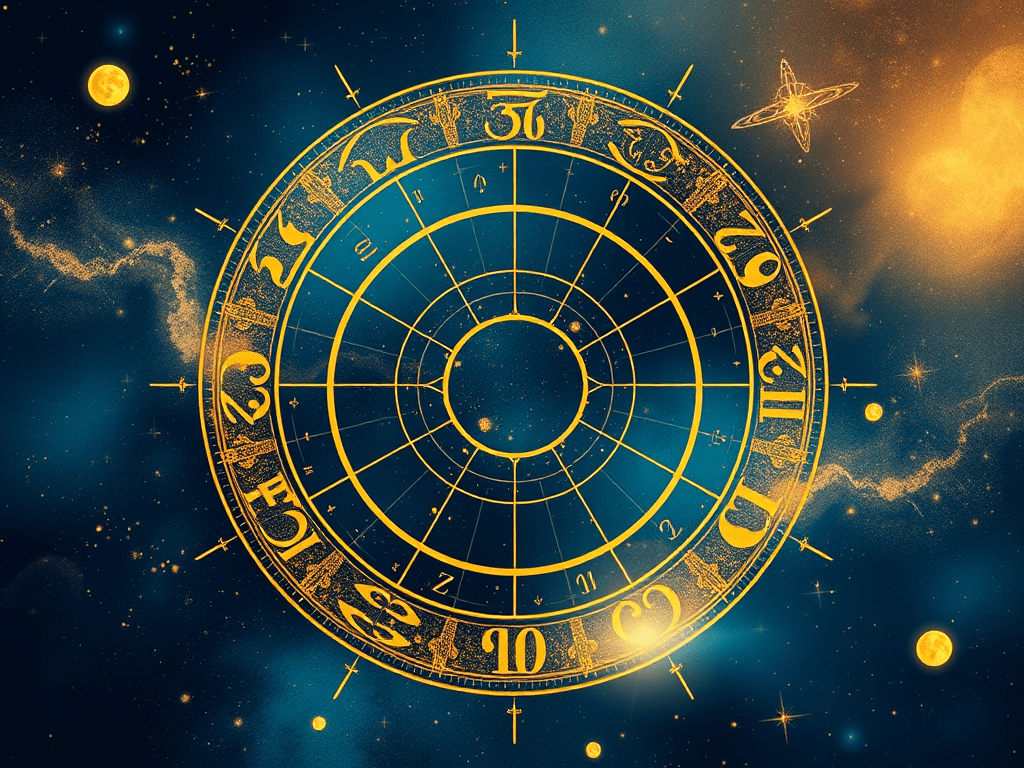
This kind of active, lived astrology invites us to work with our charts in real time. It teaches us to notice how celestial patterns unfold and how they ripple through our lives—not just at birth—but day by day and cycle by cycle. Whether it’s a powerful planetary aspect forming in the sky, a solar return that signals the start of a new personal phase, or a retrograde drawing us inward, these movements can reveal what’s ready to shift, settle, or emerge.
Sabbat Activity Booklet
Get your free copy of this printable PDF, designed to help you explore any of the Pagan Sabbats!
Let’s explore how we can use aspects, transits, and planetary returns to engage with our natal charts for real-time, energetic orientation. We’ll learn how aspects function like cosmic conversations, how transits stir change, and how returns offer personal reset points for our ongoing evolution. We’ll also take a closer look at retrogrades—those oft-misunderstood backward dances—and why they’re key to working with time, rather than against it.

What Are Aspects & Do They Matter?
If the planets in your chart are actors, then aspects are the relationships between them: the lines of dialogue, tension, support, and chemistry between them that tell the story. Aspects are the angles formed between planets when viewed from Earth, and they describe how different energies in your natal chart work together—or challenge each other.
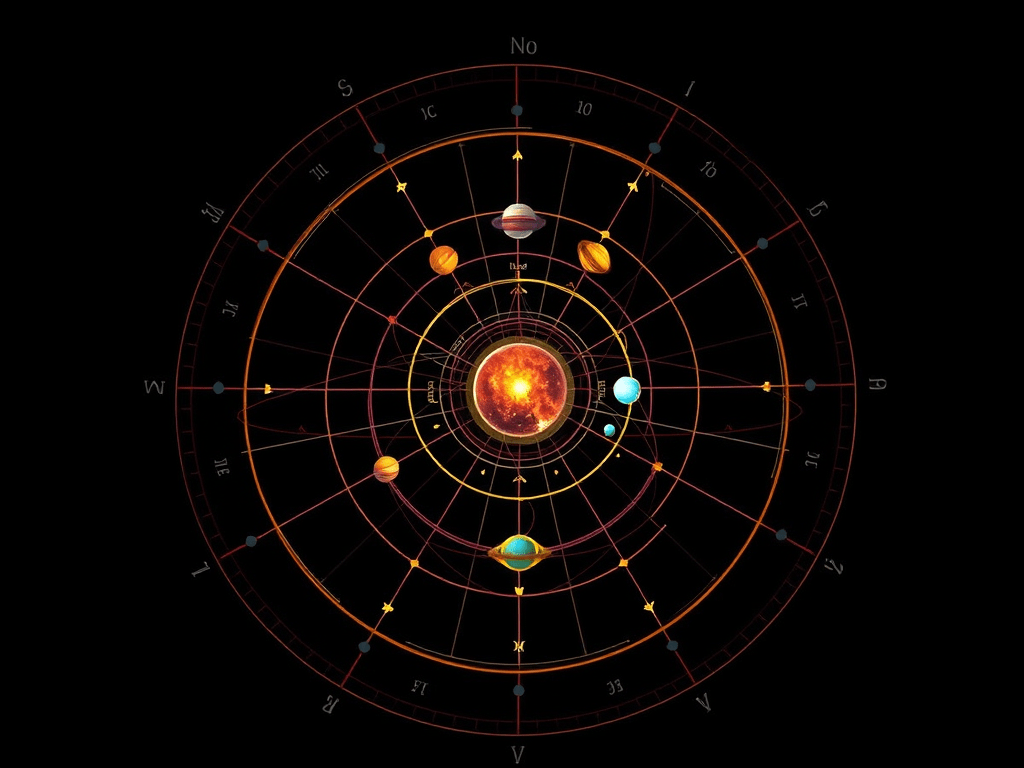
Understanding aspects helps reveal whether the players collaborate or conflict. Do our emotions and actions align? Does our intellect support our desires, or challenge them? These are the types of questions aspects answer. They don’t add new planets or signs to the mix, instead, they clarify how these characters all interact.
Modern astrologers interpret aspects psychologically by looking at how the corresponding energies within us complement, challenge, or balance one another. Hellenistic astrologers, by contrast, view aspects as the ways in which planets are able to “see” (and therefore communicate with) each other. If two planets can’t form one of a handful of specific angles, they ae considered to be blind to/out of contact with one other, unable to interact or influence each other. Both views can add depth to our understanding.
What Kinds of Aspects Are There?
Some planetary aspects create ease and flow, while others generate friction or restlessness. None are good or bad in a strict sense. Just like in any good story, tension can drive growth, and harmony needs rhythm. When we talk about aspects, we’re usually referring to a handful of well-known angles:
- Conjunction
Planets appear to be right on top of each other (0° separation); their energies will be blending and/or competing for attention. In the case of the Sun, its conjunctions are called cazimi and the planets were traditionally said to “burn up” under its rays. - Sextile
Planets are at a 60° angle from eachother and in the same polarity (masculine or feminine); this brings opportunity, but only if we are aware enough to actively use it. - Square
Planets are at a perpendicular 90° angle; this “crossing energy” creates challenge and pressure, pushing for resolution. - Trine
Planets are at a 120° angle and in an elemental relationship; this brings natural ease and mutual support. - Opposition
Planets are directly opposed, at 180° from one another; this stretches things to the breaking point, forcing things to rebalance.
In modern astrology, we also pay attention to whether an aspect is applying or separating; aka, whether two planets are moving toward each other or drifting apart. Applying aspects often stir up anticipation and dynamic energy, while separating aspects show us what we’ve just moved through, and what we’re now integrating. Each of these angles and qualities tells a story about how energy moves—or struggles to—within a cosmic moment. This is what an astrological or natal chart is attempting to capture.
Aspects In a Chart vs. In the Sky
In your birth or natal chart, aspects show how the cosmic energies interacted at the time/place of your birth. This often provides stable, foundational themes. For example, if you’ve got a square between the Moon and Mars, there might always be a bit of tension between your emotional needs and your sense of drive or assertiveness.
Transiting aspects, on the other hand, show what’s happening in the sky right now. When planets form aspects to each other in the current sky, or to planets in your natal chart, they temporarily activate those dynamics. For instance, if Mars is squaring your natal Moon today, you may feel more edgy or emotionally reactive than usual. Transiting aspects can indicate windows of opportunity, challenge, or insight, depending on what’s involved.
Together, natal and transiting aspects offer a kind of inner and outer dialogue. They represent the ways your own unique, lifelong patterns could be speaking with the current cosmic weather. By considering both of these cosmic orientations simultaneously, astrology comes to life, inviting us into a deeply personal relationship with the cosmos and its cycles.
Do Aspects Change the Meaning of a Planet?
Aspects don’t change the core meaning of planets or signs, but they absolutely shape how they behave. Think of aspects as the wardrobe through which the cosmos expresses itself. A Venus in Libra might naturally seek harmony and beauty, but if it’s square to Saturn, there could be fear or hesitation around love and connection. A Jupiter in Aries might want to take bold risks, but if it’s conjunct Neptune, that boldness might blend with dreaminess or idealism—for better or worse.
Understanding aspects adds nuance to planetary placements. It’s the difference between knowing what tools are in your toolbox and knowing how they can work together to help you solve problems and build new things.
Why Do Transits Feel So Personal?
Have you ever had a season of life where everything felt accelerated, or heavy, or strangely focused? Maybe something from the past resurfaced, or a big opportunity landed out of nowhere. In astrology, these moments are often the result of transits, or the current positions of the planets as they’re moving through the sky, and how they’re uniquely activating the gravities of our own natal charts.
Transits bring a chart to life. They’re how we experience the planets in real-time, not just as ideas, but as lived events and energetic shifts. A transit doesn’t change the core wiring, but it does highlight and activate it. When a planet’s current transit through the sky helps it make an aspect to one in your birth chart, it’s like a spotlight turning on. That part of you is now “on stage,” playing a key role in the unfolding themes.

Let’s say you have Saturn in the fourth house in your natal chart, quietly anchoring your sense of home and family. When transiting Pluto moves into a square with it, you might suddenly find yourself reexamining your foundation—physically or emotionally—through intensity, upheaval, or deep transformation. It’s not random; it results from energetic contrasts between the current cosmic orientation and its orientation at the point of our initial emergence (birth).
How Do Transits Actually Work?
Each planet has its own rhythm, moving at its own pace through the zodiac. The faster planets—like the Moon, Mercury, Venus, and Mars—create fleeting but noticeable shifts in mood, communication, and energy. These are the kinds of transits that explain why one day feels productive and the next… Well, not so much.
The slower outer planets—Jupiter, Saturn, Uranus, Neptune, and Pluto—move through signs over months and years. Their influence builds gradually, but it’s often these longer transits that coincide with significant milestones, turning points, or transformations.
Jupiter might bring expansion or opportunity. Saturn could apply pressure or reveal limitations. Uranus likes to shake things up. Neptune blurs boundaries or dissolves the old. Pluto digs deep, tears down, and rebuilds from the roots. Though often subtle, these are not passive influences. They ask for our attention, and they reward it with growth.
Transits also have their own phases. An aspect between two planets may become exact up to three times: first as the transiting planet approaches, again when it turns retrograde and revisits, and once more as it moves forward again. This type of pattern creates themes or arcs that can last weeks, months, or even longer.
Are Retrogrades Always Trouble?
Retrogrades get a bad rap, mostly because Mercury retrograde tends to play tricks on our tech and timing, but retrograde motion isn’t unnatural. It’s a regular part of planetary cycles. When a planet appears to move backward in the sky, astrologers call it retrograde. It’s not actually reversing its orbit, but its movement shifts direction from our earthly perspective.
Retrogrades are times for review, revision, and reorientation. Each planet brings a different flavor to this pause-and-reflect energy:
- Mercury Retrograde
Famous for communication issues, but it’s also great for editing, reconnecting, and refining. - Venus Retrograde
Asks us to reassess values, desires, and relationships. - Mars Retrograde
Calls us to slow down action, redirect willpower, and rethink goals. - The Outer Planets
These spend months in retrograde every year. Their impact is more subtle, but their station points (the moments when they appear to stop) can feel like cosmic pressure valves are being turned.
Retrogrades usually stall progress when we resist their flow, but when we listen—when we take time to reflect and adjust—they offer a chance to align more deeply with what we truly want. It might seem like a lot to keep track of, but there are plenty of ways we can make cosmic alignment accessible.
How To Track Astrological Transits
Start simple. You don’t need to monitor every planetary movement to benefit from active astrology. Begin by knowing your own chart, especially the signs and houses your planets occupy. Then pay attention to when transiting planets cross those same signs or form major aspects to your natal planetary placements.
Note how you feel, what events unfold, or what decisions come up during those times. Over time, you’ll start to recognize patterns, like: how Mercury retrograde always makes you rethink your workflow, or how Jupiter transits tend to bring bold new opportunities—or big, messy expansion.
Keep in mind, transits don’t control our fate. They open windows, create pressure points, and highlight themes. The more aware we are though, the more we can choose how to meet them, giving ourselves the opportunity to flow with these cosmic forces as they play.

Returns: Cosmic Fresh Starts
In astrology, a return happens when a planet completes its full cycle and comes back to the exact position it held in your natal chart. These moments feel significant because they are. Returns often coincide with turning points, renewals, or new chapters. This isn’t because something outside of you is deciding your fate, but because you’re coming back to a familiar frequency, and often meeting it from a new place in your growth journey.
Solar & Lunar Returns: Personal Timing
Your solar return happens once a year, right around your birthday, when the Sun returns to the exact degree and sign it occupied at your birth. That moment sets the tone for the year ahead. Astrologers often cast a “solar return chart” to get a feel for the themes, strengths, and challenges of the upcoming twelve months.
This chart isn’t a replacement for your natal chart. It’s more like an annual overlay that speaks to current timing, focus, and priority. A solar return year with the Moon in the tenth house? You might feel extra driven about career. With Venus rising? Relationships, self-worth, or beauty might take center stage. These themes are subtle but often clear in hindsight.
Your lunar return happens roughly every 29.5 days, when the Moon returns to its natal position. It’s a more intimate cycle, governing emotional rhythms, intuition, and inner needs. Some people check their lunar return chart to help them feel into the energetic landscape of the month ahead, especially during sensitive or transitional periods.
The moon will return to the exact sign and degree that it was at during your birth at least once a month. However, because of her phases, a true lunar return (that includes the precise moon phase) will require a full Sorus cycle and nodal return as well, occuring only every 18.6 years.
Why Is a Saturn Return a Big Deal?
Most people have heard of the Saturn return, even if they aren’t sure what it means. It happens around ages 29, 58, and 87, and it’s one of astrology’s most talked-about initiations. Saturn is the planet of responsibility, structure, and long-term commitment.
The first Saturn return is usually the loudest. It coincides with the end of one life chapter—often marked by career shifts, breakups, moves, or major adult choices—and the start of another. It’s not easy, but it’s rarely pointless. Saturn strips away the inessential and offers the tools to begin again, stronger and clearer. Saturn returns later in life are commonly more reflective. Though they will ask similar questions, uncovering deeper and deeper layers of maturity, such as:
- What have you built?
- What legacy are you leaving?
- What truly matters to you?
Other Planetary Returns Worth Tracking
We will all experience returns of the personal and social planets in our lifetimes. Each one brings its own energetic tone and opportunities:
- A Mercury return (which happens a few times a year) is great for clarity, communication resets, or diving into new ideas.
- A Venus return refreshes your experience of beauty, attraction, and what you value in yourself and others, about once a year.
- A Mars return (roughly every two years) reignites drive, courage, and momentum, often accompanied by a burst of motivation.
- A Jupiter return invites expansion, abundance, and big opportunities—often tied to growth in purpose or philosophy and occurring about every 12 years.
There are also the lunar nodes, which are points in the spherical sky rather than planetary bodies, but still deeply significant in the chart. These represent your evolutionary trajectory: the South Node showing where you’ve come from, and the North Node pointing toward the future you’re growing into.
A nodal return happens roughly every 18.6 years, and it marks a powerful karmic checkpoint. It’s a time when life tends to realign you with your path, sometimes gently… Sometimes dramatically. This is when themes related to destiny, identity, and purpose tend to rise into focus. The nodal opposition (around age 9, 28, 46, and 65) can bring course corrections or mirrored challenges that push growth from the opposite direction. Working with your nodal return or opposition is less about external events and more about deep internal alignment. They are great times to ask:
- Am I following a path that feels true?
- What part of myself am I being asked to leave behind?
- What part am I being asked to embrace fully?
Returns are invitations to reflect on where you’ve been and where you’re headed. They tend to mark cycles of experience that are repeating, deepening, or resetting. Some happen often, like your birthday, while others may only come once or twice in a lifetime—regardless, they’re opportunities to check in and reorient ourselves
Planetary Patterns & Sacred Geometry
Astrology isn’t only symbolic, it’s also profoundly mathematical. Each chart maps the sky’s geometric arrangement of planetary forces against the backdrop of time. The patterns that emerge are full of meaning—part numerical, part mythic. This is where the wisdom of logos and mythos meet: the measurable harmony of celestial order, and the unfolding story of the self.
When several planets gather in one sign or house, they form what’s known as a stellium. This is more than just a cluster, it’s a concentration of life force. The archetypes represented by those planets don’t just coexist— they blend, merge, challenge, and amplify one another.
A stellium in Pisces may draw you into mysticism, dream work, or service. In the sixth house, it may anchor your growth in health, ritual, and dedication. This weighty cluster concentrates the archetypal energy, like a spotlight, illuminating one stage of your life more brightly than others.
Even these intense focal points are just one layer. Every chart is filled with lines of relationship, each connecting planets and signs by angle and meaning. Triangles, oppositions, tension-filled crosses, and golden ratios—this is sacred geometry at work. More than structure, they all contribute to the entire narrative.
What Are Planetary Patterns?
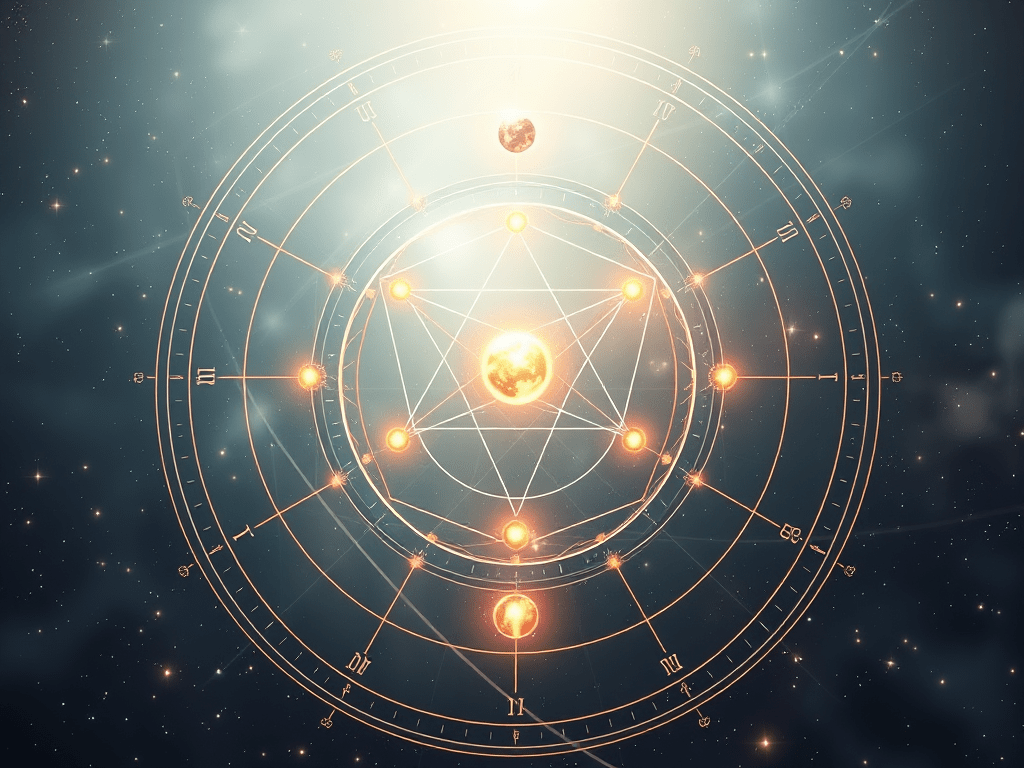
When the angles between planets form repeating shapes, astrologers call them patterns. Here are some of the most common:
- Grand Trine
A triangle that links together planets in each sign of the same element. These formations often point to harmony, grace, or talent—but also the need to act consciously rather than coast. - T-square
Sharp, angular, and dynamic geometry. It suggests tension that begs for release, often through the “missing” leg of the square, as the area of life we’re asked to develop consciously. It’s a pattern that calls for growth. - Yod, or “Finger of God”
A narrow isosceles triangle formed by two planets in sextile, both pointing to a third planet by quincunx. It’s a subtle yet potent configuration that often signals a life path steeped in spiritual refinement or karmic redirection. Mythically, it’s as if one planetary archetype is being initiated by two others, each whispering conflicting advice, forcing the third to evolve in a way only it can understand.
These patterns are all charged with geometric, historical, and cultural meanings. They also show us different ways the energies can “speak to one another” in a chart—whether they’re in harmony, argument, alliance, or initiation.
How Does Geometry Influence Astrology?
When we look at a natal chart as a sacred configuration of relational energies, we begin to see the deeper rhythm. Transits don’t just “hit” a single planet—they reverberate through the entire architecture of your chart. A Mars transit to one leg of a T-square might set off a chain reaction across all three points. A Saturn return to the apex of a Yod might feel like a fated turning point that was seeded long ago. Truly, even one transit can activate an entire configuration of changes.
Even planetary returns echo throughout this geometry. A Venus return might feel subtle for some, but for those with Venus woven tightly into a natal stellium or pattern, it can be much more profound. These kinds of cycles reawaken the core motifs of the chart—the mythos—through timely activations within the logos, or perpetuation of the cosmos.
The more familiar you become with your own natal chart and its unique patterns, the more intuitive astrology becomes. You can stop memorizing and start sensing—reading the shape of the sky like a language of form and feeling. The relationships between the planets become a mirror for your own inner dialogs, showing you in new ways how your soul is learning, integrating, and evolving across time.
Practicing Astrology Actively
When you first discover your natal chart, it can feel like holding a powerful map—but one written in a language you’re just beginning to understand. It’s tempting to freeze it in time, to try and memorize some traits and positions and leave it at that… But, astrology was never meant to be static. The chart moves, breathes, and keeps evolving as you do.
Active astrology is about engaging with the living rhythm of your chart—not just to predict, but to participate. It’s a practice of noticing. It’s the art of weaving what’s happening above with what we’re feeling, choosing, and becoming here below. The beauty of this practice is that it doesn’t require you to track everything. You just need to start where you are, with curiosity and consistency.
Start With What’s Moving Now
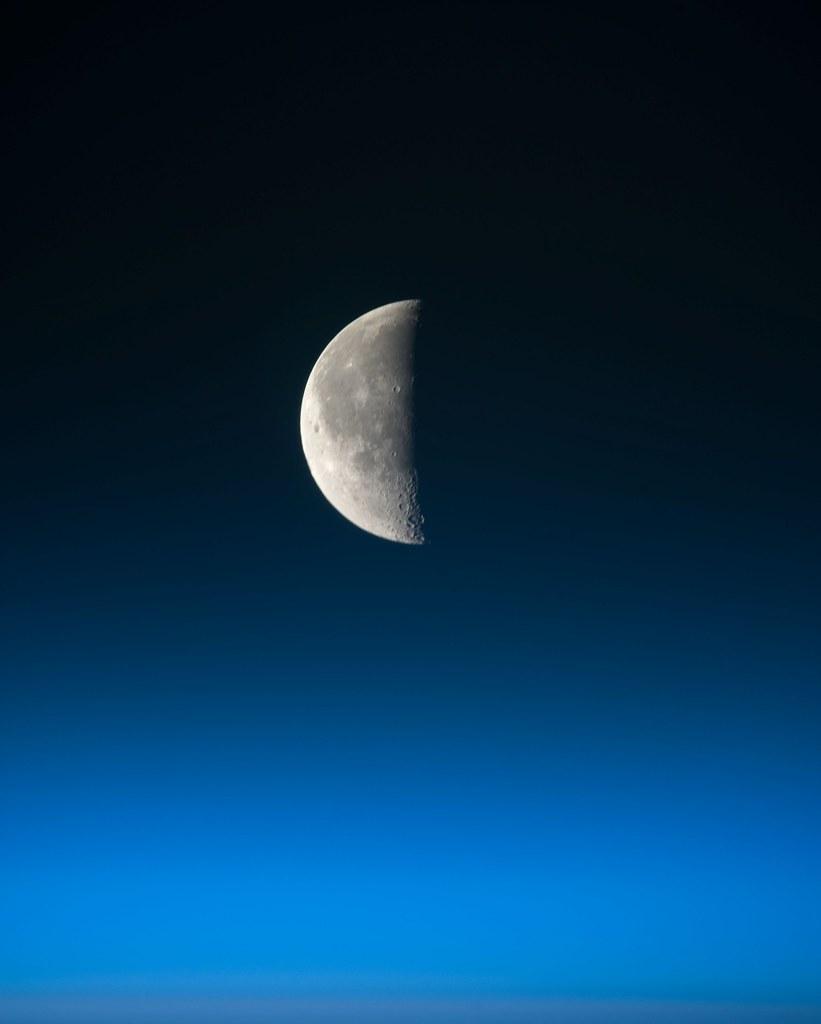
A simple way to begin is by paying attention to the Moon. It moves quickly, changing signs every two to three days and completing a full cycle each month. It’s a perfect gateway into active astrology because it helps you tune into daily emotional patterns, energetic shifts, and intuitive timing. Notice how you feel during the new moon, the full moon, and when the Moon moves through your sun, moon, or rising sign.
From the moon, gradually begin to track current planetary transits; eventually connecting the sky’s real-time movements back to your natal placements. Take notice of how transits and aspects correspond with the turning points, upheavals, or breakthroughs along the way too. They don’t always make things happen, but they often support the conditions for change. When you start to see those patterns emerging, you can respond more consciously.
Use Aspects & Returns to Work With Time
Every aspect and return is part of a larger unfolding. A difficult transit might not be the obstacle—it might be the initiation. Knowing a tough square is peaking or a return is approaching gives you space to ask:
- What’s being asked of me?
- What am I ready to outgrow?
- What’s emerging that I couldn’t see before?
For example:
- When a Saturn transit challenges your chart ruler, you might take on new responsibilities or finally release something too heavy.
- A Venus and Juptiter trine can be a beautiful time to expand how you care for yourself or relate to others.
- A nodal return might bring you face to face with your purpose, providing a deep invitation to step into a new level of alignment.
You can work with these windows ritually, reflectively, or practically. Journal. Meditate. Make a choice you’ve been hesitating on. Or simply give yourself some extra grace and space to process. There’s no “right” way to do astrology. Even the act of noticing is itself often enough to shift our relationship to time, cyclical nature, and ourselves.

Let Yourself Flow With Astrology
When you practice active astrology, your chart becomes a living companion. You start to recognize that your highs and lows, your initiations and retreats, or even your successes and failures aren’t isolated events—they’re part of a much larger, naturally rhythmic cycle. This can bring tremendous relief and self-trust. You stop blaming yourself for slow seasons or rushing through fast ones. You begin to move with time, not against it.
Active astrology isn’t about control—it’s about awareness. You’re not trying to outsmart the cosmos, but you are learning how to dance with its dynamic movements.
Conclusion: Astrology Comes Alive for Us When We Allow It To
Astrology isn’t something we master with memorization, it’s something we learn and grow alongside of. The more we pay attention to the motion of the planets—their aspects, transits, and returns—the more we start to recognize the same cosmic rhythms behind our own experiences. We begin to see that timing isn’t random, that emotion has tides, and that all growth has seasons.
A natal chart offers a framework, but it’s not the full story. It’s the seed. What brings it to life is our attention and our willingness to consciously participate in the eternal, cosmic unfolding. It means daring to ask specific questions, to learn ancient symbols, explore foreign archetypes, and revisit themes of growth again and again—always with a new, fresh sky as our lens.

Moon Cycle Journey
Enhance your life with lunar wisdom, attuning to the rhythms of nature.
Practicing active astrology isn’t about control or prediction. It’s about relationship. It allows for a dialogue between our inner world and the outer sky, providing valuable perspectives and begging unique questions. It offers us all a way to move through life with deeper awareness, more compassion, and a sense of meaning that grows with us throughout our lives.
Thank you for joining us here on Onescence! If you enjoyed this article, please consider supporting our free, online periodical by joining the Insider Membership or purchasing one of our products through Onesce Press. Given your interest in transformation and personal sovereignty, perhaps you would benefit from:
Plant Medicine Companion
WORKBOOK FEATURES:
- Worksheets to help you prepare for a plant medicine experience, whether a single ceremony or full retreat.
- Pre- and post-journal prompts for both insight into your intentions and to help integrate your experiences afterwards.
- Apply guidance from a variety of worksheets to stay on track throughout your dieta, journey, and integration.
- Enjoy the ease and clarity that comes with knowing you’ve covered all the details—letting yourself focus on what matters most.
- And so much more…
For support on your journey of transformation, from planning through to integration—you can also get your copy on Amazon!