

Table of Contents
Click to jump to any section:
Astrology has fascinated humanity for thousands of years, not only as a system of signs and symbols, but as a living map of time itself. Behind every zodiac sign, moon phase, and planetary transit lies a deeper rhythm—a natural clock that doesn’t tick, but turns. The sky above us tells the story of life on Earth, in the dance of light and dark, in step with the competing gravities of nature. When we understand that story, we begin to see ourselves as participants in its unfolding.
Astrology becomes most powerful when we understand it as interwoven, natural cycles, rather than personality types. The solar year, the lunar month, and the longer arcs of planetary motion are not separate systems, these are each layered movements of the same cosmic rhythm. Each cycle turns within another, like gears in a celestial mechanism, creating a multidimensional pattern that shapes both collective seasons and personal experience. When we begin to see astrology this way, we stop reducing it to traits or predictions and can start using it as a dynamic framework for conscious timing.
Moon Cycle Journey
Enhance your life with lunar wisdom, attuning to the rhythms of nature.

Let’s explore how to read astrology as a language of movement, timing, and meaning—so we can live it, not just study it. We will consider how astrology actually works, including: how moon phases reflect emotional patterns, how the zodiac maps seasonal shifts, and how planetary transits shape our evolution over time. From the Sun’s yearly journey to the life-shaping impact of planetary returns, we’ll discover how holistic astrology offers far more than restrictions and predictions, helping us to develop powerful perspectives instead.
The Sun’s Journey: A Cycle of Light
Every year, the Sun makes a steady, predictable journey across the sky, tracing what astrologers call the “ecliptic,” or the path it appears to follow from our perspective here on Earth. This path is divided into twelve equal segments, each named for the zodiac signs that once corresponded with constellations in that slice of sky. This is why the zodiac isn’t simply a list of personality types, it actually serves as a symbolic mirror of the Sun’s yearly cycle of light and darkness.
The Zodiac’s Ancient Wisdom
At the Spring Equinox, when the Sun enters Aries, we begin the astrological year. Day and night are balanced, but light begins to overtake darkness. This marks the energetic spark of spring, a season of beginnings, action, and emergence. Then, as the Sun moves through Taurus, Gemini, and eventually into Cancer (at the Summer Solstice), daylight peaks and nature reaches full bloom.
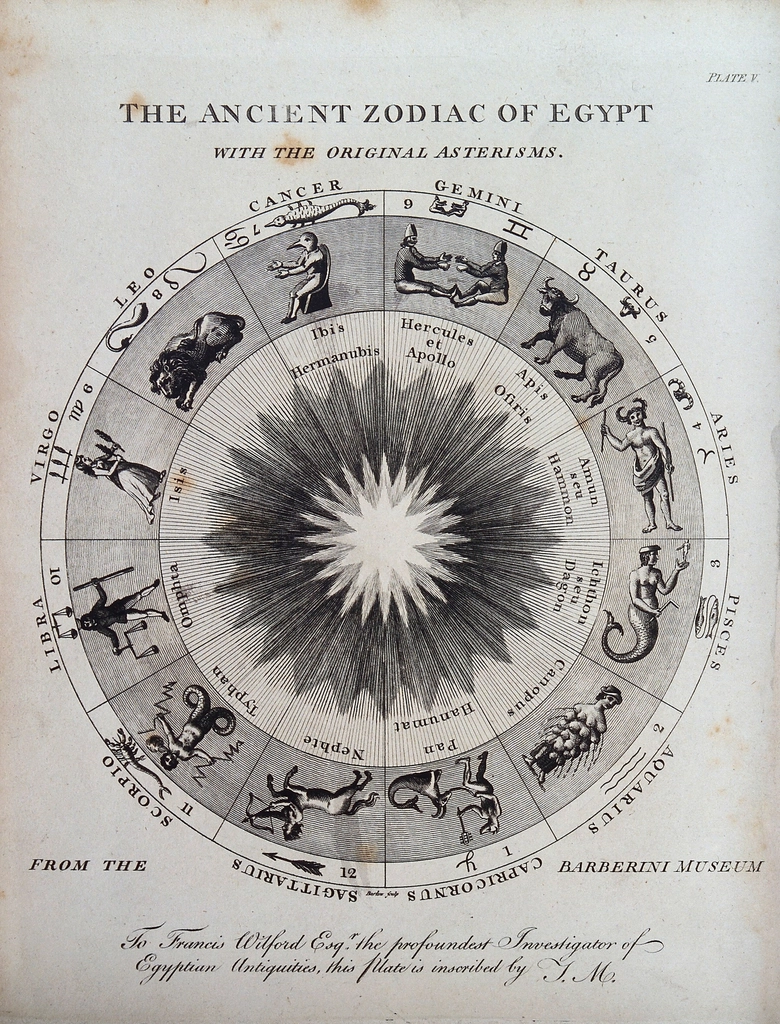
From there, the light begins to wane. Leo fixes the light’s zenith with confidence, before Virgo carries it toward Autumn with its energy of maturation and refinement. As Libra heralds the Autumn Equinox, balance returns, but from here the light begins to retreat as the dark-dominant half of the year begins.
As fall arrives, Scorpio and Sagittarius usher in themes of descent, depth, and vision. Then comes Capricorn at the Winter Solstice—the darkest point of the year. Yet this is also where the light begins its own gradual return to dominance, as we enter a new cycle of renewal. Through Aquarius and Pisces, which represent collective insight and spiritual preparation, we complete the cycle with integration before Aries returns once again.
The Seasonal Flow of Life on Earth
This solar cycle represents the origins of seasonal living, as agrarian societies from all around the world have tracked the stations of the sun in order to plan their harvests for millenia. These were the observations that would ultimately lead to systems like neopagan Wheel of the Year and the Zodiacal cycle. This is why each sign carries, not only an archetypal energy, but a relationship to the Sun’s light and a seasonal stage in this cycle. Understanding the zodiac this way—through the Sun’s movement along the ecliptic, not just myth or personality—grounds astrology in nature’s rhythms and helps us more easily connect to the world we live in.
Just as the Sun rises and sets each day, it also rises and sets across the year, bringing us through a full arc of vitality, growth, release, and rest. When we track the Sun’s movement through our birth chart’s houses, we begin to see how this macro cycle plays out in our personal experience by lighting up different areas of life each month. Through this lense, our solar return—the moment the Sun returns to the exact degree it held at our birth—becomes not just a birthday, but a yearly reset of identity and intention.
When we attune to the Sun’s rhythm, we align with the great pulse of life itself: a rhythm of energy that expands and contracts with purpose. It reminds us when to initiate and when to restore, or when to step forward and when to turn inward. This is why it is the first key player in our holistic astrology team.
The Moon’s Phases: Emotional Tides
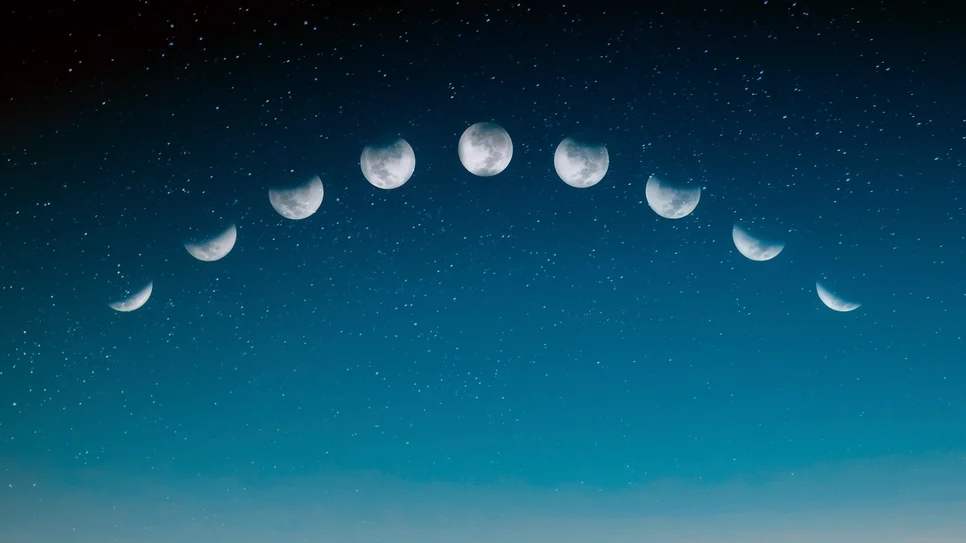
If the Sun sets the tone for our outer journey—purpose, energy, and visibility—the Moon offers an intimate map of our inner world. Shifting through phases every ~29.5 days, the Moon reflects light in stages, echoing our more emotional, intuitive, and spiritual cycles. While the Sun holds steady, the Moon moves fast, changing signs every two to three days and completing a full zodiac circuit each month. That’s why it is the celestial body most closely tied to our lived experience of change.
Perpetual Cycles of Evolution
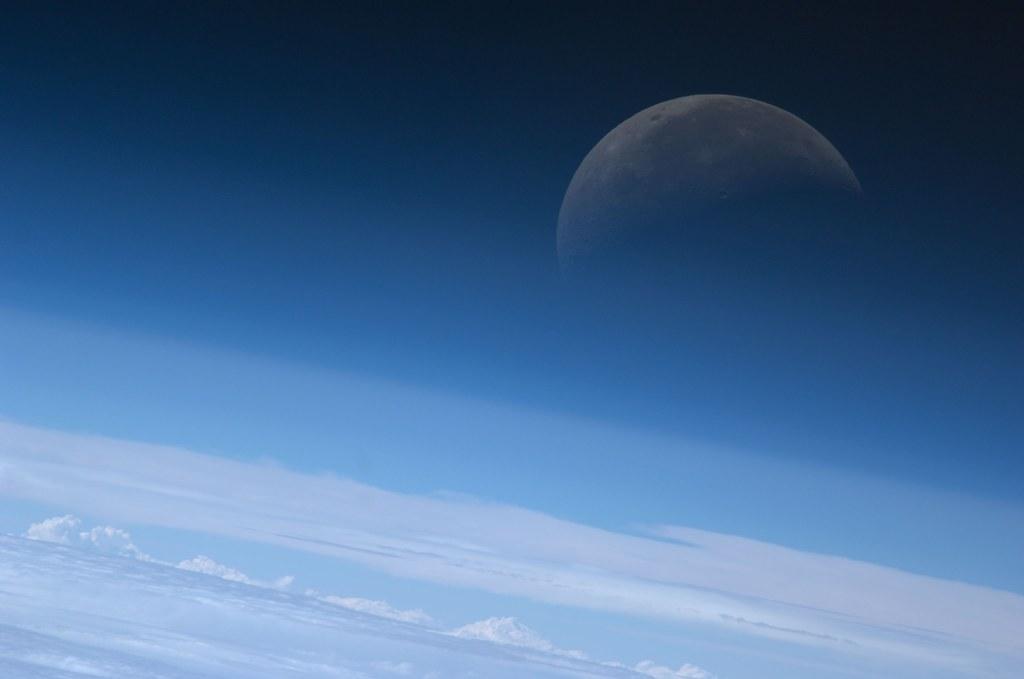
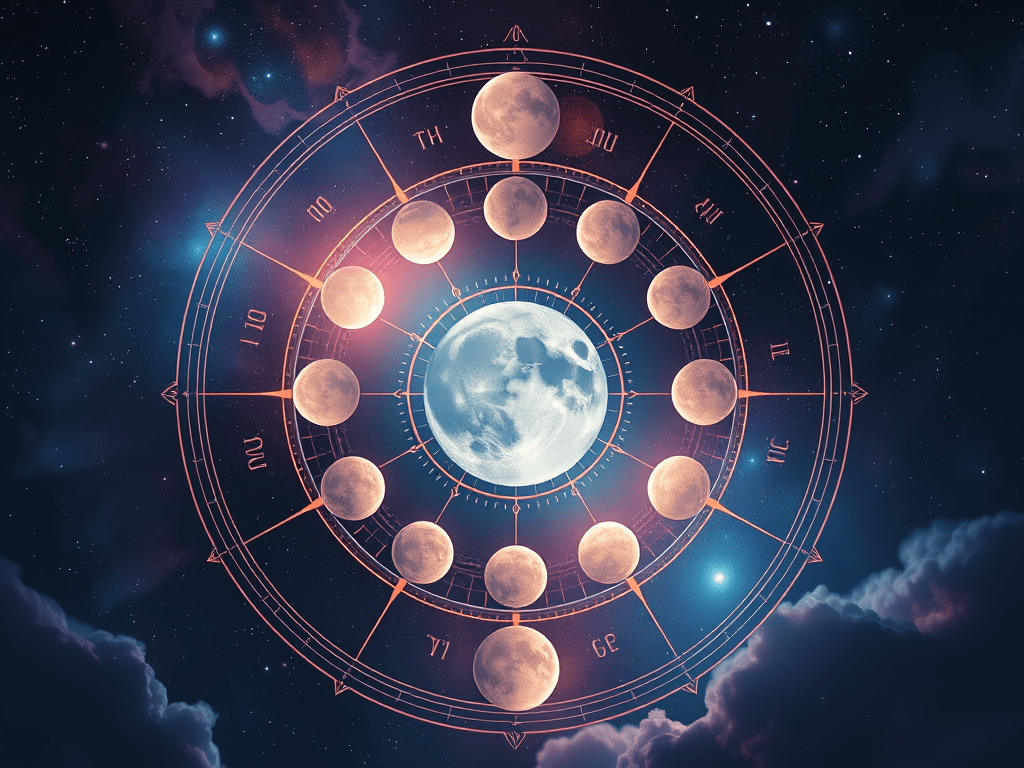
The lunar phases begin at the New Moon, when the Moon disappears from the sky. This is a time for stillness, intention-setting, and new beginnings. As the Moon waxes through the Crescent, First Quarter, and Gibbous phases, light gradually returns—and with it, momentum. The Full Moon, when the Moon is entirely illuminated, brings peak awareness, emotional intensity, and culmination. Then the cycle begins to wane, moving through Disseminating, Last Quarter, and finally Balsamic moons, when we are called to reflect, release, and prepare for another new cycle.
Each phase carries energetic and psychological themes that have been observed and honored for millennia. Whether in agricultural calendars, menstrual tracking, or ceremonial rites, the Moon’s cycle has long served as a spiritual and emotional compass. Modern research supports this wisdom, with studies showing that lunar phases may influence hormones, human behavior, sleep, and mood regulation.
Reflective, Intuitive, and Attuned
Beyond phases, the Moon’s movement through zodiac signs adds nuance to its effect. Each sign colors the Moon’s energy differently. A Moon in Aries may spark boldness and restlessness, while a Moon in Pisces invites softness, dreams, and sensitivity. Tracking the Moon’s sign each day helps us notice subtle shifts in mood, energy, and needs, which leads to an awareness that cultivates more self-compassion and intuitive timing.
The Moon also travels through our natal chart houses, lighting up different areas of life with its quick but potent presence. Its position can indicate where we feel emotionally focused, where intuition is heightened, or where care and nourishment are needed. Keeping a lunar journal, even for one or two cycles, can offer surprising insights into personal patterns—especially when paired with the Moon’s sign and phase.
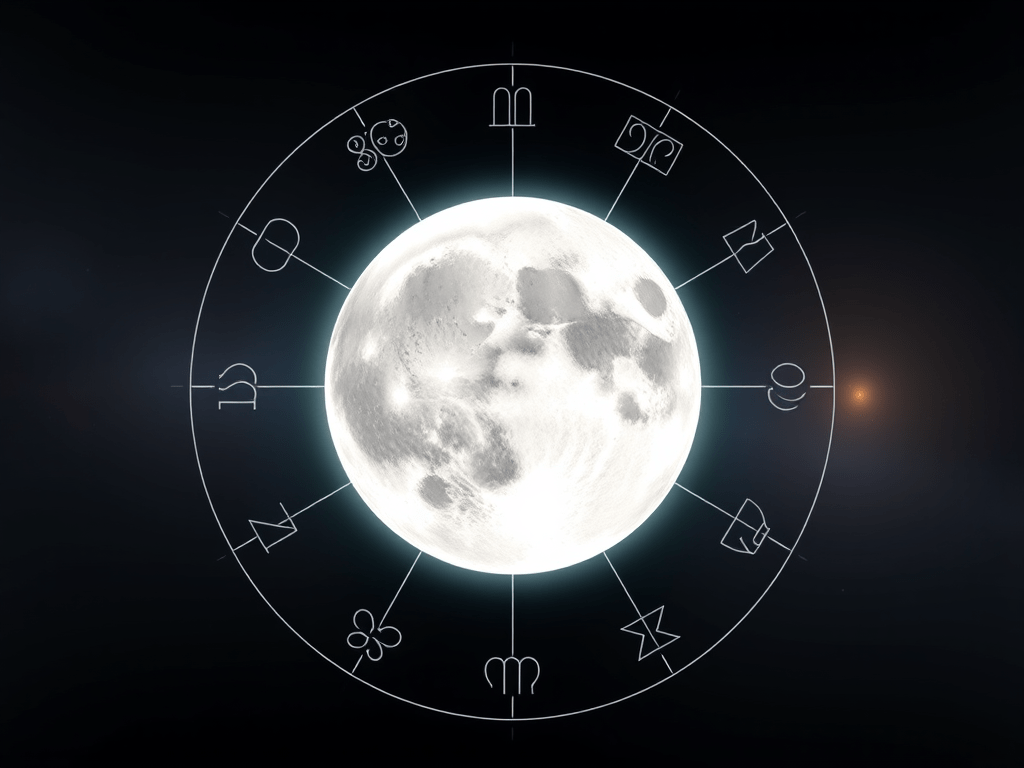
Unlike the linear progression of the Sun’s annual cycle, the lunar cycle is spiral-shaped, repeating frequently but always evolving. It helps us access flow over force and depth over destination. When we sync our intentions, rest cycles, creative surges, and emotional processing with the Moon’s rhythm, we create a living relationship with time that is gentle, organic, and wise.
Planetary Cycles: Growth in Flux
While the Sun offers yearly structure and the Moon tends our emotional tides, the planets act as timekeepers of growth. The angles, or “aspects” they make to eachother (what the ancients understood as conversational pathways or lines of sight/influence) mark major transitions, themes, and initiations across the arc of life. Every planet moves at its own pace, creating cycles that unfold over months, years, or decades, but all of them interact with one another via these geometrical patterns… Repetedly. These cycle-led points of juncture are not just symbolic; they form the core of astrological timing as a tool for personal and collective evolution.
Returns and New Beginnings
One of the most powerful timing tools in astrology is the planetary return. A return happens when a planet comes back to the exact degree it held at the moment of your birth. Each return marks a new chapter of that planet’s influence:
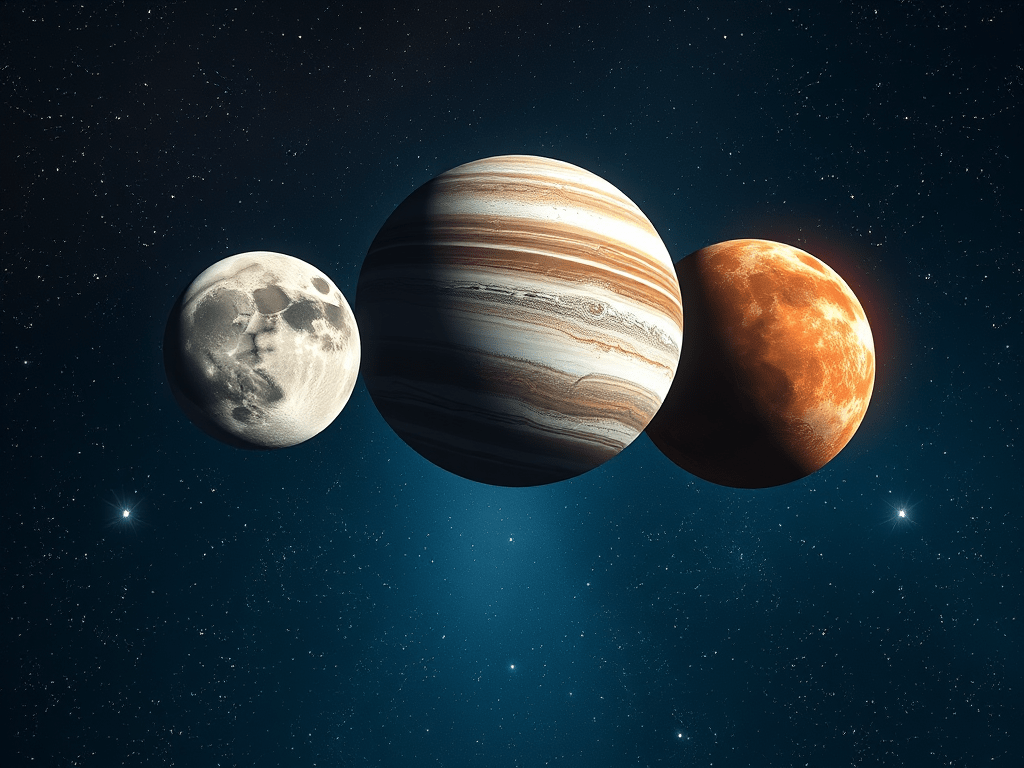
- Mercury Return (2-3x yearly)
Renews communication, thinking patterns, and learning. - Venus Return (every 1.5 years)
Highlights relationships, values, and creativity. - Mars Return (every 2 years)
Initiates a new cycle of energy, desire, and willpower. - Jupiter Return (every ~12 years)
Brings expansion, opportunity, and new horizons. - Saturn Return (every ~29 years)
Initiates deep maturation, responsibility, and structural shifts.
Perhaps the most famous of these is the Saturn Return, often misunderstood as a time of chaos or crisis. In truth, it marks a vital passages into greater maturity, accountability, and self-mastery. Similarly, the Jupiter Return brings optimism, new visions, and major life expansions that are aligned with your personal truth.
Planetary Evolution
Another key planetary cycle is the synodic cycle, which measures a planet’s journey from one conjunction with the Sun to the next. These cycles reveal the energetic renewal process for each planet and influence our collective and personal themes.
- Mercury’s Synodic Cycle (116 days)
These phases invite reevaluation of thoughts, communication, and plans. - Venus’ Synodic Cycle (584 days)
Marks her transitions between “morning star” and “evening star,” symbolizing shifts in love, self-worth, and relational focus. - Mars’ Synodic Cycle (780 days)
Influences personal power, motivation, and action—particularly when Mars retrogrades and energy turns inward.
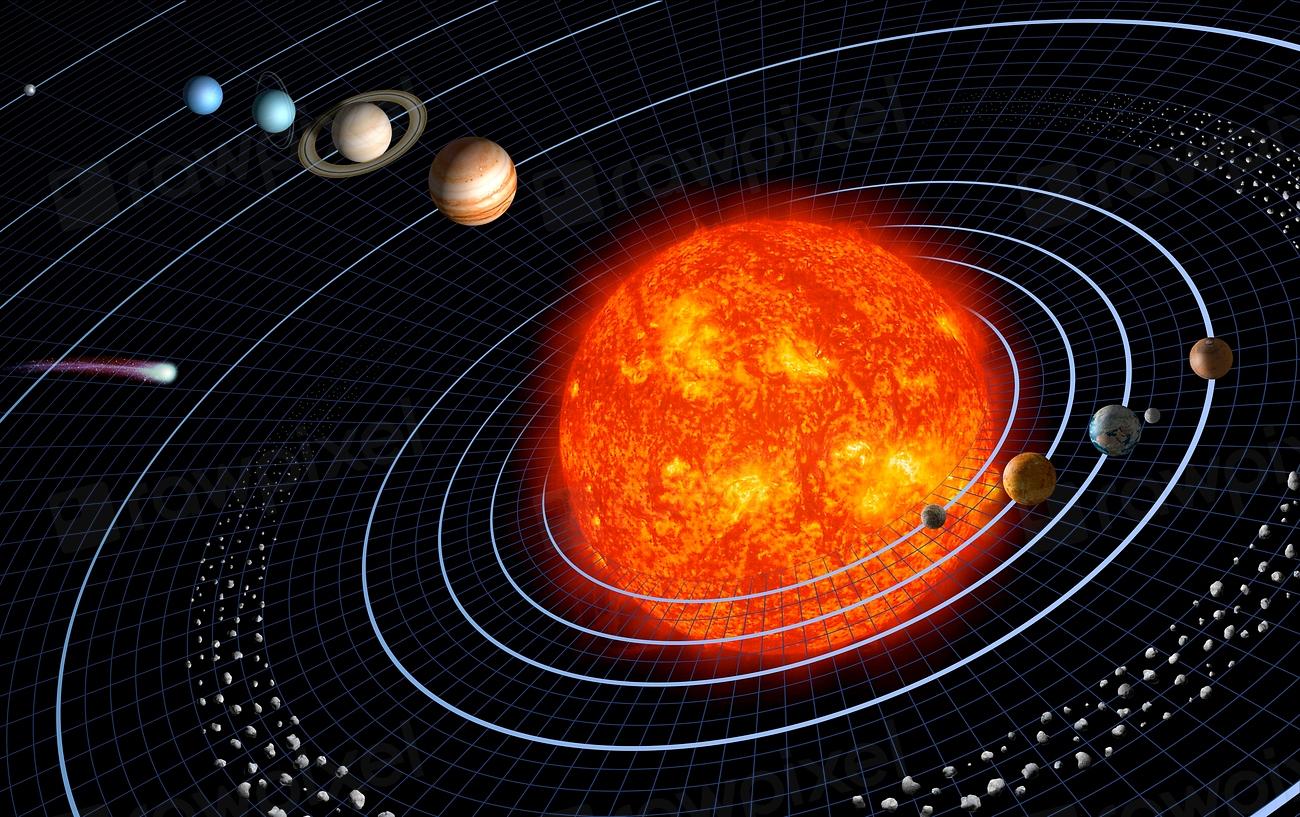
Understanding retrogrades is essential to working with planetary timing. When a planet stations retrograde, it appears to slow down and reverse direction from our perspective. Symbolically, this represents a time for internal reflection and recalibration of the associated planetary themes. When the planet stations direct, we gain clarity and momentum again. These shifts can often be felt energetically, especially with personal planets (Mercury, Venus, and Mars), but also with the social (Jupiter and Saturn) and generational planets (Uranus, Neptune, and Pluto) when major life themes are involved.
Points of Power
When a planet “stations,” either retrograde or direct, its energy becomes more focused and intensified. These positions mark turning points—before redirecting the energy more inwardly or outwardly—for themes connected to that planet. For instance, Pluto stationing direct might bring long-hidden truths to the surface, while Mercury stationing retrograde could disrupt communication but ultimately reveal deeper insights.
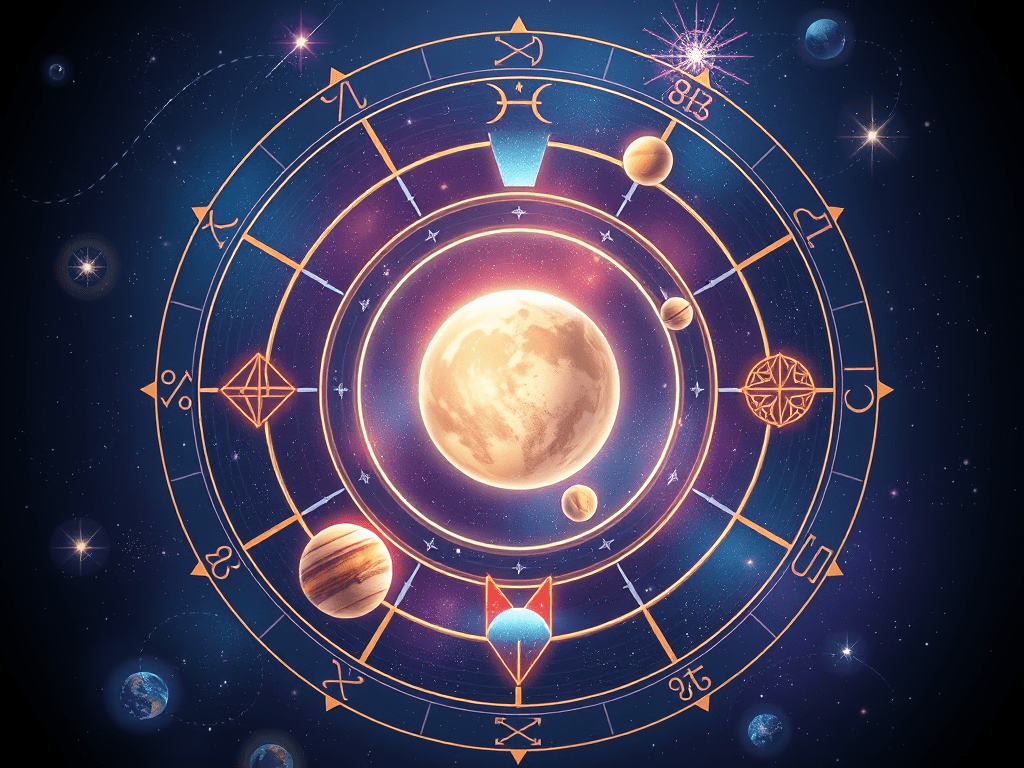
Tracking planetary transits and cycles helps us prepare, integrate, and evolve with less resistance. When we observe a Mars return, we can set courageous new goals. During a Venus retrograde, we can reflect on what (and who) we truly value. When Saturn opposes its natal position, we might face critical decisions about career, structure, or maturity. Each planetary motion offers a mirror for personal development, and when understood well, becomes an invitation to grow with cosmic timing rather than fight it.
When we understand planetary cycles in these ways, astrology shifts from abstract symbolism to developmental timing. Each return, retrograde, and station becomes part of a larger architecture of growth: structured, measurable, and deeply personal. The planets are not imposing events upon us, but they are marking phases of maturation that are already unfolding within consciousness. By observing their thematic arcs, we gain perspective on where we are in the story of our own becoming too.
The Dance of Cosmic Cycles
When we look at the Sun, Moon, and planets individually, each tells a compelling story. Yet the real magic of astrology happens in the relationship between these cycles—how they layer, interact, and orchestrate a complete rhythm of experience. Astrology is never a single horoscope. It represents a symphony of rhythms, each moving at its own tempo, all harmonizing through time to create multidimensional patterns of growth, feeling, and direction.
The Different Hands of Our Cosmic Clock
The solar cycle moves predictably, giving us structure as an annual loop that shapes identity, visibility, and outer life themes. It marks the shift of seasons, initiates zodiacal archetypes, and maps the long arc of personal vitality.
The lunar cycle flows faster, helping us experience the full spectrum of personal themes by offering emotional nuance, intuitive timing, and spiritual pacing. It overlays the solar path like a wave over the tide, creating space for our ever-changing, reflective, and deeply internal processes.
The planetary cycles, from the quick orbit of Mercury to the slow revolutions of Pluto, act like markers of development. Each transit and return stirs a specific aspect of consciousness, whether that’s value, drive, responsibility, or transformation. As these planets move through the solar year and dance with the lunar phases, they create compound timing windows, leading to moments when our internal growth more naturally aligns with external events.
Take, for example, a New Moon in Aries that coincides with a Mars return. This could indicate a powerful opportunity to initiate new goals or express deeper courage. Or a Full Moon in Capricorn during a Saturn opposition might bring a climactic test of leadership, responsibility, or long-term structure. These moments aren’t random—they’re part of the greater rhythm of becoming.
Attuning Day By Day
Daily rhythms can be attuned to this celestial layering. As the Moon moves through the signs, it forms aspects to the slower-moving planets, briefly activating their themes in real time. This is why some days feel more emotionally charged, creative, or challenging. We’re often tapping into broader patterns through temporary alignments.
When we begin to recognize these overlapping cycles, we start to live in step with the universe, not just in it. We start to see that certain moments ask us to push forward, while others call for reflection. We gain increasing clarity about when to plan, when to adjust our efforts, and when to simply rest and listen.
Aligning with these dynamic, holistic rhythms allows us to move in flow instead of resistance. We become more responsive and less reactive, more intentional and less overwhelmed. Life no longer feels like a string of disconnected events, but a meaningful unfolding that’s guided by a cosmos that invites our participation.
Living Astrology vs. Studying It
Astrology isn’t merely something we learn—it’s something we live. While studying zodiac signs, moon phases, and planetary transits offers insight, the true transformation begins when we apply that insight to our lives. When we observe the sky’s movements and then align our decisions, reflections, and intentions with those rhythms, astrology becomes a way of being rather than just a subject of curiosity.
Living astrology means tuning into natural timing. It means honoring the stillness of the New Moon before setting goals, waiting for Mercury to station direct before signing contracts, or acknowledging when a Saturn transit is calling for stronger boundaries and deeper commitment. These aren’t rigid rules, but they are all invitations to be more present, better prepared, and increasingly aligned with life’s rhythms.

Living in this way is also about embracing self-awareness over prediction. The goal of holistic astrology isn’t to avoid challenge or chase luck—it’s to understand the season you’re in so that you can work within that energy/theme most effectively. You learn: during a Mars transit, action is highlighted; during a Neptune square, clarity might be elusive, but spiritual insight deepens; etc.. Each transit becomes a part of your inner curriculum, offering lessons that are all uniquely timed within the cosmos’ greater symphony.
Ways to Start Cosmically Attuning
So, how do we live astrology? We start small, keep it personal, and let our playful curiousity guide the way! Here are a few practical ways you can begin integrating the wisdom of these cycles into your daily life:
- Track the Moon
Notice how your energy, emotions, and dreams shift throughout the month. - Celebrate Your Solar Return
Each year reflect on what you’re stepping out of and into. Set intentions in alignment with the Sun’s yearly journey. - Follow Planetary Movements
Use them as planning tools for focus, rest, action, or release (especially those activating your birth chart). - Observe Retrogrades
Recognize these opportunities, not as setbacks, but as chances to reevaluate, revise, and reset. - Notice Repeating Cycles
Use them to check in with your values, growth, and direction.
When we start to live astrology, allowing the widsom of nature’s cycles to inform our lives, we stop looking to the sky for answers and start engaging with it as a companion. This is how we become co-creators with the universe, by accepting our opportunity to become a conscious participant in the greater story that’s unfolding throughout time.
Conclusion: Astrology is a Guide for Heightened Alignment & Awareness
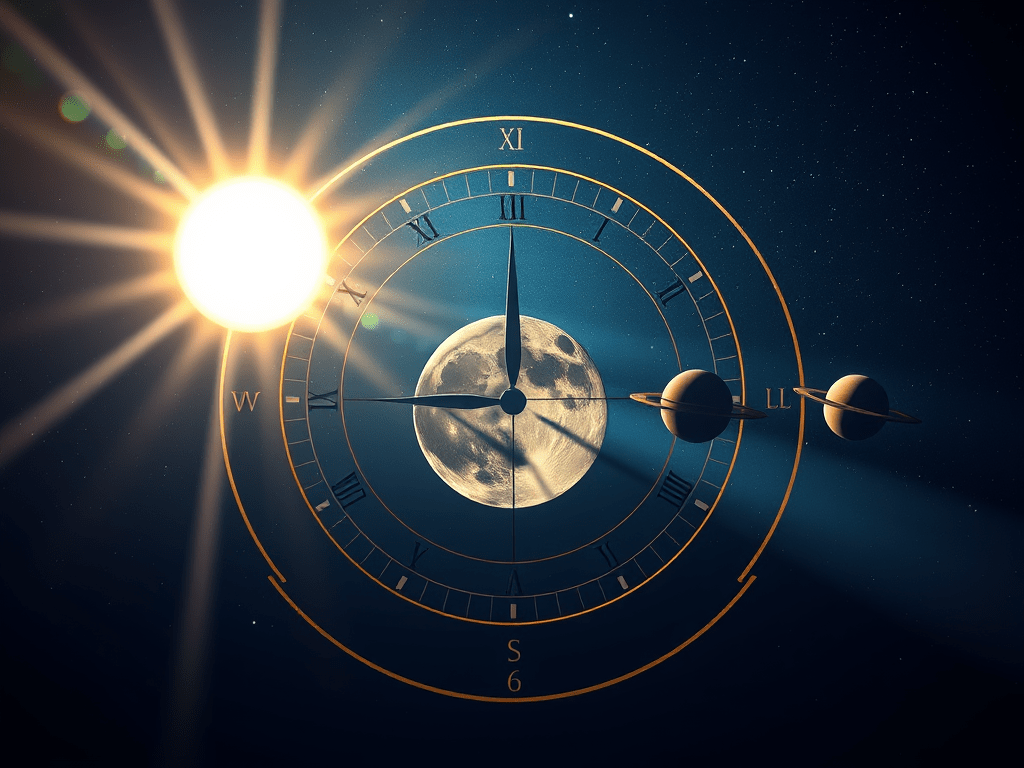
Astrology is not a fixed fate or a distant mystery—it’s a language of movement, timing, and self-discovery. The Sun offers clarity and structure. The Moon brings flow and reflection. The planets guide our personal and collective evolution. Together, they form a sort of cosmic clock, not a map that dictates, but a tool that helps orient and inform our descisions.
By learning to recognize the rhythms of the sky, we also begin to recognize these patterns of nature within our own lives. We discover when to act, when to pause, when to speak, and when to listen. We learn that timing is not only practical, it’s spiritual. With each cycle, we deepen our relationship with ourselves, nature, and the mystery of life.
Sabbat Activity Booklet
Get your free copy of this printable PDF, designed to help you explore any of the Pagan Sabbats!
Holistic astrology is about learning to trust the timing of our becoming. It’s not a belief system, but it helps us better understand the mechanics of the natural rhythms we can often feel—with each breath, each day, each season, each cycle—with every turn of the sky.
Thank you for joining us here on Onescence! If you enjoyed this article, please consider supporting our free, online periodical by joining our Insider Membership or purchasing one of our products through Onesce Press. Given your interest in transformation and personal sovereignty, perhaps you would benefit from:
Meditation Practice
LOGBOOK FEATURES:
- Your companion on a 366-Day adventure in devotion and commitment.
- Developed with the Year and a Day framework to challenge and inspire.
- Simple and straightforward logging with space for key intentions and reflections.
- Enjoy the benefits of tracking your progress and the details of your practice in one place.
You can also get your copy on Amazon. Don’t wait, take your practice to the next level:
