
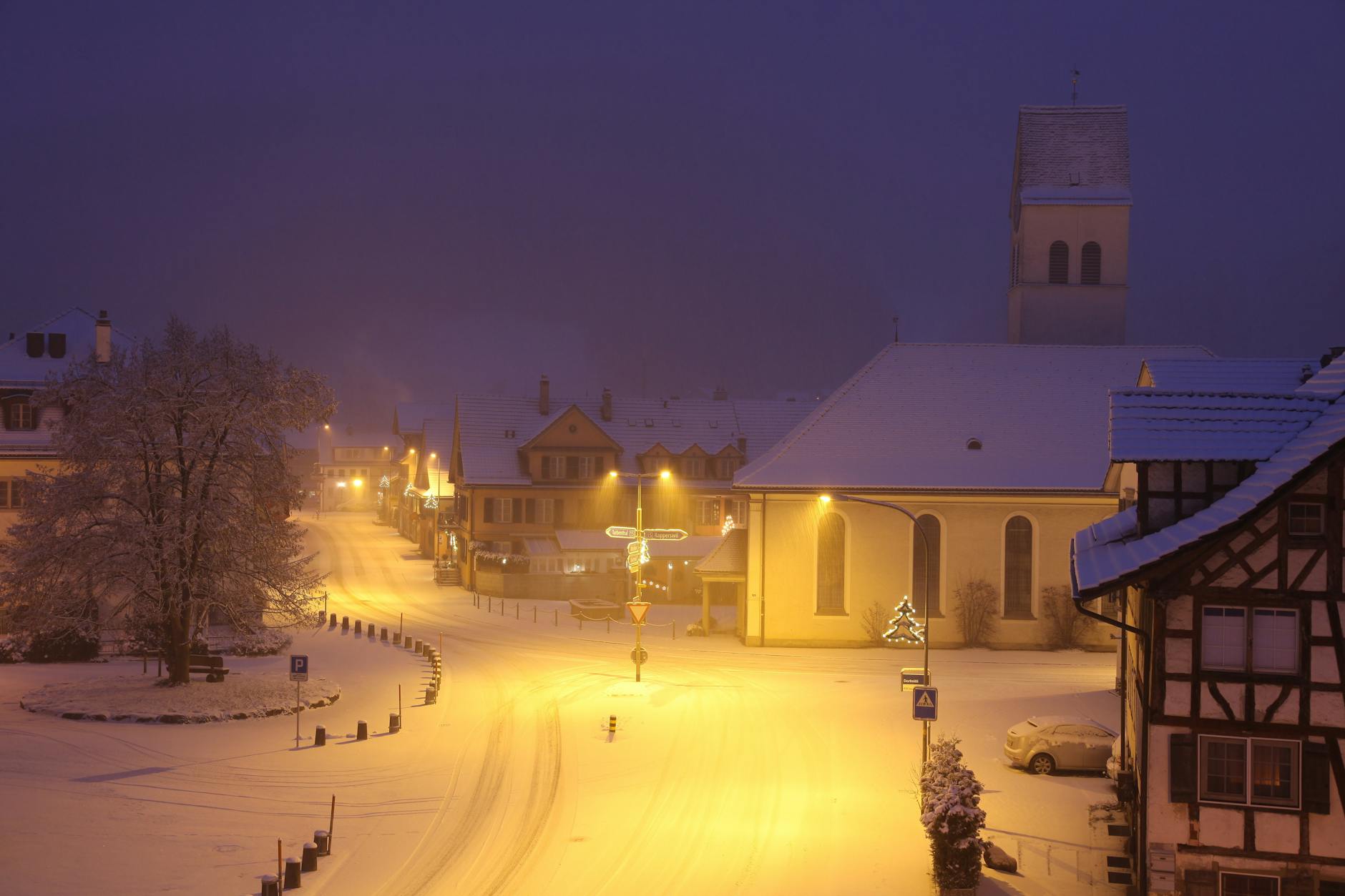
The longest night arrives quickly. Across mountains, cities, forests, and open plains, darkness settles in a way that feels both deep and deliberate, as though Earth itself is asking us to slow down and listen. This season of darkness is not marked by spectacle, but by stillness—a shared pause in which light rests before its inevitable return.
Astronomically, the Winter Solstice occurs when Earth reaches a precise turning point in its orbit, tilting farthest from the sun and giving rise to the shortest day of the year. Long before calendars or named traditions, humans noticed this shift. They watched the sun’s path change, tracked its movement across stone and sky, and recognized this threshold as something meaningful: the end of light’s retreat and the beginning of its gradual return to dominance.
Moon Cycle Journey
Enhance your life with lunar wisdom, attuning to the rhythms of nature.

Let’s explore how the Winter Solstice has been experienced across cultures and throughout time as a global moment of renewal. We’ll look at how humanity has responded to this shared solar turning across different cultures, why the sun’s rebirth continues to matter to us, and how we can consciously experience this seasonal threshold in our own lives today.
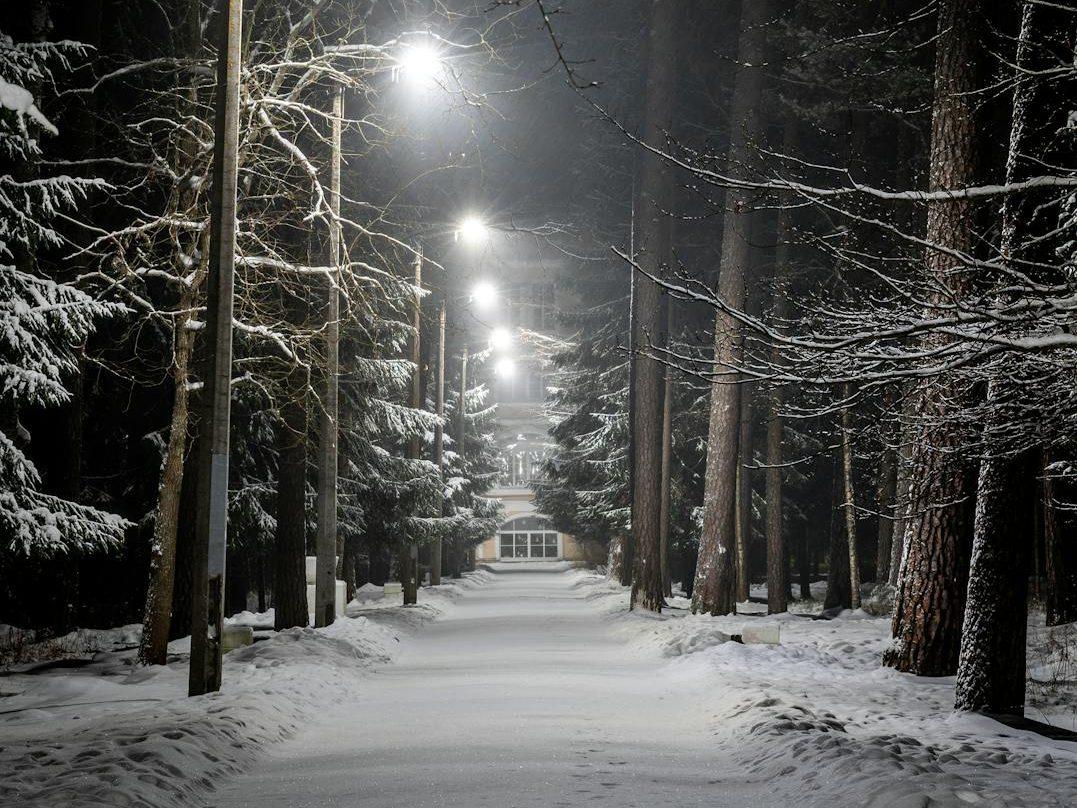
A Planetary Turning Point
More than a symbolic invention, the Winter Solstice is a precise and measurable moment in Earth’s relationship with the sun. As our planet orbits, its axial tilt reaches this extreme position, causing one hemisphere to receive the least amount of direct sunlight that it will all year. This alignment produces the shortest day and longest night, marking a clear solar threshold that can be observed without instruments, belief systems, or interpretation.
Themes of Light & Dark
While the calendar date varies slightly each year, and it occurs in the Northern and Southern Hemisphere at opposite times, the experience of Winter Solstice remains consistent. The sun’s arc across the sky reaches its lowest point, daylight feels brief and fragile, and darkness dominates the daily rhythm. At the same time, this astronomical moment arrives as the longest day (Summer Solstice ) in the opposite hemisphere, reminding us that balance and relational contrast stretch across the entire planet.

What makes the Winter Solstice especially significant is not the darkness itself, but what follows. From this point forward, daylight begins to increase again—slowly at first, almost imperceptibly—and we continue the cycle on back to the Summer Solstice. Early observers learned that this moment marked the end of the sun’s retreat. Even without precise calculations, they understood that something fundamental had shifted. The light was no longer disappearing; it was beginning its return.
A Universal Recalibration
This turning point invites a recalibration rather than a resolution. The solstice does not announce immediate change, but subtle movement in a new direction. In nature, growth does not surge overnight. Seeds remain underground, animals conserve energy, and ecosystems hold their breath. The planetary message is quiet but clear: transformation begins beneath the surface before it becomes visible.
By recognizing the Winter Solstice as a planetary event rather than a cultural construct, we reconnect with this ancient form of awareness: rooted in observation, patience, and respect for natural timing. Truly, this shared solar turning laid the foundation for how humans everywhere began to mark time, respond to change, and find meaning in the rhythms of light and life.
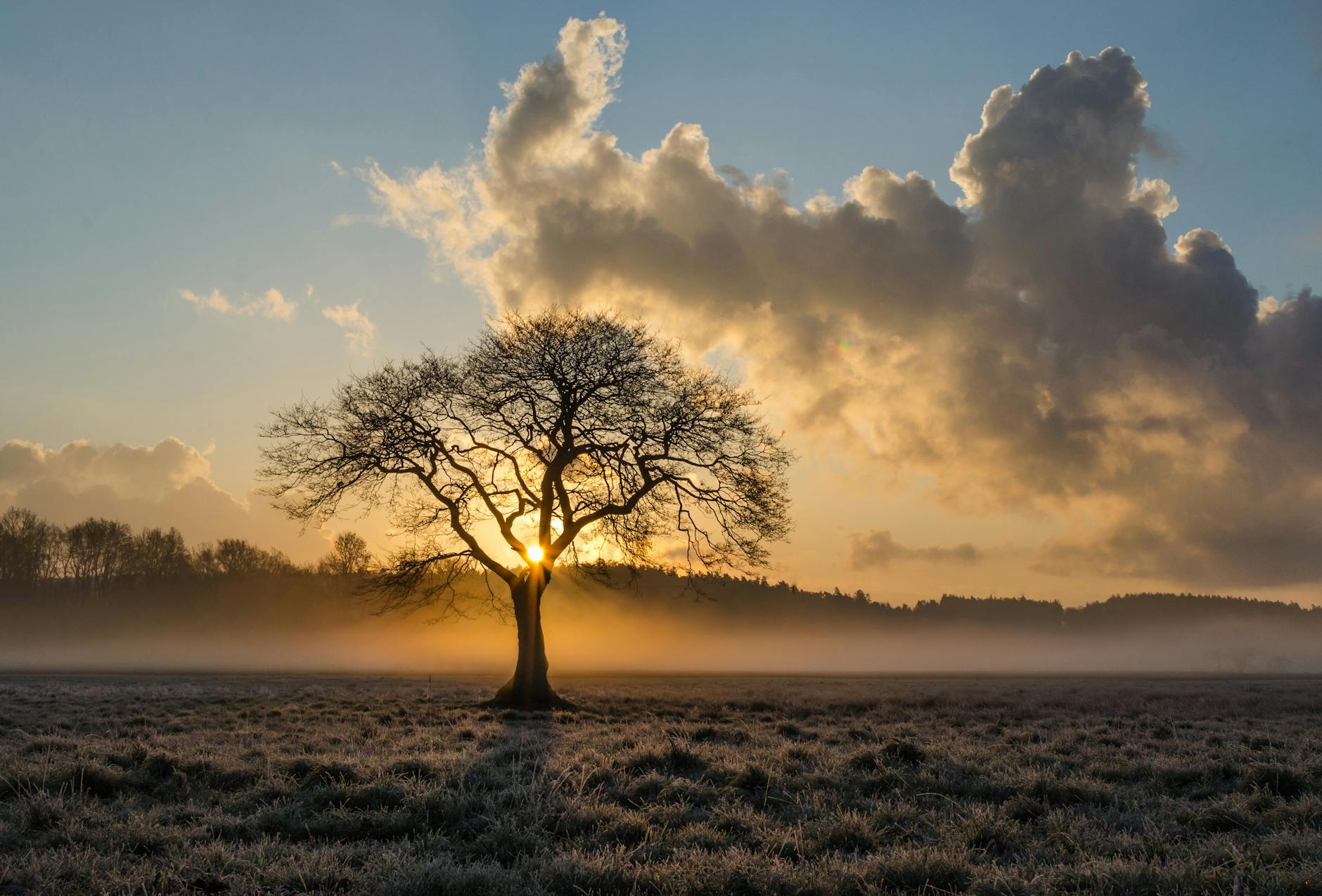
Humanity’s Response to the Solstice
Long before written language or formalized belief systems, humans learned to pay close attention to light. The shortening of days carried real consequences by affecting food, safety, movement, and survival. Over time, the longest night served as an environmental condition that heightened human awareness. Across continents and generations, people recognized the Winter Solstice as a critical threshold that signaled both vulnerability and reassurance. The darkness had reached its limit, and the sun strength would return again.
As observation deepened, so did precision. Over generations, humans began to track the sun’s movement with increasing accuracy, noticing where it rose and set on the horizon and how those positions shifted throughout the year. The longest night became something that could be anticipated rather than endured. This awareness eventually transformed from memory and oral tradition into form: etched into the Earth itself through stone, passageways, and carefully aligned structures.
Stonehenge, England
Stonehenge’s iconic stones align with the rising sun during the Winter Solstice, creating a breathtaking display of light. Archaeologists believe this Neolithic monument served as both a solar calendar and a ceremonial site. It’s a wonder in and of itself to imagine ancient peoples gathering here, united by a shared reverence for the cycles of time.

Modern observers still gather annually to welcome the rebirth of the sun following the longest night. We can emulate this awe by creating our own Winter Solstice sunrise rituals, meditating on the light’s return, and setting intentions for the year ahead.
Newgrange, Ireland
Newgrange, a 5,200-year-old passage tomb, showcases the ingenuity of ancient astronomers. During the Winter Solstice, sunlight streams through its narrow passageway, illuminating the central chamber. This alignment symbolizes the triumph of light over darkness, echoing themes of rebirth and renewal.
We can honor this type of tradition by integrating light into our own solstice rituals, such as lighting candles or designing spaces that reflect the sun. In these ways, regardless of where we are on Earth, celebrating the sun’s rebirth and the lengthening of days is an opportunity to honor humanity’s shared, global history and connection to nature.
Chichen Itza, Mexico
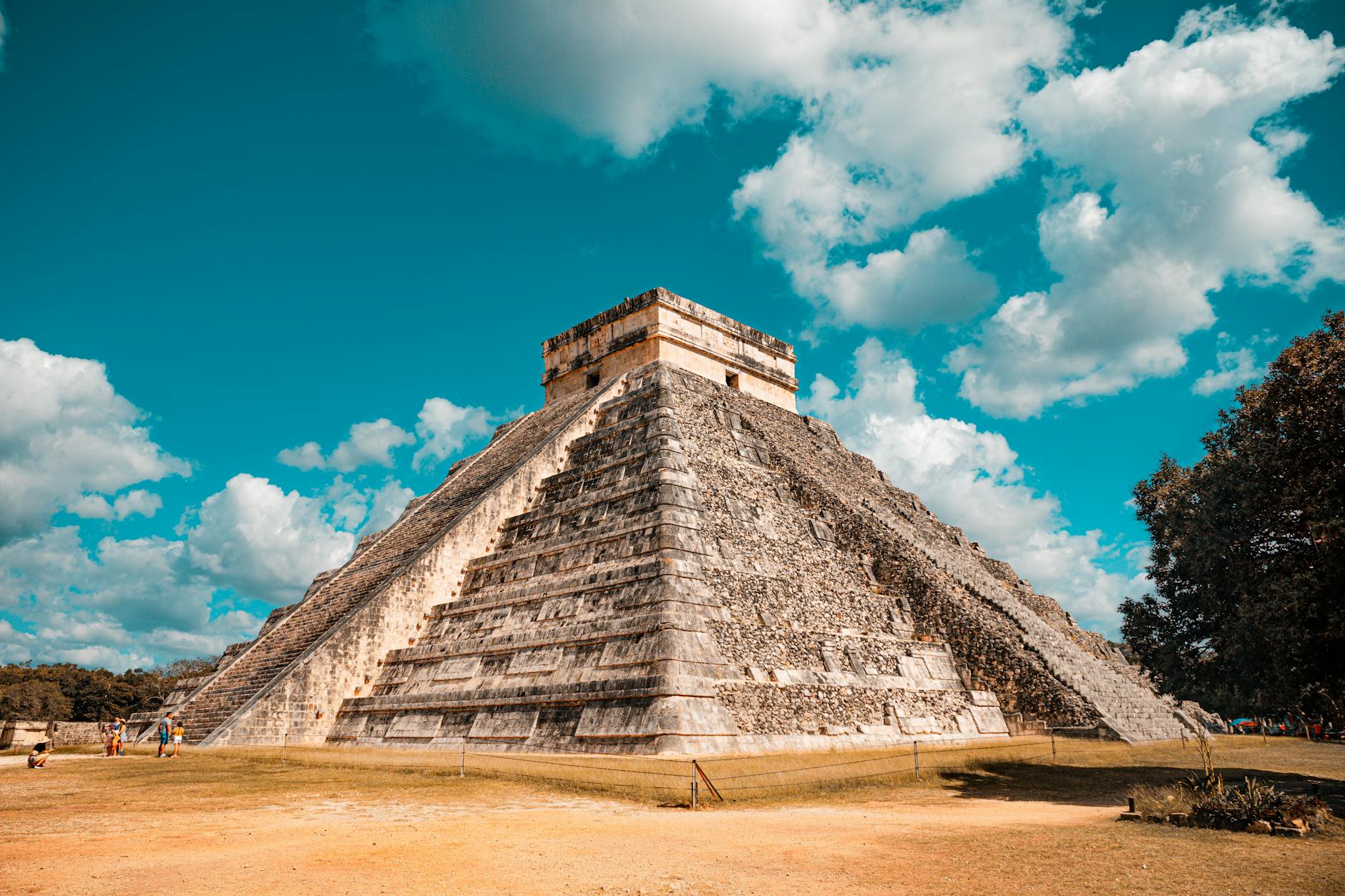
While best known for its equinox alignments, Chichen Itza also reflects the Maya’s deep understanding of other celestial cycles. Solstice observations informed agricultural practices and spiritual ceremonies. The pyramid’s design reminds us of humanity’s connection to the earth and cosmos. We can integrate these themes into our celebrations by engaging in activities that honor the natural world, such as offering gratitude for seasonal abundance or crafting symbols of the sun to place on our altars.
Maeshowe, Scotland
The chambered cairn of Maeshowe aligns with the setting sun on the Winter Solstice. Its design reflects the Neolithic emphasis on the interconnectedness of life and death, as represented by Earth’s cycles of light and dark. This alignment may have been used to honor ancestors and mark the passage of time. Today, creating reflective rituals—such as journaling or storytelling—can help us connect with our own personal lineage and celebrate the lessons of the past year.
All across the world, ancient monuments like these stand as enduring witnesses to this relationship between humanity and solar turning. Their alignments are not decorative or coincidental. They reflect patient observation and collective effort, designed to capture the exact moment of this cosmic event. When sunlight reaches deep chambers or passes between standing stones on the Winter Solstice, it confirms what communities already knew: the cycle continues.
These structures reveal something profound about the human relationship with light. People did not simply endure the longest night, they learned to meet it with awareness, anticipation, and reverence. These monuments became collective memory keepers, ensuring that the moment of the sun’s rebirth would be recognized even as generations changed. In this way, the Winter Solstice changed from an observed event to a shared community inheritance, carried forward through both landscapes and lineages.

Traditions that Honor the Solstice
As the Winter Solstice became more deeply understood, communities around the world began expressing this solar turning in ways shaped by their environment, values, and lived realities. While the forms differed, the impulse remained the same: to acknowledge the moment when darkness reaches its peak and light begins its return. Let’s consider some of these expressions, not as separate inventions, but regional interpretations of our shared planetary experience.
Scandinavian Yule
In Scandinavia, Yule is a celebration of light, featuring traditions like the Yule log, feasting, and storytelling. These customs emphasize the return of the sun and the warmth of community. Modern adaptations could include lighting candles or hosting a celebratory meal with loved ones. In Northern Europe, Yule emerged as a midwinter observance centered on light, warmth, and continuity. Fires were kept burning, feasts were shared, and stories were told to strengthen communal bonds during the darkest days of the year.
Roman Saturnalia
Saturnalia, an ancient Roman festival, celebrated the Solstice with revelry, gift-giving, and role reversals. The emphasis on joy and abundance makes it a timeless model for solstice celebrations. We might incorporate these elements into our own festivities by exchanging small gifts or hosting gratitude-focused gatherings.
In ancient Rome, Saturnalia transformed the Solstice period into a time of release and renewal. Social roles were temporarily inverted, generosity was emphasized, and joy itself became an act of resistance against the weight of winter.

East Asian Dongzhi
Dongzhi, celebrated in East Asia, marks the arrival of winter and the strengthening of the yang energy. Families gather to enjoy warming foods like Tang Yuan (sweet glutinous rice balls), symbolizing unity. Families gather to share warming foods to celebrate community and balance, reinforcing the idea that nourishment—both physical and relational—was essential at this turning point.
Indigenous North American Practices
Many Indigenous North American tribes honor the solstice with rituals and storytelling that connect them to Earth’s cycles. These practices emphasize harmony with nature and gratitude for its gifts, reflecting deep ecological knowledge and respect for seasonal timing. We can adopt similar practices by spending time outdoors or sharing reflective stories with our communities.
Despite cultural variation, common threads often run through solstice traditions. Fire and light appear again and again, alongside rest, reflection, gratitude, and communal care. The solstice was rarely approached as a time for action or conquest. Instead, it was treated as a pause to recognize how life renews itself through cycles of contraction and return. Light was welcomed not with urgency, but with trust.

Creating Personal Solstice Rituals
Just as it has always been for our ancestors, the Winter Solstice is something that still invites us all to pause and reflect. Even in a modern world shaped by artificial light and rigid schedules, our bodies still respond to Earth’s seasonal shifts. Energy changes. Attention turns inward. The desire for rest, reflection, and simplicity often arises naturally at this time of year. Experiencing the solstice today begins by noticing these subtle cues rather than resisting them.
Take Time to Notice the Light
Rather than recreating historical rituals, we can approach the solstice as a moment of conscious reflection. This may take the form of spending time in quiet observation, allowing darkness to exist without distraction, or simply acknowledging the turning of the light with intention. Small acts of awareness—watching the sunrise or sunset, sitting with a candle in stillness, or stepping outside to feel the air—can reconnect us to the planetary rhythm beneath daily life.
Celebrate with Intention

Mark the solstice and celebrate the rebirth of the sun by setting intentions for the year ahead. Create a simple ritual involving light—such as lighting a single candle in a darkened room—to symbolize the return of hope and renewal. You can then journal or create a vision board that details your goals for the upcoming solar cycle. Reflection is a natural expression of this threshold.
The solstice invites us to consider what has been carried through the darker months and what is quietly preparing to emerge. This is not a time for immediate answers or forced clarity. Like the returning light itself, insight unfolds gradually. Journaling, contemplative walks, or gentle meditation can help bring attention to what is gestating beneath the surface.
Incorporate Ancient Practices
Emulate ancient traditions by crafting your own symbols of the solstice. Build a Yule log centerpiece, bake a sun-inspired treat, or use solar imagery in your decorations. These practices connect modern celebrations to the timeless Winter Solstice rituals of old.
Above all, experiencing the solstice today is about alignment rather than effort. The return of light does not demand acceleration; it models patience. By honoring rest, simplifying expectations, and allowing renewal to happen in its own time, we participate in the same rhythm that humans have recognized for millennia.

Align with Nature
By staying attuned to Nature’s gentle progression, the solstice becomes a reference point for the season ahead. It reminds us that intention set in stillness gains strength through consistency, not urgency. What begins quietly at midwinter can inform how we move, choose, and grow as the cycle continues toward greater illumination.
Observe the sunrise or sunset on the solstice as a grounding and meditative practice. Spend time outdoors, embracing the stillness and beauty of winter. Activities like hiking, journaling, or mindfulness exercises can deepen your connection to the season as well. Truly, Winter Solstice reminds us that growth often begins invisibly and that presence is always the most meaningful response to life.

Conclusion: Winter Solstice Connects Us to Essential Aspects of Human Nature
The Winter Solstice returns us to the quiet certainty of the longest night and the subtle shift that follows. Across the earth, light pauses, changes direction, and begins its gradual return, reminding us that even at the deepest point of darkness, movement toward renewal is already underway. This moment is not dramatic, yet it is profoundly steady, serving as an invitation to notice what changes over time.
Through astronomy, ancient structures, cultural traditions, and lived awareness, we see that the solstice has always been more than a seasonal marker. It is a shared human threshold shaped by observation, patience, and trust in natural rhythms. Whether expressed through stone alignments, communal gatherings, or quiet personal reflection, light’s rebirth has consistently offered orientation, reassurance, and continuity across generations.

Meditation Practice
Take your practice to the next level, & the next… With a Year and a Day commitment.
May we all meet the Winter Solstice with presence rather than pressure, honoring the slow return of light both around us and within us. May we allow renewal to unfold in its own time, carrying forward the understanding that growth begins quietly and strengthens through care. And may we remember that this turning belongs to us all, as an enduring reminder that even in darkness, the path toward illumination is already opening.
Thank you for joining us here on Onescence! If you enjoyed this article, please consider supporting our free, online periodical by purchasing one of our products through Onesce Press. Given your interest in global culture and indigenous traditions, perhaps you would benefit from:
Plant Medicine Companion
WORKBOOK FEATURES:
- Worksheets to help you prepare for a plant medicine experience, whether a single ceremony or full retreat.
- Pre- and post-journal prompts for both insight into your intentions and to help integrate your experiences afterwards.
- Apply guidance from a variety of worksheets to stay on track throughout your dieta, journey, and integration.
- Enjoy the ease and clarity that comes with knowing you’ve covered all the details—letting yourself focus on what matters most.
- And so much more…
For support on your journey of transformation, from planning through to integration—you can also get your copy on Amazon!