

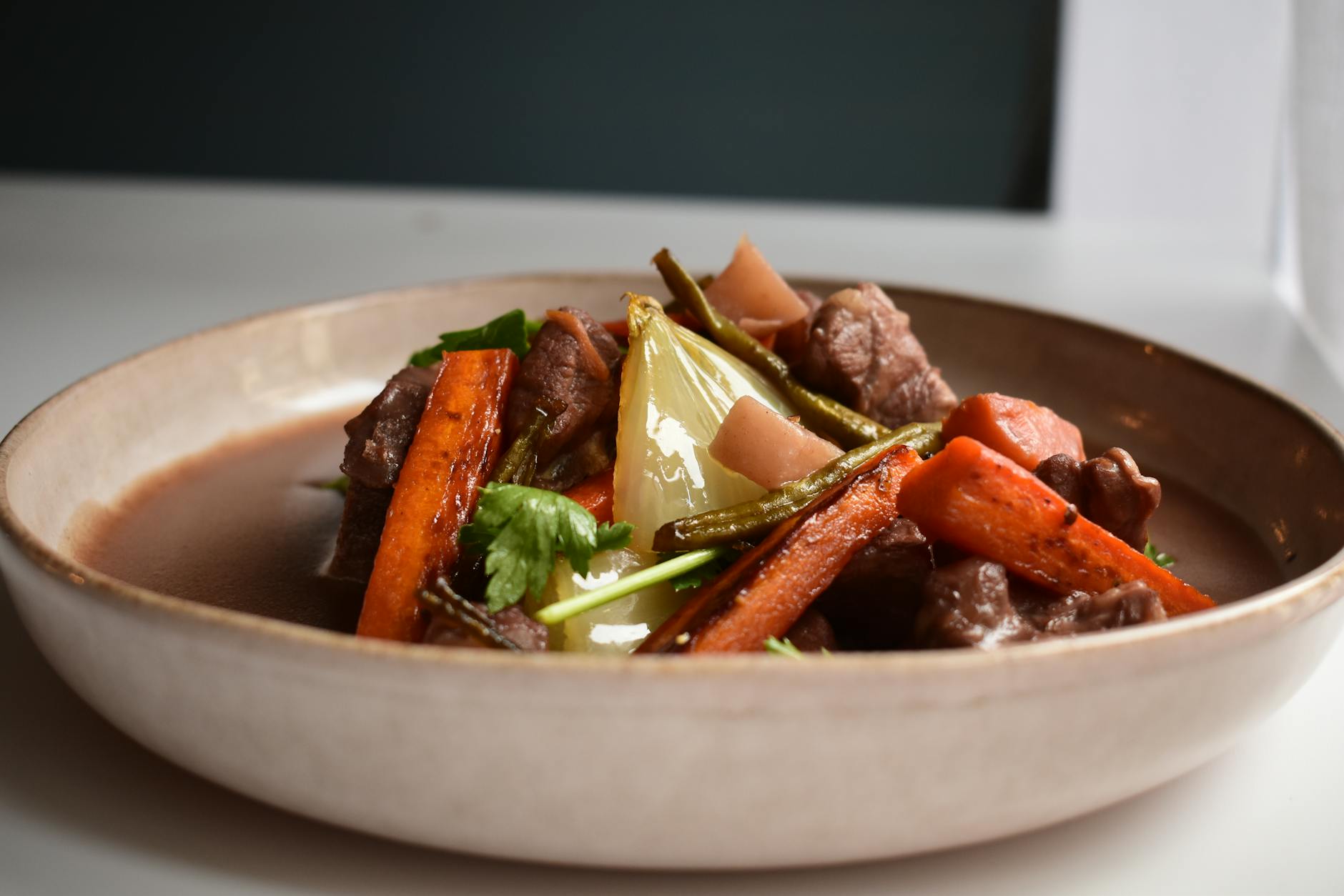
As the wheel of the year turns toward Samhain, we find ourselves in a season of deep reflection and transformation. Samhain, often referred to as the final harvest festival, marks the end of the agricultural year and the beginning of winter’s stillness. Traditionally, this is a time to gather the last of the crops, share in the abundance of Earth, and honor the cyclical nature of life and death. The land goes dormant, preparing for rebirth in the spring, and we have the opportunity to reflect on our own cycles of growth and renewal.
One of the most time-honored ways to celebrate the harvests is by preparing and sharing food. During this season, meals take on a sacred significance, symbolizing the closing of one chapter and the beginning of another. Harvest foods, particularly hearty stews, have long been a centerpiece for communal gatherings. Furthermore, the warmth and nourishment of a shared meal embodies the sense of connection and gratitude that is so central to Samhain traditions. Each spoonful reminds us of Earth’s gifts and the importance of sharing these gifts with others as we enter the darker half of the year.
Sabbat Activity Booklet
Get your free copy of this printable PDF, designed to help you explore any of the Pagan Sabbats!
Let’s explore how a simple seasonal meal can become a meaningful celebration of both nourishment and renewal. In this article, we’ll look at the history and symbolism behind sharing food at Samhain, discover why hearty stews have long been a centerpiece of harvest gatherings, and learn how to prepare a versatile recipe that honors the season’s abundance. Along the way, we’ll also consider how cooking and eating with intention can deepen our connection to nature’s rhythms and remind us of the gratitude that sustains us through every turning of the year.
The Symbolism of a Harvest Meal
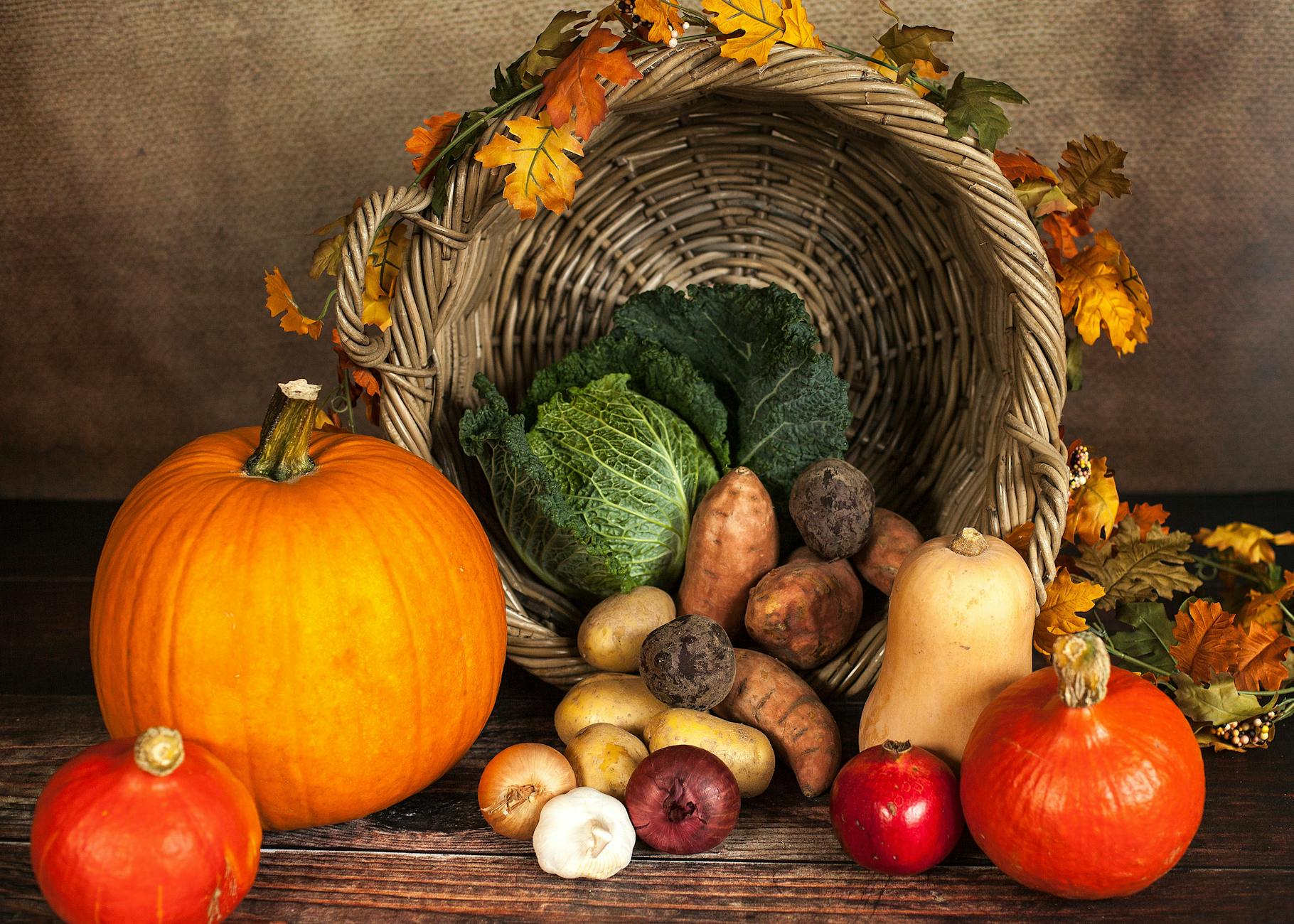
The harvest season is a time for both gratitude and reflection. Historically, communities would gather around the table to share in the bounty of the final harvest, knowing that this was the last opportunity to feast before winter’s scarcity set in. Sharing food at Samhain is symbolic of the cyclical nature of life and death, as the plants that sustained us through the year are now withering away and returning to the earth, while the seeds of next year’s harvest lie dormant in the soil.

The act of gathering for a harvest meal has long held both practical and spiritual meaning across cultures. In ancient Celtic tradition, Samhain marked not only the final harvest but also a liminal period when communities honored their ancestors. Feasts were central to these remembrance observances, where the living honored the departed and offered food to household spirits or deities associated with renewal. Archaeological and historical sources note that these gatherings often included symbolic dishes made from the season’s last crops, emphasizing balance between life and death, work and rest, as well as gratitude and letting go.
Similar practices appear throughout the world’s harvest festivals. The ancient Greeks held Thesmophoria, honoring Demeter and Persephone through offerings of grain and bread; the Chinese observed the Chung Chiu Festival, celebrating reunion and abundance during the full autumn moon; and Indigenous peoples across the Americas have long held harvest feasts that center gratitude to the land and its spirits. Each of these traditions reflects a universal understanding: eating together reaffirms not only survival but our relationships to one another, to the earth, and to the unseen forces that sustain life. When we share a meal in the spirit of Samhain, we continue this ancient lineage of reciprocity, transforming the simple act of eating into a conscious expression of gratitude, continuity, and belonging.

Stew as a Samhain Centerpiece
During the harvest season, stews have long reflected the resourcefulness and rhythm of agrarian life. As the final crops were gathered and temperatures began to drop, families turned to slow-cooked dishes that made the most of available ingredients. Root vegetables, grains, legumes, and preserved meats or stocks provided warmth, sustenance, and balance as communities prepared for winter’s rest. These one-pot meals were practical—requiring minimal attention while cooking—and eventually became symbolic of gratitude for the earth’s offerings. Harvest stews easily represent both abundance and preservation, linking nourishment with reverence for the season’s closing chapter.
In the context of Samhain, the use of stew carries layered meaning. This festival marks the end of the agricultural cycle and the transition into the year’s darker half, a time to reflect on what has been gathered and what must be released. A slow-cooked stew mirrors this rhythm of transformation. Ingredients are combined, heated, and softened over time, becoming something greater through patience and care. Each vegetable, grain, and herb offers its own essence, yet all contribute to one harmonious whole, ultimately becoming a reflection of the natural cycles of death and renewal that define Samhain’s essence.

Today, preparing a harvest stew for Samhain can serve as both nourishment and ritual. The process of chopping vegetables, simmering broth, and sharing the finished dish invites mindfulness and community. A modern Samhain feast might feature locally sourced produce, plant-based adaptations, or global influences that honor both heritage and innovation. Whether enjoyed alone in quiet gratitude for our ancestors, or shared around a communal table, a hearty stew reminds us that every meal is an act of connection: between people, between seasons, and between the earth and the hands that shape its vitality into sustenance.
Harvest Season Stew Recipe
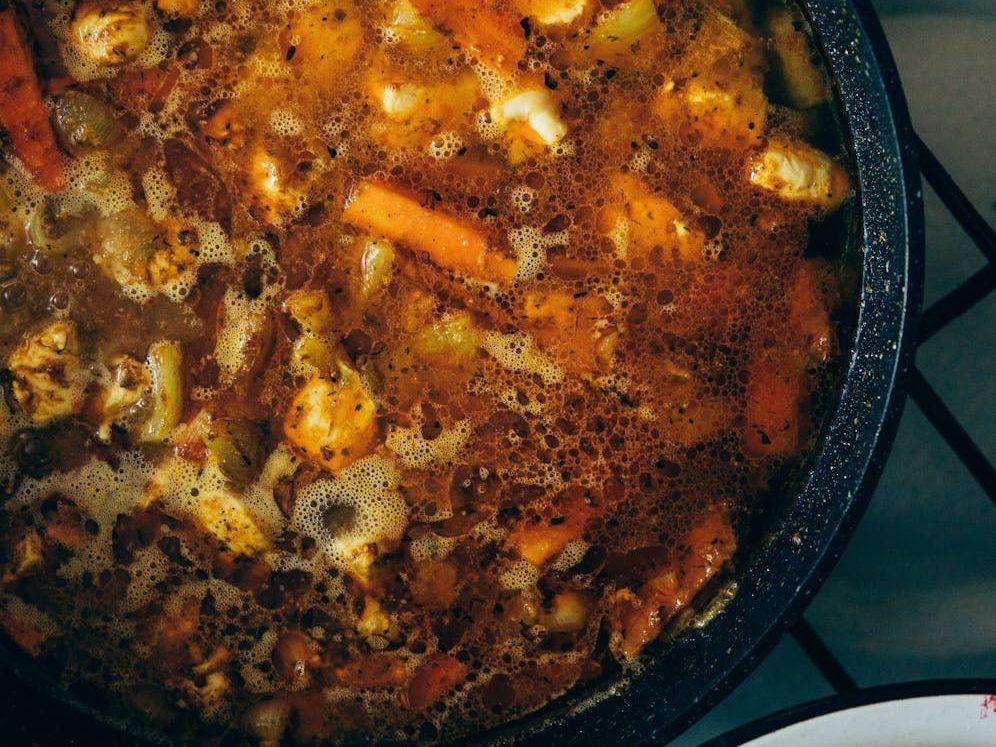
A rich and savory dish, brimming with an abundance of both flavor and meaning.
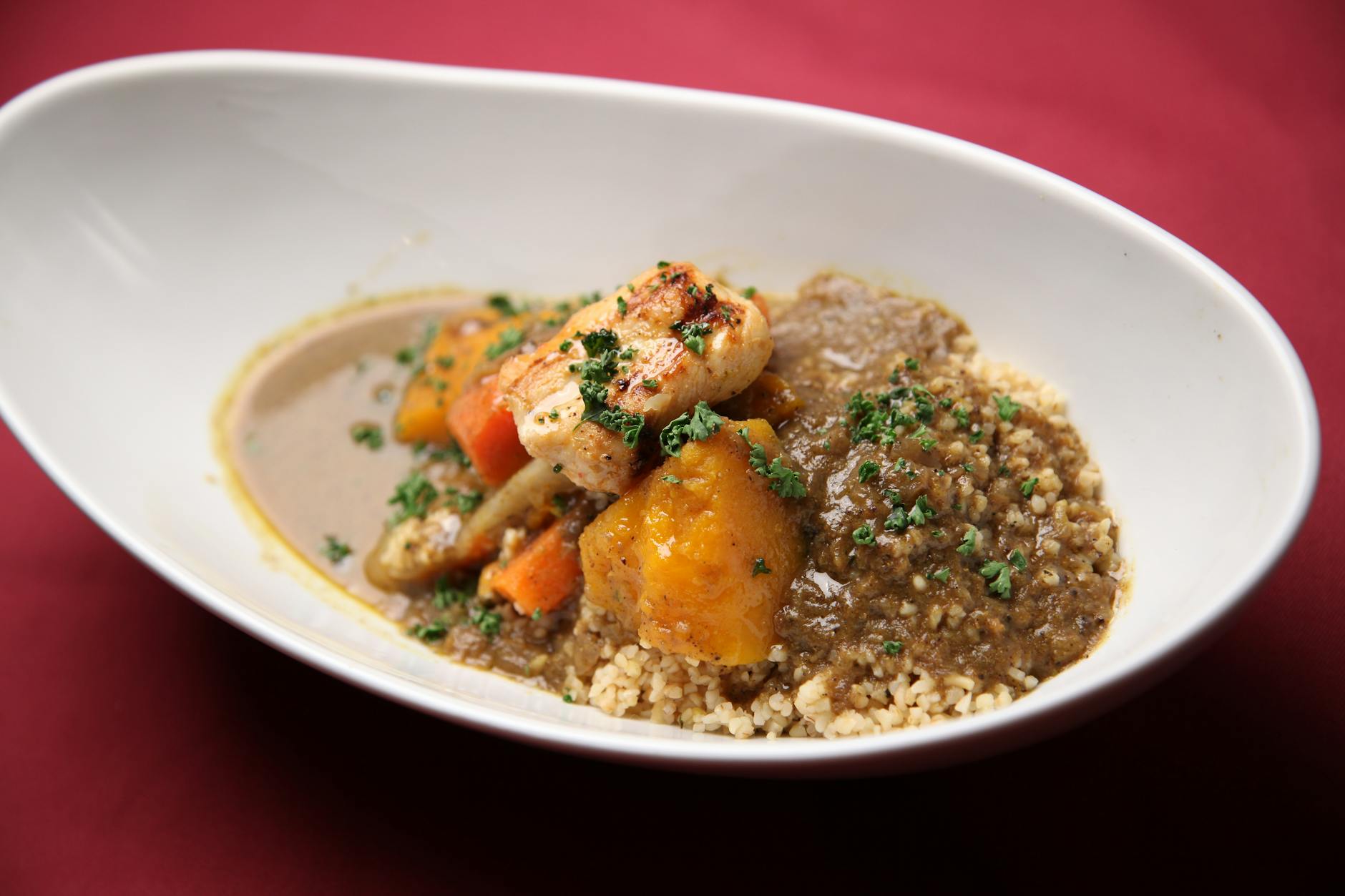
For this Samhain stew, we will focus on incorporating seasonal root vegetables, flavorful meats (or plant-based options), and a blend of herbs and spices that bring warmth and depth to the dish. This recipe is designed to be adaptable, allowing you to adjust the ingredients based on your local harvest and personal preferences.
Ingredients:
- 4 medium carrots
- 3 medium parsnips
- 2 large potatoes (or sweet potatoes)
- 1 small turnip
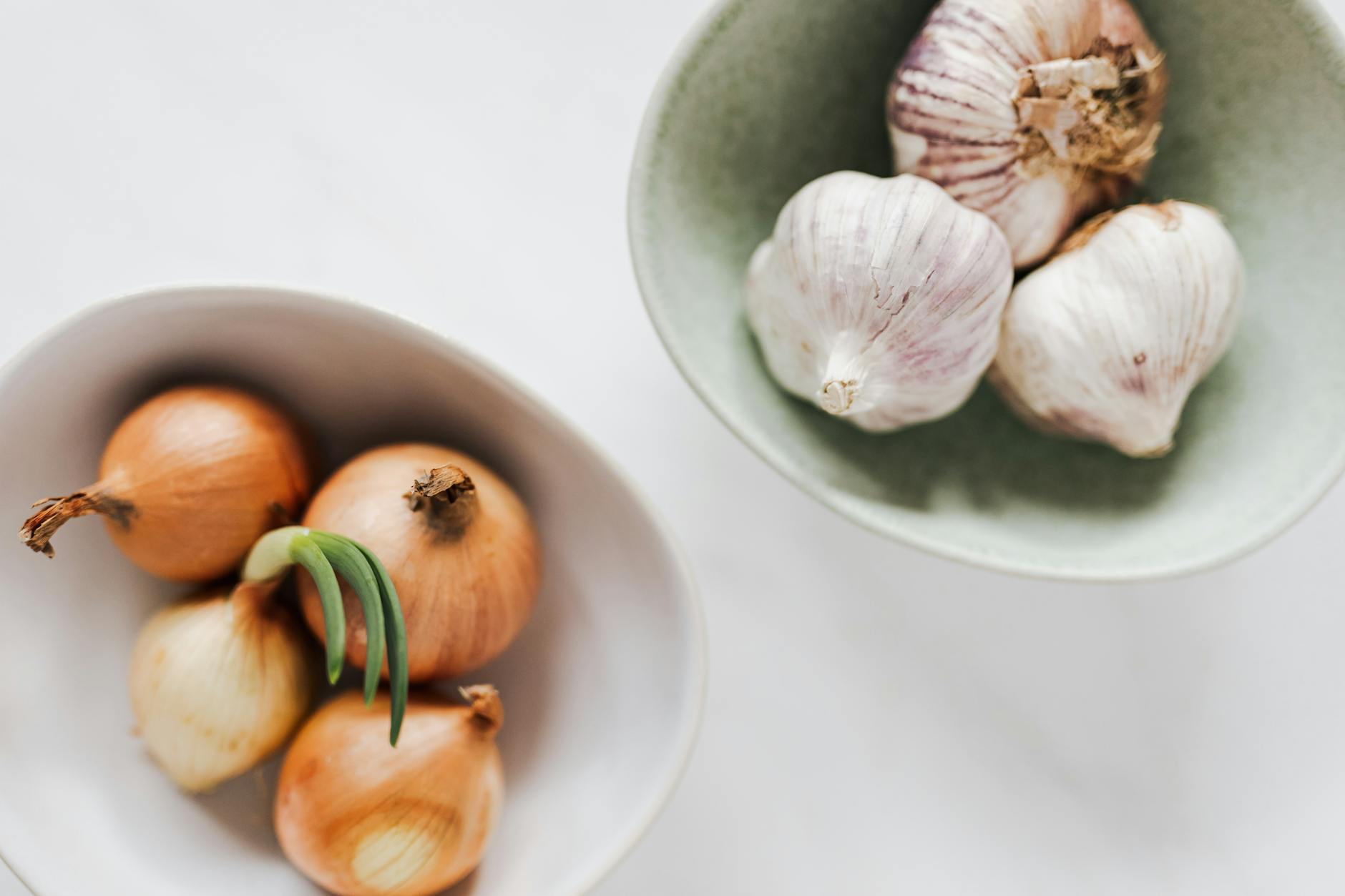
- 1 large onion
- 3 cloves of garlic
- 1 lb of stewing beef, lamb, or chicken thighs (can be substituted with 1 ½ cups of cooked chickpeas or lentils for a vegetarian/vegan option)
- 1 tablespoon olive oil or butter
- 4 cups beef or vegetable broth
- 1 cup red wine or dark ale (optional for a richer flavor)
- 2 tablespoons tomato paste
- 1 teaspoon dried thyme
- 1 teaspoon dried rosemary
- 1 bay leaf
- Salt and pepper to taste
- Fresh parsley (for garnish)
Instructions:

Step #1: Prepare the Vegetables
Begin by peeling and chopping the root vegetables into bite-sized pieces. Carrots, parsnips, potatoes, and turnips will provide the bulk of the stew, while the onions and garlic will add flavor to the base. Set aside.
Step #2: Brown the Meat
In a large pot or Dutch oven, heat the olive oil or butter over medium heat. If using meat, season the pieces with salt and pepper, then add them to the pot in batches. Brown the meat on all sides, creating a rich, flavorful base for the stew. If using plant-based protein like chickpeas or lentils, skip this step and add them later in the cooking process. Remove the meat from the pot and set aside.
Step #3: Sauté the Aromatics
In the same pot, add the diced onion and sauté until softened, about 5 minutes. Add the minced garlic and continue to cook for another minute, stirring frequently to avoid burning. The onions and garlic will add depth and sweetness to the stew.
Step #4: Add the Vegetables
Once the onions and garlic are fragrant, add the chopped carrots, parsnips, potatoes, and turnip to the pot. Stir to combine, allowing the vegetables to soften slightly.

Step #5: Deglaze the Pot
Pour in the red wine or dark ale, if using, and stir to deglaze the pot. This will lift any browned bits from the bottom of the pot, adding even more flavor to the stew. Alternitavely, you can use a bit of broth for this step. Allow the liquid to simmer for a few minutes until it reduces slightly.
Step #6: Build the Stew
Add the broth, tomato paste, thyme, rosemary, and bay leaf to the pot. Stir to combine all the ingredients. If you’ve browned meat, return it to the pot at this stage. Bring the stew to a simmer over medium heat.
Step #7: Simmer and Cook
Once the stew is simmering, reduce the heat to low and cover the pot. Allow the stew to cook for 1 ½ to 2 hours, stirring occasionally. This slow cooking process will allow the flavors to meld together and the meat (if using) to become tender. If using chickpeas or lentils, add them during the last 30 minutes of cooking to ensure they absorb the flavors of the stew without becoming mushy.
Step #8: Adjust Seasoning
After the stew has simmered and thickened, taste and adjust the seasoning as needed. Add salt, pepper, or additional herbs to your preference. If you prefer a thicker stew, allow it to simmer uncovered for an additional 10-15 minutes.
Step #9: Serve and Garnish
Ladle the stew into bowls and garnish with fresh parsley for a burst of color and flavor. Serve with crusty bread or over a bed of barley for an even heartier meal.
Stew Recipe Customization Tips
One of the wonderful aspects of stew is its versatility. Here are a few ways you can customize this recipe to suit your dietary needs or make use of your local harvest:
- Optional Add-Ins:
- Mushrooms, for a more earthy flavor
- Cabbage, for added texture and depth
- Barley, for a heartier stew
- Plant-Based Variations: For a completely vegetarian or vegan stew, swap out the meat for plant-based protein like lentils, chickpeas, or even tofu. Vegetable broth and a splash of soy sauce, miso paste, or balsamic vinegar can add depth to the flavor without the use of meat.
- Dietary Adjustments: If you’re avoiding grains, skip the barley or bread on the side, and instead use more root vegetables like sweet potatoes or squash to add bulk to the stew. For those avoiding alcohol, simply replace the wine or ale with additional broth and a splash of apple cider vinegar for some flavorful depth.
- Local and Seasonal Variations: Depending on where you live, your local harvest might offer different vegetables. Feel free to substitute or add ingredients based on what’s available. Squash, beets, or even leeks can be delicious additions that reflect your local season’s bounty.
- Spicing It Up: If you prefer a spicier stew, add a pinch of cayenne pepper or smoked paprika to the mix. You can also experiment with other herbs like sage or marjoram to give the stew a different flavor profile.

May Your Samhain be Enjoyed with Food
As we enter the liminal space that’s held by Samhain, this Harvest Season Stew recipe offers more than just nourishment for the body, serving as a reminder of the cyclical nature of life, death, and renewal. Whether gathering around the table with loved ones to share in this hearty dish or enjoying it in honor of our ancestors, we honor the spirit of the final harvest, the abundance of the earth, and the interconnectedness of all living things.
The simple act of preparing and sharing a meal connects us to the generations that came before us, who celebrated the harvest with gratitude and reverence. This stew, filled with seasonal vegetables and herbs, allows us to truly embody the spirit of Samhain: a time to reflect on what has been harvested in our lives, to share that abundance with others, and to prepare for the introspection that winter brings.
Sabbat Activity Booklet
Get your free copy of this printable PDF, designed to help you explore any of the Pagan Sabbats!
We hope that you’ll consider incorporating this stew into your Samhain celebrations, whether as the centerpiece of a family feast or a sacred meal shared with friends in honor of the season. As you stir the pot, reflect on the gifts you’ve received this year and offer thanks for the bounty of Earth. As you share the meal, toast to the cycles of life and the promise of renewal, especially in these darkening times.
Thank you for joining us here on Onescence! If you enjoyed this article, please consider supporting our free, online periodical by purchasing one of our products through Onesce Press. Given your interest in natural cycles and rituals, perhaps you would benefit from:
Moon Cycle Journey

JOURNAL FEATURES:
- Learn about the rhythms of the lunar cycle and how to apply them to your own journey.
- Explore your cycle goals, developing and working with your own authentic intentions.
- Discover the power of personal feedback for enhancing and sustaining progress.
- Utilize daily/nightly journal prompts that are designed to bring out your best.
- Experiment with simple ritual ideas and when to employ them throughout the cycle.
- And so much more…
You can also get your copy on Amazon and begin your journey with the next moon cycle!